The next generation of pilots isn’t going to show up on its own. It needs an invitation. GA pilot numbers have been declining for decades, and the aviation community talks about it constantly while struggling to act on it effectively. The next generation of pilots needs more than inspiration — they need access, mentorship, and real encounters with real aircraft. Here’s an honest look at what kills young people’s interest in flying and what actually works to fix it.
Last Updated: May 7, 2026 | By: The E3 Aviation Editorial Team
Why Aviation Needs New Pilots Now
The FAA’s airman statistics tell the story clearly. The total active pilot population peaked in 1980 at roughly 827,000. Today it’s around 700,000 and the private pilot numbers within that figure are declining faster than commercial certificates. GA is the pipeline. When GA shrinks, every level of aviation eventually feels it.
The commercial airline industry has accelerated this problem by pulling pilots from GA faster than the training system can replace them. Regional airlines are hiring pilots who two years ago would have been instructing, flying charters, or building hours in GA aircraft. The CFI shortage is real. The student pipeline is thinning at exactly the wrong time.
The next generation of pilots has to come from somewhere. They’re sitting in high schools, playing flight simulators, watching aviation content on YouTube. The question is whether the aviation community reaches them effectively before they commit their career energy somewhere else.
What Kills Young People’s Interest in Flying
The cost barrier is real, but it’s not the primary killer. Many young people who express interest in flying never make it to a discovery flight. They lose interest before they ever get near an aircraft. Three specific things kill aviation interest early.
The Intimidation Factor
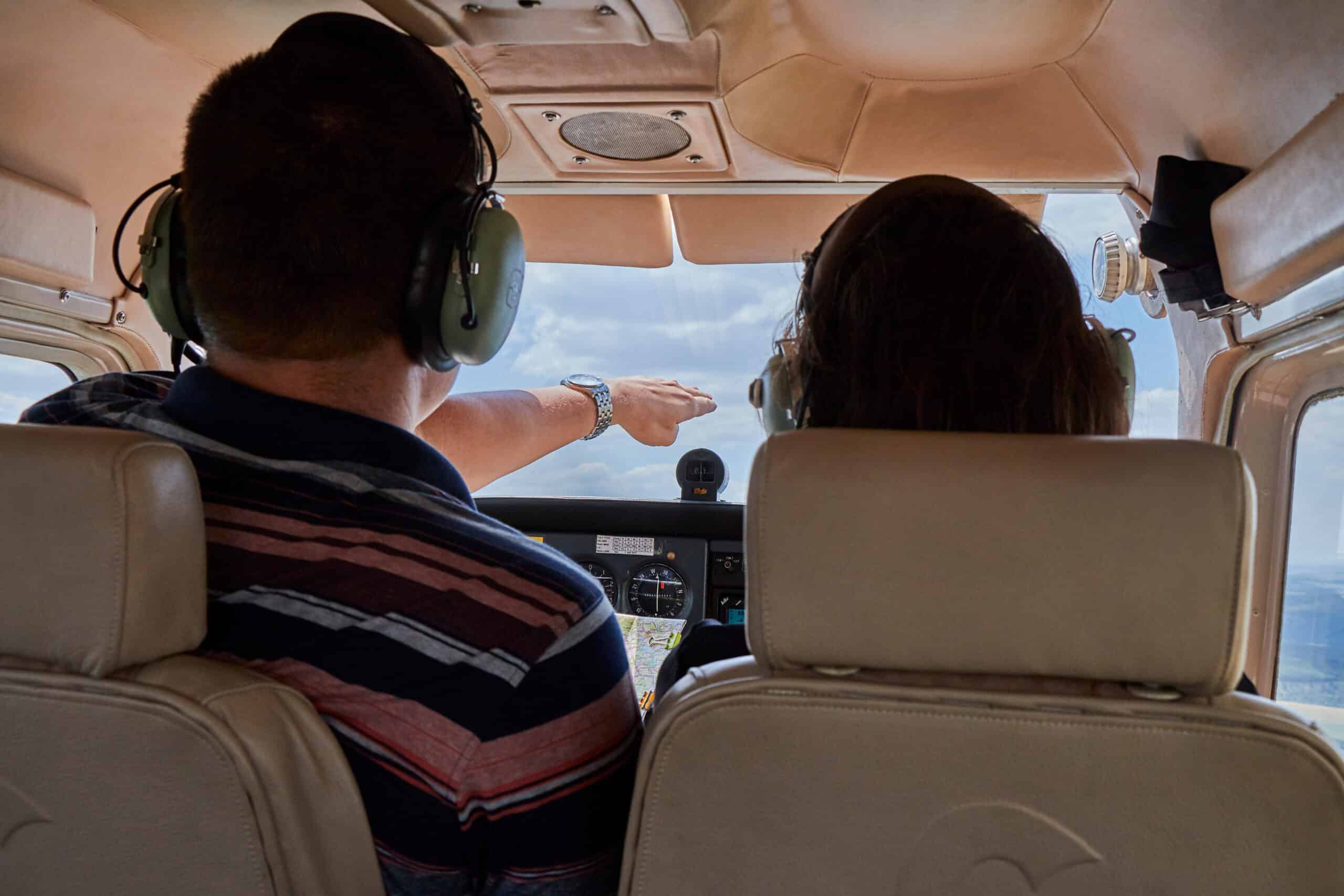
Aviation culture can be intimidating to outsiders. The jargon is thick. The regulations are dense. The assumption that “flying is for other people” takes hold early and is hard to dislodge. A teenager who visits a flight school and gets handed a POH before anyone says hello is probably not coming back.
This is a culture problem, not just a marketing problem. Flight schools that lead with paperwork and requirements push people away. Schools that lead with a walk around a real airplane, a cockpit sit-down, and a conversation about what flying feels like pull people in.
The Access Gap
Discovery flights cost $150–$300 at most flight schools. That’s not nothing for a teenager or a young adult with no aviation income. The programs that work — the ones that actually produce the next generation of pilots — find ways to reduce that initial cost barrier through scholarships, sponsored discovery flights, or free intro events.
Geography also matters. Young people who grow up near GA airports have organic exposure to aviation. Young people who don’t have no natural path to it. Digital content and social media can bridge that gap — but only if the content is good enough to create genuine curiosity.
The Visibility Problem
Most young people don’t know what GA actually looks like. They see airliners. They don’t see a 35-year-old pilot in a Cherokee flying to a backcountry strip for a weekend camping trip. That image — of GA as an accessible, adventure-enabling, personally meaningful activity — isn’t getting through at scale.
This is why content matters. Flying Magazine’s coverage reaches an aviation audience. But reaching non-pilots requires YouTube channels, Instagram accounts, and TikTok content that makes GA look like something real people do, not just wealthy retirees or airline aspirants.
What Actually Works to Build the Next Generation of Pilots
Our take: the aviation community over-invests in awareness campaigns and under-invests in personal contact. A teenager watching an aviation YouTube video is mildly interested. A teenager who has sat in the left seat of a Cessna 172 while a pilot explains what each instrument does is hooked. Personal contact converts at a much higher rate than any content strategy.
One-on-One Mentorship Changes Everything
Formal mentorship programs — where a certificated pilot commits to spending regular time with a student or young aviation enthusiast — produce dramatically better outcomes than passive exposure programs. The pilot doesn’t need to be a CFI. They need to be accessible, enthusiastic, and willing to show up.
This model works because it provides accountability and relationship. The young person isn’t just “interested in aviation.” They know a pilot who expects to see them. That relationship keeps people engaged through the hard parts — the cost, the schedule conflicts, the moments when progress feels slow.
Discovery Flights Convert Interest into Commitment
The moment a young person is in the left seat, with their hands on the controls, and the ground is 3,000 feet below — that’s the conversion point. No video, no ground school, no aviation fair produces what a discovery flight produces. Programs that prioritize getting young people into aircraft quickly convert at the highest rates.
Sponsoring discovery flights for young people who can’t afford them is one of the highest-return investments the aviation community can make. The math is compelling: a $200 discovery flight that produces one private pilot generates $10,000–$15,000 in flight school revenue and potentially a lifelong aviator.

E3 Aviation’s Role in Building the Pilot Pipeline
E3 Aviation Association was built around community and education for GA pilots. That mission extends naturally to building the next generation of pilots. Our “A Pilot’s Journey” video series documents real GA pilots — their paths into aviation, the challenges they faced, the moments that defined their flying careers.
We’ll be straight with you: this content isn’t produced for pilots who already love GA. It’s produced for the people who haven’t decided yet. The 17-year-old who stumbles onto a video of a real pilot flying to a small airstrip in the mountains and thinks “that could be me” — that’s the audience we’re after. That’s how the pipeline gets rebuilt.
The social media component matters too. GA pilots who share their flying on Instagram and YouTube are doing recruiting work whether they think of it that way or not. Every real, authentic post about a GA flight makes the activity more visible and more interesting to people who’ve never thought seriously about flying.
Once someone is ready to get serious, point them to a flight school guide that helps them make smart decisions about where to train.
Making the Private Pilot Certificate Feel Achievable
One thing that reliably discourages the next generation of pilots is the perception that earning a private pilot certificate is extraordinarily difficult. It isn’t. It’s challenging, time-consuming, and requires real commitment. But it’s not beyond reach for a motivated person of average academic ability.
The checkride, specifically, looms large in new student anxiety. Good preparation demystifies it. Resources like our private pilot checkride guide exist precisely to make that milestone feel less like a wall and more like a door.
The FAA’s student pilot resources are also worth directing young people toward early — demystifying the regulatory environment reduces dropout risk at the points where confusion typically peaks.
What Every GA Pilot Can Do Today
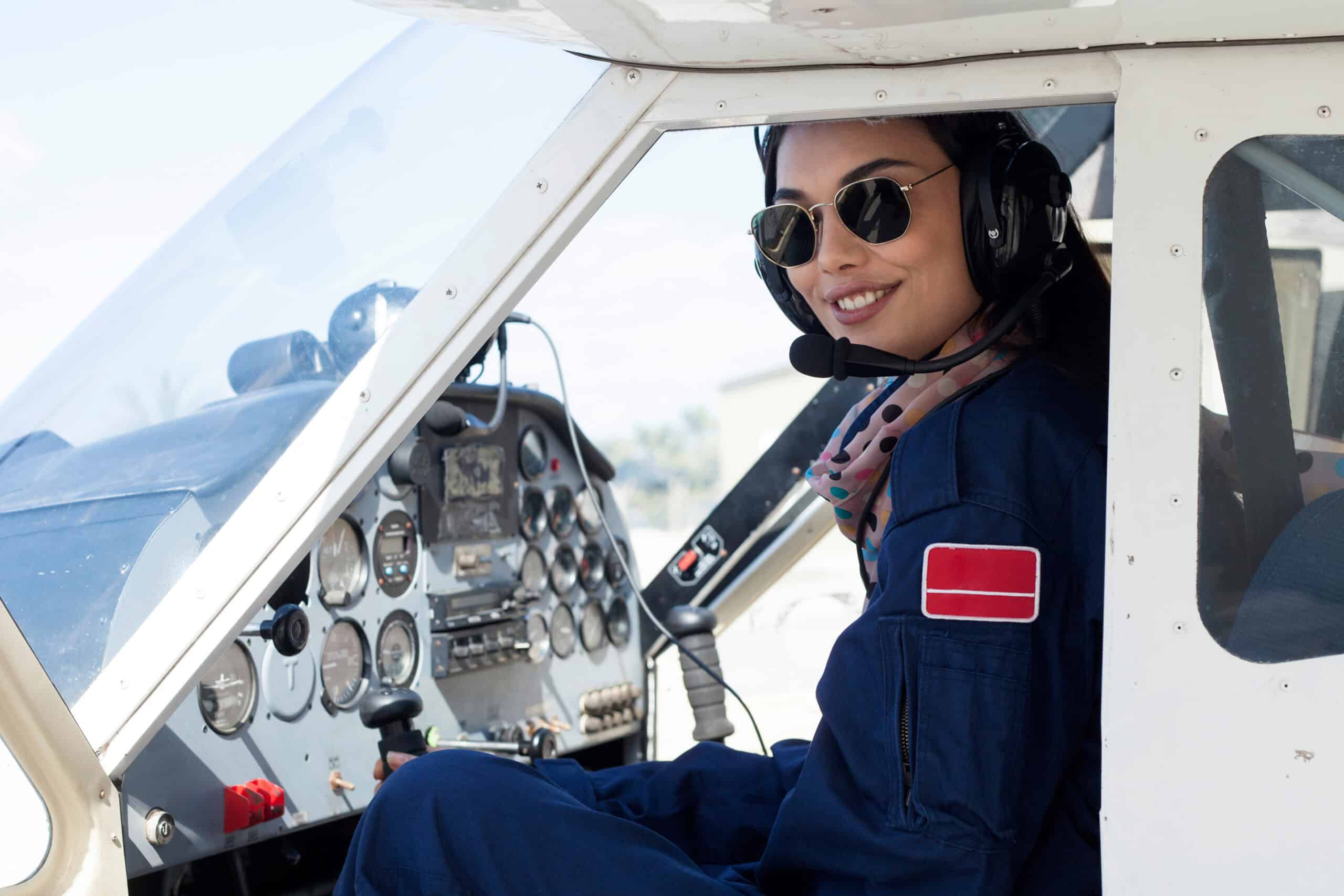
You don’t need to run a formal program to help build the next generation of pilots. You need to do a few specific things regularly.
Talk about flying in front of people who don’t fly. Post your flying on social media. Invite a non-pilot friend to your airport. Offer to do a passenger flight for someone who’s mentioned interest in aviation. Take a young person to an airshow — not just to watch, but to walk the flight line, talk to pilots, and touch aircraft.
Mentor one person. Not a class, not a program. One person. Give them your time, your airport access, and your honest experience of what GA is and what it takes. The next generation of pilots gets built one relationship at a time.
The Economics of Getting Young Pilots Licensed
The cost of earning a private pilot certificate has become the single biggest barrier to youth entering aviation. That’s not a perception problem — it’s a math problem.
A realistic Private Pilot Certificate today costs $12,000 to $20,000 depending on your location, airplane type, and how efficiently you train. The national average for a student in a Cessna 172 at a Part 61 school runs about $15,000 to $17,000 when you factor in ground school, books, exam fees, medical, and the inevitable extra hours beyond the 40-hour minimum. At a Part 141 academy, add structure — and sometimes add cost.
For a teenager from a middle-income family, that’s one or two years of after-school savings. For many, it’s simply not possible without outside help. Consequently, the demographics of new pilot starts skew older and wealthier than the broader population — a pipeline problem that compounds over decades.
Scholarship programs exist and matter. The The FAA’s Aviation Education program partners with high schools nationwide to introduce students to aviation careers through hands-on curriculum and discovery flights. The Women in Aviation International Scholarship program provides hundreds of awards annually. State-level aviation associations often have local scholarship funds that go undersubscribed. The issue isn’t that money isn’t available — it’s that students don’t know to look for it.
Income-share models are appearing in flight training. Some flight academies, particularly those with airline pipelines, structure training as a loan repayable from first-year airline wages. That model works at the professional level but hasn’t scaled to private pilot training yet. Cadet programs run by regional carriers — Envoy, SkyWest, and others — offer mentorship and financial pathways for students who commit early to the airline track. However, those programs recruit students already in college or with some flight hours. They don’t reach high school students making initial decisions.
The economic reality is that GA needs more creative solutions at the primary level. Flying clubs with youth membership rates, airport authority youth aviation programs, and local community investment all play a role. Above all, making aviation financially visible — showing young people the actual pathway and cost — removes the mystery that keeps otherwise interested students from taking the first step.
Technology and How Young Pilots Learn Today
The generation now entering aviation learns differently than their instructors did. That’s not a problem — it’s an opportunity.
Flight simulation has never been more accessible. Microsoft Flight Simulator 2020 runs on consumer-grade hardware and delivers scenery and systems modeling that rivals certified training devices from a decade ago. Young people who grow up flying X-Plane or MSFS arrive at their first lesson with genuine aircraft systems intuition. They understand how a VOR works, how to read a TAF, what a glideslope deviation looks like. The stick-and-rudder skills still need the actual airplane — but the conceptual foundation is already there.
Online ground school has replaced textbook reading for most students under 25. King Schools, Sporty’s, and Gleim all offer video-first courses that cover every FAA knowledge test topic. Students can earn their written endorsement while commuting, in study halls, or late at night. For instructors, this means students arrive at ground sessions already familiar with the concepts — and that frees lesson time for discussion, application, and the harder questions.
YouTube has become a flight training resource in its own right. Channels dedicated to GA pilot education reach hundreds of thousands of subscribers. E3 Aviation runs an active YouTube channel (@E3AviationAssociation) specifically focused on pilot education, safety, and real-world flying. Young pilots who grew up on video content don’t just read about crosswind landings — they watch dozens of examples, study technique, and show up to lessons with specific questions. That’s a net positive for flight training quality.
Social media communities — Reddit’s r/flying, Facebook pilot groups, aviation Discord servers — give student pilots access to thousands of certificated pilots willing to answer questions at any hour. The knowledge transfer happening in these communities is real and valuable. First, it accelerates learning. Then, it builds a sense of community that makes students more likely to complete their training and stay current after they’re certificated.
The technology tailwind is real. Young people entering aviation today have more learning tools available than any previous generation. The challenge isn’t motivation or aptitude — it’s getting them in the door and giving them the financial path to see it through.
FAQ: Next Generation of Pilots
What age is best for a young person to start flight training?
The FAA allows student pilot certificates at age 16 for powered aircraft, and first solo at 16. Discovery flights have no age minimum — a 12-year-old can fly with a CFI as a passenger and take the controls briefly. Starting ground school and simulator work in the 14–15 range builds knowledge and motivation before the student certificate age arrives.
How much does it really cost to become a private pilot?
The national average runs $10,000–$15,000 for a private pilot certificate, depending on local rates and how efficiently the student trains. Students who fly consistently — two or more times per week — almost always finish in fewer hours than students who fly intermittently. Cost is real, but manageable with financing and scholarships.
What’s the single most effective thing the aviation community can do to grow pilot numbers?
Get non-pilots into aircraft. Discovery flights convert at the highest rate of any outreach activity. Every passive awareness effort matters less than the experience of actually being in the left seat. If every active GA pilot sponsored one discovery flight per year for a non-pilot, the numbers would move.
Sources: FAA Student Pilot Resources | Flying Magazine
E3 Aviation Editorial Team
The E3 Aviation Association editorial team is made up of licensed pilots, aviation educators, and industry professionals dedicated to advancing general aviation safety, community, and education. Learn more about E3 Aviation.