The WACO Aircraft closure hit the general aviation community like a thunderclap on April 29, 2026. Workers at the Battle Creek, Michigan factory packed up that Tuesday afternoon. Then they got an email telling them not to come back. By Wednesday morning, a printed sign on the factory door confirmed the news. After 40 years of hand-built biplanes coming out of Lansing and later Battle Creek, the lights at WACO went dark. For the roughly 150 YMF-5 owners flying these handcrafted machines, the closure raises hard questions about parts, support, and resale value. For the rest of the GA community, it raises a bigger question: can boutique American aircraft manufacturing still survive?
Last Updated: May 7, 2026 · By: The E3 Aviation Editorial Team
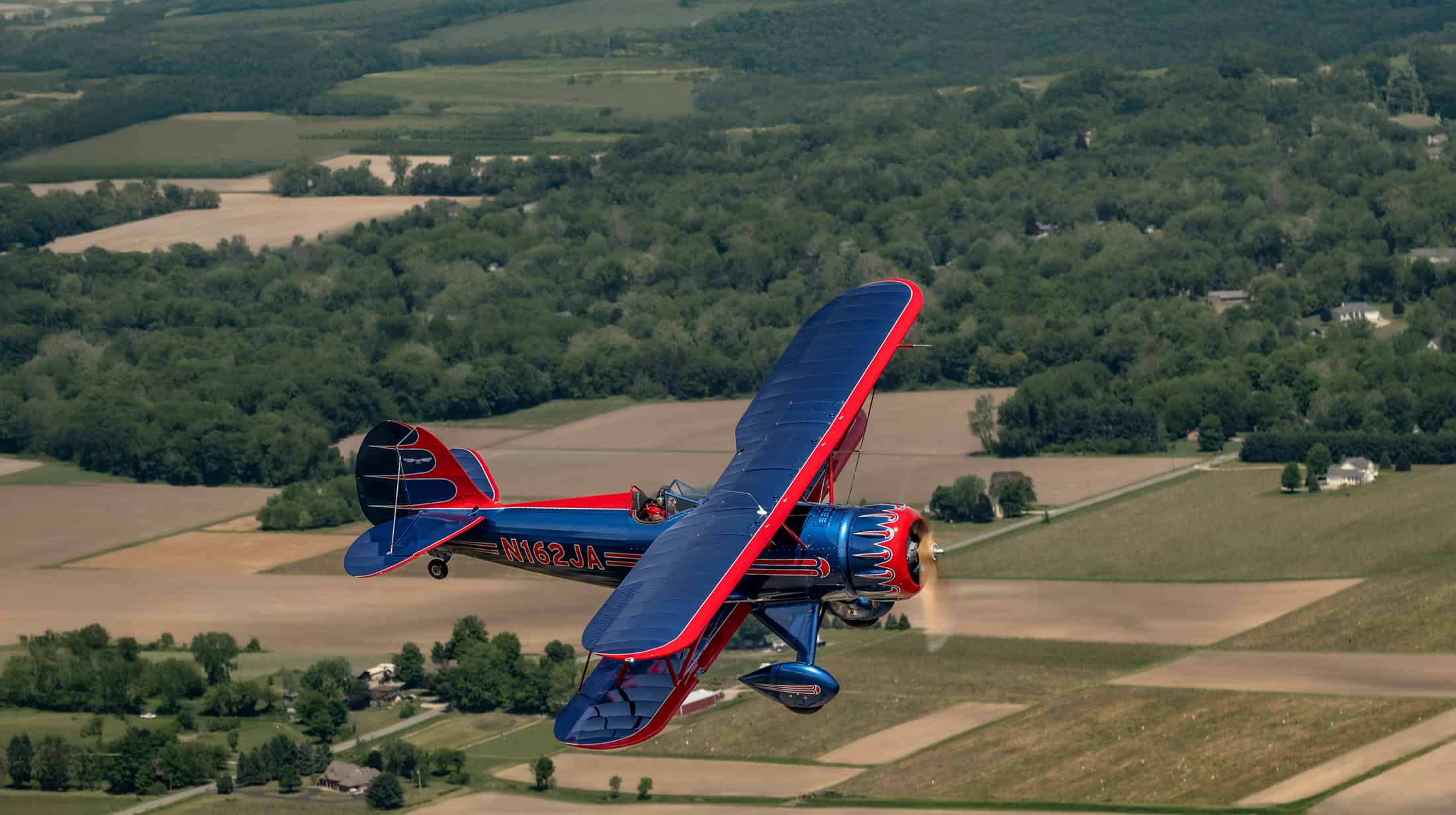
Look — this isn’t the first time WACO’s gone dark. The brand has come back twice before. But the 2026 chapter feels different, and not just because the parent company, Florida-based DIMOR Group, just spent $12 million on a factory expansion that never produced a single airplane. Here’s what happened, why it happened, and what every YMF-5 owner needs to do next.
How the WACO Aircraft Closure Unfolded
The collapse came fast. Almost nobody saw it coming. WACO had a full booth at the 2026 Sun ‘n Fun Aerospace Expo just three weeks earlier in Lakeland, Florida. Sales staff talked confidently about new orders. Production timelines looked stable. Then everything stopped.
April 29 — Lights Out at Battle Creek
On Tuesday, April 29, 2026, employees at the WACO factory finished their shift like any other day. Soon after, an email arrived telling them not to return. About 60 jobs vanished overnight. Centennial Aircraft Services — the FBO and FAA Part 145 maintenance shop sharing the campus — also shuttered the same day. The restaurant on the property, SF Latin American Cuisine, stayed open. Basic FBO operations remain active. But the manufacturing and maintenance business that built and supported one of America’s most recognizable biplanes is finished.
DIMOR Group made the announcement public on May 5. The statement cited “rising production costs and decreasing demand” as the reasons. Production of the WACO YMF-5 ends immediately. Junkers A50 Junior, A50 Heritage, and A60 production continues at DIMOR’s Oberndorf, Germany facility. The American chapter, however, is closed.
From Sun ‘n Fun to Silence in Three Weeks
The timing stunned the industry. WACO had been actively marketing the YMF-5 at Sun ‘n Fun in early April. Sales conversations were happening as recently as the week before the shutdown. Some prospective buyers reportedly had deposits in process when the announcement dropped. As a result, the closure left a trail of unfinished orders, partially completed airframes on the line, and a parts inventory whose fate remains unclear.
Equally important, the closure caught vendors and aftermarket suppliers off guard. Companies like RFS Rapco Fleet Support, which supplies FAA-PMA brake parts for the YMF-5, are now working through the implications. Likewise, fabric, engine, and avionics specialists who served the WACO line face a customer base that’s now finite — every airframe flying today is the last batch that’ll ever exist.
What the WACO Aircraft Closure Means for YMF-5 Owners
If you own a WACO YMF-5 or a Great Lakes 2T-1A-2, here’s the short answer: your airplane is exactly as airworthy today as it was last week. The closure of the manufacturer doesn’t affect your airworthiness certificate, your annual, or your operating limitations. What changes is the support pipeline. Document your airframe, build relationships with multiple shops, and don’t panic. Most YMF-5s will keep flying for decades.
Parts, Logbooks, and Type Certificates
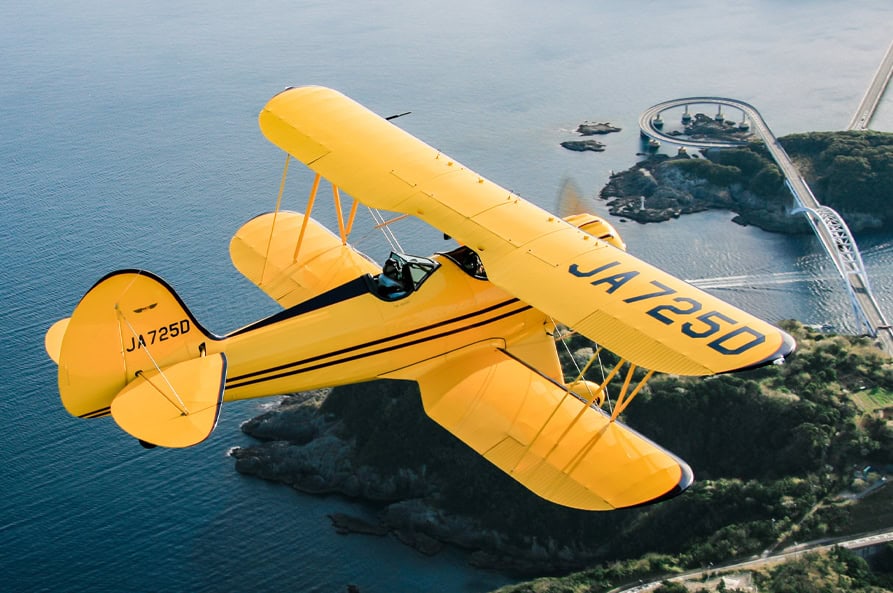
The type certificates for both the YMF-5 and the Great Lakes 2T-1A-2 are reportedly available for purchase. What happens to the existing parts inventory in Battle Creek hasn’t been publicly decided. Therefore, current owners should take a few practical steps right now.
Our take: treat this month as a maintenance and documentation sprint, not a crisis. Pull copies of all logbook entries, factory drawings, and STC documentation. Inventory critical spares. If you’ve been waiting on a part order from the factory, follow up immediately with DIMOR at the published email address ([email protected]). Talk to your insurance agent. Hull values may shift in the coming months as the market digests the news.
Finding Qualified Mechanics
Sourcing qualified Jacobs radial technicians and fabric airframe specialists was already a shrinking proposition. After the WACO Aircraft closure, that pool of expertise just got harder to access. Therefore, owners should start building a relationship with multiple shops, not just one.
Look for shops with documented experience on radial engines and fabric-covered airframes. Mechanics who’ve completed prior annuals on YMF-5 or similar aircraft. Type clubs and owner associations that maintain technician referral networks. Owner-pilots in your region who can recommend trusted A&Ps. Maintaining a hand-built biplane has always required a network. Indeed, that network matters more now than ever.
Resale Value Outlook
What happens to YMF-5 resale prices over the next 12 months is genuinely uncertain. On one hand, the closure reduces future supply to zero. No new YMF-5s will ever be built unless somebody buys the type certificate and restarts production. That scarcity could support prices. On the other hand, buyers are rational about long-term parts support. If factory support truly disappears, some buyers will discount the airframe accordingly.
Most likely, the market splits in two. Well-documented airframes with strong logbooks and recent inspections may hold value or even appreciate. Airframes with deferred maintenance or weak documentation may sell at a discount. Talk to a qualified aircraft appraiser before making any major decisions about your YMF-5.
Why the WACO Aircraft Closure Happened
DIMOR’s official statement pointed to rising production costs and falling demand. Technically, that’s accurate. But it understates the real story. The deeper issue was a structural mismatch between a handcraft business model and an industrial-scale ambition.
6,000 Hours of Hand Labor per Airframe
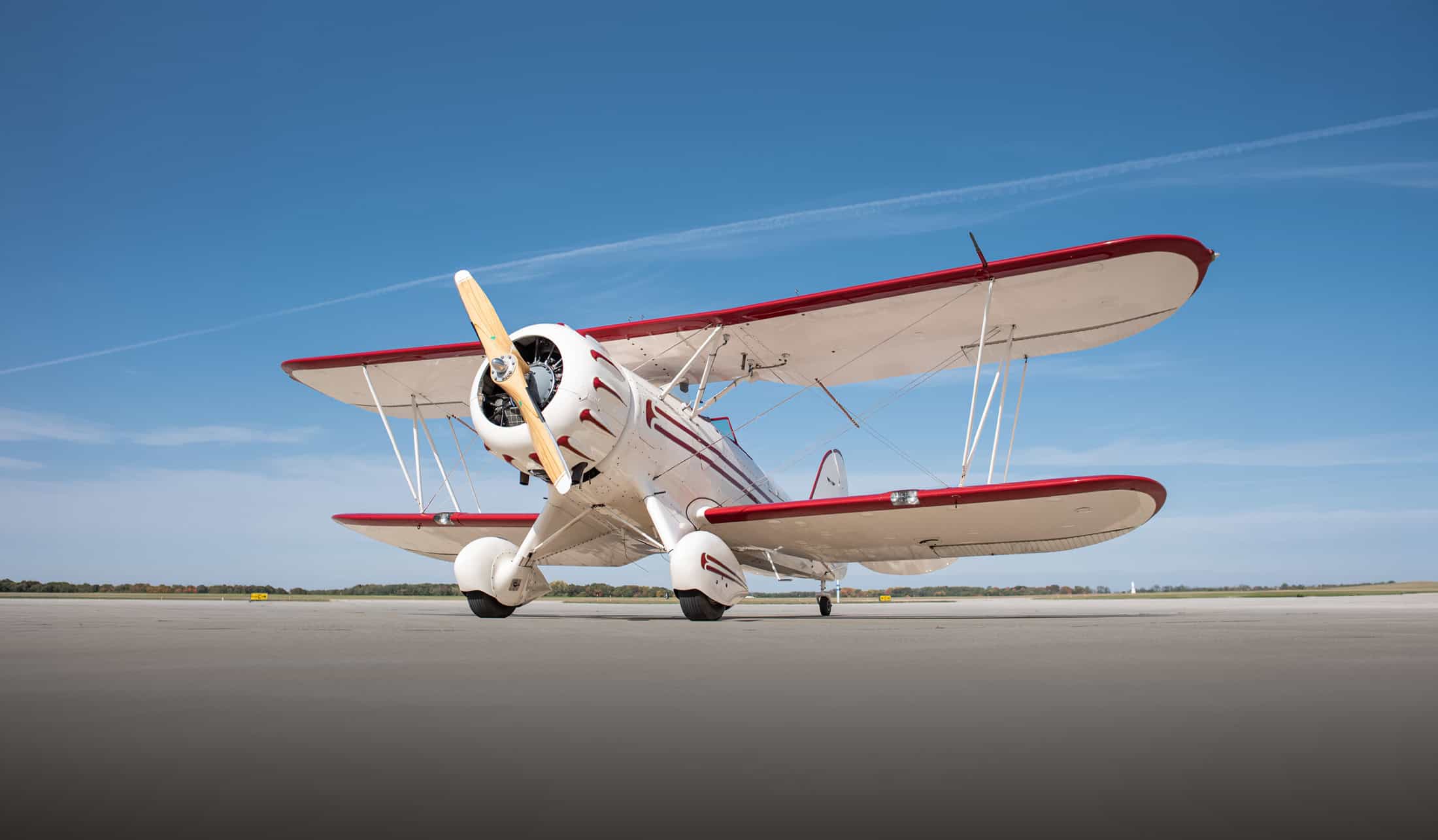
Building a YMF-5 isn’t anything like building a Cessna 172. The economics work nothing alike. Each WACO airframe took thousands of hours of skilled fabric, wood, metal, and rigging work. Three airplanes in production at a time, never more. Skilled craftspeople capable of doing this kind of work are increasingly rare and increasingly expensive. Indeed, finding journeyman fabric and rigging mechanics gets harder every year as the legacy GA workforce ages out.
Meanwhile, customer demand for new $400,000-plus open-cockpit biplanes was always small. The market for that airplane is a few dozen buyers a year, globally. When you combine slow demand with rising labor and material costs, the math gets harder every year. Above all, the cost of insurance, certification, and regulatory compliance has climbed faster than buyers’ willingness to pay. The post-pandemic supply chain hit small builders hard — every component cost more and took longer to source.
The DIMOR Expansion That Didn’t Work
In February 2025, DIMOR announced a $12 million capital plan. The company would build a new 45,000-square-foot factory at Battle Creek and expand the campus to 150,000 square feet. The goal was to develop the North American market for the German-designed Junkers A50 Junior and A50 Heritage alongside the WACO YMF-5. On paper, the strategy made sense. In practice, it was a scale problem.
A handcraft operation selling biplanes in the low single digits per year can’t carry the overhead of a 150,000-square-foot industrial campus. The expansion locked DIMOR into a fixed cost structure that no realistic sales volume could cover. The Junkers North American launch never materialized at the pace the business plan required. As a result, by spring 2026, the math had stopped working entirely. Then the abrupt April 29 shutdown followed almost as an inevitability rather than a surprise.
The Broader Industry Pattern
Here’s what most pilots get wrong about closures like this: they assume one factory shutting down is an isolated story. It isn’t. The WACO Aircraft closure fits a pattern that’s played out across small-volume American aircraft manufacturing for decades. Companies like Mooney, Maule, and others have all struggled with the same fundamental problem. The cost of building certified aircraft in the United States keeps climbing while the buyer pool keeps shrinking. Every time a small builder folds, the surviving owners face the same questions about parts, support, and value.
A Brief History of WACO Aircraft
The WACO name carries more weight than almost any other in American light aviation. To understand why this closure matters so much, you have to understand the brand’s long arc of survival, extinction, and revival.

The Original 1920s WACO Era
The Weaver Aircraft Company — later contracted to the WACO Aircraft Company — got its start in Troy, Ohio in the early 1920s. Throughout that decade and the next, WACO became one of the largest civilian aircraft manufacturers in the United States. By the late 1930s, the company was building everything from open-cockpit trainers to closed-cabin executive biplanes. Then came World War II and the shift to all-metal monoplanes. The postwar GA boom favored Cessnas, Pipers, and Beechcrafts. The original WACO Aircraft Company folded in 1947.
For nearly two decades, the brand sat dormant. A 1960s licensing venture under Allied Aero Industries tried to revive WACO production, but that effort collapsed after only limited output. By the early 1970s, the WACO name lived mainly in vintage aircraft restoration circles and at airshows. Pilots still flew the surviving prewar airframes. Yet no new WACOs were rolling off any line.
The 1980s Revival and the YMF Classic
The story changed in 1983. Classic Aircraft Corporation in Lansing, Michigan, purchased the type certificate that year. Then they began the long, expensive process of putting the WACO YMF back into production. Three years later, in 1986, the first new YMF Classic earned its airworthiness certificate. The YMF-5C Super followed in 1991 with upgraded performance and modernized systems.
By the time DIMOR Group acquired the operation in 2018 and moved final assembly to Battle Creek, more than 150 new YMF-5 airframes were flying. Every single one of them was hand-built. Each airframe required somewhere north of 6,000 hours of skilled labor. The factory typically had three airframes in process at any given time — never an assembly line, always a craftsmen’s shop.
The Bigger Picture for American Biplane Manufacturing
The WACO Aircraft closure doesn’t exist in a vacuum. It sits inside a larger conversation about whether the United States can still profitably build small numbers of certified, hand-built aircraft. The answers aren’t encouraging.
Junkers Continues in Germany
Importantly, the Junkers A50 Junior, A50 Heritage, and A60 will continue worldwide production from DIMOR’s Oberndorf, Germany facility. The German operation has different cost structures, different regulatory pathways, and a customer base that historically supports premium European-built aircraft. For DIMOR, the strategic move is clear: concentrate craftsmanship-intensive aircraft production in Germany, where the math actually works.
Whether U.S. customers will keep buying German-imported Junkers in meaningful volume remains to be seen. The customer service experience for North American Junkers owners is now an open question. Spare parts, technical support, and warranty work all have to flow across the Atlantic. For some buyers, that distance is acceptable. For others, it’s a deal-breaker.
What This Says About Boutique Aircraft Builders
We’ll be straight with you: the lesson from the WACO Aircraft closure is sobering for anyone who loves small American aircraft manufacturers. The model of a single craftsmanship-driven biplane builder, operating out of a single American factory, may simply not be viable at current cost levels. Mooney, Maule, Aviat, and others all face versions of the same headwind. Some have weathered it through different ownership structures. Some haven’t.

For pilots, the practical takeaway is simple: the airplanes you love today may not be in production tomorrow. Therefore, take care of the one in your hangar. Build relationships with the mechanics who know it. Support the type clubs. Indeed, the value of an existing certified airframe goes up, not down, when its manufacturing source disappears.
The Outlook for Hand-Built American Aviation
Looking forward, the question isn’t whether more American specialty aircraft makers will close. The question is which ones, and how soon. Builders that depend on a single product line, a single facility, and a single ownership group face the steepest risk. Manufacturers with diversified product portfolios, larger production runs, or strong dealer networks tend to absorb shocks better.
For now, the YMF-5 community will rally. Type clubs will share parts sources. Mechanics will share knowledge. Owner forums will trade information about which shops know the airframe and which suppliers can still deliver. This is exactly how the GA community has always handled orphaned types — through grassroots networks of pilots, owners, and mechanics who refuse to let great airplanes disappear.
Frequently Asked Questions About the WACO Aircraft Closure
Is the WACO YMF-5 still airworthy after the closure?
Yes. The closure of the manufacturer doesn’t affect the airworthiness of any existing YMF-5. Your annual inspection, your logbook, and your operating limitations remain exactly the same. The airworthiness certificate stays valid as long as you keep complying with the maintenance requirements in the type certificate data sheet.
Where can I get parts for my WACO YMF-5 now?
Owners should contact DIMOR directly at [email protected] to inquire about the existing parts inventory. Aftermarket suppliers like RFS Rapco Fleet Support continue to provide FAA-PMA approved parts for items like brakes. Type clubs and owner associations are excellent resources for sourcing harder-to-find components. Many WACO components also share commonality with other vintage and classic airframes.
How does the WACO Aircraft closure affect resale value?
Short term, expect some uncertainty. Well-documented airframes with strong maintenance histories will likely hold value or even benefit from scarcity. Airframes with weak documentation or deferred maintenance may discount. Talk to a qualified aircraft appraiser before making any major decisions about your YMF-5. Insurance hull values may also shift as the market settles.
Related Articles

Sources
- Flying Magazine — WACO Aircraft Abruptly Closes Factory
- General Aviation News — WACO Aircraft, Centennial Aircraft Services Close Doors
- AVweb — WACO Aircraft Shuts Down Operations
- Aircraft Insider — WACO Aircraft Corporation Ceases Operations
- Aviation Consumer — Lights Are Out Following WACO Aircraft Shutdown
- Vintage Aviation News — WACO Aircraft Corporation Ceases Operations in Battle Creek
Stay Connected With E3 Aviation
The WACO Aircraft closure is a reminder of how quickly the GA landscape can shift. At E3 Aviation Association, we cover the trends, the maintenance realities, and the ownership decisions that matter to working pilots. Subscribe to our YouTube channel for in-depth videos on GA aircraft, ownership, and backcountry flying. For more written analysis on the stories shaping general aviation, browse our full aviation articles library. Fly safe, fly often, and take care of the airplane in your hangar — there may not be another one coming.