Last Updated: June 22, 2026 | By the E3 Aviation Editorial Team
Most pilots buy sunglasses the same way they buy a shirt. They pick a brand, try them on, and head to the airport. That’s how you end up with the wrong lens tint or the wrong frame. Or worse, a pair that blanks out your PFD on short final. Pilot sunglasses are a tool, not an accessory. The wrong pair can quietly cost you minutes of situational awareness on every flight.
We’ll be straight with you: this is the single piece of gear that touches every flight you ever make. Most pilots underspend the decision. The good news is that once you understand the four variables that actually matter, the choice gets simple. This guide walks through what the FAA says about pilot sunglasses. We’ll cover what’s changed since the move to glass-cockpit panels. And we’ll look at which frames work with the headset already on your head.
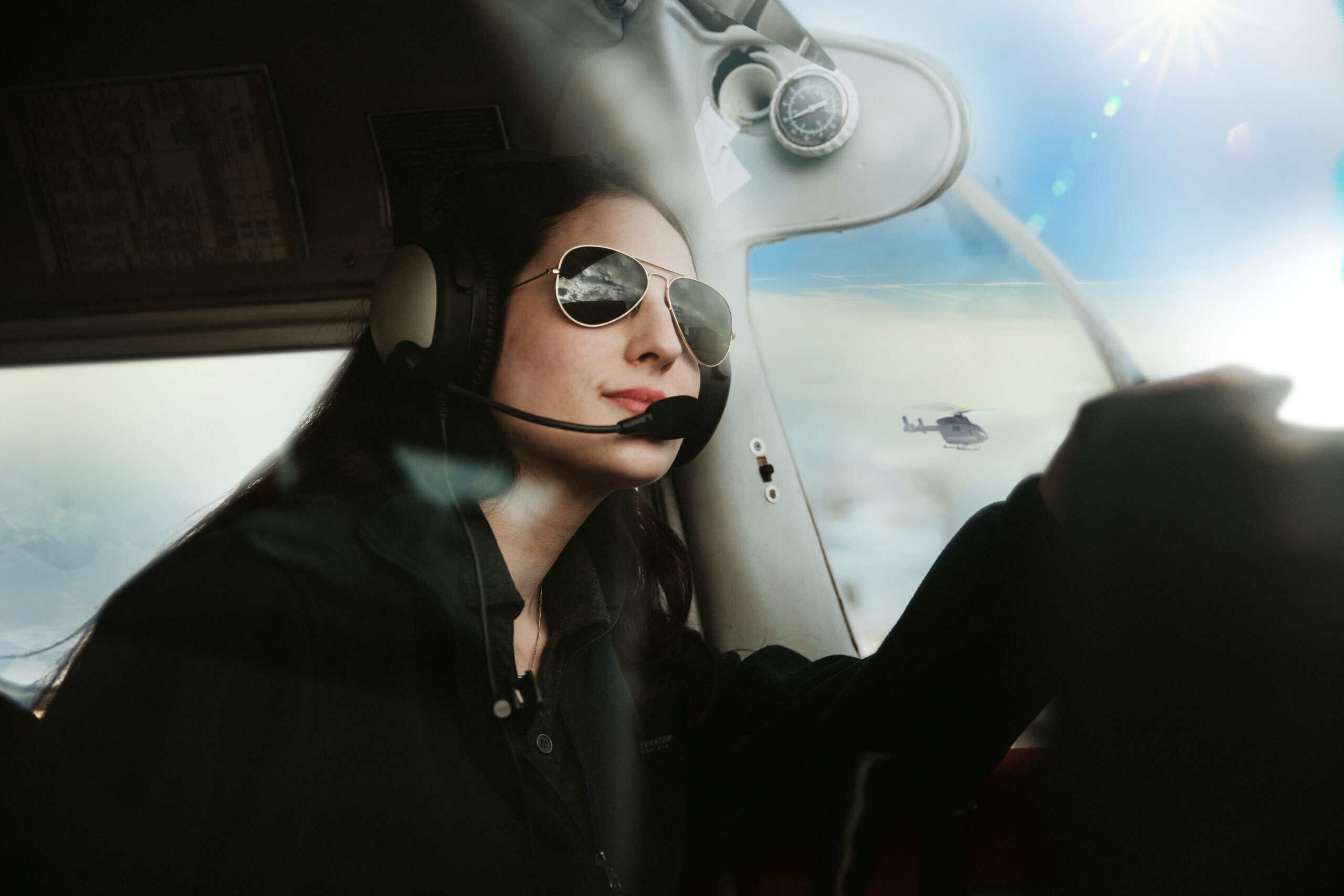
What Makes Pilot Sunglasses Different From Regular Sunglasses
Pilot sunglasses do four jobs that everyday sunglasses don’t have to do. They have to play nicely with LCD instrument displays. They have to fit under a headset clamp without pinching. They have to cut sun glare without dimming the panel. And they have to block the UV load you pick up flying above the haze.
That’s why a $20 gas-station pair fails the moment you hit cruise. Even a $300 fashion pair from a department store often fails too. Fashion sunglasses are tuned for ground-level lighting and worn over a shirt collar, not under a David Clark.
The FAA put out a pilot safety brochure called “Sunglasses for Pilots: Beyond the Image” for a reason. The agency saw enough cockpit incidents traced back to bad eyewear. It’s worth reading once before you spend any money. Our take: treat pilot sunglasses like you treat your headset. Buy once, buy right, and expect them to last a decade.
The Polarization Problem Every GA Pilot Has to Understand
Here’s the rule that catches more pilots than any other: polarized lenses and modern cockpits don’t get along. The FAA’s pilot sunglasses brochure recommends against polarized lenses for that exact reason.
Polarized lenses filter out horizontally reflected light. That sounds great, and on a boat or a road it is. The problem is that most modern LCD instrument displays already use a polarizing filter inside the screen. That includes your G1000, G3X, Aspen, Dynon, GTN navigator, even some iPad screens. When your lens polarization rotates against the screen’s polarization, the display goes black, rainbows out, or shows uneven dark patches.
Move your head a few degrees, the effect changes. Now imagine that happening on a coupled approach in moderate turbulence. That’s why polarized pilot sunglasses are a bad idea even though there’s no regulation prohibiting them.
The fix is non-polarized lenses. You still get the UV protection. You still get the light reduction. You just don’t get the optical roulette every time you scan from the windshield to the panel.
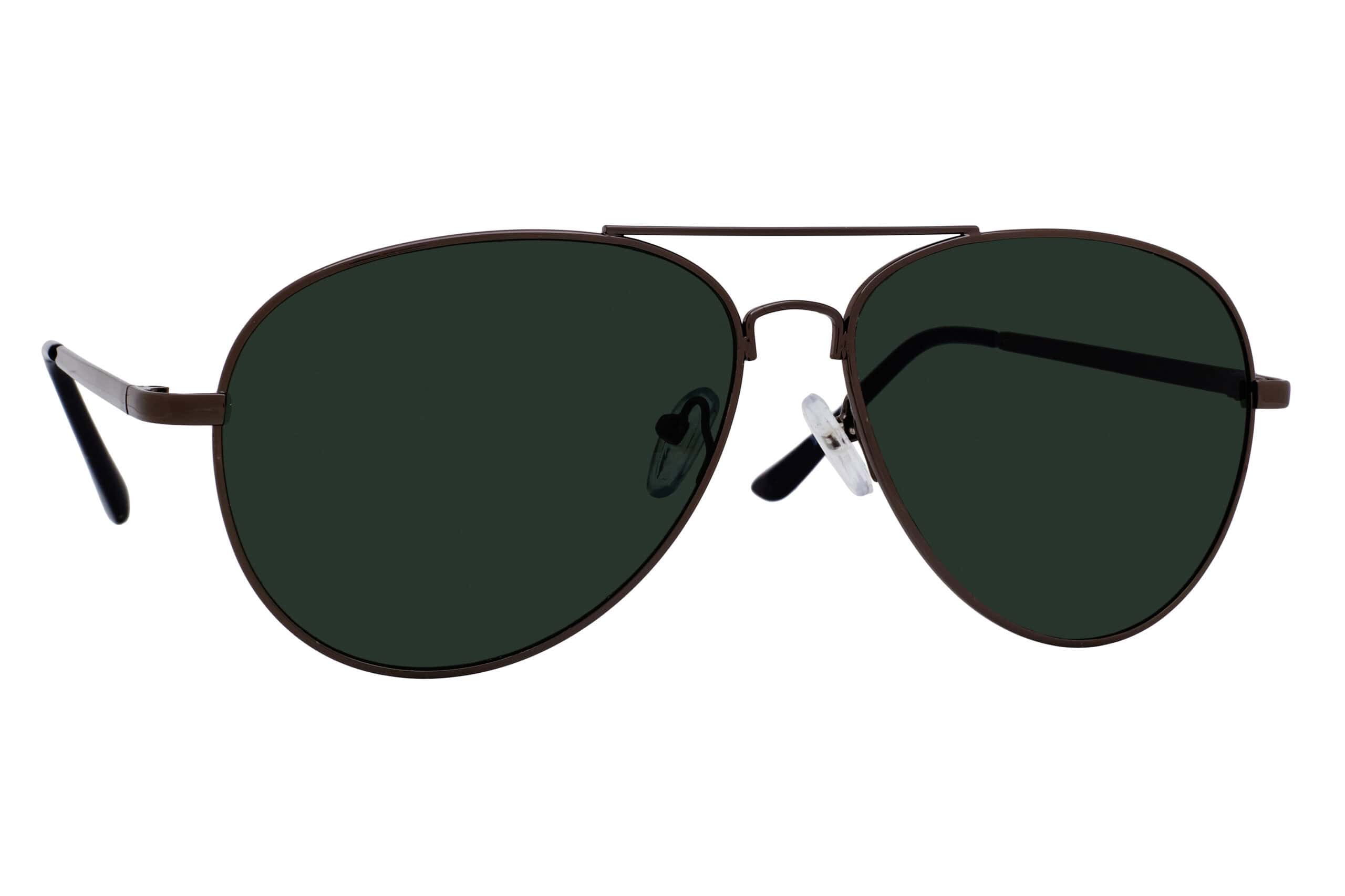
Lens Material: Glass vs Polycarbonate vs CR-39
Three materials dominate quality pilot sunglasses. Each has a real trade-off, and the right pick depends on how you fly.
Glass lenses give you the sharpest optics and the best scratch resistance. The Randolph Engineering Aviator and the American Optical Original Pilot both ship with glass. The downside is weight. Glass also shatters if you drop them on a hangar floor. That matters more than you’d think when you fly four times a week.
Polycarbonate lenses are the military and tactical standard. They’re impact-resistant, lightweight, and they shrug off the kind of drop that turns glass into expensive shards. The trade-off is slightly softer optical clarity and lower scratch resistance unless the lens has a hard coat.
CR-39 plastic lenses sit between the two. They’re lighter than glass, cheaper than polycarbonate of comparable quality, and offer better optics than basic polycarbonate. They scratch easier, so you commit to a cleaning routine.
For a daily-driver pair of pilot sunglasses, we lean polycarbonate. The weight savings under a headset matter more over a four-hour cross-country than the marginal optical edge of glass.
Tint Color: Gray, Brown, or Green for the Cockpit?
Tint changes how you see the world, and in flying that’s not cosmetic. The FAA specifically calls out neutral gray as the preferred tint in its pilot sunglasses guidance. Most career pilots agree.
Neutral gray cuts light evenly across all wavelengths. Colors look the way they actually are. That matters when you’re reading sectional chart shading, ATIS-coded weather, or the color-coded bands on a vacuum gauge. Gray is the safe default.
Green-gray, like the AO G-15 or Ray-Ban’s classic green, leans slightly into the color the eye is most sensitive to. Contrast goes up a touch. Color shift stays minimal. A lot of long-time pilots prefer green-gray for that reason.
Brown or amber tints pump contrast harder. Terrain pops. Traffic against a hazy sky becomes easier to spot. The trade is real color shift — reds get warmer, blues lose punch, and PFD color banding can look off. Some pilots keep a brown pair as a second set for hazy summer afternoons.
Skip mirror coatings on the inside of the lens. Skip rose, blue, or purple tints. Those are fashion choices. They distort color in ways you don’t want when you’re trying to call a traffic conflict.
How Visible Light Transmission Shapes What You Actually See
Visible Light Transmission, or VLT, is the percentage of outside light the lens lets through. A clear lens runs 80-90%. A heavily tinted sunglass lens sits around 8-12%. Pilot sunglasses live in a narrower window.
The FAA brochure recommends 15-30% VLT for cockpit use. Most factory-spec pilot sunglasses ship at around 12-18%. That range cuts the sun without turning your panel into a dim cave when a cumulus shadow rolls overhead.
Why the narrow window? Because the cockpit is two lighting environments at once. The world outside the windshield runs bright. The panel inside, even a backlit G1000, runs much dimmer. A lens too dark for VLT 15% turns the panel illegible in shadow. A lens too light forces you to squint at the windshield. The 15-18% range is the sweet spot most working pilots converge on.
If you fly a lot at night or in IMC, keep a clear or lightly tinted pair in the bag too. Pilot sunglasses with VLT under 20% are not appropriate for dusk, night, or low-vis instrument flying — full stop.
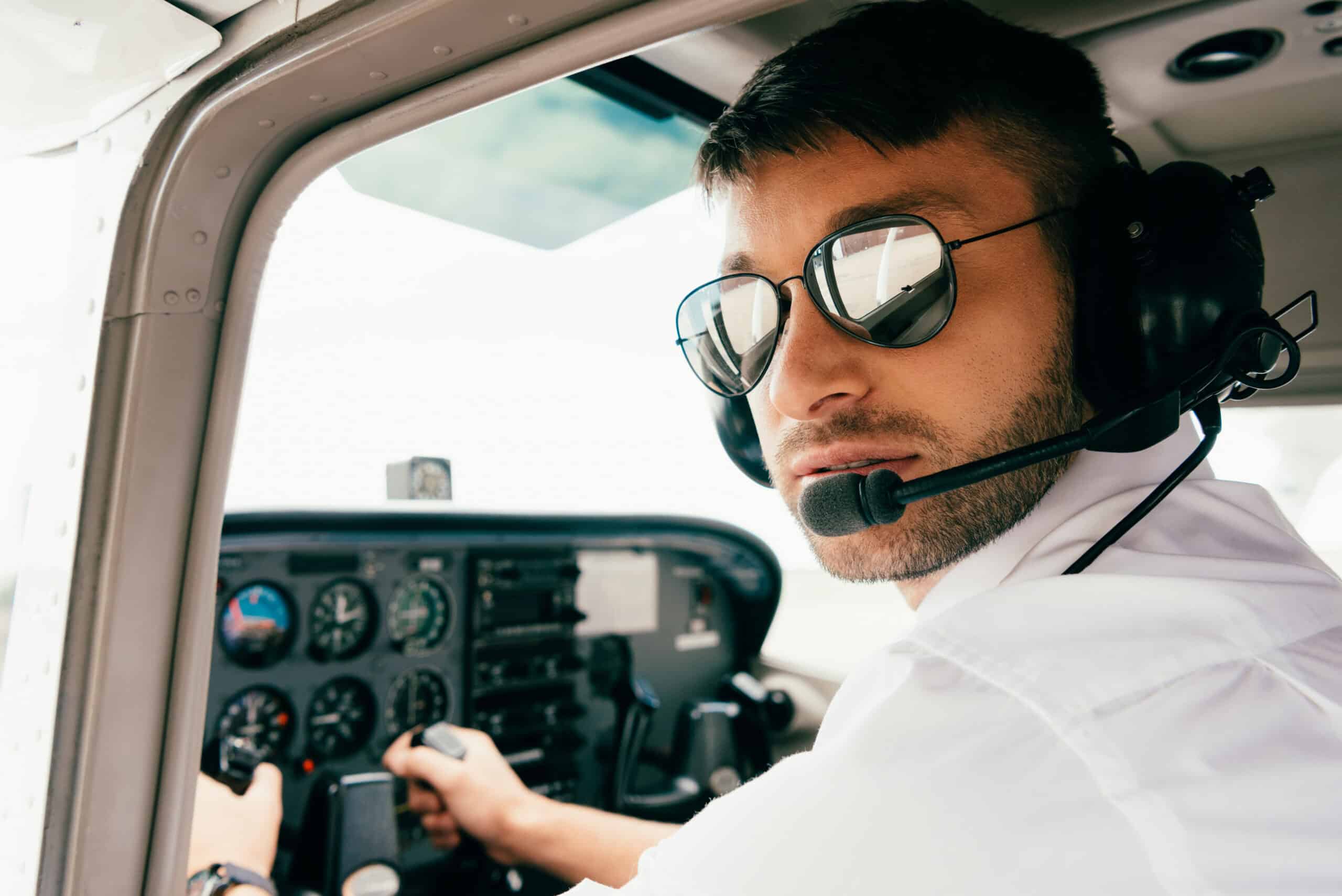
Frame Fit: Making Pilot Sunglasses Work With Your Headset
This is the part most reviews skip, and it’s the part that breaks most purchases. Your sunglasses live under a headset clamp for hours. If the temple piece sits wrong, you’ll feel it in your skull within an hour. Then you’ll fold the glasses back into the flight bag for good.
Three frame features make pilot sunglasses headset-compatible:
Thin, flat, or bayonet temples. The original aviator design used a thin metal temple. It slid under a leather flight cap without pressure points. That feature still matters. Look for temples under 4mm thick at the widest point. Bayonet temples are the straight kind that don’t curl around your ear. They slide in and out under a headset without yanking the glasses off your face.
Spring hinges or flexible materials. Spring hinges let the temple flex outward when the headset clamps. Without them, the headset bows the frame and the lenses go crooked over your eyes. Ultem and titanium frames have enough native flex to handle the squeeze even without spring hinges.
Saddle bridge or adjustable nose pads. A bridge that sits too high lets sweat run down the lens. A bridge that sits too low puts the rim in your peripheral vision. Adjustable nose pads solve both problems.
Try them on with your actual headset before you commit. Honestly, this is where we’d push back on online-only buying. If the local pilot shop lets you wear the headset in the store, take that offer.
UV Protection at Altitude — The Part Pilots Underestimate
UV exposure goes up roughly 5% for every 1,000 feet of altitude gained. The canopy of most GA aircraft does not block UV-A effectively. By the time you’re at 8,500 feet on a clear day, you’re getting 30-40% more UV. The same time on the ramp is much less intense.
That’s the real reason pilot sunglasses need genuine UV protection, not just a dark tint. A dark lens with no UV coating actually makes things worse. The pupil dilates because the lens looks dark, but more unfiltered UV reaches the retina. That’s the same trap that gas-station sunglasses spring on you.
Look for sunglasses rated 99-100% UV-A and UV-B protection. The label may read “UV 400.” That means the lens blocks wavelengths up to 400 nanometers. The 400nm cutoff covers the full UV-A and UV-B range. Any quality pilot sunglasses brand publishes this number on the spec sheet. If they don’t, walk away.
Cataract incidence in pilots is higher than the general population for a reason. Studies trace it back to lifetime UV dose at altitude. The lens you choose at 30 is the lens that does or doesn’t protect you at 60.
Photochromic and Progressive Lenses — What Works in a Cockpit
Photochromic pilot sunglasses — lenses that darken in sunlight, like the original Transitions — have a known limitation in aircraft. Most aircraft windshields block enough UV to keep the lens from darkening fully. You end up wearing a half-tinted pair that’s neither sun protection nor clear lens.
A few brands have engineered around this. American Optical’s SunSensorXL lens uses a visible-light-triggered darkening chemistry, which means the lens darkens inside the cockpit too. Flying Eyes also markets a cockpit-rated photochromic. If you want a one-pair solution for day-into-dusk flights, those specific products are worth looking at. Generic Transitions still aren’t the right answer.
For progressives, the issue is different. Standard progressive lenses put the reading correction at the bottom of the lens. That’s where you naturally look down at a kneeboard or a panel-mount GPS. The problem is that the corridor of clear reading correction is narrow. You can lose the panel if your head tilt is off.
Specialty aviation progressives — the kind some optometrists fit specifically for pilots — widen the panel-reading zone. If you’re 45+ and you fly with a panel-mount GPS, ask your eye doctor for an aviation progressive script. Don’t settle for an off-the-shelf pair.
Pilot Sunglasses Brands Worth Knowing
The pilot sunglasses category has its hall of fame. Most of the names have been making the same product for 50+ years. Here’s the short list working GA pilots actually wear.
Randolph Engineering Aviator. Made in Randolph, Massachusetts. Issued to U.S. military pilots. Solid glass lens, bayonet temples, choice of neutral gray or AGX green-gray tint. The Skytec polycarbonate version is the lighter modern option. Expect $250-350.
American Optical Original Pilot. The lens Apollo astronauts wore. Made in Massachusetts as well. Glass lenses, bayonet temples, classic teardrop shape. SunSensorXL is the photochromic option that actually darkens inside the cockpit. Expect $150-250.
Bigatmo. A British brand built specifically for aviation. Polycarbonate lenses, very light frames, photochromic and tint options designed around glass-cockpit polarization issues. Expect $200-350.
Flying Eyes. Engineered specifically for headset compatibility. The temple is so thin it’s nearly flat. Polycarbonate lenses, headset-clamp-tested frames, several tint options. Expect $200-350.
Ray-Ban Aviator Classic. The original Bausch & Lomb design from the 1930s, now Luxottica-owned. Quality varies by where you buy. Stick with the non-polarized G-15 lens for cockpit use. Expect $160-200.
Serengeti. Photochromic specialist. Their drivers’ lenses do darken inside a car or aircraft. Generally lighter weight than glass aviators. Expect $200-400.
Skip the deep-discount aviator clones from no-name brands. The frame might look right, but the lens optics, UV coating, and temple fit are usually wrong. Pilot sunglasses are the place to spend real money once.
FAQ
Are polarized sunglasses illegal for pilots?
No, there’s no FAA regulation that prohibits polarized lenses. The FAA recommends against them in its pilot sunglasses guidance. The reason: they can blank out LCD instrument displays and create rainbow patterns on polarized windshields. It’s a safety recommendation, not a rule, but it’s a recommendation nearly every working pilot follows.
What’s the best tint color for pilot sunglasses?
Neutral gray is the FAA’s recommended tint because it cuts light evenly without shifting color. Green-gray (the classic G-15 or AGX tint) is a close second and slightly improves contrast. Brown and amber work for hazy days. They distort PFD color banding, so they’re better as a second pair than a primary.
Can I wear my regular prescription sunglasses to fly?
You can, but watch four things. Confirm they’re non-polarized. Confirm the lens has genuine UV-A and UV-B protection, not just a dark tint. Confirm the VLT falls between 15 and 30%. And confirm the frame fits under your headset without pinching. If any one fails, treat them as your driving pair and buy dedicated pilot sunglasses for the cockpit.
Read Next
Pilot sunglasses pair naturally with the rest of the gear that lives on your face and head. If you’re rebuilding your kit, start with these next.
- Best Aviation Headsets 2026: GA Pilot Buyer Guide — the other half of the sunglass-and-headset fit problem.
- Pilot EDC Gear: Essential Everyday Carry for GA Pilots — where pilot sunglasses fit into a full GA kit.
- Ultimate Pilot’s EDC Guide — the longer companion EDC piece.
- ForeFlight Complete Guide for GA Pilots — because most modern cockpits also have an iPad in the mix.
- Crosswind Landing Mastery — sun position and visibility on short final are part of the same problem.
- VFR Cross-Country Planning — long-leg flights are where lens choice matters most.
- VFR Flight Following — visual traffic acquisition starts with the lens between you and the sky.
- Aviation Sunset Photography from the Cockpit — when light is your subject, the lens matters even more.