Choosing a flight school is one of the most consequential decisions you’ll make as a student pilot. The school you pick shapes how fast you progress, how much you spend, and whether you arrive at your checkride prepared — or scrambling. Not every flight school delivers the same experience. Some run structured Part 141 programs with approved curricula and stage checks. Others offer flexible Part 61 training that moves at your pace. This guide covers exactly how to choose a flight school near you — what to evaluate, what questions to ask, and what red flags to walk away from.
Part 61 vs Part 141: Know the Difference Before You Enroll
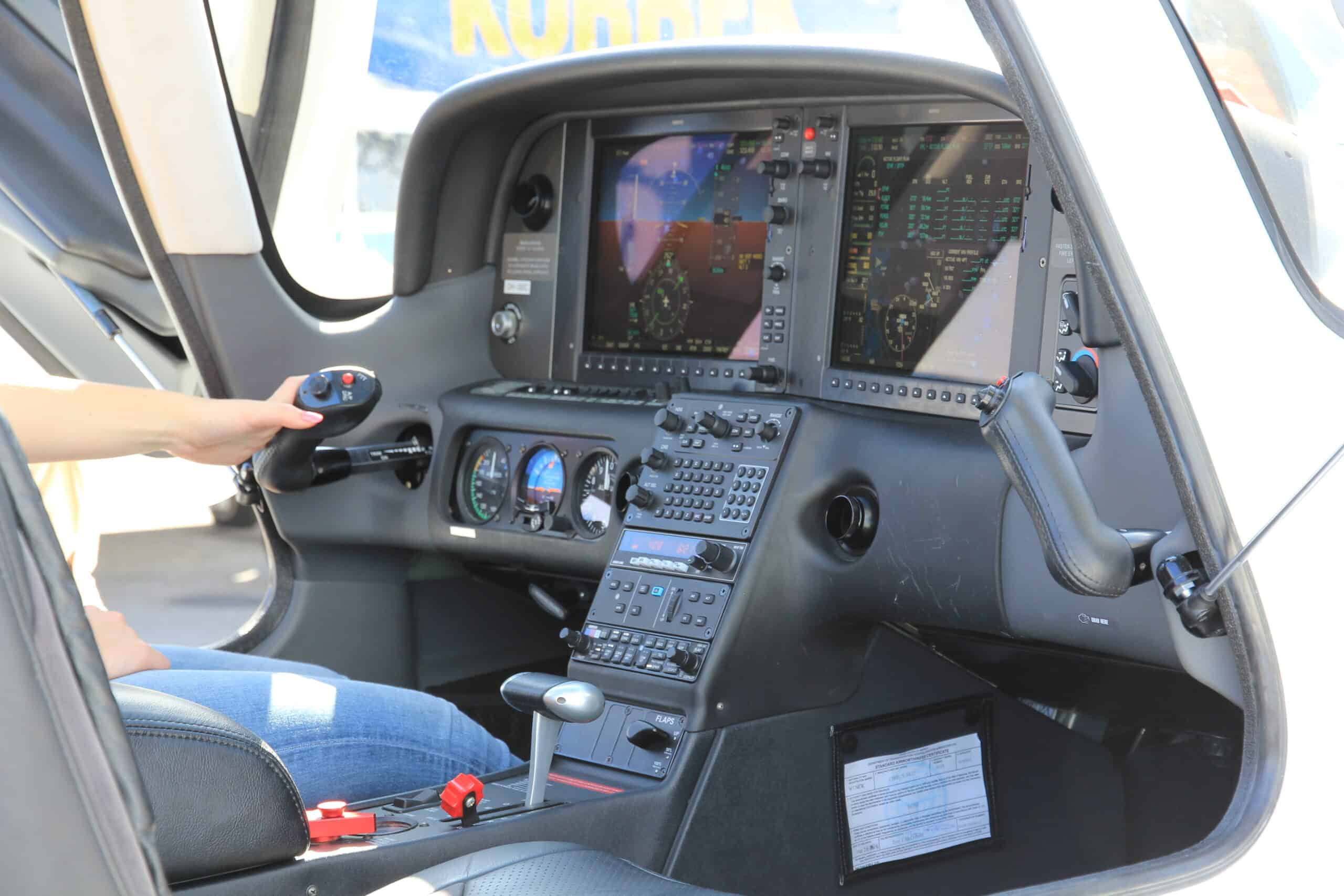
Before evaluating any specific flight school, you need to understand the two training frameworks that govern civilian pilot training in the US. Specifically, Part 61 and Part 141 are the two FAA-regulated pathways, and they differ significantly in structure, flexibility, and minimum flight time requirements.
| Factor | Part 61 | Part 141 |
|---|---|---|
| FAA oversight | Minimal — individual CFI accountability | High — approved syllabus, stage checks, records |
| Minimum hours (PPL) | 40 hours | 35 hours |
| Training pace | Student-driven, flexible | Structured, stage-based |
| Best for | Part-time students, self-paced learners | Full-time students, career-track pilots |
| Instructor requirements | Any CFI | CFI employed by the school |
For most GA pilots training part-time around work and family, Part 61 is the more practical path. However, if you’re pursuing aviation as a career and can train full-time, Part 141’s structured curriculum and lower minimums can shave time and cost off your training.
How to Choose a Flight School: Five Things That Actually Matter
Beyond the Part 61 vs Part 141 question, five factors separate good flight schools from ones that will cost you time and money before you realize the mismatch.
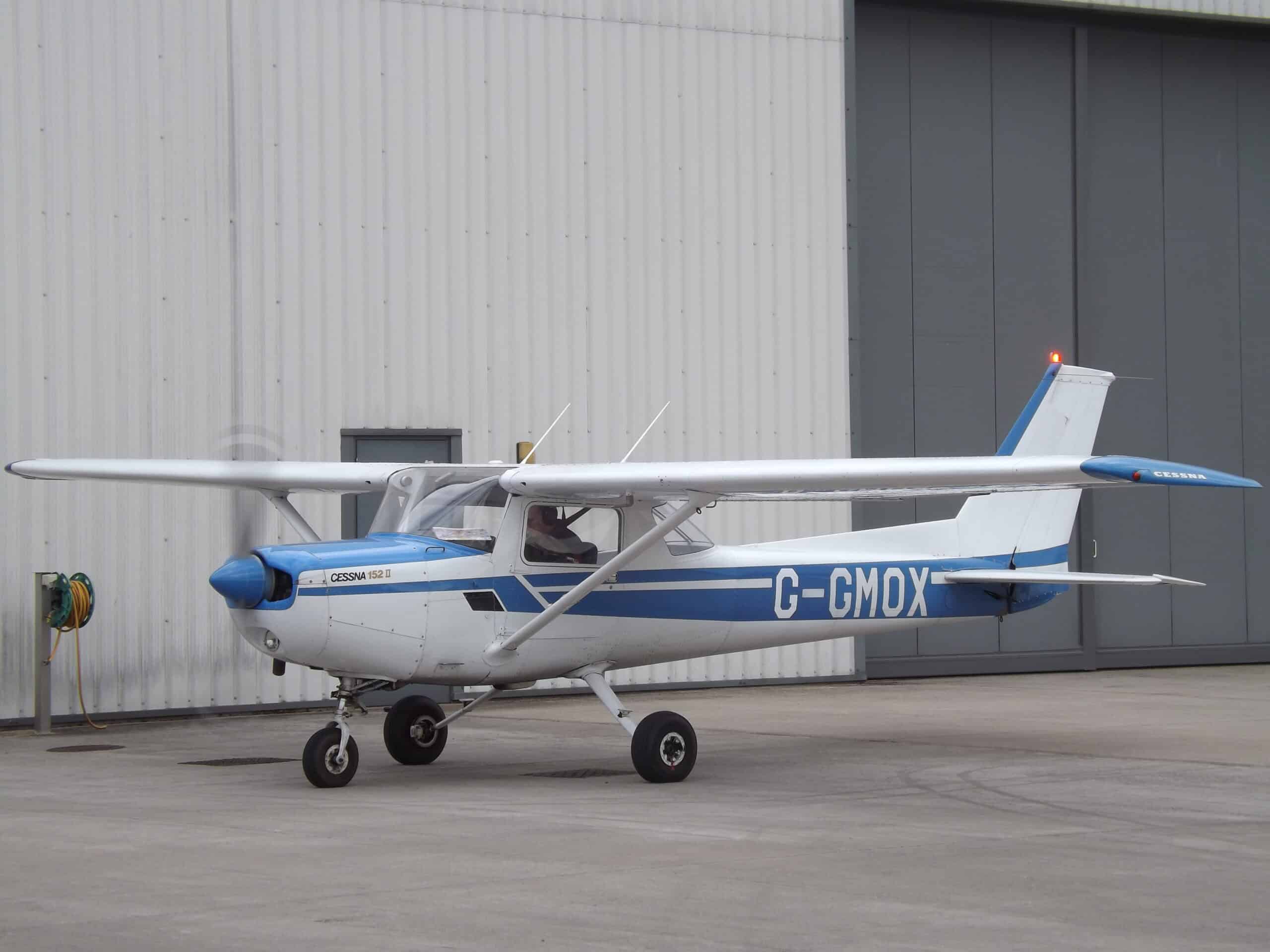
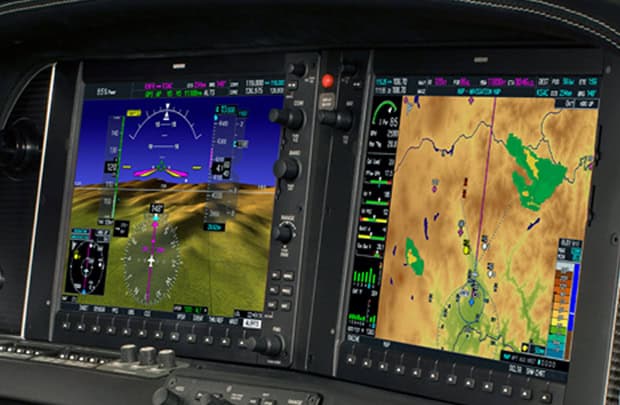
Aircraft fleet condition. Ask specifically how old the aircraft are, when they last had avionics upgrades, and what the squawk turnaround time is. A school with a constantly-grounded fleet will stretch your training timeline and cost you money in rescheduled lessons. Additionally, check whether the aircraft have modern avionics — training on glass panels like the Garmin G1000 better prepares you for the aircraft you’re likely to own or rent later.
Instructor retention and experience. High CFI turnover is one of the most damaging things a flight school can have. When your instructor leaves for a regional airline six months into your training, you lose continuity, momentum, and often hours re-covering ground. Ask what the average instructor tenure is and whether the school has full-time staff CFIs or relies heavily on freshly-certificated instructors building time.
Completion rates. A reputable school should be able to tell you what percentage of enrolled students complete their certificate. Industry-wide, completion rates for private pilot training hover around 20–30% — meaning most students who start never finish. Therefore, a school that tracks and shares this data is one that takes accountability seriously.
Scheduling availability. Consistency is the single biggest driver of training efficiency. If a school can only get you in the air once every two weeks, your training will drag. Specifically, look for schools that can offer two or three lessons per week and have dispatch systems that make rebooking easy after weather cancellations.
Cost transparency. Some schools quote an attractive hourly rate while burying additional fees in aircraft wet rates, pre/post-flight billing, and admin charges. As a result, the real cost often runs 20–30% higher than the advertised rate. Get a full written breakdown before you sign anything.
Questions to Ask Every Flight School Before You Commit
Walking into a discovery flight or school visit with prepared questions separates pilots who make informed decisions from those who choose based on proximity or price alone. Ask every school on your list the following:
- What is your average student completion rate for the private certificate?
- How many aircraft do you have, and what is your typical availability rate?
- What is your instructor retention rate? How many CFIs have left in the past 12 months?
- Do you offer a written training syllabus I can review before enrolling?
- What is the all-in cost per flight hour, including aircraft, fuel, and instructor?
- How do you handle lesson continuity if my primary instructor leaves?
- What is your checkride first-attempt pass rate?
A school that hedges, deflects, or can’t answer these questions directly is telling you something important. In contrast, a school that answers clearly and backs its answers with data is one worth taking seriously.
Red Flags to Walk Away From
Not every warning sign is obvious upfront, but several patterns consistently indicate a flight school that will cost you more than money. Watch for these:
Vague pricing. Any school that can’t give you a clear per-lesson cost estimate before you enroll is not organized enough to manage your training efficiently. Specifically, if they can’t tell you the wet rate on their Cessna 172, that’s a red flag.
High instructor turnover. Ask directly how many CFIs have left in the past year. If it’s more than half the staff, you’ll be rotating through instructors regularly — and paying the inefficiency tax each time.
Old or frequently grounded aircraft. A fleet of aging aircraft without recent avionics updates suggests maintenance is being deferred. Moreover, a school that can’t tell you the average squawk rate or last avionics inspection is one to avoid.
No stage checks or progress reviews. Even in Part 61, a good school structures training with periodic progress reviews. Without them, it’s easy to spend money on hours that aren’t building toward the checkride.
Pressure to pre-pay large amounts. Some schools push students to pre-purchase large block-hour packages. While small block discounts are common, prepaying tens of thousands of dollars before you’ve verified the quality of the program is a financial risk.
How to Find Flight Schools Near You

Finding a quality flight school near you starts with the FAA’s official resources. The FAA Pilot School Locator at faa.gov lists every certificated Part 141 school by state. For Part 61 schools and individual CFIs, AOPA’s flight school finder is the most comprehensive database available.
Additionally, local pilot communities are an underused resource. GA forums, Facebook groups, and the AOPA pilot communities often surface honest assessments of local schools that you won’t find on the school’s own website. Ask specifically about actual completion rates, instructor turnover, and whether students felt the school was transparent about costs.
Airport-based FBOs frequently offer flight training alongside their fuel and ramp services. These can be excellent options — particularly at smaller GA airports where the community is tight, instructors stay longer, and aircraft availability is more predictable. In contrast, large national chain schools often have higher turnover and more rigid scheduling that doesn’t fit part-time students well.
Flight School Cost: What to Budget
Costs vary significantly by region, aircraft type, and school structure. The estimates below reflect typical Part 61 figures for private pilot training in a Cessna 172 at a regional GA airport.
| Cost Item | Low Estimate | High Estimate |
|---|---|---|
| Aircraft rental (wet rate, per hour) | $130 | $200 |
| CFI instruction (per hour) | $50 | $100 |
| Ground school / materials | $200 | $600 |
| Medical certificate (BasicMed or 3rd class) | $75 | $200 |
| Knowledge test fee | $175 | $175 |
| Checkride fee (DPE) | $700 | $1,200 |
| Total Estimated Cost (60–70 hours) | $10,000 | $16,000 |
Keep in mind that the FAA minimum of 40 hours is rarely achieved in practice. Most students complete the private certificate in 60–70 hours. Consequently, budgeting to the minimum is a setup for sticker shock — budget to the realistic average instead.
Is a Big Academy or a Local School Right for You?

Large flight academies — programs with fleets of 50+ aircraft, dedicated sim centers, and career-track pipelines — offer advantages for students pursuing professional aviation. Stage checks are structured. Scheduling systems are sophisticated. Furthermore, the pipeline to regional airlines is often well-established.
For the GA pilot pursuing a private certificate for personal flying, ownership, or cross-country travel, however, a smaller local school often delivers a better experience. Instructor continuity is higher. Aircraft feel familiar. The environment is less factory-like and more aligned with the way GA pilots actually fly. Moreover, smaller schools at towered and non-towered airports give you better preparation for the real-world flying you’ll do after you get your certificate.
The right answer depends entirely on your goals. If you’re building toward aircraft ownership and GA flying, find the best local flight school near you and interview them like you would any significant investment — because that’s exactly what this is.
E3 Aviation Association is built for pilots navigating exactly this journey — student pilots, certificate builders, and GA owners who take flying seriously. If you’re choosing a flight school and want to connect with pilots who’ve been through it, we’re the community for that.
Join E3 Aviation Association and connect with pilots who can point you in the right direction.