Discovering Fly-In Destinations: Tips for Safe Adventures
Fly-in destinations offer general aviation pilots exciting opportunities to explore unique landing spots and embark on aviation adventures that go beyond routine flights. Whether you’re a student pilot honing skills or an experienced bush pilot seeking remote thrills, these locations blend the joy of flying with on-ground experiences like dining or outdoor activities. For instance, many spots feature restaurants right on the field, turning a quick stop into a memorable outing.
Moreover, fly-in destinations often include amenities such as camping sites near runways or fishing spots by seaplane bases, making them ideal for weekend getaways. However, planning is key to ensure safety and enjoyment. Additionally, tools like navigation apps help identify these gems, providing details on runway conditions and nearby attractions.
Popular Fly-In Destinations with Restaurants
One standout category in fly-in destinations involves airports with on-site or nearby eateries, often called the “$100 hamburger” runs. For example, Lunken Field near Cincinnati boasts the Sky Galley restaurant, known for its historic ambiance and hearty meals. Pilots frequently praise the views and quick access, turning refueling stops into social events. In addition, places like Ponca City in Oklahoma feature Enrique’s Mexican Restaurant in an old tower building, where the vibrant flavors match the thrill of arrival.
Furthermore, the San Juan Islands in Washington offer spots like Friday Harbor Airport with waterfront dining options boasting epic sunsets. These locations not only satisfy hunger but also foster community among aviators. On the other hand, if you’re in the Northeast, Block Island Airport provides beachside restaurants and nightlife, blending relaxation with adventure. Therefore, choosing these fly-in destinations can enhance your logbook with diverse experiences while keeping flights practical.
Backcountry and Bush Flying Unique Landing Spots
Backcountry strips represent some of the most thrilling unique landing spots for bush pilots equipped with rugged aircraft. Take Johnson Creek in Idaho, a grassy strip nestled in mountains with camping and fishing nearby. Pilots often share stories of challenging approaches over trees, emphasizing the need for precise skills. Meanwhile, Monument Valley in Utah offers stunning red rock views, but demands awareness of wind shear and obstacles.
In addition, Alaskan spots like remote beaches allow for halibut fishing right after touchdown, as one commercial fisherman recounted spotting wildlife while anchoring nearby. However, these aviation adventures require thorough pre-flight checks, including tire size recommendations for gravel surfaces. As a result, preparation turns potential risks into rewarding escapes. To learn more, join the E3 Aviation community at: https://e3aviationassociation.com/.
Seaplane Bases and Water-Based Aviation Adventures
Seaplane pilots thrive on fly-in destinations like Little Palm Island Resort in Florida, where floats allow direct access to luxurious amenities. The 3D previews in apps help visualize approaches over water, avoiding hazards like boats. Additionally, Lake Texoma in Texas combines flying with camping and fishing, creating a pilot’s paradise as described in various pilot tales.
Furthermore, the Florida Keys’ Island Fish Company offers fresh seafood after a splashdown, with reviews highlighting taxi routes to docks. On the other hand, remote Canadian lakes provide untouched spots for hunting and hiking. Therefore, these unique landing spots demand float-specific training, but reward with serene escapes. To discover more about building an aviation career, click: https://e3aviationassociation.com/e3-aviation-association-pilot-manifesto/.
Camping and Outdoor Activity Fly-In Destinations
Many fly-in destinations cater to outdoor enthusiasts, such as Gaston’s White River Resort in Arkansas, where pilots camp riverside and fish for trout. The grassy strip accommodates various aircraft, with lessons from past visitors on securing tie-downs against winds. Moreover, Westgate in Florida features a rodeo and glamping, adding family-friendly fun after landing.
In addition, Nevada’s remote strips near hiking trails offer solitude, but require checking for “do not land” designations on private lands. As a result, these spots build situational awareness through community-shared photos and ratings. However, always verify conditions, as one pilot learned after a rough gravel encounter demanding larger tires.
Safety Considerations for Unique Landing Spots
Safety remains paramount when exploring fly-in destinations, with NTSB reports highlighting risks like night landings without sufficient experience. For example, a student pilot’s accident underscored the importance of night currency. Additionally, VFR flights into poor weather have led to spatial disorientation, emphasizing weather apps’ role.
Furthermore, bird strikes, as in a Midway Island diversion, show the value of backup navigation like handheld GPS. On the other hand, proper vetting prevents unauthorized landings. Therefore, using vetted databases ensures compliance and reduces risks, turning aviation adventures into safe memories.
Tools and Apps for Discovering Fly-In Destinations
Modern tools revolutionize finding unique landing spots, with apps like Sky Share offering 3D views and community reviews for backcountry and seaplane sites. Pilots filter by activities like fishing or museums, enhancing planning. Moreover, ForeFlight integrates weather and charts, complementing discovery platforms.
In addition, industry directories list destinations with amenities, while emerging AI features predict delays. As a result, these resources make aviation adventures accessible, but always cross-verify with FAA sources for regulations.
Trends in General Aviation Travel
Recent trends show a surge in fly-in destinations, with passenger numbers projected to hit 5.2 billion in 2025, including GA growth. Additionally, nostalgia drives visits to historic spots, while “coolcations” favor cooler climates for camping flights.
Furthermore, AI in apps provides personalized suggestions, and sustainable practices like efficient routing gain traction. On the other hand, post-pandemic recovery boosts domestic adventures. Therefore, pilots adapt by embracing tech for safer, greener explorations.
Real-World Pilot Experiences and Lessons
Pilot stories enrich understanding of fly-in destinations, like a C-141 crew’s bird strike diversion using a fishing GPS, highlighting improvisation’s role. Moreover, a lightning strike over Texarkana taught quick engine restarts under pressure.
In addition, an Alaskan beach encounter with wildlife while clam digging showed nature’s surprises. As a result, these tales stress preparation, with E3 Aviation Association offering forums for sharing tips. However, always prioritize training to avoid mishaps.
Planning Your Next Aviation Adventure
Effective planning for fly-in destinations involves checking runway specs and activities. For instance, use lists for states like Texas or Nevada, sorting by ratings. Additionally, incorporate 3D simulations for approaches.
Furthermore, budget for subscriptions to tools providing updates. On the other hand, join communities like E3 Aviation Association for insights. Therefore, thorough prep ensures enjoyable trips.
Overlooked Gems in Fly-In Destinations
Lesser-known unique landing spots include racetrack lands for balloon festivals or gun ranges accessible by plane. Moreover, museums at grass strips offer cultural dives post-landing.
In addition, hunting lodges with strips provide seasonal thrills, but confirm permissions. As a result, these hidden aviation adventures reward the curious pilot with diverse experiences.
FAQ
Question: What are some top fly-in destinations for camping?
Answer:
Fly-in destinations with camping appeal to pilots seeking overnight adventures, like Johnson Creek in Idaho, where grassy strips border rivers for tent setups and fishing. Reviews highlight clear approaches but warn of mountain winds; always check tire sizes for gravel. Additionally, Lake Texoma offers lakeside spots with food nearby, blending relaxation and flying. These unique landing spots foster community, with pilots sharing tips via apps for safe setups.
Question: How do tools help discover unique landing spots?
Answer:
Apps for fly-in destinations, like Sky Share, provide filters for activities and 3D previews, ensuring situational awareness before takeoff. Pilots input aircraft specs for tailored suggestions, avoiding unsuitable surfaces. Moreover, integration with weather data enhances safety for aviation adventures. Community contributions keep info current, turning guesses into informed choices for backcountry or seaplane spots.
Question: What safety tips apply to aviation adventures?
Answer:
For fly-in destinations, prioritize pre-flight checks from FAA handbooks, focusing on obstacle avoidance and emergency procedures. Case studies show night landings require extra experience to prevent disorientation. Additionally, use ratings for runway conditions in unique landing spots. These practices minimize risks, allowing enjoyable explorations with confidence.
Question: Are there trends in fly-in destinations?
Answer:
Trends in fly-in destinations include AI-driven apps for personalized aviation adventures, with growth in sustainable spots like eco-friendly campsites. Post-2020, domestic travel surges, favoring unique landing spots with amenities. Forecasts predict more tech integrations, making discoveries easier for pilots.
Question: How to contribute to fly-in destination databases?
Answer:
Platforms for fly-in destinations encourage pilot submissions of unique landing spots, vetted for accuracy on details like permissions and surfaces. Upload photos and reviews to aid community aviation adventures. This collaborative approach keeps maps robust, benefiting all users with fresh insights.
Question: What amenities enhance fly-in destinations?
Answer:
Fly-in destinations often feature restaurants, museums, or fishing, elevating aviation adventures. Spots like Block Island offer beaches and dining, while others include hiking trails. These unique landing spots provide more than fuel stops, creating full experiences for pilots and families alike.
Written by E3 Aviation Team, an experienced group of aviation writers with decades of combined expertise in general aviation, flight training, and industry trends.
For more aviation resources and insights, be sure to visit: https://e3aviationassociation.com/articles/.
To discover more about E3 Aviation visit: https://e3aviationassociation.com/
Why Fly-In Destinations Build Better Pilots
Beyond the destinations themselves, regular fly-in trips build pilot skills that day-to-day local flying doesn’t develop. Cross-country navigation, weather decision-making, unfamiliar airport operations, and time management all develop through fly-in trips.
Planning Fly-In Trips That Work
Successful fly-in trips require planning beyond standard cross-country flight planning. Restaurant hours and availability. Ground transportation options. Overnight tie-down arrangements. Local operational considerations. Each detail affects whether the trip delivers the experience the pilot expected.
The Fly-In Community
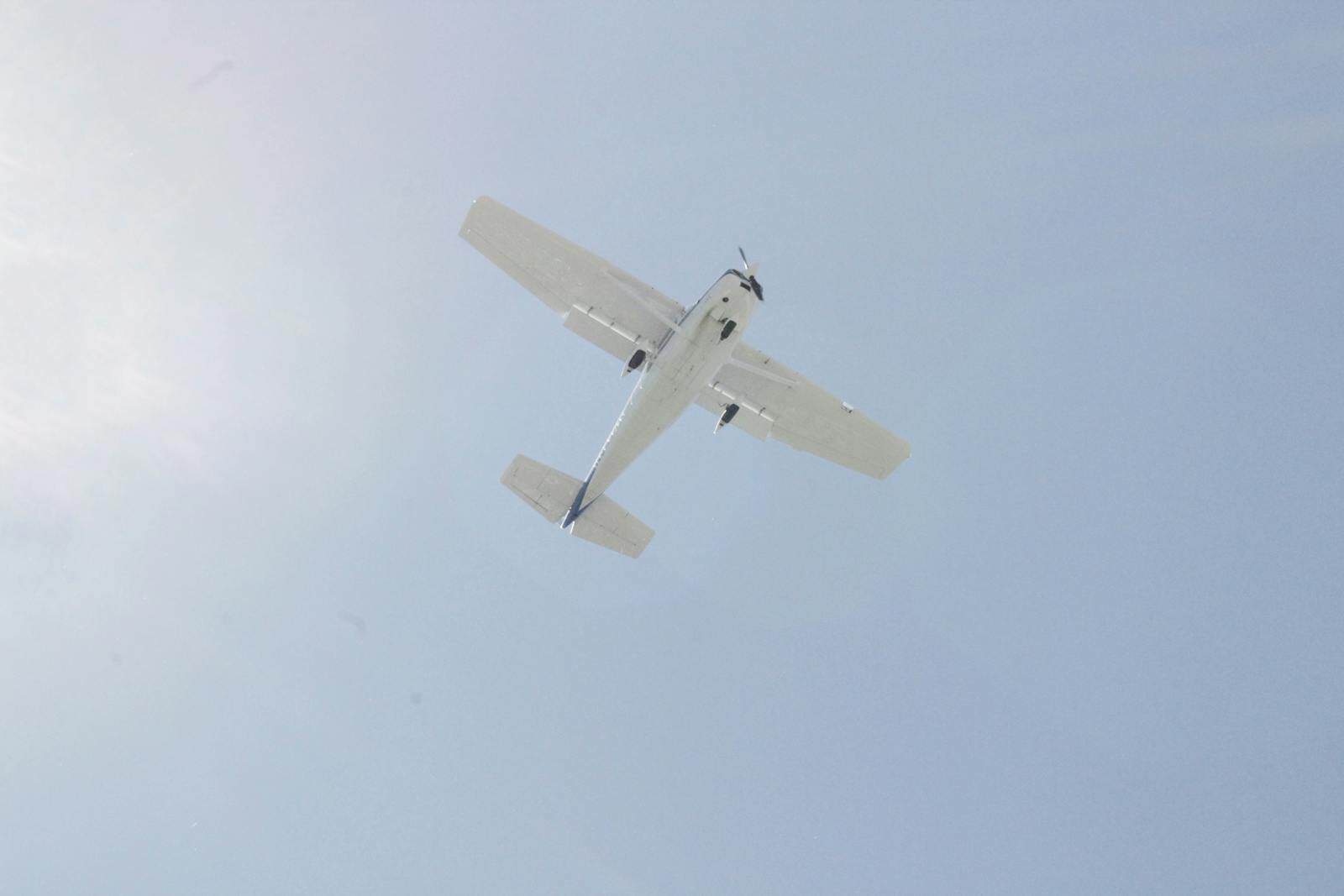
The fly-in destination community has rich tradition. The same destinations attract pilots year after year. Regular fly-in events build communities around specific airports. The pilots who participate over years develop deep connections with the community.
Building Your Personal Fly-In List
Pilots benefit from maintaining personal lists of fly-in destinations matching their interests. Within typical range. Across seasonal patterns. With variety in operational types. The lists evolve as pilots accumulate experience and as destinations change.
The E3 Aviation Editorial Team writes for owner-pilots, student pilots, and the small aircraft community. We focus on practical, real-world content that respects your time and your training. Learn more about E3 Aviation.
Last Updated: 2026-05-14
Related Articles
Practical Application of These Concepts
The aviation discipline rewards pilots who apply concepts deliberately rather than reading passively. The pilots who progress fastest in any aviation specialty are those who treat each piece of new knowledge as raw material for actual practice. Build the habit of converting reading into action.
Most pilots underestimate how much their skill development depends on deliberate practice versus accumulated hours. Hours alone produce competence in routine operations. Deliberate practice produces excellence and the resilience that handles non-routine situations safely.
Building Long-Term Aviation Competence
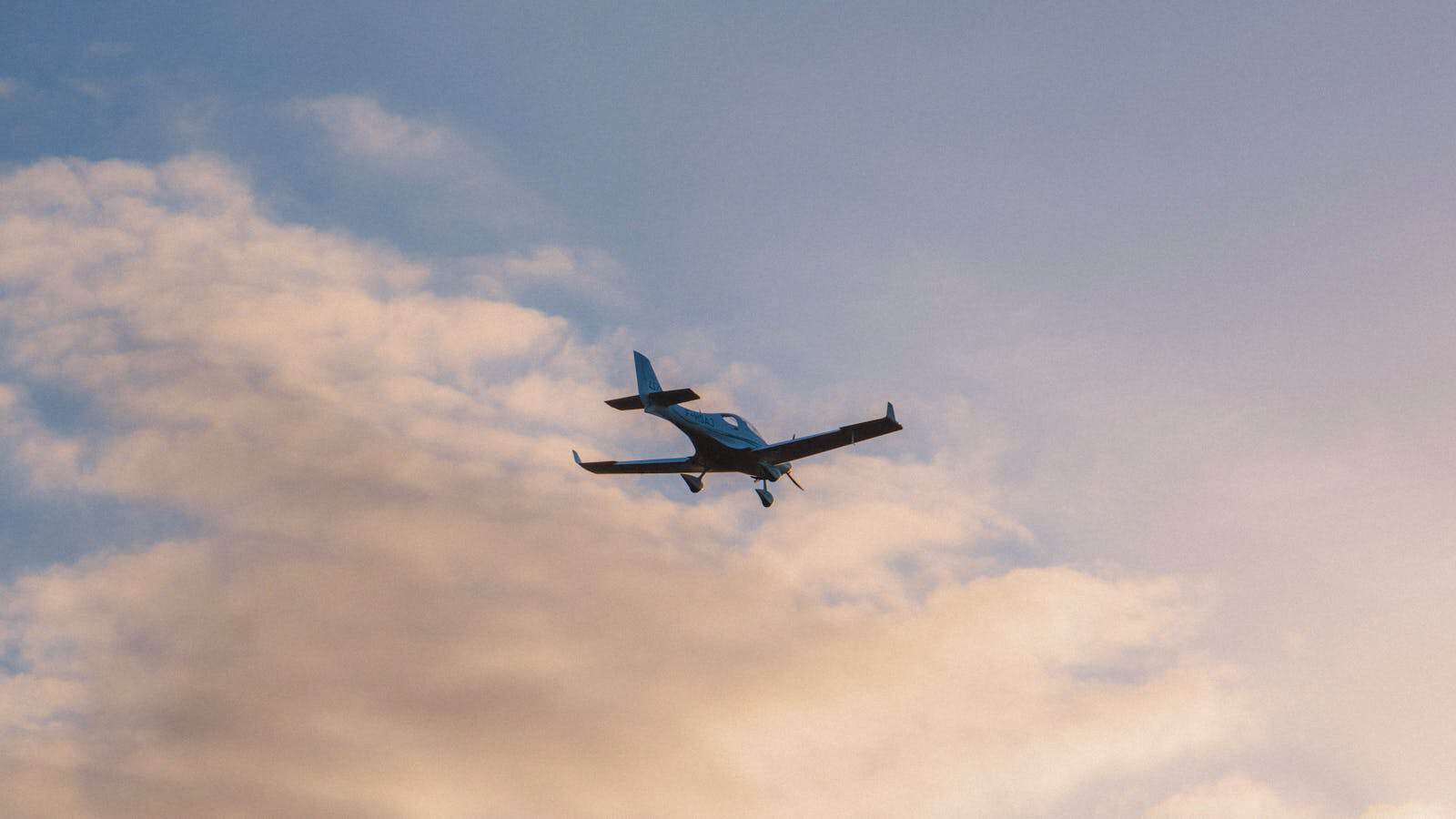
Long-term competence develops through patterns sustained over years and decades. The pilots who maintain currency through varied practice rather than monotonous repetition develop more transferable skills. The pilots who engage with multiple aviation disciplines develop broader competence than specialists. The pilots who maintain mentor relationships through their careers benefit from external perspective.
Each of these patterns requires conscious choice. None happens accidentally. The pilots who flourish over long careers made the choices early and sustained them through the inevitable periods when other priorities competed for attention.
The Cumulative Effect of Daily Disciplines
The aviation safety record reflects the cumulative effect of millions of daily disciplines by individual pilots. Each pre-flight inspection. Each weather briefing. Each procedural execution. Each post-flight reflection. The individual acts seem small but their cumulative effect determines whether aviation works as a safe transportation system.
Pilots who recognize their daily choices as contributions to that broader system tend to behave differently than pilots who treat aviation as personal entertainment. The recognition matters for outcomes both at the individual and system level.
Resources for Continued Development
Several resource categories support continued pilot development. FAA online learning materials provide structured education at no cost. Aviation publications maintain ongoing coverage of industry developments. Type clubs and pilot communities share specialized knowledge. Professional training programs offer structured advancement.
The pilots who engage with multiple resource categories tend to develop more comprehensive understanding than pilots who rely on a single source. The variety helps fill gaps and provides multiple perspectives on common topics.
Final Thoughts on Long-Term Pilot Development
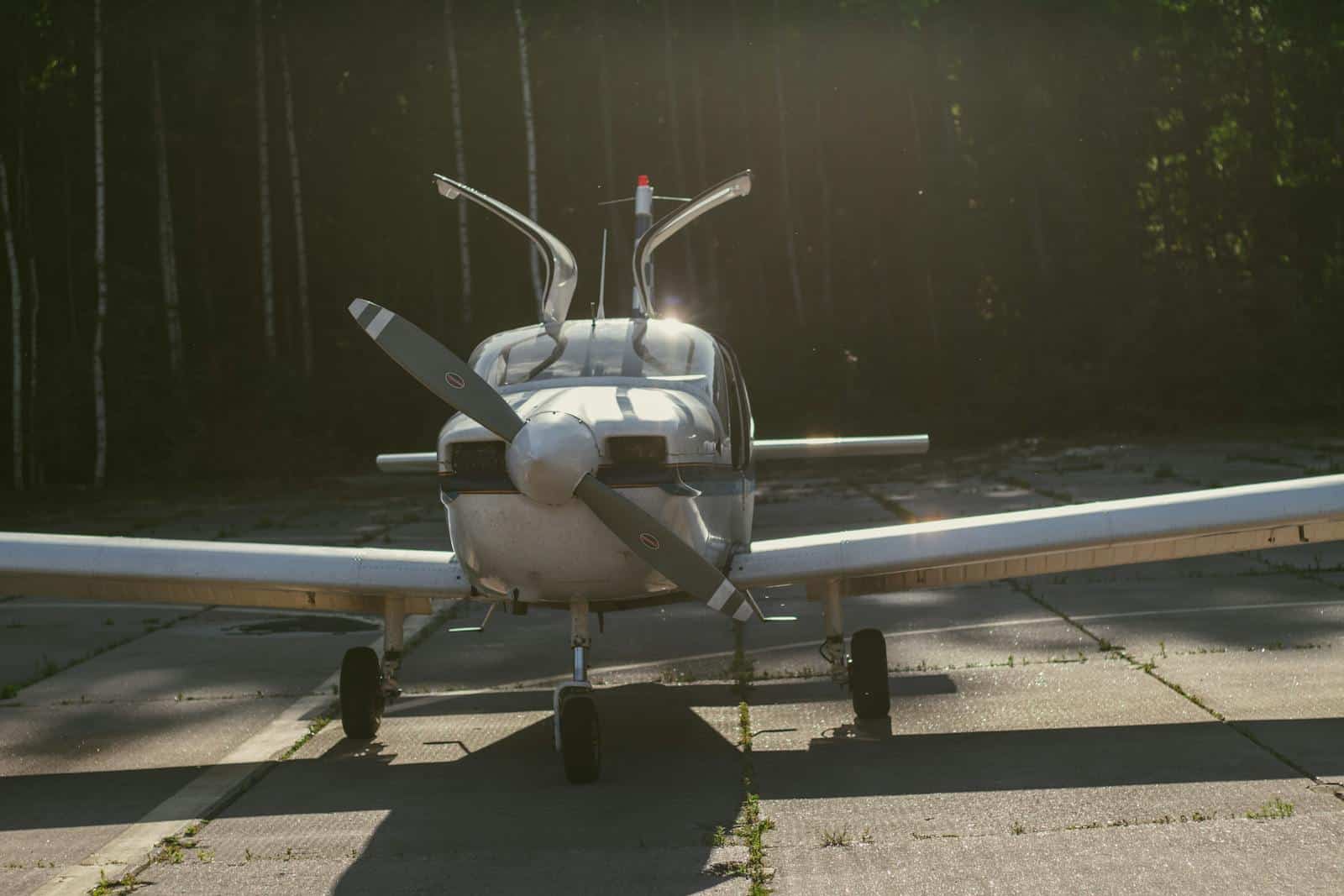
Every pilot reading this article exists somewhere on a learning trajectory that continues throughout their flying life. The choices made consistently over years determine where the trajectory leads. The pilots who choose engagement, learning, and humility tend to find aviation continuously rewarding. The pilots who choose minimum compliance, surface engagement, and complacency tend to find aviation eventually frustrating.
The choice belongs to each pilot. Make it consciously. The cumulative effect over decades is what shapes whether your aviation career delivers what you hoped it would when you started.
Practical Application for Your Flying
Taking the principles in this article and applying them in your own flying requires deliberate effort. Reading produces understanding. Applying produces capability. The pilots who develop the most over years are those who systematically convert reading into specific practice and reflection.
Set a specific application goal this week. Schedule a CFI session that addresses one topic from this article. Practice a specific maneuver. Have a specific conversation with another pilot. The deliberate action transforms passive reading into active development.
Building Skills That Compound Over Years
Aviation skills compound in ways that mirror financial compound interest. Each skill built on a foundation of previous skills develops faster than starting from scratch. The pilots who invest in skill development consistently build capability that accelerates rather than just accumulates. The early hours and the early disciplines matter most because they establish the foundation everything else builds on.
For pilots reading this who feel behind, the comforting reality is that aviation rewards consistent effort more than peak intensity. The pilot who flies 50 hours per year for 30 years develops more skill than the pilot who flies 300 hours for 5 years and then stops. Sustained engagement beats sprint engagement.
The Community Element of Aviation Development
Aviation is more community than solitary discipline. The pilots who develop best engage with the broader pilot community in meaningful ways. Type clubs. Local flying groups. Online communities. Mentor relationships. Each provides perspective and learning that solo flying cannot replicate.
The community connections also support emotional aspects of flying. Aviation can isolate pilots from non-pilot friends and family who don’t share the interest. Aviation community provides peers who understand. The connections matter for satisfaction over a long career.
Resources That Support Continued Learning
Several resource categories support ongoing pilot development. The FAA Pilot Education materials provide structured learning at no cost. Aviation publications like Flying Magazine, industry publications, and General Aviation News maintain continuous coverage of relevant developments. Type-specific communities for whatever aircraft you fly share specialized knowledge that general resources cannot match.
The pilots who tap multiple resource categories develop more comprehensive understanding than those relying on single sources. Variety helps cover gaps and provides multiple perspectives on common topics.
Final Reflections on the Aviation Discipline
Aviation rewards pilots who take it seriously over decades. The discipline serves those who serve it. The pilots who give aviation their best attention, learning, and judgment generally receive in return the satisfaction, skill, and adventures that make flying worthwhile.
For every pilot reading this, regardless of experience level, the most important next action is converting reading into specific application this week. The cumulative effect of small specific actions across thousands of pilots determines what aviation looks like as a community and what it delivers for individual pilots over their flying lives. Make your contribution count.