Last Updated: May 4, 2026 | By E3 Aviation Editorial Team
You flew hard for your instrument rating. Approaches in actual IMC, holds, partial panel work, the whole grind. Then life got busy. The IFR flying dried up. And now you’re looking at your logbook wondering exactly where you stand.
Here’s the short answer: if you haven’t maintained your currency under FAR 61.57(c) and six more months have gone by, you need an instrument proficiency check before you can act as PIC under IFR again.
That’s the rule. But the IPC is more than a box to check. Done right, it’s one of the most valuable training events available to an instrument-rated pilot. This article breaks down exactly what the IPC covers, how it differs from your original checkride, what it costs, and how to prepare so you’re not burning money in the air.
When You Need an Instrument Proficiency Check — and When You Don’t
FAR 61.57(c) sets the baseline currency rules for instrument flight. To act as PIC in IMC or on an IFR flight plan, you need six instrument approaches, holding procedures, and intercepting and tracking courses within the preceding six calendar months. Those six months can be logged in actual IMC, simulated IMC under the foggles, or in an approved flight training device.
Miss that window? You can still get current on your own — but only within the next six calendar months. You’d need to log the required approaches and holds with a safety pilot (or in a sim) and get back in compliance. No CFII sign-off needed for that step.
Here’s where pilots get confused. If you don’t fly those makeup approaches within that second six-month window — meaning 12 calendar months have now passed since you were last current — you can’t self-cure anymore. You need an instrument proficiency check from a CFII or an authorized examiner.
That’s the “double six-month window” most pilots misread. The first six months: stay current or lapse. The second six months: get current on your own or lose the self-cure option. After both windows close, an IPC is your only path back to legal IFR flight as PIC.
One clarification worth making: currency and proficiency aren’t the same thing. You can be legally current and still be dangerously rusty. The IPC addresses both — but only currency is a legal requirement. Proficiency is a safety choice.
What the Instrument Proficiency Check Actually Covers
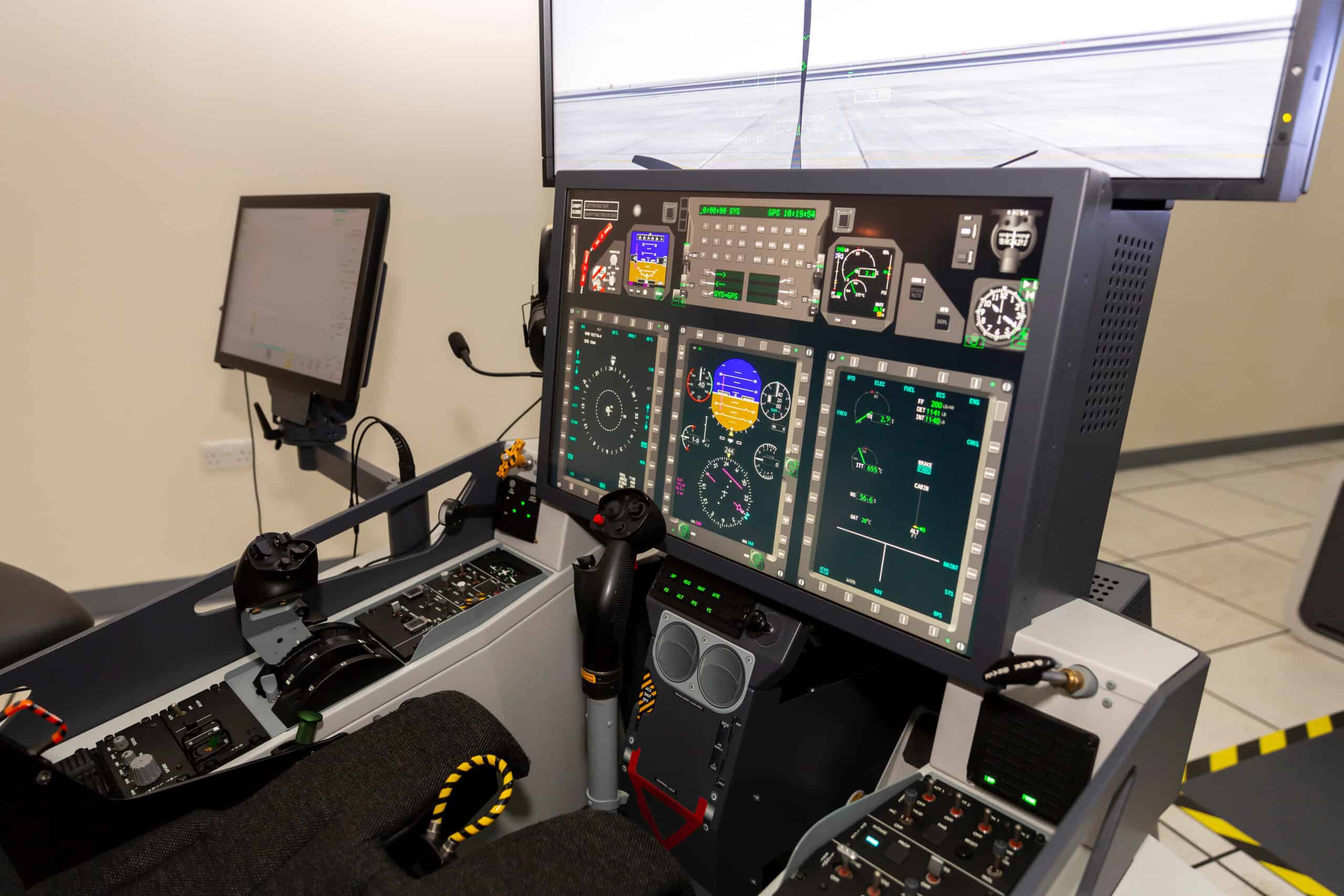
The FAA ties the IPC directly to the Instrument Rating Airman Certification Standards. That’s the same ACS document used for the original instrument rating practical test. The IPC isn’t graded against a lower standard — it’s graded against the same standard. That said, how deep a CFII goes into each area depends on how you fly.
The Task Areas Your CFII Must Cover
FAR 61.57(d) specifies that an IPC must include the instrument proficiency areas listed in the Instrument Rating ACS. Here’s what that means in practical terms:
- Preflight planning and preparation: Weather briefing, NOTAMs (see our guide to the FAA’s updated NOTAM system and how it affects your preflight planning), fuel planning, alternate requirements, TEC routes, departure procedures. The CFII will want to see that you can build a solid IFR flight plan from scratch.
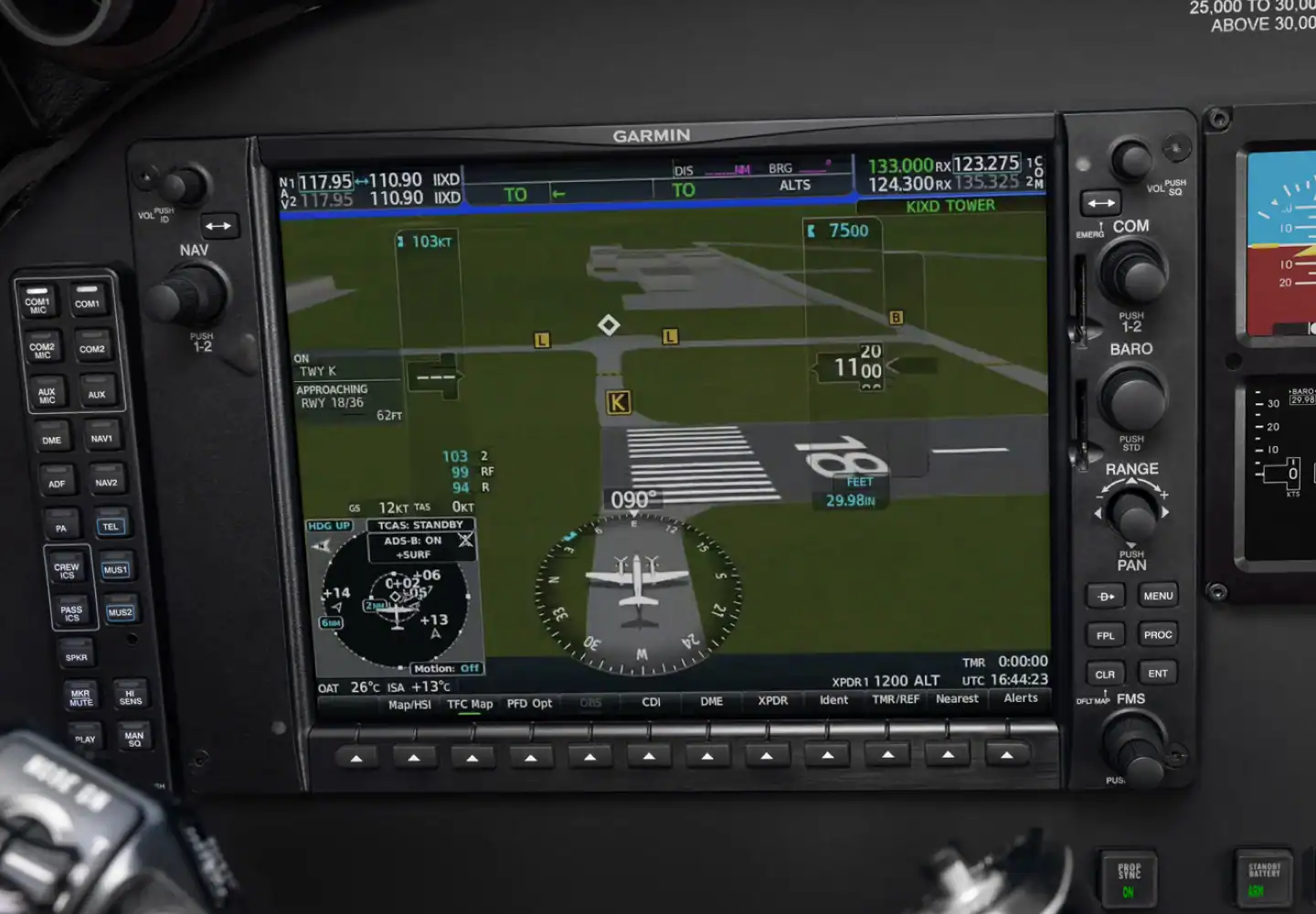
- Aircraft systems and instruments: Pitot-static system, gyroscopic instruments, altimeter settings, transponder, and avionics relevant to your aircraft. If you’re flying glass, expect questions about the PFD and MFD logic.
- Weather evaluation: METARs, TAFs, SIGMETs, AIRMETs, PIREPs, icing forecasts. You need to show actual decision-making, not just reading weather products.
- Instrument approaches — multiple types: A precision approach (ILS or LPV), a non-precision approach (VOR, LNAV, or similar), and at least one missed approach. Your CFII may ask for an RNAV approach with advisory vertical guidance as well.
- Holding procedures: Entries, timing, wind corrections, and ATC communication. A full hold with a non-standard entry is common.
- Unusual attitudes and partial panel: Recovery from unusual attitudes without reference to certain instruments. This is where rust shows up fast.
- Emergency procedures: Vacuum failure, pitot-static blockage, alternator failure, lost comms procedures under FAR 91.185.
The CFII isn’t working through a checklist robotically. They’re watching how you fly, how you think, and how you manage the aircraft and avionics simultaneously. Task saturation is the main thing they’re evaluating — not just whether you can fly an approach to minimums.
Ground Briefing Is Part of the IPC
The IPC isn’t just airwork. Your CFII will conduct a ground review covering systems, regulations, weather, and procedures. Don’t skip the ground portion — it’s where the regulatory questions about 61.57 itself, alternate minimums, and IFR filing rules tend to surface. If you haven’t reviewed those in a while, the ground session will expose it quickly.
The Difference Between an IPC and the Instrument Rating Checkride
A lot of pilots dread the IPC because they mentally treat it like a retest of their original checkride. It isn’t. The distinction matters.
Your original instrument rating practical test was a certification event. You were evaluated by a Designated Pilot Examiner or FAA Inspector. The outcome — pass or fail — determined whether you received a certificate. That’s a high-stakes, one-chance scenario with legal consequences for failure.
The IPC is a training and proficiency event. Your CFII is both instructor and evaluator. There’s no DPE, no formal evaluation record sent to the FAA, and no “bust” on your airman certificate file. The only record is a logbook endorsement that reads something like: “Instrument Proficiency Check — satisfactory” per FAR 61.57(d), signed by the CFII with their certificate number and expiration date.
The CFII Has Significant Discretion Here
Because the IPC is a training event, your CFII can expand or reduce the scope based on what they see. If you nail the ILS on the first pass and your hold entries are solid, they may skip a second approach and move to partial panel work. If your missed approach procedure was sloppy, they might run it again before moving on.
This flexibility is a feature, not a bug. The point is to get you proficient, not to run a scripted sequence. A good CFII will adapt in real time based on where your actual weaknesses are — and those weaknesses are usually somewhere you didn’t expect.
Here’s what the logbook entry should include: the date, aircraft make and model, flight time, the CFII’s name and certificate number, and the specific endorsement language per 61.57(d). Don’t let a CFII log it as a generic “dual received” entry. The regulatory sign-off language matters.
How to Prepare for Your IPC Without Wasting Money
The IPC typically runs 1.5 to 2 hours of dual instruction in the aircraft, plus a ground briefing. At current instructional rates and fuel costs, you’re looking at $400 to $700 or more depending on your aircraft and location. That’s a real number. Showing up unprepared and needing a second session doubles it.
Here’s how to get there ready:
Start With the ACS Before You Touch a Checklist
Pull up the FAA Instrument Rating ACS — it’s a free PDF from the FAA website. Read through the task areas the CFII must cover. For each task, ask yourself: can I explain this, and can I fly it? The tasks where you hesitate are your study priorities.
Pay extra attention to:
- Lost comm procedures (FAR 91.185) — most pilots can’t recite the altitude and route rules cold
- Alternate minimums — standard vs. non-standard, when an alternate is needed
- Approach bans — what weather condition prohibits you from beginning an approach
- LAHSO rules if your home airport has those operations
Don’t skip weather. Pilots who’ve been VFR-only for a while often lose the rhythm of reading icing forecasts and identifying convective SIGMETs quickly. Practice pulling a weather briefing and narrating your go/no-go decision out loud. That’s exactly what your CFII will ask you to do.
Sim time before your IPC flight is worth every dollar. An hour in a BATD or AATD knocking out approaches and holds gets the motor memory back without burning aircraft fuel. Most flight schools can book you in their sim for $50 to $100 per hour. That’s an efficient trade.
Come to your ground briefing with a full IFR flight plan already built for a local route. Pick an airport with an ILS, a VOR or LNAV approach, and a reasonable alternate. Walk your CFII through your weather decision, your fuel planning, and your alternate selection. Starting the ground session ready to present — rather than waiting to be asked — signals that you’ve done the work.
Choosing the Right CFII for Your IPC
Under FAR 61.57(d), an IPC can be conducted by a CFII (Certificated Flight Instructor — Instrument), an FAA Inspector, or an Examiner authorized under FAR Part 183. In practice, you’ll almost always use a CFII. But not every CFII is the same — and the quality of your IPC depends heavily on who’s in the right seat.
A CFII certificate needs an instrument rating and a flight instructor certificate with an instrument endorsement. That’s a minimum standard. What it doesn’t tell you is how often that instructor actually flies IFR, how current their own skills are, or whether they’ve done an IPC recently themselves.
Before you book, ask these questions directly:
- “How often do you fly actual IMC?” A CFII who hasn’t been in actual IMC in two years isn’t the best judge of real-world IFR proficiency. You want someone who flies in the system regularly.
- “How many IPCs have you conducted in the past year?” Experience with the IPC structure specifically matters. A CFII who does them regularly has a better-calibrated eye for proficiency vs. not-quite-there.
- “Do you know the ACS task areas for the IPC cold?” A great CFII can walk you through the covered areas without looking it up. If they’re vague, that’s a signal.
- “Are you familiar with [your specific avionics]?” A Garmin G1000 pilot getting an IPC from a CFII who only knows round dials is going to have a frustrating session. Avionics familiarity matters.
Our take: the best CFIIs for IPCs are active IFR pilots who fly their own aircraft in IMC, not just VFR training flights. They bring real-world context to the evaluation and catch the subtle procedural drift that instructors who only fly in clear skies tend to miss.
Don’t just call the nearest flight school and take whoever’s available. Your safety and your money are both on the line. Pick someone who flies the way you want to fly.
What Happens If You Don’t Pass Your IPC
There’s a common misconception pilots carry into the IPC. There’s no failure possible. Literally.
The IPC is a training flight. Your CFII can’t “bust” you. They can’t report anything to the FAA. There’s no pink slip, no strike on your record, no regulatory consequence for not completing it to standard on the first session.
What happens instead is simple: if you haven’t shown proficiency by the end of the session, the CFII doesn’t sign off the IPC endorsement. That’s it. You fly again — more dual instruction logged, more money spent — until the CFII is satisfied that you can fly IFR safely. Then they endorse you.
Pilots who haven’t flown IFR in a year or more sometimes need two sessions. That’s not a failure — that’s training working exactly as it should. This check is designed to put safety ahead of ego. If a CFII tells you that you need another session, that’s the right call. Accept it, brief what went wrong, and come back sharper.
We’ll be straight with you: showing up for an IPC after an 18-month IFR hiatus and expecting a clean one-session sign-off is optimistic at best. Budget the time and money for a possible second session. If you don’t need it, that’s a win. If you do, you’re prepared and not frustrated.
Additional training after an IPC isn’t something to be embarrassed about. The pilots who should worry are the ones who think they don’t need the practice.
Frequently Asked Questions About the Instrument Proficiency Check
Can a flight simulator count toward satisfying an IPC, or does it have to be done in an aircraft?
An IPC can be completed entirely in an approved FAA flight training device — an ATD, BATD, AATD, FTD, or full flight simulator — as long as it’s approved for instrument training under FAR 61.4 and the CFII can conduct training in that device. It does not have to be done in an actual aircraft. That said, the FTD or sim must be approved for the specific tasks being completed. A basic aviation training device may not cover all ACS task areas to the CFII’s satisfaction. Confirm with your CFII before booking a sim-only IPC that the device qualifies and that they’ll endorse it on completion.
Does the IPC reset my six-month instrument currency clock, or is it separate from the 61.57(c) requirement?
The IPC satisfies the currency requirement of FAR 61.57(d) for pilots who’ve let both currency windows lapse. It does not automatically reset your 61.57(c) clock the same way that logging six approaches would. After an IPC, you’re legal to fly IFR as PIC again. But you then need to maintain 61.57(c) currency going forward by logging the required approaches and holds within each rolling six-calendar-month period — or you’ll eventually need another IPC. The IPC is a reset, not a permanent fix. Currency maintenance is still on you after you’re back in the seat.
If I fly with a safety pilot and log simulated instrument time, can I avoid needing an IPC?
Yes — but only if you act within the second six-month window. If you lapsed 61.57(c) currency, you have six additional calendar months to fly the required approaches and holds under foggles with a safety pilot and get back in compliance on your own. Once that second window closes — meaning a full 12 calendar months have passed since you were last instrument current — you cannot self-cure anymore. At that point, only an instrument proficiency check from a qualified CFII or examiner gets you legal again. Safety pilot flying doesn’t count as an IPC and can’t substitute for one once that deadline has passed.
Related Articles
Sources
- FAR 61.57 – Recent Flight Experience: Pilot in Command (eCFR)
- FAA Instrument Rating Airman Certification Standards (ACS)
- FAA Advisory Circular 61-98D – Currency and Additional Qualification Requirements for Certificated Pilots
- FAR 91.185 – IFR Operations: Two-Way Radio Communications Failure (eCFR)
Stay sharp on IFR proficiency requirements at the E3 Aviation Association aviation articles page. For video training on instrument flying techniques, subscribe to the E3 Aviation YouTube channel.