The Appeal of Combining Flying and Shooting
Pilots have long sought ways to expand their horizons beyond standard flights, and flying to shooting ranges provides a perfect outlet. Imagine taxiing your plane right up to a range, unloading your gear, and spending the day honing skills with rifles or shotguns. This isn’t just about convenience; it’s about the camaraderie and the sense of independence that comes with backcountry aviation.
In addition, recent trends show a surge in interest among private pilots. For instance, with over 14,500 private airports across the US, many are discovering hidden gems that double as recreational hubs. [](grok_render_citation_card_json={“cardIds”:[“f6001b”]}) Bush pilots, in particular, thrive on these outings, using STOL (Short Takeoff and Landing) capabilities to access rugged spots. However, safety remains paramount, as discussed in our guide to Inadvertent IMC: Navigating the Unexpected Aviation Safety Tips.
the growth in sport shooting participation—up 24.1% from 2009 to 2022, reaching over 63.5 million Americans—mirrors this trend, drawing more owner-pilots into the mix. Therefore, it’s no surprise that aviation enthusiasts are increasingly blending these passions.
 Finding Private Airstrips with Shooting Facilities
 Finding Private Airstrips with Shooting Facilities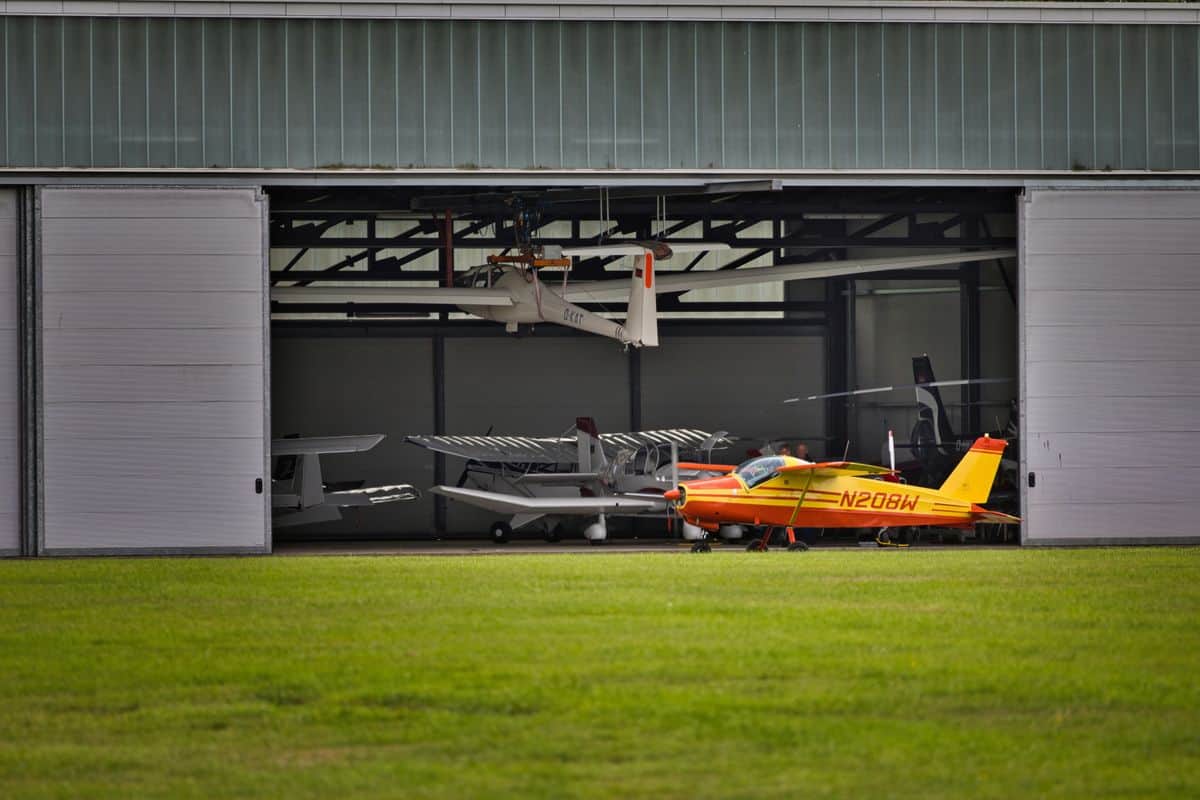
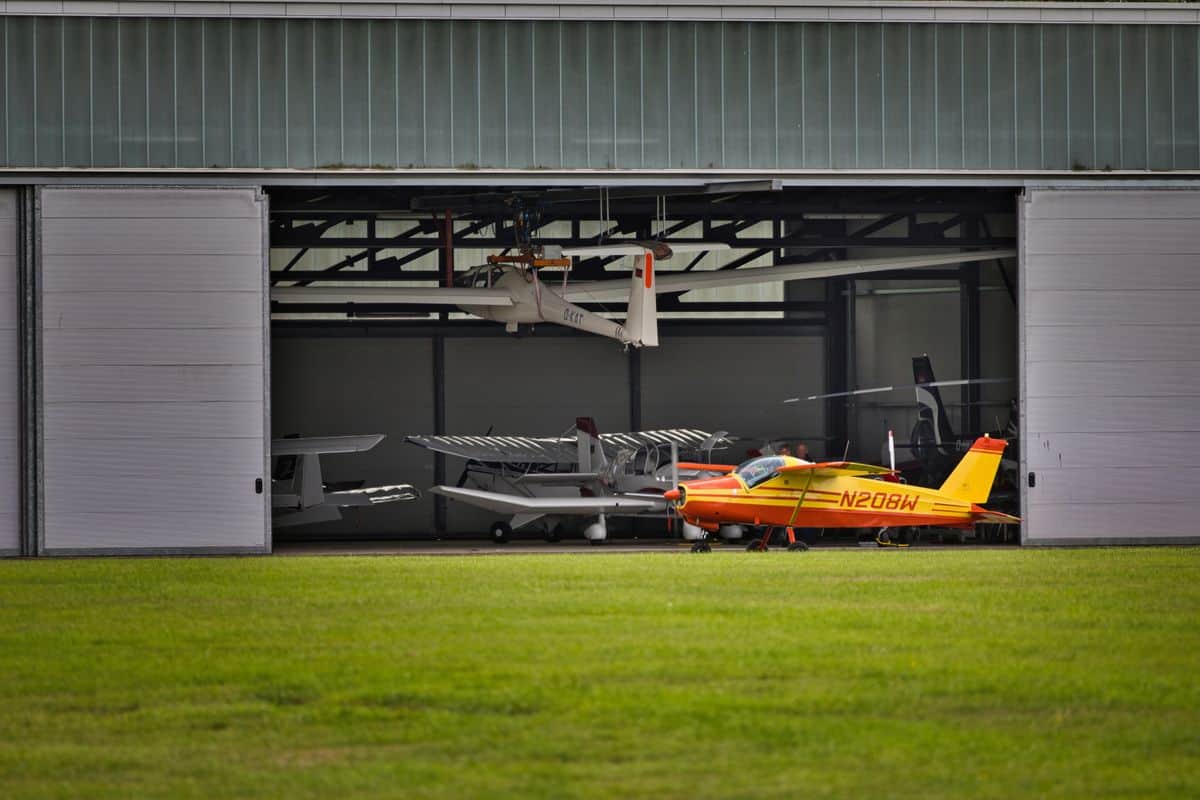
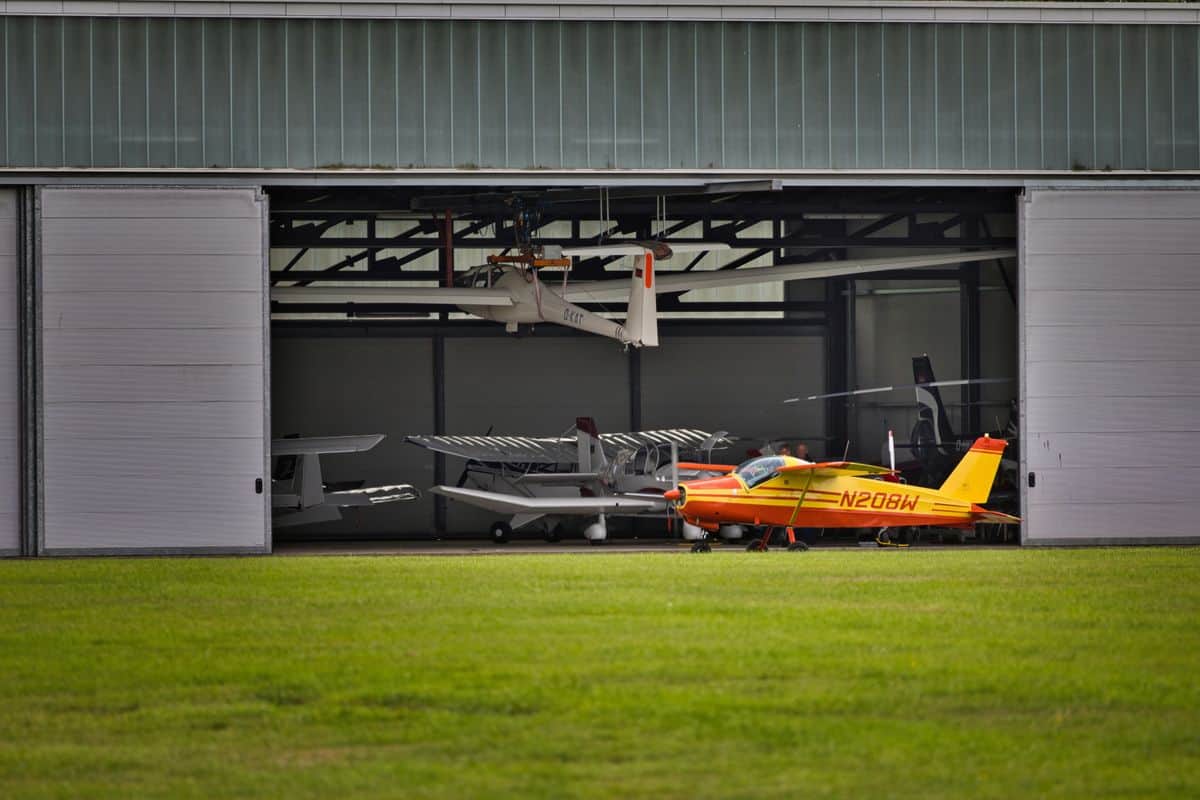
When planning flights to shooting ranges, start with reliable resources. Organizations like the Recreational Aviation Foundation (RAF) offer directories of backcountry airstrips, some of which align with shooting venues.Recreational Aviation Foundation However, cross-reference with local charts and FAA guidelines to confirm permissions.
Furthermore, apps and forums for bush flying can reveal user-shared spots. For example, pilots often discuss gravel bars and grass strips ideal for outdoor adventures. Yet, always perform reconnaissance passes—low, medium, and high—to check for obstacles, as these aren’t published airports.
consider multi-use sites. Square One Ranch, for instance, welcomes RVers through Harvest Hosts, allowing you to camp on-site while enjoying the range. This ties into broader lifestyle shifts where pilots integrate flying to shooting ranges with extended stays. To prepare your aircraft, review our Ultimate Guide to Mastering Your Aircraft Pre-buy Inspection.
Spotlight on Square One Ranch: A Pilot’s Paradise
Nestled in central Florida, Square One Ranch stands out as a prime destination for flying to shooting ranges. With its well-maintained grass strip adjacent to diverse ranges—from pistol and rifle to sporting clays—it’s designed for seamless arrivals. Pilots can land, taxi directly to the facilities, and even use golf carts equipped with rifle racks to navigate the property.
What’s more, the ranch hosts events like shotgun competitions and is expanding with new ranges for women-focused classes and leagues. This reflects a push toward inclusivity in shooting sports. However, its location between Florida’s coasts makes it accessible for quick hops from either side.
Beyond shooting, the ranch doubles as a venue for aviation gatherings, echoing the spirit of residential airparks where pilots live and play.Residential Airparks: Living the Aviation Dream For more details, visit their site.Square 1 Shooting Range Therefore, it’s an ideal spot for owner-pilots blending flights with marksmanship.
Essential Gear and Preparation for These Trips
Preparing for flying to shooting ranges involves more than fuel checks. Start with firearms suited for the environment, like suppressed rifles in calibers such as 300 Blackout or 8.6 Blackout for quieter sessions. Subsonic ammo, like TUI rounds from Fort Scott Munitions, minimizes noise, respecting nearby wildlife.
pack aviation essentials: tie-downs for grass strips, a survival kit, and digital scopes for enhanced targeting. Modern scopes with recording capabilities add a tech edge, allowing you to capture shots in 4K. However, ensure your plane’s cargo space accommodates gear securely.
For bush pilots, upgrading to rugged tires or props can handle uneven terrain. As explored in our article on Flying a Seaplane in the Florida Keys: A full guide, adaptability is key in variable conditions. Therefore, thorough pre-flight planning ensures smooth adventures.
Safety Considerations: Aviation and Firearms
Safety is non-negotiable when flying to shooting ranges. Always secure firearms unloaded in cases during flight, complying with FAA regulations on transporting weapons.FAA Firearms Transport Guidelines In addition, conduct a detailed pre-landing recon to spot hazards like wires or vehicles.
On the ground, follow range rules: use ear protection, even with suppressed guns, and maintain situational awareness. Upset prevention training can prove invaluable if weather turns.Upset Prevention and Recovery Training: A Lifesaver for General Aviation Pilots cyber threats to avionics are emerging, so stay informed.Cybersecurity Concerns in General Aviation
Therefore, blending these hobbies demands vigilance, but the rewards—sharpened skills and memorable experiences—are worth it.
Recent Trends in Bush Flying Adventures
Bush flying is evolving, with pilots leveraging social media to share gravel bar landings and hilltop escapades. Trends include increased use of advanced avionics for navigation in remote areas, making flying to shooting ranges more accessible.
Furthermore, there’s a rise in community trails, like proposed coast-to-coast routes for camping and flying. Owner-pilots are also embracing eco-friendly practices, minimizing impact on wilderness spots. However, women’s participation in shooting leagues at places like Square One is growing, paralleling broader inclusivity in aviation.
content creators are highlighting these journeys, inspiring enthusiasts to explore. For aerobatic insights that enhance bush skills, check Rob Holland’s Journey in Aerobatics.
Little-Known Aviation and Pilot Secrets
One under-the-radar tip: calibrate digital scopes with the cover closed for accuracy in varying light. Another: use golf carts at ranches for efficient gear transport, freeing up energy for shooting.
In addition, subsonic rounds not only quiet the experience but deliver impressive impact—hear the hit before the shot echoes. Bush pilots often overlook harvest host integrations, yet they enable RV stays at airstrips, extending trips.
However, a secret for smooth landings: triple recon passes at different altitudes to gauge wind and surface. This ties into angle of attack awareness for safety.Angle of Attack (AOA) Indicators for Safety Additionally, exploring Cold War relics can add historical flair to flights.Exploring the MiG-29 at Naval Air Museum
Conclusion
In wrapping up, flying to shooting ranges delivers unparalleled excitement for private pilots and aviation enthusiasts, from the rush of bush landings to the satisfaction of target practice. By incorporating preparation, safety, and trends, these outings enrich your flying life. Therefore, whether scouting new spots or revisiting favorites like Square One, embrace the adventure. For deeper dives into aviation topics, head over to https://e3aviationassociation.com.
For more E3 Aviation resources be sure to visit: https://e3aviationassociation.com
Legal Considerations for Transporting Firearms by GA Aircraft
Here’s where most pilots get this wrong: federal law on transporting firearms by private aircraft is more permissive than commercial flying, but state law varies wildly. Specifically, 14 CFR 91 doesn’t prohibit firearms aboard private aircraft, and TSA doesn’t screen GA passengers. However, you’re still subject to the laws of any state you land in, and some states have strict rules even for transit.
Practically, federal protection under the Firearm Owners Protection Act (FOPA) applies to interstate transport when firearms are unloaded and inaccessible — but FOPA is meant for interstate travel and has been tested unevenly in courts. Honestly, we’d recommend verifying the laws of every state on your route before departure. Resources from the FAA and state aeronautical authorities are the starting point. Our take: if you’re flying across multiple states with firearms, treat the trip like an international flight in terms of pre-flight legal homework.
Finding Ranges with Airstrip Access
For instance, the practical question is: which shooting facilities are accessible by GA aircraft? Specifically, several categories exist:
- Private ranches with airstrips: Many western private hunting and shooting ranches maintain grass strips. Access is by relationship or paid arrangement — not a public option.
- Sportsman’s clubs adjacent to public airports: Some shooting clubs are located near GA fields, with ground transportation arrangements available through FBOs.
- Backcountry public land: BLM and certain Forest Service land allows recreational shooting in approved areas. Pair with off-airport landing capability for true backcountry trips.
- Range networks with fly-in events: Specific gun clubs host fly-in events where pilots can arrive by aircraft.
Generally, the FBO at your destination is your best resource for ground transportation to a nearby range. Calling ahead is non-negotiable.
Pre-Trip Planning Checklist
Above all, the trip that goes well is planned thoroughly:
- Verify the destination range allows pre-arranged visits and call ahead.
- Check firearms laws for every state on your route.
- Confirm FBO services at the destination — ground transportation, hangar availability, fuel.
- Plan weather minimums conservatively given the trip purpose isn’t time-critical.
- Have a written firearms transport plan including ammunition storage.
- Arrange overnight accommodations if the trip extends.
Frequently Asked Questions
Can I fly firearms in my Cessna 172?
Federally, yes — there’s no FAA prohibition on firearms aboard private aircraft. However, you remain subject to the laws of any state where you land. Always research state-specific laws before any cross-country trip with firearms aboard.
Do I need to declare firearms when landing at an FBO?
FBOs are private businesses and may have their own policies. Most don’t require declaration, but some accept it as professional courtesy. Local law enforcement at the destination may have notification expectations — verify by calling the FBO and the local sheriff’s office before departure.
What range types accept GA fly-in visitors?
Private ranches with airstrips (by arrangement), sportsman’s clubs near GA airports (with FBO ground transportation), shooting clubs hosting formal fly-in events, and BLM/public land sites paired with off-airport landing capability. Public commercial ranges typically don’t have airstrip access but may be reachable via short FBO ground transportation.
Resources for GA Pilots Combining Aviation and Shooting
For instance, the resources that help pilots navigate this niche include type-specific aviation associations with member networks at shooting destinations, the National Rifle Association’s traveler resources for state-by-state firearms law, the FAA’s NOTAM system for unexpected destination restrictions, and aviation legal services that specialize in transport-law questions.
Practically, the pilot who treats this hobby intersection as a long-term project — building knowledge over years — has dramatically better outcomes than the one who treats it as a series of one-off trips. The legal landscape changes, the range network evolves, and the equipment options keep improving. Stay engaged with the community for current information rather than treating any single source as definitive.
Our take: combining aviation and shooting is genuinely rewarding for pilots who care about both, but the planning workload is substantially higher than equivalent non-firearms aviation activities. Budget the planning time accordingly, build expertise gradually, and treat every trip as a learning opportunity. The pilots who do this well develop substantial expertise over multiple years of trips, and that expertise is valuable to share with the broader community.
For broader context on planning cross-country trips, see our coverage of top general aviation airports and our guide to off-airport landing locations.
Practically, the cross-section of GA pilots who fly to shooting ranges is small but tight-knit. Specifically, the pilots in this niche tend to share information generously — once you’ve established yourself as a careful operator, the community will help you find good destinations, navigate legal issues, and connect with FBOs that understand the trip type. Building those relationships is part of the long-term value of staying engaged with this hobby intersection.
Above all, here’s what most aviation friends won’t tell you about this hobby: the legal complexity is the hard part. The flying itself isn’t any more demanding than any other cross-country trip — it’s the firearms transport rules that’ll trip you up. Honestly, that’s why the pilots who do this well treat the legal homework as the most important part of the trip planning.
Practically, if you’re considering your first fly-in shooting trip, here’s the recommendation: start with a destination range where you’ve confirmed everything. Don’t pick an ambitious cross-country for your first attempt. The trip that’s 90 miles away to a familiar range gives you space to learn what the workload actually looks like before you’re trying to figure it out from a hotel in an unfamiliar state.
Above all, here’s the bottom line for pilots considering this hobby intersection: it’s genuinely rewarding when done well, but the legal research before each trip isn’t optional.
The E3 Aviation Editorial Team writes for owner-pilots, student pilots, and the small aircraft community. We focus on practical, real-world content that respects your time and your training. Learn more about E3 Aviation.
Last Updated: 2026-06-01