The aircraft engine oil change is the most critical routine maintenance task for any piston-powered GA aircraft. Specifically, get it right, and your Lycoming or Continental engine runs clean, protected, and ready to fly. However, let it slide, and you risk acid corrosion, contaminated oil, and accelerated internal wear. Worse, that adds thousands of dollars to your overhaul bill. Overall, this guide covers intervals, oil grades, filter inspection, and the mistakes that quietly destroy engines over time.
Last Updated: June 11, 2026 | By: The E3 Aviation Editorial Team
Why the Aircraft Engine Oil Change Is Your Engine’s Best Insurance
Naturally, most owner-operators understand that oil lubricates the engine. Specifically, fewer understand that oil does something equally important: it neutralizes acids. For example, every time your engine fires, combustion byproducts work past the piston rings and into the crankcase. Then, those byproducts form acids — and those acids attack metal. Notably, aviation oil contains additives that neutralize those acids on contact. However, those additives deplete with use. Subsequently, once they are gone, the acids win. Ultimately, this regular oil change replenishes those additives before they disappear completely.
The Real Enemy Inside Your Engine
Indeed, corrosion is the single biggest threat to piston aircraft engines — more damaging than wear, more destructive than improper technique. Specifically, according to Lycoming, acid corrosion drives more premature engine wear than any other factor. Consequently, stretching an oil change interval means letting acids sit in your engine and attack the cam, lifters, cylinder walls, and bearing surfaces. However, the filter does not remove acids. Furthermore, only an oil change removes them — which is exactly why the oil change interval exists as a hard requirement, not a guideline.
Furthermore, oil picks up lead deposits, carbon particles, and water vapor over time. In particular, water vapor causes particular damage on engines that fly short missions or sit on the ramp for extended periods. For instance, a short flight warms the engine but never fully drives off moisture. Then, that moisture combines with sulfur compounds to form sulfuric acid, which attacks bearing surfaces directly. As a result, regular oil changes flush those contaminants before they cause measurable damage.
What Happens to Oil After 50 Hours
Initially, fresh aviation oil is a carefully balanced fluid. After 50 flight hours, the picture changes significantly. First, the acid neutralizers deplete first. Then viscosity modifiers begin to break down. Next, the oil darkens as it absorbs combustion byproducts, carbon particles, and metallic wear debris. By the time most pilots glance at the dipstick and think it looks dark but okay, the additive package may be exhausted. Eventually, at that point, the oil still lubricates — but it no longer protects. Therefore, the interval exists because of additive depletion, not just oil breakdown. Importantly, those are two different problems, and both matter.
Additionally, oil in a low-activity aircraft that sits between flights collects moisture from condensation inside the crankcase. Specifically, each short ground run adds more moisture without fully heating the oil to the temperature needed to drive it off. Consequently, over a calendar month of minimal flying, that moisture accumulates and accelerates corrosion on the cam and bearing surfaces. Therefore, this is precisely why calendar time matters as much as Hobbs hours.
Aircraft Engine Oil Change Intervals: What the Manufacturers Require
Generally, the standard: change the oil and filter every 50 hours or 4 calendar months — whichever comes first. Specifically, that interval applies to engines with a full-flow oil filtration system. However, for engines using a pressure-screen system instead of a spin-on filter, the change interval drops to every 25 hours. Importantly, both Lycoming and Continental hold to these recommendations as core maintenance requirements.
Lycoming Oil Change Requirements
Specifically, Lycoming Service Letter 270 sets the standard for their engine family. Generally, for engines with a full-flow filter, the change interval is 50 hours or 4 calendar months. However, for engines with only a pressure screen, the interval is 25 hours. Additionally, Lycoming recommends inspecting the sump screen at every oil change. Additionally, even on engines with a full-flow filter, pull and inspect the sump screen at every annual. Importantly, check it whenever significant metal turns up in the filter.
For example, for low-activity aircraft flying fewer than 100 hours per year, Lycoming recommends treating the calendar interval as the governing factor. Consequently, an owner flying 30 hours annually should change oil at least three times per year. Above all, go by calendar, not by tach time. In particular, the hours-based limit exists for high-activity aircraft. Above all, the calendar limit exists for everyone else.
Notably, Lycoming also specifies a 25-hour initial change after engine installation, rebuild, or top overhaul. Specifically, that first oil change flushes metallic particles from the seating process. Otherwise, a standard 50-hour interval would leave that debris in the oil system far too long.
Continental Engine Oil Change Schedule
Similarly, Continental follows a similar framework. Notably, their recommendation for engines with a full-flow filter is 50 hours or 4 calendar months. Then, for screen-only systems, 25 hours applies. Likewise, like Lycoming, Continental specifies an initial oil change at 25 hours after any engine work. Subsequently, that early change removes break-in debris before it circulates long enough to cause wear. After that first change, the standard 50-hour or 4-month interval governs all subsequent changes.
Notably, Continental places particular emphasis on cutting open the oil filter at every oil change. Specifically, their guidance treats filter inspection as a required maintenance step, not an optional diagnostic. The filter contents give your A&P a window into the engine without removing a cylinder. That diagnostic opportunity costs nothing extra at every scheduled change.
Calendar Time vs. Hobbs Hours: Which Governs?
Both apply — and whichever limit expires first triggers the change. Many owners track only Hobbs hours. Then summer comes, the airplane sits for six weeks, and they convince themselves the oil is only at 30 hours. That reasoning is wrong. Calendar time governs independently of flight hours. Acids, moisture, and additive depletion advance even when the engine sits cold. In fact, a parked engine often degrades oil faster per flight hour than a regularly flown engine. Short taxi runs add condensation without generating enough heat to drive it off.
The practical rule: if you cannot remember when you last performed a piston engine oil change, it has been too long. Set a phone reminder when the wrench comes off the drain plug, and honor it the way you honor an inspection deadline.
Choosing the Right Oil for Your Aircraft Engine Oil Change
Walk into any FBO or aviation parts supplier and you will find multiple oil brands and grades on the shelf. Every oil and filter change starts with a simple question: what oil does this engine need? The answer depends on engine type, current condition, and where the engine sits in its life cycle. Getting this wrong — especially after overhaul — can cause damage that shows up slowly, invisibly, and expensively.
Mineral Oil vs. Ashless Dispersant Oil
Aviation piston engines use two primary oil types: straight mineral oil and ashless dispersant (AD) oil. Straight mineral oil contains no chemical additives beyond refining. AD oil contains dispersants that suspend contaminants and carry them to the filter, keeping the engine interior cleaner between changes.
For new, rebuilt, or overhauled engines, most manufacturers specify straight mineral oil during break-in. Continental recommends it explicitly. Lycoming recommends mineral oil for most normally aspirated engines during break-in as well. The reason: mineral oil allows the cylinder walls and piston rings to seat properly by permitting microscopic contact. Dispersant additives can interfere with that seating process by reducing the friction needed for proper ring seating.
After break-in — typically 25 to 50 hours — owners switch to AD oil for all subsequent oil changes. One critical caution: if an engine ran on mineral oil beyond normal break-in, switching suddenly to AD oil can loosen sludge deposits and clog oil passages. In that situation, change the oil every 10 to 15 hours for the first two or three changes. Check the sump screen after each of those flights until the oil runs clean and screen findings return to normal.
Oil Viscosity Grades for GA Piston Engines
Aviation piston oil comes in two primary grades: SAE 50 (single-weight) and SAE 15W-50 (multi-weight). Single-weight SAE 50 is the standard recommendation for most operating environments where temperatures stay above 40 degrees Fahrenheit at startup. Multi-weight 15W-50 works better in colder climates. It flows easily at cold startup and maintains full viscosity protection once the engine reaches operating temperature.
Always consult your engine manufacturer’s service documentation for the specific viscosity approved for your aircraft. Lycoming and Continental each publish allowable oil specifications. Approved brands include Phillips 66 X/C, Aeroshell W100, Exxon Elite, and Lycoming-branded LW-16702. Confirm that the product you select carries approval for your specific engine model — not just your engine brand.
Can You Mix Aviation Oil Brands?
In an emergency, mixing aviation oil brands of the same type is acceptable. However, it is not good practice as a routine habit. Different brands use different additive packages, and mixing them can reduce the effectiveness of those additives. More critically, never mix mineral oil and AD oil during an oil change without understanding the sludge-loosening consequences described above. Additionally, never mix aviation oil with automotive oil. Automotive oils contain additives that reduce zinc and phosphorus levels — levels that aircraft engines require to protect flat-tappet cam and lifter interfaces. The result of using automotive oil in an aircraft engine is accelerated cam and lifter wear, often with no warning until the damage surfaces at TBO.
The Oil Filter Inspection: What Your A&P Is Looking For
Cutting open the oil filter is one of the most valuable diagnostic tools in GA maintenance. It costs nothing extra when done at every oil change. The filter captures metallic particles, carbon deposits, and debris from inside the engine. Examining what the filter traps tells your A&P whether the engine runs normally or generates abnormal wear from a specific component.
How to Cut Open the Filter Correctly
A proper filter cut requires a dedicated filter cutter tool — not a hacksaw or a utility knife. The filter cutter removes the lid cleanly without generating metal shavings that would contaminate the filter media and make inspection results unreliable. After cutting, the A&P stretches the filter pleats under bright light and examines them carefully. Small amounts of fine metallic particles and carbon are normal products of engine operation. Large flakes, chunks, or sudden increases in particle quantity are not normal and require investigation before the next flight.
Use a magnet covered with a clean plastic bag to test particles for ferrous content. Iron or steel particles from the cam, lifters, or crankshaft cling to the magnet. Aluminum particles — indicating piston or crankcase wear — do not respond to the magnet. Bronze or copper-colored particles appear most commonly on Continental engines and may indicate starter adapter wear or thrust bearing material. Your A&P evaluates all findings in context: engine total time, recent operational history, and any unusual events since the last oil change.
After cutting and inspecting the pleats, cut open the filter canister over a clean white cloth or paper towel. This catches any particles that did not embed in the pleats. Some A&Ps also flush the used filter media with clean solvent over a white cloth to make finer particles visible. The process adds only a few minutes and significantly improves the diagnostic value of every inspection.
Aircraft Engine Oil Change and Metal Particle Analysis
The question every owner asks: how much metal is too much? Lycoming’s published guidance states that the quantity of metal in the filter should not exceed half a teaspoon before raising significant concern. However, context matters more than absolute quantity. A small amount of fine, glittery material on the first oil change after engine work or cylinder replacement is normal. The real red flag is sudden appearance of metal that did not show up in previous changes — not an absolute threshold, but a trend change. Keep written records of filter findings at every change. A documented history of clean filters — then a sudden appearance of aluminum particles — gives your A&P exactly the information needed to act before a small problem becomes an in-flight emergency.
SOAP Analysis: Your Engine’s Ongoing Health Record
Spectrometric Oil Analysis Program — SOAP — takes the filter inspection further. An oil sample goes to a laboratory that uses atomic spectrometry to measure exact concentrations of wear metals in the oil. The lab report shows parts per million of iron, aluminum, copper, chromium, silicon, lead, and other trace elements. Silicon indicates dirt or dust ingestion through the air filter. A sudden iron spike suggests cam or lifter wear. Rising copper levels may indicate bearing material loss.
Trend analysis across multiple sequential samples catches developing problems 20 to 30 hours before they appear in the filter or produce performance symptoms. Sending an oil sample from every oil change costs $15 to $30 — less than a tank of avgas. That builds a documented, quantified engine health record. Labs like Blackstone Laboratories and Aviation Laboratories specialize in piston aircraft oil analysis. Many experienced owner-operators treat SOAP as non-negotiable, particularly on engines approaching TBO or with any history of metal findings in the filter.
Step-by-Step: What Happens During an Aircraft Engine Oil Change
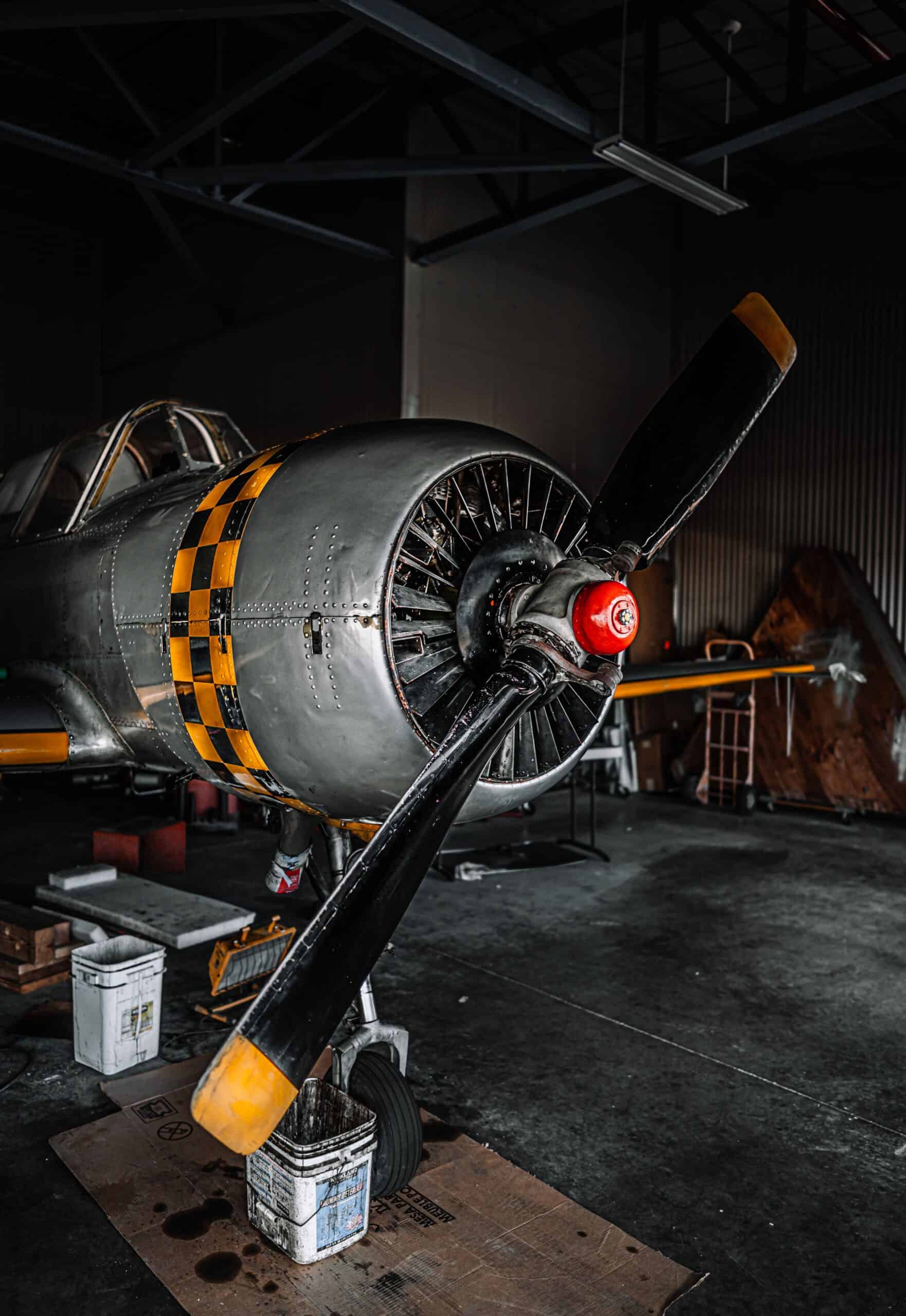
Understanding the full procedure helps you verify the work, maintain an accurate logbook, and have an informed conversation with your A&P. A correctly executed oil change follows a consistent sequence: drain, filter inspection, sump screen, refill, and post-change verification. No step is skipped. Every finding is documented.
Before the Drain: Warming the Engine
First, the engine must reach normal operating temperature before shutdown. Warm oil flows faster, carries more suspended contaminants, and drains more completely than cold oil. After shutdown, the A&P positions a drain pan, removes the drain plug, and allows the oil to drain fully. Expect 10 to 15 minutes with the cowl open. Some technicians remove the oil filler cap or dipstick tube to break the vacuum and speed the drain. A rushed, incomplete drain leaves contaminated residue behind to mix with the fresh oil charge.
Drain, Cut, Inspect, and Refill
With the old oil draining, the A&P removes the spin-on filter and cuts it open for inspection before discarding it. Next, they pull the sump screen, wash it clean in fresh solvent, and examine it under light. After inspection, the A&P installs a new spin-on filter — hand-tightened and advanced per manufacturer spec. The drain plug goes back in with a new copper crush washer or proper thread sealant. The engine gets the correct quantity of approved oil. Torque on the drain plug matters: an undertorqued plug leaks; an overtorqued plug strips the threads. Both outcomes are avoidable with proper technique and a calibrated torque wrench.
Oil quantity is equally important. Check the Pilot Operating Handbook or engine type certificate for the correct capacity. Overfilling causes oil to exit through the breather tube. Underfilling leaves the engine with an inadequate oil pressure reserve in high-demand flight attitudes. Fill to the full mark on the dipstick — no more, no less.
Post-Change Run and Verification
After refill, run the engine and check immediately for normal oil pressure, normal oil temperature rise, and any visible leaks around the filter mount and drain plug. The first few minutes of operation after any oil change are the most critical inspection window. Catching an installation error on the ground costs nothing. Discovering it airborne costs everything. After shutdown, verify the oil level with a final dipstick check. The complete oil change record goes into the engine logbook with the A&P’s signature. Include: date, tach time, oil brand and grade, quantity added, filter part number, sump screen condition, filter inspection findings, and any oil sample submission.
Common Mistakes GA Owner-Operators Make With Oil Changes
Every experienced A&P has seen the same oil change errors repeated by well-intentioned owners. The oil change procedure is straightforward — but these four mistakes consistently shorten engine life and raise overhaul costs for GA owner-operators.
Stretching the Interval “Just This Once”
Notably, the most common mistake: the 50-hour interval becomes 55, then 60, then just until after the trip. Consequently, the additive package runs dry, acids attack bearing surfaces, and the damage accumulates invisibly over many hours. The engine never announces that something is wrong — it simply arrives at TBO with heavier-than-expected wear and a higher overhaul invoice. Some engines with a history of chronic interval stretching develop cam and lifter damage that does not surface until teardown inspection. Therefore, treat the interval as a hard stop, not a target range with room to negotiate.
Ignoring the Calendar Interval
Owner-operators who fly infrequently often track hours but overlook the 4-month calendar limit. An airplane that flies 20 hours over seven months needs two oil changes in that period — not one at the 20-hour mark. Moisture, acid buildup, and additive depletion advance on a calendar basis regardless of Hobbs time. Additionally, low-use engines tend to accumulate moisture at a higher rate per flight hour than engines that fly frequently and fully heat-soak on longer missions. Set a calendar reminder the day of every oil change and treat it the same as any required inspection deadline.
Skipping the Break-In Mineral Oil Phase
Using AD oil from the first hour after overhaul or major cylinder work costs owners real money downstream. Rings that do not seat properly cause high oil consumption and reduced compression for the life of that overhaul. Follow the manufacturer’s break-in guidance precisely — straight mineral oil for the first 25 to 50 hours, then transition to AD oil for all subsequent oil changes. The few dollars saved by skipping the initial mineral oil phase are not worth the performance degradation that follows.
Not Recording Filter Findings in the Logbook
An A&P who inspects the filter and finds nothing unusual still needs to document that finding. “Filter cut and inspected — no significant metal noted” is valuable data. Owners who request filter inspection but never ask for written findings have no baseline for comparison when metal eventually does appear. Accordingly, require a written filter inspection entry in the engine logbook at every oil change. That documented history of clean filters becomes an asset in any pre-buy inspection and strengthens the engine’s resale value when you eventually sell the aircraft.
Lycoming SL 270 and the Unleaded Fuel Exception to the Aircraft Engine Oil Change Interval
Most owner-operators still default to the 50-hour oil and filter change because that has been the Lycoming Service Bulletin 480 standard for decades. However, a quieter Lycoming document changes the math for owners running exclusively on approved unleaded avgas. Service Letter SL 270 extends the routine oil change interval from 50 hours to 100 hours for engines burning approved unleaded fuel under Service Instruction SI-1070. Importantly, the filter still has to be replaced every 50 hours or four months, whichever comes first.
Who Actually Benefits From the Extended Interval
Specifically, the extended interval only helps owners who fly enough to hit 100 hours before the four-month calendar limit triggers a change. In practice, that means roughly 300 hours per year of utilization. For the typical owner-pilot flying 80 to 120 hours a year, the calendar limit always wins, and the extension delivers nothing. Therefore, a flight school or charter operation burning unleaded fuel sees real cost savings. The weekend owner does not.
What This Means for the 2026 Owner-Operator
Currently, approved unleaded avgas options under SI-1070 include G100UL and UL94 at participating airports. Notably, as the FAA-led unleaded transition continues to roll out, more airports will offer unleaded options, and more engines will qualify. Still, the practical advice is the same. Until you are burning unleaded exclusively and flying more than 300 hours a year, stick to the 50-hour interval and the 4-month calendar limit. Otherwise, the math punishes shortcuts.
Frequently Asked Questions: Aircraft Engine Oil Change
How often should I do an aircraft engine oil change?
Change the oil every 50 hours or 4 calendar months — whichever comes first. For engines with only a pressure screen rather than a spin-on filter, the interval drops to 25 hours. Low-use aircraft flying fewer than 75 hours per year should prioritize the calendar interval as the governing factor over the hour-based limit.
Can I do my own aircraft engine oil change?
Under FAR Part 43, Appendix A, certificated aircraft owners may perform certain preventive maintenance tasks on their own aircraft — and oil changes are on that list. The change requires proper documentation in the engine logbook, including a signed statement from the owner with their pilot certificate number and rating. Many owners still prefer having a licensed A&P perform and sign the work to ensure the filter inspection happens correctly and all logbook entries meet FAA standards.
What happens if I accidentally use automotive oil in my aircraft engine?
Automotive oils contain low concentrations of zinc dialkyldithiophosphate (ZDDP) — an anti-wear additive reduced in automotive oils to protect catalytic converters. Aircraft flat-tappet cam and lifter interfaces depend on high ZDDP concentrations for protection. Without it, those surfaces wear faster than the engine can tolerate. If automotive oil went in, perform an immediate oil change with approved aviation oil. Cut and inspect the filter after the next flight for metal. Consult your A&P about any additional monitoring steps.
Is SOAP oil analysis worth the cost?
Yes — especially for engines over 1,000 hours total time, engines approaching TBO, or any engine with a prior history of metal in the filter. At $15 to $30 per sample, SOAP delivers a quantified engine health record. It pays for itself the first time it catches a wear pattern before it becomes a catastrophic failure. Three or four consecutive samples showing rising iron levels alert you to a cam problem 20 to 30 hours before significant metal appears in the filter.
What oil grade should I use in winter?
In climates where startup temperatures fall below 40 degrees Fahrenheit regularly, consider switching to SAE 15W-50 multi-weight aviation oil. Multi-weight oil flows easily at low temperatures during startup — when the oil pump works hardest — while maintaining full viscosity protection after the engine reaches operating temperature. Always verify that the specific multi-weight product carries approval for your engine from Lycoming or Continental before using it.
What should a complete aircraft engine oil change logbook entry include?
A thorough entry includes: date, tach time, oil brand and grade, quantity to fill, filter part number, filter inspection findings, sump screen condition, and the A&P signature and certificate number. If you sent an oil sample for SOAP analysis, add the lab name and sample number. That level of documentation protects your engine’s resale value and creates the baseline record needed to detect meaningful changes over time.
Staying on top of the oil change schedule is one of the highest-return investments any GA owner can make in their aircraft. For more GA maintenance and ownership content, visit the E3 Aviation Association Aviation Articles hub. Check out the E3 Aviation YouTube channel for video content built for pilots and owner-operators.
Related Articles

E3 Aviation Editorial Team
The E3 Aviation Association editorial team is made up of licensed pilots, aviation educators, and industry professionals dedicated to advancing general aviation safety, community, and education. Learn more about E3 Aviation.