A Cirrus SR22 crash on March 30, 2025, in Somerset, New Jersey, reignited a Cirrus SR22 parachute system debate that’s been simmering in general aviation hangars for two decades. Owner-pilots are still arguing over the same question: does the Cirrus Airframe Parachute System (CAPS) genuinely save lives, or does it nudge pilots into risk they’d otherwise avoid? Viral wreckage videos and heated threads on Reddit and Pilots of America haven’t cooled the discussion. Here’s what the data actually says, where the debate gets the tradeoff right, and where most GA pilots are missing the point.
Last Updated: June 11, 2026 | By: The E3 Aviation Editorial Team
The Cirrus SR22 and CAPS — What Actually Makes It Different
The Cirrus SR22 isn’t just another single-engine piston. Introduced in 2001, it shipped with a whole-plane ballistic parachute as standard equipment — a first in certified general aviation. The system, branded CAPS, sits in the rear fuselage. When the pilot pulls a red handle on the overhead panel, a rocket fires through the upper skin and drags a 55-foot parachute out behind the airplane.
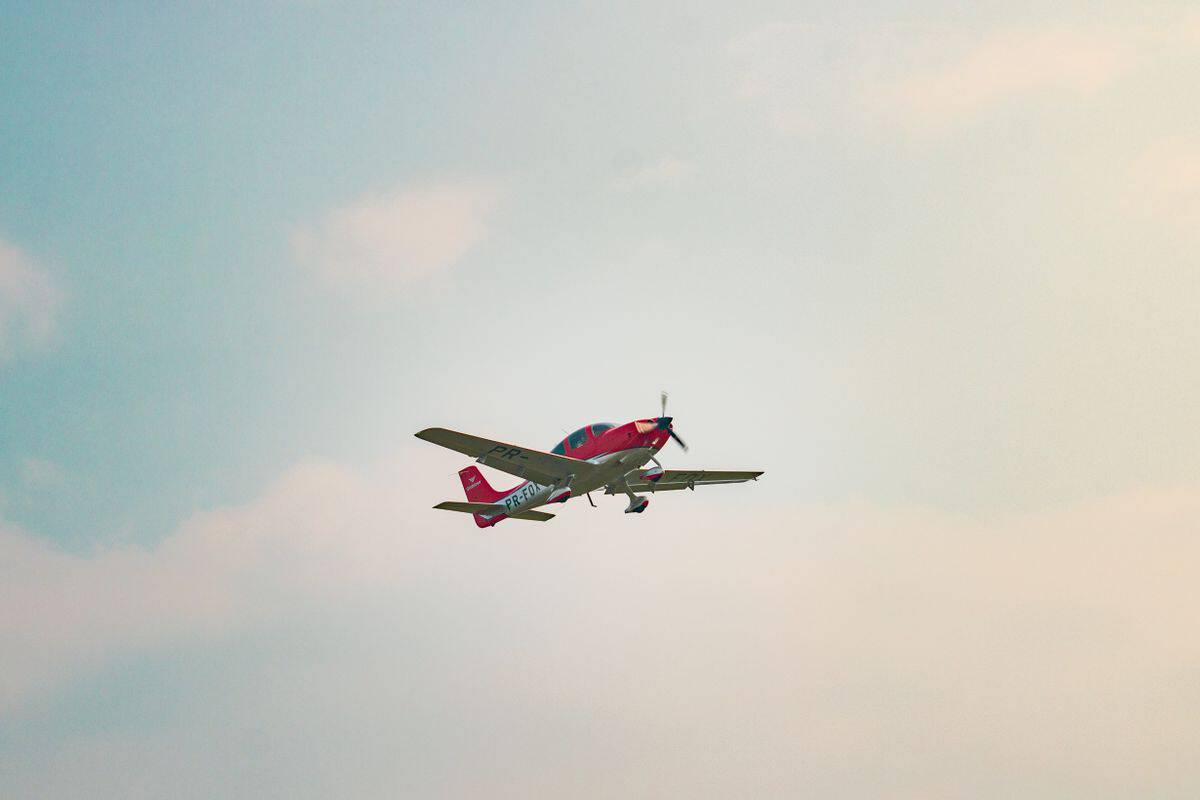
By December 2024, Cirrus reported 132 successful CAPS deployments and 269 lives saved across the SR20 and SR22 fleets. That’s a remarkable number for a single safety system. For context, no other certified piston single carries anything comparable as factory equipment.
However, CAPS has a tight operating envelope most owner-pilots underestimate. The system needs the airplane above 500 feet AGL in newer models and under roughly 140 knots for full deployment. Outside those bounds, the chute may not have time to open or may shred when it hits airflow. That envelope sits at the center of the parachute system debate.
Cirrus also includes traditional safety design. The cockpit has a 26G-rated occupant cell, energy-absorbing seats, and structural crumple zones. The parachute is a backup, not the only line of defense.
The Somerset Crash — What We Know So Far
On a chilly March 30 morning in 2025, a Cirrus SR22 went down in a wooded area near Somerset, New Jersey. The solo pilot didn’t survive. The NTSB is still working the investigation. Officials haven’t confirmed whether CAPS was deployed.
That silence has fueled speculation across pilot forums. Some theories center on a mechanical failure outside the deployment envelope. Others point to a low-altitude departure scenario where CAPS simply wasn’t an option. Until the final NTSB report drops, we won’t have certainty — and that’s worth saying clearly. Pilot forums tend to fill the vacuum with theories that don’t always survive the official record.
For broader context, the 2023 Western New York accident is instructive. A pilot deployed CAPS but pulled too late. The chute opened, and two people died anyway. Timing wasn’t on his side. The Cirrus SR22 parachute system isn’t a stop button — it’s a tool with rules, and the rules don’t bend for pilot wishes.
The Parachute vs. Skills Debate — Where Both Camps Get It Wrong
The general aviation community is split right down the middle on CAPS, and both sides have a point. The trouble is that each camp tends to argue past the other.
Why the CAPS Trust Camp Has the Numbers
Pilots who lean into CAPS point at the deployment record. Two hundred sixty-nine lives saved isn’t a marketing number — those are family members at the dinner table tonight. Cirrus Aircraft publishes deployment data openly, and the trend line is positive year over year. For a single-engine piston, that fatality reduction is unmatched.
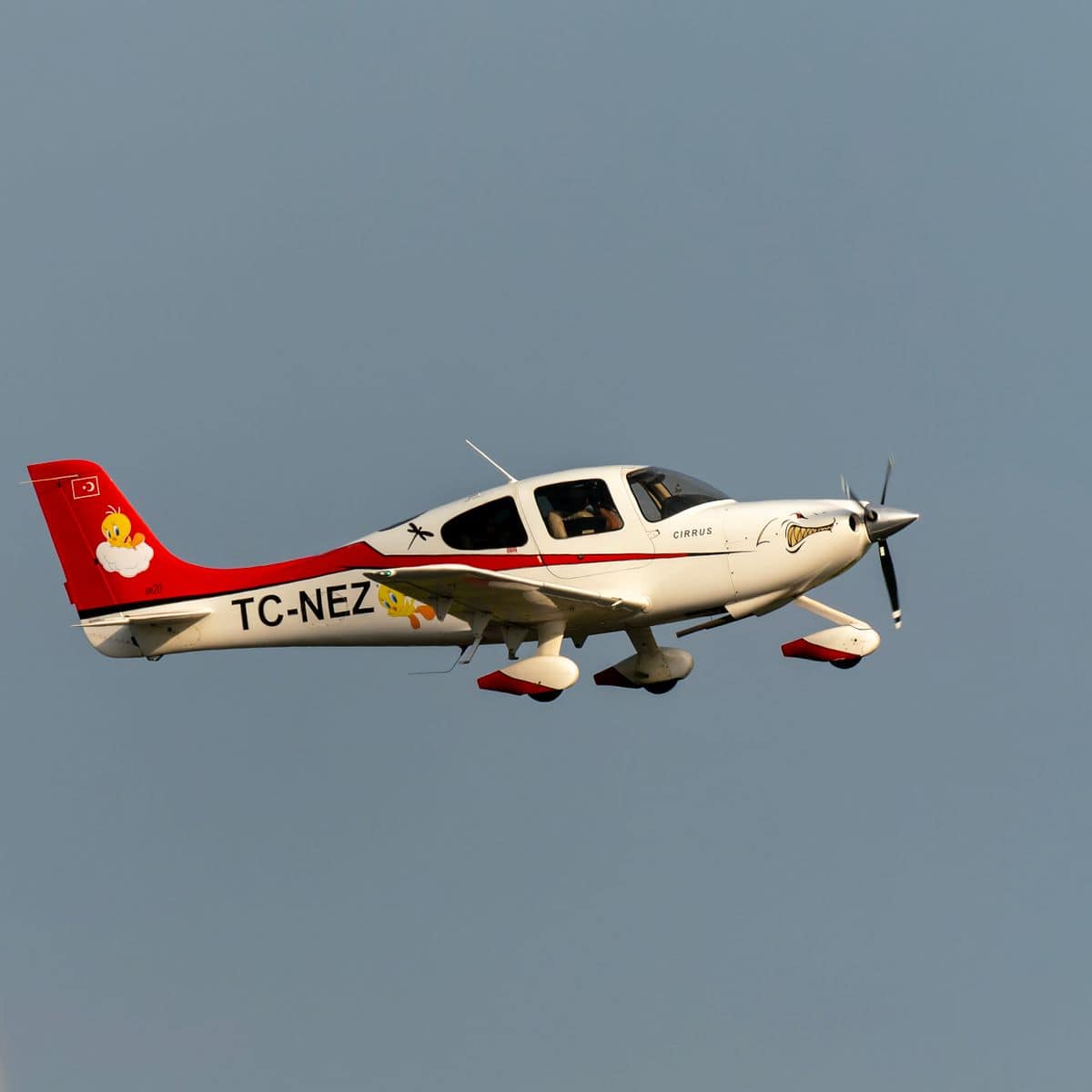
Also, Cirrus’s mandatory factory transition training drills CAPS deployment scenarios from day one. New owners practice the pull. They run the decision tree. They get the muscle memory before they ever fly solo. That training matters more than the hardware itself.
Why the Skills-First Camp Won’t Let It Go
On the other hand, skills-first pilots argue that CAPS creates a psychological crutch. Their concern: a pilot who knows the chute is there flies into weather, into terrain, or into mechanical situations they’d otherwise avoid. When CAPS isn’t appropriate — too low, too fast, too late — the pilot’s stick-and-rudder skills had better be sharp.
This isn’t a hypothetical argument. The NTSB’s accident record includes Cirrus pilots who pulled CAPS in situations where a competent dead-stick landing would have worked. The chute saved them. But it also rewarded a decision chain that didn’t need rescuing in the first place.
Where Most Pilots Get the Tradeoff Wrong
Our take: both camps are fighting a battle that isn’t really there. CAPS isn’t a substitute for pilot skill, and pilot skill isn’t a substitute for CAPS. They’re complements, not competitors. The pilot who treats CAPS as a backup for genuine emergencies — engine failure over inhospitable terrain, midair collision, structural failure — is using the system as designed. The pilot who treats CAPS as permission to take risks they otherwise wouldn’t is mishandling the tool.
The data backs this framing. Cirrus’s saved-lives count includes deployments after engine failures over forest, after midair collisions, and after pilot incapacitation. Those are textbook deployment scenarios. CAPS works because it’s specifically designed for emergencies that overwhelm even a sharp pilot’s options.
The CAPS Envelope Most GA Pilots Underestimate
Here’s where we’ll be straight with you: the operating envelope for CAPS is narrower than the marketing implies. Pilots flying SR22s for a few hundred hours often forget the boundaries. Below 500 feet AGL, the chute doesn’t have time to fully open. Above 140 knots in some models, the deployment forces can shred the canopy.
For takeoff and landing, that means CAPS is essentially unavailable. Most fatal Cirrus accidents happen in the traffic pattern or during initial climb — exactly where CAPS can’t help. Stick-and-rudder skills aren’t optional in those phases. They’re the only thing keeping the airplane upright.
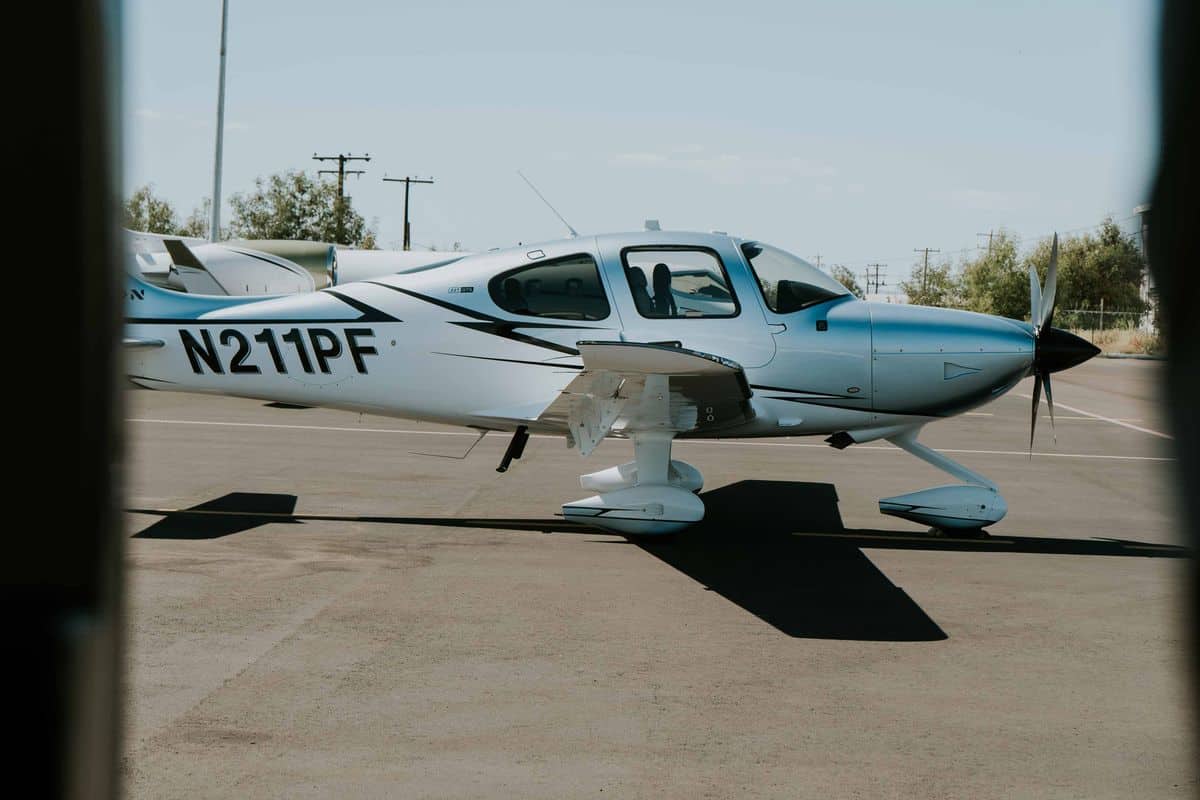
For more on the SR22 platform and CAPS specifics, see our Cirrus SR22 Complete Pilot Guide. It walks through the deployment envelope, training requirements, and ownership considerations in depth.
For cruise flight, CAPS is in its element. Engine failure at 8,500 feet with no airport in glide range? Pull the handle. Structural failure from a midair? Pull the handle. Pilot incapacitation with a passenger who can’t fly? Pull the handle. These are the deployment scenarios the system was designed around.
The takeaway: know your envelope. Practice the pull in training scenarios. Don’t assume the chute is a get-out-of-jail-free card for every emergency.
What This Means for Your Training, Whatever You Fly
You don’t need to fly a Cirrus to learn from this debate. The same logic applies to every safety system on every GA aircraft. ADS-B traffic display doesn’t replace visual scanning. Synthetic vision doesn’t replace situational awareness. Autopilot doesn’t replace stick-and-rudder skills.
Honestly, this is where we’d push back on the broader GA industry’s marketing. Modern avionics make pilots safer when used correctly and more dangerous when used as a substitute for fundamentals. The same is true of CAPS. The pilot who trains hard, knows the envelope, and treats the chute as a partner — not a savior — gets the full benefit of the system.
If you’re flying VFR cross-country, weather decision-making is still the highest-value skill you can develop. Our Reading AIRMETs and SIGMETs guide walks through the briefings that actually matter for go/no-go calls.
For CFIT awareness — which kills more GA pilots than any other accident category — see our CFIT Awareness for GA Pilots guide. CAPS doesn’t help if you fly into a mountain you didn’t see.
Train for the emergency you’ll most likely face, not the one that makes the best YouTube video. For most pilots, that’s an engine roughness scenario over hostile terrain, not a midair collision. Practice the engine-out checklist. Memorize the glide ratio. Know the best-glide speed for your airplane cold.
What the Pros Are Saying After Somerset
Cirrus owners and CFIs we’ve talked with land in roughly the same place. The Cirrus SR22 parachute system is a genuine safety advance. It’s also a tool that requires proper training, proper respect for its envelope, and proper integration into a pilot’s overall decision-making.
The Somerset crash will get a final NTSB report eventually. Until then, the responsible move is to wait for the data, not speculate on a fatal accident the family is still grieving. The debate over CAPS doesn’t need fresh fuel — it needs sharper thinking.
For E3 Aviation’s broader take on GA safety culture, browse our archive at aviation articles. We cover the topics most pilot blogs gloss over.
The Hidden Cost of Misunderstanding CAPS
Beyond the deployment data, there’s a quieter cost to the Cirrus SR22 parachute system debate that doesn’t get enough attention. Insurance premiums for Cirrus owners run higher than for comparable non-parachute singles in the same horsepower class. That’s not because the airframe is unsafe — it’s because underwriters price in the risk that pilots will accept missions they shouldn’t.
This isn’t a Cirrus-only problem. Aircraft with advanced avionics, autopilots, and synthetic vision all carry similar pricing dynamics. Underwriters know that technology that reduces some risk often shifts the risk envelope rather than eliminating it. The pilot who buys a Cirrus thinking the chute lets them fly in worse weather has actually traded one risk for another.
For owner-pilots, the right move is to view the insurance premium as a signal. Higher premiums mean higher actuarial risk. That risk shows up in the accident record. Lower your premium by training hard, staying current, and treating the airplane’s safety systems with respect.
How CAPS Compares to Other Emergency Systems
Putting CAPS in context against other GA emergency systems helps clarify what it does and doesn’t do. The Beechcraft Bonanza, for example, has no parachute. Its safety record is excellent because Bonanza owners tend to be experienced pilots who fly the airplane within its envelope. That’s a behavioral safety profile, not a hardware one.
The BRS (Ballistic Recovery Systems) parachute on aircraft like the Cessna 162 Skycatcher and various experimental aircraft uses similar principles to CAPS. Survival rates in the deployment envelope are comparable. The hardware works.
What separates CAPS from aftermarket BRS installations is integration. Cirrus designed the airplane around the parachute. The seats, the airframe, the deployment envelope, the training — all of it was engineered together. That integration is why the Cirrus deployment record is the gold standard, not just a parachute number.
For pilots considering an aircraft purchase, this matters. A Cirrus with CAPS isn’t a Cessna 172 with a chute added on. The whole airplane is a system. Buying into that system means buying into the training, the maintenance schedule, and the operational philosophy that comes with it.
Training Recommendations from Real Cirrus Owners
Talk to Cirrus pilots who’ve owned the airplane for five or more years, and a pattern emerges. The ones who feel most confident with CAPS aren’t the ones who treat it as a magic bullet. They’re the ones who’ve made the deployment decision part of their everyday flying.
One owner-pilot put it this way: “Every flight, somewhere in cruise, I run the scenario. Engine quits right now — what’s my best glide, what’s my landing option, do I pull the chute or fly the airplane down?” That mental rehearsal turns a hypothetical question into a trained response.
Cirrus’s recommended recurrent training schedule is six-month intervals with a CSIP (Cirrus Standardized Instructor Pilot). That cadence isn’t optional in the insurance underwriter’s eyes — fly less often than that and premiums climb. The training itself covers CAPS scenarios, traffic pattern emergencies, and engine-out procedures in equal measure.
For pilots transitioning into a Cirrus, the factory transition course is the right place to start. It runs three to five days at the factory or with a designated CSIP. Owners who skip it because they have hours in other singles usually regret the decision. The airplane handles differently than a Cessna or a Beechcraft. Side-stick, composite airframe, parachute decision-making — none of that is intuitive without training.
The Bottom Line on CAPS in 2026
Twenty-five years after the SR22 first shipped with CAPS, the data is in. The Cirrus SR22 parachute system has saved hundreds of lives in scenarios where pilot skill alone would not have been enough. That’s a fact, and the deployment record speaks for itself.
At the same time, CAPS hasn’t eliminated GA accidents in the Cirrus fleet. Pilots still crash during takeoff, in the pattern, on landing, and in scenarios outside the deployment envelope. Stick-and-rudder skills still matter. Weather decision-making still matters. Currency still matters.
The Somerset crash will get its NTSB report. The debate will continue. The right response from the rest of us is to learn from each accident, train harder, and keep our own decision-making sharp. CAPS or no CAPS, the pilot in command is still the safety system that matters most.
Frequently Asked Questions
Does CAPS work at any altitude?
No. The Cirrus Airframe Parachute System requires roughly 500 feet AGL in modern SR22s to fully deploy. Below that, the chute doesn’t have time to open. Cirrus’s published deployment envelope also caps speed at around 140 knots in some models. Pilots who deploy outside the envelope shouldn’t expect the same survival rate as in-envelope pulls.
Is the Cirrus SR22 safer than a Cessna 172 because of CAPS?
The fatal accident rate per 100,000 flight hours tells a more complicated story. Cirrus’s overall fatal accident rate has improved dramatically since CAPS training became mandatory for owners. The 172 is statistically very safe too, partly because it’s so widely used in training. The honest answer: both are safe airplanes when flown by trained, current pilots. CAPS adds an extra layer of survivability in cruise emergencies, but it doesn’t compensate for poor decision-making.
What’s the right mindset for a Cirrus owner to take on CAPS?
Treat it like any other emergency system: know when to use it, practice the decision in training scenarios, and don’t let its presence change your risk acceptance. The pilots who get the most value from CAPS are the ones who fly conservatively, train regularly, and view the chute as a last-resort backup — not a primary safety net. That mindset turns the parachute system into a genuine safety advance instead of a psychological crutch.
Sources
- NTSB — National Transportation Safety Board accident database
- Cirrus Aircraft — Official CAPS deployment data and training
- FAA — Federal Aviation Administration safety publications
- Flying Magazine — Aviation news and accident analysis
Related Articles


E3 Aviation Editorial Team
The E3 Aviation Association editorial team is made up of licensed pilots, aviation educators, and industry professionals dedicated to advancing general aviation safety, community, and education. Learn more about E3 Aviation.