Crosswind landing mastery is one of the clearest dividing lines between pilots who are merely current and pilots who are genuinely competent. The technique itself is simple in concept: align the longitudinal axis with the runway centerline, control drift with bank, control yaw with rudder, touchdown on the upwind main first. The challenge is in the execution — under pressure, in gusty conditions, on a runway that isn’t the one you wanted, with passengers behind you. This guide walks through the technique, the decision-making, the practice drills, and the common mistakes that turn a manageable 15-knot crosswind into a runway excursion.
Last Updated: May 29, 2026 | By: The E3 Aviation Editorial Team
What Crosswind Landing Mastery Actually Means
First, the basics. A crosswind landing is any landing where the surface wind has a component perpendicular to the runway centerline. Specifically, a 10-knot wind blowing 30 degrees off runway heading creates a 5-knot crosswind component. The same 10-knot wind blowing 90 degrees off runway heading creates a 10-knot crosswind component — twice the workload, same wind speed.
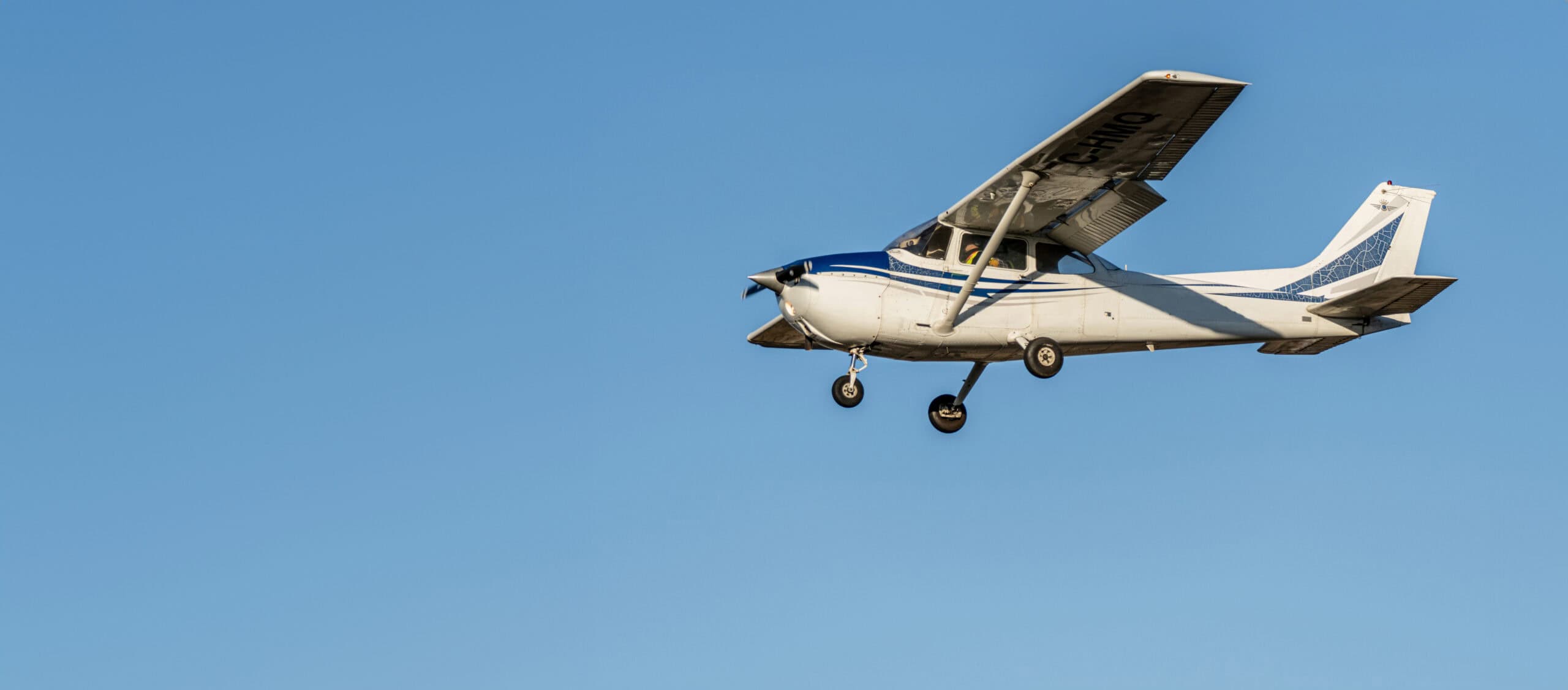
Mastery means handling these conditions consistently across multiple aircraft types, multiple runway surfaces, and unpredictable gusts. Critically, mastery is not the same as currency. A pilot can be FAA-current and still flinch every time the windsock points perpendicular to the runway. The fix isn’t more hours — it’s deliberate practice in crosswind conditions.
The Two Techniques: Crab and Sideslip
Generally, GA pilots use two crosswind landing techniques: the crab method and the wing-low (sideslip) method. Both work. Specifically, most experienced pilots combine them — crab on final approach for comfort and passenger experience, transition to sideslip in the flare for touchdown control.
The Crab Method
Indeed, the crab is the natural way an aircraft tracks a desired ground path in wind. Specifically, the nose points into the wind by some angle, and the aircraft’s track over the ground matches the runway centerline. The crab feels coordinated and is easy on passengers. The challenge is the transition at touchdown — you must kick out the crab with rudder just before main gear touches, while simultaneously banking to prevent drift.
The Wing-Low Sideslip Method
Conversely, the sideslip puts the upwind wing down and uses opposite rudder to keep the nose pointed down the runway. Specifically, the aircraft is uncoordinated through the entire approach — slipping into the wind. The advantage: at touchdown, you’re already set up for the upwind-main-first touchdown. The disadvantage: the slip is uncomfortable for passengers and unfamiliar pilots can let bank become excessive.
The Combined Technique Most Pilots Use
Practically, most experienced GA pilots fly final in a crab and transition to a sideslip 50 to 100 feet AGL. Specifically, you reduce the crab angle while introducing wing-down/opposite-rudder until the longitudinal axis aligns with the centerline and the upwind wing is low. Touchdown happens on the upwind main, then the downwind main, then the nosewheel.
Runway Selection and Decision Points
Above all, crosswind landing mastery starts before you’re in the pattern. Specifically, runway selection should account for the actual surface wind, not the wind reported on the ATIS 30 minutes ago. Most GA aircraft have a published maximum demonstrated crosswind component. The Cessna 172 demonstrates 15 knots. The Piper PA-28 demonstrates 17 knots. The Cirrus SR22 demonstrates 21 knots.
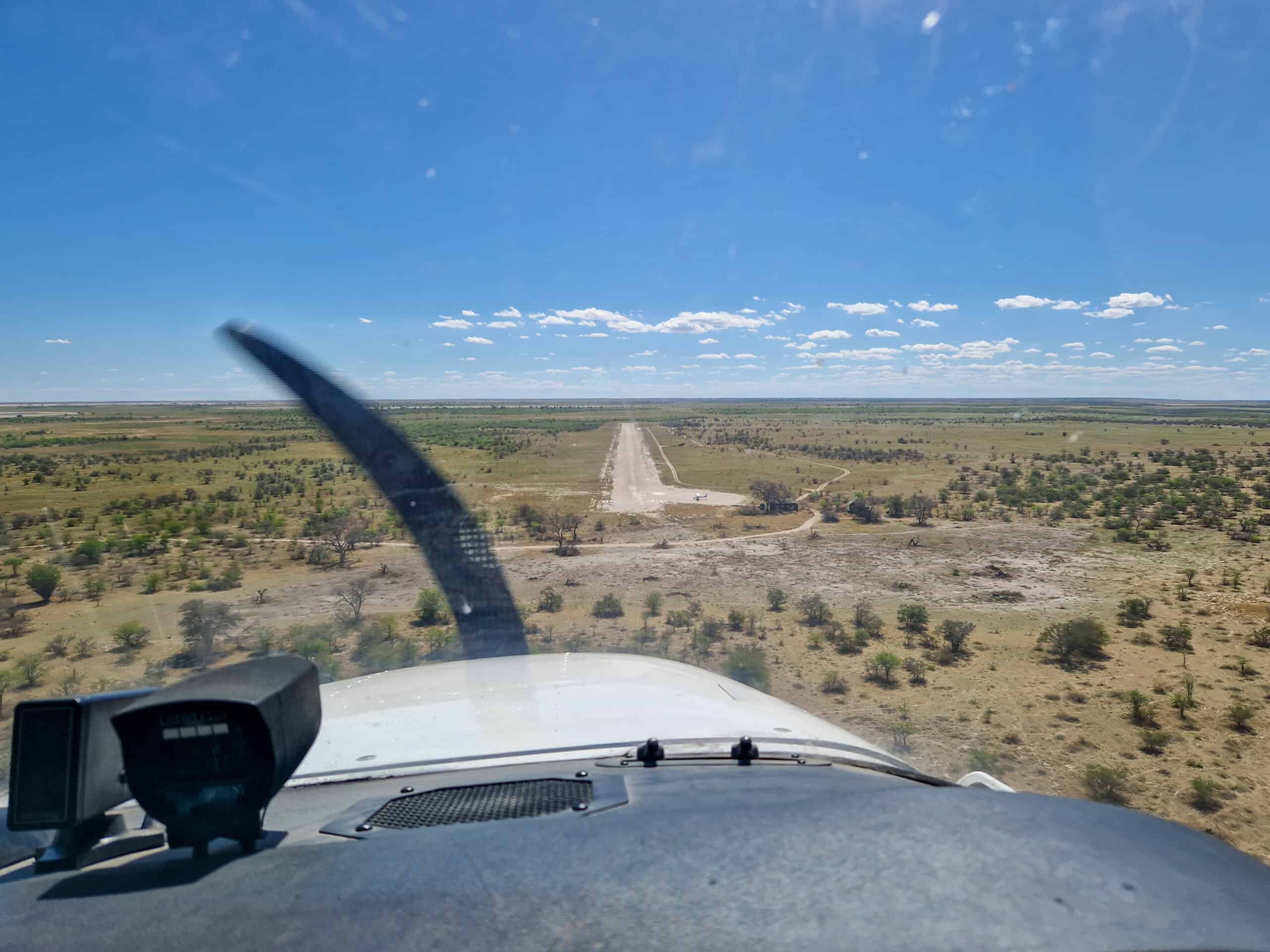
However, demonstrated does not mean limit. Demonstrated means the manufacturer’s test pilots landed in that crosswind during certification — it’s the highest crosswind they tested, not the highest you can land in. Personal minimums based on your own experience and the specific aircraft matter more than the demonstrated number. For broader pre-flight decision frameworks, see our coverage of common mistakes private pilots make.
When to Go Around vs Land
Realistically, the most important crosswind landing decision is the one you make in the flare: continue or go around. Specifically, if at 50 feet AGL you’re still fighting the airplane, the touchdown will be worse than the approach. If the runway centerline is more than half a wing-span out of position, go around. If you’re using full rudder deflection and still drifting, go around. If gusts are pushing the aircraft beyond your ability to correct, go around.
Our take: a go-around is not a failure. It’s a successful decision. Every experienced pilot has gone around in conditions that turned out workable on the second attempt. The pilots who get hurt are the ones who commit to landing through a situation that should have been a go-around.
The Touchdown: Where Crosswind Landing Mastery Lives
Notably, the touchdown is the highest-skill moment in any landing — and doubly so in a crosswind. Specifically, the upwind main gear touches first, then the downwind main, then the nosewheel. The aileron goes more into the wind as you decelerate to keep the upwind wing from lifting. The rudder maintains directional control as the aircraft slows and the wind effect grows relative to the aircraft’s lateral control authority.
The Common Touchdown Mistakes
Critically, three mistakes show up repeatedly in crosswind landing accidents. First, pilots release aileron after touchdown — letting the upwind wing lift, which lets a gust pick the aircraft up off the runway. Second, pilots stop using rudder after touchdown — letting the aircraft weather-vane into the wind and depart the runway centerline. Third, pilots touch down with sideways drift — putting massive side loads on the landing gear, the consequence of an incomplete sideslip transition.
Specific Drills That Build Crosswind Landing Mastery
For comparison, normal currency requirements (3 takeoffs and landings every 90 days) build almost no crosswind skill. Specifically, currency landings happen in whatever weather you fly in — which for most GA pilots is winds within a few degrees of the runway. To build crosswind skill, you need deliberate practice in crosswind conditions.
The Wind-Day Practice Routine
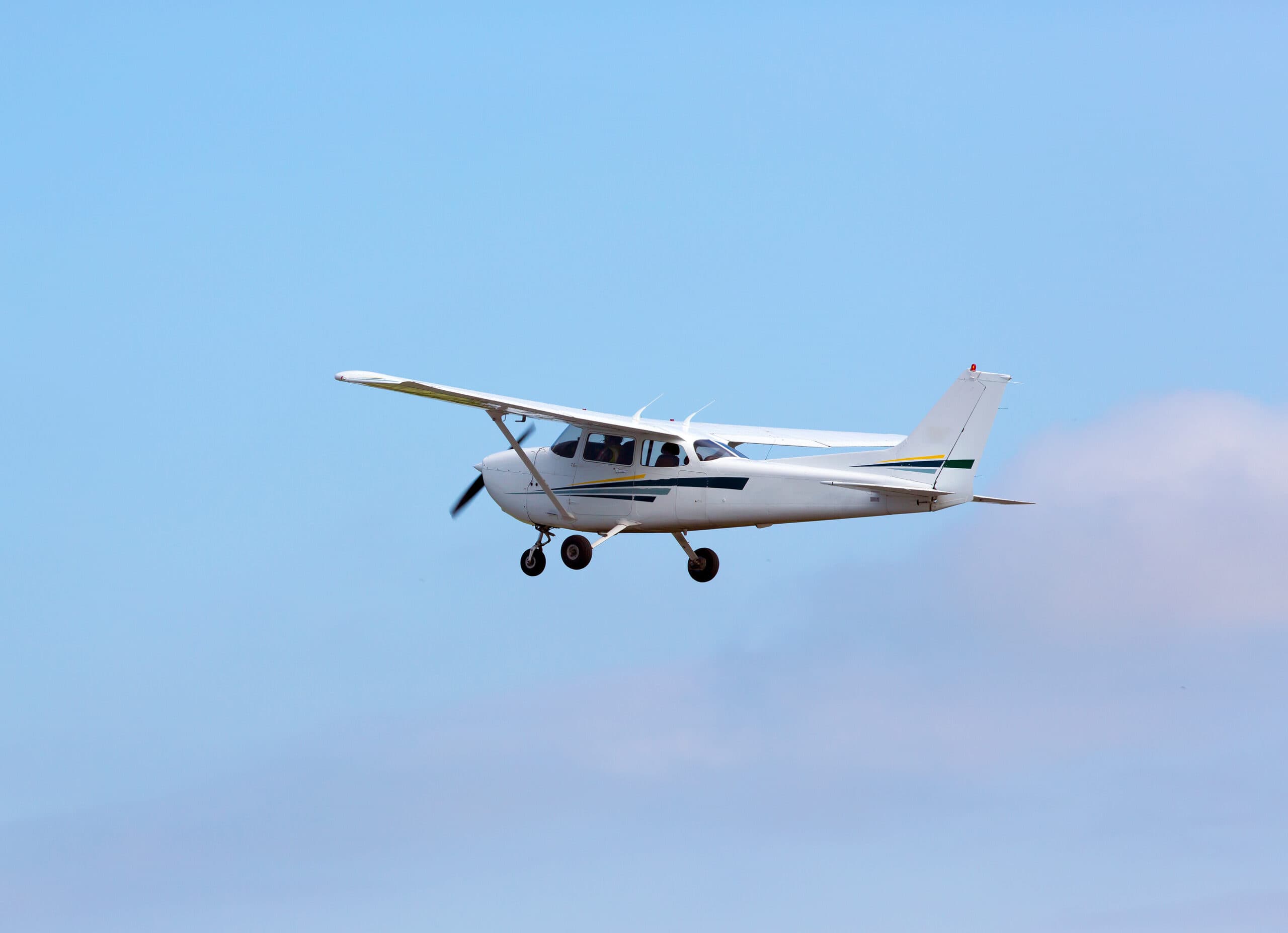
Practically, when the forecast calls for sustained winds at 12 knots or more, that’s the day to go practice. Specifically, pick a runway with the most crosswind component available. Fly 6 to 10 patterns with full-stop landings, varying flap settings and approach speeds. Debrief each one — what went well, what was rushed, what you’d do differently. One dedicated wind-day practice session every month builds more crosswind skill than 50 hours of fair-weather flying.
The Power-Off 180 Drill
Notably, the power-off 180 drill teaches you to manage energy on approach without engine power as a crutch. Specifically, from abeam the numbers at pattern altitude, pull power and land on the centerline with no further power use. Combined with crosswind conditions, this drill develops both energy management and crosswind technique simultaneously. For broader landing skill development, our stabilized approach and landing guide covers the energy-management foundation.
Tailwheel Time as a Crosswind Trainer
Indeed, the single fastest way to develop crosswind landing mastery is tailwheel transition training. Specifically, tailwheel aircraft are unforgiving in crosswinds — they demand the rudder discipline that nose-wheel aircraft let you skip. Twenty hours of tailwheel time will permanently improve your nose-wheel crosswind technique. For pilots curious about tailwheel options, see our Legend Cub Nomad coverage.
Gusts and Variable Crosswinds — The Real Challenge
Honestly, steady-state crosswinds are easy compared to gusts. Specifically, a steady 18-knot crosswind is more comfortable than a varying 8-18 knot crosswind. The variable component is what catches pilots out — you set up the slip for the average, then a gust hits and your sideslip suddenly becomes a crab again.
The Correction Routine for Gusts
Specifically, gust-heavy crosswind landings require constant rudder and aileron input. Add 5 to 10 knots to your approach speed for half the gust factor (so a 15-knot wind gusting to 25 means add 5 knots). Carry the extra speed through touchdown. Be prepared to add power and go around if a gust drops you below the flare-energy threshold.
Aircraft-Specific Crosswind Considerations
For instance, every GA aircraft handles crosswinds slightly differently. Specifically, high-wing aircraft (Cessna 172, 182) are slightly more susceptible to weathervaning on the ground due to the high vertical center. Low-wing aircraft (Pipers, Cirrus) are slightly more susceptible to lift on the upwind wing during rollout. Tailwheel aircraft are unforgiving in either configuration.
The Cessna 172 vs Piper Cherokee Comparison
Practically, a Cessna 172 pilot transitioning to a Piper PA-28 (or vice versa) will notice the crosswind handling difference within the first few landings. Specifically, the Cessna’s high wing catches more gust during the flare. The Piper’s low wing requires earlier and more aggressive aileron during rollout. Our Cessna 172 vs 182 comparison covers broader handling differences for owner-pilots evaluating both.
Frequently Asked Questions About Crosswind Landing Mastery
What is the maximum demonstrated crosswind component for a Cessna 172?
The Cessna 172’s published maximum demonstrated crosswind component is 15 knots. However, this is not a regulatory limit — it’s the highest crosswind the manufacturer tested during certification. Many experienced 172 pilots land in 18 to 20 knot crosswinds routinely. Personal minimums should be based on your skill and the specific aircraft, not the demonstrated number alone.
Crab or sideslip — which is the right technique?
Both work, and most experienced GA pilots use a hybrid. Fly final in a crab for comfort and passenger experience, then transition to a sideslip 50 to 100 feet AGL for the touchdown. Pure crab requires precise rudder timing at the touchdown moment. Pure sideslip works but is uncomfortable on a long final. The hybrid combines the best of both.
When should I go around instead of completing a crosswind landing?
Go around if you’re using full rudder and still drifting, if the runway centerline is more than half a wing-span out of position at 50 feet AGL, if a gust pushes you beyond your control authority, or if you simply don’t feel confident in the touchdown about to happen. A go-around is always a successful decision — every experienced pilot has gone around in conditions that were workable on the second attempt.
Related Articles
E3 Aviation Editorial Team
The E3 Aviation Association editorial team is made up of licensed pilots, aviation educators, and industry professionals dedicated to advancing general aviation safety, community, and education. Learn more about E3 Aviation.