Transitioning to a complex aircraft is one of the most exciting — and humbling — experiences in a pilot’s career. Nothing quite captures the mix of pride and anxiety like climbing into a retractable-gear aircraft you actually own for the first time. When the hangar door closes behind you and it’s just you and the plane, the checklist feels twice as long as it did an hour ago. This is the story of what that transition really looks like, and what every pilot heading into their first complex checkout should know.
Last Updated: May 3, 2026 | By: The E3 Aviation Editorial Team
Transitioning to Complex Aircraft: The Reality Nobody Tells You
The FAA defines a complex aircraft as one with retractable landing gear, flaps, and a controllable-pitch propeller. By that definition, the Rockwell Commander 114B qualifies — and then some. It’s a turbocharged, four-seat, retractable-gear single with 260 horsepower and honest flying characteristics that have earned it a loyal following among serious GA pilots.
However, flying a complex aircraft is different from flying a Cessna 172. Not just in checklist length or systems knowledge — but in the cognitive workload, the habits you need to unlearn, and the moments where your old instincts will let you down at exactly the wrong time.
Specifically, transitioning to complex aircraft requires you to build new mental habits fast. The stakes are real: retractable gear has produced some of the most preventable accidents in general aviation. Gear-up landings are expensive and embarrassing. Some of them are fatal. Understanding that before you fly — not after — is the whole point of a proper checkout.
The Rockwell Commander 114B: What You’re Getting Into
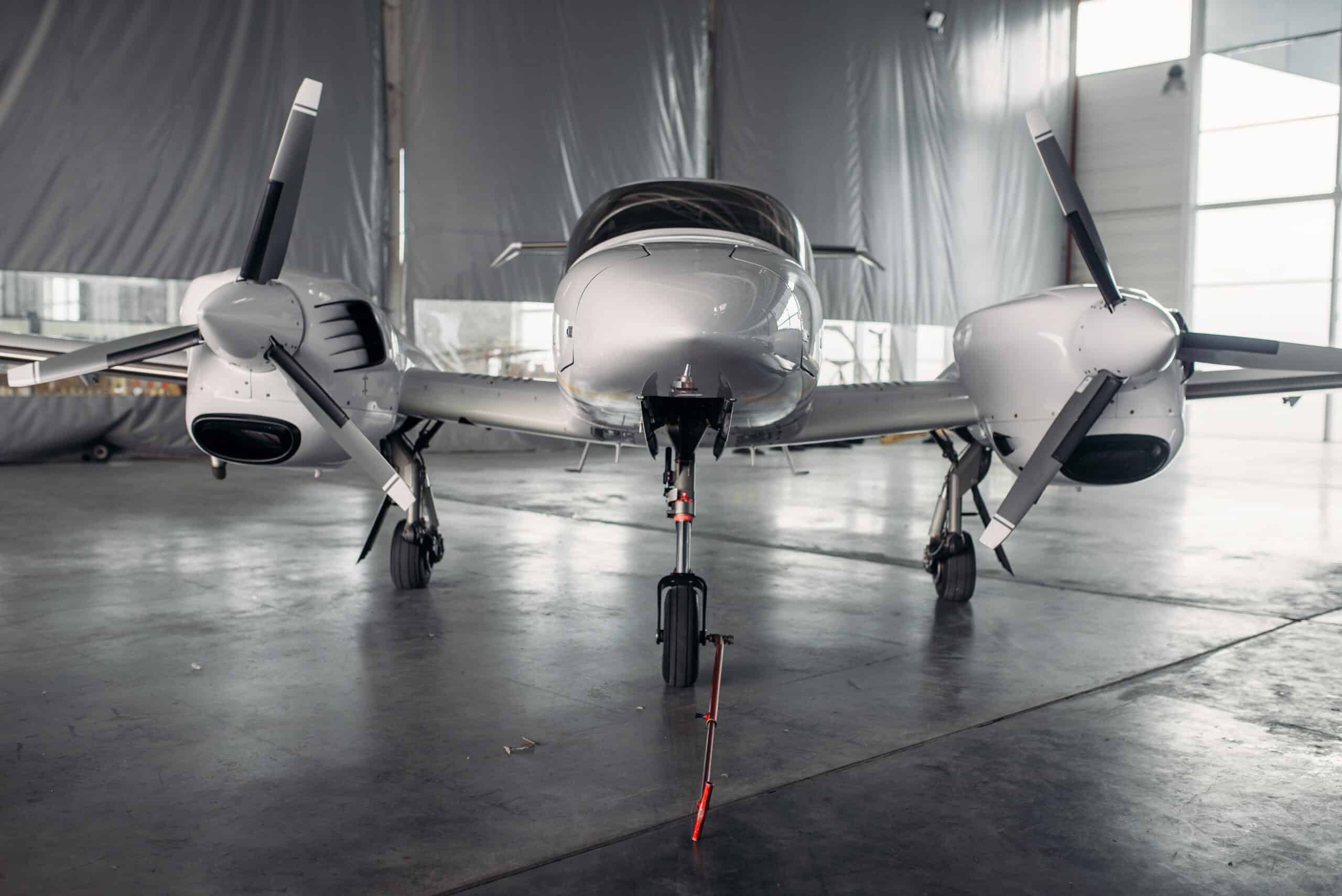
The Commander 114B is a product of the Rockwell International era — designed in the 1970s, refined through the early 1980s, and valued today as a capable, underrated touring aircraft. The 114B variant features a Lycoming IO-540 engine producing 260 horsepower, turbocharged for improved high-altitude performance.
In cruise, a well-maintained Commander 114B delivers about 155–165 knots at altitude. The cabin is wider than a Cessna 172 or a Piper Cherokee, with a four-seat configuration that actually fits four adults. Visibility from the cockpit is excellent — large windows, a high-wing feel without the high-wing limitations.
Why the Commander 114B Is Both Rewarding and Demanding
The Commander’s wide-track landing gear is forgiving on crosswind landings. The control harmony is well-balanced. For those reasons, it has a strong safety record and a reputation for honest behavior near the edges of the envelope.
That said, the transition from a fixed-gear trainer adds real complexity. You now manage a gear handle, a constant-speed prop, cowl flaps, turbocharger induction, and a fuel system with more variables. The checklist is substantially longer. Moreover, the aircraft’s weight and momentum mean that energy management on approach demands more attention than a 172 requires.
For more on how aircraft performance affects your options in the pattern and beyond, read our guide on GA aircraft takeoff performance.
The Repositioning Flight: First Time in the Left Seat as an Owner
The first flight in a newly acquired aircraft has a particular quality that’s hard to describe. The repositioning leg from Lincoln Park, New Jersey (N07) to Sussex Airport (KFWN) — about 20 nautical miles — was supposed to be simple. Two waypoints, no weather, instructor in the right seat, nothing technically demanding.
It wasn’t simple. It was the most cognitively loaded 20-minute flight in recent memory.
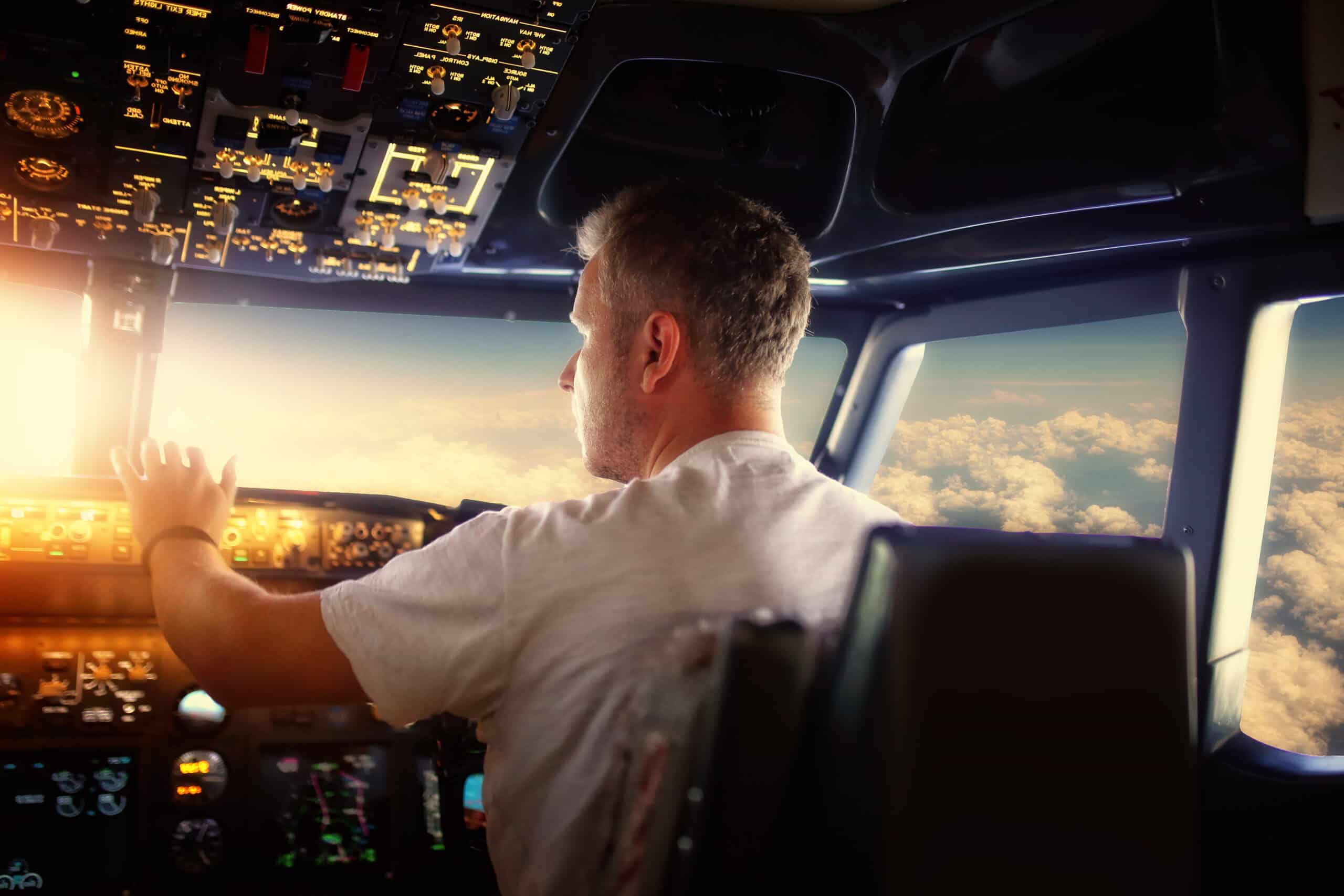
Here’s what nobody fully prepares you for when transitioning to complex aircraft: the mental overhead of ownership itself. You’re not just flying an airplane. You’re flying your airplane. The insurance policy is active. The annual is your responsibility. If anything goes wrong, it’s your decision whether to continue or turn back. That emotional weight sits on top of everything else you’re already managing in the cockpit.
When the Gear Horn Becomes Your Best Friend
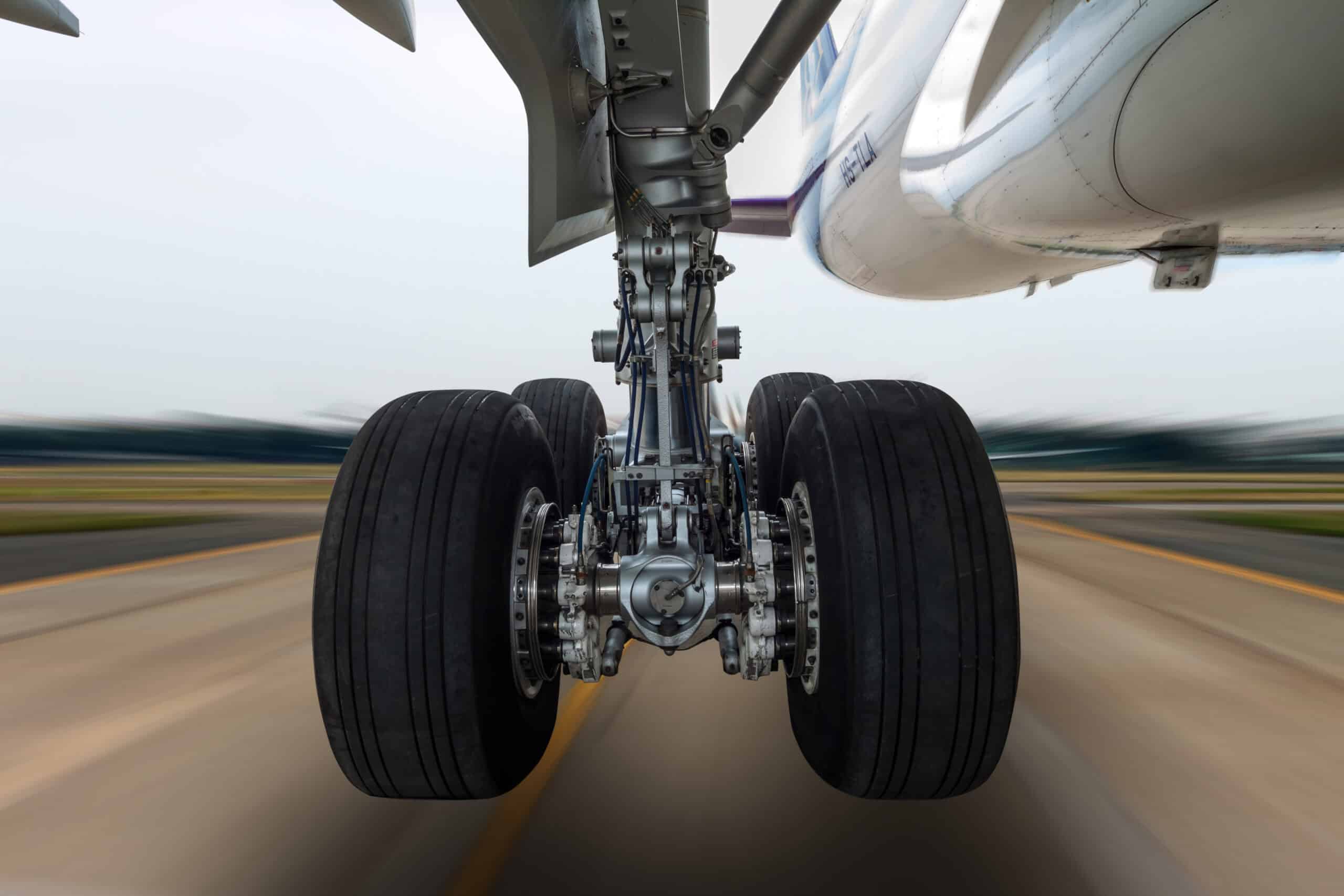
After takeoff, with the instructor watching quietly, the gear handle needed to come up. It didn’t. The aircraft climbed normally. The airspeed built. The checklist item was there, checked mentally, and then — nothing. The gear stayed down for longer than it should have, not because of a mechanical issue, but because the new-owner brain was elsewhere.
Instructors expect this. A good checkout instructor has seen it dozens of times. The transition to retractable gear requires building a new habit loop: gear up after positive rate, every time, without thinking about it. Initially, that habit doesn’t exist. You have to install it deliberately, through repetition, until it becomes automatic.
Consequently, most checkout programs emphasize touch-and-go practice specifically to build that loop. Not for the landings — for the gear cycle. You do enough of them that the gear handle becomes as natural as the flap lever on the 172.
Understanding Insurance Requirements for Complex Aircraft
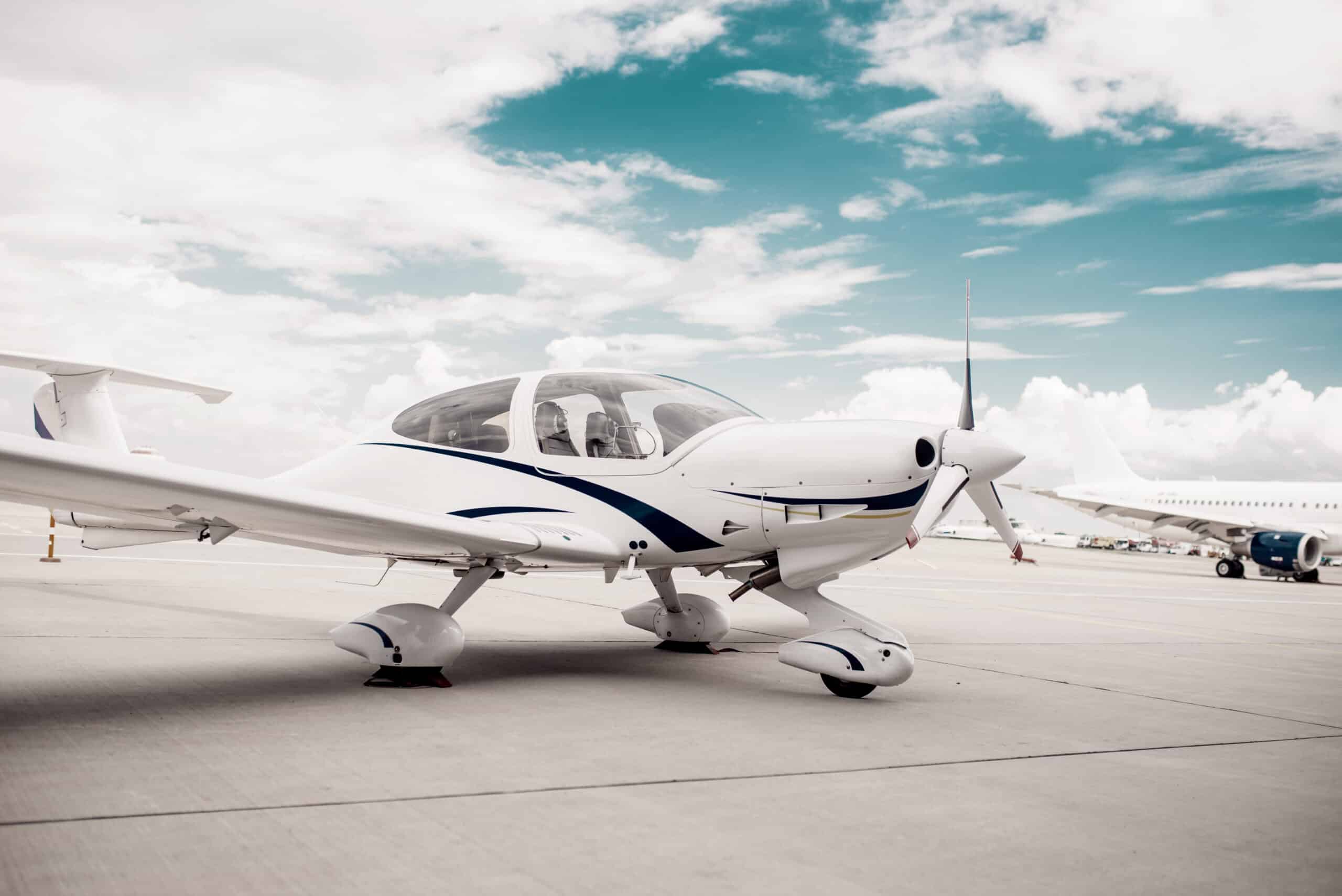
Insurance requirements for transitioning into a complex aircraft aren’t arbitrary. They reflect actual accident data about where the risk concentrates in a pilot’s career.
Typically, insurers require a minimum of three to five hours of dual instruction in the make and model before granting solo privileges. Some policies mandate 15 or more total hours before the pilot may carry passengers. Additionally, many insurers require completion of a formal make-and-model course, or a checkout with a designated type-specific instructor.
These aren’t bureaucratic hoops. FAA accident data consistently shows that transition accidents cluster in the first 25 hours in a new, more complex aircraft type. The checkout hours your insurer requires directly target that risk window.
Making the Most of Your Checkout Hours
We’ll be straight with you: pilots often treat checkout hours as a box to check before they can fly solo. That’s the wrong frame. Those hours are the most high-density learning you’ll do in the aircraft — the only time you’ll have an experienced instructor beside you while the aircraft is still new and surprising.
Use that time deliberately. Ask your instructor to demonstrate every emergency procedure. Practice gear-up landings in the pattern until the habit is solid. Get comfortable with the engine management system — cowl flaps, mixture at altitude, prop control on descent. Understand what the turbocharger is doing and what not to do with it on the ground.
To find the right instructor for your checkout, read our guide on how to choose a flight instructor.
The Hangar Question: Why Securing Space Before the Aircraft Matters
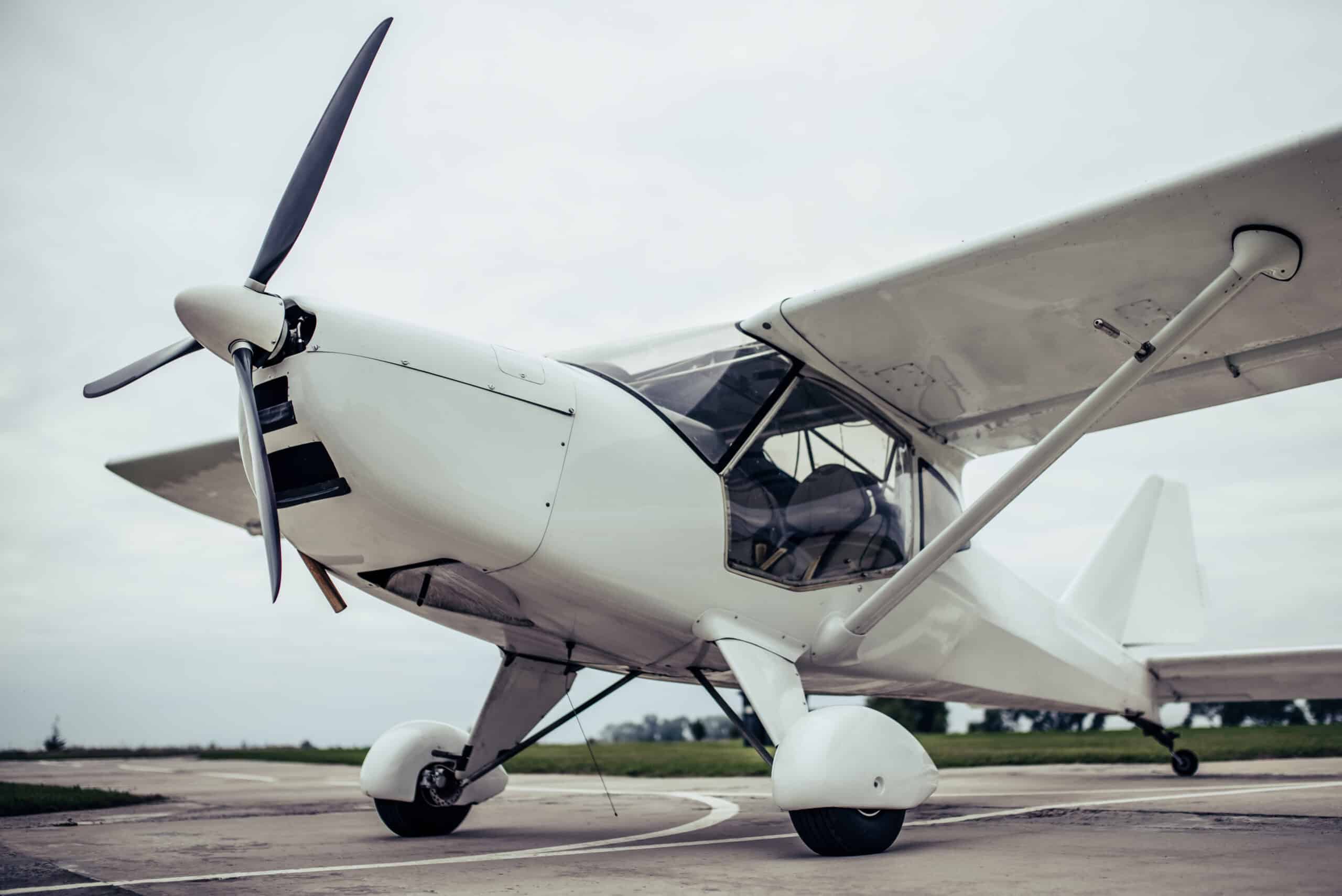
Getting hangar space before closing on the aircraft was one of the smarter decisions in the purchase process — and one that many first-time aircraft owners skip until it’s too late.
Hangar availability at well-positioned suburban airports has tightened significantly. Wait lists of six months to two years are common at airports within an hour of major metro areas. Some pilots have purchased aircraft, then spent their first winter on a tie-down because no hangar was available. That’s an expensive lesson in sequencing.
Hangar vs. Tie-Down: The Practical Case for Hangar Storage
The cost difference between a hangar and a tie-down is real. Monthly hangar rent ranges from about $200 to $600+ depending on location and hangar size. A tie-down might cost $50–$150. However, the aircraft condition difference over five years more than offsets that delta.
Hangared aircraft suffer less UV degradation to paint and interior. They’re protected from hail, which alone can total an aircraft. They don’t ice over in winter, saving significant pre-flight time and potential airframe stress. Additionally, pre-flight inspections are easier when the aircraft is clean and dry — not wet, dusty, or coated in morning dew that obscures hydraulic leaks.
For a high-performance single like the Commander 114B, a hangar isn’t a luxury. It’s appropriate stewardship of a significant investment.
Building Proficiency After the Checkout: The First 25 Hours
The checkout hours get you legal and minimally proficient. The first 25 hours of solo and passenger-carrying flight are where real proficiency develops.
Plan those hours intentionally. Fly a variety of conditions: light winds, crosswinds, short fields, night approaches. Practice the gear extension checklist at altitudes where a missed step is consequence-free. Learn how the aircraft performs on hot days at high-density altitudes. Understand its actual fuel burn at your typical power settings, not just the POH numbers.
Notably, the Commander 114B rewards a methodical pilot. Its systems respond predictably to careful management. The turbocharger extends useful altitude significantly. At high-density altitude airports, understanding the induction system and mixture management isn’t optional — it’s the difference between a normal departure and a problem.
According to AVweb, common mistakes during the first hours in a retractable include gear omissions on final, improper prop management on descent, and aggressive power reduction in the pattern. All three are preventable with deliberate habit-building during the checkout period.
The Pre-Flight Ritual: What Changes When It’s Your Aircraft
The pre-flight inspection changes completely when the aircraft belongs to you. In rental aircraft, the pre-flight is a liability check — you’re confirming the previous renter didn’t break something you’ll be responsible for. In your own aircraft, the pre-flight is a conversation.
You know this aircraft. You know that the left main gear strut runs slightly low in cold weather. You know the oil tends to run a quart low after a long cross-country. You know which inspection panel is slightly harder to latch than the others. That specific knowledge makes your pre-flight more thorough, not less — because you’re checking for changes from the baseline you’ve memorized, not just running down a checklist.
Learning Your Aircraft’s Personality Takes Time
Aircraft have personalities. Pilots who’ve owned their aircraft for years will tell you they can hear when something is off before they can name it. The engine sounds right or it doesn’t. The controls feel centered or they don’t. That familiarity is one of the most safety-relevant things an owner builds over time — and it only develops through repetition in the same aircraft.
For transitioning to complex aircraft specifically, this familiarity matters a great deal. The Commander 114B’s constant-speed propeller, for example, has a characteristic feel and sound when the governor is doing its job. Learning what normal sounds like — in cruise, in the pattern, on climbout — takes hours. Those hours are not wasted. They are the foundation of real proficiency.
Furthermore, annual inspection time gives owners a chance to go deep on the aircraft systems they don’t normally touch. Walking through the annual with your mechanic — seeing the gear actuators, the brake lines, the engine baffling — is an education that no ground school fully replicates. Owners who stay engaged with their aircraft’s maintenance understand it better. And understanding it better makes them safer.
What the Logbook Looks Like After the Checkout
The first 25 hours in a newly owned complex aircraft produce a logbook that looks different from anything before it. The endorsements are there: complex aircraft, high-performance aircraft. The entries start showing cross-countries you couldn’t have flown in a 172 — not because the 172 couldn’t reach them, but because the speed and range make them practical for the first time.
Initially, those trips are local. A breakfast flight to a nearby airport. A quick hop to visit friends two states away for a weekend. Nothing ambitious. That’s appropriate. The first 25 hours are about building the foundation, not testing the limits.
After 50 hours in the aircraft, the relationship changes again. The checklist is no longer read item by item — it’s cross-checked against a mental model you already carry. The gear habit is installed. The pattern work feels natural. The engine sounds right, and you know what right sounds like. At that point, transitioning to complex aircraft stops feeling like a challenge and starts feeling like capability.
What Ownership Actually Feels Like
After the repositioning flight, after the gear question, after the slightly fumbled radio call — the Commander was in its new hangar at Sussex Airport. The door was closed. It was quiet.
Our take: there is no aviation experience quite like standing in a hangar with your own aircraft. The logbook hours ahead, the insurance checkout requirements, the annual inspection cycle — none of it matters in that specific moment. It’s just the airplane, the hangar, and the realization that you did the thing.
Transitioning to complex aircraft is genuinely hard. It asks more of you than you’re used to giving. It also rewards you with a capability that fixed-gear training never could — the ability to go further, faster, and higher with a machine you actually own. That combination is what keeps GA pilots flying for decades.
Visit E3 Aviation for more guides, stories, and resources for the GA pilot community. And check out our Commander 114B adventure coverage to see where this aircraft can take you.
Frequently Asked Questions
What makes transitioning to a complex aircraft different from training aircraft?
Transitioning to complex aircraft adds retractable landing gear, a constant-speed propeller, and often a turbocharged engine to manage. Each adds cognitive workload and new failure modes. The gear cycle alone requires building a habit that doesn’t exist in fixed-gear training — one that must become automatic before the pilot is truly safe in the aircraft.
How many hours should I expect for a complex aircraft checkout?
Most insurance policies require a minimum of three to fifteen hours of dual instruction before solo and passenger-carrying privileges. Beyond the insurance minimum, most experienced flight instructors recommend at least ten to twenty hours of deliberate practice covering normal operations, emergency procedures, and a variety of conditions before the pilot is genuinely proficient in a new complex type.
Is the Commander 114B a good first complex aircraft?
Yes, for pilots with adequate total time and instrument currency. The Commander 114B has honest handling characteristics and a forgiving wide-track gear. It’s more demanding than a Cessna 172 but less demanding than a Beechcraft Bonanza or Mooney. Most CFIs with Commander experience consider it an excellent transition aircraft for pilots in the 200–400 hour range who are ready for a step up.
E3 Aviation Editorial Team
The E3 Aviation Association editorial team is made up of licensed pilots, aviation educators, and industry professionals dedicated to advancing general aviation safety, community, and education. Learn more about E3 Aviation.