The Pilatus PC-12 NGX is the most mission-versatile single-engine turboprop ever built — and 10 million fleet flight hours prove it. No other aircraft in this class serves as a corporate shuttle, backcountry bush plane, medevac platform, parachute jump ship, and cargo hauler within a single production run. Understanding why the Pilatus PC-12 NGX has earned that record requires looking at every dimension of what makes it exceptional.
Last Updated: May 3, 2026 | By: The E3 Aviation Editorial Team
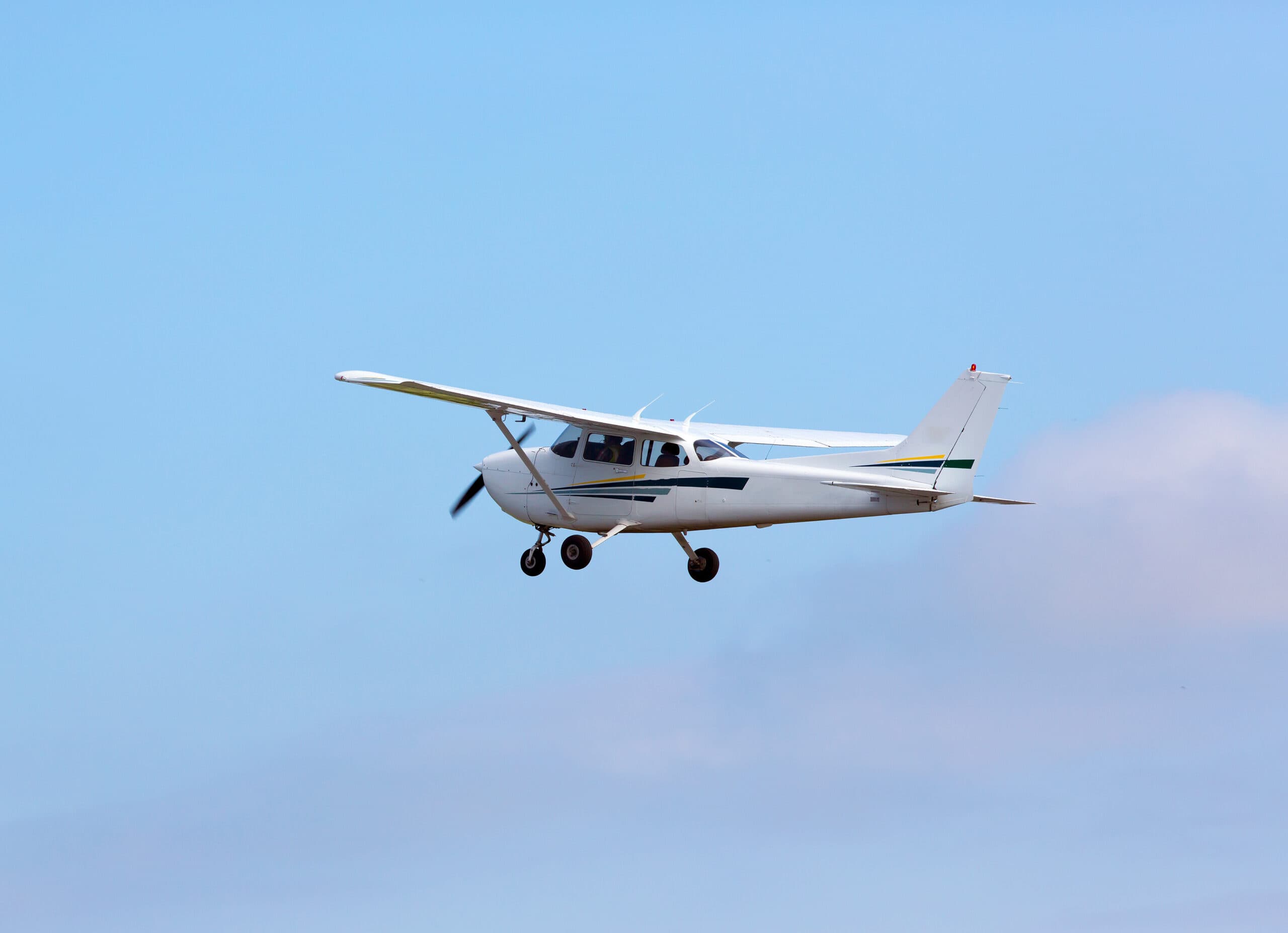
Pilatus Aircraft celebrated a remarkable achievement when the global PC-12 fleet crossed 10 million flight hours — a milestone reached nearly three decades after initial type certification in 1994. In aviation, fleet longevity at this scale is not an accident. It reflects an aircraft that works across an extraordinary range of operations without compromise. For pilots, operators, and anyone evaluating the owner-flown turboprop market, understanding the PC-12 story is essential.
The Pilatus PC-12: An Unlikely Legend
Pilatus Aircraft is a Swiss company with a history rooted in military trainers and utility aircraft. The PC-12 represented a bold move — a pressurized single-engine turboprop aimed at owner-pilots and commercial operators who needed something between a piston twin and a turboprop twin. Industry observers were skeptical. A single-engine turboprop serving serious commercial operations? In 1994, that seemed ambitious at best.
Three decades later, the PC-12 has proven the skeptics wrong at every turn. More than 1,900 aircraft have been delivered worldwide. The fleet operates across more than 60 countries. Operators include fractional ownership programs, air taxi services, government agencies, humanitarian organizations, and private owner-pilots. No other aircraft in its category has achieved remotely comparable market penetration.
Why the PC-12 Works for So Many Missions
The key is the airframe’s fundamental design philosophy. The PC-12 was engineered around a large, flat cargo door on the rear left fuselage — an opening big enough to load a standard pallet or a loaded stretcher. The cabin floor is flat. The ceiling is tall enough for most adults to stand comfortably. Seating is configurable from six-passenger executive layouts to nine-seat commuter configurations to all-cargo setups. That modularity is baked into the original design, not retrofitted as an afterthought.
Additionally, the landing gear is rugged enough for unprepared surfaces. The PC-12 routinely operates from grass strips, gravel runways, and short bush strips that would ground most pressurized aircraft. Short-field performance — under 1,970 feet for takeoff over a 50-foot obstacle — makes the aircraft usable at thousands of airfields that competitors cannot access. That combination of pressurized comfort and short-field capability is genuinely unique.
Reaching 10 Million Flight Hours
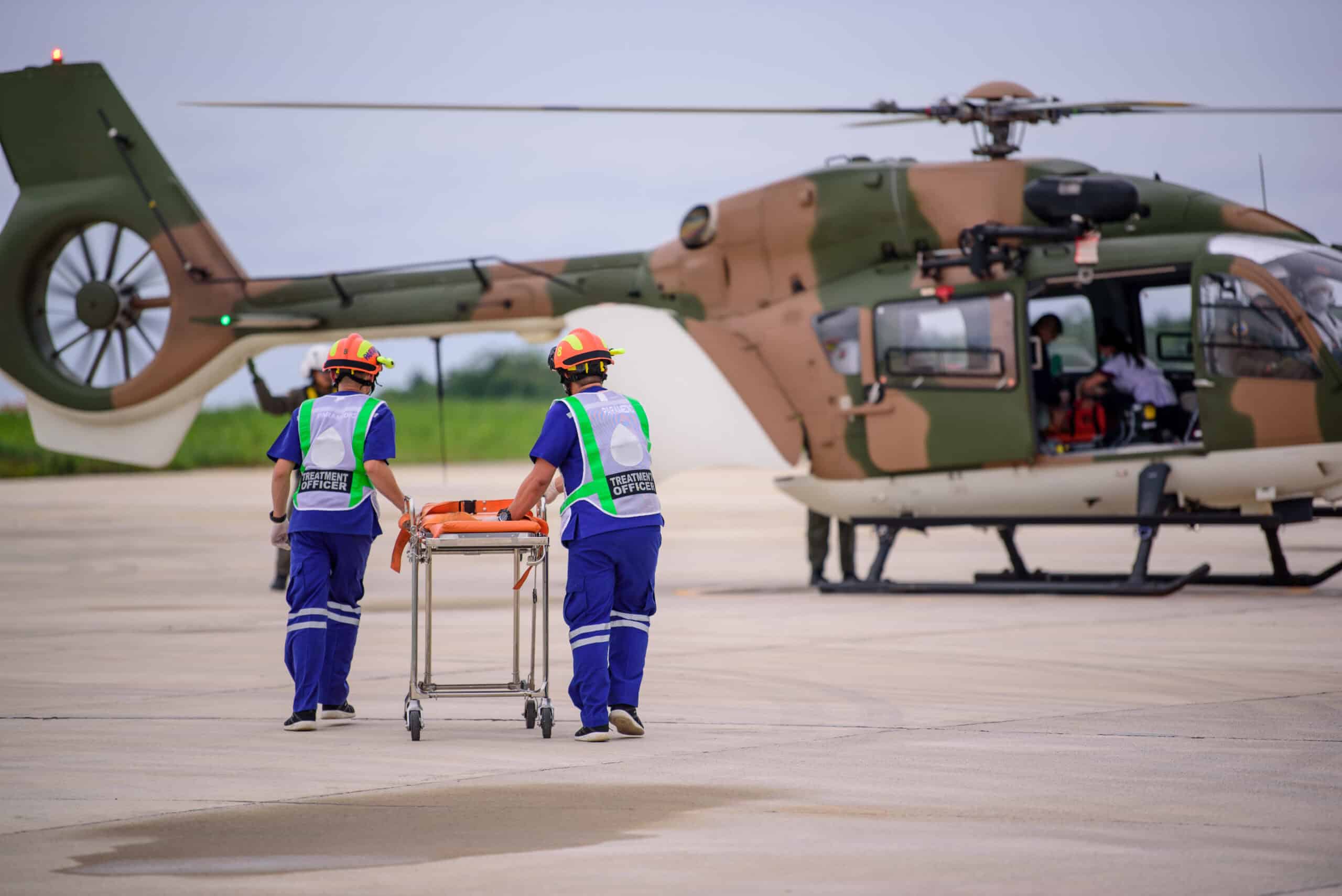
Ten million flight hours across more than 60 countries is not merely a marketing number. It represents the accumulated operational experience of more than 1,900 aircraft flying across every conceivable environment — arctic cold, tropical heat, desert dust, and high-altitude mountain operations. Each of those hours generates maintenance data, reliability statistics, and real-world performance information that Pilatus folds back into ongoing product development.
The milestone also powerfully validates the PT6A engine’s extraordinary and well-documented reliability in demanding real-world operations. Pratt & Whitney Canada’s PT6A-67P, which powers the PC-12 NGX, delivers 1,200 shaft horsepower with a Time Between Overhaul (TBO) of 3,600 hours — among the highest in the GA turboprop segment. Fleet operators consistently report dispatch reliability rates above 99%, a figure that commercial operators demand and owner-pilots genuinely appreciate. For more on what these milestones mean for the market, see our single-engine turboprop aviation guide.
The Current Model: Pilatus PC-12 NGX
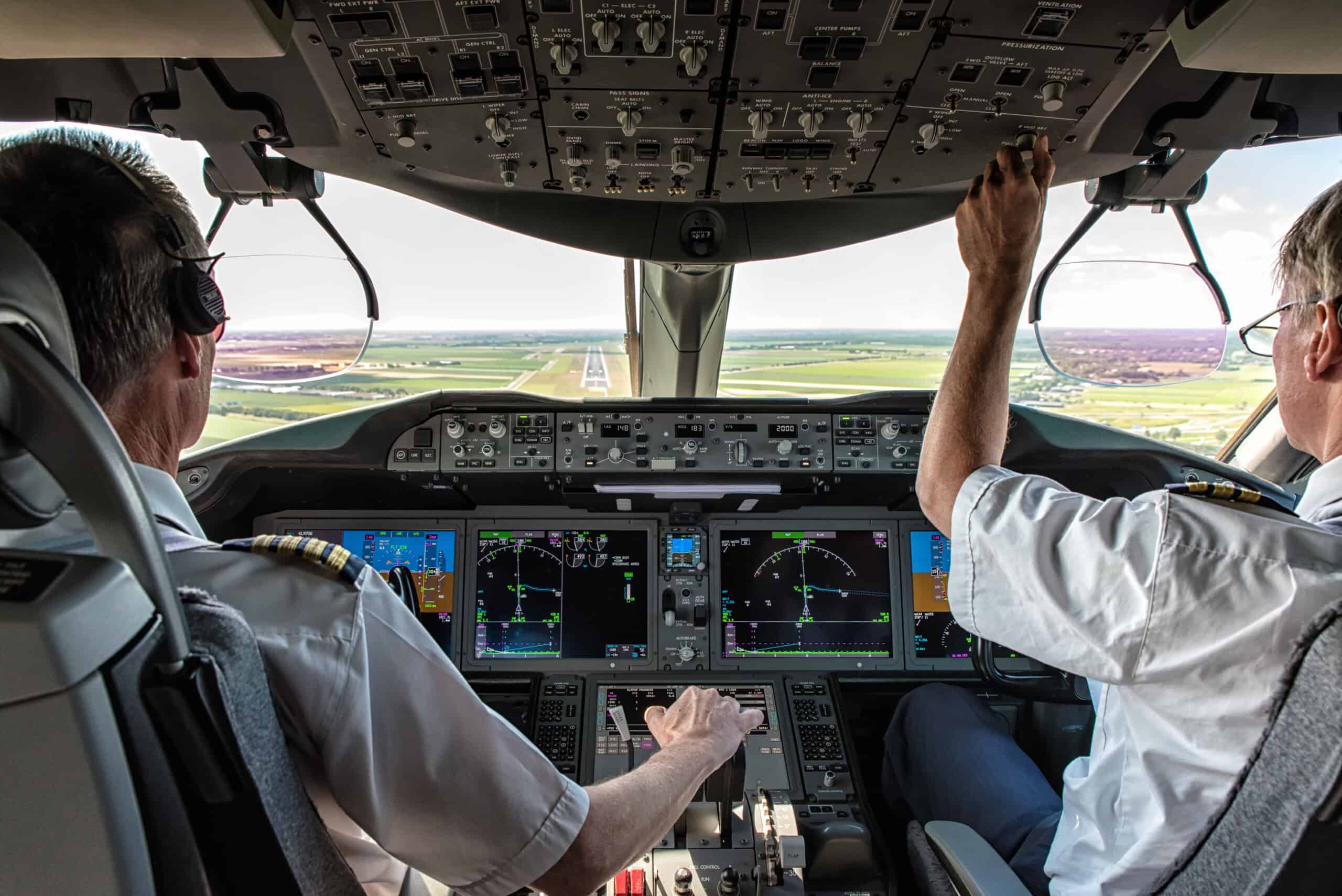
The PC-12 NGX, introduced in 2019, is the current production variant. Pilatus redesigned the cabin interior, updated the avionics suite to the Honeywell Primus Apex system, and refined the engine installation. Notably, the NGX replaced the earlier Rockwell Collins Pro Line 21 avionics with Honeywell’s touch-screen Apex — a system designed specifically for single-pilot operations with intuitive menu logic and an integrated weather, terrain, and traffic picture.
PC-12 NGX Performance Numbers
Maximum cruise speed reaches 290 knots true airspeed at FL250. Service ceiling is 30,000 feet. Range with maximum payload and IFR reserves extends to 1,803 nautical miles — enough for coast-to-coast US flights with a single fuel stop. Maximum payload is 2,379 pounds in the standard configuration, rising with the optional increased gross weight certification.
Fuel burn at typical cruise altitudes runs 55–60 gallons per hour — comparable to other turboprop singles but producing more useful load per gallon than most due to the PT6A’s efficiency at partial power settings. Most PC-12 owners report actual cruise fuel burns closer to 52 GPH in long-range cruise power settings, which meaningfully reduces trip costs on longer legs.
The Cabin: Where the PC-12 Wins Every Comparison
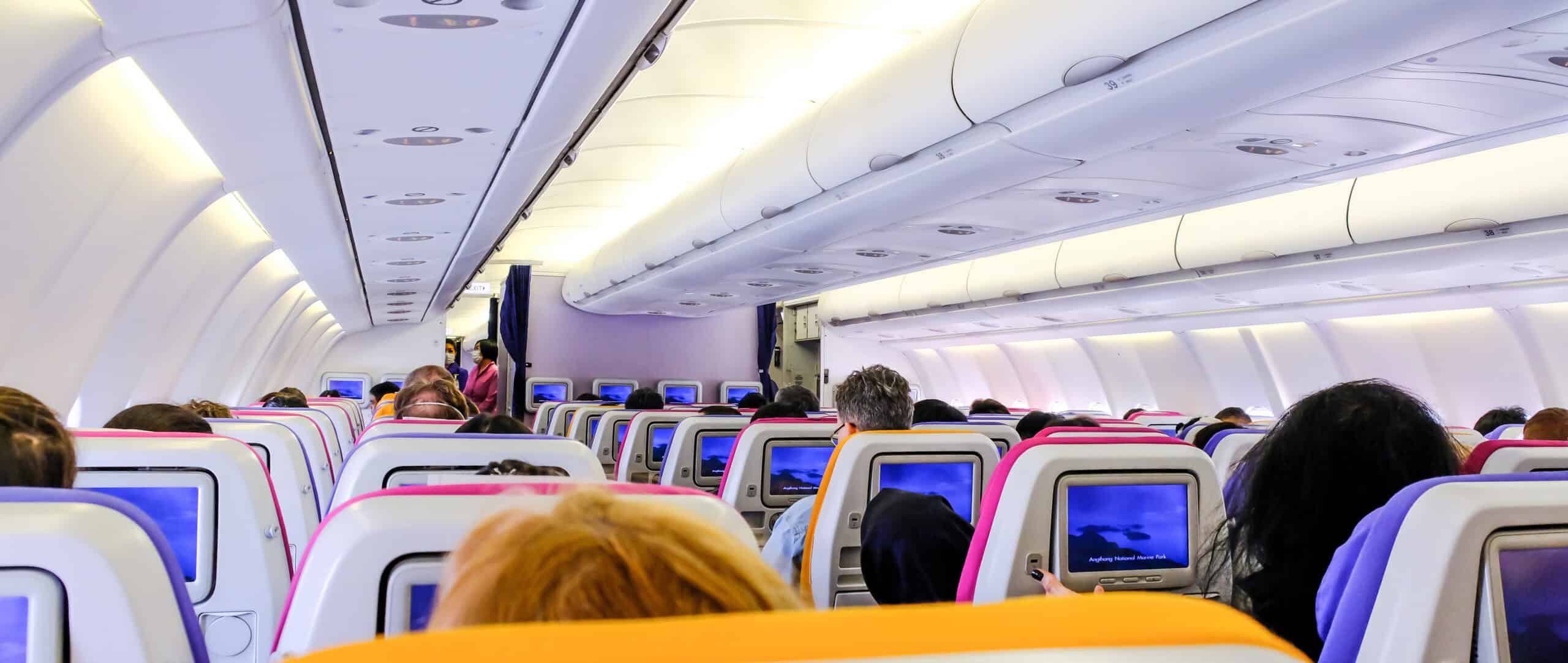
The PC-12 cabin measures 16.2 feet long, 4.9 feet wide, and 4.8 feet tall. Those numbers beat every other single-engine turboprop in production. Passengers in a six-seat executive layout enjoy seat pitch comparable to first-class commercial travel. The flat floor and low step-in height — enabled by the main gear geometry — make boarding easy for passengers of all ages and mobility levels.
The rear cargo door is 52 inches wide and 51 inches tall. It opens to reveal a flat-floor loading environment. For air ambulance operators, this means loading a full stretcher with attending medical personnel without contortion or compromise. For cargo operators, it means pallet-compatible loading without specialized ground equipment. That door is arguably the most important single design decision Pilatus made in 1990, and it still differentiates the PC-12 from every competitor today.
Who Flies the PC-12?
The installed base includes a wider range of operators than any comparable aircraft. NetJets operates PC-12s for short-leg fractional missions. Air methods and similar air medical providers use them as primary medevac platforms. The US Army and multiple international military services operate them for special operations support and reconnaissance. Humanitarian organizations including the International Committee of the Red Cross have used PC-12s for medical supply delivery and patient evacuation in conflict zones.
Owner-pilots represent the largest single segment. The PC-12 owner community is unusually organized — the PC-12 Owners and Pilots Association (PC-12OPA) maintains safety forums, standardized training references, and an active peer network. Resale values for well-maintained PC-12s have historically been strong, reflecting genuine buyer confidence in the airframe’s longevity, parts availability, and Pilatus’s long-term commitment to supporting the platform. Few aircraft depreciate as predictably and gently as the PC-12 — a fact that sophisticated buyers factor into their total cost-of-ownership analysis before signing any purchase agreement.
Operating Costs and Ownership Reality
Budget approximately $650–$800 per flight hour for a PC-12 NGX in typical owner operation, including fuel, maintenance reserves, insurance, and engine program contributions. Annual fixed costs — hangar, insurance, training, and scheduled inspections — typically run $70,000–$100,000 depending on utilization and location. These figures are competitive with the TBM family, though the PC-12’s lower cruise speed means longer trip times on equivalent legs.
The PT6A engine reliability record keeps maintenance costs predictable. Enrolling in Pratt & Whitney Canada’s Eagle Service Plan (ESP) provides cost-per-hour maintenance coverage and eliminates the uncertainty of an unplanned engine event. Most experienced PC-12 operators view ESP enrollment as completely standard practice rather than an optional add-on — and most lenders require it as a loan condition for financed aircraft.
Honestly, the PC-12’s total cost picture looks better than its sticker price suggests. The aircraft holds value exceptionally well — used PC-12s from 2015–2018 trade at prices that would surprise anyone who has watched typical aircraft depreciation curves. That resale strength reflects real market confidence in the platform’s longevity.
Pilatus PC-12 NGX vs. the Competition

Against the Daher TBM 960, the PC-12 trades speed for payload and cabin volume. The TBM 960 cruises 40 knots faster, but carries far less useful load in a smaller cabin. Against the Beechcraft Denali, the PC-12 offers a proven track record against a brand-new airframe still accumulating operational experience. For pilots where mission demands maximum cabin volume or STOL access, the PC-12 wins decisively. For pilots who prioritize outright speed on long IFR legs, the TBM or Denali may be the better tool. See our complete turboprop comparison at E3 Aviation.
Our take: the Pilatus PC-12 NGX is the most complete turboprop on the market for operators who serve multiple mission types. If your flying is mission-diverse — corporate one week, mountain backcountry the next, air ambulance support the next — nothing else comes close. The aircraft does everything well. That versatility, combined with 30 years of demonstrated operational reliability across every conceivable mission environment, is why 10 million flight hours is a milestone the entire GA community should acknowledge and genuinely respect.
The PC-12’s Future
Pilatus continues to invest in the PC-12 program. Software updates to the Primus Apex system have added datalink weather, enhanced traffic alerting, and improved approach procedure databases. Factory service centers have expanded across North America and Europe, reducing scheduled maintenance downtime for operators. Pilatus has not announced a next-generation replacement program — a clear signal that the company views continued refinement of the proven current platform as the right long-term strategy for at least the next decade. For operators and prospective buyers, that commitment to continuity means the Pilatus PC-12 NGX will remain fully supported with factory parts, training resources, and engineering updates well into the 2030s.
Training and Transition to the Pilatus PC-12 NGX
The PC-12 does not require a type rating — it falls below the 12,500 lb MTOW threshold for mandatory type certification. Pilots transition through SimCom or FlightSafety International programs that typically run five to seven days for initial training. The curriculum covers PT6A engine management, pressurization systems, Honeywell Primus Apex avionics, emergency procedures, and the aircraft’s unique short-field characteristics.
Insurance underwriters typically require factory-approved initial training as a condition of coverage. Most also specify minimum total time and turbine time requirements before they will bind a PC-12 policy. New turbine pilots should expect additional time-building requirements — usually 250–500 hours of turbine time — before they can insure a PC-12 without a significant premium surcharge.
Recurrent training runs annually and typically costs $6,000–$10,000 depending on simulator time and location. The PC-12OPA (PC-12 Owners and Pilots Association) coordinates safety seminars and standardized training references that augment the formal simulator curriculum. Most experienced PC-12 owners describe the recurrent training as genuinely valuable rather than a checkbox — the simulator scenarios cover system failures and weather encounters that are hard to replicate in the actual aircraft.
Here’s what most pilots get wrong about the PC-12 transition: they treat the avionics as the hard part. The Primus Apex system is actually intuitive and well-designed. The genuinely challenging part is developing good technique for single-pilot IFR operations in a high-performance pressurized aircraft. Managing the engine, pressurization, weather avoidance, and ATC communication simultaneously requires discipline that takes time to build. Plan for a meaningful currency program — not just initial training — before you fly demanding IFR missions solo.
Furthermore, the PC-12’s STOL capability requires specific training to use safely. Operating from short or unprepared strips demands precise energy management, careful weight-and-balance discipline, and surface evaluation skills that most pilots never developed on paved airport flying. Pilatus and the training providers address this in dedicated short-field modules. Budget extra simulator time for this material if your mission profile includes backcountry operations. For resources on building skills systematically, visit E3 Aviation Association for pilot education content.
Frequently Asked Questions
What is the Pilatus PC-12 NGX cruise speed?
The Pilatus PC-12 NGX achieves a maximum cruise speed of 290 knots true airspeed at FL250. Most owners operate at long-range cruise settings of 265–275 knots, where fuel burn drops to approximately 52 gallons per hour — balancing speed and trip economy on legs over 500 nautical miles.
Can the Pilatus PC-12 NGX operate from unprepared runways?
Yes. The PC-12 NGX is certified for unprepared surface operations including grass, gravel, and compacted dirt runways. The landing gear design and prop clearance accommodate surfaces that would damage most pressurized singles. Minimum runway length for takeoff over a 50-foot obstacle is approximately 1,970 feet at sea level standard conditions — among the very shortest performance figures in the entire pressurized turboprop class.
What makes the PC-12 different from the TBM 960?
The primary differences are cabin size, payload, and speed. The PC-12 offers a significantly larger cabin (16.2 ft long vs. TBM’s 12.5 ft), higher useful load, a rear cargo door, and STOL capability. The TBM 960 counters with a 330-knot cruise speed vs. the PC-12’s 290 knots, plus FADEC engine management and Garmin Autoland. Pilots with speed-intensive missions favor the TBM; operators needing maximum payload and mission flexibility favor the PC-12.
E3 Aviation Editorial Team
The E3 Aviation Association editorial team is made up of licensed pilots, aviation educators, and industry professionals dedicated to advancing general aviation safety, community, and education. Learn more about E3 Aviation.
For more on turboprop operations, owner-pilot training, and GA aircraft comparisons, visit E3 Aviation Association and subscribe to our YouTube channel at @E3AviationAssociation.