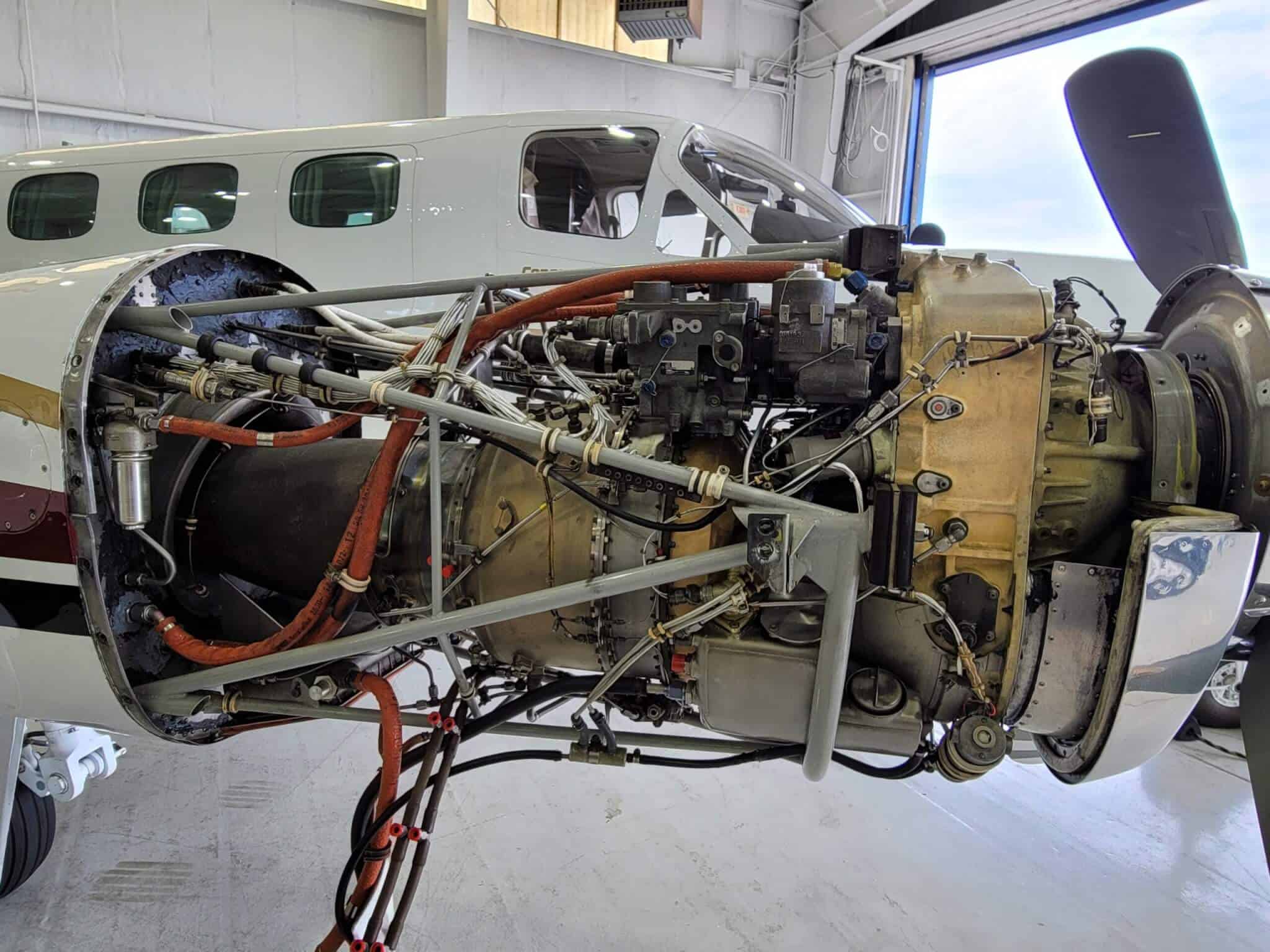
Residential airparks are communities built around aviation — neighborhoods where the taxiway is the street and your airplane sits in a hangar attached to your house. For GA pilots who spend hours driving to the airport, the appeal is obvious. Roll out of bed, preflight, and launch. No commute. No rental fees. No wondering whether the club plane is available.
Last Updated: May 7, 2026 | By: The E3 Aviation Editorial Team
What a Residential Airpark Actually Is
A residential airpark is a planned community built around a private or public-use runway. Homes include attached hangars with direct taxiway access. Residents park their aircraft the way non-pilots park their cars — next to the house, used daily.
Airparks range from tiny grass strips with five or six homes to full-scale developments with paved runways, instrument approaches, fuel services, and hundreds of homes. The largest residential airparks in the U.S. — places like Spruce Creek Fly-In in Florida and Jumbolair Aviation Estates near Ocala — operate at the scale of small airports, with ILS approaches and extensive infrastructure.
Most airparks occupy a middle ground: a 2,000–3,500-foot paved or grass runway with 20–200 homes, a community hangar for larger aircraft, and shared maintenance facilities. HOA-like structures manage runway maintenance and shared expenses. Every homeowner is part of the aviation ecosystem.
How Airpark Living Actually Works Day to Day
The practical reality of living at a residential airpark depends heavily on the specific community. At well-run airparks, the taxiway system connects hangars to the runway threshold, and residents follow informal right-of-way conventions — similar to ground operations at any controlled field, but without ATC.
Noise is a real consideration — both ways. Residents accept aircraft noise as part of the deal, but they also expect neighbors to be thoughtful about early morning run-ups and late returns. The best airpark communities develop noise-abatement procedures voluntarily, often more strict than what any regulation requires, because everyone affected is also a pilot who understands the tradeoffs.
Aircraft maintenance at home becomes practical at an airpark. Your hangar is your shop. Many airpark residents perform owner-assisted annuals, avionics upgrades, and paint jobs that would require long shop drops at a public airport. Having the airplane a garage-door away changes the maintenance dynamic entirely.
The Different Styles of Residential Airparks
Not all fly-in communities are equal. Understanding the spectrum helps narrow your search.
Grass-strip communities are the most common and most affordable. Runway lengths typically run 2,000–3,000 feet. Access requires VFR-only operations in most cases. Home prices and HOA fees are lower. These airparks attract RV builders, tailwheel pilots, and backcountry fliers who prioritize access over infrastructure.
Paved-runway communities sit in the middle. Runways range from 2,500 to 4,000 feet, often with lighting for night operations and sometimes with a published instrument approach. Home prices reflect the infrastructure. These communities accommodate more capable aircraft — twins, turboprops, and light jets in some cases.
Premier fly-in estates represent the top tier. Spruce Creek, Jumbolair, and similar developments offer paved runways over 4,000 feet, ILS approaches, fuel services, restaurant facilities, and home prices to match. These communities attract high-net-worth pilots flying high-performance aircraft who want resort-level amenities with aviation access.
Picking the Right Airpark for Your Flying and Budget
The most important variable is runway length relative to your aircraft. A 2,800-foot grass strip works beautifully for a Cessna 172 or RV-7. It does not work for a Cirrus SR22T with full fuel and four passengers. Check performance charts honestly against the specific runway before falling in love with a property.
HOA fees and runway maintenance assessments vary widely. Some airparks charge $100/month. Others charge $800/month for full-service operations including fuel, maintenance staff, and concierge services. Understand the full assessment picture before comparing home prices — a cheaper home at a high-assessment airpark can cost more annually than a pricier home at a self-managed community.
What You Need to Know Before Buying at a Residential Airpark
Due diligence at a residential airpark goes beyond standard home purchase evaluation. You’re buying real estate and access to flight operations. Both require scrutiny.
Check the airpark’s legal status. Is the runway private or does it have a public-use designation? Public-use airports carry certain FAA obligations. Private strips are governed entirely by the HOA or runway authority. The distinction affects who can land, what operations are permitted, and how disputes get resolved.
Review the HOA documents carefully. Airpark HOAs often restrict aircraft types, noise levels, and hangar use in ways that are specific to aviation communities. Some prohibit fuel storage above certain quantities. Others restrict commercial operations. Know the rules before you buy — enforcing deed restrictions in an aviation community can be contentious if you’re on the wrong side of them.
Visit the community as a pilot. Land there before you buy there. Talk to residents on the taxiway. Ask about the community culture, the HOA board, the runway maintenance history. An airpark that looks great in photos may have drainage issues in spring, runway surface problems, or a contentious HOA that makes operations miserable.
For a directory of aviation communities and fly-in communities across the U.S., Flying Magazine has covered these fly-in developments extensively. AVweb provides practical guides to evaluating fly-in communities before purchase.
Finding and Evaluating Residential Airparks: What to Look For
Finding the right residential airpark requires more research than finding a conventional home in a desirable neighborhood. The aircraft you fly, the mission you fly it for, and the community culture at a given airpark all matter — and they’re harder to assess than a neighborhood school rating or commute time.
Start with runway specifics. Runway length, surface type, condition, and orientation relative to prevailing winds are the non-negotiable starting points. A 2,400-foot paved runway is fine for a Cessna 172 but limiting for a Bonanza or a Cirrus SR22 operating in high-density altitude conditions. A grass runway with adequate length may be perfect for a Cub but impractical for a retractable-gear aircraft with high tire pressure requirements. Know your aircraft’s requirements before you evaluate a single airpark property.
Runway Condition and Who’s Responsible for It
Runway maintenance at residential airparks is typically managed one of three ways: by an HOA with mandatory dues that fund shared infrastructure, by a separate runway association that property owners join, or by a volunteer-driven community structure where maintenance happens informally. Each model has implications for cost predictability, quality consistency, and what happens when the group disagrees on expenditures.
Ask directly: who owns the runway? Is it a separate parcel with its own legal structure, or is it common area of the HOA? What is the current annual runway maintenance budget? When was the runway last resurfaced or graded? A grass runway that hasn’t been maintained properly becomes a safety issue faster than most buyers anticipate. Inspect it in person and, if possible, fly in before you buy rather than relying on photographs.
In practice, ask about fuel availability. Some fly-in neighborhoods have self-serve fuel systems on the field. Others require a drive to the nearest public airport for fuel. For pilots who fly regularly, on-field fuel availability is a genuine quality-of-life factor, not a minor amenity.
The Community Factor: What Airpark Living Is Really Like
Residential airparks are communities as much as they are airports, and the community culture varies dramatically from one airpark to the next. Some are active, social environments with regular fly-outs, pancake breakfasts, and hangar parties. Others are quieter — neighbors who happen to share a runway but live relatively independent lives. Neither is wrong, but the fit depends on what you’re looking for.
The best way to assess culture is to visit on a weekend morning. Walk the ramp. Talk to residents. Note whether hangars are occupied and active or whether aircraft have sat stationary for months. A vibrant airpark has pilots who are actually flying — you’ll see it in the activity level, hear it in the conversations, and feel it in the general energy of the place.
Common Points of Conflict at Residential Airparks
Residential airparks generate their own category of neighbor disputes, and knowing the common friction points helps you evaluate whether a given community manages them well.
Noise is the most common. Early morning departures, late evening returns, and repeated pattern work by student pilots can generate complaints among residents who didn’t fully anticipate the acoustic reality of living next to an active runway. Well-functioning airparks have established operating hours or voluntary quiet periods that most residents respect. Ask how noise complaints are handled before you buy.
Runway access conflicts arise when some residents want to invite outside pilots in for fly-ins or flying events and others prefer to keep the airpark private. HOA documents and runway association rules typically govern this, but actual practice varies from the written rules. Understand the actual community norm, not just the governing documents.
Our take: the single best predictor of a healthy residential airpark community is the quality of its governance documents and the consistency with which they’re actually followed. Request the HOA CC&Rs, runway rules, and meeting minutes for the past two years before making an offer on any airpark property.

Financing a Residential Airpark Home: What’s Different
Financing a home at a residential airpark is different from financing a conventional residential property, and the differences catch some buyers off guard. Lenders approach airpark properties with more scrutiny than standard suburban homes, and not all conventional mortgage products apply cleanly.
The core issue is marketability. A lender’s underwriter evaluates the property’s resale prospects in a distressed scenario. A home on a residential airpark appeals to a specific subset of buyers — pilots who want hangar access — and that narrows the resale market compared to a comparable home in a conventional neighborhood. Some lenders treat this as a risk factor that affects loan terms or down payment requirements.
How to Approach Airpark Financing Successfully
First, work with a lender who has experience with aviation-related properties. Not all mortgage brokers understand airpark structures, and an inexperienced underwriter can create delays or unnecessary complications. Aviation lending specialists exist and are worth seeking out specifically for airpark purchases.
Second, understand what the appraisal will cover. If the hangar is a separate structure from the main home and on a separate parcel or leased from the runway association, it may not be included in the financed value. Some buyers finance the home conventionally and purchase or lease the hangar separately. Others find airparks where the hangar is part of the residential lot, which simplifies the financing structure considerably.
Third, factor HOA dues into your qualification calculations. Residential airpark HOA fees can be higher than conventional HOA communities because they cover runway maintenance, lighting, common area fuel systems, and other aviation infrastructure. Lenders include these in debt-to-income calculations, and they matter to your qualification.
For a broader picture of aircraft ownership and the financial side of the aviation lifestyle, our article on aircraft ownership costs in 2026 covers what pilots actually spend on aircraft ownership and how to manage those costs effectively.
Making the Final Decision on Airpark Living
The decision to buy at a residential airpark is one of the more significant lifestyle commitments a pilot can make. Done well, it delivers a quality of life that is hard to replicate: immediate access to your aircraft, a community of like-minded pilots, and the practical reality of flight woven into your daily routine. Done poorly — at the wrong airpark, with misunderstood governance, or with an aircraft that does not fit the runway — it creates frustration that the beautiful setting does not offset. Visit multiple airpark communities before you commit. Talk to current residents about what they wish they had known before buying. Fly in on a busy weekend morning and see what the operation actually looks like. The airpark that is right for you exists — and taking the time to find it rather than settling for the first available property is almost always the better call in the long run.
The Insurance Wrinkle Most Buyers Miss
Here’s something that catches new airpark buyers off guard: insurance. Standard homeowner policies don’t always cover hangar contents the way you’d expect. Aircraft stored in attached or shared hangars can fall into a coverage gap between your aviation policy and your home policy. We’d recommend asking your aviation insurance broker about hangar contents coverage before you close, not after.
It’s also worth checking whether your aviation policy covers ground incidents at your home airpark — taxi mishaps, prop strikes during fueling, even hangar damage during weather events. The protections you have at a public airport may not transfer automatically to your residential field.
Specifically, the residential airpark community in the U.S. continues to grow as more pilots seek the lifestyle convenience of having their aircraft steps from their home. Notably, the financial value of well-maintained airpark properties has held strong even through broader real estate fluctuations. Furthermore, the community of fellow pilots who live at residential airparks creates an informal mentoring network that benefits new owners considerably. As a result, an airpark home is often as much about the community as the runway access itself.
Importantly, the costs of airpark living extend beyond the home purchase. Specifically, ongoing operating expenses include hangar/taxiway maintenance assessments and runway upkeep contributions. Plan accordingly.
Why Residential Airpark Communities Are Growing in 2026
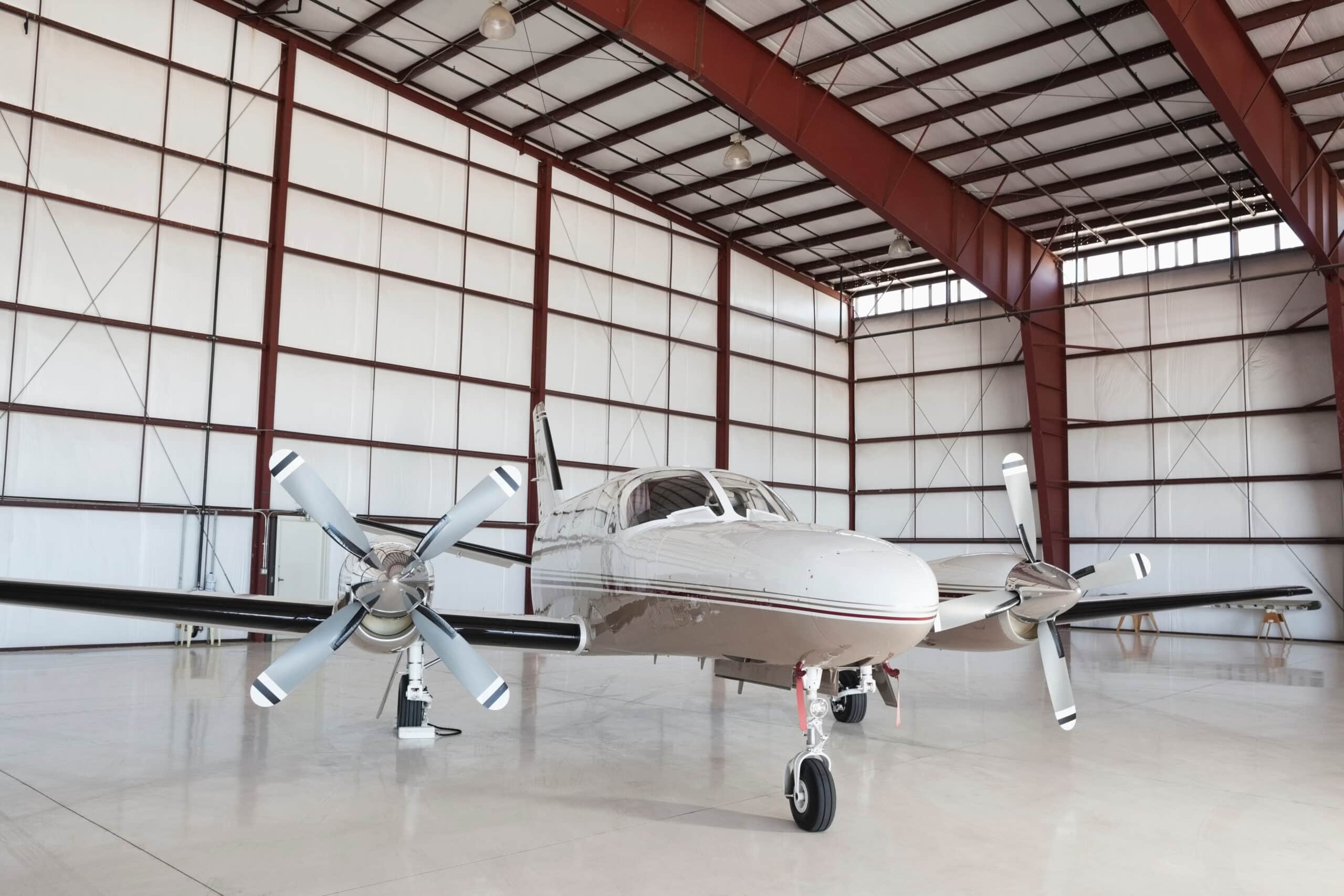
Generally, residential airparks are seeing renewed interest from GA pilots looking for a lifestyle that prioritizes flying access. Specifically, the convenience of taxiing from your driveway to the runway is impossible to replicate with a typical airport hangar arrangement. Furthermore, the community of fellow pilots living at residential airparks creates a built-in network for shared flying, mentoring, and aircraft co-ownership opportunities.
Notably, several high-demand residential airparks across the U.S. report multi-year waiting lists. Therefore, prospective buyers should start their research process at least 12-18 months before they actually want to move. As a result, the time investment in finding the right airpark is significant, but the lifestyle payoff justifies the patience for pilots who genuinely want to live with aviation as a daily practice.
Frequently Asked Questions About Residential Airparks
Do you need a pilot license to live at a residential airpark?
Most residential airparks don’t require residents to be pilots — non-pilot family members and enthusiasts live in many of these communities. That said, you’ll need a pilot certificate to operate an aircraft from the airpark’s runway. Some communities also restrict hangar use to aircraft owners, meaning non-pilots who don’t own aircraft may not have hangar access.
How much do residential airpark homes cost?
Prices range widely. Grass-strip airpark homes with attached hangars start around $200,000–$400,000 in less expensive markets. Mid-range paved-runway communities typically see prices of $400,000–$900,000. Premier fly-in estates like Spruce Creek range from $500,000 to several million. HOA fees add $100–$800/month on top of mortgage costs.
What aircraft work best at residential airparks?
The right aircraft depends entirely on runway length and surface. Most grass-strip airparks suit light singles and homebuilts best — Cessna 172s, Piper Cherokees, RVs, Cubs. Paved-runway communities with 3,000+ feet accommodate Cirrus, Bonanza, and light twin operations. Premier communities with 4,000+ feet of paved runway can handle turboprops and light jets.