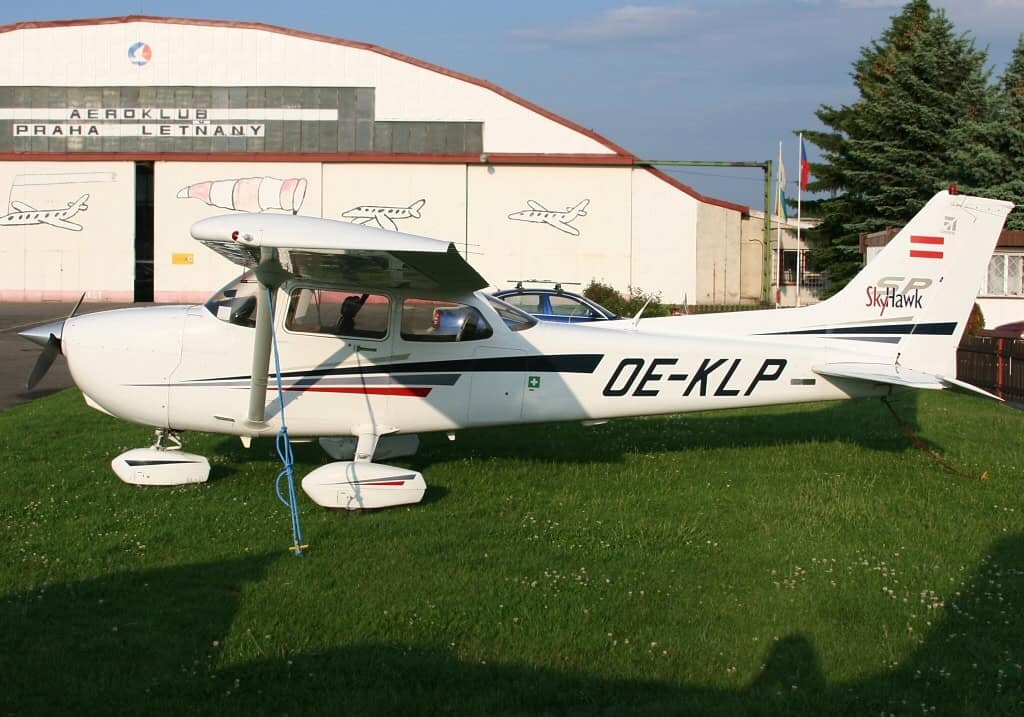
If you’re researching used Cessna 172 price in 2026, you’ll find a wider range than most buyers expect. A solid 1970s model can be had for under $50,000, while a late-model G1000 Skyhawk pushes well past $200,000. Understanding what drives that gap — and where specific configurations land in today’s market — is the difference between a smart buy and an expensive lesson. This guide breaks down used Cessna 172 prices across every production era, explains what adds or erodes value, and walks you through exactly what to evaluate before you make an offer.
Last Updated: May 4, 2026 | By: The E3 Aviation Editorial Team
What Determines the Price of a Used Cessna 172
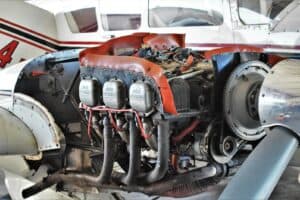
Before comparing specific used Cessna 172 price listings, you need to understand the five factors that swing value most dramatically. Two C172s from the same model year can be $40,000 apart based entirely on these variables. Engine time is typically the single biggest factor. A freshly overhauled engine — or better yet, a factory remanufactured engine — adds $15,000 to $25,000 of value versus a mid-time or run-out engine. Additionally, time since major overhaul (SMOH) is not the whole story.
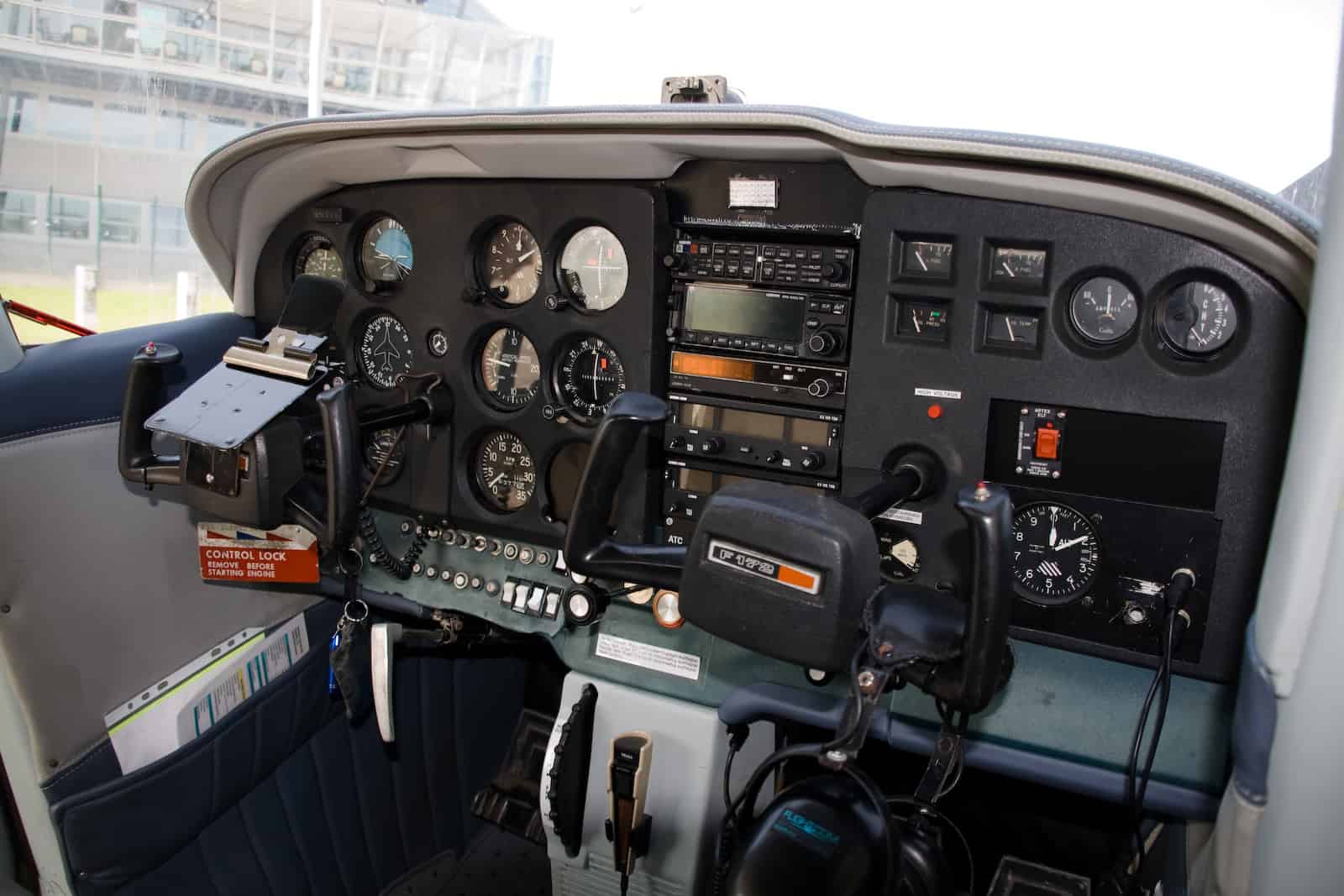
You also need to look at the engine history: sudden stoppages, prop strikes, or any incident that required teardown inspection. Avionics can swing price dramatically in either direction. Specifically, a steam-gauge panel with an older nav/com setup will price a plane much lower than the same airframe with a Garmin G1000, GTN 750, or modern autopilot. For example, a 2005 Cessna 172SP with G1000 typically sells for $30,000 to $50,000 more than an equivalent 2005 model with legacy avionics. ADS-B Out already installed is now a baseline expectation — aircraft without it are priced accordingly lower.
Aircraft History and Condition Factors
Damage history must be researched through the aircraft logbooks and FAA Form 337 records. Any major repair, airframe damage, or repainted fuselage requires explanation. Consequently, even a well-repaired aircraft with documented history tends to sell at a discount to a clean-history airframe. Annual inspection currency matters more than buyers often realize. An aircraft that just passed an annual commands a premium. In contrast, one with an expired annual requires immediate expense before you can legally fly it. Paint and interior condition are cosmetic, but condition signals how the previous owner treated the aircraft overall. A freshly painted plane with new interior typically adds $5,000 to $10,000 over a tired-looking equivalent.
Used Cessna 172 Price by Era: 2026 Market Data
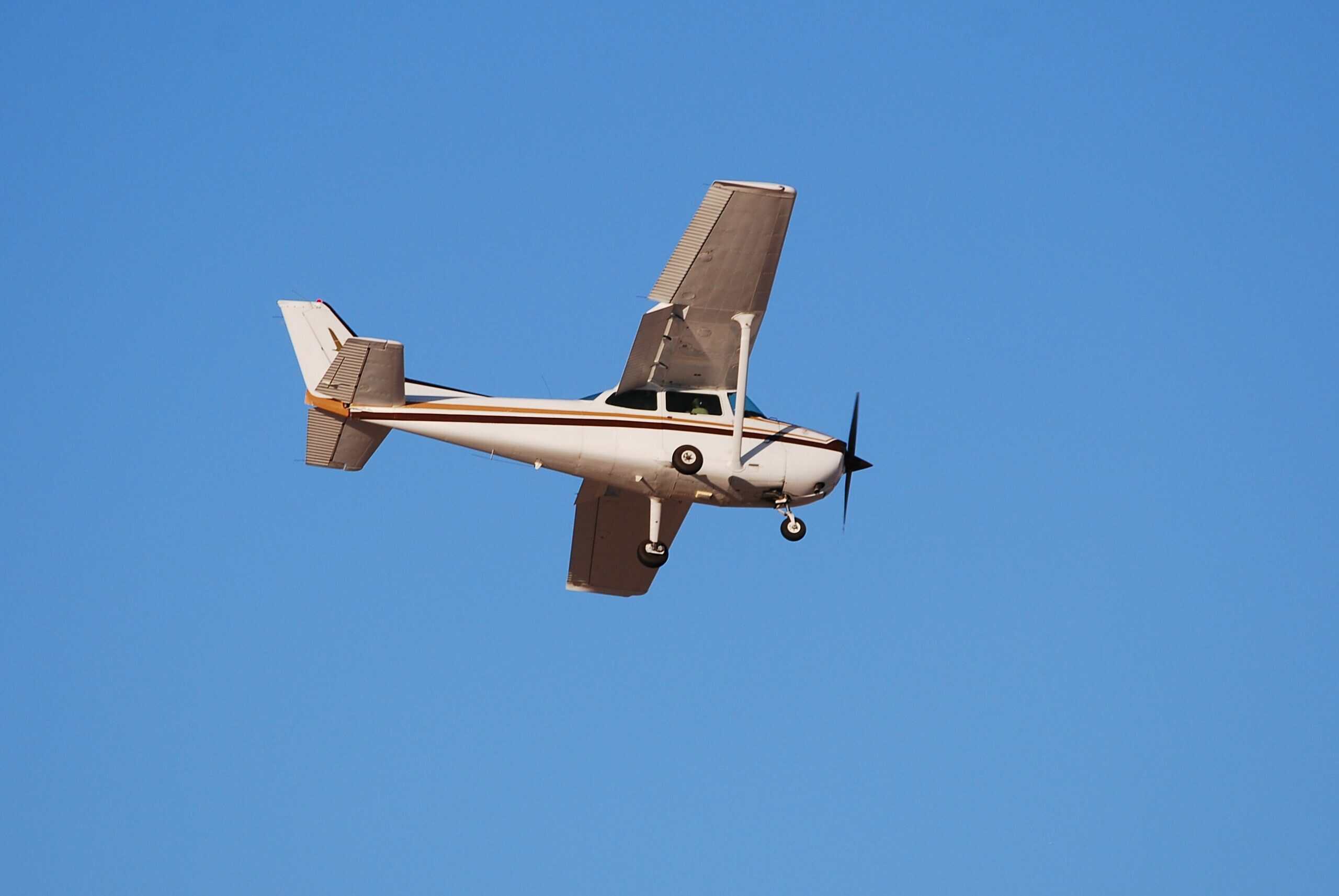
The Cessna 172 has been in continuous production since 1956 — longer than any other aircraft in history. As a result, buyers have a wide range of vintages to consider. Here is where the market sits in 2026 for airworthy, reasonably equipped examples.
| Era | Model Years | Typical Price Range | Common Avionics |
|---|---|---|---|
| Early Classic | 1956–1967 | $22,000 – $38,000 | Basic VFR, older nav/com |
| Mid Classic | 1968–1976 | $32,000 – $52,000 | Basic IFR capable, older radios |
| Late Classic | 1977–1986 | $42,000 – $72,000 | Better radios, often upgraded to ADS-B |
| Post-Restart (172R) | 1996–2000 | $75,000 – $110,000 | Lycoming IO-360, modern avionics upgrades common |
| 172SP Early | 2001–2007 | $95,000 – $160,000 | Mix of legacy and G1000 depending on year |
| 172SP G1000 | 2005–2015 | $130,000 – $220,000 | Garmin G1000, GFC 700 autopilot |
| 172SP Late/NXi | 2016–2024 | $190,000 – $310,000 | G1000 NXi, ADS-B integrated, GTX 345 |
These ranges reflect realistic transaction prices for airworthy aircraft in average to good condition. Moreover, pristine low-time examples with fresh paint, new interior, and recent engine overhaul push toward the top of any range. Run-out engines and deferred maintenance push toward the floor.
Why Aircraft Prices Are Climbing and What It Means for Buyers
Used Cessna 172 prices have climbed sharply over the past several years, and 2026 continues that trend. Several forces are driving this market upward. New Cessna 172SP production prices have crossed $420,000 for a base model with G1000 NXi. That price point pushes many buyers — especially first-time owners and flight schools — into the used market. Therefore, demand for used C172s remains persistently strong even as supply stays relatively flat. Flight school demand adds significant buying pressure.
Training operators purchase used 172s in volume, and they compete directly with private buyers. Additionally, the ongoing pilot shortage has kept flight school enrollment elevated, sustaining that institutional demand year over year. Avionics upgrades have changed the math on older airframes as well. A 1980s C172 with a modern Garmin GTN 750, ADS-B Out transponder, and a modern autopilot is a genuinely capable IFR cross-country machine. Consequently, upgraded older airframes no longer suffer the steep discount they once did compared to factory-fresh avionics packages.
How to Evaluate Any Deal Before You Commit
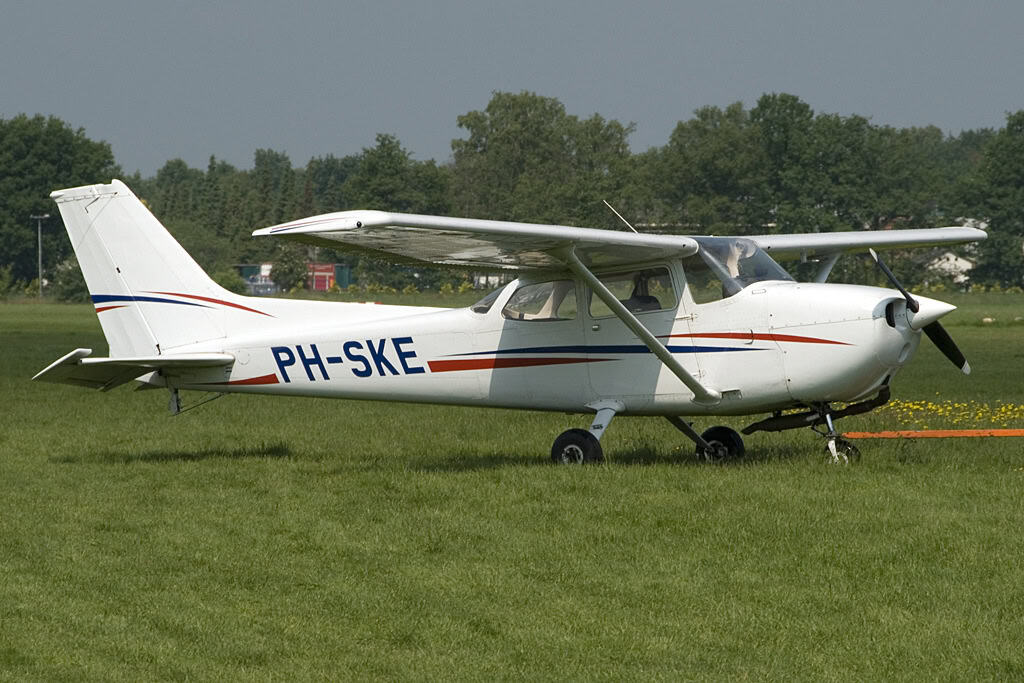
Price comparisons only tell part of the story. Evaluating any used Cessna 172 properly requires working through several checkpoints before you negotiate. Pull the aircraft logs first. Airframe logbook, engine logbook, and prop logbook tell the complete history of the aircraft. Specifically, look for total time, engine time since new and since overhaul, any major repairs, STCs installed, and annual inspection continuity. Gaps in the logs are a red flag that demands a clear explanation. Research the airframe on FAA records. The FAA aircraft registry at registry.faa.gov and the SDR (Service Difficulty Reporting) database can surface issues the logs do not mention. Furthermore, N-number lookup confirms owner history and any open airworthiness directives that need compliance.
Compare against recent sales data. Controller.com, Trade-A-Plane, and Barnstormers all show asking prices — but real intelligence comes from what planes actually sold for. Vref and Aircraft Bluebook publish used aircraft value guides that serious buyers should reference before making any offer. Never skip the pre-buy inspection. A qualified A&P mechanic — ideally not from the seller’s shop — should inspect the aircraft before you close. A pre-buy inspection typically costs $500 to $1,500 and can easily save you $10,000 to $30,000 in undisclosed squawks. For a full breakdown of what that process covers, see our complete guide to the aircraft pre-buy inspection.
Where to Find a Used Cessna 172 for Sale
Several platforms concentrate the majority of GA aircraft listings in one place. Controller.com is the most trafficked GA aircraft marketplace and typically carries the largest inventory of used 172s at any given time. Trade-A-Plane has been the standard reference for GA buyers since 1937 and remains widely used. Barnstormers.com tends toward private-party sellers and often surfaces bargains that dealers have not listed yet. Additionally, the industry advocacy groups Pilot Marketplace aggregates listings and is worth checking alongside the others. Beyond online listings, local flight schools are worth contacting directly. Many schools retire training aircraft before they appear publicly, and a school-maintained 172 with documented maintenance history can be an excellent buy. Similarly, flying clubs occasionally sell member aircraft, and those airframes often have meticulous records that private-party sellers cannot match.
Is Buying a Used Cessna 172 Worth It?
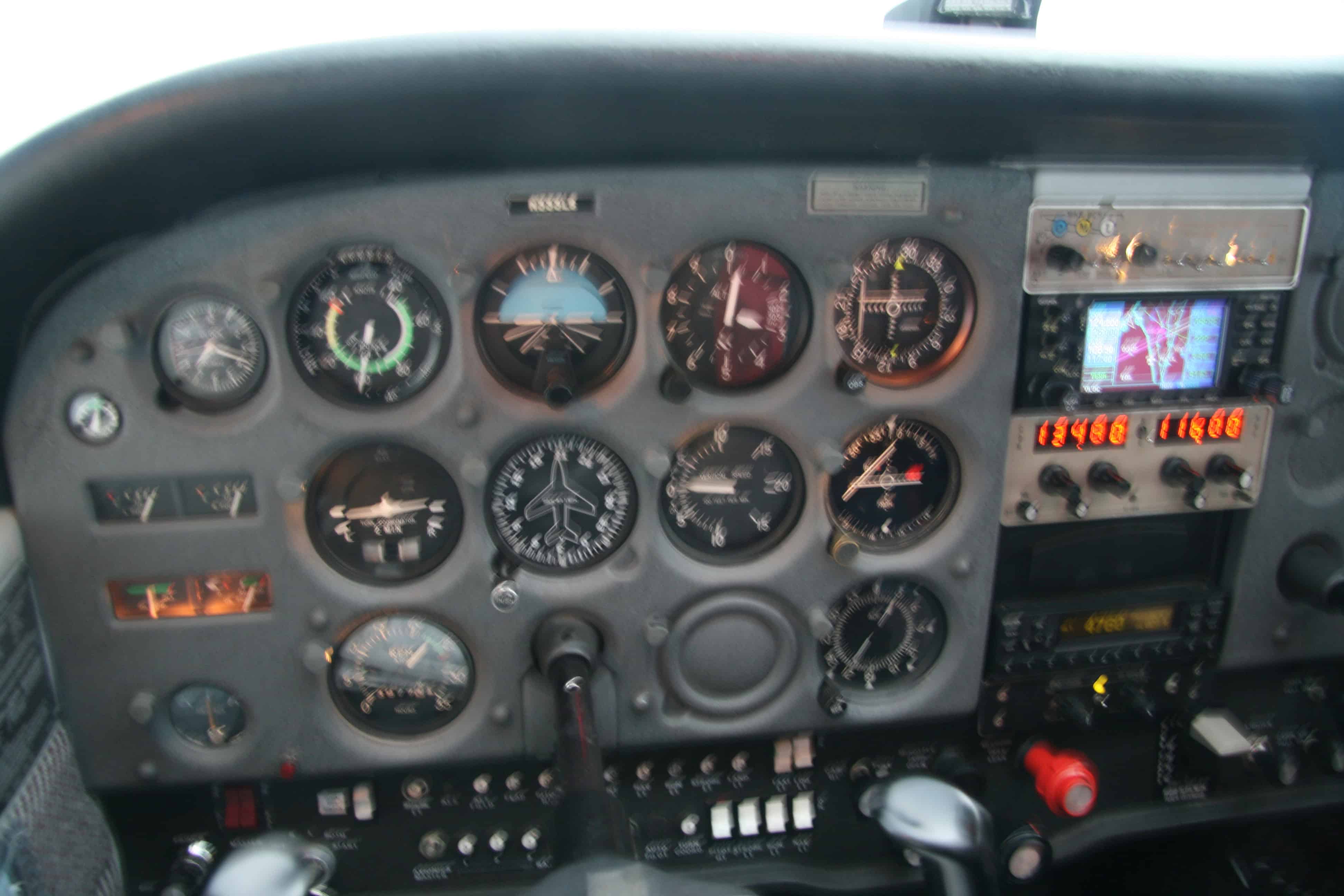
For most GA pilots, the used Cessna 172 remains one of the smartest aircraft ownership decisions available. It is the most produced piston aircraft in history for a reason: forgiving handling, abundant parts, mechanics who know it cold, and reasonable insurance. Ultimately, those factors combine to produce lower total ownership costs than almost any comparable four-seat alternative. The key is buying the right one. A hasty purchase without proper due diligence can turn a good deal into a money pit quickly. However, a buyer who does the homework — verifying logs, ordering a proper pre-buy inspection, and comparing against real market data — can acquire a genuinely excellent aircraft at a fair price. The used Cessna 172 market rewards informed buyers. Now you have the framework to be one.
Ready to Take Your Aviation Life to the Next Level?
E3 Aviation Association gives pilots the tools, community, and resources to fly smarter, save money, and build the aviation life they actually want. From expert content to exclusive member discounts on gear and training, E3 is your co-pilot for everything off the runway. Join E3 Aviation Association today.
Cessna 172 Engine Variants: How They Affect Used Cessna 172 Price
Generally, the engine under the cowl is one of the biggest pricing factors on any used Cessna 172 — and most first-time buyers don’t realize how dramatically it varies. Specifically, the 172 has worn at least four different engines across its production run, and each one comes with different overhaul costs, fuel burn, performance, and resale value. Therefore, understanding which engine you’re looking at is essential before you negotiate.
Continental O-300 (Early 172s, Pre-1968)
First, the original Cessna 172 used the Continental O-300 — a six-cylinder, 145 HP engine that’s increasingly hard to find parts for. Notably, used Cessna 172 prices for O-300-equipped airframes run lower than later variants, often $35,000–$55,000. However, the savings can disappear fast when the engine needs work. Specifically, overhaul costs and parts availability for O-300s are problematic in 2026.
Lycoming O-320 (1968–1976 Models)
Subsequently, Cessna switched to the Lycoming O-320 in 1968, producing 150 HP. Generally, this is the most common engine in pre-1980 used Cessna 172 inventory. As a result, parts are abundant and overhaul costs are reasonable — typically $25,000–$30,000 for a factory remanufactured engine. Furthermore, used Cessna 172 prices for O-320-equipped airframes typically run $50,000–$85,000 depending on year, hours, and equipment.
Lycoming O-360 (1977–1986 N Models)
Notably, the 1977 model year introduced the Lycoming O-360-A4M producing 180 HP — a significant performance boost that pilots loved. Specifically, this engine variant gives noticeably better climb performance, useful load, and cruise speed. As a result, used Cessna 172N pricing tends to run $5,000–$10,000 above equivalent O-320 models.
Lycoming IO-360 (1996+ Restart Production)
Today, current production Cessna 172S models use the fuel-injected Lycoming IO-360-L2A producing 180 HP. Specifically, the fuel injection eliminates carburetor icing concerns and provides smoother operation. Furthermore, used Cessna 172 prices for post-1996 restart-production aircraft start around $90,000 and climb past $200,000 for late-model glass-cockpit examples.
What to Inspect on a Used Cessna 172 Before You Commit
Specifically, the pre-purchase inspection on a used Cessna 172 is the single most valuable step in the buying process. Generally, plan to spend $1,500–$3,500 on a thorough pre-purchase inspection by an A&P who specializes in Cessnas. As a result, that investment can save you tens of thousands in undisclosed problems.
The Airframe Items That Matter Most
First, check for corrosion in the wing roots and the area under the cabin floor. Notably, Cessna 172s that lived near saltwater can have hidden corrosion that significantly reduces resale value. Specifically, the spar carry-through structure and the wing strut attach points are the highest-value inspection items. Furthermore, check for evidence of past damage repair — a thorough records review combined with hands-on inspection should reveal anything significant.
The Engine and Logbook Items That Matter Most
Subsequently, focus your engine inspection on time-since-major-overhaul (SMOH), oil analysis history, and compression check results. Specifically, an engine with 1,500+ hours SMOH on a 2,000-hour TBO is approaching a major financial decision point. As a result, used Cessna 172 prices should reflect imminent overhaul costs in the negotiation. Notably, request the most recent oil analysis report — sudden spikes in iron, chrome, or aluminum can indicate developing problems.
Avionics and ADS-B Compliance
Importantly, ADS-B Out has been mandatory in Class B/C airspace since 2020. Specifically, any used Cessna 172 you’re considering should already be ADS-B compliant or you should budget $4,000–$8,000 for a transponder upgrade. Furthermore, verify the GPS unit is WAAS-capable if you plan to fly IFR — earlier non-WAAS units can’t shoot LPV approaches.
Used Cessna 172 Financing and Insurance: What to Expect
Generally, the financial picture of buying a used Cessna 172 extends beyond the purchase price. Specifically, financing and insurance costs are often the surprise that catches first-time buyers off guard. Therefore, plan for these costs before you make an offer.
Aircraft Financing Realities
First, aircraft loans typically require 15–20% down with terms up to 20 years. Notably, Several aviation lenders including Pilot Bank and specialty aviation financing groups offer GA aircraft financing with competitive rates. Furthermore, expect interest rates 1–2% above home mortgage rates due to the specialty nature of aircraft lending. As a result, monthly payments on a $75,000 used Cessna 172 with 20% down over 15 years run roughly $550–$650 at current rates.
Insurance Premiums for Used Cessna 172s
Specifically, insurance for a used Cessna 172 typically runs $1,200–$3,500 annually depending on pilot experience, claims history, and coverage limits. As a result, low-time pilots and recent buyers face the highest premiums. Furthermore, completing a flight review or instrument rating in your new aircraft often reduces premiums significantly at the next renewal.
Used Cessna 172 Price Trends to Watch in 2026
Notably, the used Cessna 172 market in 2026 reflects unique pressures that affect pricing in real time. Specifically, low inventory has pushed prices upward across all model years. Furthermore, demand from flight schools rebuilding training fleets has tightened the supply of clean, low-time examples. Therefore, buyers should expect to act quickly when a well-maintained used Cessna 172 hits the market — these aircraft now sell within days, not months. Additionally, the gap between project airplanes and turnkey examples has widened, so a tired airframe at a tempting price often ends up costing far more after restoration than a more expensive turnkey purchase.
Frequently Asked Questions About Used Cessna 172 Price
What is a fair price for a used Cessna 172 right now?
In 2026, expect to pay $40,000–$75,000 for a 1970s-era model in solid flying condition. 1980s models with updated avionics typically run $70,000–$110,000. Late-model G1000 Skyhawks push well past $150,000. Engine time, airframe hours, avionics stack, and logbook completeness all affect where a specific aircraft lands in that range.
Is the used Cessna 172 market still overpriced compared to pre-pandemic levels?
Yes — prices remain elevated. The 2020–2022 surge pushed used Cessna 172 prices 30–50% above historical norms. Some softening has occurred in the entry-level segment, but demand from student pilots and flight schools keeps a floor under prices. Don’t expect a return to 2019 values anytime soon.
What’s the biggest mistake buyers make when shopping for a used Cessna 172?
Skipping the pre-buy inspection. A thorough pre-buy by an independent A&P costs $500–$2,000 and routinely uncovers deferred maintenance, corrosion, or AD non-compliance that could cost tens of thousands to fix. Never skip it, regardless of how clean the aircraft looks or how honest the seller seems.
The 2020–2022 surge pushed used Cessna 172 prices 30–50% above historical norms. Some softening has occurred in the entry-level segment, but demand from student pilots and flight schools keeps a floor under prices.” } }, { “@type”: “Question”, “name”: “What’s the biggest mistake buyers make when shopping for a used Cessna 172?”, “acceptedAnswer”: { “@type”: “Answer”, “text”: “Skipping the pre-buy inspection. A thorough pre-buy by an independent A&P costs $500–$2,000 and routinely uncovers deferred maintenance, corrosion, or AD non-compliance that could cost tens of thousands to fix. Never skip it, regardless of how clean the aircraft looks or how honest the seller seems.” } } ] }
E3 Aviation Editorial Team
The E3 Aviation Association editorial team is made up of licensed pilots, aviation educators, and industry professionals dedicated to advancing general aviation safety, community, and education. Learn more about E3 Aviation.
Sources
- FAA — Small Airplane Certification
- Flying Magazine — Cessna 172 Skyhawk Overview
- AVweb — Aircraft Ownership Resources