Last Updated: May 6, 2026 | By E3 Aviation Editorial Team
Most pilots think airplane camping means a sleeping bag tossed into the back of a Cessna. That’s not what this is.
E3 Aviation is building the ultimate backcountry camping rig on a CubCrafters Carbon Cub FX3. This is a full backcountry build — carbon fiber raised floor, all-electric power system, Starlink, climate-controlled camping, and 20-plus years of overland experience applied to aviation for the first time.
This article breaks down every product, every aircraft modification, and the reasoning behind every decision. The video below covers the full live reveal. This is the searchable reference version — every product named, every tradeoff explained, every weight decision documented.
If you’ve been thinking about backcountry aircraft camping and didn’t know where to start, this is the build to follow.
Why We Built This Airplane Camping Rig on a CubCrafters Carbon Cub FX3
The Carbon Cub FX3 wasn’t the cheapest option. It wasn’t the easiest to modify, either. But after spending a week at the CubCrafters factory in Seattle — watching their build processes, walking the production floor, meeting the team — the decision became clear.
Over 2,000 FX3s have been built. CubCrafters isn’t a small shop experimenting in a hangar. Their quality control processes and team depth made the FX3 the right foundation for a backcountry build that depends on reliability in remote locations.
The FX3 also hits the key criteria for serious backcountry camping: enough useful load to carry meaningful gear, STOL capability for real remote strips, and a modifiable airframe. We weighed the aircraft at the factory and tracked every item going into this build. Our challenge is volume, not weight — which is exactly the problem the raised floor is designed to solve.
Here’s the practical weight picture: 60 lb in the rear zone, 100 lb in the center, 150 lb forward of that. Every storage decision in this build works around those numbers.
The Carbon Fiber Raised Floor: Organization and CG in One Modification
This is the modification that makes everything else work. It’s not glamorous. It’s the smartest thing on the build.
The raised floor creates two distinct storage zones inside the cabin. Underneath, you slide flat cases — cooking supplies, food, tools, anything that fits. On the front side, coolers and bulkier items sit in their own space without stacking on top of each other.
That solves the backcountry camping problem every pilot knows: you need something at the bottom of the pile, so everything else has to come out first. The raised floor ends that. Everything has a place. Everything stays accessible. Nothing gets buried.
The second function is CG management. The floor design forces intentional weight placement — heavier items forward, lighter items aft, within the FX3’s published limits. That’s not optional on a camping trip. Gear shifts in flight. Passengers reach for things. A fixed layout with defined weight zones solves this before it becomes an in-flight problem.
Why CG Matters More Than Most Pilots Plan For on a Camping Trip
Most pilots think carefully about total weight. Fewer think about how CG shifts when gear moves during flight.
On a multi-day trip, things settle. Bags compress. Ice melts. A passenger shifts items to reach something at the back. Any of these can move CG in ways a preflight calculation didn’t account for.
Building a storage system with defined weight zones solves this at the design stage — not in cruise over a remote valley. For a broader look at weight and balance documentation, our GA owner annual inspection guide covers the paperwork side of keeping your aircraft within limits year-round.
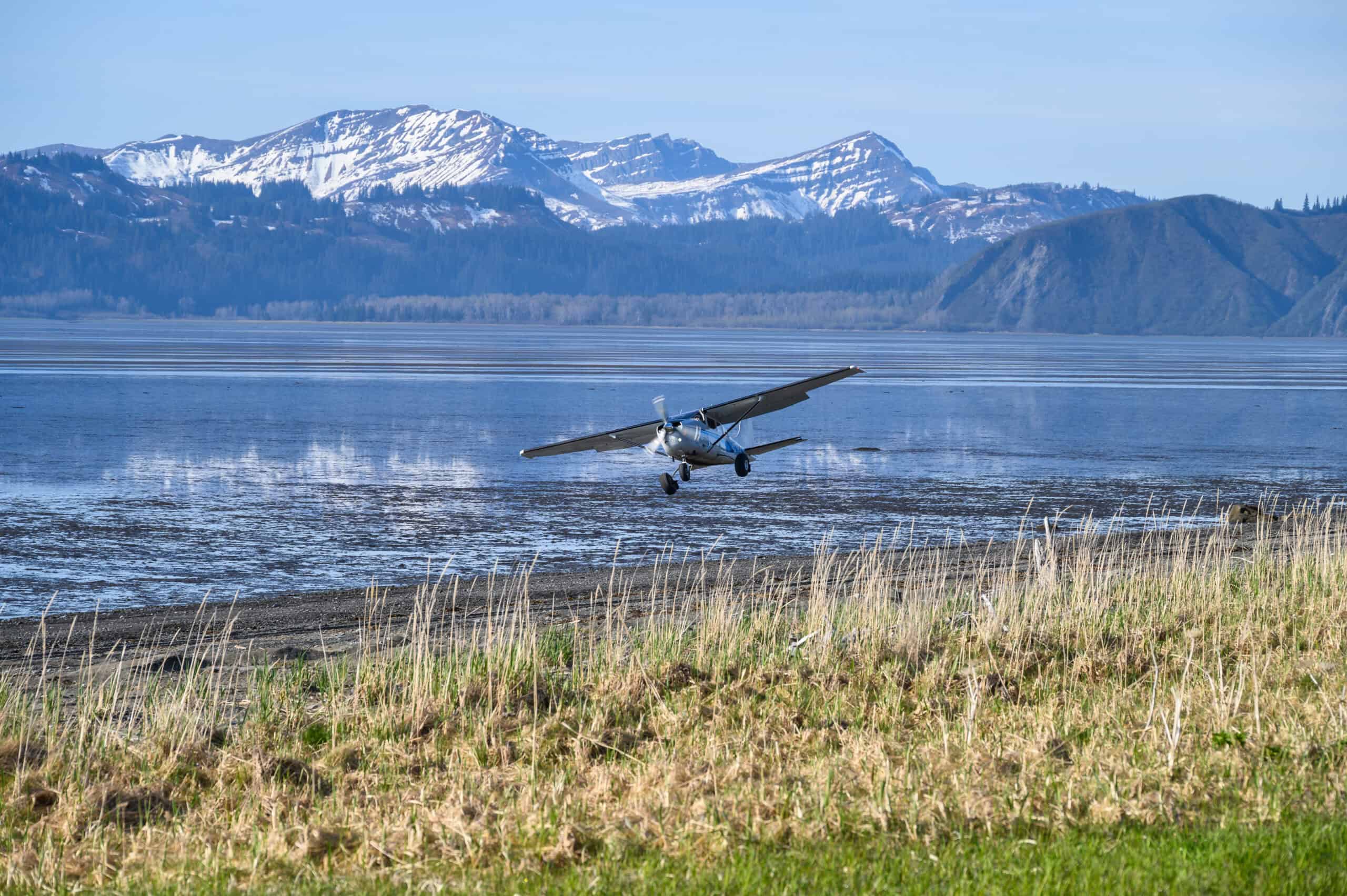
Electrical System: How This Airplane Camping Build Runs All-Electric at the Campsite
The electrical system is what separates a sleeping bag trip from a real base camp.
An accessory switch on the panel ties into a dedicated bus run halfway back in the aircraft. That bus drives a 12V DC-to-DC inverter, which charges a lithium battery system mounted mid-cabin. That battery powers the entire campground — lights, heating, cooling, espresso, and more.
One important detail: this isn’t standard lithium ion chemistry. It’s a newer technology. Right now, only one company in the United States produces it for this application. We’ll cover the full electrical architecture in a dedicated episode, but the short version is this — it was chosen specifically for the weight-to-capacity tradeoff that serious backcountry camping demands.
On top of the main system, Starlink runs on its own 9-hour battery. A dedicated panel switch means you’re not draining the main power bus just to stay connected. That matters when your campsite is 40 miles from the nearest cell tower.
The Garmin inReach rounds out the communication layer — standard kit for any backcountry trip where cell service doesn’t reach.
The Ferry Flight That Proved the Electrical System Before the First Camp
We flew the FX3 from Seattle to Florida. The camera ran the entire way — starting on a half-charged i360 battery and never touching it again. The Flight Fix and MyGoFlight generator sustained it for the full multi-day cross-country.
Our take: that test validated the electrical architecture before we ever pitched a tent. If the generator can sustain camera power on a cross-country ferry flight, it can handle base camp. That’s real-world proof — and that’s what matters when you’re planning a trip where there’s no option to improvise.
Every Product on the E3 Aviation Airplane Camping Build
Nothing on this list was sponsored. Not one company paid to be here. Every product is here because it’s light, innovative, proven safe, and quality-backed — or because 20-plus years of overland and off-road experience said it belonged.
Shelter and Sleep:
- Naturehike tent — lightweight backcountry tent that stores in the aircraft without consuming the entire cargo area
- Born Outdoor sleeping system — the anchor product of the build. We’ll set it up on camera and show exactly how it stores and deploys from the aircraft
- LF Bros diesel heater — heats the tent at night, then doubles as an engine pre-heater in the morning. One product, two jobs
- Tent air conditioning — yes, actual climate control. Full reveal in the electrical system episode
Power and Connectivity:
- Starlink — 9-hour onboard battery, dedicated panel switch, backcountry connectivity from any strip
- Yoshino lithium power system — the all-electric backbone of the campsite power
- Solar panels — daytime top-up for the Yoshino system during multi-night stays
- PeakDo Starlink Mini Power — compact dedicated power for the Starlink setup
Organization:
- MOLLE panel system — the first aviation-specific three-panel MOLLE kit. Front-facing, rear-facing, and cargo area coverage. Hard-mounts to aircraft structural poles. More on this below.
- Zarges aluminum cases — the best cases in any overlanding build, and they’re going in the aircraft because bear country is real at some backcountry strips
- ICECO aluminum cooler — freezer and refrigerator in one unit, light enough to justify on this build
Tires and Ground Operations:
- Beringer wheels and brakes with 31-inch tires — covered in its own section below
- RotopaX fuel and water containers — Grand Canyon tested, going in the aircraft
- GlueTread sidewall repair kit — field-patch capability for the big tires on remote strips
- Ultimate Bungee tie-downs — aviation-grade tie-downs that double as tent and tarp rigging lines
Kitchen and Water:
- Outin espresso machine — compact enough to live in the aircraft between trips. Used daily at home. That’s the trust level it earned.
- GRAYL GeoPress titanium water purifier — titanium build, reliable filtration, proven in the field across multiple brands and builds
- MSR Dragonfly liquid fuel stove — full cooking capability at any campsite without depending on disposable canisters
The MOLLE Panel System: An Aviation-First That Changes How You Organize a Backcountry Aircraft
Most MOLLE systems are built for overlanding rigs. This one was designed specifically for aircraft interiors.
The three-panel kit covers the full cabin — front-facing, rear-facing, and the aft cargo area. Each panel hard-mounts to the aircraft’s structural poles. That means you can mount heavy items confidently — not just light pouches and accessories, but actual gear and tools you need accessible and secure in flight.
Honestly, this is where we’d push back on anyone who thinks aircraft organization starts and ends with a cargo net. MOLLE-mounted gear stays exactly where you put it, it’s accessible without digging, and it’s out of the way during flight. That’s a completely different category of organized — and it’s available as a kit through the E3 Aviation shop.
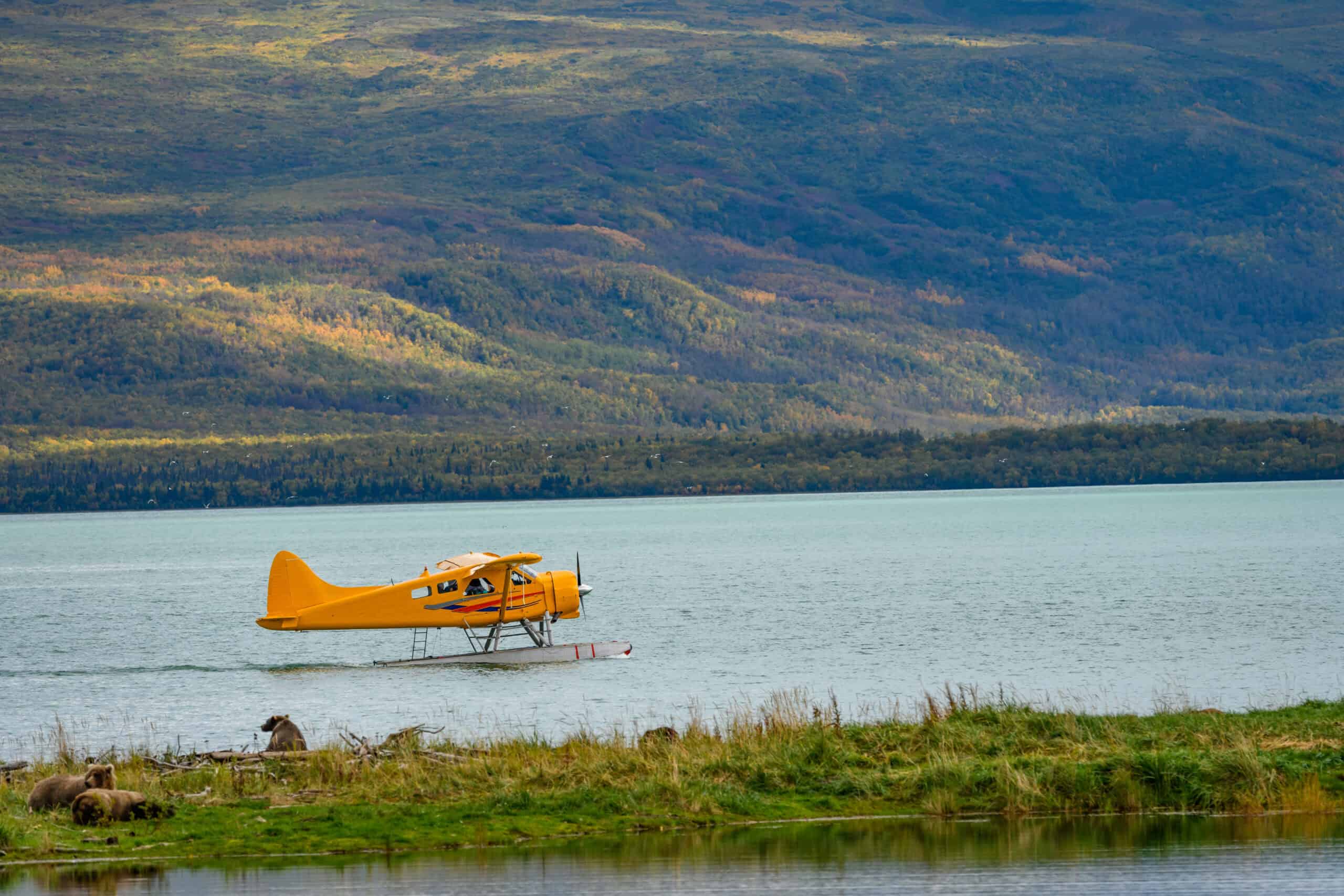
Tire and Wheel Choice: Why We Went 31s Instead of 35s
This was a real decision with real tradeoffs. Not a default choice.
Thirty-five inch tires would have looked great on the FX3. But tracking the weight buildup, the same problem kept coming up: going from 29s to 35s isn’t just a tire swap. It requires 10-inch wheels, dual brakes, and a complete landing gear system change. That’s significant weight for the strips we’re actually planning to use.
Our target destinations are grass strips, farm fields, and remote dispersed landings — not Alaskan river gravel bars or rocky mountainside strips where 35s are genuinely necessary. For that terrain, 31-inch Beringer wheels and brakes give us the ground handling we need without the system-level weight penalty.
Going from 29s to 31s is already a meaningful upgrade. The handling difference on soft ground is real. Going to 35s means rebuilding the entire landing gear system — and for the mission we have planned, the 31s hit the right point on the performance curve.
For pilots planning modifications to their own backcountry aircraft, FAA AC 43.13-1B covers acceptable modification standards. And if you’re evaluating a backcountry-capable aircraft for purchase, our aircraft pre-buy inspection checklist covers what to look for on modified gear and tires specifically.
The Products That Proved Themselves Before the Build Even Started
Some of this gear has already been through harder testing than most pilots will ever put it through.
RotopaX earned its spot the hard way. At an E3 Aviation overland event near the Grand Canyon, a member’s RotopaX container fell off the vehicle and bounced down the canyon wall — hitting about ten times on the way to the bottom. He had to hike an hour down to retrieve it. When he picked it up, it was completely intact. That’s the kind of proof that matters for a remote backcountry camping kit where a gear failure creates a real problem.
GlueTread came out of the overland and off-road world. Their product patches sidewall damage on large tires — the kind of damage that usually ends a trip. With 31-inch tires at remote strips, sidewall repair capability isn’t a luxury. One bad landing on a hidden rock or rut, and that kit is what gets you home.
For maintenance documentation on aircraft modifications, your A&P will need proper logbook entries. Our aircraft engine maintenance guide covers what thorough maintenance records look like and why they matter at annual time.
What’s Coming Next in the E3 Aviation Build Series
Episode 1 was the gear reveal. The series goes much deeper from here.
Episode 2 covers the full electrical system — the Yoshino lithium architecture, how the DC-to-DC inverter charges it in flight, and how the campsite power setup connects into a single working system. After that, we’re covering tent heating and air conditioning. The LF Bros diesel heater, the tent AC, and how one integrated system handles both climate control jobs.
Then come installations, in-hangar testing, and the first actual camping trips. We’ll show you what works as planned and what we had to figure out along the way — because that’s actually how you learn to build a backcountry camping rig that holds up in the field.
We’ll be straight with you: we might hit problems. Builds like this always do. But we’re taking you through every part of it — the wins and the revisions — because the honest version is the one that actually helps you plan your own build.
Follow along and you’ll have everything you need. Copy this build directly, or pull the pieces that fit your aircraft and budget. Either way, you’ll know exactly what every decision costs and why it was made.
Frequently Asked Questions About Airplane Camping
What’s the biggest mistake pilots make on their first airplane camping trip?
Packing for every scenario instead of packing for the specific trip. Aircraft camping has hard weight and volume limits that car camping and overlanding don’t. The pilots who have the best first trips are the ones who weighed every item beforehand, did a full weight and balance calculation, and cut ruthlessly before loading. Build a gear list, weigh it, and remove anything that doesn’t earn its spot for that specific destination.
Do you need special permits for backcountry airplane camping?
It depends on where you’re landing and camping. Forest Service strips and BLM land have their own rules that vary by region and change seasonally. Some dispersed camping areas allow it with no permit. Others require advance reservation or restrict campfires, generators, or length of stay. The FAA handles airspace — the land agency controls what you do after you land. Always check with the managing agency before your first visit to a new strip.
Can you realistically fit a full camp setup in a CubCrafters Carbon Cub FX3?
Yes, but it requires intentional design. The FX3’s useful load gives a solo pilot meaningful gear capacity, but it disappears fast without a planned layout. The raised floor system in this build exists to solve that problem — defined storage zones, intentional CG placement, and a setup that gets you in and out of the aircraft without repacking everything. Without a system like that, the Carbon Cub is a tight fit for a multi-night backcountry trip. With it, it’s a genuinely capable backcountry platform.
Airplane camping is one of the best things you can do with a GA pilot certificate. There’s nothing like landing at a remote strip, setting up camp before dark, and waking up with the aircraft 20 feet from your tent. E3 Aviation is building the platform to make that experience as reliable and comfortable as it should be.
If you want to fly smarter, gear up right, and stay connected with pilots who take backcountry aviation seriously, E3 Aviation Association is where that community lives. Join us and you won’t miss a single episode of the build.