Aircraft ownership costs are one of the most important financial realities every GA pilot must understand. Buying the airplane is just the beginning. Annual operating expenses typically run 15–25% of the aircraft’s purchase price — a number that surprises many first-time owners.
Last Updated: May 7, 2026 | By: The E3 Aviation Editorial Team
Fixed vs. Variable: The Two Buckets of Aircraft Ownership Costs

the cost of owning a GA aircraft fall into two categories. Fixed costs occur whether the airplane moves or not. Variable costs scale with flight hours. Understanding both matters before you sign any purchase agreement.
Fixed annual costs include hangar rent or tiedown fees ($2,400–$9,600), aviation insurance ($1,200–$3,500), annual inspection ($1,000–$2,500), and avionics database subscriptions ($300–$600). Together, these run $5,000–$16,000 per year on a typical piston single like a Cessna 172 or Piper Cherokee.
Variable costs per flight hour include fuel ($60–$90 at current avgas prices), engine reserve ($20–$35), oil ($2–$4), and routine maintenance ($10–$20). Total variable costs run $92–$149 per hour. At 100 hours per year, your total annual aircraft ownership cost lands between $14,000 and $31,000.
Why Your Per-Hour Cost Is the Number That Actually Matters
Total annual cost is useful, but per-hour cost is the number that guides decisions. If you fly 50 hours per year, your all-in cost might be $250–$350 per hour. Double your flying to 100 hours and fixed costs spread thinner — maybe $160–$220 per hour. This is why flying clubs and partnerships work: more members sharing fixed costs means lower effective cost per hour for everyone.
Here’s what most pilots get wrong: they estimate ownership costs using numbers from three to five years ago. Avgas prices, insurance premiums, hangar rates, and shop labor have all increased significantly since 2021. Build your budget from current quotes — call your local FBO, your insurer, and your A&P shop with specific numbers before committing.
How Inflation Has Driven Up Aircraft Ownership Costs
The years between 2021 and 2025 were expensive for GA owners. Avgas prices in many markets exceeded $7/gallon. Supply chain disruptions drove parts costs up 30–50%. Shop labor rates followed. Insurance premiums jumped as aircraft hull values rose — demand for used GA aircraft pushed prices to record levels, and insurers adjusted accordingly.
First-time owners took the biggest hit on insurance. A student pilot or newly minted private pilot buying a clean 172 now faces premiums of $2,000–$4,000 annually. That’s nearly double the rates from five years earlier. The good news: premiums drop as you build hours and ratings. A 500-hour private pilot typically pays 30–40% less than a 100-hour pilot for the same hull.
Engine Reserve: The Cost That Catches Owners Unprepared
Engine overhaul is the largest single deferred expense in GA ownership. A factory remanufactured Lycoming O-320 runs $25,000–$35,000. A Continental IO-550 tops $40,000. Most piston engines TBO at 1,800–2,000 hours. If you’re not putting $15–$25 per flight hour into an engine reserve fund, that bill will blindside you.
Our take: start the engine reserve from hour one. Many pilots skip it early because “the engine has a lot of time left.” That logic is backwards. Compound saving over years of flying is how you arrive at TBO without a financial crisis. A well-funded reserve also signals responsible ownership to future buyers.
Practical Strategies to Reduce Aircraft Ownership Costs
There are legitimate ways to cut your aviation investment — and there are shortcuts that create bigger bills later. Knowing the difference is essential.
Legitimate cost-reduction strategies include flying partnerships and clubs. Splitting fixed costs among two or three pilots cuts your annual fixed exposure by 50–67%. A structured partnership with compatible schedules can transform ownership economics.
Flying more reduces per-hour cost. Fixed costs spread across more hours means lower effective cost per flight. If fixed costs run $10,000/year, 50 hours costs you $200/hour in fixed cost alone. At 150 hours, that drops to $67/hour.
Learning preventive maintenance under FAR Part 43 Appendix A saves real money on routine items. Oil changes, spark plug rotation, tire and tube replacement — legal for certificated pilots to perform on their own aircraft. Log every item properly and keep records clean.
What not to skip: annual inspections, oil analysis, and addressing discrepancies when they’re small. Deferred maintenance compounds. An $80 oil change skipped can eventually cost you an engine cylinder. Proper maintenance is always cheaper than emergency maintenance.
For authoritative guidance on what owners can maintain themselves, the FAA’s Advisory Circulars cover owner-performed maintenance in detail. AVweb also regularly publishes real-world ownership cost analyses worth bookmarking.
Aircraft Ownership Costs by Aircraft Type: A Real Comparison
the annual expense of aircraft ownership vary enormously across the GA fleet. A Cessna 172 and a Cirrus SR22 are both single-engine piston aircraft. But their annual cost profiles look nothing alike. Understanding where those differences come from helps you make a realistic buying decision rather than a hopeful one.
The Cessna 172 remains the most common GA aircraft for a reason. Its ownership economics are well understood and forgiving. Annual fixed costs for a typical 172 run between $6,000 and $9,000. Fuel burn at 8 to 9 gallons per hour keeps variable costs manageable. Engine overhaul reserve on the Lycoming O-320 or O-360 is roughly $10 to $15 per hour based on a $20,000 to $25,000 overhaul at TBO. The 172 is the cost baseline for single-engine ownership.
Where Higher-Performance Aircraft Change the Math
Step up to a Piper Cherokee 180 or Arrow and the numbers shift modestly — slightly higher engine overhaul costs, similar fuel burn, comparable insurance. Step up to a Cirrus SR20 or SR22 and the these ongoing aviation costs jump significantly. The SR22 carries higher insurance premiums (Cirrus aircraft have a more complex risk profile for insurers), higher annual inspection costs due to glass panel avionics, and an airframe parachute system with its own maintenance and repack schedule. Expect annual fixed costs in the $15,000 to $22,000 range for a well-equipped SR22 before you fly a single hour.
Turbocharged variants cost more across every category: fuel burn climbs to 14 to 17 gallons per hour, engine overhaul reserves increase, and turbo system maintenance adds a recurring line item. In practice, twin-engine aircraft roughly double most cost categories — two engines, two overhaul reserves, higher insurance, and more complex annuals.
The honest takeaway: buy the simplest aircraft that genuinely meets your mission. Every step up in complexity and performance multiplies owning an airplane in ways that aren’t always obvious at purchase time.
Co-Ownership and Flying Clubs: Cutting Aircraft Ownership Costs Without Cutting Flying
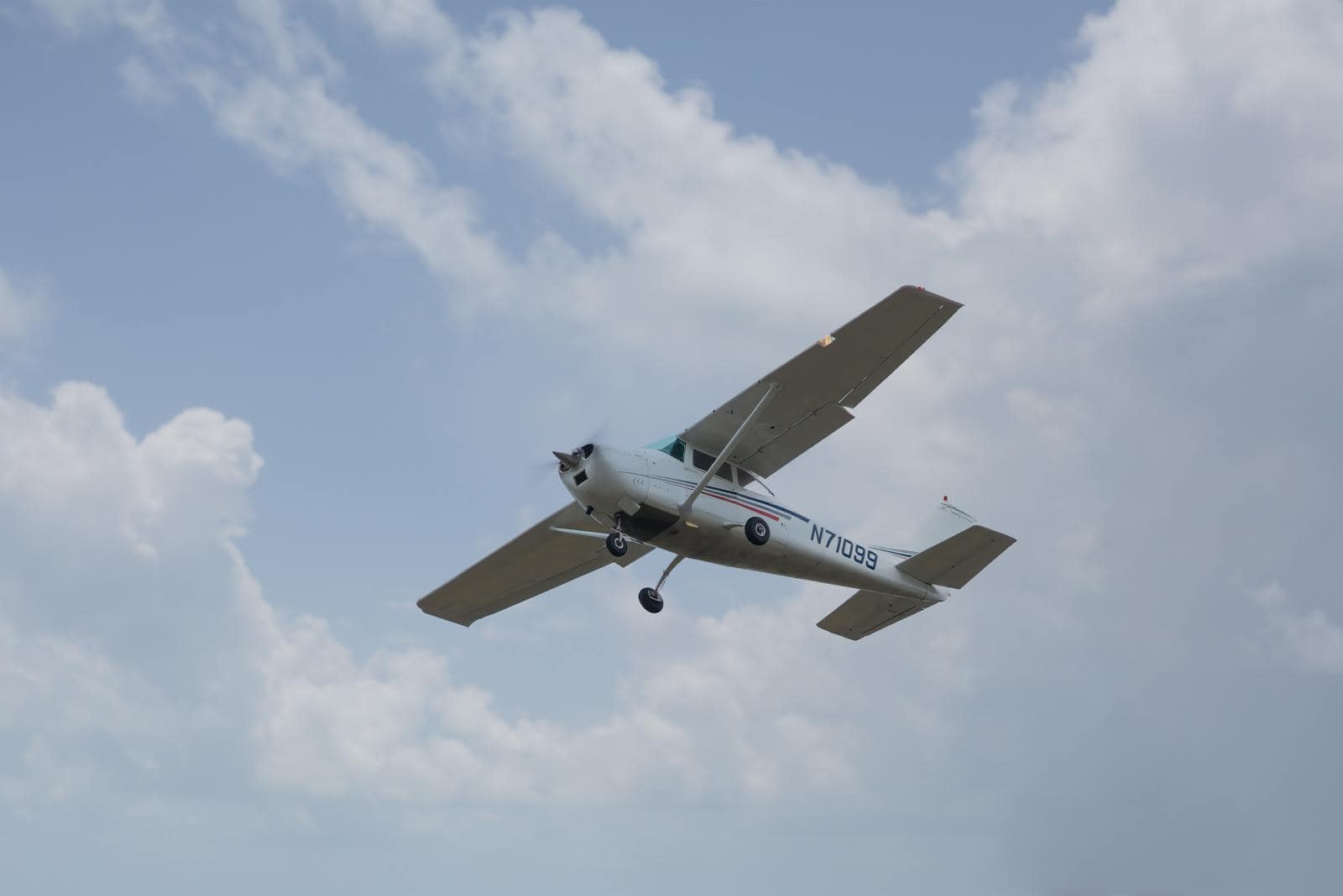
Not every pilot needs sole ownership. Co-ownership and flying clubs exist precisely because the cost of owning a GA aircraft are significant, and many pilots don’t fly enough hours to justify bearing them alone.
Co-ownership — two to four pilots sharing one aircraft — splits fixed costs proportionally while preserving much of the access and flexibility of ownership. A 172 with $8,000 in annual fixed costs shared among three owners costs each partner roughly $2,700 per year plus their share of variable costs. The aircraft is available to each partner a reasonable fraction of the time, and decisions about maintenance, upgrades, and scheduling happen among a small, known group.
What to Get Right in a Co-Ownership Agreement
Co-ownership agreements need to address scheduling priority, what happens when the aircraft needs unplanned maintenance, how upgrade decisions get made, and exit terms when a partner wants out. A poorly drafted co-ownership agreement turns into a dispute faster than most pilots expect. Written agreements — even simple ones — prevent the majority of common conflicts.
Flying clubs operate differently: more members, lower individual costs, less personal control. A well-run flying club with 20 members and two aircraft can bring your annual these ownership expenses to a few hundred dollars in dues plus a per-hour wet rate that reflects actual operating costs. The tradeoff is scheduling competition and no personal stake in the aircraft.
Our take: if you’re flying fewer than 75 hours a year, co-ownership or a club almost always makes more financial sense than sole ownership. The math is straightforward — run it honestly before you sign a purchase agreement.
Aircraft Insurance: The Ownership Cost Most Pilots Underestimate
Insurance deserves its own conversation because it surprises first-time owners consistently. Aircraft insurance costs are driven by factors that aren’t always intuitive, and they can swing annual your aviation investment meaningfully in either direction.
The primary variables insurers evaluate: aircraft make, model, and age; pilot total time; pilot time in type; pilot instrument rating and currency; annual hours flown; where the aircraft is based; and the coverage limits requested. A low-time pilot with 300 total hours and 20 hours in type insuring a Cirrus SR22 will pay dramatically more than a 2,000-hour instrument-rated pilot with 500 hours in type covering a 172.
How to Keep Insurance Costs Under Control
First, build time before buying a complex or high-performance aircraft. Insurers reward experience with lower premiums, and the difference between 250 total hours and 500 total hours is substantial in premium terms. Second, get an instrument rating if you don’t have one — it signals risk management capability and reduces premiums on most policies. Third, shop through a broker who specializes in aviation. General insurance agents who occasionally write aviation policies rarely get the best terms.
For current benchmarks on aviation insurance pricing, AVweb’s insurance coverage tracks market trends and publishes regular guidance on what pilots are actually paying in the current market. It’s worth reading before you budget.
Location, Hangar, and Tie-Down: The Hidden Geography of Aircraft Ownership Costs
Where you base your aircraft affects ownership costs more than most buyers realize. Hangar rental prices vary by a factor of three to five depending on airport, region, and competition. A T-hangar at a rural airport in the Midwest might run $200 to $350 per month. The same space at a coastal metro airport can exceed $800 to $1,200 monthly. On an annual basis, that’s a $6,000 to $14,000 swing in your fixed cost structure — for nothing except geography.
Tie-down as an alternative is cheaper upfront but carries real costs: greater weather exposure accelerates deterioration of paint, fabric, seals, and avionics. Tie-down aircraft require more frequent pre-flight inspections and tend to have higher maintenance frequency over time. The apparent savings often erode when you account for the actual maintenance differential.
Fuel prices at your home airport are another location variable. Airports with active fuel competition or self-serve options typically price 30 to 60 cents per gallon below captive single-FBO airports. On 100 hours a year at 8 GPH, that’s $240 to $480 annually — not enormous, but meaningful when every line item compounds.
Finally, labor rates at your local maintenance shop vary significantly by region. Annual inspections that cost $800 to $1,000 at a rural shop can run $1,500 to $2,500 at a metro airport shop. When you’re shopping for a home base, the full cost picture — hangar, fuel, and maintenance labor — matters as much as the flying environment.
Building a Realistic Annual Aircraft Ownership Budget
Before you buy, build a budget with every cost line itemized. Start with fixed costs: hangar or tie-down, insurance, annual inspection, and any scheduled maintenance items. Add your engine reserve at the per-hour rate times your expected annual hours. Add avionics subscription fees if you use weather or navigation services. Then add variable costs: fuel at your expected hours times your aircraft burn rate, oil changes, landing fees, and a contingency reserve of 10 to 15 percent for surprises. That total, divided by your expected annual hours, gives you your true per-hour cost. Compare that to what a flight school or rental club charges per hour. The comparison is often more instructive than pilots expect — and it turns the ownership decision into a financial one rather than a purely emotional one. Running this exercise before you sign a purchase agreement is the single most valuable hour you can spend in the buying process.
The Aircraft Ownership Costs Most First-Time Buyers Underestimate
Generally, first-time aircraft owners run into the same surprises year after year. Specifically, three categories of aircraft ownership costs catch buyers off guard the most: unscheduled maintenance, hangar rate increases, and avionics database subscriptions. Therefore, knowing these in advance prevents the budget shock that derails many ownership experiences.
Unscheduled Maintenance Reality
First, even a well-maintained aircraft averages 20–30% above scheduled maintenance budgets in unscheduled repair items. Notably, this isn’t a sign of a bad airplane — it’s the nature of mechanical systems aging in service. Furthermore, building a 25% contingency into your annual aircraft ownership costs prevents the panic of “where do I find $4,000 for an unexpected magneto rebuild?” when it inevitably happens.
The Hangar Rate Escalation
Subsequently, hangar rates at most GA airports rise 5–10% annually as airport authorities adjust pricing to market levels. Specifically, what costs $400/month today may cost $500/month in three years. Therefore, factor expected hangar increases into your long-term ownership budget. As a result, savvy owners often lock in multi-year hangar contracts at fixed rates when offered.
Avionics Database Subscriptions
Finally, modern GA aircraft often carry $500–$1,500 in annual avionics database subscription costs. Specifically, IFR-capable navigators require WAAS database updates every 28 days, terrain databases need annual refreshes, and digital chart subscriptions add up. Furthermore, if your aircraft has multiple GPS units or an integrated EFB system, costs can multiply. Therefore, build database subscriptions into your annual ownership budget — they’re not optional if you want to fly IFR or use modern moving-map navigation.
Frequently Asked Questions About Aircraft Ownership Costs
What does it cost to own a Cessna 172 annually?
Total the annual expense of aircraft ownership for a mid-time Cessna 172 typically run $14,000–$30,000 per year depending on hangar location, insurance rates, and how much you fly. Flying 100 hours per year usually puts total cost at $150–$300 per flight hour all-in.
Is a flying club cheaper than sole ownership?
For most pilots flying fewer than 75–100 hours per year, yes. A flying club shares fixed costs among multiple members, effectively cutting your annual fixed expense by 50–75%. The trade-off is scheduling flexibility. A well-run club with compatible members is hard to beat financially.
What do first-time owners most commonly underestimate?
Engine reserve tops the list — many first-time owners don’t account for it. Insurance surprises come second, especially for low-time or returning pilots. Unscheduled maintenance is third. Budget 20–30% above your estimated maintenance line for items that will come up unexpectedly.
E3 Aviation Editorial Team
The E3 Aviation Association editorial team is made up of licensed pilots, aviation educators, and industry professionals dedicated to advancing general aviation safety, community, and education. Learn more about E3 Aviation.
Making the most of your aircraft investment means tracking costs carefully from day one. Whether you’re budgeting for a first purchase or reassessing an existing ownership arrangement, having accurate numbers changes every decision downstream. For pilots weighing whether ownership makes financial sense against the alternatives, understanding the full picture of aircraft ownership costs — including the hidden ones — is the only way to make a genuinely informed call. Consider pairing your ownership research with a review of common aviation financial myths that can skew new pilots’ expectations before they’ve seen a real annual invoice.