

Last Updated: May 7, 2026 | By: The E3 Aviation Editorial Team
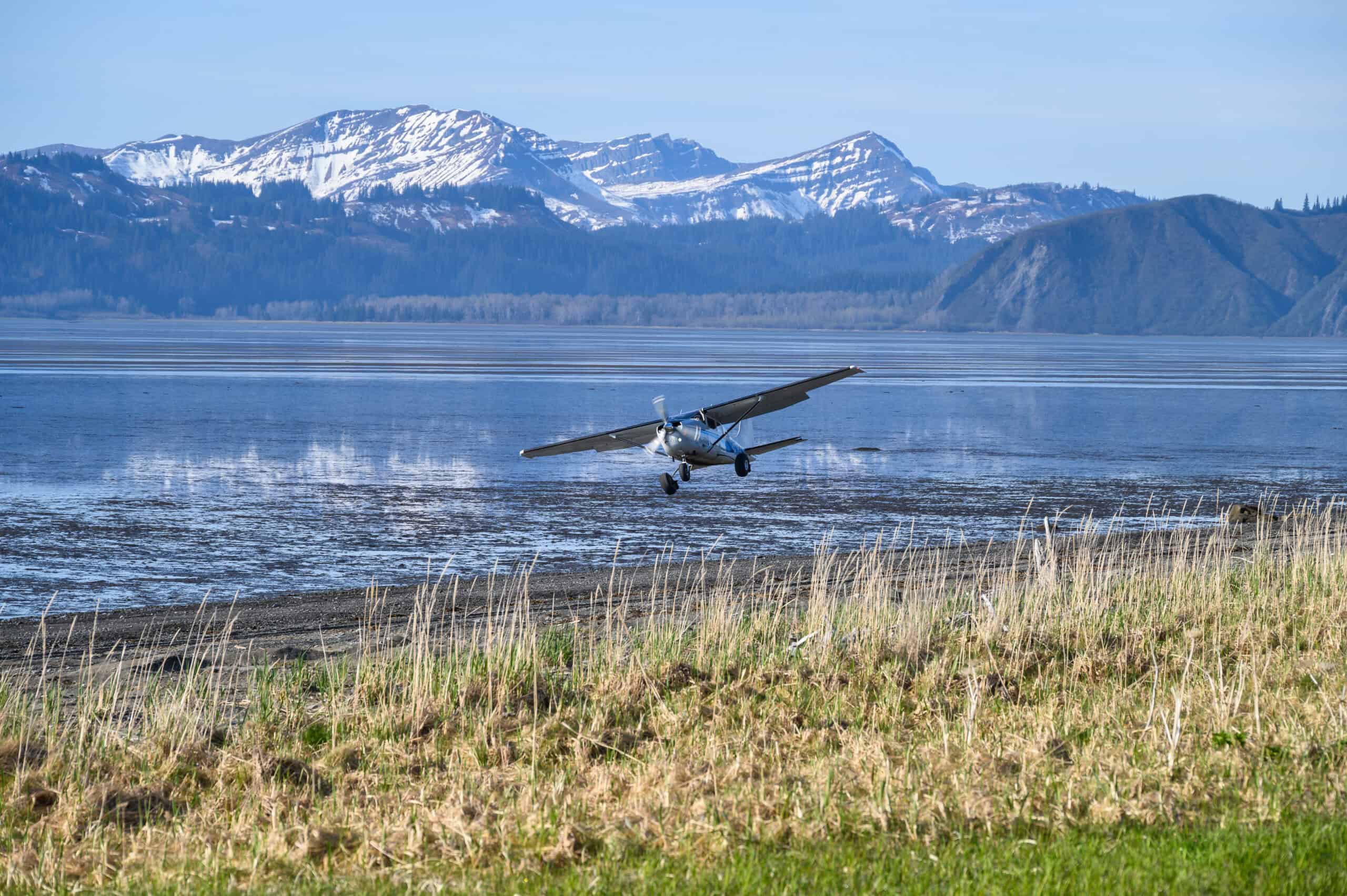
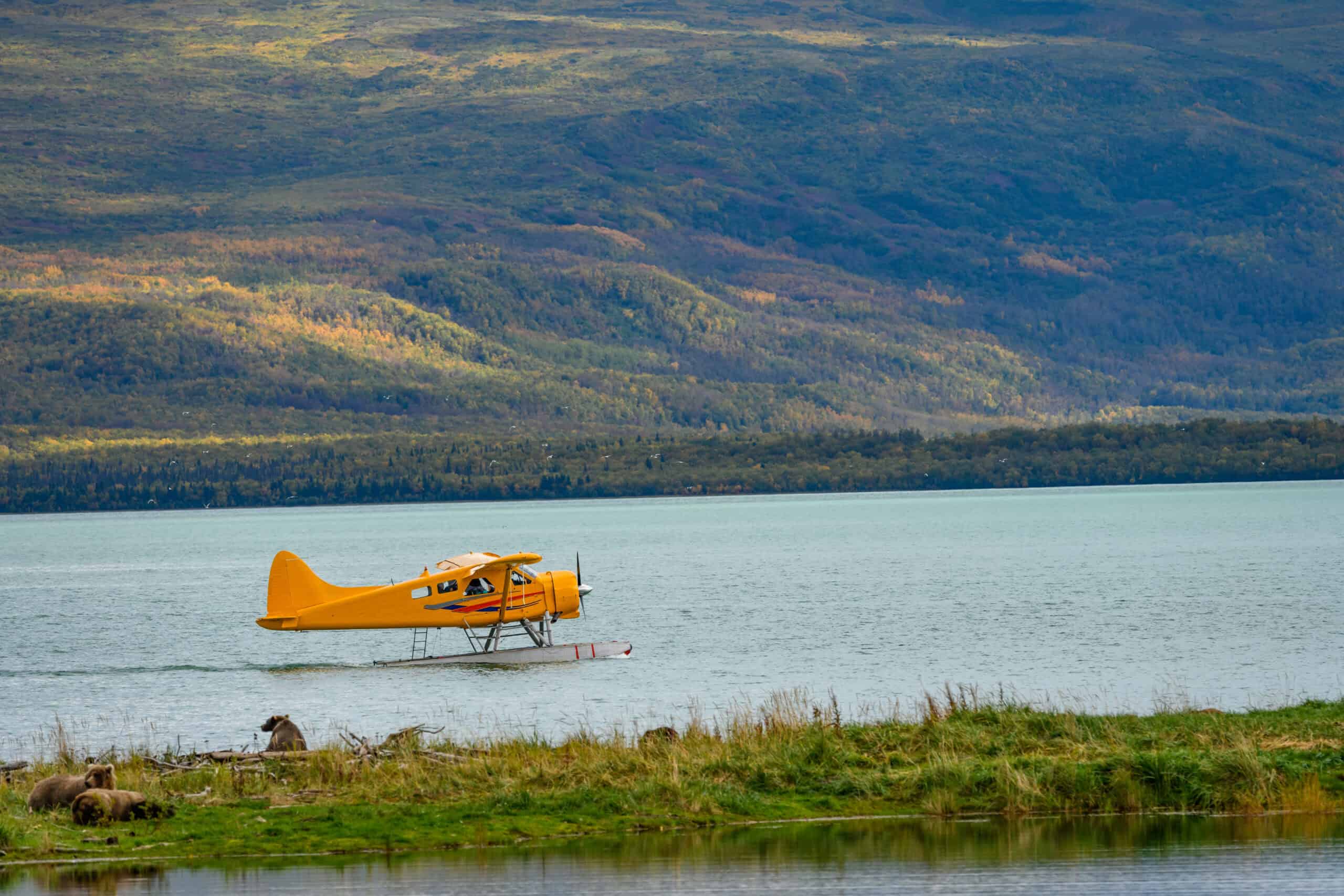
Backcountry flying safety isn’t just an upgraded version of standard GA. It’s a different discipline with different hazards, different decision frameworks, and much thinner margins for error. The mountain pass that looks wide on a clear morning can disappear in twenty minutes when a weather system rolls in. The strip that looked flyable from the air can hide rocks, ruts, and soft spots that flip your aircraft on rollout. Backcountry flying safety starts before you ever leave the ground and doesn’t end until your wheels stop rolling and the engine is off.
At E3 Aviation, our audience is backcountry and bush pilots — people who fly where pavement ends. We’ve covered backcountry topics extensively because the skills involved save lives. This post consolidates the core safety framework every backcountry pilot needs, whether you’re new to off-airport operations or decades into mountain flying.
Why Backcountry Flying Safety Is Different From Standard GA
Standard GA operations happen in managed environments. Towered airports, maintained runways, weather briefings, ATC support. Backcountry flying safety challenges exist because the infrastructure disappears. You’re landing on strips that may be unmaintained, in terrain that creates mechanical turbulence and weather anomalies, often without cell service or a reliable ELT signal. The FAA’s authority extends into the backcountry, but its support infrastructure largely doesn’t.
The three biggest differences between backcountry flying safety and standard GA are terrain, surface conditions, and rescue time. In standard GA, an accident typically results in fire trucks arriving in minutes. In the backcountry, rescue can take 24 to 48 hours — or longer if weather closes in. Every backcountry pilot has to make decisions knowing that if something goes wrong, they may be on their own for a very long time.
Density Altitude: The Hidden Killer at Elevation
Backcountry strips sit at elevation. Sometimes significant elevation — 5,000 to 8,000 feet MSL is common in mountain operations. Additionally, summer heat amplifies the effect. On a hot summer day at a high-elevation strip, your density altitude can exceed 10,000 feet even though you’re physically at 6,000 feet. Your aircraft performs as if it’s at 10,000 feet. Takeoff roll doubles. Climb rate drops dramatically. The trees at the end of the strip don’t move. Pilots underestimating density altitude is one of the most common factors in backcountry accidents. Calculate it before every backcountry departure. Then calculate it again.
Pre-Flight Preparation That Separates Survivors from Statistics
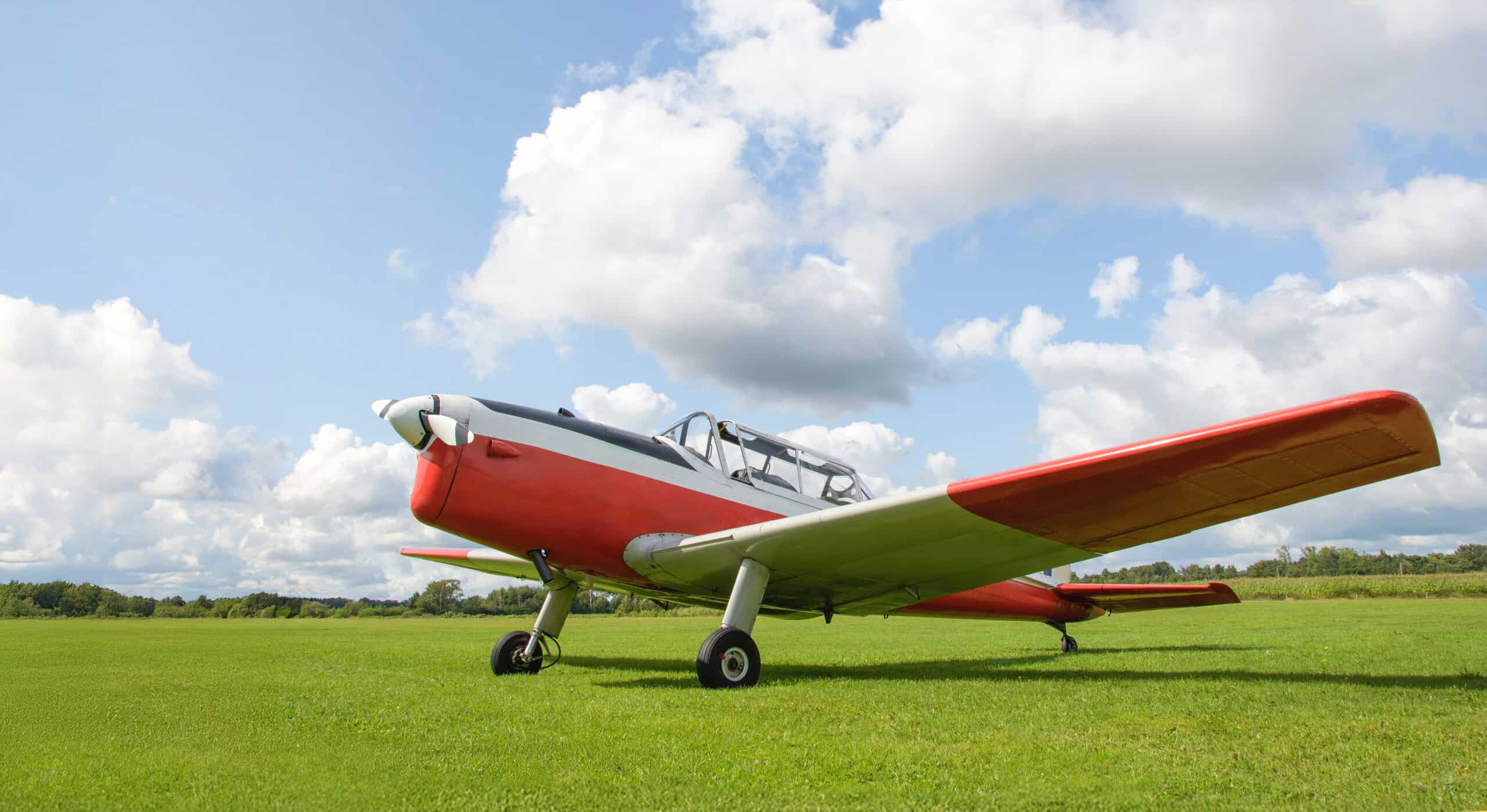
Backcountry flying safety is built in preflight planning, not in the cockpit. By the time you’re on short final to a 1,200-foot strip cut into a hillside, it’s too late to start making good decisions. Those decisions happened on the ground.
Strip Research: Know Before You Go
Research every strip before you fly it. AirNav, SkyVector, backcountry flying forums, and local pilot groups are your best resources for strip-level information. What’s the elevation? What’s the slope? Are there obstacles on approach? What’s the surface — grass, gravel, dirt? Has anyone reported it recently? A strip that was in good shape two years ago may be overgrown, rutted, or washed out today.
For high-priority unfamiliar strips, look for pilot reports from the past 30 days. Reach out to local pilots or flying clubs in the area. The backcountry flying community is generally generous with this kind of information. Use it.
Personal Minimums for Backcountry Operations
Standard personal minimums don’t transfer to backcountry flying safety. Your IFR minimums don’t apply when you’re flying a piston single VFR in mountain terrain. Set backcountry-specific minimums: minimum ceiling, minimum visibility, maximum crosswind, maximum winds aloft at pattern altitude, minimum fuel reserve. Write them down. Commit to them before the flight, not during it.
Our take: if you’re negotiating with your personal minimums during a preflight weather brief, the answer is already no. The mental energy spent second-guessing your go/no-go decision is energy taken away from flying the airplane. Decide, then execute or stay on the ground.
Weight and Balance: Non-Negotiable in the Backcountry
Backcountry pilots often carry camping gear, survival equipment, fuel, passengers, and cargo simultaneously. Gross weight violations are common. In the backcountry, they’re also potentially fatal. Exceeding gross weight degrades performance precisely when you need all of it — short strips, high density altitude, obstacle departures. Calculate weight and balance for every backcountry flight. Load your aircraft to the most aft CG that remains in limits. Forward CG requires more back pressure on rotation and degrades short-field performance.
Reading Terrain and Mountain Weather
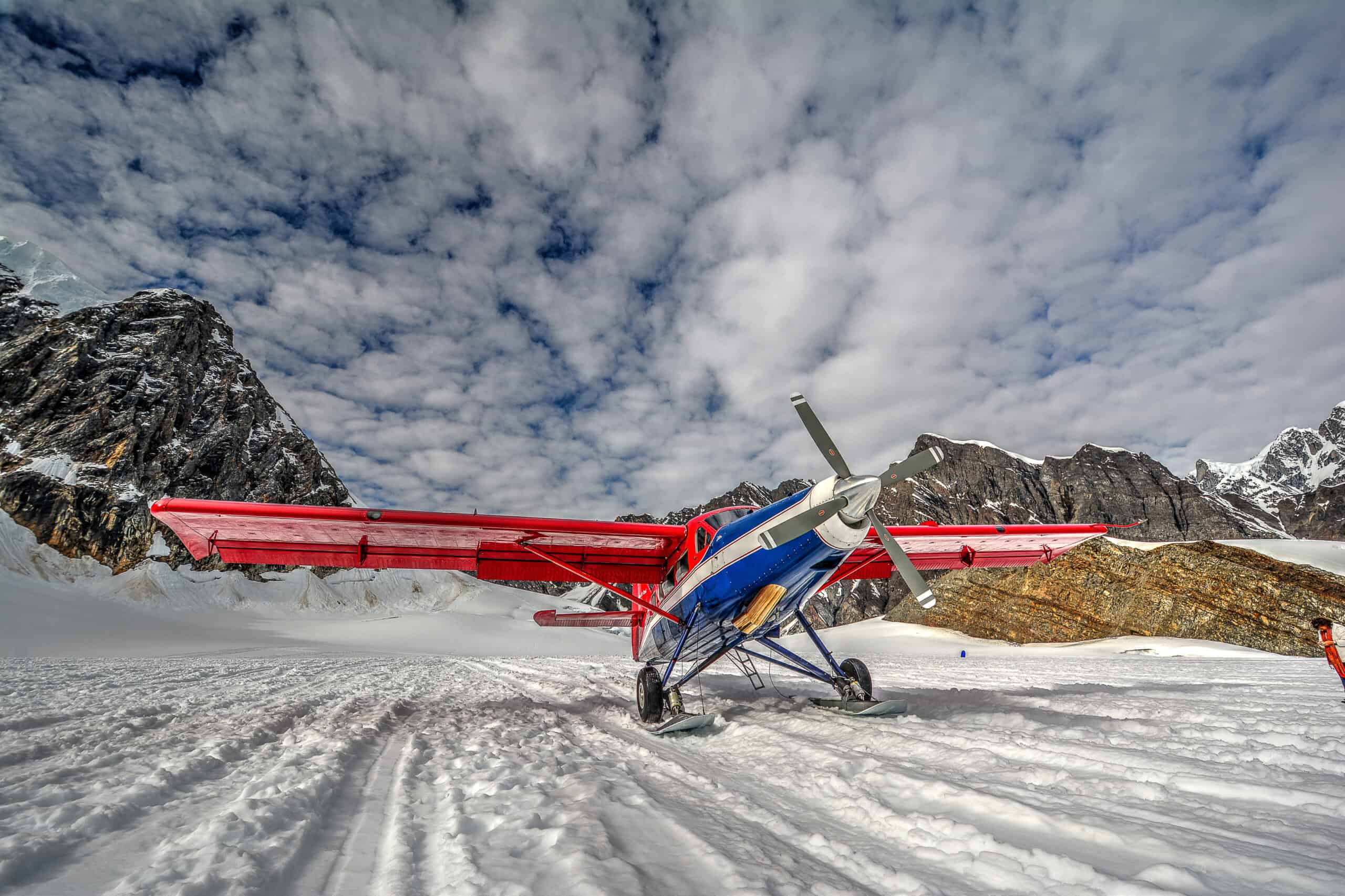
Mountain terrain creates weather that standard aviation weather briefings don’t capture at strip level. Mechanical turbulence, rotor zones, valley wind patterns, and rapid storm development are all features of mountain flying that a standard Area Forecast doesn’t predict with strip-level precision. Backcountry flying safety requires you to become an amateur meteorologist.
Mountain Wave and Rotor Turbulence
When wind crosses a mountain ridge at more than 25 knots, mountain wave develops on the lee side. Below the wave crest is the rotor zone — an area of severe, chaotic turbulence that can exceed aircraft structural limits. Flying into rotor turbulence has destroyed aircraft. Learn to identify the wind speeds and ridge orientations that generate mountain wave. If there’s any doubt, don’t fly in the lee of a ridge when winds aloft are strong.
Valley Winds and Thermal Cycles
Mountain valleys develop predictable wind patterns: upvalley winds during the day as terrain heats and creates convective lift, downvalley winds at night as the terrain cools. These cycles affect your approach and departure wind direction. A strip you fly into with a headwind at 10 AM may have a completely different wind component at 3 PM. Check the time of day relative to the valley wind cycle when planning your departure.
Thermals over rocky terrain, dark hillsides, and clearcuts can be strong enough to cause significant turbulence at low altitude. In hot summer conditions, fly early morning or late evening to minimize convective turbulence at low altitude near terrain. Midday mountain flying in summer is the most demanding and least forgiving time to operate in the backcountry.
Landing and Departure Techniques for Backcountry Strips
Standard landing technique doesn’t work on backcountry strips. Sloped strips require different approach angles. Short strips require precise speed control — five knots fast on a 1,200-foot strip can mean landing off the end. Soft surfaces require different wheel loading on touchdown. Backcountry flying safety demands that you train specifically for these conditions before operating in them.
The High-Recon Pass: Never Skip It on Unfamiliar Strips
Before landing at any unfamiliar backcountry strip, do at least one high reconnaissance pass at pattern altitude. Look for surface conditions, obstacles, windsocks or wind indicators, animals on the strip, and any evidence of recent use. A low pass to inspect the surface is appropriate at very unfamiliar or potentially compromised strips. Don’t land at an unfamiliar backcountry strip without knowing what you’re landing on.
Short-Field Technique: Precision Over Comfort
In standard GA, short-field technique is often a training exercise. In the backcountry, it’s operational reality. Vso approach speed, full flaps, power to maintain glidepath, touch down at the earliest opportunity. Deviations from this technique at a 1,000-foot strip leave no margin for error. Practice short-field landings to precision before flying into short backcountry strips. “Pretty close” is not close enough when the trees start at the end of the runway.
What to Do When Things Go Wrong in the Backcountry
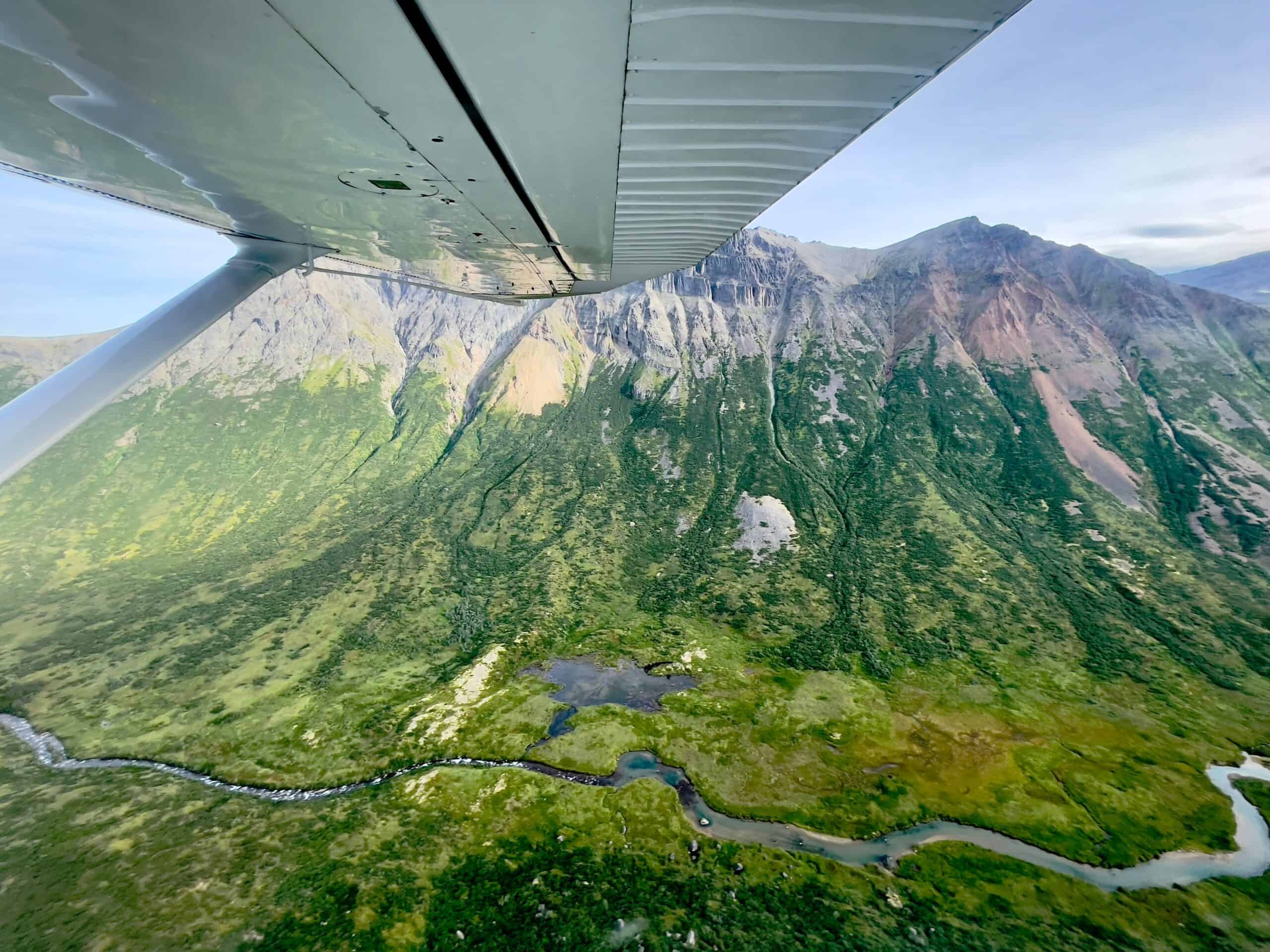
Backcountry flying safety includes preparation for when the flight doesn’t go as planned. Engine failures, weather trapping, off-airport landings — these happen in the backcountry at higher rates than in standard GA operations because the operating conditions are more demanding. Your response to emergencies in the backcountry depends heavily on preparation you did before departure.
Emergency Equipment: The Minimum Backcountry Kit
Every backcountry flight should carry a survival kit appropriate for the terrain and season. At minimum: a personal locator beacon (PLB) or satellite communicator (Garmin inReach, SPOT), first aid kit, fire-starting equipment, emergency shelter, signaling equipment, and food and water for 72 hours per person. Additionally, carry basic aircraft tools if you’re proficient with them. A field repair that gets you airborne is better than a multi-day wait for a rescue that may not come quickly.
A PLB or satellite communicator is the single most important piece of emergency equipment for backcountry operations. It works where cell phones don’t. It doesn’t require the aircraft’s radio to be functional. Register your PLB with NOAA at beaconregistration.noaa.gov. Unregistered PLBs generate rescue responses but delay identification and cause unnecessary burden on SAR resources.
Off-Airport Forced Landings
If you’re forced to land off-airport in backcountry terrain, the decision process is the same as any emergency landing: aviate first, then navigate, then communicate. Pick the best available terrain — aim for open flat areas, dry riverbeds, or meadows. Avoid trees when possible, but a controlled landing in trees at minimum speed is survivable. An uncontrolled crash isn’t. Slow the aircraft to minimum flying speed before impact. Tighten shoulder harnesses. Secure loose objects. Shut off fuel and master before touchdown if time permits.
After landing safely, stay with the aircraft unless it presents an immediate hazard. The aircraft is your shelter and your locator beacon. SAR crews look for aircraft on radar and visually. An aircraft is far easier to spot from the air than a person walking through trees.
Frequently Asked Questions About Backcountry Flying Safety
What training do I need before flying backcountry?
Before operating in backcountry environments, get specific instruction from a certificated flight instructor with documented backcountry experience. A mountain flying course, short-field landing clinic, or off-airport flying endorsement from a qualified instructor significantly reduces your risk. No YouTube video or article — including this one — substitutes for hands-on training with an experienced mountain pilot.
How do I evaluate whether a backcountry strip is safe to land on?
Evaluate strips in this order: research before you go, fly a high recon pass on arrival, assess surface conditions on the recon pass, compare strip length to your calculated landing distance with safety margin, check wind direction and obstacles, then decide. If any factor is unsatisfactory or unknown, don’t land. Find an alternate or return to base. A strip you’ve never landed at is not the place to push margins.
What’s the biggest backcountry flying safety mistake pilots make?
The biggest mistake is failing to establish and honor personal minimums before the flight. Pilots who set their go/no-go criteria in the air — under pressure, wanting to get to the destination, with beautiful terrain distracting them — consistently make worse decisions than pilots who committed to specific limits on the ground. Define your backcountry minimums in writing before you fly. Then follow them without negotiation.
Sources
- FAA Seaplane, Skiplane, and Float/Ski Equipped Helicopter Operations Handbook
- AVweb — Backcountry Flying Safety
Related Reading:
Building Your Backcountry Pilot Skill Set Progressively
Backcountry flying safety is built incrementally. The pilots who operate most safely in demanding off-airport environments didn’t start by landing at challenging mountain strips. They built their skill set progressively — starting with long, improved strips and advancing to shorter, more demanding terrain as skills and judgment developed. Attempting strips beyond your current ability level is one of the most consistent factors in backcountry accidents.
The Progressive Strip Difficulty Framework
Backcountry strips range from long, relatively flat improved strips that differ from standard airports mainly in surface material, to very short, sloped, one-way-in strips cut into mountainsides with significant obstacles and no go-around options. Approach your backcountry flying progression the same way you approach your overall aviation training: start at the lower end of the difficulty spectrum and advance only when you’ve demonstrated consistent proficiency at the current level. Additionally, get a checkout from a qualified backcountry instructor at each new category of strip before operating there solo.
Ground-Based Research at Destination Strips
Before flying into any unfamiliar backcountry strip, try to get a ground-level perspective if possible. Photos from pilots who’ve recently operated there, video footage, and detailed pilot reports from backcountry flying forums give you details that an aerial survey doesn’t capture — soft spots that are invisible from altitude, drainage patterns that affect ground conditions after rain, and obstacle sightlines that look different from the approach path than from directly overhead. The more information you have before you arrive, the better your pattern and landing decision-making will be.
Backcountry Flying Community Resources
The backcountry flying community is one of the most generous and knowledgeable in GA aviation. Pilots who fly these environments regularly share information actively — strip conditions, weather patterns, and local knowledge that can’t be found in any official publication. Connecting with this community before you fly new terrain gives you access to information that substantially improves your backcountry flying safety.
Specifically, look for regional backcountry pilot groups, online forums, and social media communities focused on off-airport operations in your target area. Pacific Northwest pilots, Alaska pilots, and mountain west pilots have particularly active communities with deep knowledge of local terrain and strips. Additionally, attending backcountry fly-ins — where experienced pilots gather at off-airport locations — provides direct access to both knowledge and mentorship that can accelerate your skill development safely.
E3 Aviation Editorial Team
The E3 Aviation Association editorial team is made up of licensed pilots, aviation educators, and industry professionals dedicated to advancing general aviation safety, community, and education. Learn more about E3 Aviation.



