Backcountry flying aircraft are purpose-built for the kind of flying most pilots only dream about. They land on gravel bars, beaches, and high-mountain meadows. They get in and out of strips so short that a standard GA trainer wouldn’t even line up. In fact, the backcountry aviation community represents some of the most skilled, disciplined flying in all of general aviation. This guide covers what makes a true backcountry aircraft, which types to consider, what modifications matter, and what every pilot needs to know before venturing off the pavement.
Last Updated: May 6, 2026 | By: The E3 Aviation Editorial Team
What Makes an Aircraft Right for Backcountry Flying
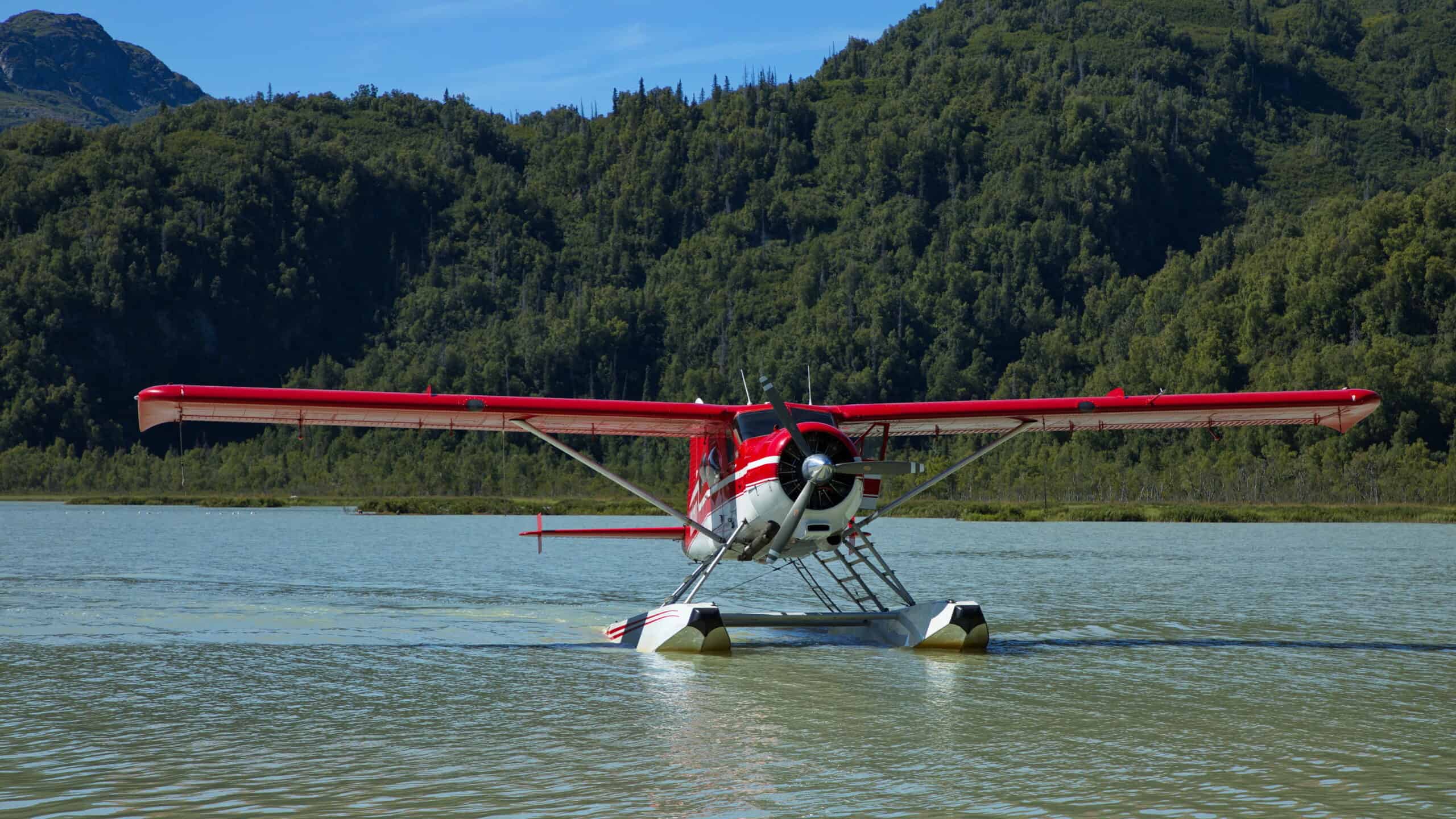
Not every GA aircraft belongs in the backcountry. Specifically, a good backcountry flying aircraft needs three things above all others: short-field performance, rugged construction, and forgiving low-speed handling. Without all three, backcountry ops become dangerous in a hurry.
Short-field performance means short takeoff and landing distances — ideally under 200 feet in soft conditions. Notably, most backcountry strips are unmaintained, sloped, one-way in and out, and surrounded by terrain. You need an airplane that rotates at 35 knots and climbs at a steep angle after liftoff. Typically, standard trainers and touring aircraft don’t deliver that.
Rugged construction matters because backcountry terrain is hard on airframes. In fact, gravel strips kick up rocks that damage props, cowlings, and leading edges. Rough surfaces stress gear legs. In the backcountry, an aircraft that’s been engineered for off-airport operations — with heavy-duty gear, robust belly protection, and wide-chord props — will outlast one that hasn’t. Generally, high wings with good ground clearance outperform low-wing aircraft in backcountry conditions.
Low-speed handling is the third pillar. Essentially, in the backcountry you’re often flying slow, heavy, and close to terrain. An aircraft that’s docile at low airspeeds, that gives you clear stall warning, and that recovers predictably is a survivable aircraft. One that doesn’t is a statistic.
The Best Backcountry Flying Aircraft Types
The Piper Super Cub — Still the Standard
The Piper PA-18 Super Cub has been the backcountry standard for 70 years. Indeed, it remains one of the most capable short-field aircraft ever built for general aviation. Its tandem seating, light empty weight, and powerful-for-its-size engine combine to produce extraordinary STOL performance. Specifically, a properly equipped PA-18-160 can lift off in under 200 feet on a standard day. That’s hard to beat.
Used Super Cubs are widely available and have a strong parts and support network. However, airframe condition varies enormously — corrosion, damage history, and major repairs are common in heavily-used backcountry aircraft. Always have a qualified A&P inspect any PA-18 before you buy.
CubCrafters Carbon Cub — Modern STOL Performance
For pilots who want Super Cub-style performance in a modern, certified package, the CubCrafters Carbon Cub FX and XCub are the current standard. Notably, CubCrafters has taken the PA-18 concept and improved it in every measurable way: stronger airframe, more efficient engine, better avionics integration, and dramatically improved short-field numbers. The CC363i engine in the Carbon Cub produces remarkable torque for its displacement.
That said, CubCrafters aircraft come at a significant price premium over used Super Cubs. For pilots who want factory support, modern avionics, and documented airframe history, the premium is justified. For pilots building skills on a tighter budget, a good used PA-18 remains a solid choice.
The Maule M-7 and Other Alternatives
The Maule M-7 is a four-place tailwheel aircraft with genuine backcountry credentials. Specifically, it delivers more useful load than a Super Cub while still offering strong short-field performance. It’s a popular choice for pilots who need to carry more gear — camping equipment, hunting supplies, or a passenger.
Also worth considering are the Kitfox, Aviat Husky, and Murphy Dragonfly for those willing to look beyond the Cub-type aircraft. Generally, any aircraft designed around high-lift wings, low stall speed, and light empty weight can be a viable option for backcountry operations with the right modifications and pilot skills.
STOL Performance — Why the Numbers Actually Matter
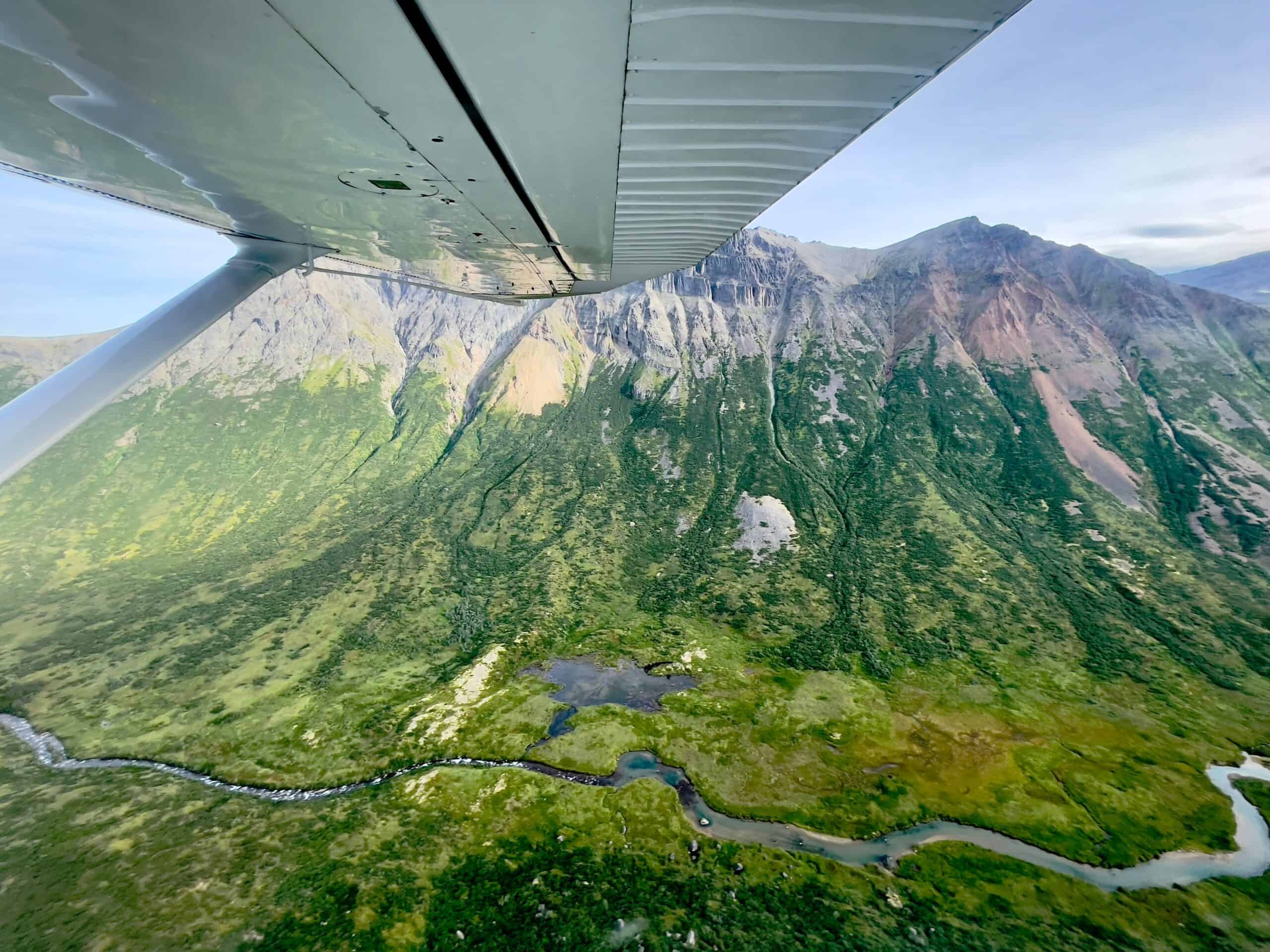
STOL stands for Short Takeoff and Landing. However, the term gets used loosely in aviation marketing, and not all “STOL-capable” aircraft are created equal. Specifically, you need to know your aircraft’s actual takeoff and landing distances at your operating weight — not the sea-level, standard-day, paved-runway numbers from the POH.
Here’s why this matters: backcountry strips are typically at elevation, often soft, and rarely level. Each of those factors degrades performance. For example, a strip at 5,000 feet MSL in summer heat can require 40–60% more runway than the same aircraft needs at sea level. If your POH says 300 feet on pavement, you might need 450–500 feet on a soft, uphill, high-altitude strip.
Ultimately, knowing your true numbers requires flight testing under real conditions. Work with a CFI who has backcountry experience. Practice weight-and-balance at max gross. Fly to a grass strip that matches your target performance envelope before you commit to a remote destination. That preparation is what separates pilots who have stories from pilots who become accident reports.
Essential Modifications for Backcountry Flying Aircraft
Tundra Tires — Your First Upgrade
Tundra tires — oversized, low-pressure tires — are the single most impactful upgrade for any backcountry aircraft. Specifically, they allow landings on surfaces that would destroy standard gear: soft sand, gravel bars, snow, and uneven terrain. Also, they absorb the harsh landings that rough terrain demands. Low tire pressure (3–5 PSI) distributes ground load and prevents sinking on soft surfaces.
Standard sizes range from 26 inches to 35 inches depending on the aircraft. Notably, the tradeoff is aerodynamic drag — tundra tires increase cruise drag noticeably on most aircraft. In the backcountry, that tradeoff is almost universally worth it.
Engine and Propeller Upgrades
More power means shorter takeoff rolls and better climb gradients out of tight strips. Many Super Cubs and similar aircraft run engine upgrades — the O-320 to O-360 conversion being the most common on PA-18s. Additionally, a ground-adjustable or constant-speed prop can significantly improve short-field takeoff performance.
Also essential: a prop with adequate ground clearance for rough operations. Tundra tires raise the nose, which helps. However, prop strikes on rocks and vegetation are a real risk in heavy backcountry use. Some operators run composite props specifically for their damage-resistance properties.
Structural and Safety Additions
Belly protection, wing leading-edge guards, and heavy-duty gear legs are all worth considering for serious backcountry operations. Also, a reliable ELT and personal locator beacon are non-negotiable. The backcountry is, by definition, remote — if you go down, the faster search-and-rescue finds you, the better the outcome.
Training Before You Fly the Backcountry
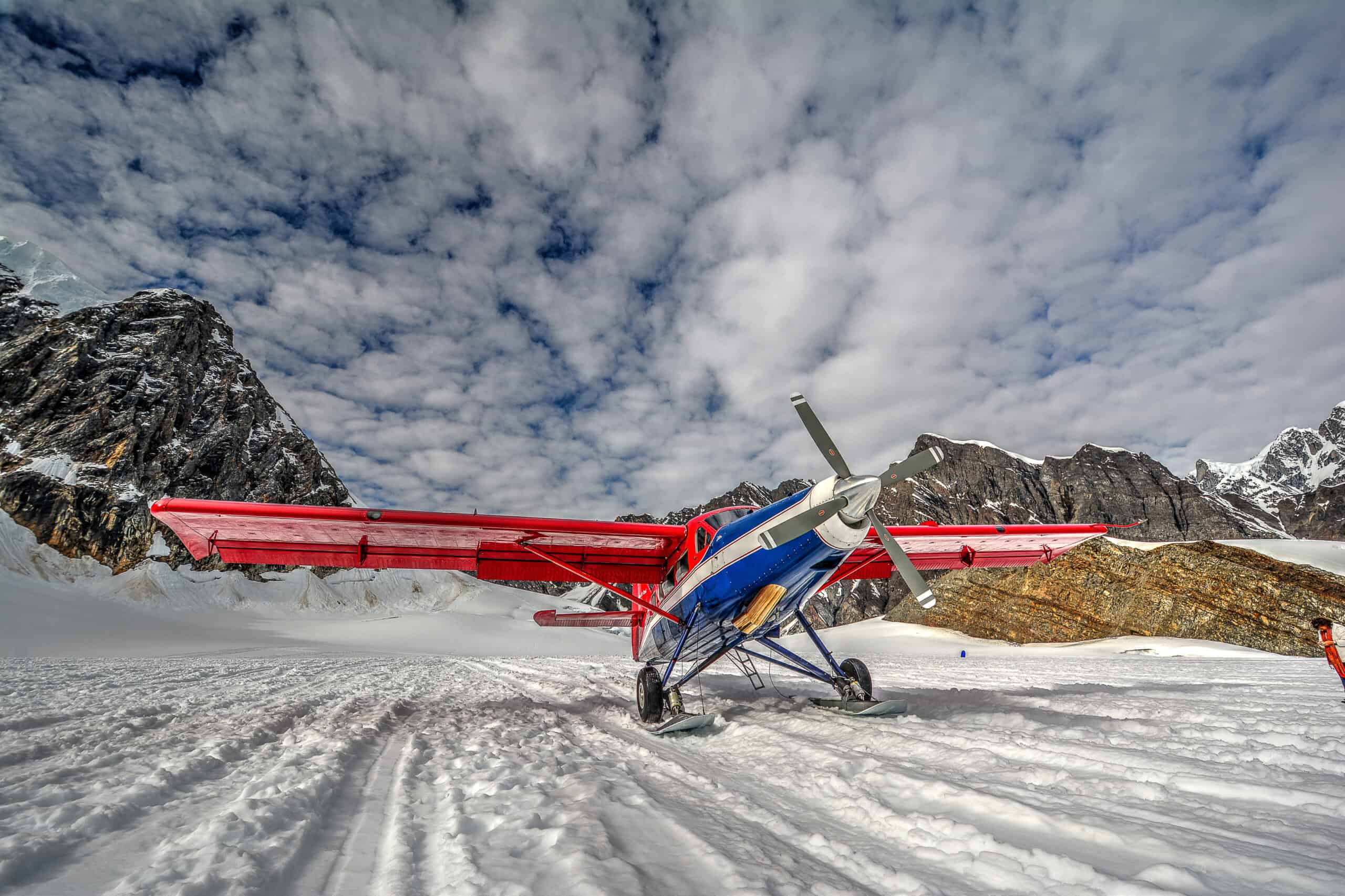
Owning a backcountry flying aircraft is only part of the equation. Indeed, backcountry flying techniques require specialized training that most standard flight training programs don’t cover. Tailwheel endorsement is a prerequisite for most backcountry aircraft. But that’s just the beginning.
Specifically, you’ll want hands-on instruction from a CFI who flies backcountry operations regularly. That means strip selection and evaluation from the air, terrain awareness and escape route planning, soft-field and short-field technique on actual backcountry strips, and weight-and-balance management at gross weight with gear aboard.
Also, understand that pilot decision-making in the backcountry is different from standard operations. Strip conditions can change between landing and takeoff. Weather moves fast. You can’t always go around. The NTSB backcountry accident record, documented in annual NTSB reports, consistently shows the same pattern: pilots who exceed their skill and aircraft limitations.
Generally, plan to spend 10–20 hours with a dedicated backcountry CFI before flying solo into remote strips. That investment pays dividends in both safety and capability.
What to Consider Before Buying a Backcountry Aircraft
A used Super Cub with a fresh annual and clean logs is worth significantly more than one with deferred maintenance and undocumented repairs. Notably, the backcountry fleet takes hard use. Corrosion, prop strikes, gear damage, and heavy landings are common in aircraft that have spent years operating off pavement.
Before buying any backcountry aircraft, have a prebuy inspection done by an A&P who specializes in tube-and-fabric or taildraggers — not a shop that primarily handles spam cans. Specifically, look for fabric condition, corrosion in the steel tubing, compression test results, and documented engine history. Also, review the logbooks for any major repairs or damage history.
Insurance is another factor often overlooked. Tailwheel and backcountry operations typically carry higher premiums, and some insurers require logged tailwheel time minimums or specific CFI endorsements before they’ll cover off-airport operations. Verify coverage before you close on any purchase.
Getting Into Backcountry Aviation
The best way to start is to connect with the community. Organizations dedicated to backcountry aviation offer fly-ins, mentorship programs, and resources for pilots who want to develop these skills. The FAA Airplane Flying Handbook provides foundational guidance on short-field and soft-field techniques, though it doesn’t replace hands-on instruction.
Also, reading the research on human error in GA accidents is sobering for any backcountry aspirant — most backcountry accidents follow familiar patterns that trained, prepared pilots avoid.
Ultimately, backcountry aviation rewards patience and preparation. Buy the right aircraft, get the right training, know your numbers, and build your experience progressively. The pilots who’ve been doing this for decades will tell you: there’s nothing in aviation quite like setting down on a gravel bar in the Alaskan wilderness with no one else for miles. It’s worth doing right.
Common Questions About Backcountry Aviation
What is the best backcountry flying aircraft for a first-time buyer?
The Piper PA-18 Super Cub remains the top recommendation for most pilots entering backcountry aviation. It’s proven, supported, and has genuine short-field capability. A clean, well-maintained Super Cub with a 150 or 160 hp engine and tundra tires is capable of nearly any backcountry mission a private pilot will encounter. That said, always have a prebuy inspection from a qualified A&P with taildrag experience before purchasing.
Do I need a tailwheel endorsement to fly backcountry aircraft?
Yes — virtually every capable backcountry flying aircraft is a tailwheel design. The Super Cub, Carbon Cub, Husky, and Maule are all tailwheel aircraft. Beyond the FAA-required tailwheel endorsement, expect to spend additional time with a backcountry-specific CFI before flying into remote strips independently. The endorsement opens the door — the training is what keeps you safe.
How much does a backcountry aircraft cost to operate?
Costs vary widely by aircraft type. A well-maintained used Super Cub runs $80,000–$180,000 to acquire. Annual inspections for backcountry aircraft are typically more involved than for standard trainers due to fabric inspection, gear wear, and more frequent prop checks. Budget $3,000–$6,000 annually for maintenance plus fuel, oil, and insurance. New CubCrafters aircraft run $250,000–$400,000+ but come with factory support and defined maintenance schedules.
E3 Aviation Editorial Team
The E3 Aviation Association editorial team is made up of licensed pilots, aviation educators, and industry professionals dedicated to advancing general aviation safety, community, and education. Learn more about E3 Aviation.