

Last Updated: July 14, 2026 | By E3 Aviation Editorial Team
You reach for the master switch. The fuel pump clicks. The panel wakes up. Behind the firewall a small pulley starts to spin. If everything is right, that spin becomes electrons. Those electrons feed your radios, your transponder, your fuel pump, and your primary flight display. For decades, that spinning device was a DC generator. Today, in almost every GA piston single, it’s an alternator. The difference isn’t just trivia.
Understanding the alternator vs generator tradeoff matters. It shapes what fails on your airplane. It shapes what it costs to fix. It even shapes whether you finish a flight with a working radio or a silent one. This is the 2026 GA owner’s primer on the alternator vs generator tradeoff. How each device works. Why alternators won the argument. When the older DC generator still shows up. What every pilot with a panel behind the yoke should know.
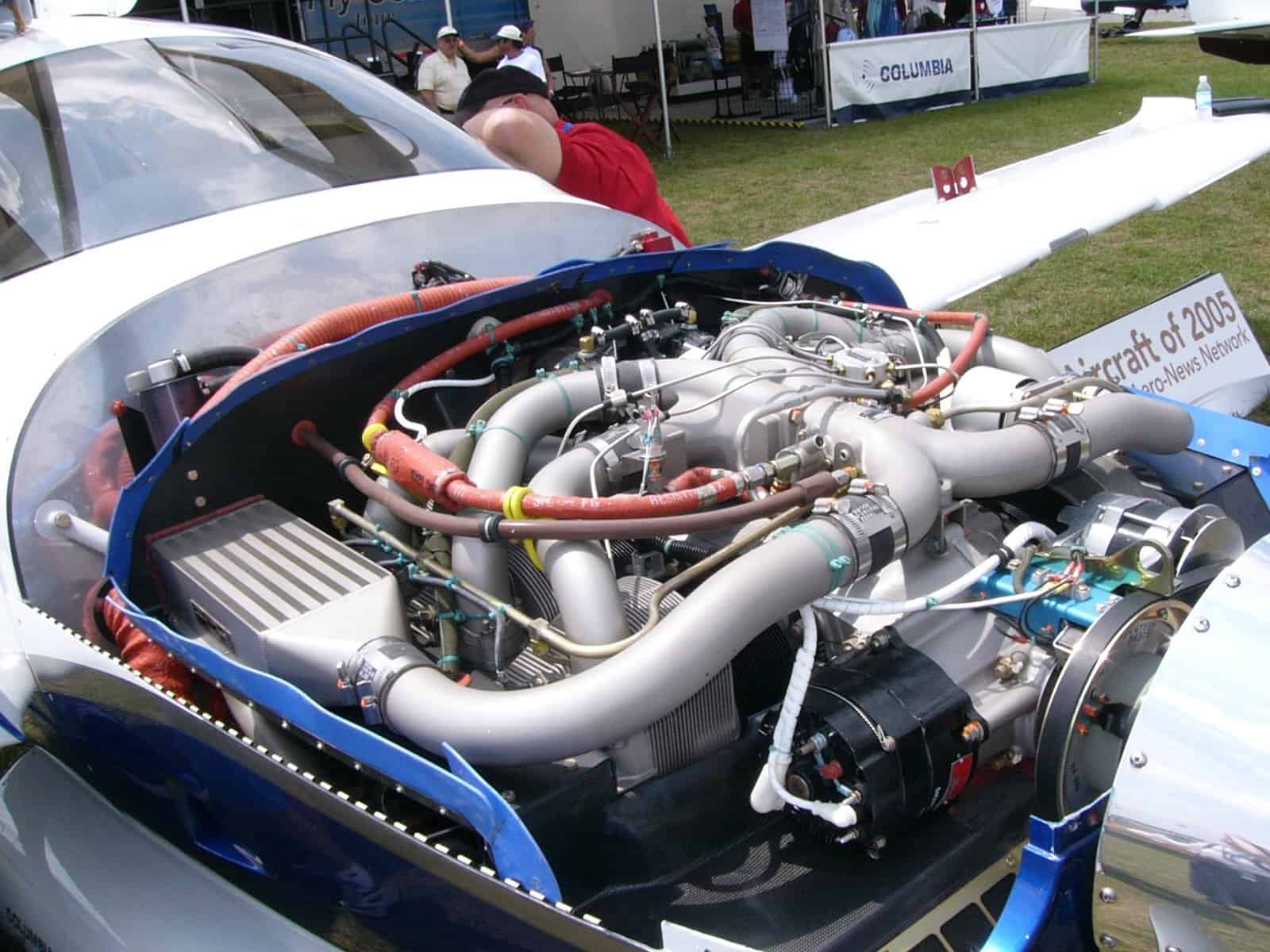
What Actually Sits Behind the Firewall
Every 14- or 28-volt GA piston aircraft has one job on the electrical side. Keep the bus alive. Keep the battery topped off. The FAA’s Pilot’s Handbook of Aeronautical Knowledge, Chapter 7, sums it up. An engine-driven alternator or generator supplies current and maintains battery charge. That’s it. That’s the whole job.
The device sits on the accessory case of the engine, driven by a belt or a small gear. Its shaft spins at some multiple of engine RPM. Inside, a rotating magnetic field induces current in stationary windings. That current becomes the source that runs everything on your airplane except the magnetos and the starter’s initial kick. If it fails, you’re on battery time. That’s usually 20 to 45 minutes. After that, bus voltage drops far enough to lose primary avionics.
The alternator vs generator question is really about how that electricity gets made. Both spin. Both need a magnetic field. Both feed a voltage regulator. But how they build voltage matters. How they behave at low engine speeds matters even more. That’s where the alternator vs generator answer stops being academic.
How a DC Generator Works — and Why It’s Rare Now
A DC generator is a direct-current machine. The rotor carries the armature windings. Brushes ride on a commutator, which mechanically switches the direction of the current so the output is always DC. Field poles are typically two to four magnetic poles surrounding the rotor. The whole thing is heavy. It’s noisy at high RPM. And here’s the part that matters in the cockpit. It doesn’t cut in until the engine is turning fast enough.
That last piece is the killer. A generator’s output is proportional to its shaft speed. At taxi RPM, most legacy DC generators can’t hit battery voltage. The diode in the regulator blocks the output. Your bus voltage droops. Sitting at the hold short with landing lights on and pitot heat firing? The battery is doing the work. Ask any pilot who owned an older Cessna 150 or an early Cherokee. They learned to keep RPM up during ground ops. Otherwise they wound up jumping the airplane at the FBO.
Generators are still out there. Antique warbirds still run original generators. So do some Piper Cubs. Early Cessna 140s and 150s. Some Beech Model 18s. Pre-1965 Bonanzas. And a handful of Ercoupes. They work fine when they work. But they fail more often than alternators. They weigh more. They cost more to overhaul. Worst of all, they leave you low on the bus when you need capacity most.
How an Alternator Works — the Simpler, Lighter Bet
An alternator flips the generator’s mechanical layout. The rotor is now the field winding, energized by a small DC current from the voltage regulator. The stator holds the output windings. Because the rotor field is a spinning electromagnet, you can control its strength electrically. That’s the key.
The stator produces three-phase AC. A diode bridge — the rectifier — converts that AC to DC before it ever reaches the bus. Alternators have eight to fourteen magnetic poles per FAA Chapter 7. That means usable voltage at much lower shaft speeds than a two-pole generator. Cut-in happens at low RPM, sometimes as low as engine idle. That means your bus stays fed at the hold short, during taxi, and any time the throttle is off cruise.
The other big win: no commutator, so no brush arcing on the current-carrying path. Alternator brushes still exist. They feed a small field current to the rotor. But they carry only a few amps, not the full output. Brushes last longer, wear parts cost less, and reliability climbs.
Alternator vs Generator: The Head-to-Head
Here’s the alternator vs generator comparison a GA owner actually needs at a glance:
- Output at low RPM: Alternator keeps the bus alive at taxi. Generator droops until engine RPM is up around 1,000-1,200.
- Weight: A 60-amp alternator weighs 8-12 pounds. An equivalent generator can run 20+ pounds. Every pound off the firewall is useful load back.
- Brush wear: Alternator brushes handle low field current only, so they last 500-1,000+ flight hours. Generator brushes carry full output current and often need replacing every 300-500 hours.
- Voltage regulation: Alternators use solid-state regulators (like the Zeftronics or B&C LR3C) that hold voltage steady across all RPMs. Older generator regulators use vibrating-contact points that wear and drift.
- Cost to overhaul: Alternator overhaul typically runs $295-$500 (Plane-Power quotes $295 flat rate). Generator overhaul often runs $500-$900 and parts are scarce.
- Replacement cost: A new Plane-Power Hartzell ER14-50 alternator ships for around $2,400 with STC. A new-old-stock generator, when you can find one, is similarly priced but with a shorter service life.
- Failure warning: Both throw a warning light and a low-voltage or negative-ammeter reading. Alternators tend to fail more gracefully. Output drops off. Generators are more likely to fail hard — burned commutator or seized bearing.
The comparison is not close. That’s why almost every certified piston single sold since 1966 came with an alternator. It’s also why the aftermarket has spent 30+ years converting the remaining generator-equipped fleet.
The Generator-to-Alternator Conversion Question
If your airplane still has a generator, you have a decision to make at every annual. Overhaul the old generator one more time, or convert to a factory-supported alternator?
The conversion answer for most GA owners is “convert” — and the aftermarket has made it straightforward. Plane-Power (owned by Hartzell) holds STCs for most generator-to-alternator conversions. That covers the vast majority of Continental and Lycoming piston singles and twins built before the factory alternator era. B&C Specialty Products holds similar STCs, focused on the experimental and specific certified fleet. A typical kit includes the alternator, a modern solid-state voltage regulator, brackets, hardware, and the STC paperwork.
What does it cost, all in? Budget the following for a Plane-Power conversion on a typical Cessna 150 or Piper PA-22:
- Kit (alternator + regulator + hardware + STC): $1,500-$2,500
- Installation labor: 6-12 shop hours at $110-$150/hour = $660-$1,800
- Weight & balance update: usually pennies
- Logbook and STC filing: 1-2 hours
Total: roughly $2,200-$4,300 for the complete swap. Compare that to a generator overhaul at $700+ every 500-700 hours. And you keep the reduced ground electrical capacity for as long as you own the airplane. Most owners recover the conversion cost inside two or three overhaul cycles. Better ground-ops electrical capacity is a bonus.
The one exception is if you own a warbird or an antique where original equipment matters for value. A P-51 or a T-6 keeps its generator for the same reason it keeps its round gauges. Everybody else should convert.

Reading Your Panel: Ammeter, Voltmeter, and What They’re Telling You
Every alternator- or generator-equipped GA airplane has one of two panel indicators. Sometimes both. Know which one you have. Know how to read it. That’s the difference between catching a failure at 500 feet or at 5,000 feet. With the warning light already three minutes old.
A zero-center ammeter reads current flow between the battery and the bus. Needle to the right of zero means the battery is charging (alternator producing more than the load). Needle at zero means the alternator is exactly matching the load. Needle to the left of zero means the battery is discharging. The alternator has failed or been switched off. The airplane is running on stored energy.
A left-zero ammeter (also called a loadmeter) reads only the alternator’s output. Zero means no output. Any positive number means the alternator is producing that many amps. A good habit: note the number early in the flight. Cross-check it whenever you scan the panel. A load meter that used to sit at 15 amps and now sits at zero? The alternator is offline.
A voltmeter reads bus voltage. A healthy 14-volt system sits between 13.8 and 14.4 volts with the alternator producing. A healthy 28-volt system sits between 27.6 and 28.8. Anything below 12.5 volts is a warning. Below 25 volts on a 28-volt system, same story. The battery is draining. The alternator isn’t keeping up.
Our take: if your airplane has only an ammeter and no voltmeter, spend the $200. Add a small panel-mount digital voltmeter. It’s the single most useful piece of electrical diagnostic gear you can add. It catches problems an ammeter misses. And it tells you exactly how much time you have on battery before the primary avionics start browning out.
Field, Regulator, and Bus: The Circuit Behind the Alternator
Understanding the alternator vs generator hardware is half the picture. The other half is what surrounds it: the field circuit, the regulator, and the master switch layout.
The field circuit is the small current that energizes the rotor’s electromagnet. It’s controlled by a switch on the panel — typically the “ALT” side of a split master switch. Turn it off and the alternator stops producing, even though the rotor is still spinning. This is your electrical circuit breaker of last resort. Say the alternator is throwing a runaway overvoltage condition. A bad regulator can push the bus to 16+ volts. Pulling the ALT switch removes the field current. The alternator drops offline immediately.
The voltage regulator controls how much current gets pushed to the field. More field current means a stronger rotor magnet, which means more output. Solid-state regulators like the Zeftronics R15V00 or the B&C LR3C hold bus voltage steady across all RPMs and load conditions. Older generator regulators used mechanical vibrating contacts that wore, drifted, and produced noticeable voltage fluctuations. If you own an alternator-equipped airplane with an original vibrating-contact regulator, upgrade it. Solid-state is one of the cheapest reliability wins you can buy.
The master switch arrangement matters. On most GA singles the master is a two-pole rocker. One side controls the battery contactor. The other controls the alternator field. The wiring lets you kill the alternator without killing the battery bus. That’s exactly what you want during a runaway overvoltage event. Older airplanes with a single-pole master work differently. Battery only. No separate alternator switch. You’re either fully on or fully off. The alternator’s field is energized through a fuse or breaker that must be pulled by hand.
What an Alternator Failure Actually Looks Like
Alternator failures in a typical GA piston single are quiet events. There’s no bang, no smoke, no vibration. The first sign is almost always a small amber “ALT” annunciator, or the ammeter needle drifting to the discharge side. If you’re not scanning the panel, you’ll miss the first minute or two. That’s exactly when action still costs you nothing.
The classic sequence:
- The ALT annunciator illuminates. Voltage drops from ~14 volts to ~12 volts as the airplane transitions to battery-only.
- The ammeter shows discharge (needle to the left of zero) or the loadmeter drops to zero.
- Non-essential loads (landing light, cabin lights, pitot heat) start pulling the bus voltage down faster.
- Over 15-30 minutes, bus voltage falls below 11 volts. Primary displays begin flickering. Some radios drop out.
- At around 10 volts, most GA transponders lose Mode C output. Below 9 volts, the bus is functionally dead.
The pilot response is checklist-driven and reads verbatim from most POHs:
- Confirm the failure with a voltmeter and ammeter cross-check.
- Attempt a reset. Cycle the ALT switch off, then on.
- If reset fails, shed non-essential loads.
- Declare intent to land at the nearest suitable airport.
- Keep essential loads on battery only.
- Land within 30-45 minutes. Preserve enough battery for gear extension, flap operation, and radio on the approach.
Retractables need extra reserve. Plan accordingly.
The 2026-04 article we wrote on vacuum system failure recognition covers a parallel pattern — same discipline, different system. Both failures reward pilots who scan the panel and act inside the first three minutes. Both punish pilots who miss the first cues.
Alternator Belts, Cooling, and the Maintenance Owners Actually Do
The mechanical side of the alternator gets less attention than it deserves. Belt-driven alternators are the setup on most Continental and Lycoming installations. They depend on belt tension and healthy pulley alignment. A slipping belt means an alternator that can’t spin fast enough to hit rated output. A misaligned belt eats itself and the alternator’s front bearing.
Preventive maintenance items an owner should track:
- Belt tension check at every 100-hour or annual. A properly tensioned belt deflects roughly ½ inch under moderate thumb pressure at the midpoint of the longest span. Too tight burns bearings. Too loose slips.
- Belt condition inspection. Look for glazing (shiny surface, poor grip), cracking, chunking, or oil contamination. Replace at any of the above, or every 400-500 hours regardless.
- Cooling scoop and duct inspection. Most alternators depend on a small ram-air scoop to pull cooling air across the case. If the scoop is dented, missing, or the duct is disconnected, the alternator runs hot and life drops fast.
- Wiring and connector check. The B-lead (the fat wire from the alternator to the bus) carries full output current. A loose or corroded connection makes heat, drops voltage, and eventually fails. Same story for the field lead and the ground strap.
- Brush inspection at overhaul. Not owner-work — send it to a repair station. Plane-Power’s flat-rate overhaul runs $295. That’s often cheaper than the parts alone if you tried to DIY the job. Same for B&C.
Owners who log belt tension and inspection dates in a spreadsheet catch problems weeks or months early. Those problems would otherwise become in-flight failures. The borescope inspection habit applies here too. Cheap tools plus a documentation habit prevents expensive events.
Dual-Alternator Airplanes: The Cirrus Model
Some certified singles come from the factory with two alternators. Every current Cirrus SR20 and SR22. Every SR22T. Some late-model Piper Meridians. That’s not marketing. It’s a design decision that reflects what modern glass panels demand.
Alt 1 on a Cirrus is a 60-amp main alternator on the front accessory case. Alt 2 is a 20-amp backup driven off the vacuum pad. If Alt 1 fails, Alt 2 picks up the essential bus. PFD, MFD, comms, transponder, essential instruments. The pilot gets enough time to complete the flight without shedding to battery-only. Same design philosophy as a dual vacuum pump on an older twin. Redundancy where a single failure would kill IFR capability.
The tradeoff is complexity. Two alternators. Two regulators. Two field circuits. Two overvoltage protection paths. The Cirrus alternator-failure checklist is longer than a single-alternator Cessna’s. More states to work through. But when Alt 1 fails at 8,000 feet in IMC, the panel stays lit. That’s the entire point.
For twins, the standard is one alternator per engine. They’re cross-tied through a bus. Either alternator can carry the full electrical load. Same pattern as the pitot-static system redundancy design. Critical systems get parallel paths.
What to Do When You Buy an Airplane With a Generator
If you’re shopping for a 1960s or earlier certified single, you’ll see generators in the specifications. Don’t panic — but do plan.
Our take, based on watching owners work through this: budget the conversion into your pre-purchase cost model. A Cessna 150 with an original generator will need a conversion eventually. A Piper PA-22 Colt with a generator will too. Better to know that going in. Price it into the offer. Otherwise you’ll be surprised at the first annual. That’s when the mechanic finds worn brushes and asks whether you want to overhaul or convert.
Ask the pre-purchase mechanic these three questions:
- What’s the current generator’s health? Brush wear, output at cruise RPM, and any signs of commutator arcing.
- Is there a Plane-Power or B&C conversion STC for this specific serial number and engine combination?
- What’s the installation labor estimate for the conversion at this shop?
Real numbers on those three items give you leverage. Negotiate the price down (to fund the conversion). Or walk into the deal with eyes open. The GA aircraft ownership cost breakdown covers the broader financial picture. Electrical system conversion is one of the few one-time modernization items that pay for themselves quickly.
Frequently Asked Questions
Is it worth converting an old generator to an alternator?
For nearly every certified GA piston single with a generator, yes. The conversion typically pays back in two overhaul cycles. It adds ground-ops electrical capacity. It drops firewall-forward weight. It improves reliability. The exception is antique warbirds and show aircraft where original equipment matters for value.
How long does an aircraft alternator last?
A well-maintained modern GA alternator typically runs 1,000-2,000 flight hours between overhauls or replacement. Failure is often driven by bearing wear, brush wear on the field circuit, or diode failure. Belt tension, cooling airflow, and clean B-lead connections are the biggest life extenders.
Can I fly a GA airplane with the alternator inoperative?
Legally, day VFR only in most cases, and only if your POH’s minimum equipment list allows it. Practically, you’re on battery time. That’s usually 20-45 minutes at reduced electrical load. Any flight after an alternator failure should be a short leg to a maintenance facility. Not a continuation of the planned trip.
Our Take on Alternator vs Generator
The alternator vs generator question isn’t really an argument anymore. Alternators won. They’re lighter. They cut in at lower RPM. They wear less. Every modern GA panel is designed around the steady voltage they provide. The only reason a generator still shows up is legacy. An airplane built before the alternator era. Kept close to original for value, sentiment, or antique-category paperwork.
The interesting question in 2026 is not which technology to pick when you buy new. It’s how well you understand what’s already behind your firewall. If you own an alternator-equipped airplane, maintenance discipline is what decides your outcome. Belt tension, cooling airflow, and B-lead connections determine whether your electrical system is a quiet win or a periodic problem. If you own a generator-equipped airplane, the conversion decision is a “when,” not an “if.”
Either way, the pilot who scans the ammeter or voltmeter every sweep catches failures early. That pilot knows what a normal reading looks like. That pilot lands at an airport of their choosing. The pilot who doesn’t scan finds out on final approach, when the panel starts flickering. That’s not an equipment problem. That’s a discipline problem.
E3 Aviation is a community of GA owners and pilots sharing hard-won lessons like this. Want to talk shop with owners who’ve done the conversion? Replaced belts on the ramp? Debugged an intermittent regulator on a Saturday morning? Join us here.
External Authority References
- FAA Pilot’s Handbook of Aeronautical Knowledge, Chapter 7 — Aircraft Systems
- Plane-Power Generator-to-Alternator Conversion STCs
- Hartzell — Top Tips for Troubleshooting Your Aircraft’s Alternator
- SKYbrary Aviation Safety — Aircraft Electrical Systems
- KITPLANES — Alternator and Voltage Regulator Problems
Related Articles
- Vacuum System Failure Recognition
- Borescope Inspection: A GA Owner’s Guide (2026)
- Pitot-Static System Failures: A 2026 GA Pilot Guide
- Aircraft Spark Plug Maintenance: A GA Owner’s Guide (2026)
- Aircraft Propeller Overhaul: The GA Owner’s Guide for 2026
- Aircraft Magneto Checks: A GA Pilot’s Pre-Flight Guide
- GA Aircraft Ownership Cost



