If you’ve flown a piston aircraft for any length of time, you’ve touched the mixture control. But if you’re only using it to prevent engine roughness on a hot-day climb, you’re leaving real money and engine life on the table. Lean of peak — LOP — is a fuel mixture management technique that saves fuel, lowers cylinder head temperatures, and extends engine life. For many GA pilots flying cross-country in cruise, it’s the smartest way to run a piston engine.
This guide covers how lean of peak works and the exact cockpit procedure for getting there. It also covers when to stay rich of peak instead, and the real fuel savings numbers over an engine’s life. No mystery — just engine management that makes sense.
What Is Lean of Peak?
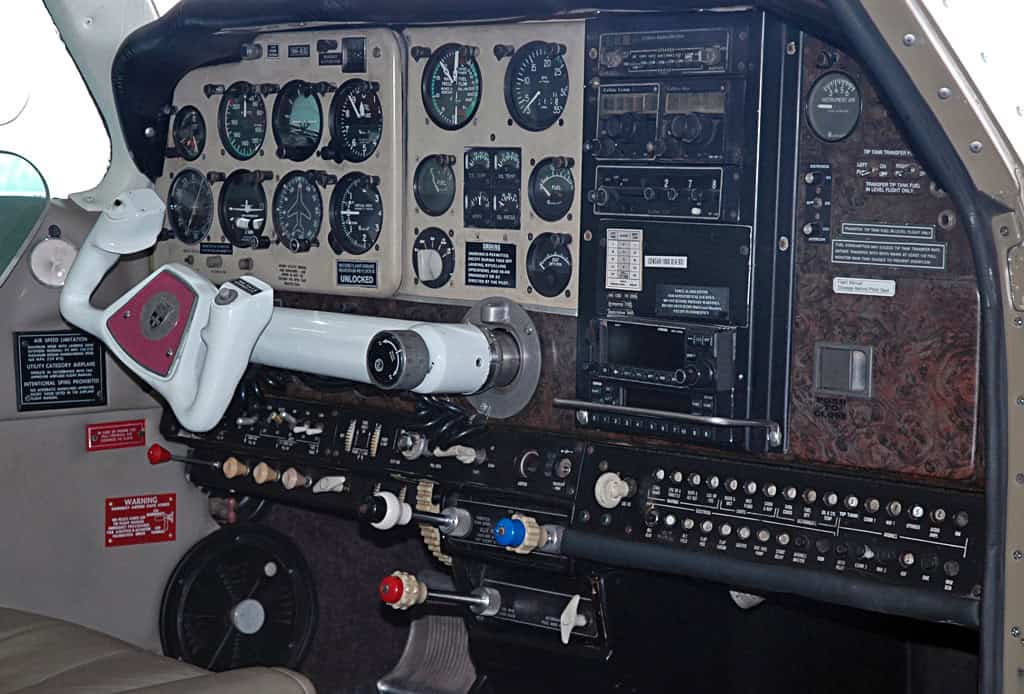
The mixture control adjusts the ratio of fuel to air entering your engine. Push it forward and more fuel enters. Pull it back and less fuel enters. As you lean the mixture, exhaust gas temperature (EGT) rises — up to a point. That point is called peak EGT. Lean of peak means operating with less fuel than what produces peak EGT, while rich of peak means operating with more fuel than peak EGT requires.
The key insight is that peak EGT is a landmark, not a destination. Specifically, it’s a reference point that tells you exactly where your engine sits on the rich-to-lean spectrum. From there, you choose how many degrees rich of peak or lean of peak to operate. For example, “100 degrees rich of peak” and “50 degrees lean of peak” are both precise, meaningful power settings. Each is far more useful than a fuel flow number alone.
Why does fuel flow alone tell you less? Because at 14 gallons per hour, your engine could be rich of peak, at peak, or lean of peak. It depends on altitude, OAT, manifold pressure, and RPM. Degrees from peak EGT cuts through all of that ambiguity.
Reading the EGT Curve
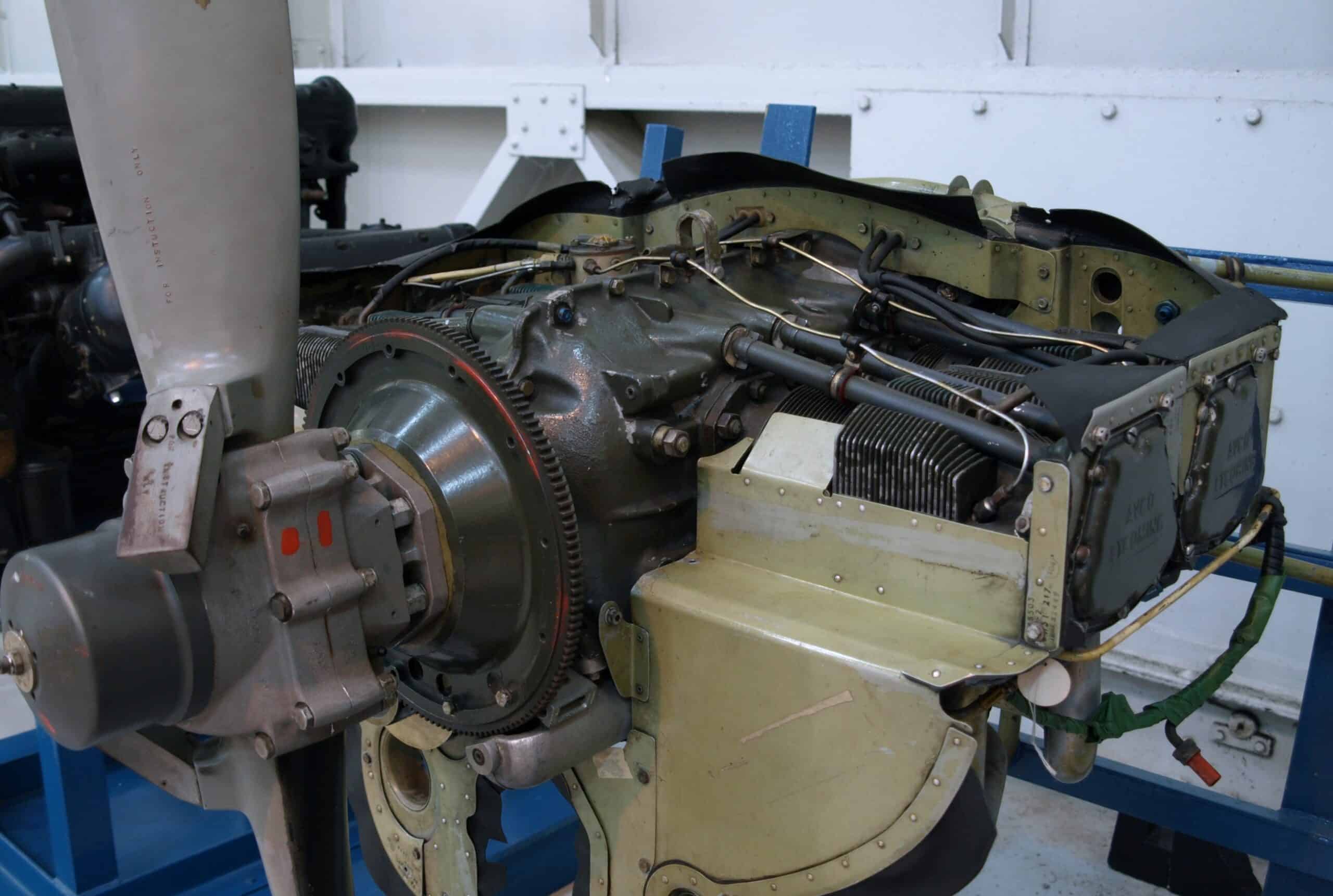
To understand lean of peak, you need a mental picture of the EGT curve. Imagine a graph with fuel flow on the horizontal axis and EGT on the vertical axis. As you pull the mixture from rich toward lean, EGT climbs steadily to a maximum — peak EGT. Then it falls back down as you continue leaning. The curve forms an inverted U, with peak EGT at the top.
Two other curves ride alongside EGT on this graph. Horsepower follows a similar shape but peaks slightly richer than peak EGT. On the lean side, horsepower drops off more steeply — the lean-side slope is sharper. Cylinder head temperature (CHT) mirrors the horsepower curve: peaking somewhat rich of peak, then declining as you move lean.
This means lean of peak gives you three things simultaneously: lower fuel burn, lower CHT, and lower horsepower. The speed penalty is real but modest. Moreover, the fuel and temperature benefits more than justify that trade-off on most cross-country flights.
One more important distinction: EGT changes almost instantly when you move the mixture. CHT follows, but slowly — it can take two to three minutes to stabilize after a mixture change. As a result, pilots sometimes assume their engine is settled on a given mixture setting. In reality, the CHT may still be climbing toward its new equilibrium. Always allow time for CHT to stabilize before calling a lean of peak setting dialed in.
How to Fly Lean of Peak Step by Step
The basic procedure is straightforward. In cruise at 65% power or below, watch your engine monitor and pull the mixture back while observing EGT. You’ll see EGT rise on individual cylinders. When EGT peaks and starts to fall, you’ve found peak EGT for that cylinder. Continue leaning past peak to reach your target setting — typically 25 to 50 degrees lean of peak for cruise.
At higher power settings, you need to move quickly through the area just lean of peak — the so-called “red box” (covered below). The correct technique at high power is to pull the mixture in one continuous motion, past peak in a single pull. Enrich slightly from there to find peak EGT from the lean side. Then fine-tune to your desired lean of peak setting.
Which cylinder do you reference when finding peak EGT? Always the last cylinder to reach peak EGT on your engine monitor. In a multi-cylinder engine, each cylinder reaches peak at a slightly different fuel flow. The last cylinder to peak is the one you confirm before calling yourself fully lean of peak. On most engines, this will always be the same cylinder — identify it during your first LOP session and it won’t change.
What Changes When You Go LOP

The numbers tell the story. In the example below, a normally aspirated six-cylinder engine at 9,000 feet, wide-open throttle, approximately 65% power:
| Parameter | Rich of Peak (100° ROP) | Lean of Peak (25° LOP) | Change |
|---|---|---|---|
| Fuel Flow | 15.5 GPH | 12.1 GPH | −3.4 GPH |
| Indicated Airspeed | 143 KIAS | 135 KIAS | −8 knots |
| True Airspeed | 165 KTAS | 155 KTAS | −10 knots |
| Cylinder Head Temp | 305°F | 285°F | −20°F |
| Fuel Economy | 11.7 nm/gal | 14.4 nm/gal | +23% |
Ten knots of true airspeed in exchange for 3.4 gallons per hour and a 20-degree drop in CHT. On a two-hour flight, you arrive four to five minutes later but burn nearly seven gallons less fuel. Over any meaningful number of hours, those savings are substantial — both in direct fuel cost and in reduced engine wear.
The CHT reduction deserves particular attention. Metal loses strength as temperature rises. Therefore, a cooler cylinder is a stronger cylinder, with better resistance to the high internal pressures created during combustion. Every degree you keep off the CHT buys longevity. A consistent 20-degree reduction over thousands of engine hours adds real protection for the cylinder walls, rings, and valves.
The Red Box: What to Avoid at High Power
Not all mixture settings between rich of peak and lean of peak are created equal. There is a range — the red box — that combines the worst of both worlds. CHTs run elevated from combustion heat, and internal cylinder pressures are high from operating near peak power. Consequently, running in this range at high power stresses the engine without giving you the benefits of either a rich or lean setting.
Practically speaking: at high power settings, stay at least 150 degrees rich of peak when operating ROP. If running LOP, stay at least 50 degrees lean of peak. The zone between those two boundaries — roughly “somewhat lean but not lean enough” — is where you don’t want to be.
At 65% power and below, the red box disappears. Internal cylinder pressures are low enough that mid-range mixture settings carry no special risk. Most GA cruise flight at altitude falls into this category — which is exactly why lean of peak is so practical for cross-country flying.
When transitioning from rich to lean of peak at high power, move quickly. One continuous pull past peak minimizes time spent in the red box. Don’t creep through slowly looking for peak EGT from the rich side. Get past it, then fine-tune from the lean side.
When Rich of Peak Is the Right Call
Lean of peak is not appropriate for every phase of flight. Rich of peak is the correct choice when:
- Takeoff and full power operations. Full rich (or density-altitude-adjusted rich) for takeoff. The extra fuel provides cooling and ensures maximum available power.
- Climb. Climb power typically exceeds 75% on normally aspirated engines at lower altitudes. Stay rich of peak — at least 150° ROP — until you’ve reduced power for cruise or climbed to where power drops to 65% or below.
- Time-critical flights. If speed matters more than fuel cost, rich of peak gives you the best cruise speed. The horsepower curve peaks slightly rich of peak, so this is where you find maximum performance.
- Turbocharged engines at high manifold pressure. Higher boost means higher cylinder pressures. Be conservative with mixture settings and follow your POH and engine manufacturer guidance carefully.
The right mental model: lean of peak is a fuel efficiency and engine longevity tool for cruise. Rich of peak is a power tool for high-demand phases of flight. Use each where it belongs.
Not Every Engine Can Run Lean of Peak
Here’s an honest caveat: not all engines run smoothly lean of peak. Forcing LOP on an engine that won’t cooperate is not the answer. The reason comes down to mixture distribution across multiple cylinders.
In theory, every cylinder receives the same air-fuel ratio. In practice, the induction system delivers slightly different mixtures to different cylinders. When operating rich of peak, this variation matters less. The power curve is relatively flat on the rich side, so cylinder-to-cylinder differences produce only small variation in power output. On the lean side of peak, however, the power curve is steeper. As a result, the same spread in mixture distribution produces much larger differences in power between cylinders — causing vibration and roughness.
Carbureted engines are particularly susceptible. The carburetor distributes fuel-air mixture through the induction manifold, and uneven distribution is a known limitation. Carb heat helps marginally — warmer air promotes more even mixing. Even so, carbureted engines often can’t achieve stable lean of peak without significant roughness. Fuel-injected engines have an advantage because each cylinder gets its own injector, though stock injectors are not perfectly matched from the factory.
GAMI Injectors: Fix for Engines That Can’t Run Lean of Peak
General Aviation Modifications, Inc. (GAMI) manufactures a set of replacement fuel injectors — GAMIjectors — designed to solve the uneven mixture distribution problem. Each injector is individually calibrated to deliver a slightly different fuel flow. This compensates for the real-world variations in your engine’s induction system. The result is a tighter spread of peak EGTs across all cylinders. The last cylinder to peak does so much closer to the others, letting you operate lean of peak without the roughness that would otherwise make it impractical.
If you have a fuel-injected engine and can’t reach stable lean of peak operations, GAMIjectors are typically the first thing to investigate. They’re an STC-approved modification and widely used throughout the GA fleet. The alternative — staying rich of peak indefinitely — costs you the fuel savings and cooler CHTs that lean of peak makes possible.
Lean of Peak Fuel Savings: The Numbers
The fuel savings from consistent lean of peak operations over an engine’s life are not trivial. Run the math against a typical TBO:
- TBO: 2,000 hours
- Lean of peak hours (75% of TBO, excluding takeoff/climb/high-power): 1,500 hours
- Fuel savings per hour: 3.4 GPH (15.5 GPH ROP vs. 12.1 GPH LOP)
- Total fuel saved: 1,500 × 3.4 = 5,100 gallons
- At $4.87/gallon average avgas price: approximately $24,800 saved
That’s roughly the cost of one engine overhaul — paid for by fuel you didn’t burn. Additionally, cooler CHTs and reduced cylinder pressures over those 1,500 hours mean your engine reaches TBO in better condition. Running rich of peak in cruise simply can’t deliver that.
Lean of peak isn’t just about saving money on fuel today. Ultimately, it’s an operating philosophy that treats engine longevity as a priority — and the math supports it strongly.
Start with an Instructor Who Knows LOP
If you’ve never flown lean of peak before, your first LOP session is best done with a flight instructor who knows the technique and your specific aircraft. Every engine has its own personality — where peak EGT falls, which cylinder peaks last, how CHT behaves on the lean side. An experienced instructor helps you validate the numbers for your airplane. Together you can confirm you’re operating correctly before making LOP a standard part of your flying.
Reading your engine monitor carefully during lean of peak builds real situational awareness. That same discipline pays dividends in IFR training and other advanced flying scenarios. For deeper study, John Deakin’s “Pelican’s Perch” column — available free online — remains one of the best engine management references ever written. Advanced Pilot Seminars (APS) covers lean of peak and engine management comprehensively in a live weekend format.
The fundamentals are not complicated. Watch your EGT, find peak, go past it, let the CHT settle, and fly the lean side of the curve. Consequently, the engine runs cooler, the fuel tanks drain more slowly, and the math works strongly in your favor over time.
Fly Smarter. Join E3 Aviation.
E3 Aviation Association connects GA pilots with the knowledge, community, and resources to fly better. If you’re serious about aircraft ownership, engine management, and getting more out of every flight hour, E3 is built for pilots like you. Learn more and join E3 Aviation →