Buying an aircraft without a pre-buy inspection is one of the most expensive mistakes a pilot can make. Airframe corrosion, hidden airworthiness directive compliance gaps, engine damage, and logbook discrepancies don’t show up on a test flight — they surface six months later when you’re writing a check you didn’t plan for. A proper aircraft pre-buy inspection is the single best investment you can make before closing on any aircraft purchase. This guide covers exactly what a pre-buy covers, how to find the right mechanic, what the results mean, and how to use them in the negotiation.
What Is an Aircraft Pre-Buy Inspection?
An aircraft pre-buy inspection is a comprehensive evaluation of an aircraft conducted by an independent mechanic or shop before the sale is finalized. Unlike an annual inspection, the pre-buy is not a regulatory requirement — it’s a buyer’s due-diligence tool, and it’s paid for by the buyer. Specifically, it gives you an objective, third-party assessment of the aircraft’s actual condition before you commit your money.
The scope of a pre-buy varies depending on what you negotiate with the seller and the mechanic, but most thorough pre-buys go deeper than an annual. Additionally, a good pre-buy mechanic will pull airworthiness directive research, review the logbooks in detail, and document every squawk they find — not just the ones that would fail an annual. The goal is not to find reasons to walk away. Rather, the goal is to give you a clear picture of what you’re buying.
Why Every Aircraft Buyer Needs One
The used aircraft market has no lemon law. Once you close, the aircraft’s problems become your problems. Moreover, aircraft that look clean on the outside and fly well on a demo flight can have serious underlying issues that only a trained eye can catch. Corrosion inside wing spars, cracked engine cases, improper repairs, missing logbook entries, and AD non-compliance are all examples of problems that don’t announce themselves from the cockpit.
Pre-buy inspections also give you negotiating leverage. If the inspection turns up $8,000 in deferred maintenance, you have documented justification to adjust the purchase price or walk away entirely. In contrast, buying without one leaves you with no recourse and no data. Ultimately, the cost of a pre-buy — typically $500 to $2,000 — is a small fraction of what it protects against.
How to Find the Right Inspector
The single most important rule for a pre-buy inspection is this: the mechanic must be independent of the seller. Specifically, do not use the seller’s regular shop, the seller’s A&P, or anyone with a financial relationship to the seller. An independent mechanic has no incentive to downplay what they find.
Type-specific experience matters. A mechanic who works primarily on Cessnas will have a different eye on a Piper Malibu than one who works on it regularly. Therefore, find a mechanic or shop that has direct experience with the aircraft type you’re buying. Type clubs — the Cessna Pilots Association, the American Bonanza Society, the Piper Owner Society — maintain lists of recommended shops by region.
IA authorization is preferred. An Inspection Authorization holder can conduct the inspection and, if the owner agrees, convert it to an annual — saving duplication of effort. Additionally, an IA’s annual sign-off protects you from having to immediately spend money on a separate annual after purchase.
Location logistics. Ideally, the pre-buy is performed at a neutral shop — not the seller’s hangar and not your home airport. If the aircraft needs to fly to a shop, negotiate who covers that cost. Typically, the buyer covers ferry costs, but this is negotiable.
What the Pre-Buy Inspection Covers
A thorough aircraft pre-buy inspection goes well beyond a visual walkaround. Specifically, it covers the airframe, engine, avionics, and documentation in detail. The video below from E3 Aviation Association walks through exactly what mechanics are looking for during a pre-buy.
Airframe inspection. The mechanic will inspect for corrosion, cracks, and evidence of damage history — especially in the wing spars, carry-through structure, and fuselage skin. Furthermore, they’ll look for signs of previous repairs, which may or may not be properly documented. Any repair that required a Form 337 should be in the aircraft records — missing 337s are a red flag.
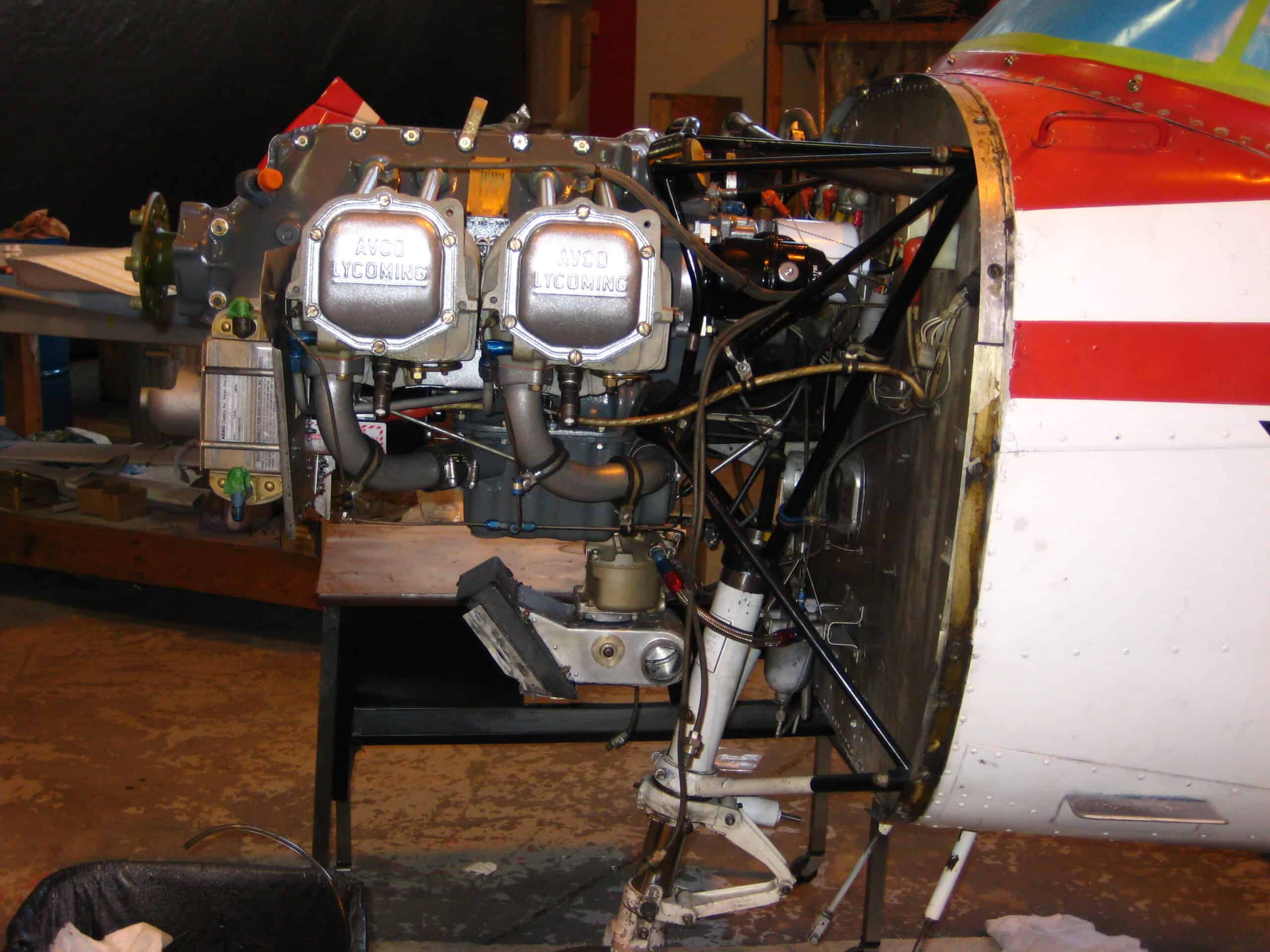
Engine and powerplant. A compression check is standard on all cylinders. Moreover, a borescope inspection of the cylinder walls, valves, and pistons gives a much clearer picture than compression alone. Oil analysis, if recent samples are available, can reveal early signs of metal contamination. The mechanic will also check the engine logbooks against the actual engine and note time since major overhaul, time since top overhaul, and any relevant ADs.
Propeller and landing gear. Propeller condition is checked for nicks, corrosion, and evidence of ground strikes — which can cause internal damage not visible externally. Additionally, landing gear systems, brakes, and wheel assemblies are inspected for wear and proper rigging.
Avionics and electrical. All avionics are powered up and checked for proper function. Consequently, expired transponder certifications, inoperative equipment, and non-TSO’d equipment installed as primary are all noted. Wiring condition in the panel and behind it is also evaluated.
Logbook and records review. This is where experienced mechanics find the most issues. Specifically, the mechanic will look for annual inspection continuity, AD compliance documentation, major repair and alteration 337s, engine and propeller records going back to manufacture, and any gaps or irregularities in the maintenance history.
Aircraft Pre-Buy Inspection Checklist
| Area | What’s Checked | Red Flags |
|---|---|---|
| Airframe | Corrosion, cracks, damage history, skin condition | Undocumented repairs, hidden corrosion, missing 337s |
| Engine | Compression, borescope, oil analysis, logs | Low compression, metal in oil, approaching TBO |
| Propeller | Nicks, damage, ground strike history | Strike history without teardown, excessive wear |
| Landing gear | Rigging, brakes, wheels, struts | Worn brake discs, improper rigging, damaged struts |
| Avionics | Function check, certifications, wiring | Expired transponder, failed equipment, old wiring |
| Logbooks | Annual continuity, AD compliance, 337s | Gaps in records, missing ADs, unsigned entries |
| ADs | Open and recurring ADs for airframe, engine, prop | Non-compliant ADs, recurring ADs near due time |
What a Pre-Buy Inspection Costs
Pre-buy inspection costs vary by aircraft type, shop location, and scope. For a simple single-engine piston like a Cessna 172 or Piper Cherokee, expect to pay $500 to $1,200 for a thorough inspection. More complex aircraft — turbocharged singles, twins, and turboprops — typically run $1,500 to $3,000 or more. Additionally, if the aircraft needs to be disassembled or if a test flight is included, the cost increases accordingly.
If the seller refuses to allow a pre-buy inspection, walk away. Specifically, a seller who won’t allow an independent inspection of their aircraft is telling you something important about what that inspection would find. No legitimate seller objects to a buyer doing their due diligence.
How to Use the Results in Negotiation
The pre-buy report is a negotiating document, not just a go/no-go decision tool. Once you have the results, you have three basic options: accept the aircraft as-is if the findings are minor, negotiate a price reduction based on the cost to correct deferred items, or walk away if the findings reveal structural, legal, or financial issues you’re not willing to absorb.
Experienced aircraft buyers typically use the pre-buy findings to negotiate. For example, if the inspection turns up $6,000 in needed work, they come back to the seller with a documented request to either correct the items before closing or reduce the price by that amount. As a result, the buyer has leverage they didn’t have before the inspection. The seller, meanwhile, knows the buyer is informed and serious.
Some sellers will push back. Others will accept that the findings are fair and negotiate in good faith. Therefore, enter the negotiation with the mechanic’s written report in hand and be prepared to walk if the numbers don’t work. There will always be another aircraft. Consequently, the one that costs you the most is the one you bought without looking closely enough.
E3 Aviation Association is built for pilots who take aircraft ownership seriously — from the first pre-buy to the last squawk entry. Whether you’re buying your first aircraft or your fifth, we’re the community that understands what you’re navigating.