Last Updated: July 12, 2026 | By The E3 Aviation Editorial Team
Every GA pilot who’s flown long enough has felt it. The mains kiss the runway, the airplane settles, and then something shifts. A gust. A twitch of rudder that was slightly late. A brake that grabbed a hair harder on one side. Suddenly the nose is drifting where you didn’t ask it to, and the runway edge lights are closer than they should be. That single moment is where loss of directional control on landing lives. And in general aviation, it remains one of the most common ways to bend an airplane.
The good news is straightforward. Loss of directional control on landing is rarely fatal — most events end in embarrassment and a maintenance invoice, not a hospital visit. The better news is that the fixes are trainable. This is a stick-and-rudder problem with a stick-and-rudder answer, and every GA pilot can measurably lower their risk with a handful of focused drills.
We wrote this guide for the pilot who’s tired of landing “well enough” and wants a real playbook. It’s built from the current NTSB safety alert on the topic, AOPA Air Safety Institute accident data through the McSpadden Report, and the FAA’s Airplane Flying Handbook. If you fly a Cessna, Piper, Cirrus, Beechcraft, or Mooney, this article is aimed squarely at you.
Why Loss of Directional Control on Landing Still Dominates GA Accident Data
Landing accidents remain stubbornly high in general aviation. The AOPA Air Safety Institute’s most recent Richard G. McSpadden Report — formerly the Nall Report — puts loss of control on the ground in first place among noncommercial fixed-wing landing categories, with 136 total accidents in the study year and only one fatal. Abnormal runway contact is second, with 109 events, all nonfatal. The NTSB’s own long-view analysis shows an average of 161 loss of directional control on landing accidents each year between 2008 and 2015. That number has been slow to move.
What’s changed is context. The fatal accident rate for GA continues to trend down — 0.68 fatal per 100,000 hours in the latest McSpadden Report, and 2024 posted the lowest fatal accident rate since the FAA started tracking. So the industry is getting better at not killing pilots. It’s not getting meaningfully better at not bending airplanes on rollout. That gap is the story of this article.
Our take: the industry has invested heavily in loss-of-control-inflight training, and the fatal-accident numbers show it. Loss of directional control on landing is the neglected sibling. It’s cheaper to fix, easier to practice, and the returns are immediate.
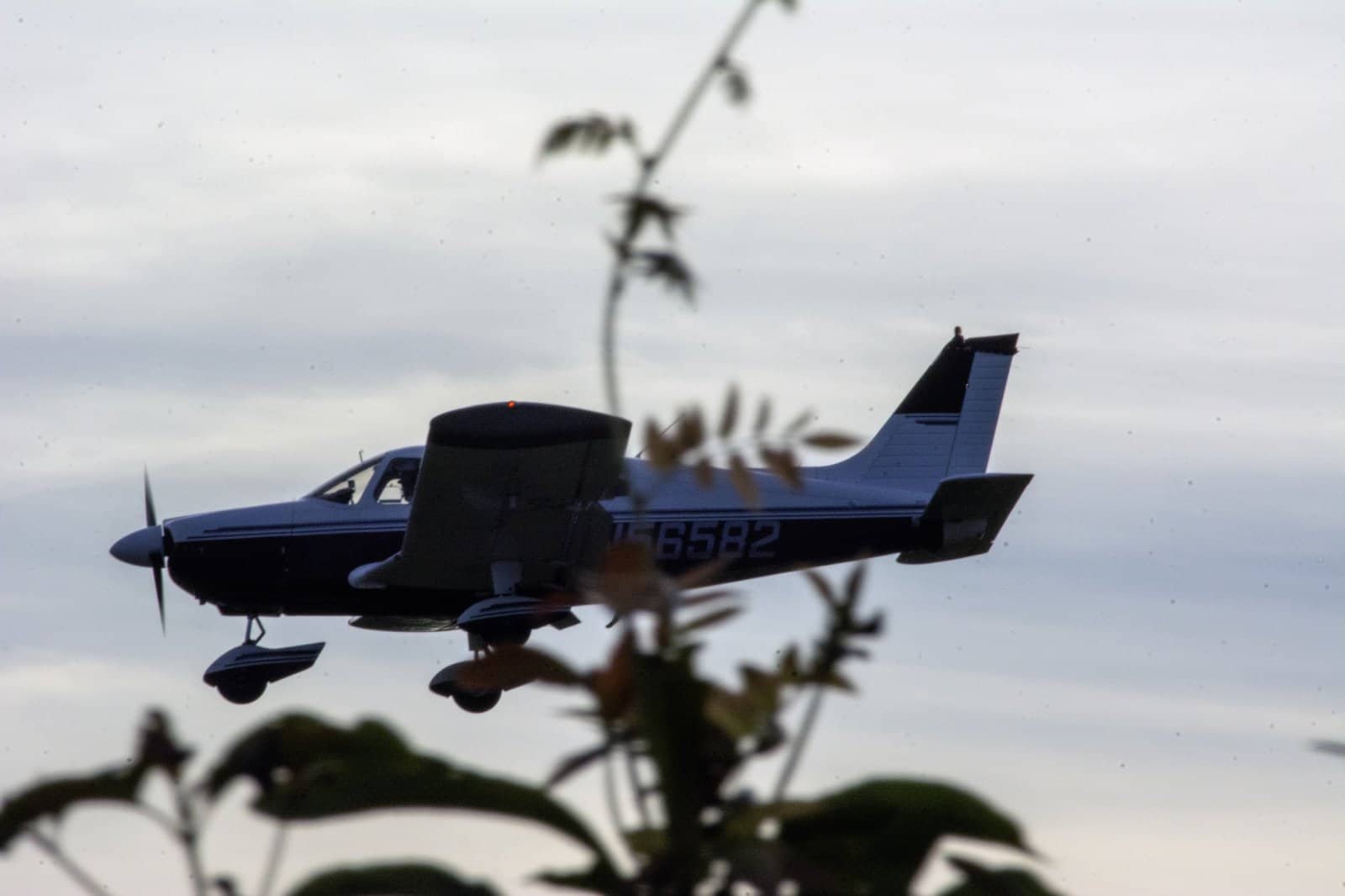
The Six Ingredients of a Loss of Directional Control on Landing Event
Every NTSB narrative you read on loss of directional control on landing has the same fingerprints. Pilots vary. Airplanes vary. Airports vary. The setup does not. Six ingredients show up in almost every report.
1. An Unstabilized Approach That Got “Salvaged”
Fast, high, off-centerline, or all three. When a pilot forces a bad approach into a landing instead of going around, the airplane arrives with too much energy and too little margin. The NTSB report on a Cessna forced down over trees on a steep approach reads like a template — excess groundspeed at touchdown, left drift, rudder and brakes couldn’t recover, off the runway and inverted. If your approach isn’t stable by 500 feet AGL, go around. Loss of directional control on landing almost always starts before the flare.
2. A Crosswind Component You Underestimated
The NTSB’s Safety Alert SA-060 lists crosswind as the single most common environmental factor. Read a dozen landing-LOC narratives and you’ll see the same phrase: “the pilot reported a gust kicked the tail.” Wind is not the villain here. Untested assumptions about wind are. If ATIS gives you 240 at 12, gusting 19, and you’re landing on runway 30, that’s a 6-knot direct crosswind mean with an 11-knot gust component. Know the number. Know your demonstrated crosswind. Know your personal crosswind — which should be lower than demonstrated.
3. Drift or Crab on Touchdown
The FAA’s Airplane Flying Handbook is emphatic. Do not touch down in a drift. Do not touch down in a crab. The side-load on the gear is unforgiving, and on a tailwheel airplane the ground loop starts before you’ve stopped bouncing. On a tricycle-gear single, side-load bends firewalls and cracks nose forks. Wings-level, longitudinal axis aligned with the runway centerline, or the wheels shouldn’t be on the pavement.
4. Nosewheel-First Touchdown
On any tricycle-gear GA airplane — a 172, a Cherokee, an SR22, a Bonanza — the nosewheel is a steering wheel, not a landing gear. Land nose-first and you introduce a wheelbarrow effect that puts the airplane on the edge of directional control from touchdown. Combine it with any crosswind and you have the classic pilot-induced oscillation setup. Mains first. Nose last. Every time.
5. Lazy Rudder in the Rollout
Here’s the one nobody wants to say. Pilots often go quiet on the rudders once the mains are down. The airplane feels “landed,” so the feet relax. That’s when directional control leaves. Rudder authority decreases as airspeed decreases. Your inputs must increase to compensate. Small, quick, continual corrections all the way to taxi speed. Not one big correction at the moment you feel a drift. Small, quick, continual.
6. Brake Panic
Grabbing brakes to fix a directional-control problem is how many events go from “annoying” to “insurance claim.” Uneven braking, especially at low speed with a strong rudder input, will pivot the airplane. On any surface that isn’t clean and dry — wet grass, gravel, contaminated pavement — brake panic accelerates the loss. Rudder first, aerodynamic braking second, wheel brakes as the airplane slows below rudder effectiveness. In that order.
The Two Skills That Prevent Almost Every Loss of Directional Control on Landing Event
You can boil a lot of this down. Two skills, practiced deliberately, will handle most of the risk.
Skill one: centerline discipline. Not “generally on the runway.” On the centerline. The specific yellow paint, tracked from short final through touchdown through rollout through taxi-off. The reason is boring but powerful. Any misalignment reduces the time you have to react. A drift you notice one foot from the edge is a problem. A drift you notice from the centerline is a correction. NTSB SA-060 lists centerline discipline as one of its top pilot mitigations, and every CFI who’s landed a taildragger will tell you the same thing.
Skill two: continual rudder through the rollout. Feet alive from the flare through the taxi. This is the single trainable habit that separates pilots who ground-loop from pilots who don’t. Alicia Herron at AOPA put it plainly in her landing accident analysis — don’t lock up on the controls, dance on the rudders, and remember your inputs must get bigger as the airplane slows. Wear shoes that give you real rudder feel. Set the seat so you have full rudder deflection available. These sound like small things. They aren’t.
Our take: if you drill nothing else after reading this article, drill these two. Six or eight landings, deliberately focused on centerline and continual rudder. You’ll feel the change on the first flight.
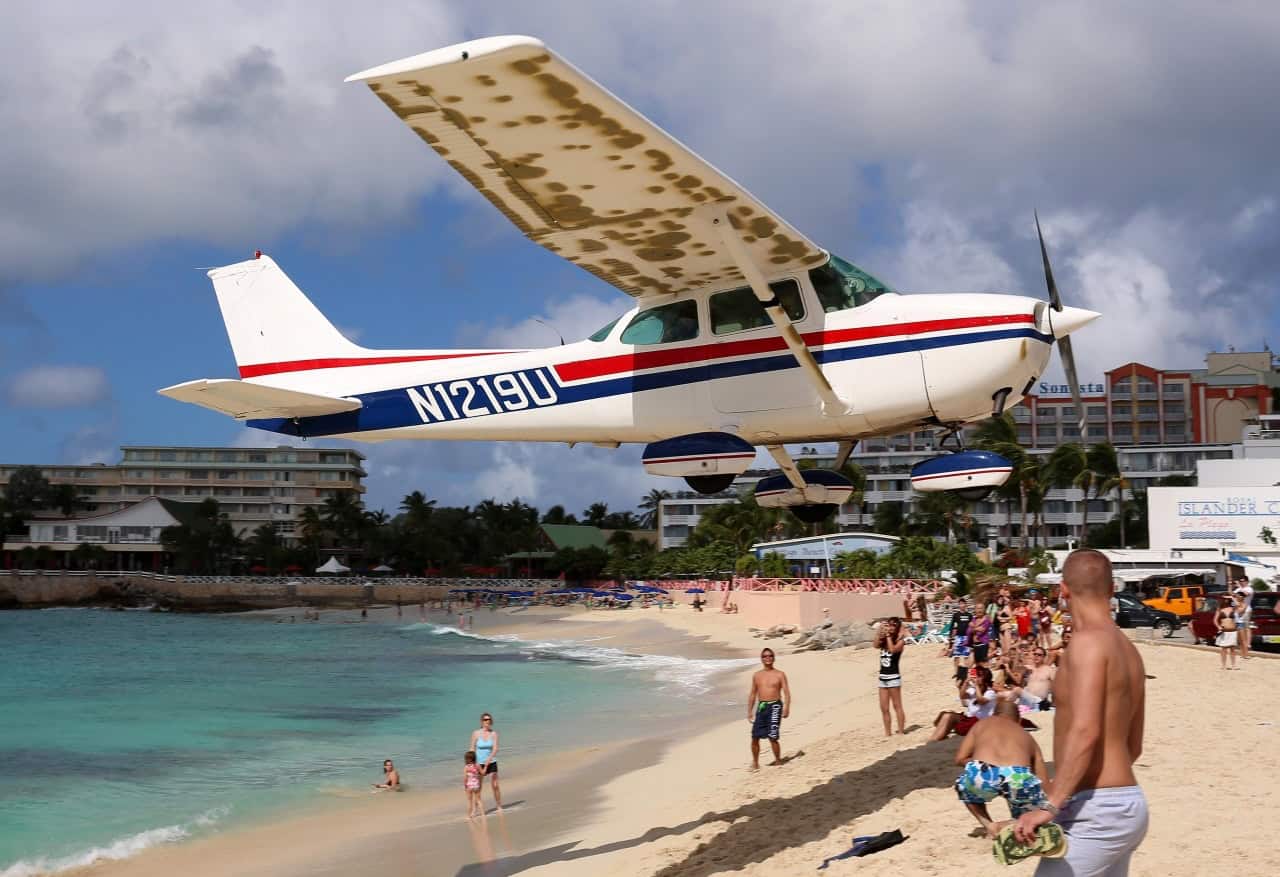
The Crosswind Landing Playbook That Actually Works
Every GA training manual covers the two crosswind techniques — crab-to-slip and wing-low. They both work. But the transition is where pilots get in trouble. Here’s a playbook we’ve written after reading dozens of NTSB narratives on failed crosswind landings.
- Brief the crosswind number before you turn base. Not in your head. Say it out loud. “We’ve got a right 8-knot direct crosswind.” That sentence commits you to right aileron and left rudder in the flare. If you can’t say the number, don’t shoot the approach.
- Set the slip early. If you’re going wing-low, transition from the crab well before the flare — at least 200 feet AGL. Waiting until the flare stacks two hard tasks on top of each other.
- Land on the upwind main first. One wheel first is not sloppy technique. It’s correct technique. Fly the upwind main onto the runway, then let the downwind main settle.
- Hold the aileron in as you slow. This is where pilots stop working. As airspeed decreases, aileron authority decreases. So you need more aileron deflection, not less. Full aileron into the wind by taxi speed is normal, not overkill.
- Rudder tracks the centerline. Your feet steer the nose. Your hands manage the roll. Don’t cross the two.
Read our crosswind landing mastery guide for a deeper breakdown of the wing-low technique and the specific control inputs by phase of the landing.
Ground Loops and Nose-Overs: What Actually Happens When Directional Control Leaves
The consequences depend on the airplane. On a tailwheel airplane like a Cub or a Decathlon, loss of directional control on landing usually means a ground loop — the tail swings, the airplane pivots on a main, and the outboard wingtip catches the ground. Substantial damage is common. Fatal outcomes are rare.
On a tricycle-gear single like a 172 or a Cherokee, the failure mode is different. A drift becomes a scrub, the nosewheel gets a side-load it wasn’t designed for, and the fork cracks or the firewall bends. NTSB narratives on 172s often note “runway excursion, nose gear collapse, propeller strike.” A prop strike triggers a mandatory engine teardown regardless of visible damage. That’s a $30,000-plus repair on a piston single, before you even get to the airframe work.
Cirrus airplanes deserve a note here. The SR22 has a wide-track main gear and reasonable ground handling, but the airplane is heavy and fast, and it tends to arrive at the flare with more energy than pilots expect. Nose-first touchdowns on Cirrus airplanes are a known repair pattern for insurance underwriters. Fly the numbers. Don’t add five for grandma.
The safest landing accident is the one that ends with a bent wingtip and a bruised ego. But even that outcome takes real money and real time out of your logbook. It’s worth training to avoid.
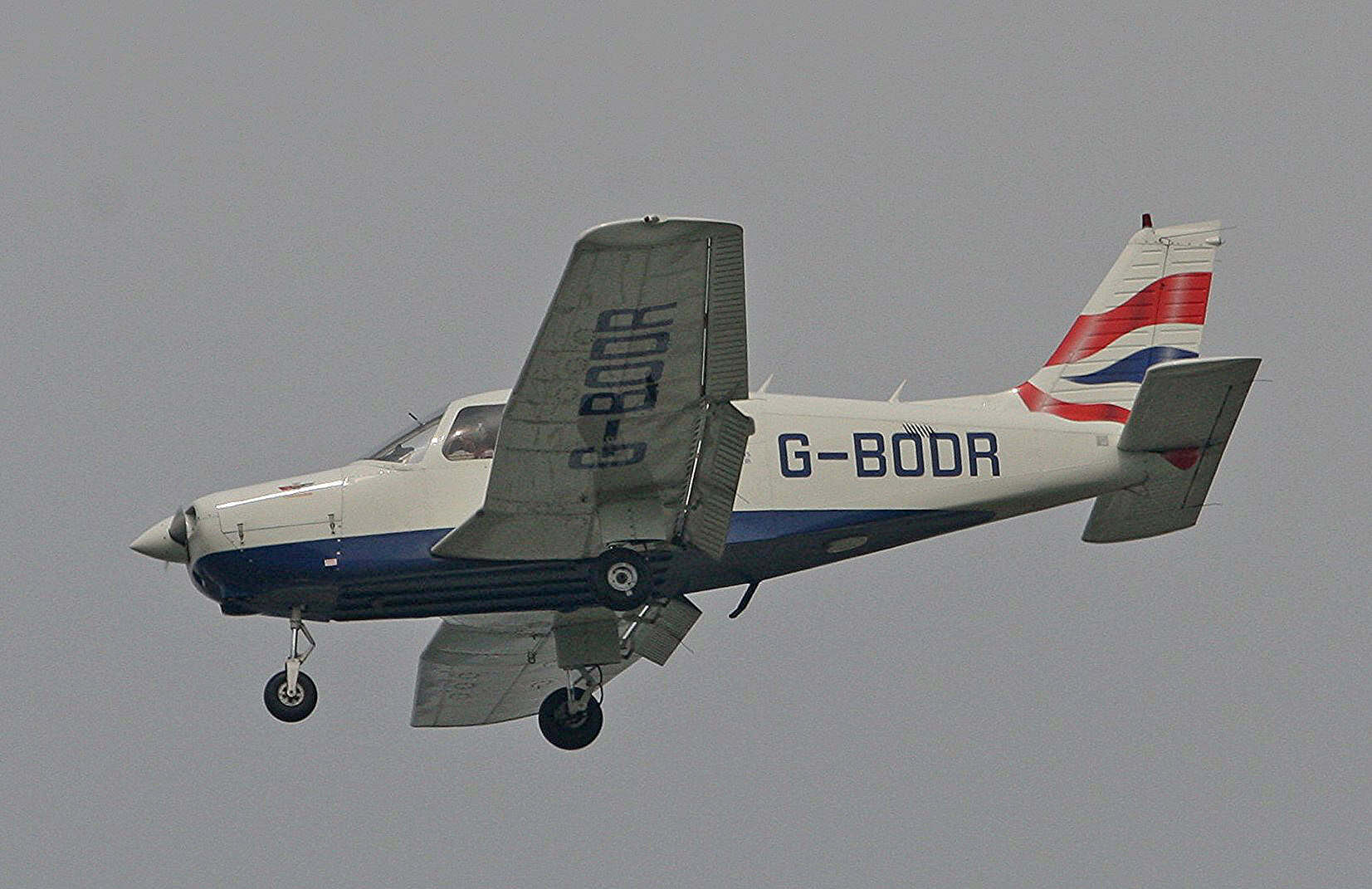
Training Drills That Move the Needle
Talking about loss of directional control on landing is easy. Training it is where pilots get value. Here are drills we’ve built or borrowed that produce measurable gains.
The centerline discipline drill. Pick a calm day. Do six touch-and-gos with one goal — nose gear on the centerline paint from touchdown to rotation. Not “close.” On. Your CFI, if they’re honest, will tell you how hard this is the first time. Do it three flights in a row and it becomes automatic.
The slow-flight-to-landing drill. Head to the practice area and fly slow flight at approach speed for ten minutes. Feel where rudder authority lives. Feel where it starts to fade. Now come back and do three power-off 180 landings. The transition from “flying” to “rolling” will feel different — and better.
The rudder-only rollout drill. With your CFI, deliberately keep your hands off the ailerons after touchdown for the first three seconds. Pin the airplane to the centerline with rudder alone. This drill teaches you to stop over-controlling with aileron in the rollout and start using rudder for what it’s actually for.
The crosswind ladder. Start with the wind you’re comfortable in. Add two knots on the next flight. Two more the flight after. Track the number in your logbook. This is how you build a real personal crosswind minimum instead of guessing.
The go-around commitment drill. On your next three flights, plan and execute one go-around per pattern. Not because something’s wrong. Because you’re rehearsing. Pilots who go-around comfortably are pilots who go-around when they need to.
If you haven’t reviewed the fundamentals recently, our piece on stall recognition and recovery pairs well with landing drills — the two skills reinforce each other.
Wind, Runway, and the Choice That Matters Most
Pilots have more agency than they use. The choice to divert is always available. The choice to circle for a better runway is always available. The choice to fly a longer pattern and let a gust cycle pass is always available. The pilots who end up in NTSB reports on loss of directional control on landing almost never took any of those choices. They took what was offered and hoped.
Personal minimums help here. Write yours down before you get in the airplane. Direct crosswind number. Gust factor number. Runway length number. Visibility number. If any of them tighten after wheels-up, you divert. Simple, cold rules make hot decisions easy.
Our piece on Trent Palmer’s risk management framework goes deeper on how backcountry pilots build personal-limit habits — and the lessons carry directly to pavement operations.
Seat, Shoes, and the Small Stuff That Prevents Loss of Directional Control on Landing
NTSB SA-060 flags two mechanical variables that pilots rarely check. Both are cheap fixes. Neither takes more than a minute.
Seat position. Adjust the seat so you have full rudder deflection and full brake pressure at the same time. If you can’t get toe brakes with your legs at full extension, you can’t stop a real drift. If you can’t get full rudder with your legs comfortable, you’re going to run out of authority in the flare of a gusty landing.
Shoes. Slip-ons, heeled boots, and heavy sneakers all interfere with rudder feel. Rubber-soled flats or purpose-built pilot shoes give you toe brake precision and rudder response. It sounds like a small thing. It isn’t. Pilots who have a bad shoe day tend to have bad rudder days.
Distractions. Radio changes, checklist items, and passenger conversation should be finished before the flare. If your CFI is talking during the rollout, ask them to save it for the taxiway. The rollout is when directional control is most vulnerable. Guard it.
What the Data Says About Where Loss of Directional Control on Landing Is Heading
The trend line matters. Fatal GA accidents continue to fall. The overall GA accident rate rose slightly in the most recent McSpadden Report — 4.30 accidents per 100,000 hours, up from 4.26 — but landing accidents are the persistent tail. Every AOPA analysis of the last decade names them as the category with the least improvement.
Why hasn’t the industry moved the needle? A fair answer is that landing accidents don’t produce fatalities that drive rulemaking. The NTSB has issued Safety Alert SA-060. The FAA has updated the Airplane Flying Handbook. AOPA has published dozens of articles. But the delta between “read the safety material” and “spend a flight practicing centerline discipline” is where risk lives.
Our take: this is a training culture problem more than a data problem. Every pilot who reads this article is one flight away from being measurably safer at landing. That’s not a small opportunity.
Our Take on Loss of Directional Control on Landing
We’ve been reading and writing about GA safety for a long time. Loss of directional control on landing is the accident category we think GA pilots most consistently under-train for. It’s not sexy. There’s no CAPS handle to pull, no glass panel to master, no rating to add. It’s just feet and eyes, over and over again, until the airplane stops.
The pilots who don’t ground-loop, don’t nose over, and don’t strike propellers are almost always the same pilots. They fly the airplane to a stop, not to the taxiway. They land on the centerline every time, not most of the time. They go around when they should. They divert when they should. And they log crosswind landings on purpose, not by accident.
Be one of those pilots. It’s the cheapest safety upgrade you can buy.
Frequently Asked Questions
What’s the difference between loss of directional control and a runway excursion?
A runway excursion is the outcome — the airplane leaves the paved surface. Loss of directional control on landing is usually the cause. Not every LOC event becomes an excursion; some end with the pilot recovering short of the runway edge. But most excursions during landing are LOC events by another name.
Are tailwheel airplanes really more prone to loss of directional control on landing?
Yes, but the reasons are more nuanced than the myth suggests. Tailwheel airplanes have their center of gravity behind the main wheels, which means any yaw wants to keep yawing. Tricycle-gear airplanes have their CG ahead of the mains, which is naturally stabilizing. But tricycle-gear airplanes account for the majority of loss of directional control on landing events in the AOPA data simply because there are so many more of them flying. Every pilot needs the same rudder discipline.
How much crosswind is too much for a Cessna 172?
The 172’s demonstrated crosswind is 15 knots, but demonstrated isn’t a limit — it’s the maximum the manufacturer proved during certification. Your personal crosswind should be lower, based on recent experience. A newly rated private pilot might set 8 knots. A pilot with 500 hours of Cessna time and frequent crosswind work might set 12. The number goes on the panel before every flight, not in your head.
External References
- NTSB Safety Alert SA-060 — Stay Centered: Preventing Loss of Control During Landing
- AOPA — New Year, Same Mistakes: Fixing Our Landings (McSpadden Report analysis)
- FAA — 2025 General Aviation Safety Fact Sheet
- AOPA Air Safety Institute — Runway Safety Resources
- FAA — Airplane Flying Handbook (FAA-H-8083-3C), Chapter 8