The Epic Aircraft E1000 GX is one of the most remarkable owner-flown turboprops ever built. A single-engine turboprop with six seats, carbon fiber construction, and the ability to cruise at 330 knots at FL280 — all in an aircraft designed for owner-pilots rather than corporate flight departments. It won FLYING magazine’s Innovation Award and turned heads across the GA industry for good reason.
Last Updated: May 3, 2026 | By: The E3 Aviation Editorial Team
For pilots looking to step into the turboprop world without the complexity and cost of a twin or the operating expense of a light jet, the E1000 GX makes a compelling case. This guide breaks down what the E1000 GX is, what it does, and what it takes to own and fly one.
Epic Aircraft: The Company Behind the E1000 GX
Epic Aircraft is based in Bend, Oregon. The company originally made its name building high-performance kit aircraft — specifically, the carbon fiber turboprop kits that became a favorite among serious owner-builders. The E1000 represented Epic’s push into certified production aircraft, targeting the owner-flown turboprop market with a purpose-built platform rather than an adaptation of an existing design.
The GX variant is the upgraded iteration of the E1000, featuring enhanced avionics, refined systems, and continued refinement of the airframe. It carries forward everything that made the E1000 notable while addressing feedback from operators in the field.
From Kit to Certified Aircraft
Epic’s journey from kit manufacturer to certified aircraft producer is notable. The company invested heavily in FAA Part 23 certification — a process that involves exhaustive testing, documentation, and regulatory compliance. That certification matters to buyers because it opens doors to financing, insurance, and resale markets that experimental or kit-built aircraft can’t access in the same way.
Consequently, the E1000 GX carries the credibility of a certified aircraft with the performance DNA of what started as an aggressively engineered kit. That combination is rare in the GA world.
Performance: What the E1000 GX Can Do

The E1000 GX is powered by a Pratt & Whitney Canada PT6A-67A engine producing approximately 1,200 shaft horsepower. That engine is one of the most proven powerplants in aviation — the PT6 family has accumulated hundreds of millions of flight hours across thousands of aircraft worldwide.
Performance numbers for the E1000 GX are genuinely impressive for a single-engine piston alternative. The aircraft cruises at approximately 330 knots true airspeed at FL280. Range runs to roughly 1,500 nautical miles with reserves, depending on payload and cruise power setting. Service ceiling is 34,000 feet — above most weather and above most turbulence.
Speed and Altitude: The Turboprop Advantage
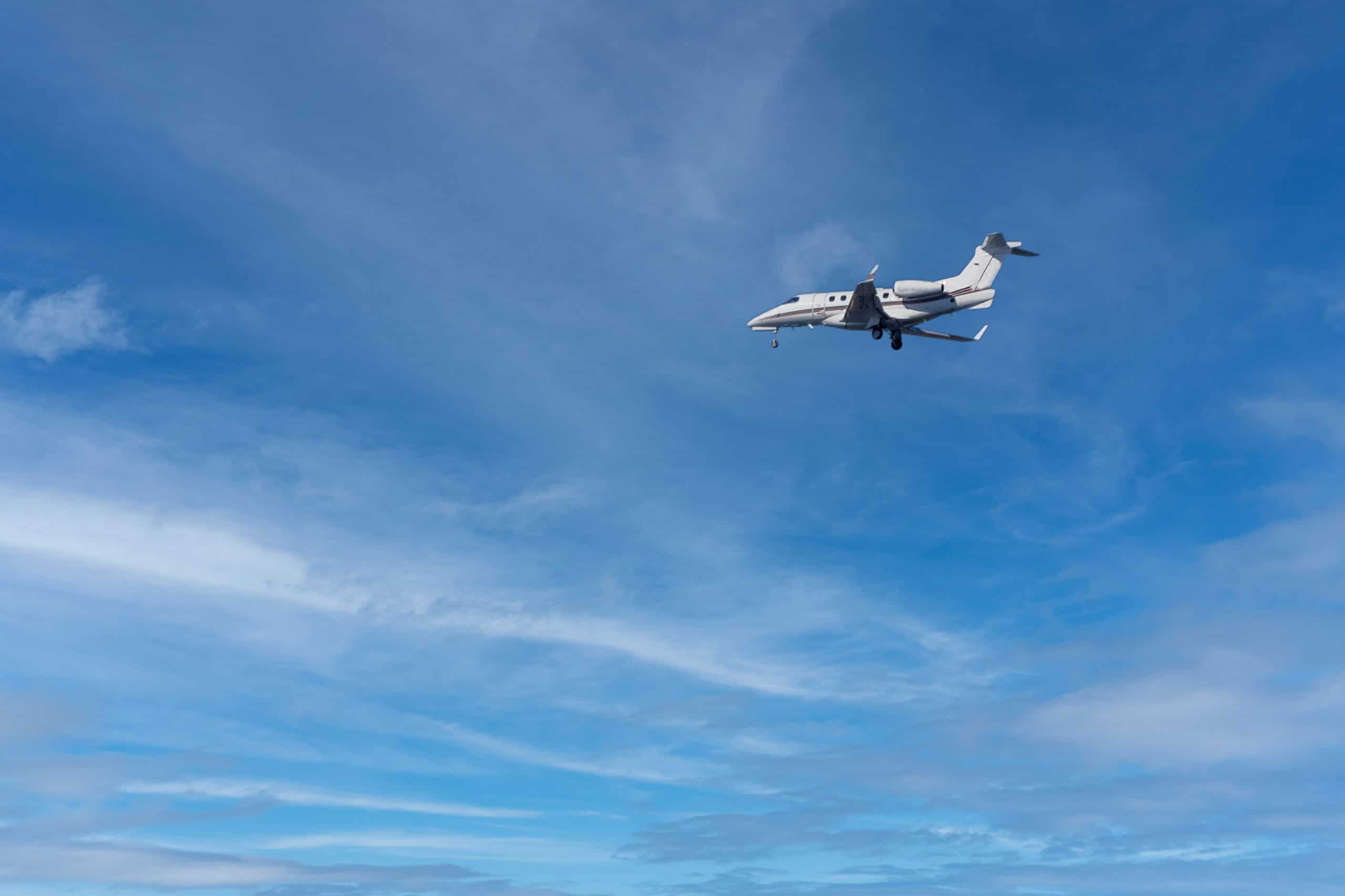
The appeal of any single-engine turboprop over a high-performance piston single comes down to three things: speed, altitude, and reliability. The PT6 engine operates in a fundamentally different reliability regime than a piston engine. Turbine engines have fewer moving parts, operate at higher temperatures with greater thermal stability, and accumulate a track record of remarkable dependability.
For serious cross-country pilots, the altitude capability matters as much as the speed. At FL280, the E1000 GX sits above most convective weather, above icing layers that plague piston singles, and in the smooth air above the congested lower altitudes. The combination of that altitude and 330-knot cruise turns a five-hour piston flight into a three-hour turboprop flight.
Useful Load and Cabin Capacity
The E1000 GX seats six — pilot and five passengers — in a pressurized cabin. The pressurized environment means passengers arrive at destination without the fatigue that high-altitude unpressurized flying produces. For owner-pilots who regularly fly with family or business associates, that quality-of-ride factor is a real differentiator.
Useful load figures vary by configuration, but the carbon fiber airframe keeps empty weight low relative to the aircraft’s capability. Specifically, the light airframe is one of the E1000 GX’s structural advantages — it delivers more useful load per dollar of operating cost than heavier aluminum competitors in the same performance class.
Avionics: The Garmin G1000 NXi Suite
The E1000 GX comes equipped with the Garmin G1000 NXi integrated flight deck — the current-generation evolution of what became the industry-standard glass cockpit for GA and turbine aircraft. The NXi brings meaningful improvements over the original G1000, including faster processing, higher-resolution displays, wireless database updates, and Bluetooth connectivity for the Garmin Pilot app.
The two large primary flight display and multi-function display screens present flight data, navigation, terrain awareness, weather, and traffic in a clean, integrated format. Additionally, the GFC 700 autopilot integrates directly with the G1000 NXi, providing coupled approaches and altitude pre-select with minimal workload.
Garmin’s support ecosystem also matters. Software updates for the G1000 NXi come regularly and install at any Garmin-authorized shop. The database subscription covers terrain, obstacles, airways, and approach plates — keeping the aircraft current without expensive panel upgrades. For owner-pilots who fly hard IFR missions, that update cadence is a real operational advantage over older avionics platforms.
Synthetic Vision and Situational Awareness
Garmin’s Synthetic Vision Technology (SVT) is included in the NXi suite. SVT presents a three-dimensional terrain picture on the PFD even in zero-visibility conditions, giving pilots a continuous awareness of terrain and obstacles relative to the aircraft’s position. For an aircraft capable of flying into weather at high altitude, that situational awareness tool is not just a nice feature — it’s a meaningful safety layer.
Furthermore, the G1000 NXi supports ADS-B In, providing traffic and weather datalink information directly to the MFD. In the NAS where ADS-B Out is now mandatory, the ADS-B In traffic picture is essentially complete coverage — a significant situational awareness improvement over older transponder-only systems.
The Carbon Fiber Airframe

Epic built its reputation on carbon fiber, and the E1000 GX reflects that heritage. The primary structure is carbon fiber composite — lighter, stronger per unit weight, and more fatigue-resistant than aluminum for primary airframe loads. The smooth composite surfaces also contribute to aerodynamic efficiency, reducing drag relative to riveted aluminum structures.
For owners, the composite structure brings maintenance advantages. Composite airframes don’t corrode in the way that aluminum structures do, reducing the inspection burden in humid or coastal operating environments. However, composite damage repair requires specialized skills and materials — not every maintenance shop is equipped to handle significant composite work.
Carbon fiber also contributes to long-term value retention. The material does not corrode. It does not fatigue the way aluminum does under cyclic loading. For a high-altitude, pressurized aircraft flown hard over many years, that structural advantage compounds over time.
Our Take on the E1000 GX
We’ll be straight with you: the E1000 GX occupies a genuinely interesting position in the market. It’s not cheap — new pricing puts it in the range of established competitors like the Piper M600 and Daher TBM series. But the carbon fiber airframe and the performance numbers make a serious argument for pilots who want maximum speed and altitude capability in a single-engine turboprop package. The Garmin NXi suite is the right choice — it’s what pilots who fly these aircraft want, and Garmin’s support and update cadence is unmatched in the GA avionics world.
FIKI Certification: The E1000 GX Cleared for Known Icing
One of the biggest missing pieces in the Epic E1000 GX story was FIKI — Flight Into Known Icing certification. For serious cross-country pilots, FIKI is not optional. It transforms a fair-weather machine into a year-round, all-weather tool. In December 2023, the FAA granted FIKI certification for the E1000 GX turboprop turboprop. The approval followed more than 450 flight test hours dedicated specifically to icing certification — a rigorous program that validated the system under real icing conditions.
What the FIKI System Includes
The E1000 GX de-icing system is comprehensive. It features pneumatic de-ice boots on the wing and tail leading edges, a heated windshield for pilot visibility in icing conditions, and optical ice detectors that automate system activation. Essentially, the system covers every surface where ice accumulation poses a hazard. Epic reports that the test program flew deliberately into known icing layers to validate performance — not just lab simulation.

Retrofits for Existing Fleet
Epic committed to retrofitting previously delivered aircraft at its factory service center in Bend, Oregon. The goal was to have the existing certified fleet upgraded by early 2025. For buyers of early-production E1000 GX aircraft, this means the FIKI upgrade is available — not a feature exclusive to new deliveries. However, the best approach is to confirm current retrofit availability and scheduling directly with Epic Aircraft before purchase.
Our take: The FIKI certification matters more than it might seem. Most turboprop pilots operate in IFR conditions regularly. Flying a pressurized, high-performance turboprop without FIKI limits your utility in ways that become frustrating quickly — particularly in the fall and winter months when icing layers are common at the altitudes where the E1000 GX operates best. The certification removes that operational constraint entirely.
How the E1000 GX Compares to the Competition
The single-engine turboprop market has several strong competitors. The Piper M600 SLS, the Daher TBM 960, and the Pilatus PC-12 NGX each target variations of the same buyer profile — owner-pilots who want turbine reliability, pressurized cabin, and serious cross-country capability.
The TBM series is widely regarded as the performance benchmark in the class, with the TBM 960 reaching 330 knots in cruise. The PC-12 trades some speed for exceptional versatility and payload. The M600 sits at a lower price point with competitive performance. The E1000 GX competes on performance and the distinctive carbon fiber airframe — differentiating itself from the established aluminum-construction competitors.
Ownership Costs
Single-engine turboprop ownership costs are substantially higher than high-performance piston singles. Jet-A fuel burn at cruise power, PT6 engine maintenance reserves, turbine-specific inspection requirements, and higher insurance premiums all contribute to an annual operating cost that routinely exceeds $100,000 for active owners.
However, for pilots flying 200+ hours per year who previously operated a light jet, the single-engine turboprop often represents a significant cost reduction while preserving most of the speed, altitude, and cabin capability. The comparison is mission-specific — the right answer depends entirely on how you fly.
In terms of raw speed, the E1000 GX holds a clear edge. The Piper M600 SLS tops out around 274 knots. The TBM 960 reaches 330 knots. The Pilatus PC-12 NGX cruises around 290 knots. The E1000 GX at 333 knots is the fastest of the group. However, the PC-12 NGX offers a larger cabin, the TBM series has a more established dealer and support network, and the M600 SLS benefits from Piper’s long-standing service infrastructure. Speed is not the only variable in this decision.
Maintenance accessibility matters at this price point. The TBM and Pilatus networks are global. Epic Aircraft’s factory service center in Bend, Oregon, is excellent, but the network of authorized service centers is smaller than Daher’s or Pilatus’s. For pilots based near a factory-authorized facility, this is a non-issue. For pilots in more remote locations, the service infrastructure question deserves a candid conversation with Epic’s sales team before signing anything.
Who Should Consider the E1000 GX
The E1000 GX is built for a specific buyer: an experienced instrument-rated pilot who flies regularly, values performance above all other criteria, and has the financial profile to support turbine operating costs. This is not a first aircraft and not a weekend flyer’s airplane.
Ideally, buyers stepping into the E1000 GX have turbine transition training completed or planned, hold an instrument rating with recent actual IMC experience, and have a clear cross-country mission that justifies the performance. The aircraft rewards proficiency and punishes currency lapses — as any high-performance turbine aircraft does.
First-time turboprop buyers should be aware that the E1000 GX requires a type rating. Epic Aircraft offers a factory training program in Bend, Oregon, specifically designed for the E1000 GX. The program covers aircraft systems, emergency procedures, and the Garmin G1000 NXi avionics in depth. Most pilots complete the initial type rating training in five to seven days. Recurrent training is available through Epic’s network of approved providers. Budget approximately $5,000–$8,000 for initial type rating training — a reasonable cost for an aircraft at this performance level.
It’s also worth noting that Epic Aircraft introduced the E1000 AX — an evolution of the GX platform with enhanced features — for pilots who want the most current production version. However, the GX remains the core certified model with the most established support infrastructure and parts availability. The choice between GX and AX depends on budget and whether you prioritize the latest avionics updates or a lower acquisition cost.
Frequently Asked Questions
What engine does the Epic E1000 GX use?
The E1000 GX is powered by a Pratt & Whitney Canada PT6A-67A engine, producing approximately 1,200 shaft horsepower. The PT6 family is one of the most proven turbine engines in general aviation, with an exceptional reliability and service record accumulated across decades of operation.
How fast does the Epic E1000 GX cruise?
The E1000 GX cruises at approximately 330 knots true airspeed at FL280, with a service ceiling of 34,000 feet. Range with reserves is approximately 1,500 nautical miles, depending on payload and power setting.
Is the Epic E1000 GX a certified aircraft?
Yes. Epic Aircraft pursued and achieved FAA Part 23 certification for the E1000, making it eligible for standard financing, insurance, and commercial operation. This distinguishes it from experimental or kit-built aircraft in the same performance class.