A Ski Bum’s Unexpected Takeoff

Growing up in Truckee, California, Trent was more at home on snowy slopes than in cockpits. His father ran the town’s first downhill ski shop, and by age two, Trent was skiing. However, his teenage years sparked a new passion: filming. Armed with a camera, he captured friends chasing pro-skiing dreams, eventually landing in the film industry as an editor. But it was his fascination with RC helicopters and drones that set the stage for his bush flying adventures. In 2014, the FAA’s Section 333 exemption required a pilot’s license for legal drone operation—a rule that pushed a terrified Trent into flight training.
Initially, he saw the license as a means to an end, planning to shelve it after his check ride. Yet, something clicked around 20 hours into training. By December 2014, when he passed his check ride, Trent was already dreaming of his first plane. His story reminds us that aviation often finds us unexpectedly. For tips on starting your pilot journey, explore E3’s guide to becoming a pilot.
From Fear to Freedom: The Kit Fox Era
Just two months after earning his license, Trent bought his first plane—a Kit Fox—in February 2015. With only 50 hours of flight time and zero tailwheel experience, he purchased it sight unseen based on grainy YouTube videos. The first flight home was a wild ride, nearly ending in a ground loop. “I wondered if I’d made a huge mistake,” he recalls. However, Trent’s persistence paid off. Within weeks, he was landing on dirt strips and dry lake beds, embracing the thrill of backcountry flying.
The Kit Fox, with its 80hp engine and small tires, evolved over nearly a decade as Trent modified nearly every component. His early flights were like riding a “dirt bike in the sky,” focused on the sheer joy of landing in new places. Over time, his missions grew purposeful, often tied to fly fishing. For insights on choosing your first plane, visit E3’s aircraft selection guide. Trent’s journey shows how the right plane can unlock endless bush flying adventures.
Favorite Spots and the Art of Backcountry Flying
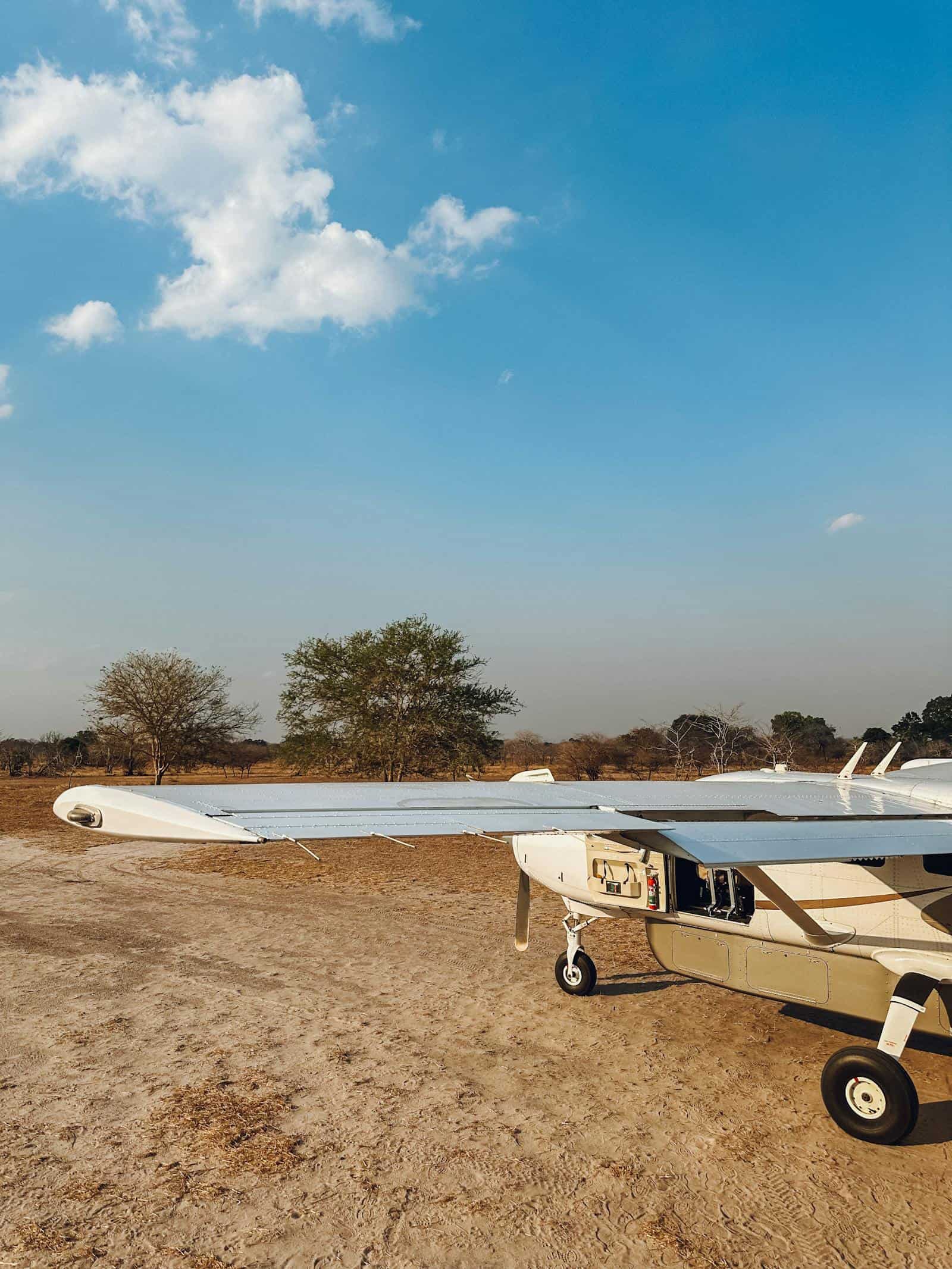
Trent’s bush flying adventures have taken him to some of the most stunning locations in the U.S. Nevada’s vast BLM land offers countless landing spots, while Idaho’s backcountry strips provide long, forgiving runways for pilots honing their skills. Closer to home, high mountain tops near Truckee—3,000 feet above the terrain—deliver breathtaking views and challenging landings. One favorite is a 9,000-foot perch above Lake Tahoe, where conditions test even seasoned pilots.
Another gem is a spot along the East Walker River, perfect for fishing and camping under the wing. These locations highlight the beauty of backcountry flying: blending technical skill with nature’s rewards. Trent relies on tools like the E3 Skyshare app, which helps pilots discover safe, legal landing spots with details on activities like fishing or camping. For more on backcountry techniques, check E3’s backcountry flying guide.
Lessons from the Edge: Scares and Triumphs
Trent’s journey hasn’t been without heart-pounding moments. In one incident, his Kit Fox’s modified engine failed mid-flight between Boise and Reno. At just 300-500 feet above ground, he heard a buzz, pulled the throttle, and the engine stopped violently. Landing downhill in a desolate area, Trent’s training kicked in, proving the value of practicing engine-outs. “You don’t glide as far with a stopped prop,” he notes, a tip every pilot should heed. For more on emergency preparedness, see E3’s emergency landing guide.
Another scare came during a microburst after takeoff from Battle Mountain, Nevada. A sudden downdraft pushed him to 50 feet above sagebrush, with a tailwind spiking his ground speed to 100 knots. Shaken but safe, Trent learned to respect weather’s unpredictability. These experiences underscore a 2023 FAA report noting that 68% of general aviation accidents involve pilot error, often tied to inadequate training or weather misjudgment FAA. Trent’s triumphs, like landing safely after an engine-out, highlight the importance of preparation.
Building a Community Through YouTube
Trent’s YouTube channel, with over 500,000 subscribers as of 2025, brings viewers along on his bush flying adventures. His philosophy? Focus on the adventure’s “why”—whether it’s fishing or exploring a new strip. Strategic camera angles, like over-the-shoulder shots, make viewers feel like co-pilots. “I edit ruthlessly,” he says, keeping only what tells the story. His content has inspired countless viewers to pursue flying, a testament to aviation’s power to connect. For tips on creating aviation content, visit E3’s content creation guide.
Trent’s channel also showcases the community aspect of flying. Group fly-ins, like those organized through E3’s community events, foster camaraderie among pilots. His videos often feature friends sharing the skies, reinforcing that aviation is as much about people as planes.
Looking Ahead: Alaska and Beyond
Trent’s future is as bold as his past. Topping his bucket list is flying to Alaska, a dream he’s gearing up for with a new Legend Cub, built with larger fuel tanks for long legs. He’s also eyeing floats for water landings and skis for winter strips, reflecting a trend among bush pilots embracing versatile aircraft. A 2024 aviation industry organizations survey found that 42% of pilots plan to upgrade their planes for multi-terrain capabilities industry surveys. Trent’s plans align with this shift, promising new bush flying adventures.
He’s also exploring a faster, four-seat plane for cross-country trips, like an RV or Sling. For more on aircraft upgrades, check E3’s upgrade guide. Meanwhile, his YouTube channel will keep evolving, with potential E3 collaborations like live streams or filming courses.
An Unlikely Spark: Fake IDs and Fate
Here’s a twist: Trent’s aviation path traces back to an unlikely source—making fake IDs in college. Using his dad’s old sign shop and graphic design skills, he earned enough to buy his first RC helicopter, sparking his drone obsession. A fake ID client even connected him to his first film job, which led to drones and, ultimately, flying. This quirky backstory shows how life’s detours can lead to the skies. For more unexpected aviation stories, browse E3’s article collection.
Conclusion: Soaring with Purpose
Trent Palmer’s bush flying adventures are more than thrilling landings—they’re a testament to chasing passion against the odds. From a reluctant pilot to a backcountry icon, his journey inspires aviation enthusiasts to embrace the skies. Whether you’re a seasoned pilot or dreaming of your first flight, Trent’s story and resources like the E3 Skyshare app can guide your own adventures. Ready to take flight? Explore E3 Aviation Association for tools, community, and inspiration to make your bush flying adventures a reality.
For more E3 Aviation resources be sure to visit: https://e3aviationassociation.com.
About the E3 Aviation Editorial Team
The E3 Aviation Editorial Team writes for owner-pilots, student pilots, and the small aircraft community. We focus on practical, real-world content that respects your time and your training. Learn more about E3 Aviation.
Last Updated: 2026-06-01
Related Articles