The fastest way to improve as a GA pilot isn’t more solo hours — it’s structured mentorship from someone who has already made the mistakes you’re about to make. Pilot mentorship is the missing link between certificated pilot and confident pilot, and it works whether you’re a fresh PPL trying to build judgment, an instrument candidate facing the procedural avalanche, or an owner-operator stepping up to a more complex aircraft. This guide covers how to find an aviation mentor, what mentorship looks like in practice, the specific situations where it accelerates competence fastest, and the etiquette that makes the relationship work.
Last Updated: June 1, 2026 | By: The E3 Aviation Editorial Team
Why Pilot Mentorship Outperforms Solo Practice
First, the reason mentorship accelerates pilot development is that aviation knowledge has two layers: explicit knowledge that’s written down (regulations, procedures, performance numbers) and tacit knowledge that lives in pilots’ heads (judgment, pattern recognition, “this feels wrong” moments). Specifically, the explicit layer can be learned from books and YouTube. The tacit layer requires either thousands of hours of personal experience or direct transfer from someone who already has it.
Critically, mentorship is how the tacit knowledge transfers. The pilot who has flown 30 years and watched hundreds of weather sequences develop carries pattern recognition that no textbook captures. Watching that pilot brief a marginal day, listening to the reasoning, asking why they decided to scrub or push — that’s where the actual learning happens.
What Pilot Mentorship Actually Looks Like
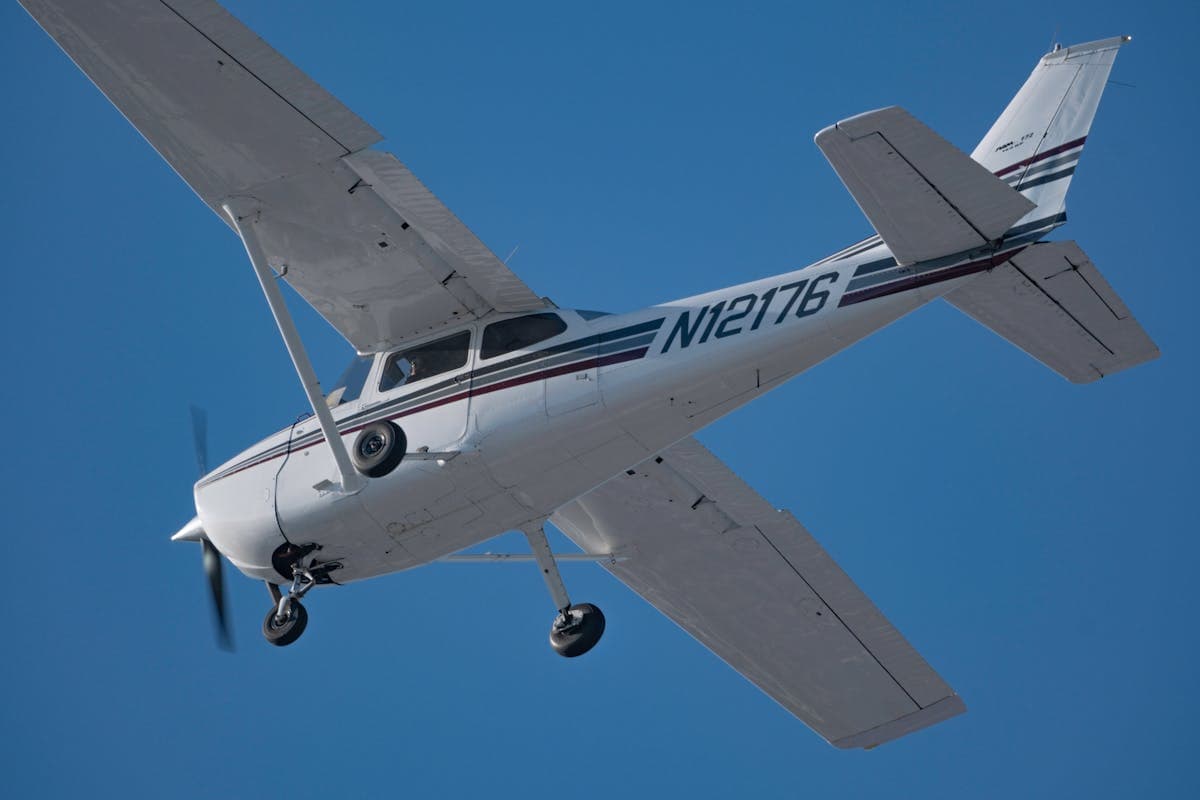
Furthermore, productive mentorship isn’t a one-time conversation or a single ride-along. Specifically, effective pilot mentorship usually involves several modes:
Hangar Time and Briefing Observations
Hanging around the hangar while your mentor preflights, briefs the weather, and decides on the flight. This is where you absorb decision-making rather than just hearing about it. The pilot who watches an experienced pilot scrub three flights for marginal weather learns more about ADM than from any course.
Right-Seat Ride-Alongs
Specifically, flying right seat while your mentor flies the airplane — observing aircraft handling, ATC communication, energy management, and the small choices that distinguish experienced operations from rookie operations. Watching a quality pilot land in challenging conditions is education that doesn’t happen on video.
Left-Seat Coaching
For instance, having your mentor occupy right seat while you fly — getting real-time feedback on technique, decision-making, and pattern operations. The mentor sees the small mistakes you’re not aware of and corrects them before they become habits.
Post-Flight Debriefs
Critically, the debrief after a flight is where the mentorship value crystallizes. The honest assessment — “you were behind the airplane on that approach because you set up too late” — drives skill faster than the flight itself did.
Where to Find a Pilot Mentor
Practically, the GA community has several reliable paths to finding a mentor:
Your home airport. The most accessible mentors are the pilots already hanging around your local field. Spend time in the FBO, attend the weekly hangar talk, introduce yourself to the pilots whose airplanes you admire.
Aviation associations. Most aviation associations offer formal mentorship matching programs that connect newer pilots with experienced volunteers. The structure helps both sides find each other.
Type clubs. If you fly a specific aircraft type, the type club is the highest-density mentor pool available. Cessna 172, Piper Cherokee, Cirrus, RV — every active type has a community of experienced operators willing to help.
Local flight schools. Specifically, CFIs are paid mentors. The right CFI for transition training, advanced rating work, or ongoing proficiency flying becomes a long-term mentor in most cases.
EAA chapters and similar community organizations. Local pilot community organizations attract experienced pilots who want to give back. These are excellent mentor sources for builders, backcountry pilots, and recreational aviators.
Notably, the pilot who approaches multiple sources increases the chances of finding the right fit. Mentor relationships work best when there’s natural rapport, not just a paired-from-a-list match.
The Mentorship Etiquette That Makes It Work
Conversely, the mentorship relationships that fizzle usually fail because the mentee didn’t manage the relationship well. Specifically, the etiquette that keeps mentors engaged:
- Respect their time. Show up prepared with specific questions, not vague “I want to learn.” Have read the chapter, watched the video, or thought about the problem before asking.
- Pay for their time when appropriate. If you’re getting CFI-quality instruction, pay CFI rates. If you’re riding along on flights they were already making, offer to cover fuel or food.
- Apply what you learn. The fastest way to lose a mentor is to ignore their advice. They invested time; demonstrate that by changing your flying.
- Bring something to the relationship. Even as a low-time pilot, you have something to offer — younger perspective on technology, willingness to do hangar grunt work, eagerness to attend events together.
- Stay in touch when you don’t need help. The relationships that survive long-term are the ones maintained in good times, not just when you have a problem.
Our take: mentorship is a relationship, not a transaction. Pilots who treat it like a transaction — show up, extract value, disappear — burn through mentors quickly. Pilots who treat it as relationship investment build aviation networks that pay dividends for decades.
The Specific Situations Where Mentorship Pays Off Most
Generally, mentorship value is highest at specific transition points:
Right after PPL. The fresh private pilot is at the most dangerous point in their flying career — confident enough to commit, not experienced enough to recognize when commitment is wrong. A mentor in the first 100 post-checkride hours dramatically improves outcomes.
Transition to a more complex aircraft. Whether it’s complex/high-performance endorsements, retract gear, glass cockpit, turbocharged singles, or twins — having an experienced operator of that specific aircraft type as a mentor cuts the transition curve in half.
Adding an instrument rating. The instrument environment punishes incomplete understanding. A mentor who already operates in the system fluently helps decode the procedural complexity that books don’t fully capture.
Starting backcountry or off-airport flying. Specifically, this is one area where solo experimentation is dangerous. Mentored introduction to backcountry operations is the standard path among pilots who survive long-term.
Owner-operator transitions. Buying an aircraft introduces maintenance, insurance, hangar, and ownership decisions that experienced owners can guide newer owners through.
What to Offer Once You Become the Mentor
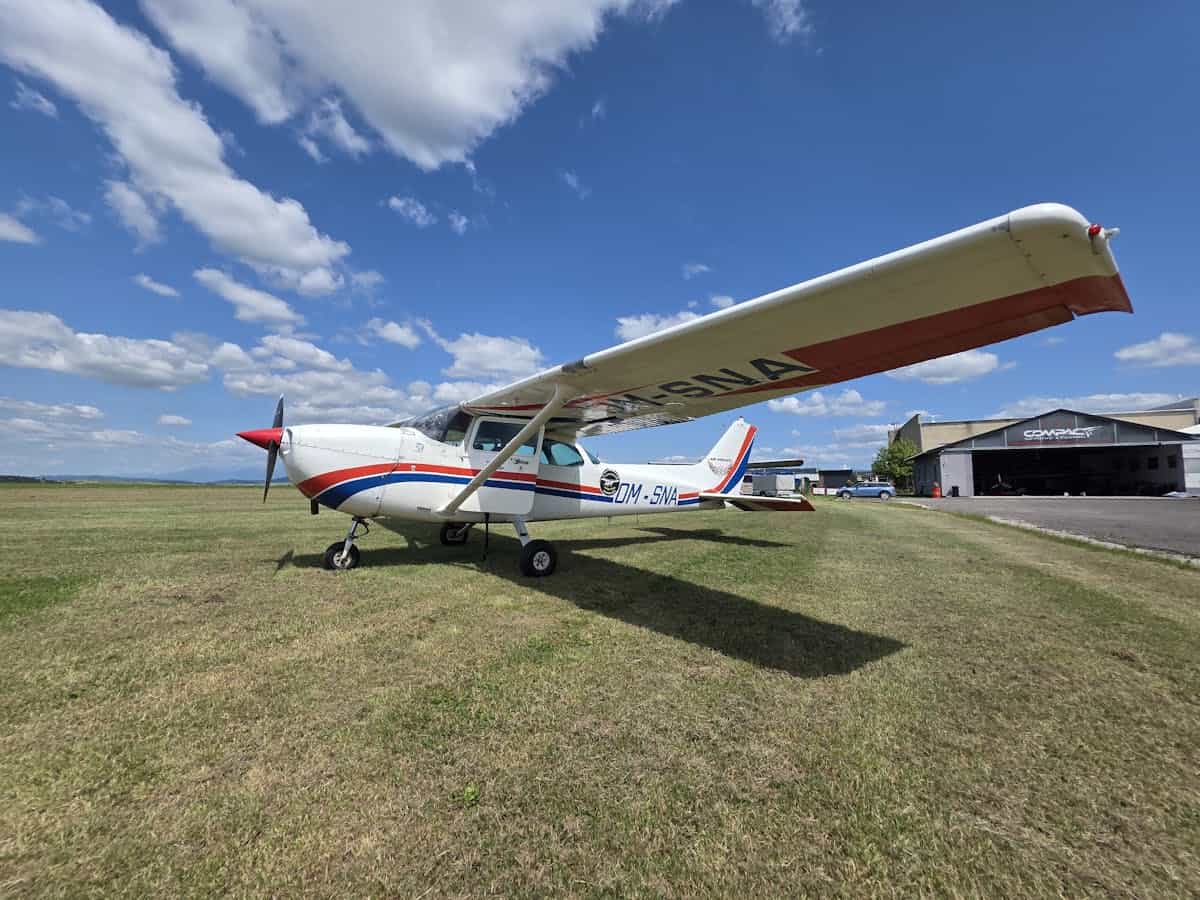
For instance, the pilot who has benefited from mentorship has an obligation to pay it forward. Specifically, the pilots who become great mentors typically:
- Make themselves available at the local FBO consistently
- Volunteer for type club or association mentorship programs
- Treat questions from newer pilots with respect, not impatience
- Share their judgment process openly, including their mistakes
- Resist the temptation to overstate their experience
Critically, mentorship is what keeps the GA community functioning across generations. The pilots who don’t pay it forward are the ones who eventually find themselves complaining that the next generation doesn’t know what they’re doing.
Combining Mentorship With Formal Training
Above all, mentorship complements but doesn’t replace formal training. Specifically, the strongest pilot development combines:
- Structured CFI instruction for skill acquisition and rating progress
- Recurrent training programs for ongoing currency
- Mentorship for judgment development and pattern recognition
- Self-directed study for explicit knowledge depth
- Community engagement for cultural integration
For broader context, explore our coverage of the GA pilot career path and our guide to aviation membership benefits.
Frequently Asked Questions About Pilot Mentorship
How do I know if a pilot would make a good mentor?
Look for several signals: they take safety seriously without being preachy, they’re patient with questions, they share their own mistakes openly, they have meaningful flight experience but aren’t constantly bragging about it, and they show evidence of continued learning themselves. Pilots who claim to know everything make poor mentors; pilots who admit what they don’t know make excellent ones.
Should I pay my mentor?
For CFI-quality instruction, pay CFI rates. For informal mentorship — ride-alongs, hangar conversations, ongoing advice — payment isn’t usually expected, but covering fuel costs on shared flights, treating to coffee or meals, and reciprocating with your time when possible are appropriate. The relationship works best when both sides feel the exchange is fair without being strictly transactional.
How long should a mentor relationship last?
Strong mentor relationships often last for years or decades, evolving as the mentee gains experience. Early mentorship may be intensive — frequent contact, multiple flights per month. Mature mentorship becomes more peer-to-peer — occasional flights, advice on specific challenges, ongoing friendship. Both forms have value at different career stages.
About the E3 Aviation Editorial Team
The E3 Aviation Editorial Team writes for owner-pilots, student pilots, and the small aircraft community. We focus on practical, real-world content that respects your time and your training. Learn more about E3 Aviation.