Cross-country airplane camping turns any rural airstrip into a basecamp. You land, tie down, unpack your tent, and wake up somewhere most people will never reach by road. It’s one of the most rewarding ways to use a pilot certificate. And it’s more accessible than most pilots think. This guide covers the full picture: aircraft selection, airstrip research, and exactly what goes in the bag.
Last Updated: May 7, 2026 | By: The E3 Aviation Editorial Team
What Is Cross-Country Airplane Camping?
Cross-country airplane camping â sometimes called fly-in camping or air camping â means flying somewhere specifically to camp. Sometimes that destination is a public-use airstrip with a campground attached. Sometimes it’s a backcountry strip where you’re the only aircraft within 30 miles. Either way, the aircraft is your ride and your gear carrier, and the destination is somewhere worth the flight.
The FAA defines a cross-country flight as any trip landing more than 50 nautical miles from departure. In practice, most cross-country airplane camping trips run far longer â several hundred miles, combining fuel stops with scenic routes. The appeal is the combination of piloting challenge, route planning, and the payoff of a camp spot that’s genuinely remote.
Specifically, social media has brought this niche into the spotlight. Pilots sharing canyon runs and campfire footage from remote strips have built large audiences on YouTube and Instagram. That visibility has pushed more GA pilots toward adventure flying. The community around it has grown significantly in recent years.
Choosing the Right Aircraft for Airplane Camping
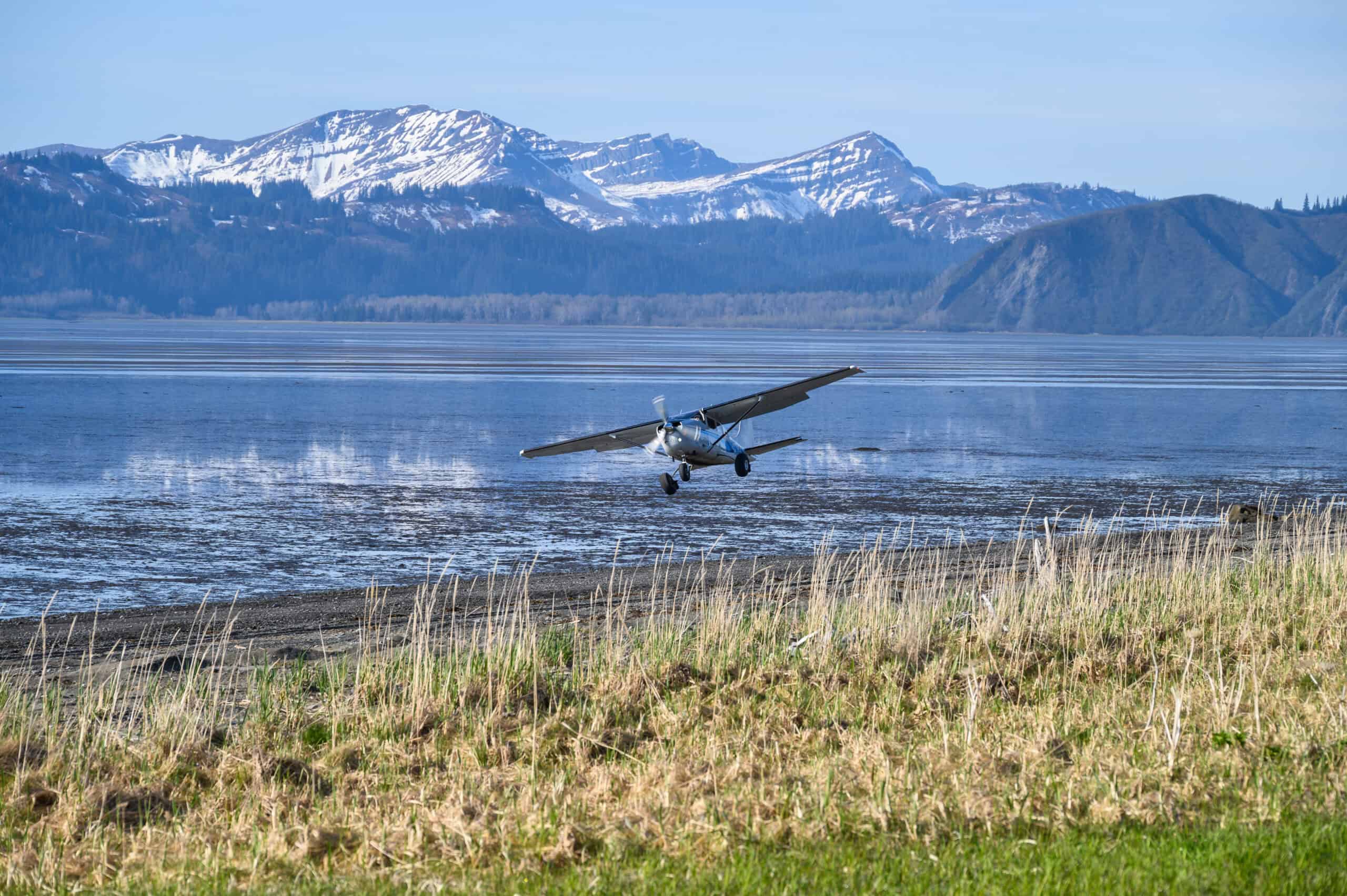
Ultimately, your aircraft determines your destination options more than any other factor. Not every strip you’d want to camp at is paved, long, or obstacle-free. Choosing the right plane â or knowing your current aircraft’s limits â is the first real planning decision.
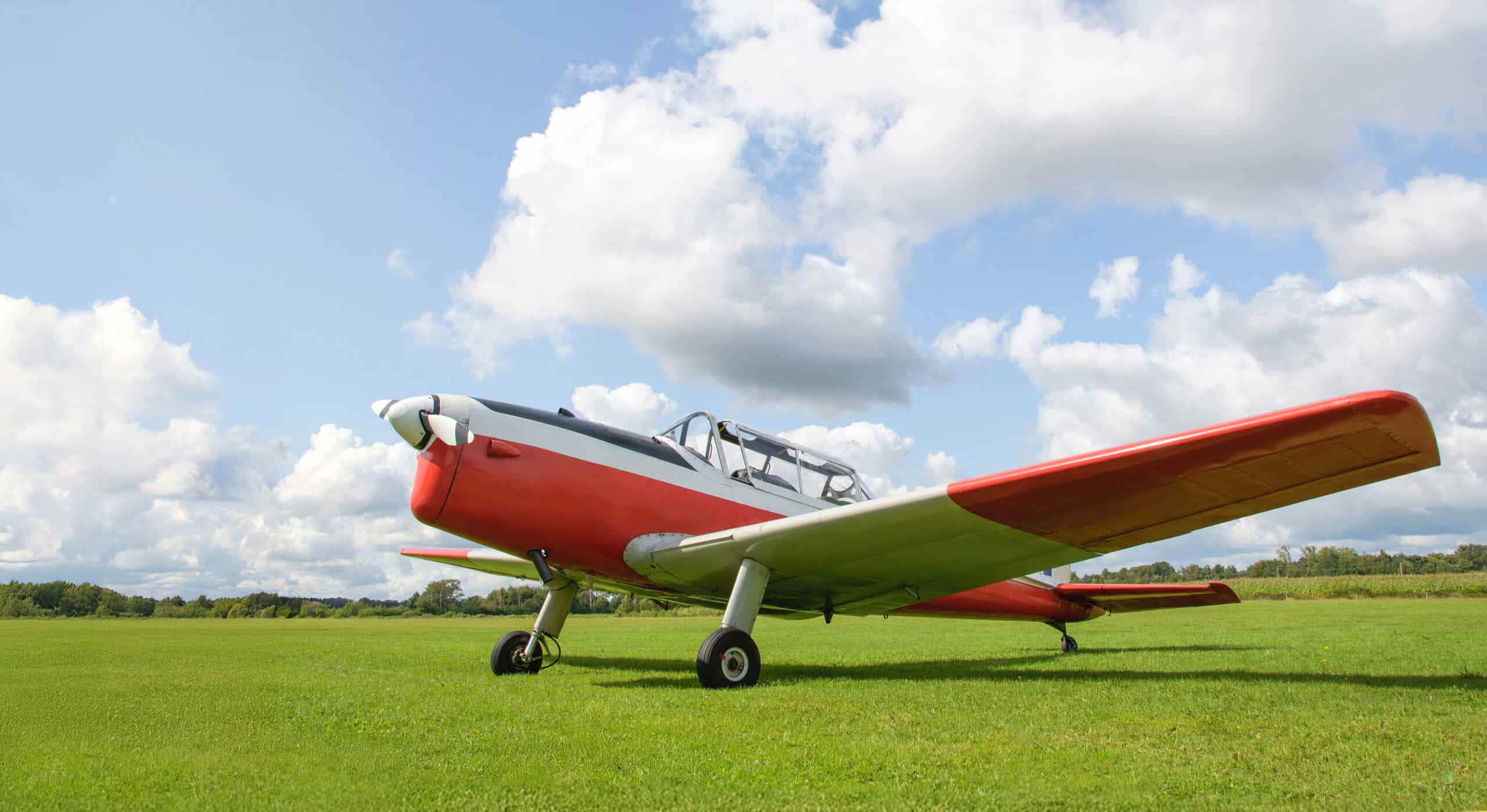
Aircraft That Excel at Fly-In Camping
First, consider true backcountry aircraft. A Cessna 185, Carbon Cub, or similar bush-capable plane opens up strips that a standard trainer simply can’t access. Additionally, these aircraft handle soft surfaces, short distances, and rough terrain that would make a Cherokee pilot think twice. What’s more, their useful load typically accommodates full camping gear plus fuel without compromise.
Second, consider standard cross-country touring aircraft. A Cessna 172 or Piper Cherokee won’t reach 600-foot strips. But they’ll handle almost anywhere with a paved or well-maintained turf runway. Many of the best fly-in camping destinations have perfectly reasonable airstrips. Filip Wolak and Sarah Tamar flew a 172 across the U.S. on a 20-day camping trip â no bush plane needed for a great adventure.
Third, think about useful load honestly. Camping gear adds weight fast. A tent, sleeping bag, pad, cook kit, food, and clothing can run 40 to 60 pounds. Therefore, factor that against your aircraft’s actual useful load at full fuel. You may need to carry less fuel and plan shorter legs â or trim your gear list.
Finding the Best Fly-In Camping Destinations
Honestly, one of the best parts of cross-country airplane camping is the sheer number of accessible destinations. The challenge isn’t finding options â it’s narrowing them down.
Where to Research Airstrips and Campgrounds
Specifically, the FAA’s official airport data is the starting point for any airstrip lookup. However, it misses details that matter for camping: runway surface condition, proximity to sites, noise restrictions, and overnight tie-down rules. Supplement official data with community resources.
Specifically, the E3 Aviation Association’s SkyShare platform lets pilots share and discover backcountry strips, water landings, and remote camping spots. Think of it as a crowdsourced map of GA adventure flying destinations, built by pilots who have actually been there. It’s particularly useful for finding strips that don’t show up in standard airport databases.
Additionally, pilot forums and Facebook groups dedicated to backcountry and adventure flying are great sources of current strip conditions and campsite info. Check recent posts before you go â conditions change, and local knowledge matters.
Ultimately, the best destinations balance accessibility with payoff. A strip requiring moderate planning that delivers a genuinely beautiful spot beats one that’s trivially easy â or beyond your aircraft’s capability.
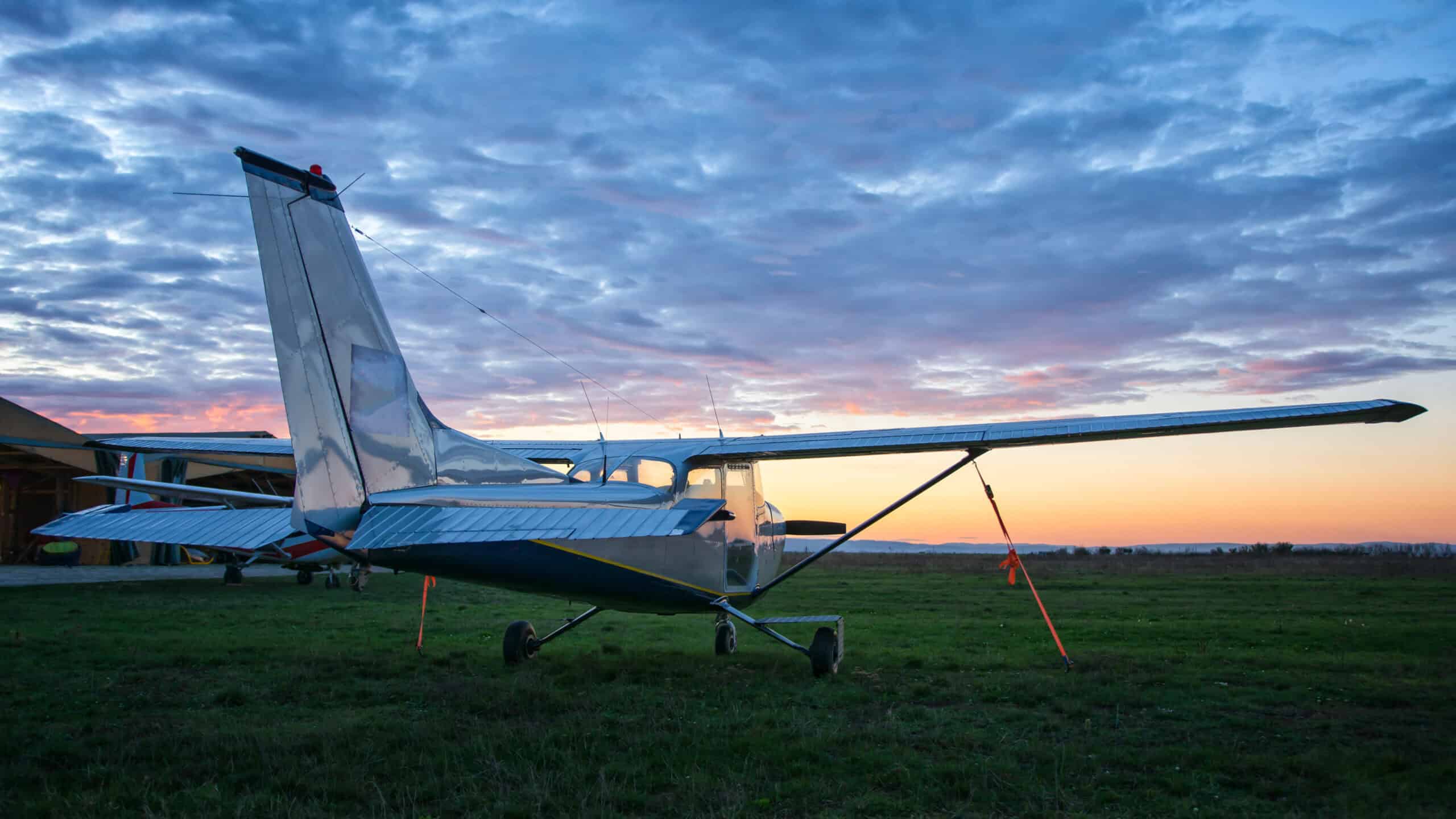
Seasonal Timing and Why It Matters for Fly-In Camping
Not every strip is open year-round. Mountain backcountry airports often close in winter due to snow and soft ground conditions in early spring. Many forest service strips in the western U.S. open in late May or June and close again by October. Always check current NOTAMs and contact the managing agency before planning a trip to a remote strip.
Summer brings the best conditions in the Rockies and Pacific Northwest. Fall is excellent in the Southeast and Gulf Coast. Spring in the Great Plains and Midwest offers uncrowded grass strips and cool temperatures — ideal for camping with a loaded aircraft. Match the season to your region and your aircraft’s capabilities, and the trip almost plans itself.
How to Plan a Cross-Country Airplane Camping Trip
Clearly, good planning separates a great camping trip from a frustrating one. Both the aviation side and the camping side need attention. They interact in ways that consistently catch new fly-in campers off guard.
Aviation Planning Essentials
First, research TFRs, airspace, and NOTAMs along your route well in advance. Backcountry strips near national parks, wilderness areas, or government land sometimes have seasonal flight restrictions. Flying into a TFR or landing on a restricted strip isn’t just inconvenient â it has regulatory consequences.
Second, build your fuel plan conservatively. Remote strips don’t have avgas. If your route exceeds comfortable fuel range, carry supplemental fuel or plan shorter legs around it. Many fly-in campers carry extra fuel in approved portable containers for exactly this reason. Talk to your A&P before doing this to confirm your aircraft and containers are properly set up.
Third, check the airstrip condition as close to your departure as possible. Turf strips in particular change after rain, snow melt, or seasonal vegetation growth. A strip that was firm in August can be soft in May. Typically, conditions shift fast in spring and fall. Contact the airport manager or check recent PIREP-style reports from the camping community before committing to a landing.
For a deeper look, see our guide on aviation risk management for GA pilots. Additionally, our article on backcountry flying techniques covers the aircraft control skills for remote strip operations.
Gear: What to Bring on a Fly-In Camping Trip
Packing for airplane camping is a weight-versus-comfort tradeoff every fly-in camper works out differently. The constraints are real â you don’t have the trunk space of a car. However, the priorities are the same as any backpacking trip: shelter, sleep, cook, eat, stay warm.
A minimalist kit works best. A solo ultralight tent, sleeping bag, compact pad, small stove, cook kit, and two to three days of food can fit in a 40-liter bag. That loads easily into most GA aircraft. In fact, many experienced fly-in campers say packing light makes them better campers overall.
Notably, one item most new fly-in campers underweight: communication. In remote areas, your phone may have no signal. A satellite communicator like the Garmin inReach gives you two-way messaging and SOS capability anywhere on the planet. For cross-country airplane camping in truly remote locations, this isn’t optional â it’s table stakes.
Also, don’t forget water. Many remote strips have no water source nearby. Carry more than you think you need â at least two liters per person per day, plus extra for unexpected weather delays. A lightweight water filter like the Sawyer Squeeze adds almost no weight and handles streams or standing water in a pinch. That small backup has saved more than a few fly-in campers from a miserable night.
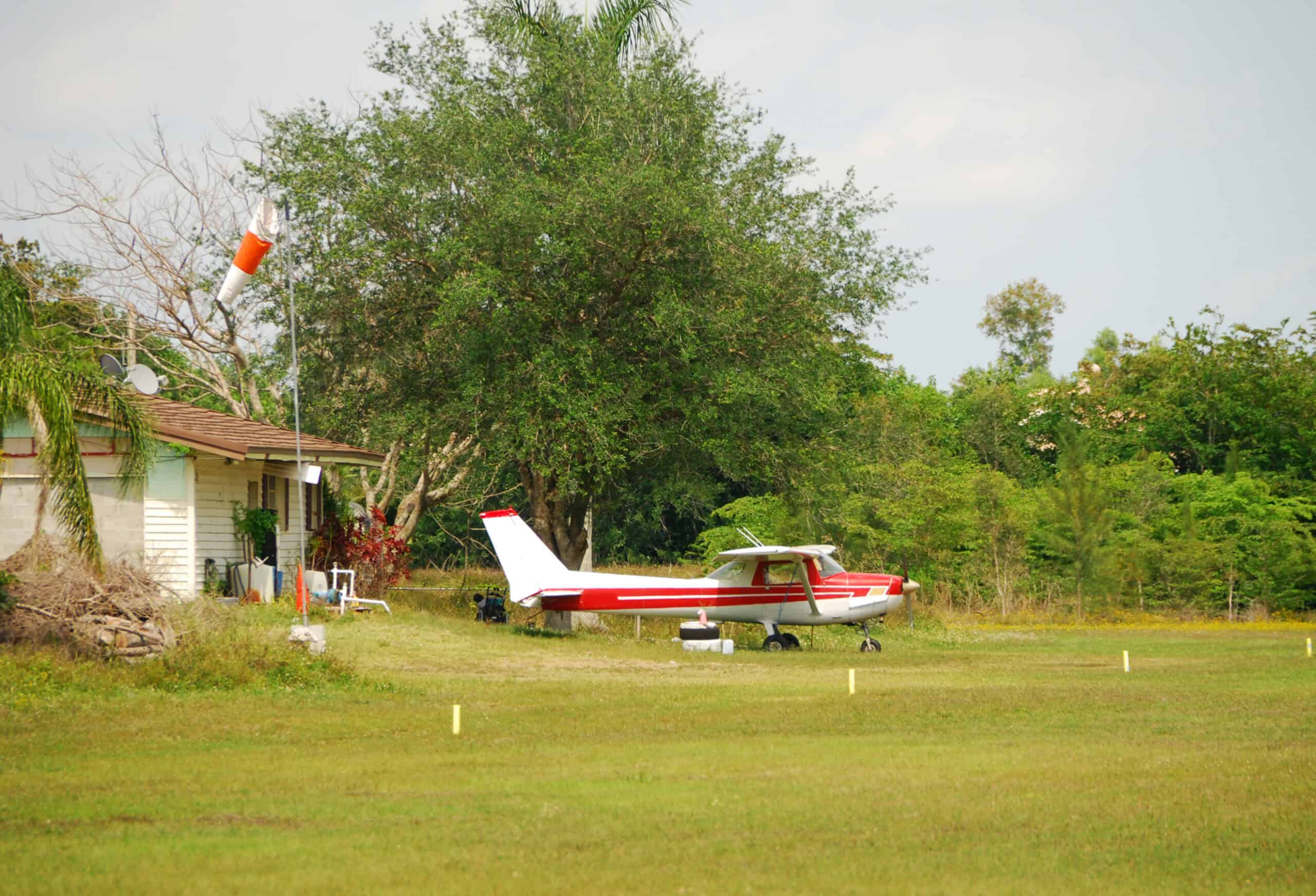
Additionally, bring basic aircraft tie-down equipment if the strip doesn’t have it. Rope, stakes, and chocks add minimal weight. They’re sometimes the difference between finding your aircraft where you left it and losing it to an overnight wind event.
Building a Weight and Balance Sheet Before You Pack
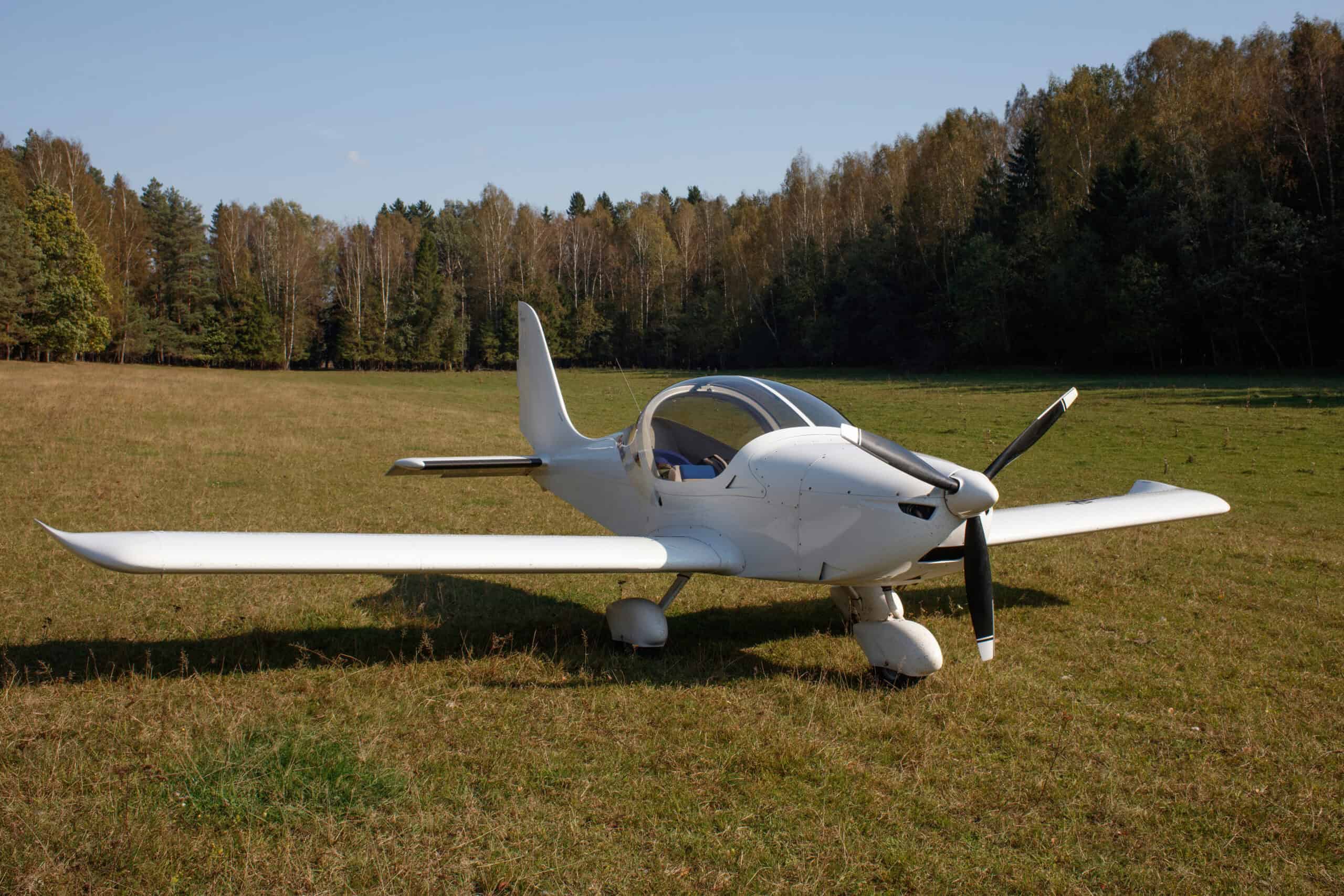
Before you load a single bag, run your weight and balance numbers. Camping gear adds up faster than pilots expect. A tent, sleeping bag, pad, stove, food for three days, water, clothes, and a satellite communicator can easily hit 35–50 pounds. Add a passenger and that number doubles.
First, calculate your useful load with full fuel. Then subtract your passenger weight. Whatever’s left is your gear budget. If you’re flying solo, you have more flexibility. However, don’t just assume you’re fine — actually run the numbers for your CG as the fuel burns off.
Our take: treat the weight budget like a hard constraint, not a guideline. Pilots who get into trouble on fly-in camping trips often pushed their useful load or flew with a CG that drifted aft as fuel burned. The math is quick. Do it every time.
For aircraft with limited useful load, consider staging your route. Fly light to a fuel stop, camp one night, then continue with a lighter fuel load on the final leg. Risk stacks fast in GA aviation — don’t let weight and balance become one of those stacked factors.
Safety Considerations for Remote Fly-In Camping
Clearly, remote airplane camping introduces risk factors that standard cross-country flying doesn’t. Generally, most are manageable with planning. None of them are reasons to avoid the adventure â but all deserve honest attention.
First, always file a flight plan and leave a detailed trip itinerary with someone you trust. Specifically, include your planned airstrips, expected arrival times, and when to call for help. Notably, search and rescue response to remote areas is slow. The faster someone knows you’re overdue, the better.
Second, brief yourself thoroughly on the airstrip before you land. Know the runway length, surface, slope, surrounding terrain, and any known obstacles. Watch a ground video or aerial view if one exists. Always make your first approach to an unfamiliar backcountry strip a low pass. Assess conditions visually before committing to land.
Third, know your personal weather limits and respect them more strictly in remote areas. There’s no easy way out when weather rolls in. A strip with no instrument approach and 200-foot ceilings leaves zero margin. Conservative weather minimums aren’t timidity â they’re the standard when a divert isn’t always available.
We’ll be straight with you: the pilots who do this well have honestly assessed both their flying and camping skills before combining them. Both take practice. Start with accessible destinations before pushing into technical backcountry flying.
Fourth, tell someone your plan and check in. Remote camps often have no cell service. A satellite communicator like a Garmin inReach handles two-way messaging and SOS from anywhere on the planet. Before every trip, give a trusted contact your full itinerary â strips, expected arrival times, and a clear “call for help” trigger. Specifically, agree on a check-in schedule. That one step has saved lives in GA accident reports. Don’t skip it because the weather looks good.
What to Do If Weather Closes In After You Land
Remote camping trips create a scenario standard cross-country pilots rarely face: you’re already on the ground when the weather turns. You can’t just divert. Your choices are to wait it out, or make a judgment call about flying in conditions you’d normally avoid.
Here’s what we recommend: build extra days into your trip. Plan for a one-night stay, but pack for two. Most backcountry strips don’t have anyone waiting on your schedule. A day tent-bound while a cold front passes is part of the experience, not a failure.
Additionally, check in with FSS or your weather app every morning before committing to fly. Never launch from a remote strip into deteriorating weather just because you feel pressure to get home. Get-home-itis kills pilots on return legs of vacation flights more than anywhere else.
Specifically, if you’ve filed a flight plan and you’re going to be delayed, close it and refile. Let your contact on the ground know you’re extending. The communication discipline that protects you during the trip is the same discipline that protects your family when you’re overdue.
Frequently Asked Questions About Cross-Country Airplane Camping
What’s the Best Aircraft for Fly-In Camping Trips?
It depends on your destinations. For paved or well-maintained turf strips, any standard GA aircraft works well â a Cessna 172 or Piper Cherokee is plenty capable. For true backcountry strips with short, rough, or soft surfaces, you’ll want a purpose-built bush plane like a Carbon Cub or Cessna 185. Match the aircraft to the destinations you actually want to reach.
Do I Need Special Permits to Land at Remote Airstrips?
It depends on the strip. Generally, public-use airports have no permit requirement. However, some strips on national forest null BLM land may require a landing permit or have seasonal restrictions. Always check with the land management agency before landing on strips in or near protected land. The FAA’s airport data and the local Forest Service or BLM office are your best sources.
How Do I Find the Best Fly-In Camping Destinations?
First, start with the FAA’s airport database for basic strip information. Then supplement with community resources. Specifically, the E3 Aviation SkyShare map, backcountry flying forums, and dedicated Facebook groups are where pilots share current conditions and hidden gems. Specifically, recently-flown reports from other pilots are often more accurate than official data for remote strips.
E3 Aviation Editorial Team
The E3 Aviation Association editorial team is made up of licensed pilots, aviation educators, and industry professionals dedicated to advancing general aviation safety, community, and education. Learn more about E3 Aviation.