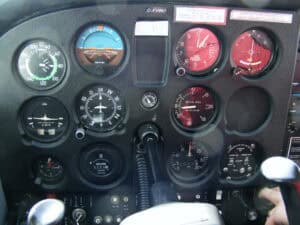
Flying general aviation in 2026 looks nothing like it did a decade ago. Avionics upgrades have transformed the cockpit from a panel of analog gauges into a command center that rivals commercial aircraft. For private pilots and aircraft owners, the question isn’t whether to upgrade — it’s which avionics upgrade makes the most impact for your mission. From emergency autoland systems to synthetic vision and glass panels, the technology is proven and finally within reach for owner-pilots.
Last Updated: May 4, 2026 | By: The E3 Aviation Editorial Team
Why Avionics Upgrades Are Transforming the GA Cockpit

General aviation has quietly entered its most exciting era. Modern avionics upgrades aren’t just cosmetic — they change how pilots see traffic, weather, terrain, and emergencies. For decades, upgrading meant replacing a single nav radio or adding a transponder. Today, a single avionics upgrade can add terrain awareness, ADS-B traffic, weather data, and synthetic vision to a 1975 Cessna.
The market reflects this shift. Garmin, Avidyne, and Dynon have all introduced modular systems that work in older airframes. Specifically, the FAA’s Supplemental Type Certificate program has made certification faster and cheaper for common GA aircraft. In fact, a Cessna 172 or Piper Cherokee owner can upgrade to a full glass panel for less than the cost of a major engine overhaul.
Here’s what most pilots get wrong: they treat avionics upgrades as an all-or-nothing decision. That said, you can upgrade incrementally. Start with ADS-B Out compliance, add a GNX 375 navigator, and layer on a G5 attitude indicator. Each step adds real value. Each step reduces cockpit workload and expands your capabilities as a pilot.
Garmin Autoland — The Emergency Co-Pilot You Never Knew You Needed
Garmin Autoland is the most dramatic avionics upgrade to enter the GA market this decade. Picture this: you’re flying cross-country with your family when you become incapacitated. No pilot at the controls. No one who knows how to fly. In that moment, Autoland becomes the crew. It takes over, selects a nearby airport, checks weather and fuel, flies a full approach, and lands the aircraft — all without human input.
This isn’t a concept. Autoland is certified in the Cirrus Vision Jet, Daher TBM 940, and Piper M600/SLS. It’s part of Garmin’s Autonomí suite, which also includes Electronic Stability and Protection. First certified in 2020, it represents the most significant safety leap in general aviation in decades.
How Garmin Autoland Actually Works
The system monitors fuel, weather, terrain, traffic, and airport options in real time. When a passenger presses the AUTOLAND button, the aircraft takes over completely. Specifically, it squawks 7700, transmits a voice message on 121.5 MHz, and contacts ATC via datalink. It then flies a GPS approach to the nearest suitable runway and lands at the safest available airport.
Autoland evaluates multiple airports at once. It weighs fuel remaining against distance, weather conditions, and runway length. It selects the best option automatically. Passengers see a moving map showing the planned route. The system handles everything — flaps, throttle, and brakes — all the way to a full stop. For solo pilots on long cross-country routes, this changes the incapacitation risk calculation fundamentally.
Which Aircraft Can Get Autoland?
Currently, Autoland is limited to turbine aircraft. The Cirrus Vision Jet SF50, Piper M600/SLS, and Daher TBM 940 all support it. Garmin has not yet certified Autoland for piston singles. However, the underlying avionics technology is the same across platforms. As Garmin scales its G3000 and G5000 suites, more aircraft types will gain access to these safety systems over time.
For piston pilots, Electronic Stability and Protection — a related technology — is already available on the Garmin G3X Touch. It prevents upsets by nudging the controls when the aircraft approaches unusual attitudes. It’s not Autoland, but it’s the same family of safety thinking.
ADS-B: The Foundation of the Modern GA Cockpit
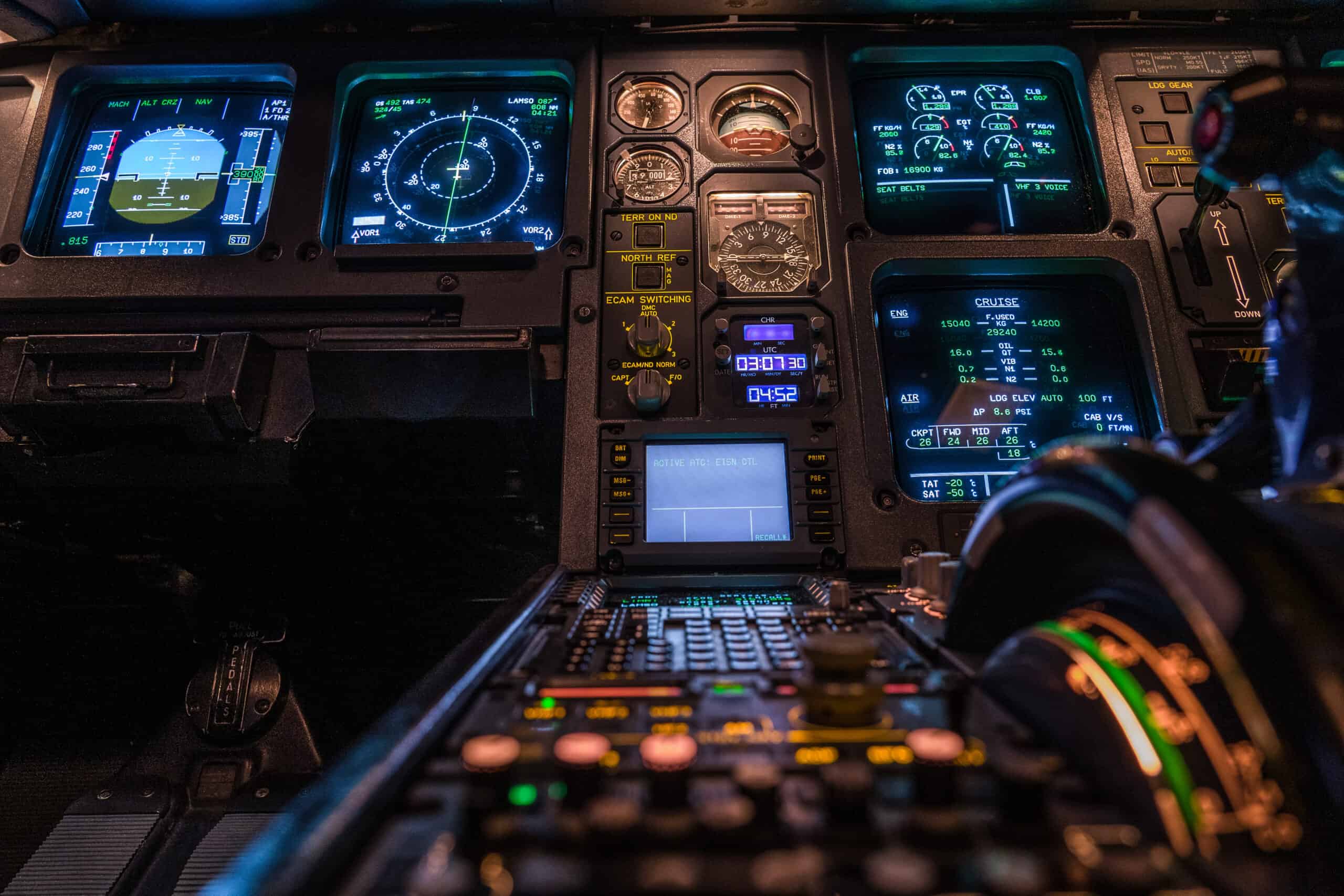
ADS-B Out became mandatory for most controlled airspace in January 2020. But the mandate was the floor, not the ceiling. The real avionics upgrade is ADS-B In — the receiver side that streams free weather data and traffic information directly to your cockpit display.
ADS-B In gives pilots access to FIS-B weather, which includes NEXRAD radar, METARs, TAFs, PIREPs, NOTAMs, and TFRs — all broadcast for free via FAA ground stations. It also provides TIS-B traffic, which shows other aircraft in your area. Combined, these tools give a GA pilot better situational awareness than a commercial crew had 20 years ago.
Combining ADS-B With a Panel Mount for Best Results
You can receive ADS-B In data on a portable device like a Stratus or Sentry and display it on ForeFlight. Alternatively, a panel-mounted receiver like the Garmin GDL 88 integrates directly with your cockpit displays. Both work. However, the panel-mount approach keeps your eyes inside the cockpit rather than on a tablet strapped to your leg.
Additionally, newer navigator units like the Garmin GNX 375 combine a certified GPS navigator, ADS-B Out transmitter, and ADS-B In receiver in a single unit. It fills a standard 2.25-inch round hole — no major panel surgery required. For many owner-pilots, this single avionics upgrade solves ADS-B compliance and dramatically improves situational awareness in one step.
For more on the regulatory side of GA technology, tracking FAA system updates like the new NOTAM platform keeps you ahead of changes that affect cockpit operations.
Is an Avionics Upgrade Worth the Cost?
For most owner-pilots, yes — an avionics upgrade pays off in ways that go well beyond safety alone. A modern glass panel installation typically adds 10 to 15 percent to an aircraft’s resale value. Insurance carriers offer discounts for aircraft equipped with terrain awareness and ADS-B. And the workload reduction in IMC is measurable — pilots managing fewer tasks per minute make better decisions under pressure.
The cost range is wide. A basic ADS-B Out compliance upgrade runs $2,000 to $4,000 installed. A Garmin G3X Touch installation in a certified piston single can run $20,000 to $40,000 depending on panel work required. A full Garmin G1000 NXi upgrade in a Cessna 172 can approach $50,000. However, any of these avionics upgrades can be done incrementally — starting with the highest-priority safety item first.
Our take: start with the upgrade that closes your biggest safety gap. For most pilots, that’s situational awareness — either ADS-B In or a better moving map. Once that’s solved, add attitude backup, terrain awareness, and then weather. Don’t try to do everything at once. Phased upgrades are smarter financially and easier to train to one system at a time.
Synthetic Vision and Glass Cockpit Upgrades for Older Aircraft
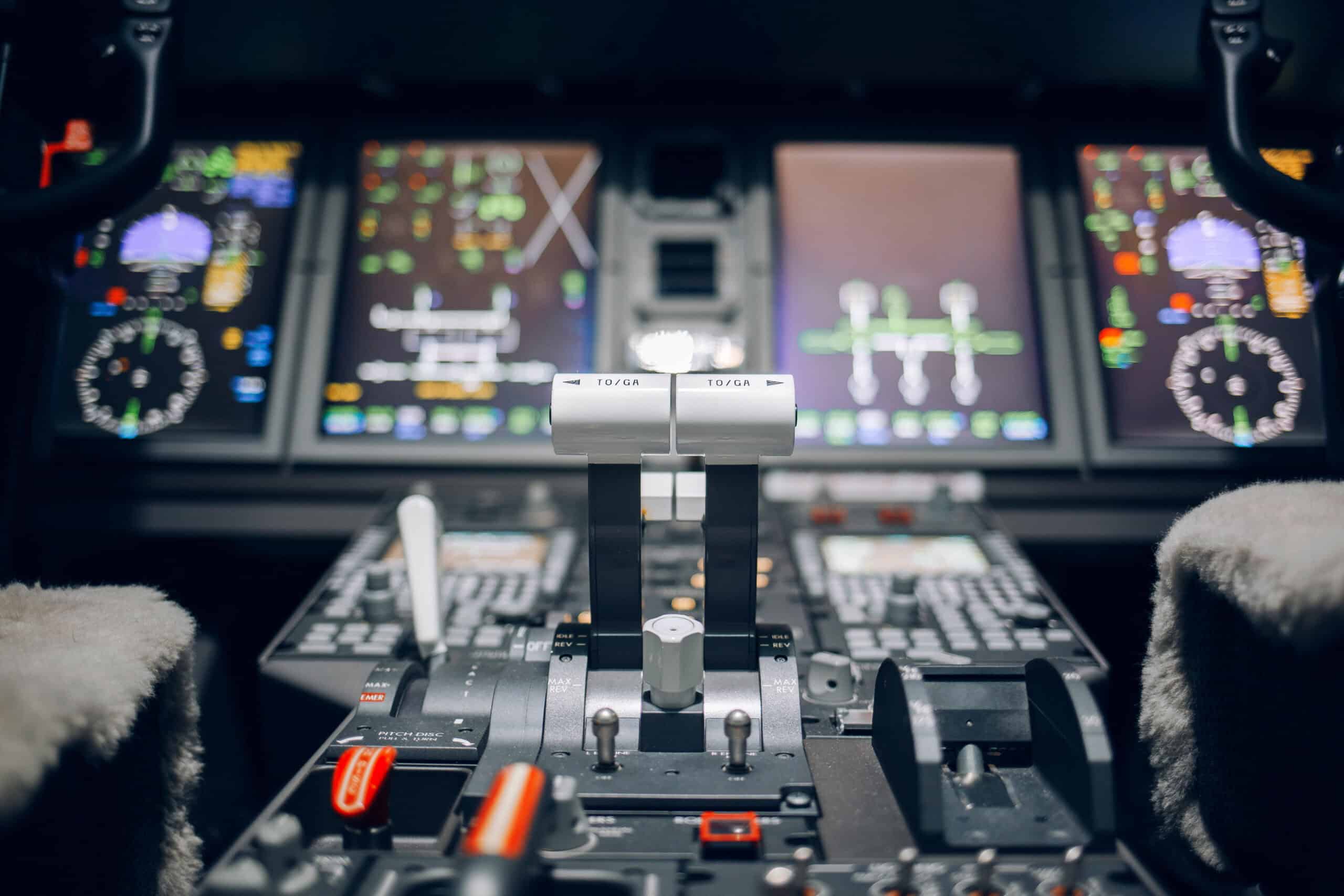
Synthetic Vision Technology projects a computer-generated terrain depiction on your primary flight display. Even in IMC, you see mountains, towers, and runways on a 3D landscape drawn from your GPS position and terrain databases. It won’t replace solid instrument training, but it adds a powerful awareness layer for pilots flying in complex terrain.
For older aircraft, glass cockpit upgrades have become dramatically more affordable. The Garmin G5 attitude indicator starts under $2,500 installed. It replaces the vacuum-driven attitude indicator with a battery-backed digital display that connects to GPS and shows ground track and altitude. For certificated aircraft, it’s one of the most cost-effective avionics upgrades available today.
Garmin G3X Touch: What Every Owner-Pilot Should Understand
The Garmin G3X Touch is a modular glass cockpit system originally designed for Experimental aircraft. Garmin now offers STCs for several certified GA types, expanding access to a full glass panel with engine monitoring, synthetic vision, autopilot integration, and ADS-B. The touchscreen interface reduces the learning curve compared to older glass panels significantly.
For aircraft with a traditional 6-pack panel, the G3X Touch allows a phased installation. Start with a single 10.6-inch display covering PFD and MFD functions. Add a second display later. Connect the autopilot interface when the budget allows. This modular approach makes the G3X Touch accessible for pilots who can’t afford a full panel rebuild upfront.
Planning Your First Avionics Upgrade — What Pilots Get Wrong
Most owner-pilots research avionics the wrong way. They start with the equipment they want — the big screen, the autopilot, the synthetic vision — and work backward. Instead, start with your mission. What does your flying actually look like? Cross-country IFR? Local VFR day trips? Backcountry strips? The right avionics upgrade for a backcountry Cub is nothing like the right upgrade for a Cherokee flown on IFR trips.
Next, talk to an avionics shop early — not when you’re ready to buy. A good shop walks your panel, identifies what integrates with existing equipment, and flags surprises before they become expensive mid-project problems. The FAA’s avionics certification and STC database is also worth checking before committing to any upgrade path.
We’ll be straight with you: the biggest mistake pilots make is skipping the training and assuming the new equipment will do the work for them. It won’t. But with proper training, modern avionics upgrades genuinely make you a safer, more capable pilot. That payoff is real — and it compounds over every hour you fly.
Additionally, AVweb publishes one of the best free avionics resources for GA pilots at avweb.com. Their avionics coverage includes head-to-head comparisons, real-world installation reports, and pilot training guidance for new systems. Flying Magazine’s annual avionics buyer’s guide at flyingmag.com is equally useful for benchmarking options before you commit.
For pilots still building flight hours toward their checkride, understanding your avionics before the practical test puts you ahead of the curve on exam day. And if you want to sharpen your chart reading skills alongside your new digital tools, mastering the sectional chart remains a foundational skill no avionics upgrade replaces.
The Most Common Avionics Upgrades GA Pilots Are Buying in 2026
Generally, the GA avionics upgrade market in 2026 reflects three clear priorities: ADS-B compliance done right, glass-panel retrofits for legacy aircraft, and engine monitoring systems that catch problems early. Specifically, these three categories account for the bulk of avionics dollars spent in owner-flown GA aircraft. Therefore, knowing what your peers are actually installing helps benchmark your own upgrade decisions.
The ADS-B Plus Compliance Path
First, the most common upgrade is replacing a 2020-era ADS-B Out box with a modern unit that includes ADS-B In. Notably, ADS-B In gives you traffic and weather on your panel without requiring an iPad in the airplane. Furthermore, units like the Garmin GTX 345 or uAvionix tailBeacon X integrate cleanly with existing avionics suites. As a result, the upgrade cost typically runs $3,500–$6,500 installed, depending on aircraft type and existing wiring.
Glass-Panel Retrofits for Round-Gauge Cockpits
Subsequently, the largest single avionics upgrade most owners consider is replacing the steam-gauge primary instruments with a glass panel. Specifically, Garmin G3X Touch, Aspen Avionics E5, and Dynon SkyView are the dominant aftermarket choices. Furthermore, expect total installed cost between $15,000 and $30,000 depending on system complexity and labor rates. Notably, the resale value bump from a glass-panel retrofit typically recovers 50–70% of the upgrade cost — better than most other modifications.
Engine Monitoring: The Smartest Cheap Upgrade
Conversely, engine monitoring systems are often the highest-value avionics upgrade per dollar spent. Specifically, units like the JPI EDM 730 or Garmin EIS provide real-time CHT and EGT data on every cylinder. As a result, you’ll catch developing engine problems weeks or months before they would have shown up on a standard six-pack. Furthermore, the typical engine monitor install runs $4,000–$7,500 — and many owners report the system has paid for itself with one early-warning catch.
Avionics Upgrades and IFR Capability: What Changes Legally
Specifically, certain avionics upgrades change what kind of flying you can legally do. Therefore, before you invest in an upgrade, understand exactly what new capabilities it grants and what additional currency or training requirements apply.
WAAS GPS Unlocks LPV Approaches
First, upgrading from a non-WAAS GPS to a WAAS-capable navigator (Garmin GTN 650 Xi, Avidyne IFD440, etc.) lets you fly LPV approaches. Notably, LPV approaches give near-ILS accuracy at thousands of airports without ILS infrastructure. Furthermore, the operational impact is significant — many destination airports become viable IFR alternates that weren’t accessible without LPV capability.
Autopilot Upgrades and IFR Single-Pilot Workload
Subsequently, modern autopilots (Garmin GFC 500, S-TEC 3100, etc.) dramatically reduce single-pilot IFR workload. Specifically, integrated autopilots can fly coupled approaches, hold altitudes precisely, and manage navigation through complex IFR routes. As a result, many pilots find their IFR operating envelope expands meaningfully after an autopilot upgrade — fatigue is the silent enemy of single-pilot IFR, and a good autopilot is the single best fatigue management tool you can buy.
Importantly, future avionics upgrades will increasingly include connected weather, datalink ATC clearances, and integrated electronic logbook functions. Specifically, the trend is toward cockpits that look more like consumer electronics than the analog panels of two decades ago. Furthermore, expect installation costs to fall as more shops gain experience with modern integrated systems. As a result, GA pilots planning ownership over the next decade should view avionics upgrades as an ongoing investment cycle, not a one-time decision.
Specifically, modern avionics upgrades increasingly include connected weather, datalink ATC clearances, and integrated electronic logbook functions. Furthermore, expect installation costs to fall over the next decade as more shops gain experience with modern integrated systems. As a result, GA pilots planning ownership over the next decade should view avionics upgrades as an ongoing investment cycle, not a one-time decision. Importantly, the resale value bump from a well-executed upgrade typically recovers a substantial portion of the install cost.
Frequently Asked Questions About Avionics Upgrades
How much does a typical avionics upgrade cost for a GA aircraft?
A basic ADS-B Out upgrade runs $2,000 to $4,000 installed. A Garmin G5 attitude indicator adds around $2,500. A full glass cockpit avionics upgrade using the Garmin G3X Touch runs $20,000 to $40,000 depending on the aircraft and panel complexity. Full Garmin G1000 NXi installations in certified singles can approach $50,000.
Will avionics upgrades increase my aircraft’s resale value?
Yes — meaningfully. A modern glass panel installation typically adds 10 to 15 percent to an aircraft’s market value. ADS-B Out compliance is now expected by buyers and affects negotiating leverage. Garmin-branded systems hold the most resale value because of brand recognition and nationwide parts and service availability.
Do I need a certified avionics shop to install upgrades in my aircraft?
Yes. Certified aircraft require an FAA-approved avionics shop and a certificated A&P mechanic or IA to sign off on the work. Some upgrades require an STC-specific installer. Always verify your shop holds the correct ratings before committing to a project. Poor installation creates airworthiness issues that cost far more to resolve than the original upgrade.