What Is MOSAIC and Why Does It Matter Right Now?
The FAA just delivered the biggest shake-up in recreational aviation in over 20 years. The Modernization of Special Airworthiness Certification — known as MOSAIC — rewrites the rules for light sport aircraft (LSA) and sport pilot privileges from the ground up. Phase one already took effect on October 22, 2025. Now the clock is ticking on phase two. The MOSAIC LSA rule 2026 implementation date is July 24, and you have less than four months to prepare.
This is not a small update. MOSAIC eliminates the old 1,320-pound weight cap. It opens the door to four-seat aircraft under sport pilot privileges. It allows retractable gear, constant-speed propellers, and even electric powerplants. Flight schools, insurers, homebuilders, and manufacturers are all adapting right now. If you fly a light sport aircraft or hold a sport pilot certificate, this rule directly affects your flying life.
Understanding the MOSAIC LSA rule 2026 is no longer optional. It is essential. Whether you fly a Van’s RV kit plane, a factory-built LSA, or you dream of cutting your training costs in half, this article covers everything you need to know before July 24. Sport pilot privileges 2026 offer capabilities that pilots couldn’t even imagine two years ago. And the light sport aircraft certification market is about to explode with new options. Let’s break it all down.
The 20-Year Problem MOSAIC Solves
The original Sport Pilot and Light Sport Aircraft rule launched in 2004. At the time, it was a breakthrough. The FAA created a new pilot certificate requiring far less training than a private pilot certificate. The medical requirement dropped to just a valid driver’s license for daytime flight. Aircraft in the category had to weigh under 1,320 pounds, stall below 45 knots, and carry just two seats.
For two decades, those limits barely budged. Meanwhile, aircraft technology leaped forward. Electric propulsion matured. Composite structures got lighter. Manufacturers could build fast, capable aircraft — but the old weight and speed caps kept them out of the LSA market. Many innovative designs simply couldn’t qualify. The rules were strangling innovation.
MOSAIC tears down those walls. Instead of a hard weight limit, the FAA now uses performance-based stall speed criteria. This approach mirrors international standards and gives manufacturers far more flexibility. The result is a massive expansion of what qualifies as an LSA — and what a sport pilot can legally fly.
A Two-Phase Revolution
The FAA signed MOSAIC on July 18, 2025. The homebuilt community unveiled it at AirVenture Oshkosh to a standing ovation. The rule then rolled out in two phases to give pilots, schools, and manufacturers time to adapt.
Phase one changed sport pilot privileges immediately. Those changes hit on October 22, 2025. Phase two — which covers the airworthiness certification of new light sport category aircraft — arrives on July 24, 2026. Both phases together represent the most sweeping overhaul of this segment since its creation.
The homebuilt community called MOSAIC “the most monumental and important step recreational aviation has taken in more than 20 years.” That is not hyperbole. This rule reshapes who can fly, what they can fly, and how they maintain it. E3 Aviation Association has followed this rulemaking closely since its proposal stage, recognizing its potential to dramatically grow the pilot community.
What Already Changed on October 22, 2025
Many pilots are still catching up on what phase one delivered. Before jumping to July 2026, let’s review what sport pilot privileges 2026 already include — because these changes are live right now and affect your flying today.
New Stall Speed Threshold for Sport Pilots
Under the old rule, sport pilots could only fly aircraft with a clean-configuration stall speed (VS1) at or below 45 knots calibrated airspeed. That was a tight constraint. It excluded many popular aircraft that were otherwise perfect for sport pilot operations.
MOSAIC raised that threshold to 59 knots calibrated airspeed. That single change unlocks a dramatically wider fleet. Many Van’s RV kit planes now fall inside the sport pilot envelope. Common trainers that previously required a private pilot certificate now qualify for sport pilot operations. Additionally, aircraft can carry up to four seats — though sport pilots may still only carry one passenger.
This expanded envelope gives sport pilots access to faster, more capable aircraft. Many of these were unattainable under the old rules. For pilots who want real cross-country capability on a sport pilot certificate, this change is transformative.
Complex Aircraft Endorsements Are Now Available
Before MOSAIC, sport pilots were locked out of aircraft with retractable landing gear or constant-speed propellers. That kept them away from many of the most capable and enjoyable planes in general aviation.
MOSAIC changes that completely. Sport pilots can now earn endorsements to fly aircraft with controllable-pitch propellers and retractable landing gear. The endorsement process requires specific training with a qualified CFI. However, the door is now open. This puts complex, high-performance aircraft within reach of sport-certificate holders for the first time ever.
Instructors must also earn their own endorsements before teaching in these aircraft categories. The training standards are rigorous. Moreover, pilots must receive model-specific training for simplified flight control aircraft, such as those with fly-by-wire systems. The added complexity demands added preparation — but the expanded privilege is worth it.
Night Flying for Sport Pilots Is Now Possible
This one catches many pilots off guard. Sport pilots can now fly at night under MOSAIC. Previously, night flight was completely off-limits for sport certificate holders.
However, there is an important medical caveat. A valid driver’s license suffices for daytime sport pilot operations. Night flight requires either a valid FAA medical certificate or a current BasicMed qualification. Pilots must also earn the appropriate endorsement from a CFI before flying after sunset.
For pilots who want to expand their utility, this is a significant new capability. BasicMed is relatively straightforward to obtain for most healthy pilots. The combination of night currency and BasicMed qualification opens up a much more practical flying life for the sport pilot community.
The MOSAIC LSA Rule 2026: What Changes on July 24
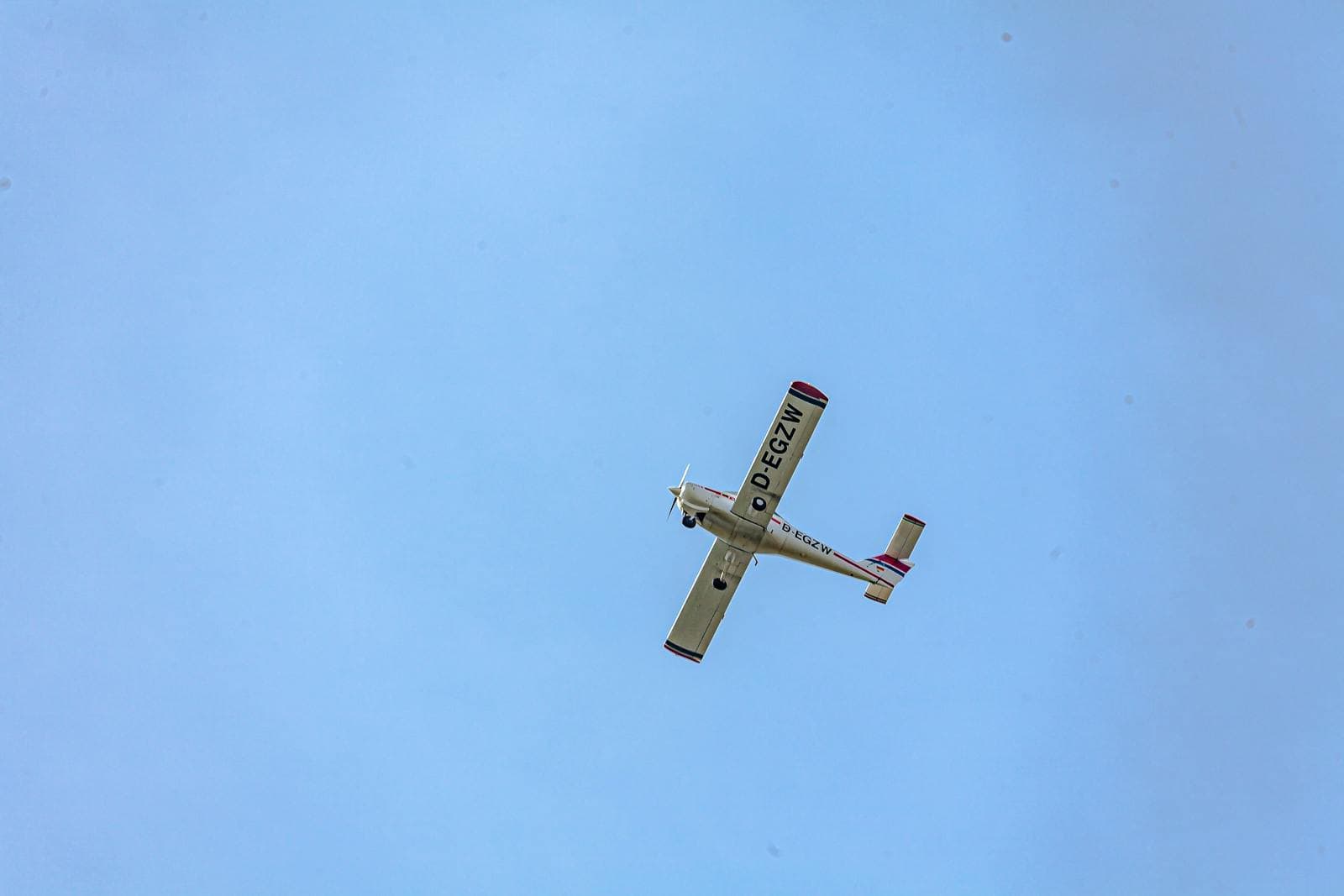
July 24, 2026, is the date every light sport aircraft stakeholder has circled on their calendar. On that day, the FAA officially strikes the old LSA definition from 14 CFR § 1.1 and replaces it with a completely new framework under new Part 22. The MOSAIC LSA rule 2026 changes are far-reaching.
The End of the 1,320-Pound Weight Limit
The original 1,320-pound gross weight cap was a blunt instrument. It served a purpose in 2004 when the category launched, but it artificially restricted what manufacturers could build and certify as an LSA. Many excellent training aircraft weighed just a little more and therefore couldn’t qualify.
After July 24, that weight cap no longer exists for newly certified light sport category aircraft. Instead, the FAA uses a flaps-down stall speed (VS0) of 61 knots calibrated airspeed as the primary performance limit. Aircraft that meet this criterion qualify — regardless of how much they weigh.
Furthermore, manufacturers can now build four-seat LSAs. The maximum level-flight speed cap rises to 250 knots calibrated airspeed. Retractable landing gear, constant-speed propellers, and electric or turbine powerplants all become eligible. This is a fundamentally different category than what existed before.
New Part 22 and Industry Consensus Standards
MOSAIC adds a brand new section to the Federal Aviation Regulations: Part 22, covering Design, Production, and Airworthiness Requirements for Non-Type Certificated Aircraft. This is a significant structural change to how the FAA certifies light aircraft.
Under Part 22, manufacturers certify their aircraft against ASTM International consensus standards rather than the traditional FAA type certification process. This approach dramatically reduces the time and cost to bring a new design to market. Previously, full FAA type certification could cost tens of millions of dollars and take a decade or more.
Additionally, Part 22 removes the single-reciprocating-engine requirement. This opens the door to multi-engine LSAs, electric aircraft, and hybrid powerplants. As long as the propulsion system design ensures that any single failure does not prevent continued safe flight and landing, it qualifies. The result is an extremely fertile landscape for aviation innovation.
What New Light Sport Category Aircraft Will Look Like
New aircraft entering the light sport category after July 24, 2026, could look very different from today’s fleet. Think of a four-seat touring aircraft with a 250-knot cruise speed. Add retractable gear and a constant-speed prop. Then certify it under consensus standards at a fraction of the cost of traditional type certification.
That is not a fantasy. Several manufacturers are already developing exactly that. These aircraft could enter the market as early as 2027, offering performance comparable to much more expensive certified aircraft — but at light sport acquisition costs and maintenance simplicity.
Electric LSAs will also see an accelerated path to certification. The removal of the single-engine-reciprocating requirement means electric training aircraft can finally qualify as light sport category aircraft. Several new kit planes and factory-built aircraft are already positioned to take advantage of these changes, with their developers having watched MOSAIC’s progress for years.
Which Aircraft Qualify Under Sport Pilot Privileges Right Now?
One of the most practical questions pilots are asking is simple: can I fly my aircraft on a sport pilot certificate today? The answer depends entirely on stall speed, seat count, and how many people are on board. Here is how light sport aircraft certification applies to the existing fleet.
Van’s Aircraft RV Series Under MOSAIC
Van’s Aircraft is the largest kit plane manufacturer in the world. Their RV series dominates the experimental-amateur-built category. Many RV owners were locked out of sport pilot operations under the old rules because their aircraft stalled above 45 knots.
MOSAIC changes that for most of the RV lineup. Under the new stall speed threshold of 59 KCAS, the RV-3, RV-4, and RV-6/6A all fall within the sport pilot envelope. Virtually all existing RV models qualify — the only exceptions are the RV-10 and RV-14. The anticipated RV-15 is also expected to fall well within MOSAIC limits.
Additionally, MOSAIC creates a new path for non-builder experimental owners. For the first time, a pilot who did not build their aircraft can complete a 16-hour Repairman (Light Sport, Inspection) course and legally perform their own annual condition inspection. This is a massive benefit for RV buyers who did not build their aircraft from scratch. Van’s Aircraft published a comprehensive March 2026 update specifically addressing these implications for their community.
Factory-Built LSAs in the MOSAIC World
Existing factory-built LSAs certified under the old rules remain valid and legal to operate. MOSAIC does not retroactively change their status. However, manufacturers can now seek light sport category certification for existing designs under the new Part 22 framework if they choose.
This matters for resale value. Aircraft certified under the new framework may attract broader buyer pools, since they can be flown by more pilots under more privileges. Sellers of existing LSAs should consult their aircraft manufacturer about their certification path forward.
Homebuilts and experimentals can also benefit significantly. Many aircraft that pilots or small shops built years ago now fall within the MOSAIC sport pilot eligibility window. If your experimental’s clean stall speed is at or below 59 KCAS and it has four or fewer seats, sport pilots can legally fly it — a major shift from the old regime.
How Manufacturers Are Responding to MOSAIC
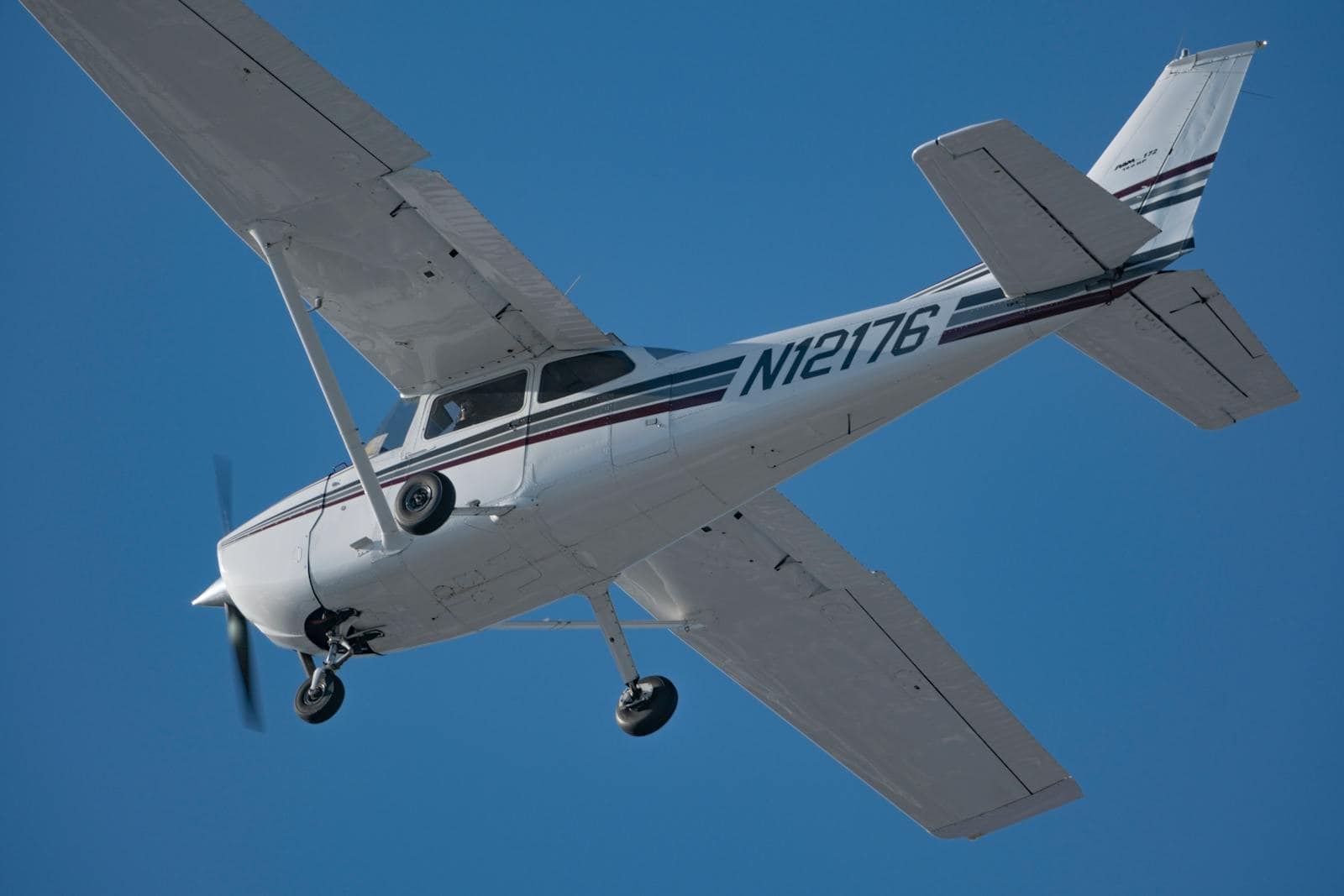
The aviation industry did not wait for July 2026 to start adapting. Manufacturers watched MOSAIC’s development closely for years. Since the rule’s finalization in July 2025, several companies have moved aggressively to capture the new market. The MOSAIC LSA rule 2026 is already reshaping the competitive landscape.
Tecnam’s MOSAIK59 Product Line
Tecnam, one of the world’s most prolific light aircraft manufacturers, unveiled its “MOSAIK59” product family in direct response to the new rules. The lineup positions several current Tecnam models — including the P92 Echo MKII, P2008, and Astore GT — to qualify under the new sport pilot stall speed criteria.
Tecnam is also evaluating its four-seat P2010 and twin-engine P2006T NG for the new framework. Initial MOSAIK59 deliveries are anticipated in early 2027. Tecnam’s manufacturing lines are reportedly booked through that period due to strong pre-order demand. Their early move signals confidence that the expanded LSA market will be substantial.
Other manufacturers are watching closely. Several startup companies specifically designed new aircraft around the MOSAIC parameters. Meanwhile, established names are reviewing whether existing type-certified aircraft might benefit from re-certification under Part 22. The economics of consensus-standard certification versus traditional type certification are compelling.
The Market Opportunity MOSAIC Creates
Industry analysts expect significant growth in both variety and volume of available aircraft. Manufacturers that previously found the old weight and speed caps too restrictive can now enter the market with competitive products. The elimination of the single-reciprocating-engine limit opens the door to electric aircraft developers who have been waiting for exactly this regulation change.
The used aircraft market will also shift. As new MOSAIC-compliant aircraft enter the fleet, demand for existing LSAs may evolve. Flight schools that need to upgrade their training fleets are particularly motivated buyers. However, well-maintained existing LSAs should hold value well, especially those from reputable manufacturers.
Consider visiting E3 Aviation Association to stay current on aircraft market developments as July 2026 approaches. The community forums and member resources provide real-time insight from pilots navigating these changes firsthand. Understanding the economics of aircraft ownership is particularly important as you evaluate new MOSAIC-compliant aircraft options.
What MOSAIC Means for Homebuilders and Experimental Aircraft Owners
The homebuilder community has some of the most passionate advocates for MOSAIC. Changes affecting experimental-amateur-built aircraft represent a significant expansion of privileges that many builders and owners have sought for years.
The Repairman Certificate Expansion
Under the old system, a Repairman (Light Sport, Inspection) certificate went only to the original builder of an experimental-amateur-built aircraft. If you bought someone else’s RV, you could not earn a repairman certificate for it. That limitation forced non-builder owners to hire A&P mechanics for annual condition inspections.
MOSAIC creates a new path. Non-builder owners can now complete a 16-hour FAA-approved course and earn a Repairman certificate for their specific experimental-amateur-built aircraft. This is an enormous cost savings for the hundreds of thousands of pilots who own kit planes they did not build themselves.
Annual inspections at an A&P shop can cost $500 to $2,000 or more, depending on complexity. Pilots with a Repairman certificate can perform these inspections themselves, provided they meet the training requirement. Over the life of an aircraft, this savings could total tens of thousands of dollars.
Experimental Aircraft and Part 22
Homebuilts under the experimental-amateur-built category are not directly certified under Part 22. However, MOSAIC’s new sport pilot eligibility criteria — based on stall speed rather than weight — substantially expands which experimental aircraft sport pilots can fly. Many popular homebuilt designs now fall within the sport pilot window.
This has practical implications for both sellers and buyers in the experimental market. A sport-pilot-eligible experimental aircraft has a wider potential buyer pool. Sellers can market to pilots with sport certificates as well as private pilots and above. Buyers holding sport certificates gain access to many more capable aircraft than before.
The KITPLANES community has been particularly active discussing MOSAIC’s homebuilt implications. There is some tension — often described informally as a “turf war” — between different factions of the homebuilt community over how the new rules allocate maintenance privileges. However, the overall consensus among builders is strongly positive about the expanded operational freedom MOSAIC delivers.
Insurance Implications for Sport Pilots Under MOSAIC
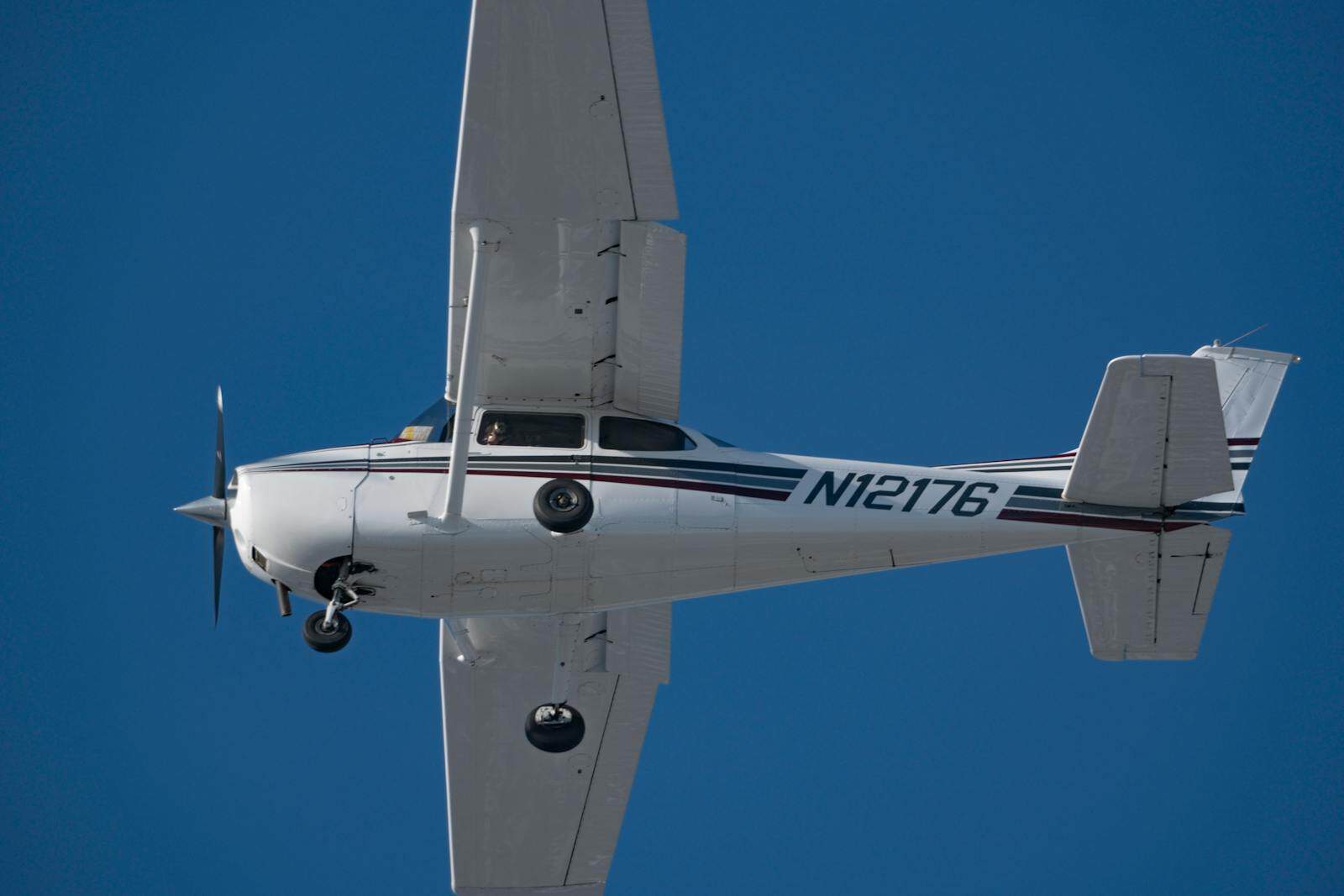
New privileges often come with new questions about coverage. The insurance industry has been watching MOSAIC closely, and early signals from major aviation underwriters are relatively calm. However, there are specific steps every pilot should take before transitioning to sport pilot operations under the new rules.
What to Tell Your Insurer
Insurance companies generally do not automatically update policies when regulations change. The responsibility falls on the policyholder to notify their insurer of any changes in how they operate. When you begin exercising expanded MOSAIC privileges — such as flying a different aircraft under sport pilot rules or flying at night — contact your insurer immediately.
Most major aviation insurers have indicated that MOSAIC will not cause widespread disruption to existing coverage. Pilots transitioning from third-class medical or BasicMed operations to sport pilot privileges in qualifying aircraft should generally maintain coverage. However, you must document aircraft eligibility clearly. Bring proof that your specific aircraft qualifies under the new VS1 threshold.
Underwriters are also watching accident trends as the expanded fleet comes into use. Flying more complex aircraft under sport pilot privileges introduces new risk factors. Pilots who have earned their endorsements, logged appropriate training hours, and demonstrated recent currency in specific aircraft will be in the strongest position when renewal time comes. Also, understanding the broader picture of aircraft maintenance innovations can help you keep costs down and insurance favorable.
Flight Training in the MOSAIC Era
Flight schools stand to gain enormously from MOSAIC. Lower certification costs, a wider fleet of eligible training aircraft, and a larger pool of potential students all point toward growth. However, schools that want to capture this opportunity need to act now — not in July.
What Flight Schools Need to Do Before July 24
Any flight school planning to offer training in retractable-gear or constant-speed-prop aircraft under sport pilot rules must ensure their instructors hold the required endorsements. CFIs who want to teach in these aircraft must first receive their own training and endorsements. Schools should begin that process immediately.
Additionally, schools that plan to operate new Part 22 aircraft after July 24 need to verify each aircraft’s eligibility under the new consensus standards. ASTM certification documentation should be on file and available for student briefings and insurance purposes. Getting ahead of these administrative requirements now prevents delays later.
The economics of MOSAIC for flight schools are compelling. Consensus-standard aircraft cost less to certify, and manufacturers can pass those savings to buyers. Lower acquisition costs mean lower hourly rates, which means more students can afford training. MOSAIC may represent the biggest opportunity for flight school growth since the original sport pilot rule launched in 2004. To learn more, join the E3 Aviation community at: https://e3aviationassociation.com/
The MOSAIC LSA Rule 2026: Your Countdown Checklist
July 24 is less than four months away. Here is a practical checklist for every GA pilot to work through before that date. Whether you are a sport pilot, a private pilot who wants to exercise sport pilot privileges, or a flight school operator, these steps apply to you.
Step 1 — Determine Your Aircraft’s Eligibility
Pull your aircraft’s pilot operating handbook and verify the clean-configuration stall speed (VS1). If it is at or below 59 knots calibrated airspeed, your aircraft is eligible for sport pilot operations right now. After July 24, newly certified light sport category aircraft will use the flaps-down stall speed (VS0 ≤ 61 KCAS) as their primary limit.
For factory-built LSAs, confirm whether the manufacturer has transitioned or plans to transition to Part 22 certification. For homebuilts, verify that your specific model’s VS1 qualifies. Van’s Aircraft’s March 2026 bulletin is an excellent reference if you own an RV.
Step 2 — Assess Your Medical Status and Privileges
Sport pilot privileges for daytime flight require only a valid driver’s license — provided you have no known medical conditions that would disqualify you from obtaining an FAA medical. Night flight adds a requirement for either a current third-class (or higher) medical or a BasicMed qualification.
If you plan to exercise night flying privileges under MOSAIC, consult a flight surgeon about BasicMed. The process is straightforward for most healthy pilots. Completing this before July 24 gives you maximum flexibility from day one of the new rules.
Step 3 — Earn Your Endorsements
If you want to fly complex aircraft — retractable gear or constant-speed props — under sport pilot privileges, book your endorsement training now. CFI availability for MOSAIC endorsements is high right now, but demand will increase as July approaches. Getting trained early means you can start logging hours in your newly accessible fleet immediately.
Similarly, if you want the Repairman certificate as a non-builder owner, locate an FAA-approved 16-hour course provider now. Slots fill up. Completing the course before July 24 means you can potentially perform your own inspection cycle that same season.
Step 4 — Notify Your Insurer and Confirm Coverage
Call your aviation insurance agent before you change how you operate. Explain the specific MOSAIC privileges you plan to exercise. Provide documentation of aircraft eligibility, your endorsements, and your recent flight experience. Most underwriters will accommodate these changes — but they need to know about them proactively.
If you are purchasing a new aircraft that will be light sport category certified after July 24, start the insurance application process early. New aircraft classes may require underwriters to develop new actuarial data, which could delay the quoting process initially. Discover more about building an aviation career: https://e3aviationassociation.com/e3-aviation-association-pilot-manifesto/
Frequently Asked Questions About the MOSAIC LSA Rule 2026
Question: Does MOSAIC affect my existing private pilot certificate?
Answer: MOSAIC does not restrict private pilot privileges. If you hold a private pilot certificate or higher, your flying is unaffected by MOSAIC’s sport pilot provisions. However, private pilots can choose to exercise sport pilot privileges when operating eligible light sport aircraft, which can be advantageous if they prefer to fly without a current medical certificate by meeting driver’s license requirements under the MOSAIC LSA rule 2026.
Question: Can I immediately fly a Van’s RV-4 on my sport pilot certificate?
Answer: Yes — under phase one of MOSAIC, which took effect October 22, 2025. The RV-4’s clean stall speed falls within the new 59 KCAS sport pilot threshold. You need a current sport pilot certificate, appropriate aircraft endorsements if the RV-4 you’re flying has retractable gear or a constant-speed prop, and you must comply with all standard sport pilot privileges including the one-passenger limit. Verify specific model performance data with the aircraft’s documentation before you fly.
Question: What happens to my existing LSA airworthiness certificate after July 24, 2026?
Answer: Your existing LSA airworthiness certificate remains valid. MOSAIC does not retroactively invalidate certificates issued under the old rules. Your aircraft continues to operate under its original certification basis. After July 24, newly manufactured light sport category aircraft will receive airworthiness certificates under Part 22, the new framework created by the MOSAIC LSA rule 2026. Nothing forces existing aircraft to re-certify under the new standard.
Question: Do I need a new endorsement to fly my current LSA after July 2026?
Answer: No additional endorsements are required purely because of the date change. If you are already current and qualified in your aircraft, you continue flying it normally after July 24. New endorsement requirements apply when you want to exercise newly expanded sport pilot privileges — such as flying aircraft with retractable gear or constant-speed propellers. These endorsement requirements have been in effect since October 2025 as part of the first phase of MOSAIC’s sport pilot privilege changes.
Question: How does MOSAIC affect the cost of learning to fly?
Answer: MOSAIC should reduce training costs over time, though the full impact depends on how quickly manufacturers and flight schools adapt to the new rules. Lower aircraft certification costs under consensus standards mean cheaper trainers can enter the market. Additionally, expanded sport pilot privileges allow more people to begin flying sooner without expensive medical certificates. Flight schools that embrace MOSAIC-compliant fleets early may offer significantly lower hourly training rates within the next few years.
Question: Is MOSAIC being challenged in court or subject to reversal?
Answer: As of March 2026, no active legal challenges threaten the MOSAIC LSA rule 2026 implementation. The rule went through years of notice-and-comment rulemaking with broad industry support from organizations including the homebuilt community and aviation industry organizations. Both organizations actively advocated for these changes over more than a decade. The political and industry consensus behind MOSAIC is strong, and there is no credible indication that the July 24, 2026 implementation date will be delayed or reversed.
The Bigger Picture: MOSAIC and the Future of General Aviation
Zoom out from the regulatory details for a moment. What does MOSAIC actually mean for the health of general aviation overall? The answer is optimistic — and that optimism is rare in an industry that has spent decades worrying about declining pilot numbers, aging fleets, and rising costs.
MOSAIC directly addresses three of those challenges. First, it lowers the barrier to entry by expanding medical flexibility and reducing training aircraft costs. Second, it broadens fleet access so that sport pilots can fly more capable aircraft without upgrading their certificate. Third, it creates a fertile environment for new aircraft development by slashing certification costs.
Together, these effects could meaningfully reverse the trend of declining active pilot certificates. More people flying more aircraft for more purposes is the goal. The MOSAIC LSA rule 2026 is the most powerful regulatory tool the FAA has deployed toward that goal in two decades. External reference resources such as the FAA MOSAIC Final Rule document, the homebuilt community’s MOSAIC resource page, the aviation industry organizations MOSAIC FAQ, the Flying Magazine overview, and the Van’s Aircraft March 2026 MOSAIC bulletin all provide deep technical detail for pilots who want to go further.
For more aviation resources and insights, be sure to visit: https://e3aviationassociation.com/aviation-articles/
To discover more about E3 Aviation visit: https://e3aviationassociation.com/
Written by the E3 Aviation Team, a group of experienced pilots, aviation writers, and industry professionals dedicated to promoting safety, education, and passion in general aviation.
The E3 Aviation Editorial Team writes for owner-pilots, student pilots, and the small aircraft community. We focus on practical, real-world content that respects your time and your training. Learn more about E3 Aviation.
Last Updated: 2026-05-14