

Attention Pilots: Tired of Grinding Away for Peanuts While Your Aviation Dreams Slip Further Out of Reach?
Completly FREE no risk and no obligation. We DO NOT share your email
Aviation Pilots, Does This Sound Like You?
You’re stuck in a low-paying Pilot Job
...maybe a flight instructor scraping by on $30,000-$40,000 a year, circling the pattern in a beat-up Cessna 172 until your voice is hoarse and your passion’s flickering.
Your bank account’s a war zone
...flight school debt piling up, rent eating half your paycheck, and every unexpected expense pushing you deeper into the red.
You’re watching Pilot peers leapfrog to better roles
...while you’re left wondering, “What am I doing wrong? When’s it MY turn?”

You’re logging hours like a machine, but the dream job—six figures, a cushy schedule, a cockpit with your name on it—feels further away than ever.
If this hits home, you’re not alone. You See, Thousands of pilots are trapped in the same soul-crushing cycle—working hard, paying their dues, but going nowhere fast. The worst part?, You’ve bought into the myth that success in aviation is a roll of the dice or a slow grind of endless hours.
Here’s the Pilot Truth: It Doesn’t Have to Be This Way in Aviaiton.
You can break free.
You can turn your pilot wings into a six-figure career—faster than you ever thought possible. Next, you don’t need luck, decades of experience, or a rich uncle to make it happen.
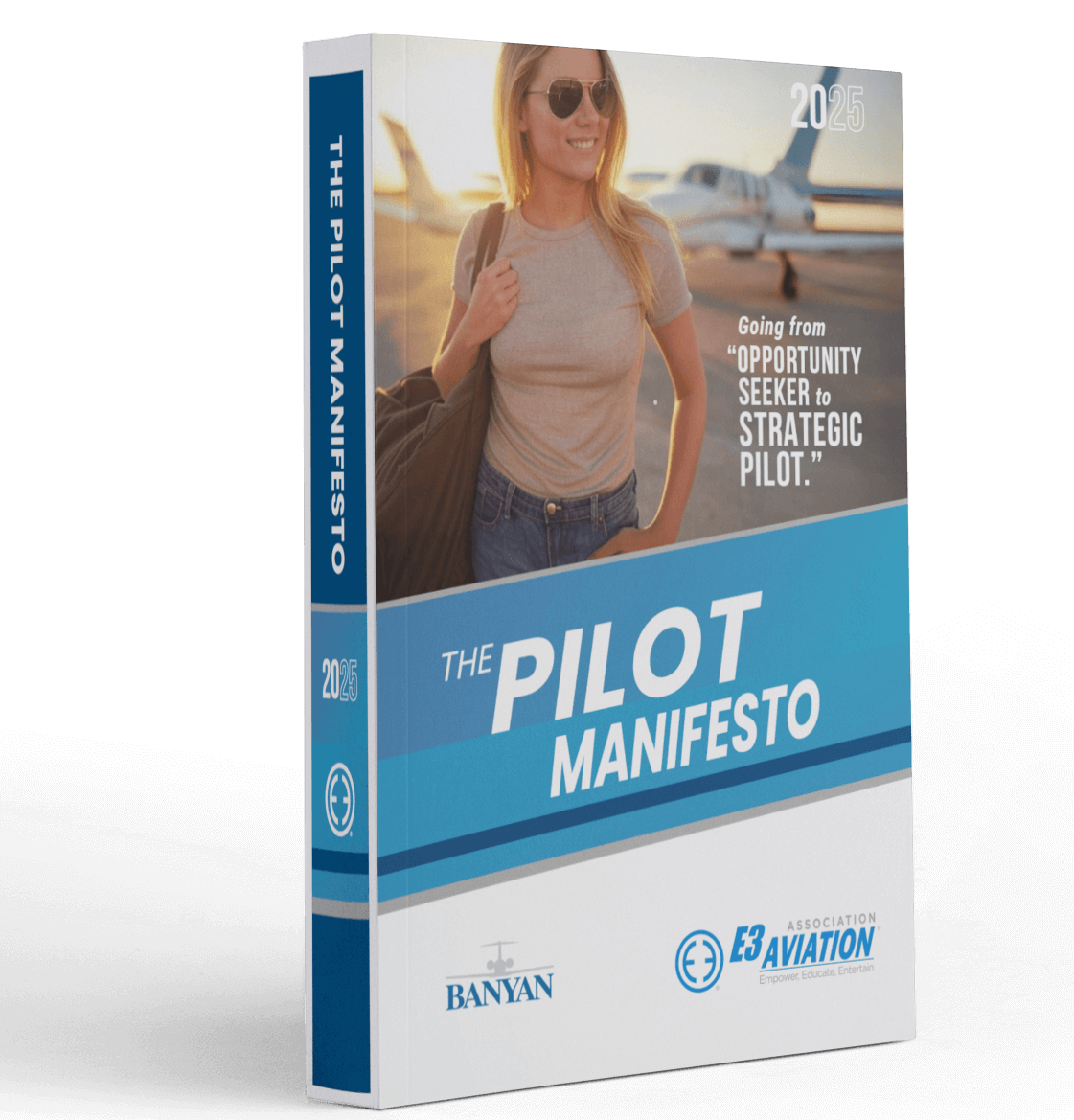
Introducing Pilot Manifesto: "Going From Opportunity Seeker to Strategic Pilot"
Here’s What You’ll Discover Inside For Pilots:
-
The “Strategic Pilot” Framework: Vision, planning, and execution—the three pillars that turn dreams into reality. Learn how Sarah went from a $45,000 flight instructor to a $100,000+ Gulfstream pilot in record time (Chapter 1).
-
The Secrets to Skyrocketing Your Income: Certifications, networking, and niche specialization—how to make more money with less effort (Chapter 25).
-
How to Outsmart Automation and Competition: Beat the machines and stand out in a crowded sky with skills and strategies that make you indispensable (Chapter 6).
-
Networking Hacks That Open Doors: Turn strangers into mentors and job leads with a simple, proven system (Chapter 19).
-
The Career Management Toolkit: SMART goals, milestones, and metrics—run your career like a pro and hit your targets every time (Chapter 20).
-
Real Stories, Real Results: Meet pilots like Mike, who escaped the instructor trap, and Alex, who jumped from $55,000 to $180,000—all by working smarter, not harder.



Why You’re Still Stuck in this Aviation Career (And How to Fix It Fast)
-
You’re an Pilot “Opportunity Seeker”: Chasing every gig that comes your way—flight instructing, banner towing, whatever pays the bills—hoping something sticks. Spoiler: It won’t. Without a clear vision, you’re just logging hours, not building a future (Chapter 4).
-
You’re Flying Solo: Aviation’s a relationship game, but you’re not networking. That dream job? It’s not on Indeed—it’s in the hands of a pilot you haven’t met yet (Chapter 19).
-
You’re Thinking Short-Term in Aviaiton: Grabbing quick paychecks instead of investing in certifications or skills that unlock six-figure roles. It’s keeping you broke and grounded (Chapter 7).
-
You’re Bleeding Cash: Flight training debt, low wages, no financial buffer—every dollar you earn disappears, leaving you no room to grow (Chapter 18).

What You’ll Get When You Download Pilot Manifesto: a chance at an incredible aviation career
-
Instant Pilot Access: Your free PDF lands in your inbox seconds after you opt in—no delays, no fluff.
-
25 Chapters of Gold for pilot career: From vision-setting to negotiation tactics, every page is packed with actionable steps.
-
Real aviation career Tools: Checklists, templates, and action plans you can use today to start climbing.
-
No Risk: It’s free. You’ve got nothing to lose—and a six-figure career to gain.

What Happens If You Don’t Act?

Samantha Kinkgs- Commercial, Multi, Sea, Glider, C500
-
5 Years From Now: Still scraping by on $60,000 a year, teaching students who botch landings while your student loans pile up. That jet job? Still a fantasy.
-
Burnout Wins: The passion that got you into aviation fades. You’re exhausted, broke, and wondering if you picked the wrong career.
-
Missed Opportunities: That friend who leapt to a regional airline? so, They’re a captain now, pulling $150,000 while you’re still begging for hours.
-
5 Years From Now: You’re commanding a Boeing 737, banking $200,000 a year, with a schedule that lets you sip coffee in Paris or coach your kid’s soccer team—your choice.
-
Freedom Unlocked: Debt’s shrinking, savings are growing, and you’re flying the planes you’ve always dreamed of.
-
Pride Restored: You’re not just a pilot—you’re a strategic pilot, living proof that hard work and smart moves pay off.
Download Your FREE Copy now - No Strings Attached
Get started today and enjoy our 100% zero-risk, No-Obligation Guarantee!
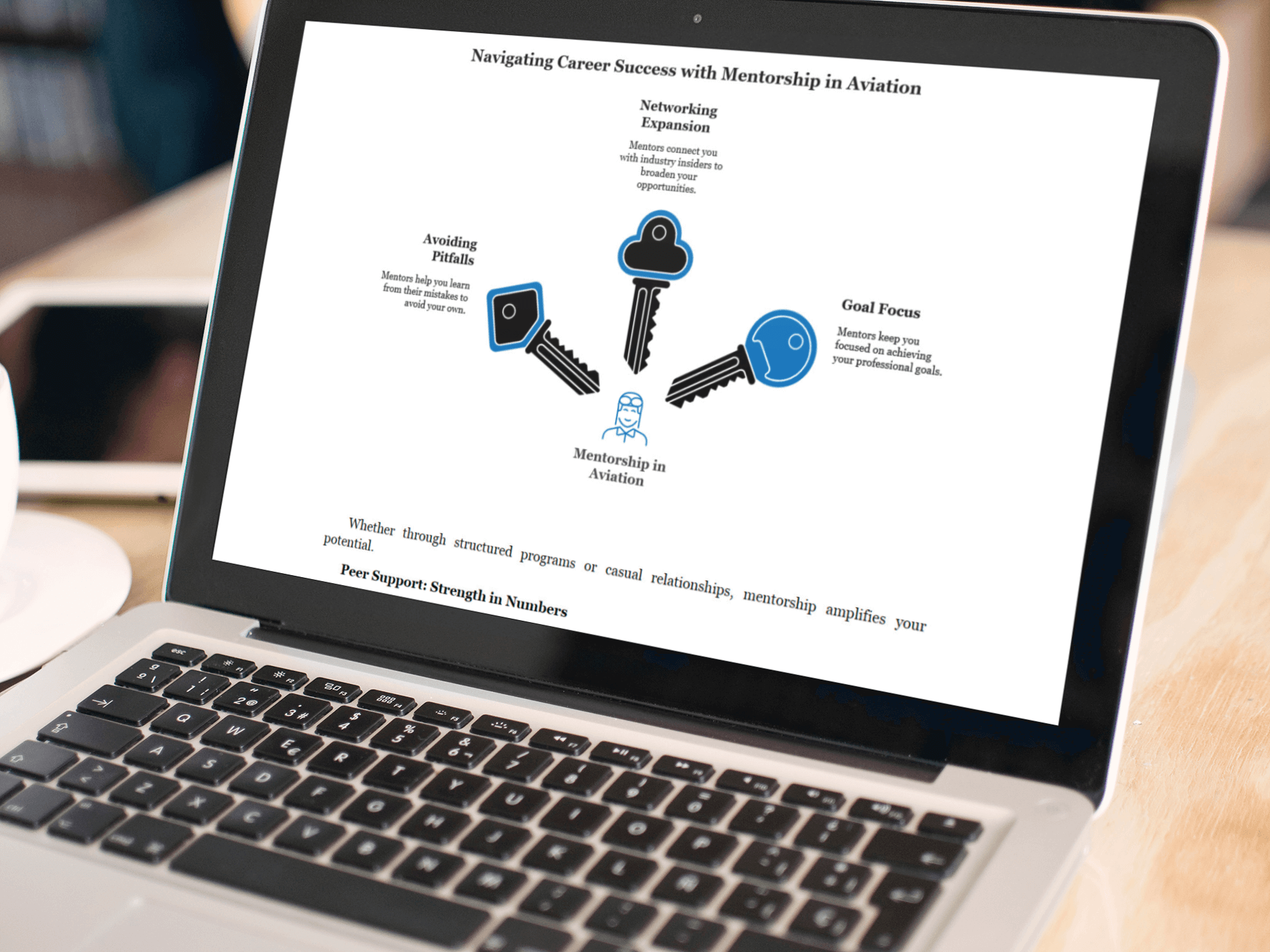
Dig In And Implement The Strategies This Week
You can start these proven simple strategies right away
See Your Career Trajectory Change FAST
Just the strategies in the first chapters will start you on your path
Proof It Works: Real Pilots, Real Results
-
Sarah’s Story: From a $45,000 flight instructor drowning in debt to a $100,000+ Gulfstream pilot in under 3 years. Her secret? A clear vision, an ATP cert, and bold networking (Chapter 1).
-
Mike’s Breakthrough: 5 years stuck at $40,000—until he ditched the “opportunity seeker” trap, got strategic, and landed a $80,000 regional gig (Chapter 4).
-
Alex’s Leap: Invested $3,000 in mentorship and jumped from $55,000 to $180,000 as a major airline captain. That’s a 60X return! (Chapter 18).
-
Emily’s Connection: One E3 Aviation event turned her $30,000 instructor gig into an $80,000 corporate job—proof networking pays (Chapter 25).

Brian Johnson - E3 Aviation Chief Executive Officer, Founder, ATP, Multi Land/Sea, Aerobatics, CE-500, 501, 525, BE 300
Why It’s FREE (And Why You Need to Grab It NOW)

Don’t Let Another Day Slip By
P.S. Still On the Fence?
The Word on the Runway From our Members...



















Special Thanks To Our Major Partners...
We deeply appreciate our major sponsors for their unwavering support and commitment to E3 Aviation. Their partnership fuels our mission to empower, educate, and inspire our members, helping us elevate the aviation community. Through their generosity, we can provide unparalleled resources, training, and opportunities that allow pilots and enthusiasts to reach new heights. Together, we’re shaping the future of aviation.


How a Multiengine Rating Can Skyrocket Your Flying Career
Obtaining a multiengine rating is a pivotal step for any pilot looking to enhance their career prospects. This qualification opens a gateway to flying more complex and powerful aircraft, expanding professional horizons significantly.
Key Advantages of a Multiengine Rating
- Operate Advanced Aircraft: With this rating, you gain the ability to pilot aircraft with more than one engine, such as twin-engine pistons, turboprops, and jets. This experience is crucial for accessing a broader range of flying opportunities.
- Enhance Skills: Training for a multiengine rating equips you with advanced skills necessary to manage increased speed and power, essential for more sophisticated and demanding flight operations.
- Boost Career Potential: Airlines, charter services, and corporate flight departments often prefer or require pilots with multiengine ratings. This certification can make you a more attractive candidate in a competitive job market.
- Accelerate Hour Building: Multiengine aircraft typically cover longer distances in shorter times. This efficiency allows you to log more flying hours, fast-tracking your journey towards meeting job prerequisites for top-tier aviation roles.
- Broaden Job Opportunities: With the ability to fly a wider array of aircraft, opportunities abound, from regional airlines to private jet charters, and even international operations. This wide array of potential jobs can significantly enhance your career trajectory.
By integrating a multiengine rating into your qualifications, you not only diversify your skillset but also unlock a wealth of opportunities in the aviation industry, making you a well-rounded and highly sought-after professional.
How an Instrument Rating Elevates a Pilot's Career
If you're aiming to advance in your aviation career, earning an instrument rating is a pivotal step. This certification opens up a world of opportunities by enhancing your ability to navigate diverse weather conditions and fly through clouds confidently, significantly broadening your skill set.
Unlock New Opportunities
- Weather-Proof Your Skills: With an instrument rating, you’re not limited to fair-weather flying. You gain the ability to operate under IFR, or Instrument Flight Rules, which means you can fly in more varied atmospheric conditions safely and legally.
- Increase Employability: Employers, especially commercial airlines, value pilots who hold an instrument rating. It demonstrates advanced training and increases the level of trust and safety associated with the pilot’s capabilities.
- Broaden Your Horizons: The ability to fly in less-than-ideal weather conditions not only enhances your reliability but also expands the routes and schedules you can manage. This flexibility can make you a more attractive candidate for prestigious positions within aviation companies.
Gain Competitive Edge
- Professional Growth: Achieving this rating shows commitment to continuous improvement and professionalism, making you stand out to prospective employers in a competitive market.
- Higher Earning Potential: With enhanced skills and more job opportunities, an instrument rating can also potentially lead to better compensation packages.
With an instrument rating, you're not just a pilot; you're a professional empowered to handle more complex flying situations. This credential is a cornerstone in building a long and successful career in aviation, offering not just immediate benefits but long-term career stability and growth.
To earn an Airline Transport Pilot (ATP) Certificate, candidates must meet specific qualifications and standards. Here's a comprehensive breakdown:
Age and Flight Experience
- Minimum Age: You must be at least 23 years old.
- Flight Hours: Accumulate at least 1,500 hours of flight time. This includes:
- Cross-Country Flight Time: 500 hours.
- Night Flying: 100 hours.
- Instrument Flight Conditions: 75 hours in either actual or simulated conditions (with some exceptions based on specific regulations).
Medical and Certification Requirements
- Medical Examination: Obtain a first-class medical certificate, which signifies that you meet the health standards required for an ATP. This certificate needs renewal every six months, ensuring a pilot's physical capabilities are consistently evaluated.
Ongoing Validation and Testing
- Certification Maintenance: The ATP certificate is not a one-and-done deal. It needs periodic revalidation.
- Flight Review: Every 24 months, pilots must undergo a flight review to ensure their skills remain sharp.
- Checkrides: Active ATP holders typically need a checkride in an aircraft or simulator every six months—this is a practical test to evaluate their flying abilities and adherence to safety protocols.
By fulfilling these requirements, pilots demonstrate their competency and readiness to handle the responsibilities associated with an ATP Certificate, paving the way for opportunities in professional aviation roles.
To earn an Airline Transport Pilot (ATP) Certificate, candidates must meet specific qualifications and standards. Here's a comprehensive breakdown:
Age and Flight Experience
- Minimum Age: You must be at least 23 years old.
- Flight Hours: Accumulate at least 1,500 hours of flight time. This includes:
- Cross-Country Flight Time: 500 hours.
- Night Flying: 100 hours.
- Instrument Flight Conditions: 75 hours in either actual or simulated conditions (with some exceptions based on specific regulations).
Medical and Certification Requirements
- Medical Examination: Obtain a first-class medical certificate, which signifies that you meet the health standards required for an ATP. This certificate needs renewal every six months, ensuring a pilot's physical capabilities are consistently evaluated.
Ongoing Validation and Testing
- Certification Maintenance: The ATP certificate is not a one-and-done deal. It needs periodic revalidation.
- Flight Review: Every 24 months, pilots must undergo a flight review to ensure their skills remain sharp.
- Checkrides: Active ATP holders typically need a checkride in an aircraft or simulator every six months—this is a practical test to evaluate their flying abilities and adherence to safety protocols.
By fulfilling these requirements, pilots demonstrate their competency and readiness to handle the responsibilities associated with an ATP Certificate, paving the way for opportunities in professional aviation roles.
Requirements and Benefits of a Commercial Pilot Certificate
Obtaining a Commercial Pilot Certificate is essential for those aiming to turn their passion for flying into a professional career. Here are the primary requirements to get you started:
- Age and Language Proficiency:
- You must be at least 18 years old.
- Proficiency in English is mandatory, as it is the international language of aviation.
- Medical Certification:
- A second-class medical certificate is required to ensure you meet the health standards necessary for safe flying operations.
- Educational Background:
- A private pilot certificate is a prerequisite, and you must have some prior flight experience logged.
- Flight Hours:
-
- A minimum of 250 flight hours is typically required, including specific hours of pilot-in-command time, cross-country flights, and night flying experience.
-
- Examinations:
- You must pass both a written knowledge test and a practical flight test, demonstrating your competence as a pilot.
Benefits
Achieving a Commercial Pilot Certificate unlocks a variety of advantages:
- Employment Opportunities:
- Once certified, you're qualified to receive payment for flying, opening doors to careers in charter flights, crop dusting, surveying, or even banner towing.
- Extended Skillset:
- Specialized ratings, such as instrument and multiengine, can be added to your certificate, further enhancing your capabilities and broadening your job prospects.
- Earning Potential:
- With each additional rating or specialty, not only do your career options expand, but so does your potential salary, paving the way for advancements into roles like commercial airline pilot or flight instructor.
The path to becoming a commercial pilot is demanding but immensely rewarding, offering a unique blend of technical expertise and freedom of the skies.
Exploring Pilot Licenses and Ratings
The Fundamentals: Private Pilot Certificate
Every pilot begins their journey with the Private Pilot Certificate. This fundamental step offers an introduction to flying, allowing one to act as pilot in command under certain conditions. To qualify, you must:
- Be at least 17 years old.
- Pass a medical exam or qualify for BasicMed.
- Accumulate a minimum of 40 flight hours, which typically includes 20 hours of instruction and 10 solo hours.
While 40 hours is the minimum, most students average around 70 hours to acquire the necessary skills.
Navigating with Precision: Instrument Rating
An instrument rating is crucial for those looking to fly in a wider range of weather conditions. This rating qualifies you to fly relying solely on your instruments, a key skill for aspiring airline pilots. It's often the natural progression after earning a private certificate, setting you up for more advanced flying opportunities.
Enhancing Career Prospects: Commercial Pilot Certificate
To transform your passion for flying into a profession, the Commercial Pilot Certificate is essential. It allows pilots to be compensated for their flying services. Requirements vary based on the aircraft type and specific career goals, but adding ratings such as instrument or multi-engine can significantly broaden your career possibilities.
Taking on Complexity: Multiengine Rating
This rating allows pilots to control aircraft with multiple engines, mastering the increased speed and power these planes deliver. Whether you're flying a twin-engine piston aircraft, a turboprop, or a jet, having a multiengine rating enhances your flight experience and career growth, offering more opportunities to accumulate valuable flying hours.
Reaching the Pinnacle: Airline Transport Pilot Certificate
For many, the ultimate aim is to become an airline pilot. This certificate represents the highest level of pilot achievement, opening doors to commercial airline opportunities. It requires not just the right qualifications and flight hours, but also the interpersonal skills necessary for a demanding yet fulfilling role in the airline industry. Successful candidates demonstrate both technical competence and a refined professional demeanor, crucial for airline crew positions.
Expectations and Requirements for Maintaining an Airline Transport Pilot Certificate
To secure and maintain an Airline Transport Pilot (ATP) Certificate, one must meet several rigorous standards. Initially, aspiring ATPs need to be at least 23 years old and accumulate a substantial amount of flight experience. This includes a minimum of 1,500 hours of total flight time, encompassing at least 500 hours of cross-country flying, 100 hours of nighttime flying, and 75 hours in actual or simulated instrument conditions.
Health and Medical Standards
An ATP must obtain a first-class medical certificate, which is exceptionally detailed in its health requirements. This certification must be renewed biannually (every six months) to ensure the pilot remains in peak physical condition, capable of handling the intense demands of piloting.
Regular Skill Evaluations
Maintaining an ATP certificate isn't just about accumulating flight hours; it's about continuously proving your proficiency. Every two years, ATP holders must undertake a flight review to keep their certification active. This review tests their skills and knowledge, ensuring that they remain compliant with safety and operational standards.
Moreover, active ATPs frequently participate in checkrides, which occur every six months. These evaluations can take place either in an aircraft or a simulator, providing an opportunity to demonstrate hands-on capabilities and remain adept in handling various flight scenarios.
By fulfilling these ongoing requirements, ATP certificate holders exhibit their commitment to safety, efficiency, and expertise in the aviation field.
What Are the Requirements to Obtain a Private Pilot Certificate?
Embarking on your journey to become a professional pilot begins with obtaining a Private Pilot Certificate. This foundational step sets the course for your aviation career. Here's a breakdown of the essential requirements you'll need to meet:
-
Age Requirement: You must be at least 17 years old to qualify.
-
Medical Certification: A current third-class medical certificate is necessary, or you can opt for the BasicMed qualification.
-
Flight Hours: You'll need a minimum of 40 hours of total flight time. However, the real-life average tends to be closer to 70 hours.
-
Instruction and Solo Flight: This includes at least 20 hours of flight training with an instructor and a minimum of 10 hours flying solo.
Your flight instructor will be instrumental in navigating any exceptions and will support you as you build the skills needed to achieve this milestone in aviation.
Understanding the Initial Training Process for Aspiring Private Pilots
When embarking on the journey to become a private pilot, the initial training process is a crucial step. Regardless of whether you opt for a flight school, an aviation academy, enrollment in a college, or even the military, each path starts with foundational aviation training.
Key Components of Initial Training
- Basic Aviation Skills: Initially, you will learn essential skills such as navigation, aircraft operation, and communication. These skills lay the groundwork for more advanced pilot knowledge.
- Confidence and Experience Building: Training includes ample flight hours and simulator sessions, designed to boost your confidence and gain hands-on experience.
- Theory and Knowledge Testing: As part of the process, you'll study for the FAA knowledge test. This exam evaluates your theoretical understanding of aviation principles and is a necessary step before you can advance.
- Practical Checkride Preparation: The training culminates in a checkride, which is a practical examination. You'll demonstrate your piloting skills in a real-world environment under the watchful eye of an examiner.
Choosing the Right Path
Selecting the right training setting is pivotal. Consider factors such as costs, curriculum diversity, and location when deciding. Each setting offers unique benefits, so thorough research will help align your choice with your career goals.
Final Thoughts
The initial training process is meticulously designed to equip you with the essentials of flying. By the end of your training, you'll be prepared to earn your initial certificate, marking the start of your piloting career.