Most articles answering “how much does a pilot make a year” focus on airline salary bands. Specifically, that’s the wrong question for the GA owner-operator. In practice, the right question is different. Will flying become a wealth-building asset or a hobby that drains your savings? Answering that question means understanding what the GA aircraft ownership cost actually looks like in 2026. This guide breaks down every line item: acquisition, fixed costs, variable costs, taxes, and the offset strategies that turn an aircraft into business equity instead of a money pit.
Last Updated: May 25, 2026 | By: The E3 Aviation Editorial Team
What GA Aircraft Ownership Cost Actually Covers
First, let’s define the term. On the other side, GA aircraft ownership cost is the all-in annual outlay to own and operate a piston single, light twin, or small turboprop in personal or owner-operator use. Furthermore, it breaks into four buckets: acquisition (one-time), fixed costs (annual whether you fly or not), variable costs (per flight hour). Worth noting: tax/financial structure (which determines what hits your bank account after deductions).
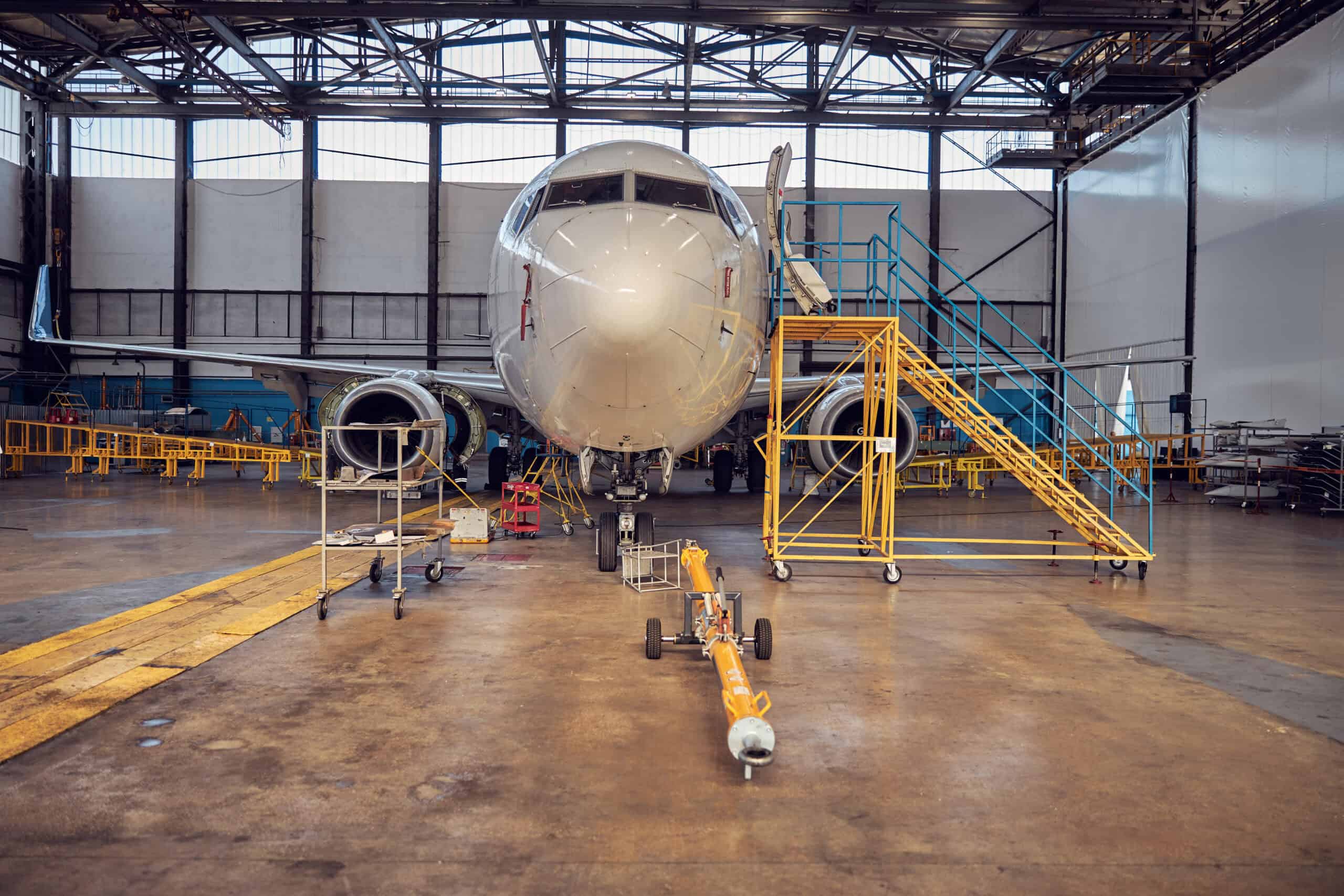
Critically, most online cost-of-ownership calculators get this wrong by mixing buckets or omitting reserves. For example, a calculator that quotes “$135/hour to operate a Cessna 172” is usually missing engine overhaul reserves, hangar costs amortized to hourly, or maintenance contingency. Realistically, the true number is closer to $190 to $230 per hour all-in for a private-use 172 flown 150 hours a year.
Acquisition: New vs Used, Cash vs Financed
Initially, the biggest single decision is acquisition. More importantly, in 2026, a 1970s-era Cessna 172 in flyable condition runs $90,000 to $140,000. Critically, a 2000s-era 172 with Garmin G1000 lands at $180,000 to $260,000. A new Cessna 172S costs $475,000+ from the factory. The same staircase exists for Pipers, Cirrus, and Beech. Specifically, your acquisition choice locks in the depreciation profile, financing rate, insurance class, and resale liquidity for the next decade.
Cash vs Financed and Why It Changes the Math
Generally, financing an aircraft at 7.5% over 15 years on a $200,000 purchase adds roughly $1,100 a month to the fixed cost line. Plan accordingly: about $13,200 a year. In short, cash purchase avoids that interest but ties up capital that might earn 4 to 6% in a treasury or money market. Honestly, both choices are defensible. The tax treatment differs: financed aircraft generate interest deductions on Schedule C if used in a Section 162 trade or business. Cash purchases generate larger Section 179 or bonus depreciation in year one.
The Pre-Buy Inspection Nobody Should Skip
Specifically, a pre-buy inspection by an A&P-IA who has never seen the aircraft before is the single best $1,200 to $2,500 you’ll spend on the ownership cost stack. Realistically, pre-buys catch corrosion in the spar, hidden damage history, exceeded prop overhaul intervals, and avionics that don’t match the logs. Bottom line: skip the pre-buy and you risk a $40,000 surprise in year one.
Annual Operating Cost: The Real GA Aircraft Ownership Cost Numbers
Practically, annual operating cost is where ownership economics live or die. For a 1980s Cessna 182 flown 150 hours a year by an owner-operator in 2026, expect the following all-in budget breakdown:
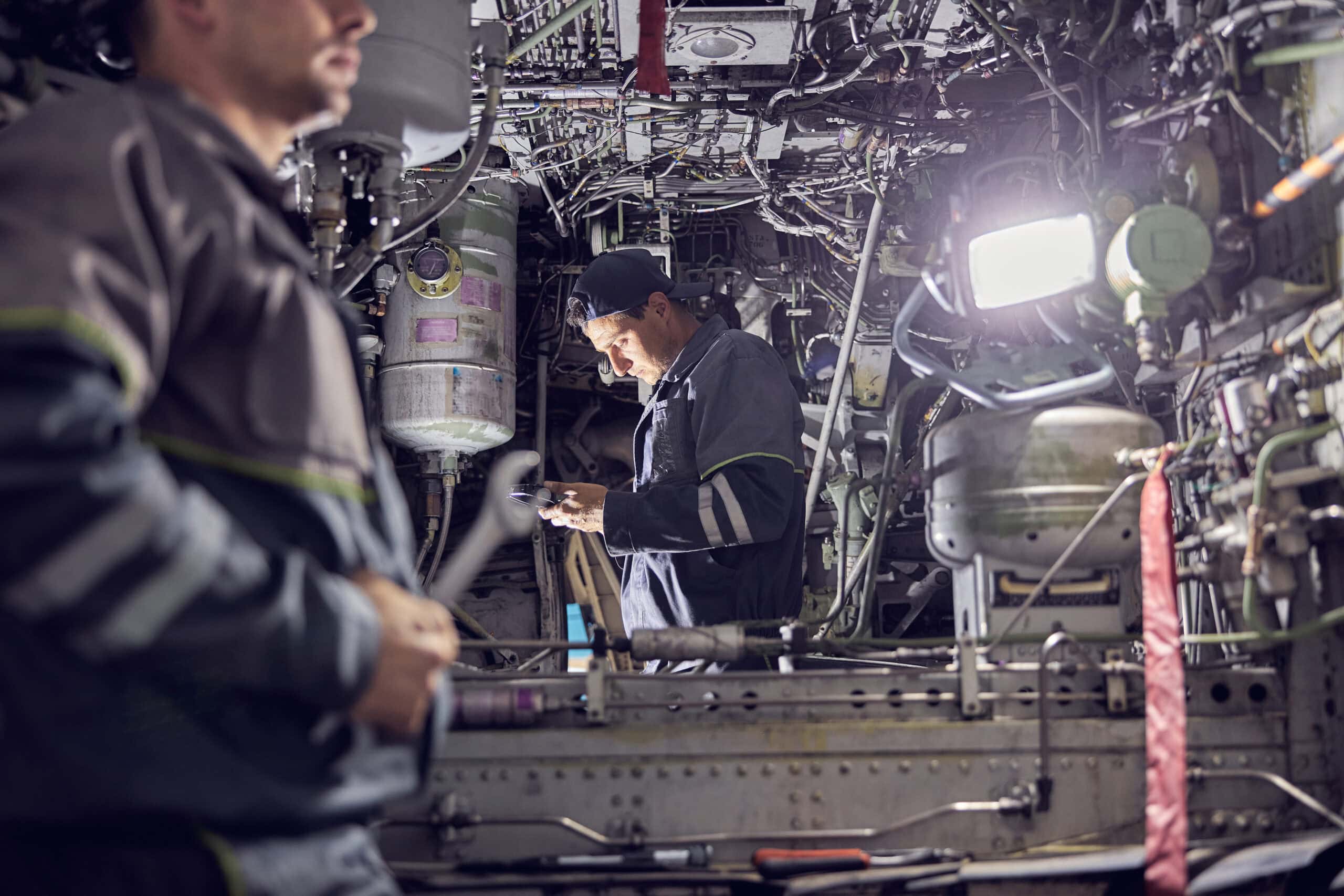
- Hangar: $4,800–$9,600/year ($400–$800/month, regional)
- Insurance: $2,400–$4,200/year (250+ hour pilot, $190,000 hull)
- Annual inspection: $2,500–$5,500
- Avgas (150 hrs at 13 GPH at $6.80/gal): $13,260
- Engine overhaul reserve: $5,250 (at $35/hr × 150 hrs)
- Prop reserve: $750
- Maintenance reserve (non-annual): $3,500
- Database, charts, GPS: $400
- Tie-down/parking incidentals: $500
- Total: $33,360–$42,920 annually
Importantly, that’s $222 to $286 per hour fully loaded. Better still, pilots who think they’re flying for “fuel cost only” are deferring the real cost to the engine teardown they’ll face in five years. On top of that, don’t be that pilot. For the inspection side specifically, our aircraft annual inspection cost 2026 breakdown walks through real shop quotes.
Hangar, Tie-Down, and Insurance — Fixed Costs You Can’t Skip
Conversely, fixed costs don’t care whether you flew. In real terms, hangar rents in 2026 run $300 a month at small rural fields and $1,200+ a month at busy Class B satellites. Even better, tie-down is cheaper at $80 to $250 a month but leaves your aircraft exposed. Notably, hangar availability is the single biggest constraint on GA ownership in major metros — many airports have multi-year waitlists.
Insurance has spiked. To be clear, the aviation insurance costs surge coverage details the carriers exiting the market and what it does to your renewal. Specifically, the typical 250-hour pilot now pays $2,400 to $4,200 on a $200,000 hull policy with $1M smooth liability. Frankly, higher-performance singles or low-time pilots can see $7,000 to $12,000.
What Drives Your Insurance Premium
For instance, four factors dominate premium: pilot total time, time in type, last currency, and claims history. Importantly, a 1,200-hour pilot with 400 hours in type quotes 40% below a 250-hour pilot with 50 in type, same aircraft. Bear in mind, currency lapses (no PIC time in the last 6 months) cause carriers to load 25 to 50%.
Avgas, Oil, Engine Reserves — Variable Costs by Hour
Indeed, variable costs are the line every owner-operator obsesses over. For one, avgas dominates at $6.40 to $7.80 a gallon nationally in 2026. In day-to-day terms, the 2026 avgas pricing analysis tracks the regional spread and forecasts. A Cessna 172 burns 8 to 9 GPH cruise; a Cessna 182 burns 12 to 14, a Bonanza A36 burns 14 to 16. Multiply by your local avgas price for the hourly fuel burn line.
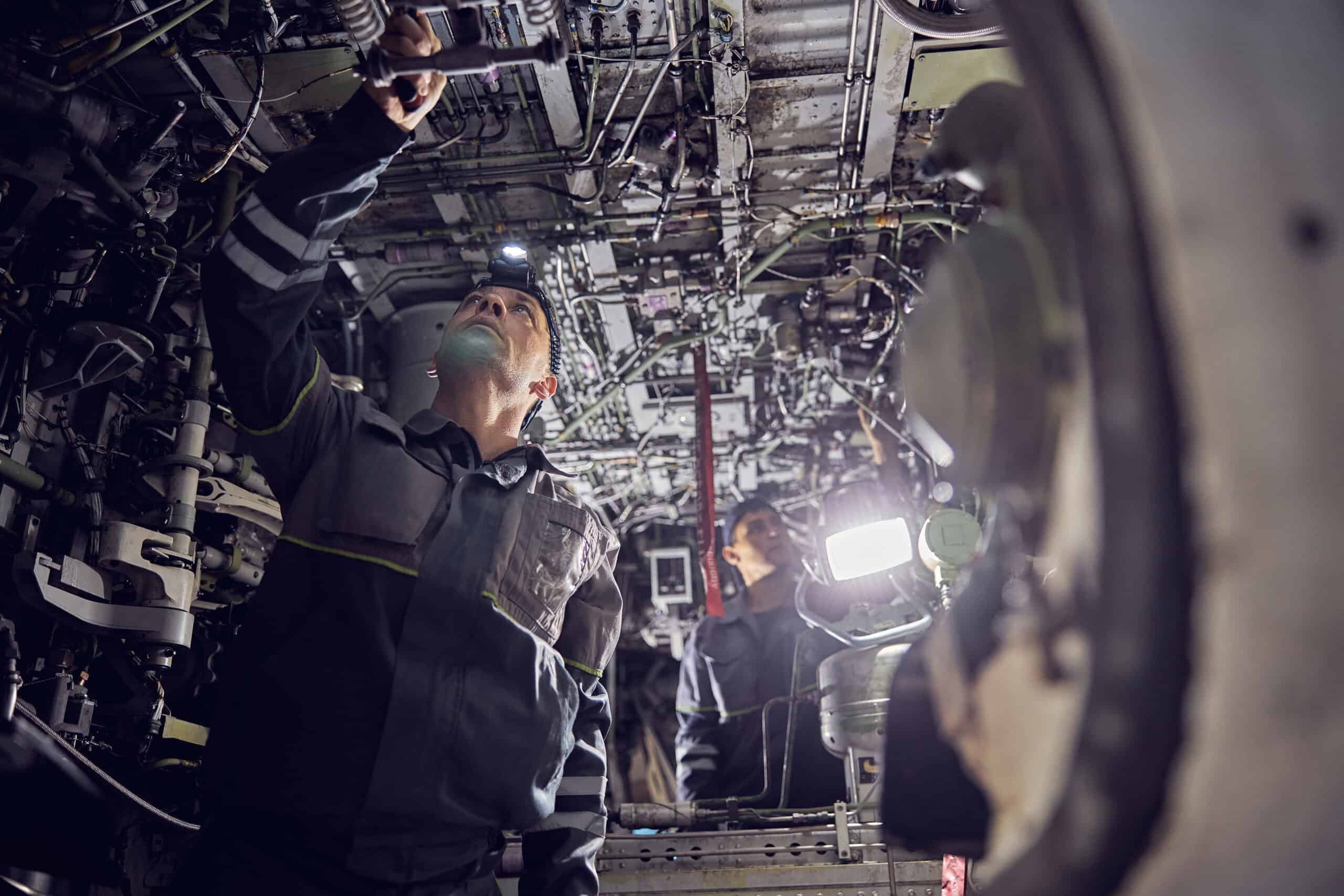
Engine overhaul reserve is the variable cost most pilots underfund. Specifically, a Lycoming O-360 overhaul in 2026 costs $40,000 to $55,000 turnkey. In practice, divide by the 2,000-hour TBO and your reserve is $20 to $28 per hour. Continental IO-550? Closer to $35 to $42. Honestly, if you’re not setting aside that money each flight hour, you’re not actually breaking even — you’re just deferring the bill.
The Hidden Variable: Unscheduled Maintenance
Realistically, unscheduled maintenance averages $20 to $40 per hour over a 10-year ownership cycle. On the other side, that covers vacuum pump failures, alternator replacements, magneto overhauls, cylinder work between major overhauls, brake systems. Worth noting: the random AD compliance that lands every couple of years. Budget for it or it’ll budget for itself.
The Tax Side: Section 179, Bonus Depreciation, Schedule C
Above all, tax structure separates owner-operator wealth from owner-pilot expense. More importantly, pilots who use their aircraft in a trade or business. Critically, flight instruction, charter, business travel, real estate showings, consulting client visits — can deduct GA aircraft ownership cost against active income. The aircraft ownership tax benefits guide walks through the qualification tests.
Critically, bonus depreciation has bounced around since 2017 reform. Plan accordingly: as of the latest IRS guidance. Qualifying aircraft can claim 60% bonus depreciation in year one, dropping 20 percentage points annually. In short, section 179 caps at $1.16M per year but covers any qualifying aircraft up to the cap. Better still, the two can stack with proper sequencing.
What Counts as Business Use vs Personal Use
Importantly, the IRS test is “primary use.” More than 50% of flight hours must be business-related for the aircraft to qualify for accelerated depreciation. Furthermore, you need a contemporaneous flight log distinguishing business from personal flights, with passenger names and trip purposes. Better yet, sloppy logs get challenged on audit and the entire depreciation gets recaptured.
Charter, Leaseback, and Partnership — Offsetting GA Aircraft Ownership Cost
For comparison, three offset strategies cover most owner-operator cost reduction plans. Specifically, charter operations under Part 135 generate the highest revenue per flight hour ($600 to $1,800) but require operational certificates, conformity inspections, and pilot crew expense. Realistically, leaseback puts your aircraft on a flight school’s rental line at $40 to $80 per hour of revenue split.
Critically, partnership splits cost across two to four pilots and works best when schedules don’t collide. Fractional ownership is the higher-end version of this, scaling to jet-class aircraft with professional management.
When Leaseback Actually Pays Off
Realistically, leasebacks work mathematically when the aircraft generates 400+ rental hours a year at a rate. Covers reserves plus operating cost plus your management fee. In day-to-day terms, a Cessna 172 leased back at $145/hour wet rental, generating 450 rental hours, returns roughly $65,000 in gross revenue. Practically, after flight school commission and your variable cost coverage, net is $18,000 to $28,000 — enough to cover hangar, insurance. Better still, most of the engine reserve. The cash flow turns positive somewhere around hour 380, depending on your specific operating cost.
Bonus Depreciation in Practice
For instance, the bonus depreciation revival coverage walks through what changed. On top of that, a $200,000 used aircraft with 60% bonus in year one generates a $120,000 first-year depreciation deduction. In real terms, at a 32% federal + 5% state combined rate, that’s $44,400 in cash tax savings during year one. Practically speaking, that single mechanic alone can drop your effective GA aircraft ownership cost by 30 to 40% in the acquisition year.
The Catch: You Need Business Income to Absorb the Deduction
Worth noting: bonus depreciation only saves you tax if you have income to offset. Crucially, an aircraft owner with $40,000 of business income who claims $120,000 of depreciation just rolls the unused $80,000 forward as a net operating loss. Even better, the cash savings still materialize, just spread across multiple years. Plan with your CPA before signing.
Owner-Operator Income: When Your Plane Pays for Itself
Beyond cost reduction, the goal of most owner-operator setups is income generation. Furthermore, a Cessna 182 used in a real estate brokerage closes two extra deals a year. That fly-in market reach can return $40,000 to $80,000 of incremental commission income. To be clear, the same airplane used by a consulting practice serving clients across four states might justify itself entirely on travel substitution.
Honestly, the cleanest test is this: removing the aircraft should reduce your business revenue by more than the GA aircraft ownership cost. Otherwise, it’s a profitable asset. Frankly, if revenue holds steady when the plane goes away, you’re flying a hobby — which is fine, but stop calling it business.
Real-World Revenue Offset Examples
For instance, a regional charter pilot operating a single Cirrus SR22 under Part 135 generates $1,400 to $1,800 per flight hour gross. At 350 charter hours a year, that’s roughly $525,000 in gross revenue. After pilot pay, fuel, insurance, maintenance, and overhead, net might land at $90,000 to $140,000. Notably, that net plus owner pilot time covers the GA aircraft ownership cost and produces real take-home income.
Conversely, a corporate owner-pilot using a King Air C90 for client visits across three states might log 250 business hours a year. The aircraft expense fully deducts against business income. In day-to-day terms, the after-tax cost can fall 35 to 50% versus charter-broker rates the company would otherwise pay. That’s the substitution math at work.
The Mistake Most First-Time Owners Make
Honestly, first-time owners chronically underestimate two line items: insurance and unscheduled maintenance. Premium quotes from the broker are often optimistic until the loss-runs and pilot endorsements clear. Furthermore, unscheduled maintenance arrives in lumps — a vacuum pump and a cylinder in the same month is not rare. Plan a 20% buffer above the spreadsheet number for years one and two. After that, your real cost stabilizes.
Selling Your Aircraft: The Exit Side of the Math
Eventually, every owner becomes a seller. The GA aircraft ownership cost equation only closes when you account for resale proceeds. Notably, used GA piston aircraft have appreciated 35 to 60% since 2020 due to constrained new-aircraft supply and a wave of retiring owners cashing out. That tailwind may not last, but it’s been real.
For comparison, a Cessna 172 bought at $130,000 in 2021 sells in 2026 at $155,000 to $175,000 today. After 5 years of $30,000-a-year operating cost ($150,000 cumulative), the all-in to fly was closer to $125,000 to $145,000 net of resale gain. That’s $25,000 to $30,000 a year for 150 hours of flying — closer to $170/hour effective, well below the $230/hour pure operating cost number.
What Hurts Resale Value
Worth noting: corrosion, damage history, run-out engines, and outdated avionics destroy resale value faster than anything else. Conversely, fresh paint, recent panel upgrades, clean logs, and time-since-major in the lower half of TBO add meaningful premium. Plan ownership upgrades around resale narrative, not just personal preference, especially in years 5 to 8 of ownership.
The Annual Ownership Math Most People Get Wrong
Specifically, most online calculators report cost per hour by dividing annual cost by hours flown. That’s correct mechanically. Practically, it hides the fixed-cost amortization problem. A 172 flown 75 hours a year costs $440 per hour. The same 172 flown 200 hours a year drops to $190 per hour. Furthermore, the ownership economy of scale only kicks in when you fly enough to make fixed cost feel small. Below 100 hours per year, GA aircraft ownership cost stops competing with rental on a per-hour basis. Above 150 hours, ownership consistently beats rental — even before tax and resale advantages.
Income From Owning vs Income From Flying
For one, the two are different lines. Importantly, owning generates appreciation (if any), depreciation deductions, and revenue offset from leaseback or charter. For one, flying generates CFI income, ferry fees, charter pilot pay. Above all, the wealthiest GA pilots typically stack both — they own and they fly commercially, with each leg supporting the other.
Frequently Asked Questions About GA Aircraft Ownership Cost
How much does it cost to own a Cessna 172 in 2026?
Plan for $28,000 to $36,000 a year all-in for a privately owned Cessna 172 flown 150 hours annually in 2026. In day-to-day terms, that breaks down to roughly $190 to $240 per hour fully loaded. Specifically, the number drops if you can hangar at a small rural field. Hold an insurance discount with high time-in-type, or leaseback some hours. It rises if you fly into expensive metros, choose a glass-panel model with higher hull value. Or fly fewer than 100 hours a year (fixed costs amortize over fewer hours).
Is a leaseback worth it for GA aircraft ownership cost reduction?
Leaseback is worth it when the flight school can deliver 400+ rental hours a year and your aircraft is one carriers will insure on a rental line. In practice, for high-time complex or low-time student-friendly aircraft, leaseback usually works. On the other side, for low-time pilots flying lower utilization or higher-end aircraft. Leaseback often does not generate enough revenue to cover the extra wear and insurance loading. Run the model with realistic utilization before signing.
Can you actually deduct GA aircraft ownership cost from your taxes?
Yes, but only with a real trade or business and primary business use (more than 50% of hours). Worth noting: personal aircraft cannot be deducted. More importantly, owner-operators who use the aircraft for charter, instruction, business travel. Or client services with a contemporaneous flight log can deduct depreciation, fuel, maintenance, hangar, insurance, and interest. Talk to an aviation-aware CPA before structuring — the IRS audits aircraft deductions disproportionately.
Related Articles


More like thisRelated
Wind Shear Recognition and Recovery for GA Pilots

Sun Valley Fly-In 2026: A GA Pilot’s KSUN + U87 Guide
Flying to AirVenture 2026: The GA Pilot’s Complete Preparation Guide