

If you’ve been watching the fuel gauge on your wallet lately, you’re not imagining things. Avgas prices 2026 have climbed sharply across the country, with March data showing the steepest single-month jump in years. For general aviation pilots who pay at the pump every time they fly, this isn’t just an economic footnote — it’s a real operational reality that demands attention. Whether you fly a Cessna 172, a Cirrus SR22, or a turbocharged twin, understanding what’s happening to fuel prices right now can help you plan smarter, fly more, and keep your aircraft in the air despite the headwinds.

March 2026 brought the third consecutive month of fuel price increases for general aviation. So if it feels like you’re paying noticeably more than you were just 90 days ago, that’s because you are. The situation is driven by a global energy shock — and it’s worth understanding exactly what’s happening, where prices stand by region, and what you can do about it.
What’s Driving Avgas Prices in 2026?
The spike in avgas prices 2026 didn’t happen in a vacuum. Furthermore, it isn’t just a minor seasonal fluctuation. The root cause is a major geopolitical disruption that has sent shockwaves through global oil markets — and those shockwaves flow directly to every fuel pump at every FBO in the country.
The Iran War and the Strait of Hormuz
In early 2026, a military conflict involving Iran triggered a historic disruption to global oil supply chains. Specifically, Iran began attacking commercial ships across the Persian Gulf, effectively halting traffic through the Strait of Hormuz — a narrow waterway that carries approximately one-fifth of the world’s oil supply. As a result, major oil-producing nations including Kuwait, Saudi Arabia, and Iraq were forced to scale back output because shipments simply couldn’t get through safely.
The impact on crude oil and jet fuel prices was swift and severe. Jet fuel traded at roughly $96 a barrel in the week ending February 20, 2026. By the week of March 20, that price had shot up to $197 per barrel — more than doubling in a single month. Additionally, broader market analysts now expect air fares for commercial passengers to run 5–10% higher than previously projected for the remainder of 2026 and into 2027.
How Global Oil Shock Filters Down to Your FBO
Many GA pilots wonder how a conflict in the Persian Gulf affects the price of 100LL at their home airport. The answer comes down to refining economics and the feedstock used to produce aviation gasoline. While avgas and Jet-A are manufactured differently, both rely on petroleum-based feedstocks that are priced in global commodity markets. Therefore, when crude oil and jet fuel pricing surges globally, avgas refinery costs follow — even if with a slight lag.
Moreover, FBOs and fuel distributors don’t set prices independently from the market. They purchase fuel at wholesale prices that move with global markets and then pass those costs to pilots at the pump. So the fuel surge you’re seeing at your local airport is a direct downstream effect of what’s happening in the Persian Gulf.
March 2026 Fuel Price Data: The Complete Breakdown
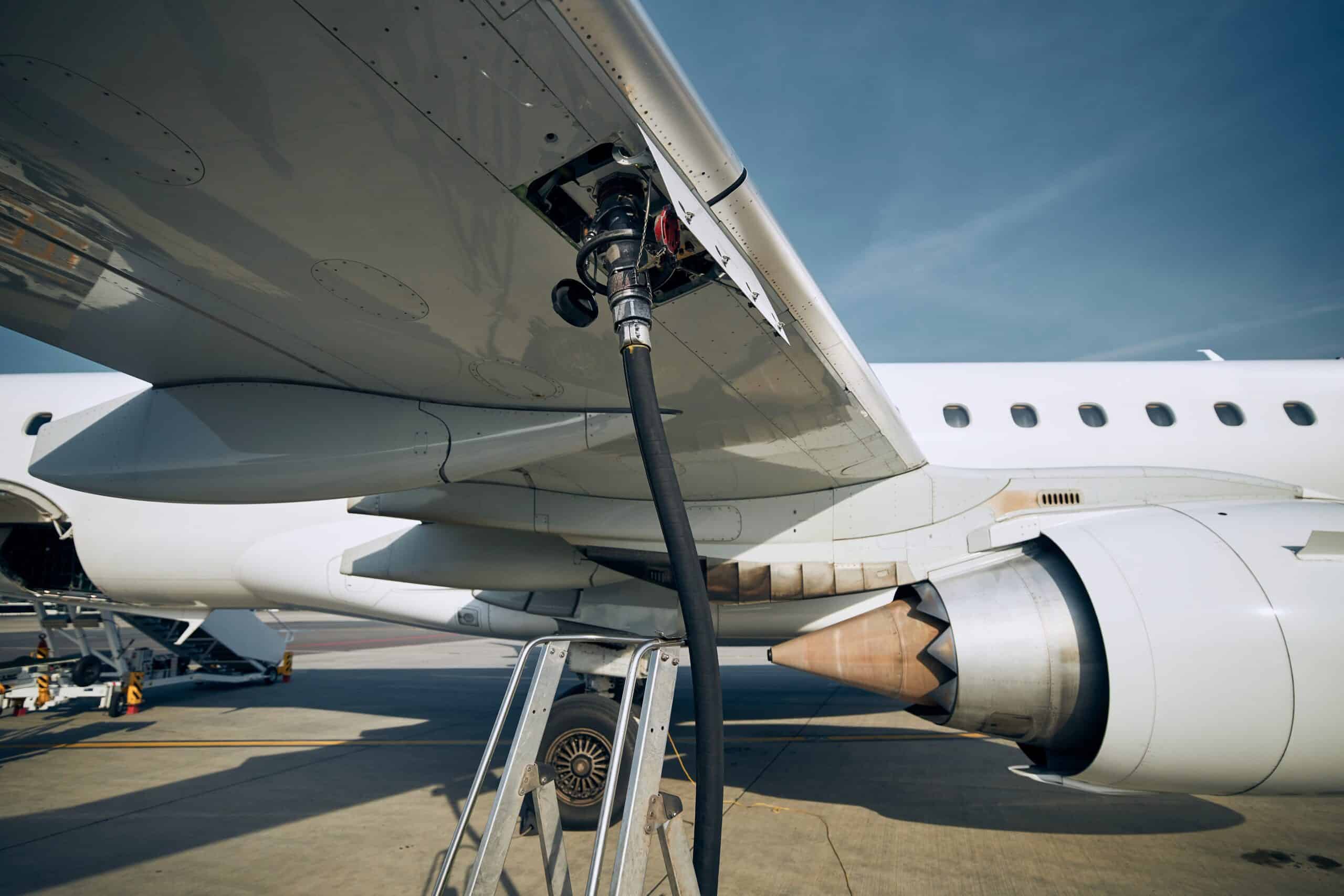
Now let’s look at the actual numbers. The March 2026 data tells a clear story for GA pilots: avgas prices 2026 are at their highest point in recent years, and Jet-A owners are facing an even steeper increase.
Avgas (100LL) National Averages
For March 2026, national 100LL full-service avgas pricing averaged $6.80 per gallon — an increase of $0.38, or 5.9%, compared to February. Meanwhile, 100LL self-service averaged $5.69 per gallon, up $0.25, or 4.7%, from the prior month.
To put this in context: in January 2026, 100LL full-service was running $6.37 nationally. In February, it ticked up modestly to $6.43. So March’s jump to $6.80 represents the sharpest single-month move of the three consecutive months of increases. In other words, the pace of increases is accelerating, not plateauing.
Breaking Down Avgas Prices 2026 by Region
Regional variation in fuel pricing remains significant. First, Alaska continues to post the highest 100LL prices in the country, with a statewide average of $10.30 per gallon for full-service fuel. However, the Central region of the FAA reporting area is recording the lowest national average at just $6.05 per gallon for 100LL — a nearly $4.25 per gallon difference between the highest and lowest regions.
In the Southern states, 100LL full-service jumped 8% in March to average $6.73 per gallon, while self-service increased 6.8% to $5.32. These regional numbers matter because they mean pilots in some parts of the country are feeling the squeeze harder than others. Additionally, the cost variance creates opportunities for strategic refueling decisions when cross-country routes allow for flexibility.
Jet-A Sees the Steepest Price Surge
For owners and operators of turbine-powered GA aircraft — turboprops, jets, and turbocharged singles that burn Jet-A — the March numbers are considerably more alarming. National Jet-A full-service pricing averaged $7.64 per gallon in March, representing an increase of $1.23, or 19.2%, compared to February.
Excluding Alaska and Hawaii, Lower 48 Jet-A full-service pricing averaged $7.59 per gallon — still a 19.9% month-over-month increase. The Southwest region saw Jet-A full-service average $7.26 per gallon, an increase of $1.33, or 22.5%, month over month. Consequently, pilots of King Airs, TBMs, PC-12s, and light jets are looking at a cost increase that measures not in cents but in dollars per gallon — suddenly and sharply.
Unleaded Alternatives: UL94 and Mogas in 2026
Not all avgas categories saw dramatic March price increases. Specifically, UL94 self-service pricing averaged $6.88 per gallon in March — up just $0.01, or 0.1%, from February. Mogas (automotive gasoline approved for some aircraft) averaged $4.73 per gallon nationally, a gain of $0.06, or 1.3%.
For pilots whose aircraft are approved to run on UL94 or mogas, these alternatives are suddenly looking considerably more attractive. UL94, produced by Swift Fuels, is a drop-in replacement for aircraft approved for Grade 80 avgas or lower. It satisfies the minimum octane requirements of over 130,000 aircraft — more than 70% of the U.S. piston fleet. So if you haven’t explored whether your aircraft qualifies, now is an excellent time to check your AFM and POH.
Three Consecutive Months of Increases: Is This the New Normal?
Understanding the March number in isolation is useful, but the trend matters even more for long-term planning. For GA pilots budgeting their flying year, avgas prices 2026 represent a multi-month trend, not a one-month anomaly.
January and February Built the Foundation
Aviation fuel prices rose in January 2026, marking the start of the increase cycle. Then February confirmed the trend with the second consecutive month of upward movement: 100LL full-service rose just 0.9% to $6.43, and Jet-A full-service also edged up 0.9% to $6.41. At that point, the increases were modest. However, they were directionally consistent — and they were setting the stage for what happened in March when the Iran conflict intensified.
Furthermore, the January and February increases came before the oil supply disruption reached its most acute phase. So the market had already been tightening on its own before the Strait of Hormuz closure sent prices into steeper territory.
What Pilots and Analysts Are Watching
Several factors will determine whether avgas prices 2026 stabilize, continue rising, or eventually retrace. First, the status of the conflict in Iran and its impact on Persian Gulf shipping lanes remains the most critical variable. Additionally, U.S. domestic oil production response, global strategic petroleum reserve releases, and refinery capacity utilization all factor into the outlook.
For now, most aviation fuel price analysts are not forecasting a near-term return to early-2026 pricing. So planning your flying budget around current prices — rather than hoping for an imminent rollback — is the prudent approach.
What This Means Per Flight Hour: Running the Numbers
The best way to feel the impact of rising avgas prices 2026 is to translate them into actual flight costs. Let’s run the numbers for two common GA aircraft scenarios.
Cessna 172 at Current Avgas Prices
A Cessna 172 flying at typical cruise power burns approximately 8–9 gallons per hour of 100LL. At February’s self-service national average of $5.44, that translates to roughly $43.52–$48.96 per flight hour for fuel alone. At March’s self-service average of $5.69, the same flight hour now costs $45.52–$51.21. Additionally, if you’re relying on full-service fuel at $6.80 per gallon, you’re now paying $54.40–$61.20 per hour just for fuel — a meaningful chunk of the overall cost of ownership.
Specifically, for a pilot flying 100 hours per year in a C172 using full-service fuel, the jump from February to March pricing adds approximately $180–$225 to their annual fuel bill. That might sound modest, but if March pricing holds — or climbs further — the annualized impact grows substantially.
Turbine Pilots Face a Larger Hit
For turboprop owners, the math gets steeper fast. A King Air C90 burns approximately 50–55 gallons per hour of Jet-A. At March’s national full-service average of $7.64 per gallon, that’s $382–$420 per flight hour for fuel. Compared to February’s $6.41 Jet-A average, that’s an increase of $61.50–$67.65 per flight hour. Therefore, for a turboprop operator flying 300 hours per year, the March price surge alone adds roughly $18,000–$20,000 to their annual fuel costs — on an annualized basis if prices hold.
Moreover, the 19.2% month-over-month jump in Jet-A is a figure that demands immediate operational review for turbine GA operators. Consequently, those conversations with chief pilots, finance teams, and boards are happening right now across business aviation.
Practical Strategies to Manage Rising Avgas Costs in 2026
Rising fuel prices are painful, but they are not unmanageable. Here are the most effective strategies GA pilots use to reduce their fuel cost exposure when avgas prices 2026 are elevated.
Finding the Cheapest Avgas Prices 2026 Near You
The most straightforward fuel-saving move is doing a quick price check before you go. Tools like AirNav and GlobalAir allow pilots to compare current self-serve and full-service fuel prices at airports within a practical radius of their departure or destination. Often, diverting 10–15 nautical miles to a less-trafficked airport with lower overhead costs can save $0.50–$1.50 per gallon — meaningful money on a full tank of 100LL.
Additionally, fuel price apps integrated into EFB software like ForeFlight and Garmin Pilot now display current avgas and Jet-A pricing in the route planning interface, making it easy to identify favorable fuel stops on cross-country flights without adding separate lookups to your preflight routine.
Self-Service vs. Full-Service: A Built-In 15% Discount
The national data consistently shows approximately a 15% price difference between full-service and self-service fuel. In March 2026, that gap was $6.80 versus $5.69 for 100LL — a $1.11 per gallon difference. For a 50-gallon fill, that’s $55.50 in your pocket just for pumping your own gas.
So if you’re habitually using full-service fuel out of convenience, it’s worth developing the self-service habit at airports where it’s available. Furthermore, self-service fuel is often the same product as full-service — just without the line person running the cart. The quality is identical.
Engine Leaning and Power Settings
Proper fuel management in flight is one of the most underutilized cost-control tools available to GA pilots. First, engine leaning at cruise altitude can significantly reduce fuel burn without meaningfully affecting performance. A Cessna at 45% power, for instance, can achieve about 80% of maximum cruise speed while using only 63% of the fuel compared to full-power cruise. Therefore, flying lean of peak or carefully following your POH’s leaning guidance pays real dividends in avgas consumption per nautical mile.
Additionally, cruise altitude matters. Flying a few thousand feet higher — when the mission allows — can improve true airspeed relative to fuel burn for normally aspirated engines operating in richer mixture at lower altitudes. Specifically, every gallon of fuel you don’t burn is money you keep.
Tankering: Strategic Refueling When Prices Vary
Experienced cross-country pilots have long used the concept of tankering — deliberately filling up where fuel is cheap and skipping an expensive fuel stop — to reduce overall trip costs. With avgas prices 2026 showing significant regional variation (Alaska at $10.30 vs. Central region at $6.05), the case for strategic refueling planning is stronger than ever.
However, tankering requires careful weight-and-balance analysis and flight planning discipline. You must account for the extra fuel weight in your performance calculations and ensure your planned fuel stop aligns with legal reserves. That said, for longer cross-country routes, the savings potential is genuinely significant.
What Rising Fuel Costs Mean for General Aviation Broadly
The surge in avgas prices 2026 doesn’t just affect individual pilots at individual airports. It has systemic implications for the health of general aviation as a whole — from flight training to aircraft ownership economics to airport sustainability.
Flight Schools and Training Operations Under Pressure
Flight schools operate on thin margins under normal conditions. Fuel is typically the single largest variable operating cost for a training operation. So when avgas prices rise sharply and quickly, flight schools face a difficult choice: absorb the cost, raise lesson rates, or reduce aircraft utilization. In most cases, some combination of all three occurs. As a result, student pilots may see hourly wet rental rates climb in the months ahead — or encounter reduced fleet availability if schools pull aircraft from service to manage costs.
For student pilots mid-training, this is important to factor into your financial planning. Therefore, finishing your certificate efficiently — minimizing wasted flight time and dual instruction — becomes even more valuable when fuel prices are high.
Aircraft Ownership Decisions in a High-Fuel Environment
For aircraft owners, the March data reinforces the importance of a complete cost-of-ownership analysis that accounts for fuel price volatility. Consequently, aircraft that were economical to operate at $5.50 self-service avgas look meaningfully different at $5.69 — and potentially more different still if prices continue rising through Q2 2026.
Additionally, the relative economics of fuel-efficient aircraft designs — and the growing availability of UL94 and mogas-approved aircraft for lower-compression engines — are worth revisiting if you’re in the market for an aircraft purchase or contemplating a trade. A 100LL-dependent high-performance single looks different in the budget model than a fuel-flexible aircraft eligible for UL94 or mogas alternatives.
Furthermore, if you haven’t already done so, now is the right time to check whether your current aircraft qualifies for any lower-cost fuel alternatives. Your POH, STC database, and your local A&P can help you determine your options.
Frequently Asked Questions About Avgas Prices 2026
What are the current avgas prices in 2026?
As of March 2026, national 100LL full-service avgas prices averaged $6.80 per gallon, while self-service averaged $5.69 per gallon. These represent increases of 5.9% and 4.7%, respectively, compared to February 2026. Regional prices vary significantly — from Alaska’s $10.30 average to the Central region’s $6.05 for full-service 100LL. To find current prices at specific airports, use tools like AirNav or GlobalAir.
Is UL94 a cheaper alternative to 100LL avgas in 2026?
In March 2026, UL94 self-service averaged $6.88 per gallon nationally — slightly higher than 100LL self-service at $5.69, but with far less month-over-month price volatility. For aircraft approved for UL94, the benefit is primarily environmental (no lead) and supply chain (less exposure to 100LL production cost swings). Mogas, where available and approved, averaged just $4.73 per gallon and represents the most affordable liquid fuel option for eligible aircraft. Check your aircraft’s POH, AFM, and any applicable STCs to determine which fuels your specific airplane is approved for.
How can I reduce my fuel costs as a GA pilot right now?
Several strategies help manage avgas prices 2026 cost exposure: use self-service fuel when available (typically 15% cheaper than full-service), use fuel price comparison apps like AirNav or ForeFlight’s fuel pricing layer before flights, practice proper engine leaning techniques at cruise altitude, consider tactical tankering on cross-country routes where price differentials are large, and investigate whether your aircraft qualifies for UL94 or mogas if applicable. Each of these approaches can meaningfully reduce your per-hour fuel costs without compromising safety.
Sources
- Aviation Fuel Prices Up Sharply in March — General Aviation News
- Avgas Prices Climbed in March — AVweb
- Avgas Prices Climb for Second Straight Month in February — General Aviation News
- New Year Brings Mixed Bag for Fuel Prices — General Aviation News
- Jet Fuel Prices Soar as War in Iran Ripples Through Global Aviation — OilPrice.com
- Jet Fuel Prices Are Rising as Oil Spikes on Iran War — Fortune
- U.S. Aviation Fuel Price Trends — February 2026 — iFlightPlanner
- 100LL & Jet Fuel Prices at U.S. Airports by Region — GlobalAir.com
Fuel prices are one of the most dynamic variables in GA flying — and right now, they’re moving faster than most pilots have seen in years. The smartest thing you can do is stay informed, plan ahead, and use every legitimate tool available to keep your costs under control. At E3 Aviation Association, we cover the developments that affect your flying every week. Subscribe to the E3 Aviation blog and check out our YouTube channel for practical GA content built by pilots, for pilots. Keep flying smart.



 prices in 2026 — current cost per gallon, regional variation, lead phase-out impact, and what GA owner-operators should expect through the year.)