If you own a GA aircraft and your annual is coming up, you already know the feeling. You drop the airplane off, the mechanic opens it up, and somewhere between day two and day five you get a phone call that starts with “so, we found a few things.” Aircraft annual inspection cost is one of the most misunderstood expenses in GA ownership. In 2026, costs are up, wait times are longer, and surprises are harder to predict. This guide covers what you’ll pay, what drives costs up, and how savvy owners stay ahead.
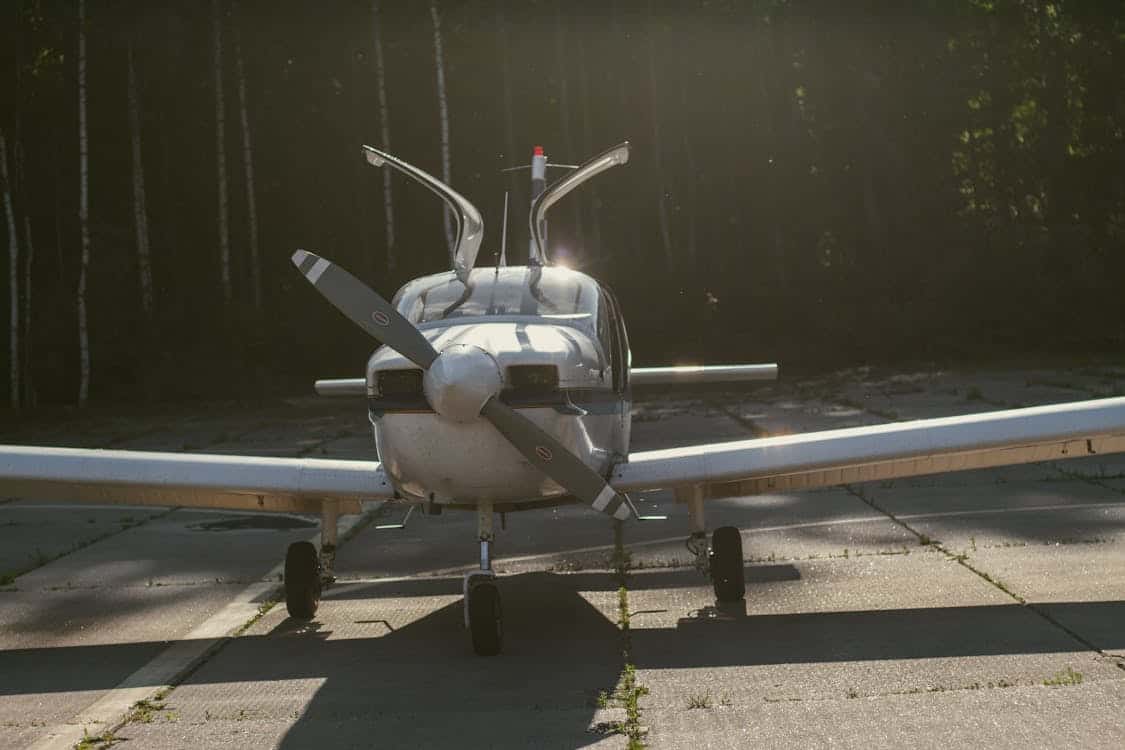
A well-maintained GA aircraft starts with understanding what your annual will actually cost — and planning for it.
Last Updated: May 31, 2026 | By: The E3 Aviation Editorial Team
What Does an Aircraft Annual Inspection Cost in 2026?
First, let’s get one thing straight: there is no single number. The annual inspection fee covers only the shop’s labor to open and inspect your airplane per FAR Part 43 Appendix D. It does not include fixing anything they find. Those are two separate bills, and confusing them is how owners end up shocked at checkout.
With that said, here are realistic 2026 ranges for the inspection portion alone, before repairs:
Aircraft Annual Inspection Cost by Aircraft Type
For a simple fixed-gear, single-engine aircraft — a Cessna 150/152, Cherokee 140, or early Piper Warrior — expect to pay roughly $800 to $1,400 for the base inspection. These are straightforward airframes with no retractable gear, no turbocharger, and limited avionics complexity. Some shops in lower cost-of-living regions still offer flat rates in this range, though they are increasingly rare.
For the workhorse of GA — the Cessna 172 in its many variants — current inspection fees run $1,500 to $2,200. Plane & Pilot recently pegged a clean, well-maintained 172 annual at around $1,700 for the inspection alone. Add typical findings (hoses, lights, seals, minor squawks) and total cost usually lands between $2,500 and $4,500 for a healthy airplane. A deferred-maintenance 172 can easily run $8,000 to $12,000 once the owner addresses everything.
Complex single-engine aircraft — retractable gear, constant-speed prop, turbocharged engine — like the Beechcraft Bonanza, Cessna 210, or Piper Arrow typically start at $2,000 to $3,500 for the inspection. The added mechanical complexity means more items to examine, more systems to verify, and more labor hours. Gear systems alone add significant inspection time. Total annual costs for complex singles frequently land between $4,000 and $10,000, and that assumes no major findings.
Twin-engine aircraft carry even higher baseline inspection costs — typically $3,500 to $6,000 for the inspection itself. Everything doubles: two engines, two gear systems, two sets of fuel and oil lines. Budget accordingly.
Why Aircraft Annual Inspection Costs Have Risen in 2025–2026
Three forces are pushing annual costs higher right now. Owners who understand them are better positioned to manage the impact.
First, A&P labor rates have climbed substantially. Shops charging $85 to $95 per hour three years ago are now at $110 to $140 in many markets. The mechanic shortage is real and getting worse. Aviation maintenance schools aren’t producing enough graduates to replace retiring A&Ps, and the supply pipeline hasn’t kept pace in years. When qualified mechanics are scarce, rates go up — that is simple economics.
Second, parts costs have risen sharply. Certified aircraft parts carry FAA approvals, manufacturer traceability requirements, and supply chain costs squeezed by post-pandemic inflation. A simple hose that cost $45 two years ago may now run $70. An overhauled magneto that was $300 exchange is now $450. These increases compound across every line item on your discrepancy list.
Third, scheduling and wait times have stretched. Many busy shops are now booked four to eight weeks out. If they find a backordered part, you may sit grounded for three to six weeks. Meanwhile, hangar fees, insurance, and loan payments continue regardless of whether the airplane is flying.
The Inspection Bill vs. The Repair Bill — Know the Difference
This distinction matters more than almost anything else in managing your annual budget. When a shop quotes you an annual inspection, they are quoting the labor to open, examine, and document the airplane’s condition. What they are not quoting is the cost of any work required to return the aircraft to airworthy condition.
The inspection is the diagnostic. The repair list is the treatment plan. And like any medical situation, the diagnostic is often the smaller bill.
Common Findings That Drive Up Your Annual Cost
Experienced aircraft owners keep a mental list of common surprises that inflate annual bills. Knowing them in advance is the first step to avoiding a blindside at checkout.
Hoses and flexible lines rank among the most frequent findings. Fuel and oil hoses have a finite service life, and many shops flag any hose over five years old regardless of visual condition. Replacing a full set of engine compartment hoses can add $600 to $1,500 to your bill. Fuel caps, gaskets, and primer lines also age even when the airplane sits.
Corrosion is the silent budget killer. Even in dry climates, parked aircraft develop corrosion in skin lap joints, spar caps, and control surface hinge areas. Light corrosion treatment typically runs $200 to $800 to clean, treat, and document. Significant structural corrosion, however, can cost thousands — and in worst cases, make an aircraft economically unairworthy.
Landing Gear, Avionics, and Airworthiness Directives
Brakes, tires, and landing gear receive intense scrutiny during an annual. Worn brake pads, cracked discs, tire cord showing through sidewalls, and shimmy dampener wear are all common findings. A complete brake and tire refresh — both mains and nose — can run $400 to $1,200 depending on aircraft type. Retractable gear aircraft also require gear swing and rigging checks that occasionally reveal actuator wear or seal failure.
Avionics squawks surface regularly. Nav/comm radios with intermittent failures and transponders that don’t pass encoder tests both trigger additional work. A new ELT battery runs $80 to $200. A transponder failing its IFR certification test may need $400 to $800 in repairs or replacement.
Your mechanic verifies every AD on file during each annual. Recurring ADs require documented compliance. Any new ADs issued since your last annual require action — the shop will pull the full list for your aircraft type and check each item. Occasionally a newly issued AD creates an unexpected cost.
What Your Mechanic Is Actually Looking At
FAR Part 43 Appendix D specifies the minimum scope of an annual inspection. It is comprehensive — every system, every structure, every surface. Your IA (Inspection Authorization holder) must examine the airframe, flight controls, landing gear, fuel system, engine, propeller, avionics, and electrical system.
The IA must also verify AD compliance and confirm the airworthiness certificate and registration are current. Reviewing the logbooks for unresolved prior findings is the final step before sign-off. A thorough single-engine annual takes eight to sixteen labor hours — before any repairs begin. That is why the labor bill is what it is.
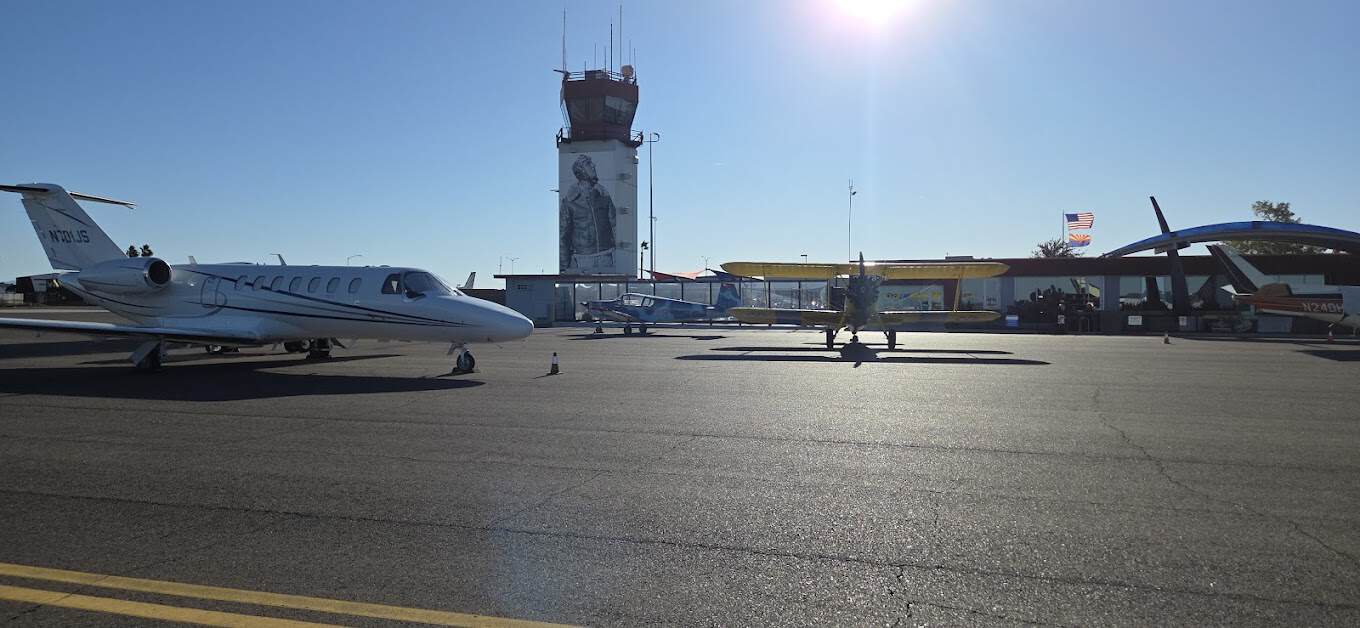
GA airports like Falcon Field are home to the mechanics, shops, and owner communities that make ownership work.
How to Manage and Reduce Your Aircraft Annual Inspection Cost
Cost management on an annual starts months before the airplane ever enters the shop. Owners who consistently pay less are not getting cheaper inspections. Instead, they do the work throughout the year that prevents the inspection from turning into a major repair event.
Owner-Assisted Annuals — What You Can and Can’t Do Legally
An owner-assisted annual is one of the most effective ways to cut your aircraft annual inspection cost. Under FAR 43.3(g), the aircraft owner may perform work during the annual under direct supervision of the A&P/IA. The key word is supervision — the IA must be present and directing the work. Signing off repairs without the IA present violates FAR 43.
Practically speaking, removing and reinstalling inspection panels is the single most valuable task an owner can take on. Single-engine aircraft have dozens of panels — belly skins, wing root fairings, engine cowling, tail cone plates, and gear doors. Shops charge one to two hours of labor just for panel removal and reinstallation. Showing up the night before with tools in hand can save $150 to $400 right there.
Under FAR 43 Appendix A, private pilots can also perform certain preventive maintenance on aircraft they own. This covers oil changes, spark plug cleaning and gapping, tire inflation, and brake pad replacement. Completing these tasks before the annual means your mechanic won’t charge shop rates to perform them during the inspection.
Know the limits. The inspection sign-off requires a certificated A&P with an Inspection Authorization — that is non-negotiable. Major repairs and alterations fall outside owner authority. Owner assistance covers labor tasks, not certification privileges.
How to Choose the Right A&P/IA for Your Annual
Mechanic selection has a big effect on your total annual cost — and rarely in the direction you’d expect. The cheapest quoted annual is rarely the cheapest total bill. Some shops price the inspection low and then find extensive work. Others are meticulous, thorough, and honest — their fee reflects real labor.
The best A&P/IAs clearly separate airworthiness-required items from recommended maintenance. Mechanics must correct airworthiness items before the aircraft can fly legally. Recommended items are maintenance the mechanic believes you should address soon, but they don’t ground the airplane. A good mechanic labels both categories clearly on the discrepancy list. Shops that treat everything as equally urgent are harder to budget around.
Type experience also matters significantly. A mechanic with hundreds of Cessna 172s under their belt finds issues faster than a generalist. They know the common failure points cold. Seek out A&Ps who specialize in your specific airframe family when possible.
The A&P and IA Shortage — What It Means for Your 2026 Annual
The maintenance technician shortage is not new, but it is accelerating. Aviation maintenance programs are producing fewer graduates than the industry needs. The retirement wave among experienced A&Ps has been ongoing for a decade. Commercial airlines and corporate flight departments compete for qualified mechanics with pay that small GA shops cannot match.
For the GA owner-operator, this creates real practical challenges. Finding an IA willing to take on a new customer aircraft can be genuinely difficult in some markets. Scheduling flexibility has shrunk — shops that once accommodated short-notice annuals are now booking weeks out. When a good mechanic retires, their institutional knowledge of your aircraft type goes with them.
What This Means for Booking Your 2026 Annual
Schedule early. If your annual is due in July, call in April. Many shops in busy GA markets now require three to six weeks advance notice. Wait too long and you’ll compete for shop time with every owner who did the same.
Additionally, develop a relationship with your A&P before you need the annual. Owners who bring their aircraft in for small jobs throughout the year — oil changes, squawk fixes, minor repairs — become known customers. Known customers get scheduling priority. The pilot who shows up once a year for the annual is the first one bumped when the shop gets busy.
Moreover, connect with your local local aviation chapter if you haven’t already. industry chapters often have experienced A&Ps who support owner-assisted annuals and know how to work with engaged owners. This can be one of the most cost-effective annual setups available in GA.
Building a Year-Round Maintenance Strategy That Keeps Annuals Manageable
The pilots with the most predictable annual costs share one habit: they do not defer maintenance. Every ignored squawk becomes a discrepancy the mechanic finds and charges shop rates to fix. Staying current between annuals consistently costs less than letting items pile up.
The Squawk List Approach to Year-Round Aircraft Maintenance
Keep a running squawk list in your aircraft. Note everything immediately — a trim that feels off, a radio with intermittent static, a gear door that won’t seat. When the airplane goes in for any maintenance event, hand the list to your mechanic. Addressing small items early costs a fraction of what they cost after escalating.
Specifically, schedule at least one interim maintenance visit between annuals. An oil change and general look-around at the six-month mark gives your mechanic a chance to catch developing issues early. It also keeps the relationship warm and gives you scheduling capital when annual time arrives.
Additionally, study your aircraft type’s known trouble spots. Every make and model has a dedicated owner community — Cessna Owner Organization, Piper Owner Society, Beechcraft forums, and type-specific Facebook groups. These resources document common failure points your aircraft shares with others of the same type. Tap them before each annual season so you know what to watch for.
Finally, keep your logbooks current and organized. Mechanics move faster through an annual when the records are clean. Furthermore, when it’s time to sell, organized maintenance history is worth real money to buyers and pre-buy inspectors.
Frequently Asked Questions: Aircraft Annual Inspection Cost
What is the average aircraft annual inspection cost for a Cessna 172 in 2026?
For a well-maintained Cessna 172, the inspection fee alone typically runs $1,500 to $2,200 in 2026. Add typical findings and total cost usually lands between $2,500 and $5,000 for a healthy airplane. A neglected 172 can easily top $8,000 to $12,000 once the owner addresses all deferred items. The best predictor of your total bill is the condition of the airplane going in, not the quoted inspection fee.
Does the aircraft annual inspection cost include repairs?
No — and this is the most important distinction for owners to understand. The inspection fee covers only the labor to inspect the aircraft per FAR Part 43 Appendix D. Shops bill any repairs, parts, or additional labor separately. A shop may quote you $1,700 for the annual and then hand you a $3,500 repair estimate. Both bills are legitimate — the inspection and the repair are two completely different scopes of work.
Can I legally help with my own aircraft’s annual inspection to save money?
Yes, under certain conditions. Under FAR 43.3(g), aircraft owners may perform maintenance tasks during the annual under direct IA supervision. Common owner-assisted tasks include removing inspection panels, oil changes, and preventive maintenance items under FAR 43 Appendix A. Only a certificated A&P with an Inspection Authorization can sign off the inspection. Done correctly, owner assistance can save $200 to $600 in labor on a typical annual.
Why is it harder to get my annual scheduled in 2026 than it used to be?
The aviation maintenance technician shortage is real and worsening. GA shops are understaffed and qualified A&Ps are hard to find — commercial aviation competes aggressively for available talent. The practical result: book your annual four to eight weeks in advance. Build an ongoing relationship with your mechanic through regular interim work. Connect with your local local aviation chapter for access to A&Ps who support owner-assisted annuals.
What is the single best thing I can do to keep my annual cost down?
Do not defer maintenance. Ignore a squawk and it becomes a discrepancy your mechanic finds and bills shop rates to fix. Fix small things as they appear. Schedule interim visits. Keep a squawk list. Fly the airplane regularly — sitting aircraft accumulate corrosion, dried seals, and sticky controls far faster than flown ones. The pilots who pay the least at annual time stay on top of their aircraft all year long.
Sources
- Plane & Pilot: What Does a 172 Annual Cost These Days?
- Phalanx Aviation: Aircraft Annual Inspection Cost Guide
- Piston Aircraft Loans: Annual Inspection Costs — Complete Guide
- FAA pilot resources
- Cessna Owner Organization: FAR 43 Preventive Maintenance
- General Aviation News: GA Maintenance — What’s Working, What’s Not (2026)
- Double M Aviation: Evaluating Aircraft Annual Inspection Cost
- FAA Safety Briefing: Beware of Bargain-Priced Aircraft Maintenance
Aircraft ownership is one of the most rewarding things you can do as a pilot. Treat the annual as an investment — not a cost to minimize. A well-managed annual costs far less than an in-flight failure or a season grounded by deferred maintenance. Stay sharp on your airplane, stay connected to the E3 Aviation community at e3aviationassociation.com/aviation-articles, and subscribe to the E3 Aviation Association YouTube channel for video content built for pilots like you.