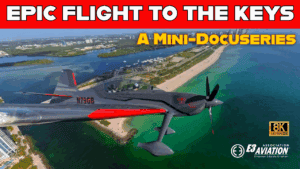
Seaplane flying in the Florida Keys is one of those experiences that genuinely rewrites what flying means to a pilot. You’re not just airborne — you’re navigating tides, reading water surfaces, and making judgment calls that land-based GA flying never demands. The turquoise shallows, secluded sandbars, and a clean water landing add up to something special. It’s one of the most rewarding experiences a certificated pilot can have in the United States. But it’s more technically demanding than most pilots expect. This guide covers what matters most — from the ASES rating to saltwater maintenance — so you go in prepared.
Last Updated: May 4, 2026 | By: The E3 Aviation Editorial Team
Why the Florida Keys Draw Seaplane Pilots From Across the Country
There’s nowhere else in the lower 48 quite like the Keys for seaplane flying. The shallow-water geography creates natural landing zones that don’t exist in open ocean or deep inland lakes. Everywhere you look, a protected cove or tidal flat offers a calm, clear surface. Depth is manageable and conditions are predictable — as long as you’ve done your homework on tides and weather. The appeal runs deeper than scenery, though. Seaplane flying in the Florida Keys puts pilots into places that boats can’t reach easily and land vehicles can’t reach at all. You put down near a sandbar accessible only by air, tie off the floats, and spend an afternoon somewhere most people will never stand.
That’s a specific kind of freedom — a specific kind of access — that no paved runway can offer. Still, the Keys aren’t forgiving to pilots who haven’t done the preparation. Weather changes fast in the afternoon. Tidal variation can make a safe landing zone shallow or obstacle-laden within hours. Boat traffic in popular channels is real. And the mix of protected marine environments and private property means not every inviting stretch of water is legal to use. For pilots who prepare properly, though, the Keys reward every bit of that effort. The scenery alone justifies getting the rating. The skill you build flying here justifies everything else.
What Getting Your ASES Rating Actually Looks Like
The Airplane Single-Engine Sea (ASES) rating is an add-on to your existing Private Pilot certificate — not a separate license. You’re adding a category and class rating, which requires a practical test but no additional written exam if you already hold a Private ticket. Training typically runs five to ten flight hours for most pilots, depending on your background and how quickly you adapt to water operations. Florida is one of the best states in the country for ASES training — warm water, reliable weather, and several specialized facilities that run intensive programs. Most pilots finish the rating in two to three days on a focused schedule.
What the FAA Expects at Your Seaplane Rating Checkride
The FAA Seaplane, Skiplane, and Float/Ski Equipped Airplane Flying Handbook defines the maneuvers your DPE will expect. You’ll demonstrate normal water takeoffs and landings, step turns at planing speed, and confined area operations. Glassy water landings, rough water techniques, and sailing round out the practical test. Sailing means maneuvering the aircraft with wind and rudder alone — no engine power. Glassy water gets its own category for a reason. When the surface goes mirror-flat, depth perception disappears entirely. You can’t judge height above the water visually — it looks identical at 50 feet as it does at five.
The correct technique is a power-on descent at a constant rate of 100 to 200 feet per minute, held in landing attitude until the floats make contact. There’s no flare. You hold attitude, trust the rate of descent, and let the aircraft settle. Pilots who try to flare over glassy water balloon upward — which is disorienting and can turn dangerous fast. Our take: if you’ve spent time in backcountry or mountain flying with serious short-field work, you’ll adapt to ASES operations faster than the average student. The discipline of committing fully to an approach and trusting your technique transfers directly to water operations.
Planning Your Seaplane Flight in the Florida Keys
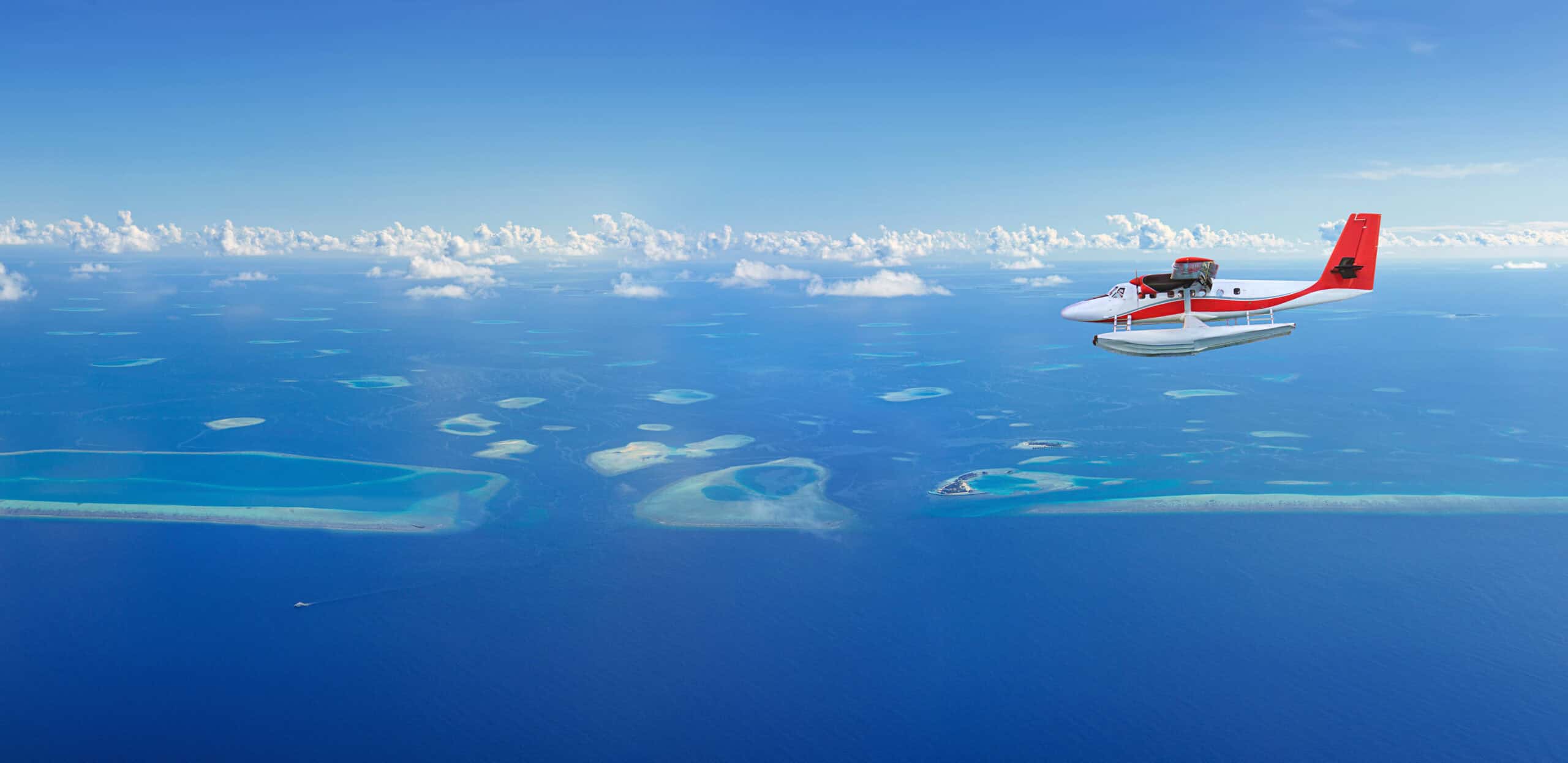
Planning a seaplane flying Florida Keys trip takes more pre-flight work than a typical cross-country. Tidal windows, NOTAMs for water areas, and landing zones all need checking before you depart.
Seaplane flying in the Florida Keys adds planning layers that land-based GA doesn’t demand. You’re checking weather and NOTAMs — but you’re also checking tides, water depth, maritime traffic, and land-use restrictions for every zone on your route. That’s not complicated once you build the habit. It just requires a different set of references and a disciplined pre-flight process.
How to Read Marine Charts for Seaplane Flying in the Florida Keys
Marine charts are essential for seaplane pilots operating in the Keys. They show water depth at mean low tide. That tells you whether a zone that looks perfect from 500 feet is actually usable — or shallow enough to ground your floats. In the Keys, ideal landing zones run three to four feet deep, shallowing to about one foot near shore. Anything shallower at low tide is a risk, especially with tidal changes underway. Tides in the Keys run on a predictable schedule. But the difference between high and low water can shift a landing zone from ideal to impassable within a couple of hours.
Use NOAA tidal predictions for your specific operating area — not just the nearest reporting station, which may be miles away with meaningfully different predictions. Real-time buoy data gives you current wind, sea state, and temperature that translate directly into what you’ll find on the water. Additionally, account for maritime traffic before you commit to any landing zone. Seaplanes on the water follow maritime rules of the road — not aviation right-of-way rules. Check for boat traffic on your approach, and be prepared to go around if the zone is occupied when you arrive. Going around from a water landing approach is routine. Getting tangled with a vessel that assumed you’d avoid it is not.
Safety Gear for Seaplane Operations Isn’t What You Carry on Land
Aviation-specific life vests are non-negotiable for water flights. The key difference from marine vests is timing: marine vests inflate automatically, which is exactly what you don’t want inside a cockpit during an emergency exit. Aviation vests inflate manually, letting everyone exit the aircraft before the vest deploys. Brief every passenger on the vests before engine start — every time, every flight. Beyond vests, carry a marine anchor and tie-off line for any flight where you’ll leave the aircraft on the water. Tides are relentless, and a seaplane that drifts into mangroves or boat traffic while you’re exploring onshore is an expensive, avoidable problem. Tie off, monitor the tide, and factor re-boarding into your timing before you walk away from the aircraft.
Water Landing Techniques You Can’t Afford to Guess At
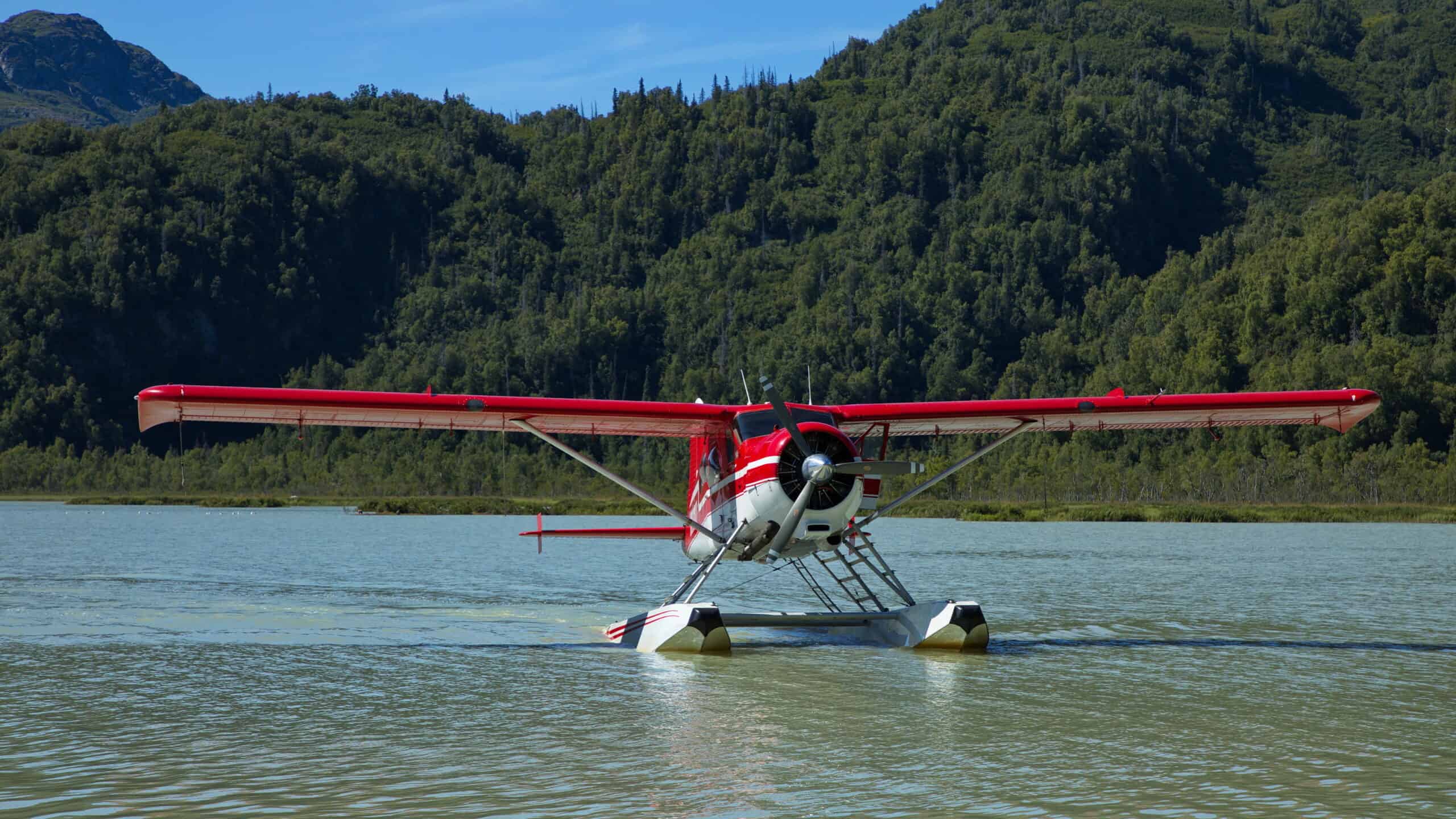
The water landing skills that define seaplane flying Florida Keys operations are built on repetition and honest self-assessment — not luck.
Water landings are forgiving in some ways and unforgiving in others. The surface is soft and there’s no hard centerline to drift off. But water has hidden obstacles, variable depth, and current. Surface conditions change your landing picture in real time — often faster than you’d expect on a calm-looking day.
The Glassy Water Problem Every Seaplane Pilot Must Solve
Counterintuitively, perfectly calm water is more dangerous than rough water for an inexperienced seaplane pilot. Glassy water removes visual depth perception entirely. You can’t judge height above the surface — it looks the same at 50 feet as at five. Pilots have flown into glassy water at cruise speed believing they had altitude they didn’t. The outcome at low speed is survivable. At cruise speed, it isn’t. The technique is specific: power-on descent at a constant rate of 100 to 200 feet per minute, held in landing attitude until float contact. No flare. No adjustment based on feel.
You hold attitude and trust the procedure. According to Flying Magazine’s guide to seaplane float operations, regular glassy water practice is critical. The skill degrades without repetition. And the stakes of letting it lapse are genuinely high. Practically: on glassy days, look for any surface texture before committing to your approach. A single ripple from a boat wake, a patch of floating weed, or a bird sitting on the water gives you a reference. Use it. If you have no reference at all, fly the procedure by the numbers and trust your rate of descent absolutely.
Gear Position — the Check That Prevents Seaplane Fatalities
If you’re flying amphibious floats, gear position verification is a life-safety check on every single approach. Land with gear down on water and the aircraft cartwheels. Land with gear up on a runway and you have a prop strike and paperwork. Both outcomes happen to experienced pilots who become complacent about configuration checks. Neither is acceptable, and neither needs to happen. The XCub on Whipline 2100s amphibious floats has a dedicated gear alert system. Four blue lights confirm the gear is up for water operations. A mismatch alert fires if your setting doesn’t match your selected landing surface. Use the system every time, and still verify gear position manually, verbally, and visually on every approach. Checklists exist because trusting memory is how pilots with thousands of hours have made catastrophic mistakes.
Why Serious Pilots Choose the XCub on Floats for the Keys
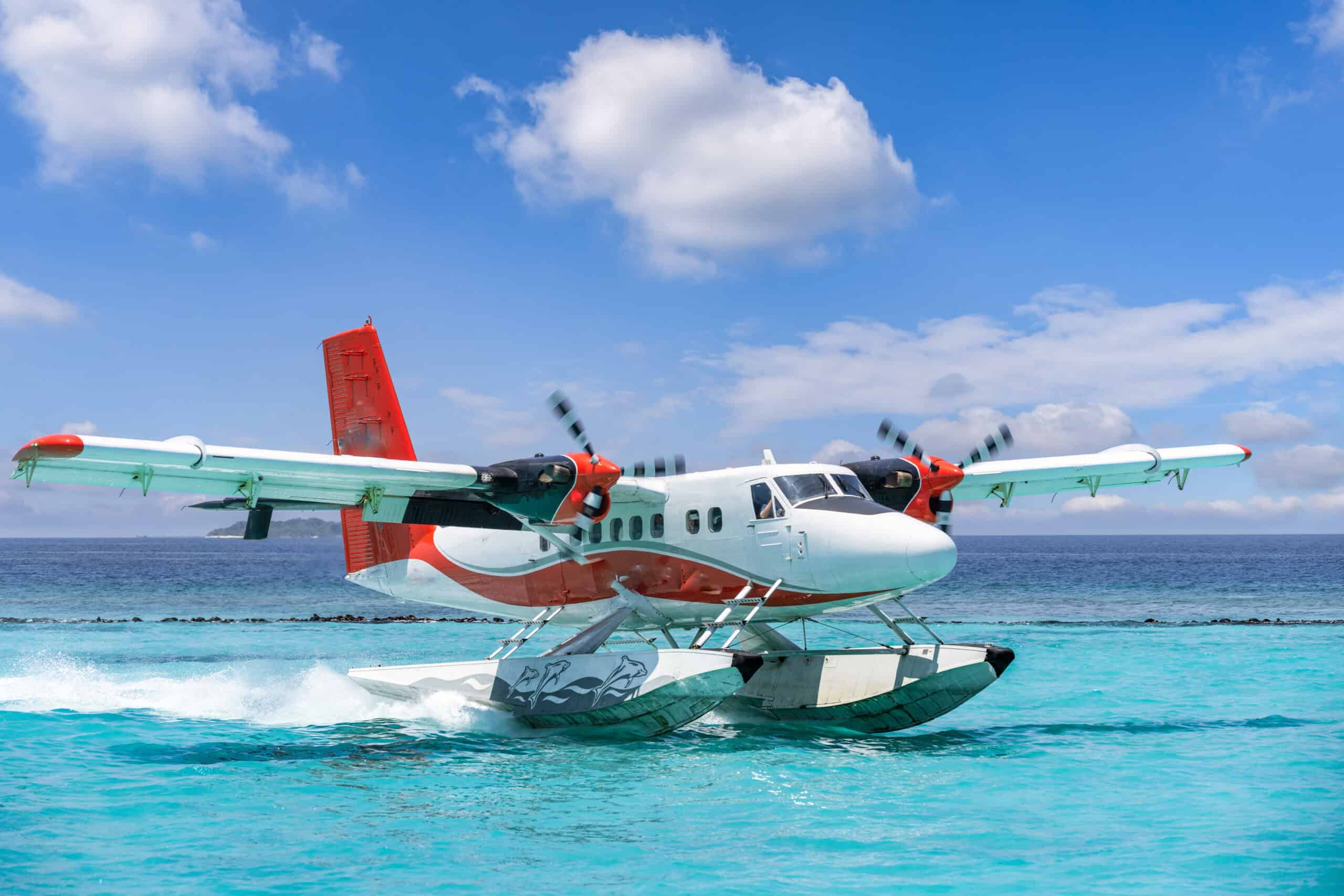
For seaplane flying Florida Keys routes, the XCub on amphibious floats is the aircraft we recommend above everything else in its class.
The CubCrafters XCub on amphibious floats isn’t the most affordable way into seaplane flying in the Florida Keys. It is, however, one of the best aircraft for actually doing it well. The 215-horsepower engine delivers a power-to-weight ratio that handles hot, humid, high-density-altitude water operations without straining. The high-wing design provides excellent forward visibility on approach — which matters enormously when you’re reading an unfamiliar water surface at 200 feet AGL. The XCub’s handling on water is consistently described by pilots as broad and forgiving. The float design creates a clear increase in drag before any skipping or porpoising starts, giving you positive feedback well before you’re off-profile. For pilots transitioning from land-based operations, that predictability builds confidence fast — because mistakes telegraph before they become consequences.
In choppy conditions — and the Keys reliably produce them after midday — the XCub’s power lets you pick your line across the waves. You’re not stuck taking whatever the surface gives you. You can add power to drive through a chop sequence, adjust your angle relative to wave direction, and manage your takeoff run actively. Lighter, underpowered float planes don’t give you those options. When conditions deteriorate after you’ve already landed somewhere remote, that extra capability is the difference between a manageable situation and a stuck one. The XCub also offers genuine amphibious versatility: the same aircraft that departs a grass backcountry strip in the morning can put down in a Keys tidal flat that afternoon. For a full look at what float-equipped XCub ownership requires annually, our XCub annual inspection breakdown covers the maintenance commitment honestly. And for real-world XCub water operations, see our XCub amphibious adventure guide.
Post-Flight Seaplane Care: Don’t Skip Saltwater Rinsing
Saltwater is seaplane flying Florida Keys’s biggest hidden cost — and it’s entirely preventable with a disciplined post-flight rinse routine.
Here’s what most pilots underestimate about seaplane operations in saltwater: the flying is only half the job. Saltwater is corrosive at a rate that land-based pilots genuinely don’t have a reference for. It penetrates control cables, float hardware, hinges, airframe joints, and every gap it can find — and if you don’t flush it after every flight, it starts working immediately. The post-flight protocol isn’t optional. Rinse the entire aircraft with fresh water after every saltwater flight — every surface, every hinge point, every control connection. Use mild detergent on the floats.
Inspect float hardware and airframe connections weekly during active flying periods. Lubricate all moving parts on the float system per the manufacturer’s schedule, and don’t let that schedule slip because a particular trip seemed routine. We’ll be straight with you: pilots who underestimate saltwater corrosion end up with maintenance bills that dwarf what disciplined post-flight care would have cost. Corrosion that gets ahead of you is expensive to arrest and potentially dangerous to leave. Build the care routine before your first Keys flight, not after your first repair estimate. It’s not optional if you want the aircraft to stay airworthy.

Florida Keys Seaplane Operating Areas: Where You Can and Can’t Land
Generally, the Florida Keys offer some of the most accessible seaplane operating areas in the lower 48. However, not every patch of water is fair game. Specifically, the National Marine Sanctuary and Everglades National Park have firm restrictions on seaplane landings, and violating them can cost you your certificate.
Where Seaplane Landings Are Allowed
First, the open waters between the Florida Keys islands are largely open for seaplane operations as long as you stay clear of designated no-landing zones. Notably, the waters around Marathon, Islamorada, and Key Largo are popular operating areas where landings are permitted with appropriate seamanship considerations. Furthermore, the deeper Atlantic waters east of the Keys offer plenty of room for safe landings on calmer days.
Specifically, designated seaplane bases like the one at Key West Seaplane Adventures provide infrastructure if you need fuel or a place to tie up. Additionally, several private docks throughout the Keys welcome transient seaplane traffic — call ahead and confirm.
Where You Absolutely Cannot Land
However, the Florida Keys National Marine Sanctuary covers most of the shallow water habitats and prohibits seaplane operations in those zones to protect coral reefs, seagrass beds, and marine wildlife. Specifically, the protected zones include shallow waters off the upper Keys, the Marquesas Keys, and most of the Tortugas region. Therefore, before you fly, pull up the sanctuary boundary chart and load it into your EFB. Violations carry significant fines and FAA enforcement risk.
Additionally, Everglades National Park airspace and waters are off-limits to seaplane landings without a special permit. As a result, if your route takes you over the western edge of the Keys, plan to remain at altitude until you’re clear of park boundaries.
Florida Keys Weather Patterns Every Seaplane Pilot Should Know
Notably, Florida Keys weather can shift from postcard-perfect to dangerous in under an hour. Specifically, the Keys sit in a unique tropical environment that produces afternoon thunderstorms, sea breeze convergence lines, and tropical wave activity that demands respect from every seaplane pilot. Therefore, your pre-flight weather brief is the difference between a safe day and a serious incident.
The Afternoon Thunderstorm Reality
First, summer afternoons in the Keys typically produce convective activity starting around 1–2 PM and peaking through 5 PM. Consequently, the smartest seaplane operations in the Keys happen in the morning hours — taking off at sunrise and being back on the dock before noon. As a result, you avoid the worst of the convective weather and the strongest winds. Furthermore, water surface conditions are calmest in the early morning, making landings smoother and takeoffs more predictable.
Sea Breeze Convergence and Wind Shifts
Additionally, the Keys experience a daily sea breeze cycle that can produce sudden wind shifts and turbulence. Specifically, the convergence line between Atlantic and Gulf air masses often sets up over the middle Keys in the afternoon. Therefore, plan your routing to account for crossing this line — the surface wind direction can flip 90 degrees within a few miles. In contrast, mornings tend to have more stable, predictable wind patterns.
Tropical Wave Awareness
Notably, during summer and early fall, tropical waves can move through the Keys with little warning. Specifically, these systems can produce sustained winds, heavy rain, and dangerous water surface conditions for seaplane operations. Therefore, monitor the National Hurricane Center’s tropical weather outlook before any Keys flight from June through November. Furthermore, even waves that don’t develop into tropical storms can ruin a flying day.
Top Florida Keys Seaplane Destinations Worth the Detour
For example, the real reward of seaplane flying in the Florida Keys is reaching destinations that other pilots can’t access. Specifically, several spots in the Keys are essentially seaplane-only — there’s no nearby paved runway or convenient public access. Generally, these are the destinations seaplane pilots talk about for years after their visits.
The Dry Tortugas
First, the Dry Tortugas sit roughly 70 miles west of Key West and are accessible only by seaplane, ferry, or private boat. Specifically, Garden Key — home to the historic Fort Jefferson — is one of the most spectacular destinations in U.S. aviation. Notably, only one operator runs commercial seaplane flights there, but private seaplane pilots with the right permits can land in approved waters and visit the fort. Furthermore, the snorkeling and bird-watching opportunities here are world-class.
Boca Chita Key
Conversely, Boca Chita Key in Biscayne National Park sits much closer to the mainland but offers similar isolation. Specifically, the small island has a historic lighthouse, a small dock area, and primitive camping. As a result, it’s a popular weekend destination for Miami-area seaplane pilots who want a quick getaway without the long flight to the Tortugas. However, weekend traffic can be busy — plan accordingly.
Marquesas Keys
Notably, the Marquesas Keys form a roughly circular atoll about 25 miles west of Key West. Specifically, the protected lagoon in the center offers calm landing conditions even when surrounding Atlantic waters are rough. Furthermore, the Marquesas are far enough from civilization that you’ll often have the entire atoll to yourself. However, check current sanctuary regulations before planning a landing — boundaries shift periodically.
Frequently Asked Questions About Seaplane Flying in the Florida Keys
Do You Need a Special Certificate to Land a Seaplane in the Florida Keys?
Yes. You need an ASES (Airplane Single-Engine Sea) rating added to your existing pilot certificate. It’s an add-on class rating with no separate written exam if you already hold a Private Pilot certificate. Most pilots complete the practical requirements in five to ten flight hours. Several Florida seaplane training facilities offer intensive programs that get you rated in just a few days.
What’s the Biggest Mistake Pilots Make on Their First Keys Seaplane Flight?
Underestimating tides. A landing zone that reads perfectly safe at high water can be dangerously shallow two hours later as the tide drops. Always cross-reference marine charts with current tidal predictions for your specific operating area — not the nearest major reporting station, which may reflect different conditions. Identify alternate zones before departure.
Can You Land a Seaplane Anywhere in the Florida Keys?
No. Florida state law and local regulations govern seaplane operations in the Keys. Many areas near coral reef systems and protected marine habitats are off-limits, and environmental enforcement is active. Check current state and federal regulations through official aviation and marine resource channels before planning your route — ignorance of the rules doesn’t protect you from the consequences.
Want more aviation tips and flying adventures? Subscribe to the E3 Aviation Association YouTube channel and browse more articles at e3aviationassociation.com/aviation-articles.
E3 Aviation Editorial Team
The E3 Aviation Association editorial team is made up of licensed pilots, aviation educators, and industry professionals dedicated to advancing general aviation safety, community, and education. Learn more about E3 Aviation.