Introduction: The Call of the Watery Skies
Last Updated: May 7, 2026 | By: The E3 Aviation Editorial Team
Generally, flying over vast expanses of water is a pilot’s dream—endless horizons, shimmering waves, and a sense of freedom unmatched by land-bound routes. However, this beauty comes with a catch: overwater flying safety isn’t optional—it’s essential. Whether you’re a bush pilot skimming remote lakes, a private aviator island-hopping, or a pro crossing oceans, preparation can mean the difference between adventure and disaster. This guide dives into the gear, procedures, and mindset you need to soar confidently over water. Let’s get started! Overwater Flying Safety
The Unique Risks of Overwater Flight
In fact, overwater flying isn’t just another leg of your journey—it’s a whole different beast. Unlike flights over land, where a field or road might be a forced landing away, water offers no such safety net. Engine failure leaves you ditching into waves, and that’s when the real challenges begin.
Notably, weather shifts fast over water. Storms intensify without terrain to slow them, and fog can swallow visibility in minutes. The National Oceanic and Atmospheric Administration (NOAA) notes that marine weather can change 30% faster than over land—a stat that keeps smart pilots on their toes.
Additionally, navigation gets tricky too. Endless blue blurs landmarks, and depth perception fades. Even with GPS, a backup like a paper chart or compass is your friend when tech falters.
Then there’s hypothermia—a silent threat. Water below 70°F can sap your strength in under an hour, says the NTSB. In colder regions, it’s minutes. Isolation only adds to the stakes—rescue might be hours or days off, especially for bush pilots in remote areas.
Importantly, these risks aren’t here to spook you—they’re a roadmap to preparedness. For more on tackling aviation challenges, peek at E3 Aviation Association.
Mentally, it’s a grind too. Knowing there’s no quick escape tests your grit. That’s why understanding these factors isn’t just smart—it’s survival.
Essential Emergency Gear: Life Vests and Rafts
Specifically, at the heart of overwater safety are two must-haves: life vests and aviation life rafts. These aren’t accessories—they’re your lifeline when the unexpected hits. Overwater Flying Safety
Life Vests: Your First Defense
The FAA lays it out in 14 CFR § 91.509: beyond 50 nautical miles from shore, every occupant needs a life preserver. For flights over 30 minutes or 100 miles from land (whichever comes first), add survivor locator lights. Simple rules, big impact.
Today, modern inflatable vests are a game-changer. They’re light, comfy enough to wear all flight, and inflate with a CO2 cartridge or manual tube. Look for extras like reflective strips or a whistle—small touches that scream “find me” to rescuers.
Notably, comfort’s key. A vest you’ll wear beats one stashed away. Foam vests work too, especially for helicopter pilots needing instant flotation, though they’re bulkier.
Here’s a practical tip: check your CO2 canister’s expiration date before takeoff. A dud won’t save you. For the latest gear trends, E3 Aviation Association has you covered.
Furthermore, don’t skimp on quality. A well-maintained vest is your first step to staying afloat—literally and figuratively.
Life Rafts: Your Floating Haven
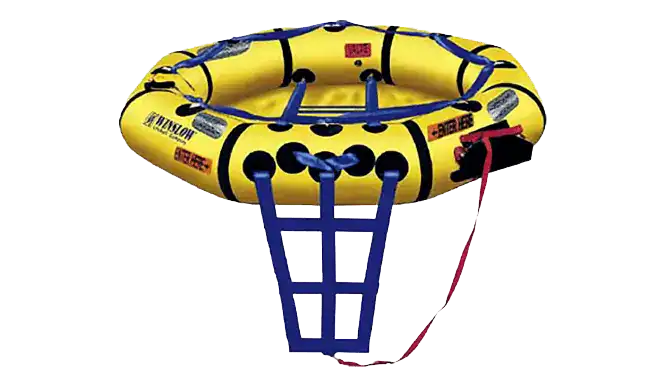 Rafts take safety to the next level. For big planes or Part 135 ops, the FAA mandates them with survival kits—lifelines, canopies, water, rations, flares, and signal mirrors. For GA pilots in a Cessna 172? It’s not required, but it’s wise.
For example, a four-person raft with a canopy is ideal. It shields you from sun, rain, and wind while you await rescue. Double-tube designs add stability—crucial in choppy seas.
Additionally, maintenance matters. Repack and certify your raft per the manufacturer’s schedule—check out Winslow Life Raft for top-tier options. An untested raft is just baggage.
Also, bush pilots crossing lakes or coastal flyers should pack one regardless of rules. Toss in a dye marker or signal mirror—they’re cheap and effective. More gear ideas await at E3 Aviation Association.
Notably, think of it as your floating fortress. When the plane’s sinking, it’s home until help arrives.
Procedures for Preparedness
However, gear’s only half the battle—procedures make it work. Overwater flying demands a proactive playbook you can run blindfolded.
Preflight Planning: Map the Risks
Specifically, weather’s your biggest wildcard. Check forecasts meticulously—wind, waves, storms. Apps like ForeFlight are gold, but cross-check with NOAA for the full picture.
Furthermore, plot alternates, even if they’re distant. An island or coastal strip could be your only shot. Fuel up with a buffer—there’s no pit stop over water.
Additionally, brief your passengers. Show them the vests, raft, and exits. A calm crew is a ready crew. Complacency here unravels everything.
Additionally, file a flight plan and use flight following. It’s extra eyes on you. Planning tools at E3 Aviation Association can sharpen your edge.
In fact, it’s not overkill—it’s foresight. A solid plan keeps you ahead of the curve.
Training: Muscle Memory for Emergencies
Ditching isn’t a “figure it out later” scenario. Practice makes it second nature. Overwater Flying Safety
Run drills—simulate a water landing, deploy a raft. Tie it to the plane so it doesn’t drift off. Knowing your moves under pressure is clutch.
Water survival courses are worth it. They teach flotation, signaling, and staying warm. Some use pools to mimic the real thing—check Equipped to Survive for options.
A little-known perk: training boosts your confidence. You’ll fly knowing you’re ready. It’s not just skills—it’s peace of mind.
For private pilots, even a weekend course can transform your approach. It’s an investment in yourself.
Communication: Your Link to Rescue
Being found fast is everything. Stay connected and visible.
Use ATC’s flight following—it’s free and tracks you. Pack a handheld VHF radio or EPIRB—test them preflight. Flares and dye markers make you a beacon.
Bush pilots swear by sat phones for remote ops. They work where radios don’t, and they’re trending in 2025 for good reason.
Therefore, redundancy is your friend. One device fails? You’ve got backups. Stay in the loop with tech updates at E3 Aviation Association.
It’s simple: the louder you signal, the quicker help arrives. Don’t leave it to chance.
Mindset: Safety as Instinct
Preparedness starts in your head. Make it a habit.
Wear your vest—don’t just stow it. Brief everyone on board; make it routine. Treat every flight like it could go sideways.
This isn’t pessimism—it’s realism. Vigilance keeps you sharp. A pilot who’s ready flies with confidence, not fear.
For example, seasoned pros often say mindset trumps gear. It’s the glue that holds your plan together.
Build that instinct. It’s what separates good pilots from great ones.
Beyond the Basics: Next-Level Safety
Life vests and rafts are your foundation, but extras can stack the odds in your favor—especially on long hauls or in harsh climates.
Immersion suits are a must over cold water. They buy you hours against hypothermia, and brands like Mustang Survival are making them lighter than ever.
A first-aid kit tackles secondary risks—cuts, seasickness, you name it. Toss in a fire extinguisher too; fires are rare over water, but preparedness doesn’t care.
ELTs and PLBs amplify your SOS. Night or fog? They still ping rescuers. Pair them with a fishing kit or desalinator for extended waits—bush pilots love these hacks.
Here’s a trend: solar-powered beacons are popping up in 2025. They’re eco-friendly and reliable—perfect for the modern flyer. Curious? E3 Aviation Association tracks these innovations.
Weight’s the catch. Balance utility with your plane’s limits. It’s about smart choices, not overloading. Overwater Flying Safety
Pre-Flight Planning for Overwater Flying Safety
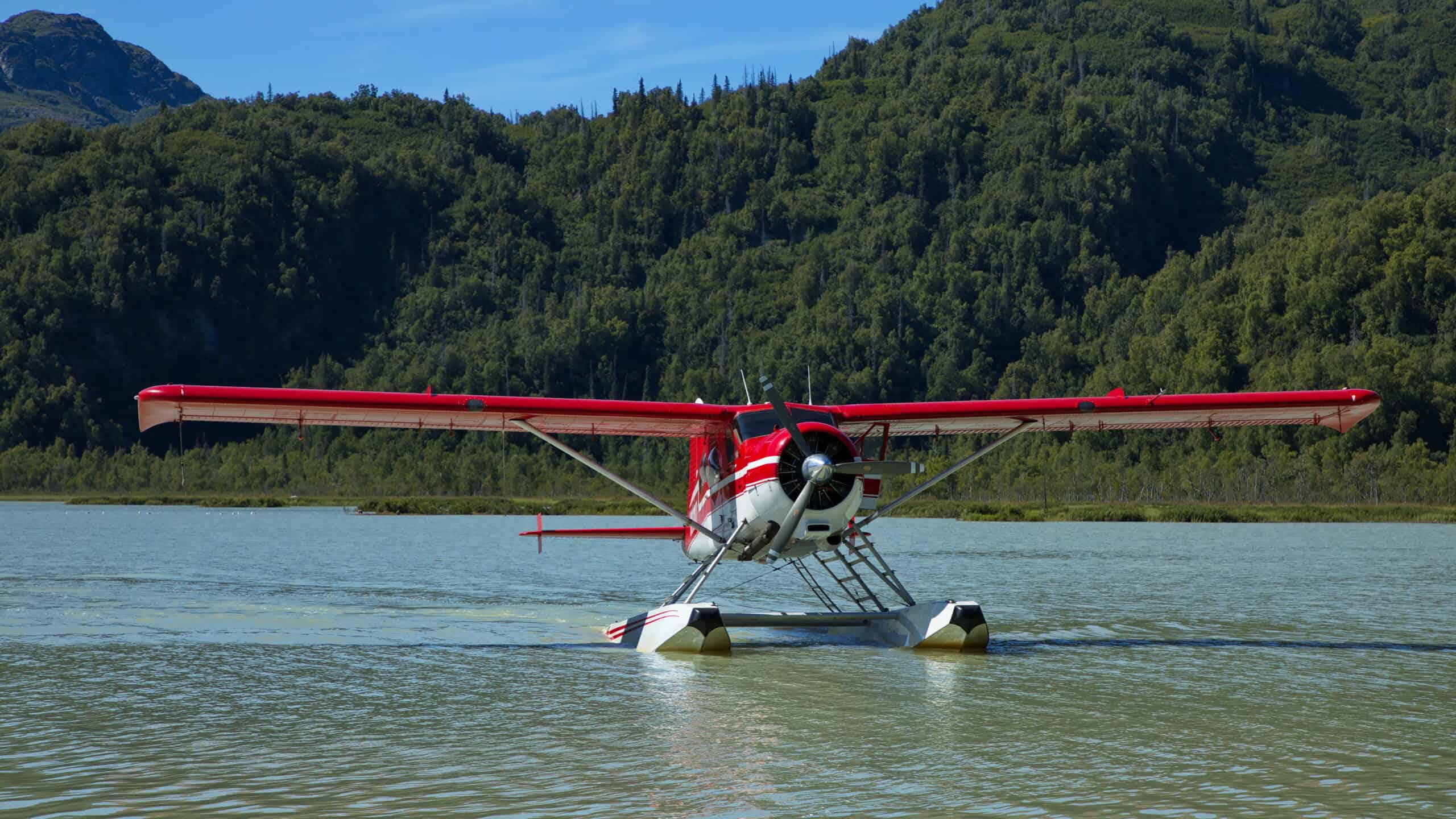
Generally, overwater flying safety starts long before you taxi for takeoff. Specifically, your route, weather check, equipment check, and ATC plan all need to happen on the ground. However, even experienced GA pilots underestimate the difference overwater planning makes. As a result, the smart move is treating every overwater flight as an IFR flight even when you’re VFR.
Build a Realistic Route, Not the Shortest One
First, look at your direct route on a sectional and ask: “If I lose the engine right here, where do I land?” If the answer is “the ocean,” you need a different route. Consequently, the smartest overwater flying safety plans hug coastlines wherever possible. For example, the Bahamas crossing from Florida is a classic case — the direct line is shorter than the West End route, but West End keeps you within glide of land far longer. In fact, that small detour can cut your overwater exposure time by 40% or more.
Furthermore, file an IFR flight plan even if you’re VFR-rated and the weather is clear. Why? IFR puts you in the system. ATC tracks you continuously. If something goes wrong, search and rescue knows where to start looking — within minutes, not hours.
Check Your Equipment Twice
Notably, the most common overwater flying safety failure isn’t a mechanical one. It’s an equipment one — a life vest left at home, an EPIRB with a dead battery, or a survival kit not opened in two years. Therefore, before any overwater flight, do a hands-on check of every safety item. Pull the life vest out of its bag. Inspect the inflation cartridge. Test the EPIRB if your model allows test mode. Check the dye marker, the signal mirror, the strobe.
Also, weigh and balance your aircraft with all the survival gear loaded. Overwater flights often add 30–50 pounds of equipment compared to a normal cross-country. That weight matters for performance, especially on takeoff and at altitude.
What to Do If You’re Forced to Ditch in Water

Specifically, ditching is the worst-case scenario every overwater pilot prepares for and hopes never to experience. However, GA pilots ditch successfully far more often than the popular imagination suggests. In fact, the FAA’s data on water ditchings shows that pilots who follow proper procedure survive at rates above 90% in calm or moderate sea conditions. The key is following the procedure, not improvising.
The Ditching Sequence Every Overwater Pilot Should Memorize
First, declare an emergency immediately. Don’t wait until you’re certain you’ll have to ditch. As soon as the engine starts running rough, get on the radio. Furthermore, give your position, altitude, and intentions to whoever is listening — ATC, a Center frequency, or 121.5.
Second, fly the airplane. The best glide speed for your aircraft matters more in an overwater emergency than at any other time. Therefore, you want maximum time aloft to set up the ditch properly.
Third, plan the touchdown. Land parallel to the wave swells, not into them or with them. Specifically, touch down on the back side of a swell where possible. Land tail-low to absorb the initial impact, then let the airplane settle.
Finally, get out fast. Most ditching deaths happen because pilots can’t get out of the aircraft quickly enough — or because they go back for something they don’t need. Take only what you can grab in three seconds: your life vest, your handheld radio, and yourself.
Survival Equipment Every GA Pilot Should Carry for Overwater Flights
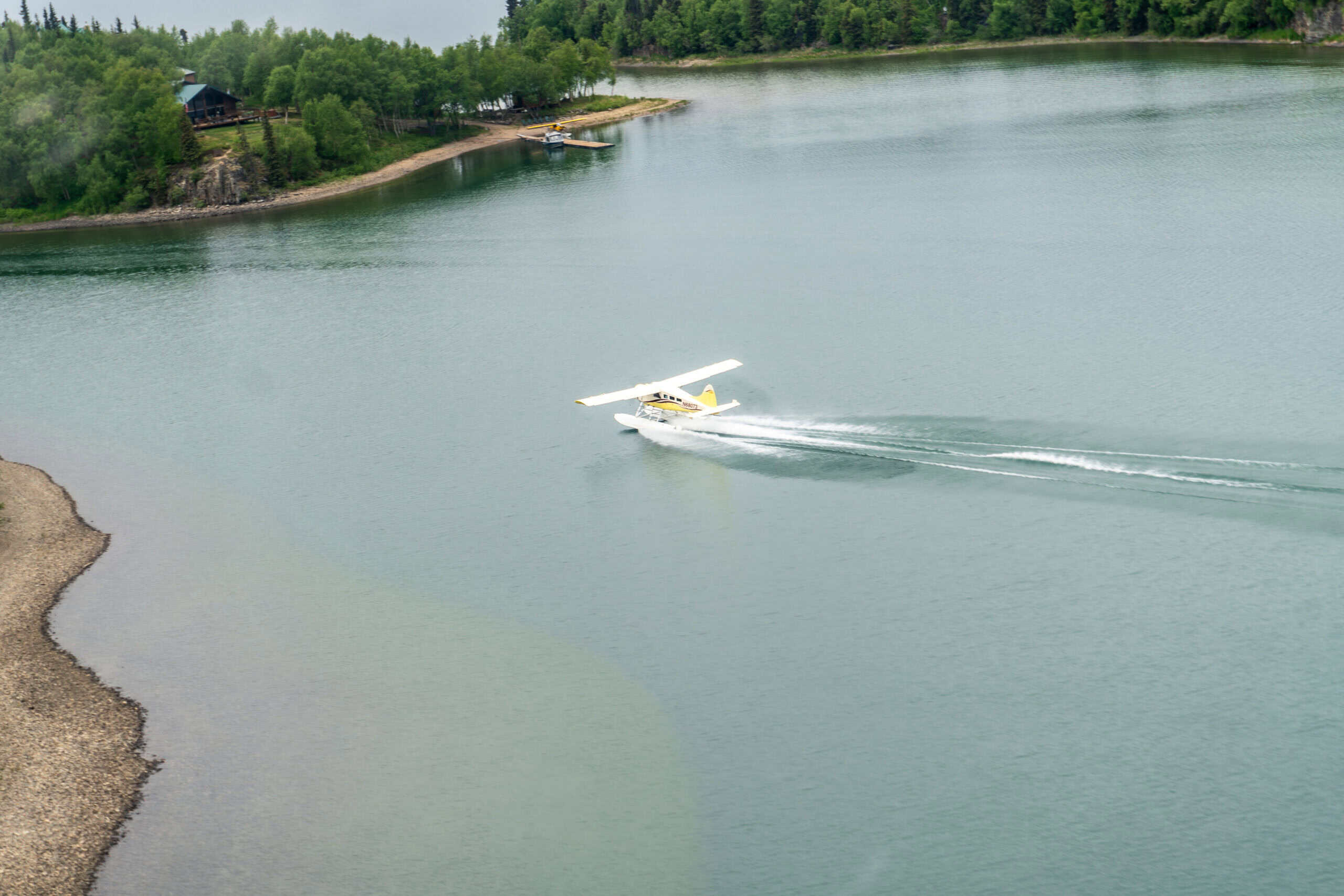
Notably, overwater flying safety equipment requirements vary by jurisdiction. Specifically, FAR 91.205 requires only basic equipment for civilian flights — but smart pilots carry far more than the legal minimum. Generally, the equipment that actually matters in a real emergency falls into three categories: flotation, location, and survival.
Flotation: Your First Priority
Above all, every soul on board needs a personal flotation device. However, not all life vests are created equal. Aviation-specific vests are designed to inflate above the head when you’re upside-down in a cockpit — which matters because most ditching occupants exit through an inverted aircraft. Conversely, boating vests can pin you against the cabin ceiling. Choose the right tool.
Furthermore, for flights more than 30 minutes from a coastline, an inflatable life raft is non-negotiable. The water temperatures most GA pilots encounter — even in summer in temperate climates — will put you into hypothermia in 1–2 hours. A raft buys you survival time.
Location: Helping Rescue Find You
Specifically, an EPIRB or PLB sends a coded distress signal to satellites. As a result, search and rescue teams typically have a position fix within an hour of activation. In contrast, without an emergency beacon, finding a downed GA aircraft in open water is essentially a needle-in-a-haystack problem.
Additionally, a handheld VHF radio with marine channels is invaluable. Boats, ships, and rescue helicopters monitor marine VHF. Therefore, you can hail nearby vessels even when your aircraft radio is dead. Notably, the cost of a good handheld is less than one tank of avgas — there’s no excuse not to have one for overwater flying.

Lessons from Experience
Real-world stories drive the point home. They’re not just tales—they’re lessons.
Take the 2010 Piper Malibu ditching near Cozumel. Engine out, no land in sight—a raft and survival kit kept everyone alive until rescue. Preparation paid off.
Contrast that with a 2015 crash off California. Lives were lost because vests stayed stowed. It’s a gut punch—gear you don’t use might as well not exist.
Then there’s US Airways 1549—the Hudson miracle. Sully’s training turned a river into a runway. Over open water, rafts and ELTs would’ve been the heroes.
These incidents show one truth: luck favors the prepared. More case studies await at E3 Aviation Association.
Every flight’s a chance to stack the odds. Learn from those who’ve been there.
Conclusion: Safety Is Your Wings
Overwater flying is a thrill worth chasing, but it’s no place for shortcuts. With life vests, rafts, solid procedures, and a safety-first mindset, you transform risks into confidence. The water below doesn’t forgive oversight, but you don’t have to face it unprepared. So, before you take off, ask: Am I ready? The answer should always be yes.
For more E3 Aviation resources, be sure to visit https://e3aviationassociation.com.
Related Articles


FAQ: Overwater Flying Safety
Is a life vest required for overwater GA flights?
FAR 91.509 requires approved flotation gear for flights more than 50 nautical miles from shore in single-engine aircraft, and for multi-engine aircraft that can’t maintain altitude with one engine inoperative. Many pilots wear life vests for any significant overwater flying, regardless of the legal requirement, as a basic safety practice.
What is the recommended ditching procedure for a GA aircraft?
The general sequence is: declare emergency, squawk 7700, transmit position, slow to minimum controllable airspeed, complete emergency checklist, land parallel to swells, shut off fuel and ignition before water contact, egress quickly, and deploy flotation equipment. Practice ditching procedures on the ground before flying over water — emergency egress is disorienting without prior rehearsal.
How far offshore can a single-engine GA aircraft legally fly?
There is no specific legal distance limit for single-engine overwater flight under FAR Part 91. The life vest requirement kicks in beyond 50nm from shore. Many pilots establish personal minimums for overwater distance based on their aircraft’s glide range, water temperature, and available rescue response times. Cold water survival times drop dramatically in northern latitudes.
E3 Aviation Editorial Team
The E3 Aviation Association editorial team is made up of licensed pilots, aviation educators, and industry professionals dedicated to advancing general aviation safety, community, and education. Learn more about E3 Aviation.