

The XCub annual inspection is one of the highest-quality scheduled maintenance events in general aviation — and one of the most underrated. CubCrafters builds the XCub to be straightforward to inspect, but the airframe also includes specialty systems (Garmin glass panel, fuel-injected Lycoming engine, optional tundra gear) that demand attention beyond a standard Part 43 annual. This guide walks XCub owner-pilots through what the annual covers, what it actually costs in 2026, what to expect when working with a CubCrafters-experienced shop, and how to avoid the surprises that turn a routine $3,500 annual into a $12,000 month.
Last Updated: May 27, 2026 | By: The E3 Aviation Editorial Team
What the XCub Annual Inspection Actually Covers
First, the foundation. The XCub annual inspection is governed by FAR 91.409 and uses the inspection scope laid out in FAR 43 Appendix D. That’s the same legal framework as any other GA single. What makes the XCub annual different is the airframe-specific items CubCrafters adds via service letters, optional kit recurring inspections, and Lycoming IO-390 service bulletins applicable to the powerplant.
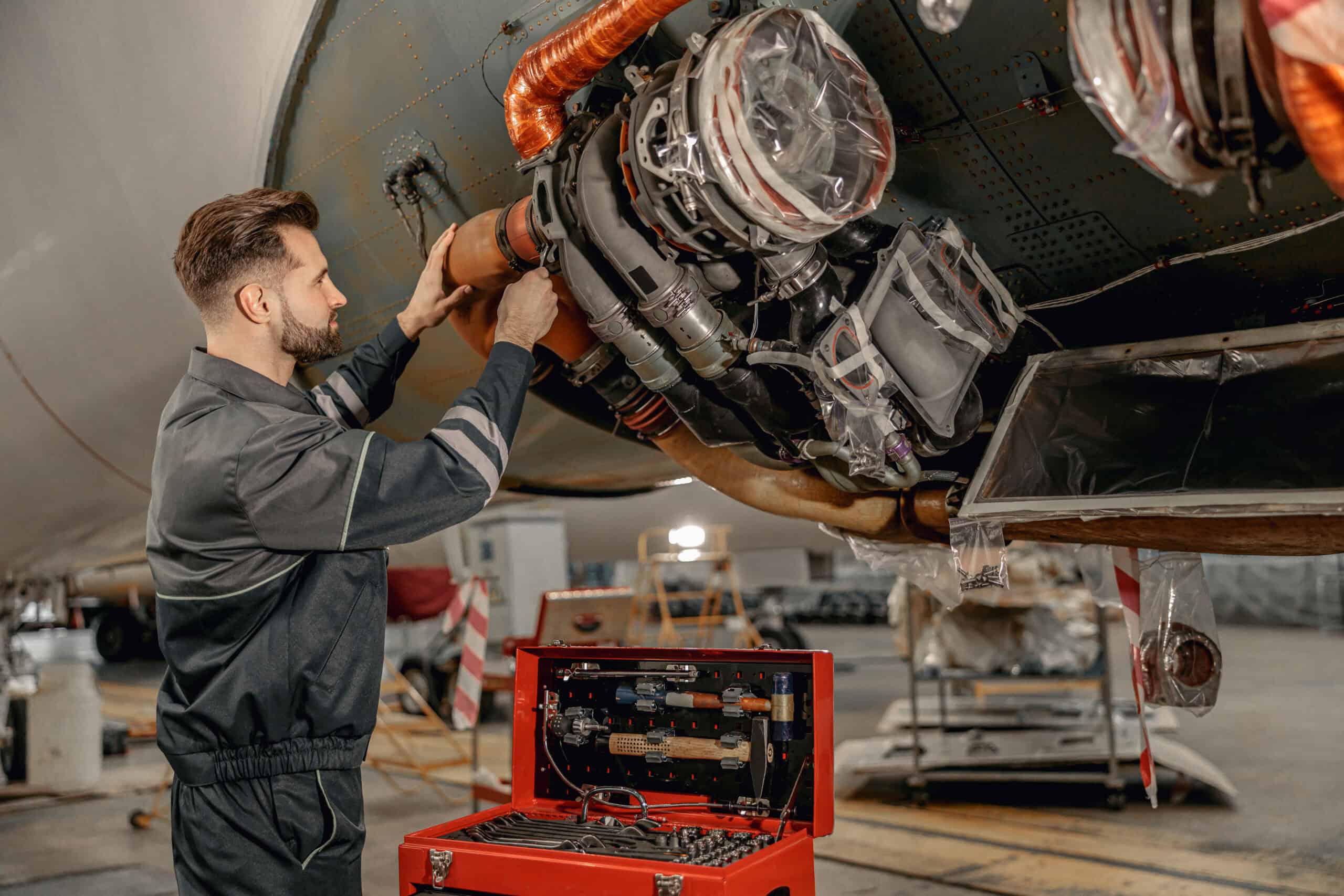
Practically, the inspection breaks into five buckets. Specifically, the IA examines the engine and powerplant systems, the airframe and gear, the avionics and electrical, the flight controls and rigging, and the documentation review. Each bucket has CubCrafters-specific checkpoints layered on top of the FAA-mandated items.
The Engine and Powerplant Section
Indeed, the Lycoming IO-390 in most XCubs gets compression-checked across all four cylinders, oil filter cut open and inspected, valve clearances verified, magneto timing checked and reset if drifted, and the fuel injection servo bench-pressure-tested if symptoms warrant. Furthermore, the carbon air filter (or K&N if upgraded) is replaced, the spark plugs are removed, cleaned, gapped, and tested under load. Engine-section labor typically runs 6 to 9 hours alone.
The Airframe and Gear Section
Conversely, the airframe gets a different style of inspection. Specifically, the tube-fabric construction means the IA checks for corrosion at every welded joint, tension on every flying wire, fabric condition via punch tester, and tail spring integrity. For tundra-equipped XCubs, the IA also inspects the heavy-duty gear legs, brake calipers (typically Cleveland 30-9), and the oversized tires for sidewall integrity. The total airframe section usually takes 8 to 12 hours.
What the XCub Annual Inspection Costs in 2026
Realistically, here are the 2026 cost numbers from actual shop quotes pulled in Q1: a clean owner-flown XCub with no major findings runs $3,200 to $4,800 for the annual itself. Add expected wear-item replacement (oil change, filter, plugs, brake pads if needed) and the all-in for a typical annual lands $3,800 to $5,800. That’s before any discrepancy resolution.
Critically, the variance is wide. A shop in a low-cost region (Alabama, Missouri, Idaho) typically bills $85 to $115 per labor hour. A coastal urban shop bills $145 to $185 per hour. The XCub annual takes 20 to 30 labor hours base, so the regional rate variance alone moves the total $1,500 to $2,500.
The Hidden Costs Most Owners Don’t Budget For
Importantly, three categories blow up XCub annual budgets more than anything else. For the full ownership economics framework, our GA aircraft ownership cost breakdown covers the long-term reserve planning. For the inspection-cost specifics, our 2026 aircraft annual inspection cost analysis walks through real numbers from working shops.
First, brake pad replacement. CubCrafters’ XCub uses Cleveland 30-9 calipers with linings that wear faster than a 172 due to higher landing weights and tundra-tire contact patches. Plan $400 to $700 for a complete brake job if needed.
Second, AD compliance. The Lycoming IO-390 has several recurring service bulletins (cylinder, magneto, fuel injector) that come due at varying intervals. Furthermore, missing one between annuals can mean catch-up work during the inspection. Budget $500 to $1,500 for AD/SB compliance in any given year.
Third, fabric and paint. Honestly, the polyester fabric covering on the XCub is durable but not bulletproof. Hangar rash, hail, or solvent damage from cleaning products can require local fabric repair during an annual. A small fabric patch and matching paint touch-up runs $800 to $1,800.
Finding an XCub-Experienced Shop
For comparison, not every A&P-IA understands the XCub. The airframe’s tube-fabric construction and the Garmin G3X panel both demand specific experience. Practically, your best options are:

- CubCrafters’ own service centers — primarily Yakima, WA and Madison, MS — set the standard. Slot availability is the catch; book 4 to 6 months out.
- CubCrafters-trained independent shops — typically located near backcountry hubs (Idaho, Montana, Utah, North Carolina). Look for shops with at least 5 XCub annuals per year.
- Generalist GA shops with cub experience — competent on the airframe but may need owner guidance on CubCrafters-specific service letters.
The Owner-Assisted Annual Option
Notably, CubCrafters supports owner-assisted annuals at their service centers. Specifically, the owner can perform routine items (cleaning, opening panels, lubrication) under IA supervision and bill at a reduced rate. Furthermore, this typically saves 20 to 35% on the labor line and teaches the owner more about their aircraft. Plan an extra day on-site if you go this route.
The Pre-Annual Checklist Every XCub Owner Should Run
Generally, the smartest XCub owners pre-inspect their own aircraft before delivery to the shop. Here’s the pre-annual checklist that catches most discrepancies before they hit the IA’s clipboard:
- Pull all oil samples and send for analysis 30 days before annual.
- Verify all AD/SB compliance status via the FAA AD database.
- Check fabric for any hangar rash or solvent damage and document it.
- Run a full pre-flight including a careful walkaround at gross weight.
- Pull the cowling and inspect baffles, hose clamps, and fuel lines.
- Check tire pressures, brake pad thickness (visual), and gear leg integrity.
- Review logbook for any open squawks or deferred maintenance items.
Critically, this pre-work shifts the conversation with your IA from “what’s wrong?” to “what’s next?” Your shop will appreciate the prep and the inspection will run faster.
What the XCub Annual Inspection Tells You About Your Aircraft
Above all, the annual is more than a regulatory checkbox. Each year produces a data point on the airframe’s condition trajectory. For example, compression numbers trending down over 3 years signal cylinder wear ahead. Brake pad wear rates predict your tundra-tire flying intensity. Fabric punch readings tell you when re-cover is 5 to 8 years out.

Our take: the smart XCub owner uses the annual inspection report as a planning tool. Critically, schedule major maintenance (overhaul, recover, panel upgrades) around what your last 2 to 3 annuals are telling you, not around when something fails on a backcountry strip 40 miles from the nearest road.
Comparing XCub Annual Costs to Other Backcountry Singles
For one, the XCub annual costs roughly the same as a Carbon Cub FX annual ($3,500 to $5,500) and considerably less than a Husky A-1C-200 annual ($4,500 to $7,000). For full context on these aircraft, see our Carbon Cub vs XCub vs Husky comparison. The CubCrafters airframes (XCub, Carbon Cub) share enough construction approach that shops familiar with one are typically competent with the other.
For Husky operators considering switching, the inspection cost differential is one of the smaller cost-of-ownership deltas. Other categories (insurance, hangar, fuel) move the total ownership cost more.
XCub on Floats — The Specialty Annual
Specifically, the float-equipped XCub adds float maintenance to the annual scope. For the operations side of float-XCub flying, our CubCrafters XCub on floats deep-dive walks through the operational considerations. The annual adds 6 to 10 labor hours for float inspection (struts, hardware, water rudder, float interior).
Common XCub Annual Inspection Findings
Realistically, after 3 to 5 years of ownership, the most common findings during XCub annuals are:
- Trim cable wear — the elevator trim cable runs through the tail and gets wear at the pulleys. Replace every 1,500 to 2,500 hours.
- Tundra tire sidewall checking — UV exposure and gravel impacts add up. Plan replacement every 200 to 300 backcountry hours.
- Magneto P-lead chafing — the engine-mounted mags have leads that contact the cowling under vibration. Inspect annually, replace as needed.
- Garmin G3X firmware updates — not technically a discrepancy but worth doing during the annual when the panel is accessible.
- Fuel sample contamination — water in the wing tanks after wet-weather hangar time is common. Drain and resample.
Frequently Asked Questions About the XCub Annual Inspection
How long does an XCub annual inspection take?
Plan for 5 to 10 working days at the shop for a clean XCub annual with no major discrepancies. A complete annual with brake work, AD compliance, and fabric repair can stretch to 3 to 4 weeks. Book the shop slot 60 to 90 days in advance during peak season (March through May) and 30 to 60 days the rest of the year.
Can I do my own XCub annual if I’m an A&P?
No. FAR 91.409 requires an annual inspection signed off by an A&P with Inspection Authorization (A&P-IA). If you hold both ratings, you can perform and sign your own annual. If you’re only an A&P (no IA), you can perform routine maintenance under your own logbook entry but cannot sign the annual. Many XCub owners pursue the A&P-IA combination for exactly this reason.
What’s the best time of year to schedule an XCub annual?
Generally, October through February is the lowest-demand window at most shops. Spring (March-May) is peak season because owners want their aircraft ready for flying season. Booking October-November can save 10 to 20% on labor rate and reduce the on-site downtime significantly. The trade-off is that you may not get to fly your aircraft during the prep window — but for most owners, winter is already a low-utilization period.
Related Articles

E3 Aviation Editorial Team
The E3 Aviation Association editorial team is made up of licensed pilots, aviation educators, and industry professionals dedicated to advancing general aviation safety, community, and education. Learn more about E3 Aviation.



