Aviation membership organizations exist on a spectrum from “free newsletter with a magnet” to “real community that materially improves your flying.” For the GA pilot weighing whether the annual dues are worth the value, the question isn’t whether to join — it’s which organization actually delivers what you need, what the membership benefits realistically include, and how to extract value beyond the discount card. This guide breaks down what aviation membership benefits should look like in 2026, the categories of value most pilots underestimate, and how to assess whether an organization is the right fit before you pay.
Last Updated: June 1, 2026 | By: The E3 Aviation Editorial Team
What Aviation Membership Benefits Actually Mean
First, aviation memberships break into roughly four categories of value: tangible discounts, educational resources, advocacy work, and community access. Specifically, most pilots evaluate memberships purely on the discount column — the savings on fuel cards, insurance, hotel programs, parts suppliers — and miss that the strongest long-term value usually comes from the other three categories.
Critically, the pilot who joins an aviation association purely for the fuel discount and never engages with the community, educational resources, or advocacy work usually decides the membership wasn’t worth it after a year. The pilots who engage broadly almost always renew indefinitely.
Tangible Discounts and Cash-Back Value
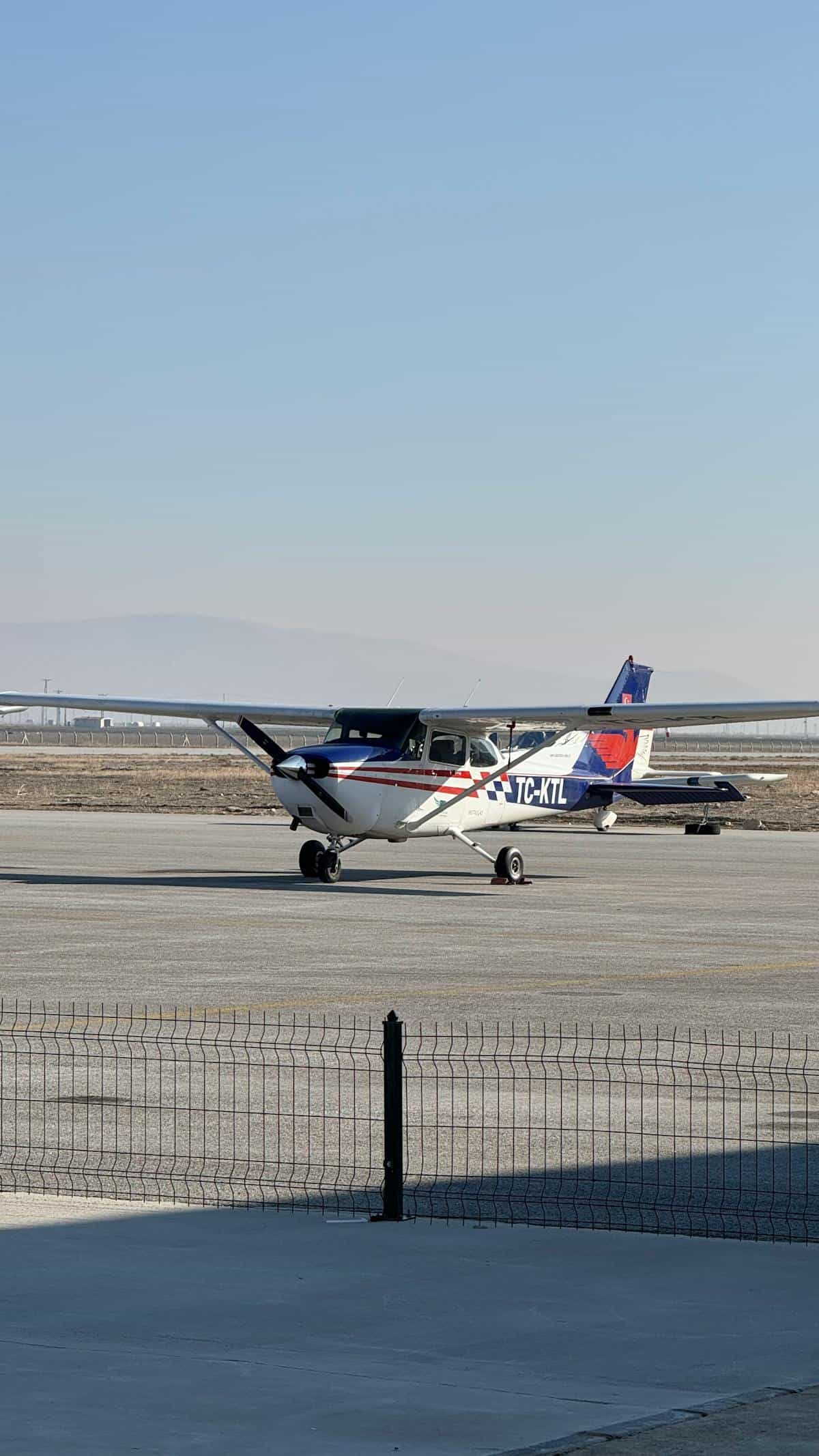
Furthermore, the most measurable benefits are the partnership discounts and cash-back programs. Specifically, well-structured aviation memberships include partnerships with:
- Fuel discount programs: Cents-off-per-gallon at participating FBOs — meaningful for pilots flying 100+ hours per year
- Aviation insurance: Group rates on hull and liability coverage that can save several hundred dollars annually
- Aircraft parts and supplies: Volume discounts with major parts suppliers
- Maintenance services: Member rates at participating MRO shops
- Hotel and rental car programs: Discounts at FBO-adjacent accommodations
- Pilot supply retailers: 10-15% discounts at major pilot shops
Notably, the realistic annual savings for an active GA pilot ranges from $300 to $1,500 depending on flight hours, insurance values, and how aggressively the pilot uses the partner network. For pilots flying recreational schedules under 50 hours per year, the savings rarely justify membership dues alone — which is why the educational and community value matters.
Educational Resources That Drive Real Improvement
For instance, the aviation association educational offerings that most measurably improve pilot competence include:
Recurrent Training Resources
Specifically, online courses covering topics like aeronautical decision-making, weather interpretation, emergency procedures, and airspace updates. The strongest organizations refresh content quarterly and offer FAA WINGS credit, which counts toward flight review requirements.
Technical Reference Material
Critically, member access to aircraft type clubs, owner forums, and maintenance reference databases provides answers to specific questions that can save thousands in unnecessary maintenance work. The owner-operator who learns from the type club’s collective experience avoids the rookie mistakes that cost real money.
Safety Analysis and Accident Studies
Conversely, the safety publication side of aviation memberships translates raw NTSB data into actionable lessons. The pilots who actually read these — rather than just receiving them — measurably improve their safety records over a five-year window.
Advocacy Value Most Pilots Underweight
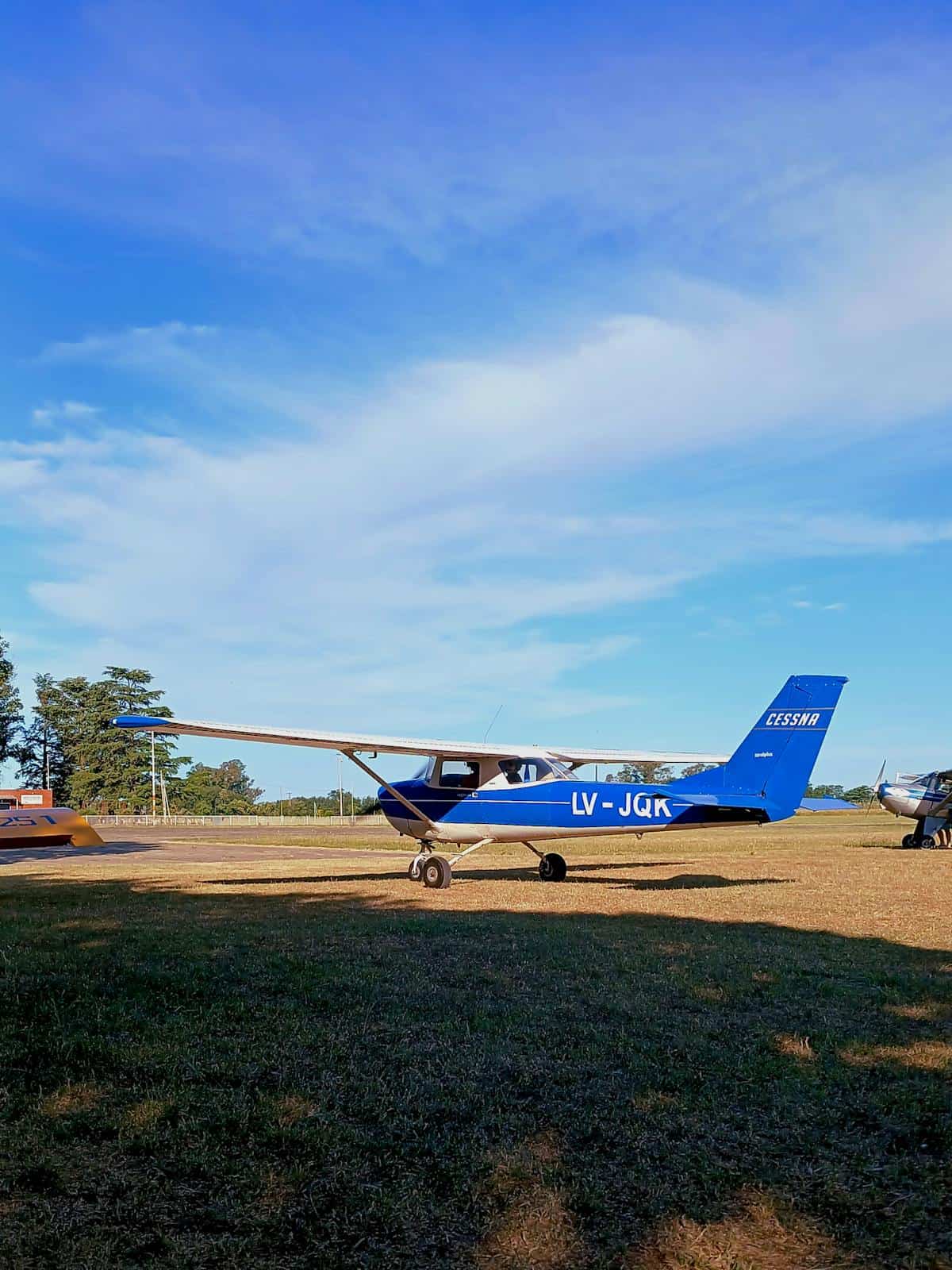
Above all, the advocacy work aviation associations do shapes the regulatory environment GA pilots operate within. Specifically, advocacy outcomes that have materially affected GA pilots in recent years include:
- BasicMed expansion that lets pilots fly larger aircraft with carry more passengers under driver’s license medical
- The MOSAIC light sport aircraft rule that expands LSA capabilities
- Fuel availability and lead phase-out coordination
- User fee proposals that would have added per-flight charges
- ADS-B mandate implementation timing
- Airport closure threats at GA-friendly fields
Practically, the pilot who pays $80-$120 in annual dues is funding the staff, lobbying, and legal work that protects the operating environment for the next 30 years of their flying. The math heavily favors paying.
Community and Network Access
Generally, the least measurable but often highest-value benefit is access to the pilot community. Specifically, this includes:
Local fly-in and event invitations. Most pilots dramatically underestimate how much their flying improves when they regularly hangar-fly with experienced pilots. The local chapter or event circuit is where this happens.
Mentor connections. Aviation associations provide structured paths to find more experienced pilots willing to share knowledge. For a student pilot or low-time PPL, this access alone can be worth multiples of the membership cost.
Type club access. Specifically, owner-operators who fly a specific aircraft type get most of their useful information from that type’s community — Cessna 172 owners learn from other 172 owners, Cirrus pilots from the Cirrus community, etc.
The E3 Aviation Approach to Membership

Our take: most GA pilots benefit from membership in 1-2 aviation associations rather than collecting badges. Specifically, the pilot who picks ONE primary association and engages deeply gets more value than the pilot who joins five and engages with none.
E3 Aviation Association was built around the recognition that GA pilots need practical resources, community access, and a culture that respects their time and money. The membership delivers material discounts, ongoing educational content tailored to owner-operators and student pilots, and access to a community that values quality over quantity. For pilots evaluating whether E3 is the right fit, explore the membership details before committing.
How to Evaluate an Aviation Membership Before Joining
For comparison, the diligence checklist before paying dues to any aviation organization includes:
- Calculate the realistic discount value. Estimate your annual flight hours, fuel purchases, and insurance premium. The discounts should at least approach the dues to make the financial case.
- Audit the educational offering. Is the content actively maintained? Does it cover the topics relevant to your flying — backcountry, IFR, glass cockpit, specific aircraft types?
- Check the advocacy track record. What has the organization actually accomplished in the past 5 years? Specific legislative wins, regulatory changes, airport saves.
- Assess the community access. Are there active local chapters? Type clubs? Online forums with engaged participants?
- Read the membership cancellation policy. Is it month-to-month or annual? Auto-renewal terms?
The pilot who runs this checklist before joining gets matched to the right organization. The pilot who joins on impulse often ends up regretting the dues.
Common Membership Mistakes
Practically, the pilots who get less from aviation memberships than they paid for usually make one of these mistakes:
Treating it as a passive subscription. Membership value compounds with engagement — events attended, courses completed, community connections made. Passive pilots get the magazine and not much else.
Joining multiple overlapping organizations. Time and attention are finite. Spreading engagement across 4-5 memberships dilutes value. Pick the 1-2 that best match your flying and engage deeply.
Skipping the educational content. The recurrent training, safety analyses, and technical reference material are usually free with membership. Pilots who consume this consistently improve faster than those who don’t.
Ignoring local chapter activity. Local events are where community access becomes material. Pilots who never attend miss the most valuable benefit.
The Future of Aviation Memberships
For broader context, see our coverage of the GA pilot career path and our pilot mentorship guide.
Looking forward, aviation memberships are evolving toward more digital community engagement, on-demand educational content, and advocacy work that addresses contemporary GA challenges — fuel access, airport closures, training pipeline questions, and the certification of new aircraft and engines. The associations that adapt to these realities will be the ones GA pilots find most worth their dues over the next decade.
Frequently Asked Questions About Aviation Memberships
How much does aviation association membership typically cost?
Annual dues for major aviation associations typically range from $60 to $150 per year, with some offering multi-year discounts. Student pilot memberships are often discounted or free. The dues structure should be clear before joining, and any auto-renewal terms should be reviewed carefully.
Are aviation membership benefits actually worth the cost?
For active GA pilots flying 50+ hours per year and engaging with the educational, community, and discount benefits, the value typically exceeds the cost by a wide margin. For recreational pilots flying under 25 hours per year who don’t engage with the broader benefits, the financial case is weaker — but the advocacy and educational value can still justify the dues for pilots who care about the long-term health of GA.
Should I join multiple aviation associations?
Most GA pilots benefit more from deep engagement with one primary organization than spread-thin engagement across multiple. The exception is pilots who fly aircraft with strong type clubs — combining a primary GA association membership with a type club membership often makes sense and delivers complementary value.
About the E3 Aviation Editorial Team
The E3 Aviation Editorial Team writes for owner-pilots, student pilots, and the small aircraft community. We focus on practical, real-world content that respects your time and your training. Learn more about E3 Aviation.