The magneto check during runup is one of the most-performed and least-understood items on the GA pre-takeoff checklist. Every piston pilot does it before every flight. Few pilots could explain what the magneto actually does, what the runup drop is measuring, or what abnormal values mean. The aircraft magneto check is a 30-second procedure that can save you from a serious in-flight failure if you understand what it tells you.
This guide walks through what magnetos are, why GA piston engines use them, what the runup check actually tests, how to interpret normal versus abnormal results, and the maintenance signals to watch over an engine’s service life. By the end you should know what’s happening when you cycle the ignition switch and what your engine is trying to tell you.
What a Magneto Actually Does
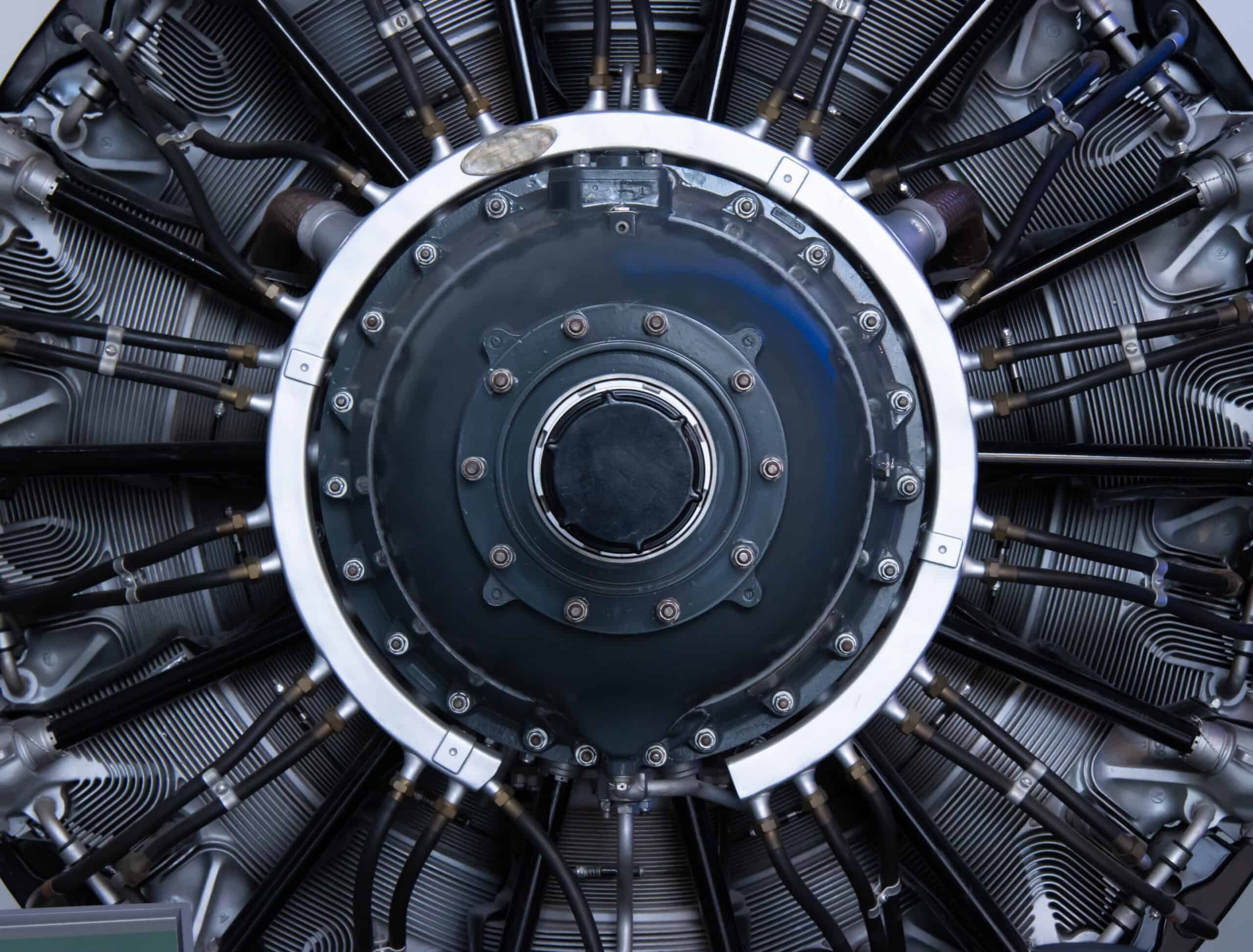
A magneto is a self-contained electrical generator that produces the high-voltage spark needed to ignite the fuel-air mixture in each cylinder. Unlike a car’s ignition system, which depends on battery power and an alternator, an aircraft magneto generates its own electricity from rotating magnets. The aircraft engine continues to fire normally even with complete battery and alternator failure.
Each engine has two magnetos for redundancy and performance. The left magneto fires one set of spark plugs (typically top plugs); the right magneto fires the other (typically bottom). Each spark plug has its own ignition source. The dual-mag design means a failure of either magneto leaves the engine running on the remaining magneto with reduced power but acceptable operation.
The 1930s-era technology persists in modern GA piston engines for two reasons: regulatory inertia and reliability. Magnetos are simple, durable, and operationally proven. They don’t depend on battery health or alternator output. The trade-off is they’re maintenance-sensitive — internal components wear, points pit, and timing drifts. The runup check is how we monitor that wear.
What the Runup Magneto Check Measures
The standard procedure: set engine RPM to the manufacturer’s specified runup RPM (typically 1700 or 2000 RPM depending on aircraft). Switch the ignition from “BOTH” to “LEFT” — engine now runs on left magneto only. Note the RPM drop. Switch back to “BOTH” briefly. Switch to “RIGHT” — engine runs on right magneto only. Note the RPM drop. Return to “BOTH.”
The drop you observe is the RPM penalty for running on a single ignition source. Half the spark plugs are firing, so combustion is less efficient. Some manufacturers spec a maximum allowable drop (typically 125–175 RPM). Others spec a maximum differential between the two magnetos (typically 50 RPM).
The actual measurement combines several things: are both magnetos producing spark at all, is the timing correct, are the spark plugs firing cleanly, are the ignition harness wires conducting properly. A normal drop indicates all of these systems are working. An abnormal drop indicates something is wrong, and the specifics depend on which direction the drop went.
Reading Normal Versus Abnormal Drops
A normal mag check shows roughly equal drops on each magneto, within the manufacturer’s specified limit. For a Cessna 172 with a Lycoming O-320 at 1700 RPM, typical drops are 75–125 RPM on each side, with differential under 50 RPM. Numbers in that range mean both ignition systems are healthy.
An excessive drop on one side (say, 200+ RPM with the other at 100) usually indicates fouled spark plugs on that magneto’s side or a wiring issue. The mitigation is often simple: lean the mixture aggressively and run at high RPM for 30 seconds to burn off the fouling, then re-check. If the drop persists, the aircraft needs maintenance attention before flight.
A small drop (under 50 RPM) is suspicious in the opposite direction. It can indicate that the magneto isn’t actually disconnecting when the switch is moved — meaning the engine is still firing on both sets of plugs even when the switch indicates a single magneto. This is the “hot mag” failure mode, and it’s dangerous because the magneto continues to spark even when the ignition switch is OFF. The result: the propeller can fire if someone pulls it through during hand-starting attempts or maintenance, causing serious injury.
No drop at all is a red flag. The switch may not be functional, the wiring may be wrong, or the magneto may not be properly grounded. None of these are flight-ready conditions.
The Hot Magneto: A Specific Danger

The runup mag check tests ignition system function at runup RPM and current ambient conditions. It doesn’t directly test ignition performance at cruise RPM, at altitude, or under varying load conditions. A magneto that performs acceptably at runup might still develop issues during high-power climb or extended cruise.
The check also doesn’t test fuel system function, oil pressure, valve operation, or any of the many other engine systems that affect performance. A clean mag check tells you the ignition system is OK; it doesn’t tell you the engine is fine overall. The full runup sequence includes checks of other systems that complement the mag check.
The runup mag check doesn’t replace periodic maintenance. Even a perfectly normal mag check on every pre-flight doesn’t mean the magneto doesn’t need its scheduled overhaul. Time-based maintenance addresses wear that operational checks can’t reliably detect.
Spark Plug Maintenance: The Discipline That Extends Engine Life
Spark plug condition is directly related to magneto check results. Fouled plugs produce abnormal drops. Worn plugs may produce intermittent issues. The maintenance discipline that surrounds spark plugs affects both magneto check results and overall engine reliability.
The standard intervals: clean and gap inspection every 100 hours or annual inspection (whichever comes first). Rotation between top and bottom positions to equalize wear. Complete replacement at 400-600 hours depending on engine and operation profile. The cost is modest — a set of new aviation spark plugs runs $300-$600 for a typical four-cylinder engine — and the operational benefit is substantial.
Operators who skip spark plug maintenance see gradually worsening mag check performance, more frequent fouling, and eventually engine performance issues that may seem unrelated to ignition. The plugs are easy to overlook; the consequences of neglect compound silently over hundreds of operating hours.
When Magnetos Need Professional Attention
Beyond routine spark plug maintenance, the magnetos themselves require periodic attention. Manufacturer-recommended overhaul intervals are typically 500 hours, though many operators safely extend to 700-1000 hours with careful monitoring. The overhaul cost runs $800-$1,500 per magneto including parts and labor.
The decision to extend beyond the recommended interval depends on operational evidence. Magnetos that have been showing consistently normal drops, with no abnormal pattern changes, are generally safe to extend modestly. Magnetos that have shown any abnormal pattern should be overhauled at the recommended interval, not extended.
The investment in proactive maintenance is dramatically less than the cost of in-flight magneto failure. The math obviously favors maintaining the magneto rather than waiting for it to fail. Pilots who fly enough to make magneto maintenance economical (typically 100+ hours per year) should treat magneto overhaul as a routine operating expense, not a discretionary upgrade.
Reading the Engine Through Multiple Signals

The magneto check is one signal among several that experienced pilots use to assess engine health. Oil consumption trends, oil analysis results, cylinder compression measurements, exhaust gas temperature patterns, and engine monitor data all combine to give a comprehensive picture of engine condition.
Pilots who develop the habit of monitoring multiple signals catch developing issues before they become serious. The mag check that suddenly produces an abnormal reading is more meaningful in the context of normal oil consumption and CHTs than as an isolated data point. The signals collectively tell a story; reading the story requires attention to all the chapters.
The Maintenance Mindset for Magnetos
The pilots who get the most reliable service life from their magnetos treat ignition system maintenance as proactive rather than reactive. They follow manufacturer overhaul intervals. They have spark plugs rotated periodically (top plugs become bottom plugs, equalizing wear). They use proper leaning techniques that minimize lead fouling. They report any unusual runup behavior to their mechanics immediately.
The cost-benefit favors proactive maintenance. A magneto overhaul costs $1,200–$2,000. An in-flight ignition failure can produce a forced landing, with all the costs and risks that implies. The math obviously favors maintaining the magneto rather than waiting for it to fail.
For owner-operators, the runup mag check is the single most informative piece of operational data the airplane provides. Pilots who pay attention to trends — gradually increasing drops over weeks or months — catch developing problems before they become critical. Pilots who treat the mag check as a checklist box to tick rarely have the data to spot trends and often miss the early warning signs.
Magneto Maintenance Schedules for GA Owners
Magneto maintenance follows two clocks — calendar time and engine time. Most magnetos require a 500-hour inspection that includes timing verification, internal inspection, and replacement of worn parts. The same magneto needs replacement parts roughly every 1000 hours or at engine overhaul, whichever comes first.
Owner-pilots should plan ahead for these inspections. They cannot be deferred indefinitely without affecting reliability. A mag that’s overdue for inspection is statistically more likely to fail in flight than one that’s been recently serviced. Build the inspection into your annual maintenance calendar.
Between 500-hour services, the most useful owner-level check is the runup mag test before every flight. Variance in mag drop from one flight to the next is meaningful information about engine and ignition health. Track the numbers — most pilots use a small notebook or a digital logbook to record mag drops over time.
Common Magneto Problems and What They Mean
Several specific failure modes show up in GA piston engines repeatedly. Knowing the symptoms helps you diagnose problems on the ground before they become inflight issues.
Slow magneto drop. When you switch from BOTH to one mag, the RPM should drop within a second. A slow drop suggests internal magneto problems — worn carbon brushes, dirty contact points, or worn impulse coupling on the left magneto.
Asymmetric mag drop. If one mag drops significantly more than the other, the problem is on that specific mag. Common causes include a single fouled spark plug on that side, a bad harness wire, or a failing capacitor.
No mag drop at all. If switching to a single mag produces no RPM change, the OTHER mag is probably dead. The engine is running on the active mag only. This is a serious finding and requires immediate maintenance before further flight.
Engine roughness on one mag. Mag drops are normal — but if the engine runs rough on one mag, that mag’s circuit has a problem. Could be fouling, ignition harness issues, or the mag itself.
When to Replace vs. Repair a Magneto
Magnetos are repairable up to a point. The decision between repair and replacement depends on the magneto’s history, the cost of repair vs. replacement, and the owner’s risk tolerance.
For magnetos with fewer than 500 hours since new or since overhaul, repair is usually the right answer. The internal components are likely in good shape, and a specific failure can be fixed economically. Expect $400-$800 for a typical repair at a magneto shop.
For magnetos approaching 1000 hours or showing multiple repair items, replacement makes more sense. A new magneto runs $1,200-$2,000 depending on the specific model. An overhauled exchange magneto is typically $600-$900 and offers reliability close to new at a lower price.
The hidden cost in either case is downtime. A mag failure that grounds the airplane during fly-in season costs the owner real money in lost flying. Plan magneto work during the off-season when possible.
Frequently Asked Questions
What is a magneto in an aircraft engine?
A magneto is a self-contained electrical generator that produces the high-voltage spark needed for cylinder ignition. Unlike a car’s ignition system, magnetos generate their own electricity from rotating magnets, independent of battery and alternator. Aircraft engines have two magnetos for redundancy.
What is a normal RPM drop during a magneto check?
Typical normal drops are 75-125 RPM per magneto at runup RPM (1700-2000 depending on aircraft), with differential under 50 RPM between the two magnetos. The manufacturer’s specific specs are in the POH. Drops outside the normal range indicate ignition system issues that need attention before flight.
What should I do if my magneto check shows an excessive drop?
First, lean aggressively and hold high RPM for 30-60 seconds to burn off potential spark plug fouling. Re-check. If normal, the cause was lead fouling and the airplane is operationally fine. If the drop persists, shut down and have maintenance verify the issue. Don’t fly with an out-of-spec mag check.
What is a ‘hot magneto’?
A hot magneto is one with a broken or disconnected P-lead (ground wire), causing it to continue generating spark even when the ignition switch is OFF. The propeller can fire unexpectedly during hand-starting or maintenance. The runup mag check helps catch this failure mode; if suspected, treat the propeller as live and have maintenance fix the issue immediately.
Related Articles
Aircraft Engine Oil Change Guide
GA owner maintenance fundamentals.
Aircraft Pre-Buy Inspection Guide
Why never skipping the pre-buy matters.
Aircraft Maintenance Innovations
Modern tools that change ownership economics.
Last Updated: May 14, 2026