Proper aircraft engine break-in is one of the most misunderstood procedures in general aviation. Many pilots and owners treat a new or freshly overhauled engine just like any other â but that approach costs them thousands in premature wear, glazed cylinders, and chronic oil consumption. At E3 Aviation Association, we’ve seen this mistake made repeatedly. The good news is that correct aircraft engine break-in isn’t complicated â it just requires understanding why it matters and what to do differently.

What Is Aircraft Engine Break-In â and Why It Matters
Aircraft engine break-in is the process of seating the piston rings against the cylinder walls during the first hours of operation after an engine is new, overhauled, or has had cylinders replaced. Essentially, this process works by using heat and pressure to lap the microscopic high points on the rings and cylinder walls together, creating an effective gas seal.
Without proper break-in, those rings never fully seat. Consequently, combustion gases blow past them â a condition called blow-by â and oil consumption stays high indefinitely. In some cases, cylinder glazing sets in, which permanently prevents the rings from seating regardless of how many hours are flown afterward.
Furthermore, a properly broken-in engine will typically stabilize oil consumption at one quart every 8â15 hours by the 50-hour mark. An engine that never breaks in properly may consume a quart every 2â4 hours â for the entire life of the engine.
The #1 Aircraft Engine Break-In Mistake: Running Too Easy
The single most damaging mistake pilots make during aircraft engine break-in is flying at low power settings. It feels counterintuitive â surely a brand-new engine should be treated gently? In fact, the opposite is true.
Low power means low cylinder pressure. Specifically, without sufficient pressure, the piston rings don’t press firmly enough against the cylinder walls to seat. Instead, the thin oil film on the walls oxidizes under heat and hardens into a glaze â a condition that freezes the break-in process entirely.
Cylinder glazing is permanent. Once glazed, those cylinder walls require mechanical re-honing to fix. In other words, a gentle first flight can cost you a shop visit that wipes out the savings from a careful approach.
Additionally, flying at high altitudes during break-in compounds the problem. Above 7,000 feet MSL, atmospheric pressure is too low to generate adequate cylinder pressure â even at high power settings. For this reason, break-in flights should be conducted below 5,000 feet whenever possible.

Correct Power Settings for a Piston Engine Break-In Procedure
The official Lycoming break-in procedure calls for running the engine as close to maximum continuous power as possible, provided cylinder head temperatures (CHTs) stay within limits â 440°F for Lycoming, 420°F for Continental. Here’s a practical approach that follows manufacturer guidance:
Hours 0â25 (active break-in period):
- All takeoffs at full throttle â no early power reductions
- Cruise at 75% power for the first hour
- Alternate between 65% and 75% power for hours 1â2
- Run at full rated power for 30 minutes if CHTs allow
- Make each flight as long as possible to avoid repeated heat-cool cycles
Hours 25â50 (continued seating):
- Continue cruising at 65â75% power
- Change oil and filter at the 25-hour mark
- Monitor oil consumption â it should be declining
Additionally, resist the urge to lean aggressively during break-in. Running rich keeps cylinder temperatures moderate and provides extra lubrication for the rings as they seat.
Oil Selection During Aircraft Engine Break-In
Oil choice during break-in is critical and frequently overlooked. For normally aspirated Lycoming and Continental engines, use straight aviation mineral oil for the first 50 hours â not ashless dispersant (AD) oil.
Here’s why this matters: ashless dispersant oil is specifically engineered to minimize friction. However, during break-in, you actually want moderate friction between the rings and cylinder walls â that’s what creates the seating action. Mineral oil provides a slightly higher friction environment that promotes ring seating without causing damage.
Note that this recommendation applies only to normally aspirated engines. Turbocharged engines should follow their own manufacturer guidance â Lycoming, for instance, specifies different oil requirements for their turbocharged models.
Furthermore, drain the mineral oil at 25 hours and inspect it. Metallic particles are normal and expected in the first oil change. Afterward, switch to ashless dispersant oil for the remainder of the 50-hour period.
For more on ongoing engine care, see our guide on What an Aircraft Annual Inspection Actually Costs in 2026.
How to Monitor Oil Consumption as Your Engine Breaks In
Oil consumption is your primary feedback mechanism during aircraft engine break-in. Tracking it carefully tells you whether the process is working. Generally, here’s what to expect:
- Hours 0â10: High consumption is normal â sometimes 1 quart every 2â4 hours
- Hours 10â25: Consumption should be noticeably declining
- Hours 25â50: Stabilizing toward 1 quart per 6â8 hours
- Post-50 hours: Most well-broken-in engines settle at 1 quart per 8â15 hours
If oil consumption is not declining by the 25-hour mark, the cylinders may be glazing. In that case, consult your engine overhaul shop before continuing. Similarly, if CHTs are running unusually high, back off slightly on power and enrich the mixture.
An engine monitor displaying every cylinder’s CHT is invaluable during this period. Without per-cylinder data, it’s impossible to know whether one cylinder is running significantly hotter than the others.
Also see: Diagnosing Turbo Oil Leaks in Aircraft and The Rise of Owner-Assisted Annual Inspections for related maintenance guidance.
Break-In Applies to Replacement Cylinders Too
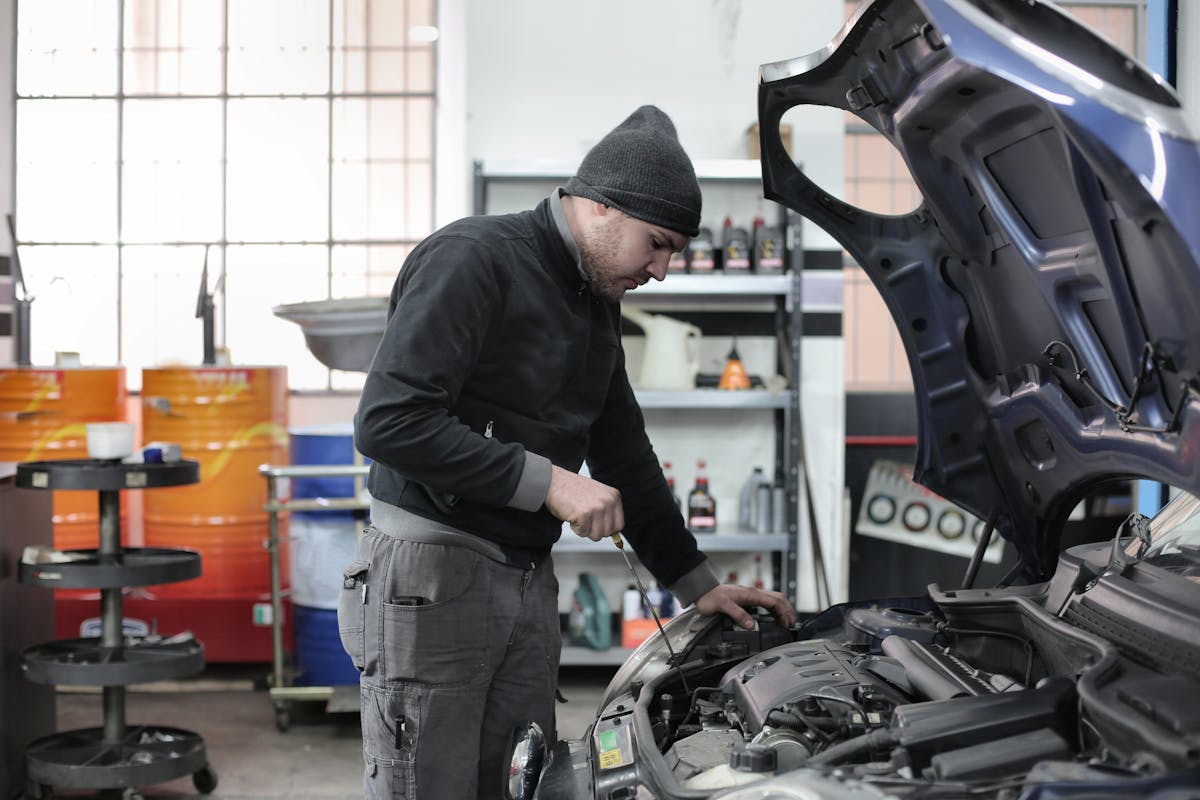
Many GA owners assume that cylinder-specific break-in only applies to complete engine overhauls. In fact, any time a cylinder is replaced â due to a cracked head, worn bore, or low compression â that individual cylinder must be broken in properly.
Specifically, follow the same power and altitude guidelines for the first 10â25 hours after any new cylinder installation. Some shops will also recommend a brief ground run to check for leaks before the first flight. In any case, treat a new jug the same way you’d treat a freshly overhauled engine â because from the ring’s perspective, it is one.
This also applies after FAA Airworthiness Directives that require cylinder work, such as the recent Lycoming connecting rod bushing AD.
Aircraft Engine Break-In Procedures by Engine Type
Different engine families have different break-in profiles. The general principles stay the same. However, the specific power settings, oil choices, and time intervals vary significantly between Lycoming, Continental, and Rotax engines. Knowing the differences helps you follow the right procedure rather than a generic one.
Lycoming Engines: The Most Common GA Break-In Profile
Lycoming’s factory break-in procedure for normally aspirated piston engines is straightforward. First, complete a brief warm-up to operating temperatures. Then take off and climb at full power to pattern altitude. After level-off, set 75% power and hold it for the first hour. Subsequently, you can reduce to 65–75% for the remainder of break-in.
For straight mineral oil, run it for the first 25 hours minimum. Then, if oil consumption has stabilized, switch to ashless dispersant oil. Lycoming specifically warns against multi-grade oils during break-in. They’re too good at lubrication, which prevents proper ring seating. Stick with the straight-weight mineral oil their tech publications recommend.
Continental Engines: Subtle Differences That Matter
Continental piston engines follow a similar high-power break-in approach. Yet there are real differences. Continental allows multi-grade oils slightly earlier than Lycoming in some installations. Their fuel injection systems also tend to run leaner during cruise, which can affect break-in cylinder temperatures. Therefore, monitor your CHTs more closely during the first 10 hours on a Continental.
For high-performance Continentals like the IO-550, expect break-in to take longer than a smaller engine. The displacement and compression ratio mean more surface area to seat. Consequently, plan for 30–50 hours of dedicated break-in flying rather than the 25 hours often quoted for smaller engines.
Rotax Engines: A Completely Different Approach
Rotax 912 and 914 engines used in light sport aircraft follow a fundamentally different break-in protocol. They’re geared, liquid-cooled, and tolerate lower power settings during break-in. Rotax actually recommends varying power frequently during the first 25 hours rather than holding sustained high power. This reflects the gearbox running-in alongside the cylinders.
Additionally, Rotax engines use modern semi-synthetic oils from hour one in many configurations. Always check the latest Rotax service letter for your specific engine variant. Their procedures have evolved as the engine family has matured.
What All Three Have in Common
Despite the differences, every piston aircraft engine break-in shares three core requirements. First, get to operating temperatures quickly and stay there. Second, fly the engine — don’t baby it. Third, monitor oil consumption obsessively and don’t panic at fluctuations within the first 25 hours. These principles work whether you’re flying behind a Lycoming O-235, a Continental IO-550, or a Rotax 912 iS.
Common Aircraft Engine Break-In Mistakes That Cost Pilots Money
Even pilots who know the basic rules still make aircraft engine break-in mistakes. Here’s what we see most often. First, treating break-in as a single flight rather than a multi-hour process. Second, switching to multi-grade oil too early. Third, running the engine on the ground for long periods before that first flight. Each of these mistakes can cost you thousands in premature wear or rework.
Mistake #1: Quitting Break-In Power Settings Too Soon
The most common error happens around hour 8 or 10. Pilots see oil consumption stabilizing and they ease back on power. Therefore, they assume the rings have seated. They haven’t. In fact, full break-in typically takes 25–50 hours depending on the engine. Easing off power early lets the cylinder walls cool just enough to interrupt ring seating. As a result, the engine never quite breaks in fully. You’ll see elevated oil consumption for the rest of its TBO interval.
Also problematic: alternating between high and low power instead of holding a sustained 65–75% setting. The rings need consistent pressure to seat. Consequently, constant power changes during the break-in window slow the process. They can leave you with inconsistent compression numbers across cylinders.
Mistake #2: Long Ground Runs Before First Flight
Here’s a habit that won’t help and may hurt: idling the engine on the ramp for 15–20 minutes before takeoff. The reasoning is good — warm everything up. However, the execution is wrong. Low-RPM ground operation runs the engine in exactly the conditions you want to avoid during break-in. Specifically, low cylinder pressure and cool combustion temperatures. Therefore, after a brief warm-up to operating temperatures, get it in the air and into proper break-in power settings.
Mistake #3: Trusting Engine Monitor Trends Too Early
Engine monitor data during break-in often looks alarming. CHTs may run hotter than you’d expect. EGT spreads can be wide. Oil consumption fluctuates from flight to flight. Many pilots see this and panic. Worse, some start tweaking mixture to “smooth things out.” Don’t. The engine isn’t broken; it’s breaking in. Trust the manufacturer’s break-in procedure. Fly the recommended profile. Let the data normalize over the first 25 hours before you start looking for anomalies.
Choosing the Right Flight Profile for Aircraft Engine Break-In
Where you fly matters as much as how you fly during break-in. Generally, the ideal break-in flight profile is a long cross-country at cruise altitude with sustained power settings. Pattern work is the worst possible scenario. Constant power changes during touch-and-goes interrupt the seating process. Avoid them during your first 25 hours.
Specifically, plan flights of at least 2 hours each at the recommended break-in power. Cooler outside air helps cylinder cooling. Therefore, early morning departures often work better than midday flights, especially in summer. Avoid flying through heavy turbulence if you can — it forces frequent throttle adjustments. A smooth cruise environment is what you want.
Notably, density altitude affects break-in too. At higher density altitudes, your engine produces less actual power even at the same throttle setting. As a result, you may need to fly at lower altitudes initially to maintain true 65–75% power output. Watch your manifold pressure and RPM together rather than just the throttle position.
How to Verify Aircraft Engine Break-In Was Successful
So you’ve completed your break-in flights. How do you actually know it worked? Three indicators tell the real story.
Oil Consumption Stabilization
Once break-in is complete, oil consumption should stabilize and stay there. For a typical Lycoming O-320 or O-360, that’s around 1 quart per 8–12 hours. For a Continental IO-550, expect 1 quart per 6–10 hours. However, if your consumption is dramatically higher than these numbers after 30 hours, something didn’t seat properly. Conversely, if consumption is much lower (say, 1 quart per 25+ hours), you’ve probably done a great break-in. Still, verify the dipstick is reading accurately before celebrating.
Compression Test Results at the First Annual
The first annual inspection after break-in is where the truth comes out. Differential compression should read in the high 70s or low 80s on every cylinder. More importantly, all cylinders should be within 5 PSI of each other. A spread wider than that hints at uneven seating during break-in. It’s not necessarily a disaster. However, it’s worth flagging with your A&P for ongoing monitoring.
Oil Analysis Trends Over the First 100 Hours
Send a sample of your oil for spectrographic analysis at every oil change for the first 100 hours after a fresh engine or top overhaul. Initially, iron and chrome levels will be elevated. They should drop substantially after the first oil change as break-in metals get flushed out. By hour 50, your numbers should look like a well-running engine. Notably, elevated readings beyond that point suggest break-in didn’t complete cleanly.
One Final Sign Most Pilots Miss
Listen to the engine at idle on the ground after 25 hours. A properly broken-in engine sounds settled. The idle is steady. The exhaust note is even. Conversely, an engine that didn’t break in cleanly often runs slightly rough at idle, even when all the data looks fine. That auditory signal is one of the oldest engine diagnostic tools in aviation. It still works.
Frequently Asked Questions: Aircraft Engine Break-In
How long does aircraft engine break-in take?
The active break-in period is generally considered the first 25 hours of operation. However, most manufacturers and overhaul shops consider the full break-in complete at 50 hours, when oil consumption should have stabilized.
Can I break in my engine at cruise altitude?
It’s best to stay below 5,000 feet MSL during break-in flights. Above 7,000 feet, atmospheric pressure is insufficient to generate the cylinder pressure needed to seat the rings, even at high power settings.
What oil should I use during engine break-in?
Use straight aviation mineral oil for the first 50 hours or until oil consumption stabilizes â whichever comes first. Avoid ashless dispersant oils during break-in, as they reduce the friction needed for ring seating. Note: turbocharged engines may have different requirements per the manufacturer.
What if my engine is still burning a lot of oil after 50 hours?
High oil consumption beyond 50 hours often indicates glazed cylinders. Consult your engine overhaul shop â they may recommend a cylinder hone to restore the crosshatch pattern and allow the rings to seat properly.
Does the break-in procedure differ for Lycoming vs. Continental engines?
The overall approach is similar for both. The main difference is CHT limits: Lycoming sets a maximum of 440°F during break-in, while Continental specifies 420°F. Always consult the specific service instructions for your engine model.
Related Articles
Sources
Written by the E3 Aviation Association team. For more pilot resources, visit E3 Aviation Articles or our homepage.
Last Updated: May 14, 2026