Sustainable Aviation Fuel (SAF) has spent the last decade transforming from a marketing line into actual product flowing through actual fuel trucks. For the GA owner-operator, the practical question is whether SAF affects your aircraft, what it costs, whether it’s available at the airports you actually fly to, and whether the long-term economics favor early adoption. This guide cuts through the policy rhetoric to cover what SAF actually is, how it interacts with avgas and Jet A pistons and turbines, the realistic 2026 outlook for GA pilots, and the decisions worth making now versus later.
Last Updated: June 1, 2026 | By: The E3 Aviation Editorial Team
What Sustainable Aviation Fuel Actually Is
First, SAF is a class of drop-in jet fuels manufactured from non-petroleum feedstocks — used cooking oils, agricultural residues, municipal solid waste, or synthesized from hydrogen and captured CO2. Specifically, the certified SAF blended into Jet A today meets the same ASTM D7566 specifications that conventional Jet A meets, which means it works in the same engines without modification.
Critically, “SAF” doesn’t mean a single fuel — it refers to multiple pathways. The most commonly deployed in 2026 is HEFA (Hydroprocessed Esters and Fatty Acids), made from waste oils and animal fats. ATJ (Alcohol-to-Jet) and FT (Fischer-Tropsch synthesis from biomass or CO2) are also certified pathways at varying commercial scales.
Notably, SAF is currently blended with conventional Jet A at concentrations from 5% to 50%. Pure 100% SAF operations remain experimental at commercial scale, though several airlines have completed certification flights.
What SAF Means for GA Pilots Specifically
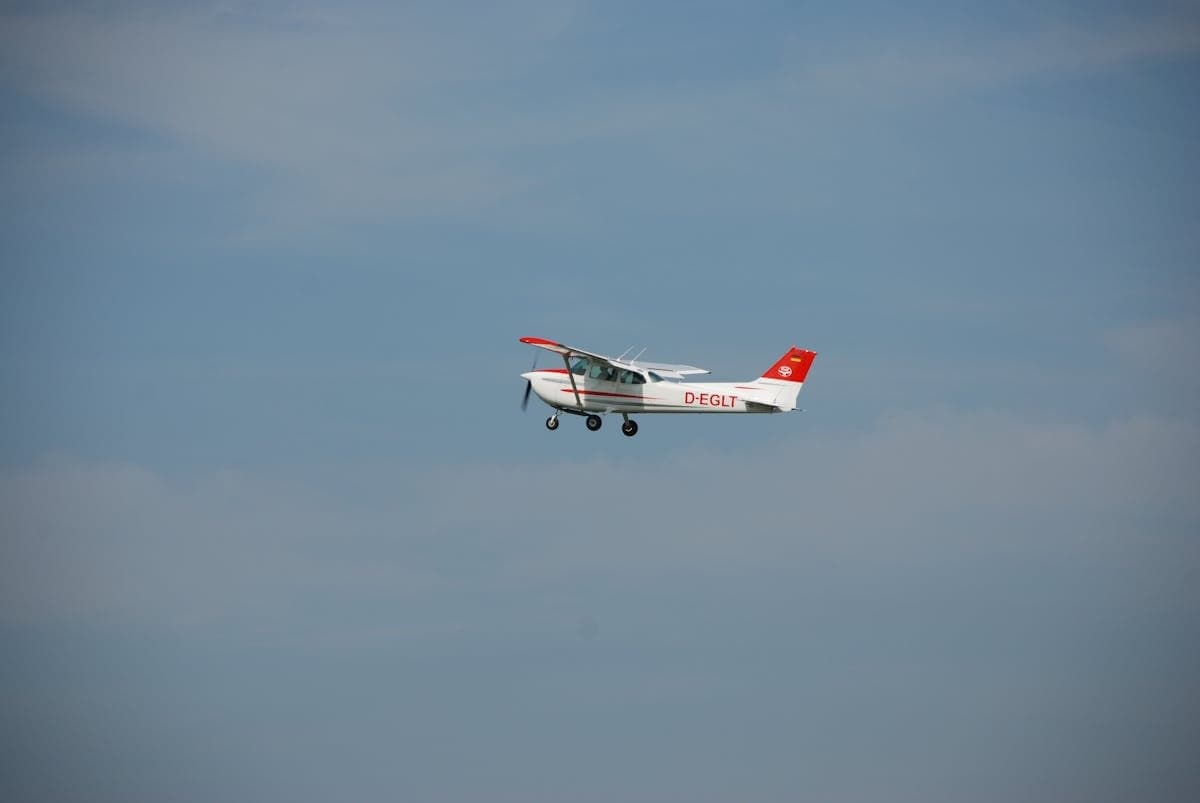
Furthermore, the GA implications of SAF differ sharply depending on what your aircraft burns:
Turbine GA Aircraft (King Air, Pilatus, Cirrus Jet, Citation)
Specifically, turbine GA aircraft burning Jet A can use SAF blends today with no modifications, no STC required, and no operational changes. The fuel is fully fungible with conventional Jet A. The practical limit is whether your FBO carries SAF — most don’t yet, but coastal hub airports increasingly do.
Diesel Piston GA Aircraft (Continental CD-Series, Austro AE300)
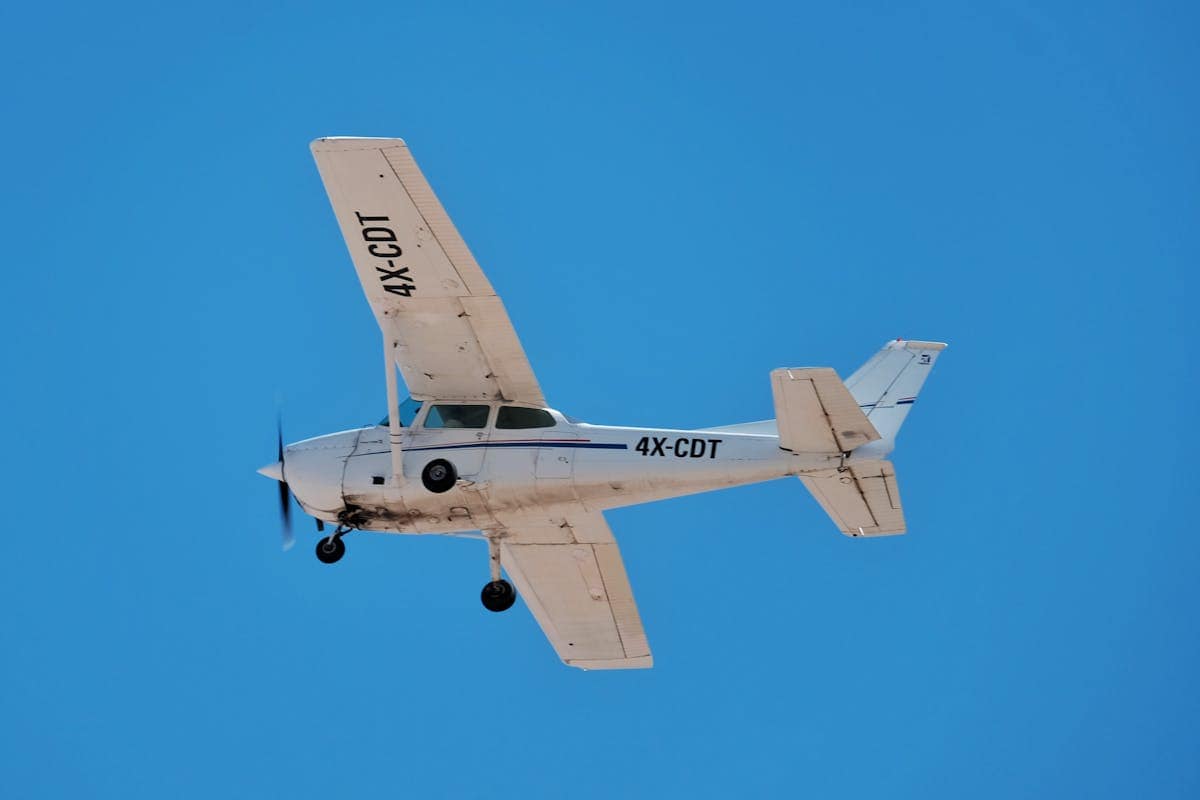
For instance, diesel piston aircraft burning Jet A benefit from the same SAF compatibility as turbines. The Cessna 172 diesel conversion that runs on Jet A also runs on SAF blends. This positions diesel GA as a sustainability story that gasoline GA can’t match.
Avgas Piston GA Aircraft (Lycoming, Continental Gasoline)
Conversely, the standard 100LL avgas market has separate sustainability questions. SAF is not a drop-in replacement for 100LL — the fuels are chemically different. The 100LL replacement story is unleaded 100-octane avgas (G100UL, UL94, etc.), which is a separate development track from SAF.
Practically, this means the SAF transition primarily affects GA turbine and diesel-piston operators today. The avgas-burning Cessna 172 owner watches the SAF story without it directly affecting their aircraft.
The 2026 Availability Reality
Critically, SAF availability remains limited in 2026 to a relatively short list of airports. Specifically, the U.S. airports where SAF is reliably available include:
- Major airline hubs in California (SFO, LAX, OAK), some with mandate-driven supply
- Select airports in the Pacific Northwest (SEA, PDX)
- A handful of East Coast hubs (BOS, JFK selectively)
- Several European hubs with broader penetration than U.S.
For comparison, the typical GA airport in the central U.S. does not stock SAF in 2026. GA pilots flying turbines or diesel-pistons can use SAF when they happen to land at SAF-equipped FBOs but generally can’t plan operations around SAF availability.
SAF Pricing Reality in 2026
Generally, SAF carries a price premium over conventional Jet A — typically 2-4x the conventional fuel price depending on the blend ratio and the supplier. Specifically, a 50% SAF blend at a coastal hub in 2026 commonly retails at $8-$12 per gallon versus $6.50-$7 for conventional Jet A at the same field.
Notably, the premium is shrinking as production scale increases, but the gap remains material. For a Cessna Citation Mustang burning 80 gph at $9/gal SAF blend versus $6.80/gal Jet A, the SAF premium adds roughly $175 to every flight hour. Whether that’s worth the carbon reduction is a values question, not a financial one.
The Policy and Regulatory Drivers
Above all, SAF availability and pricing in the next decade will be shaped by policy more than by market forces. Specifically:
U.S. SAF tax credits. The Inflation Reduction Act established production tax credits for SAF that reduce producer economics and should pull supply onto the market over the late-2020s.
EU mandates. European Union ReFuelEU regulations require blending mandates starting at 2% SAF in 2025 and rising to 70% by 2050. Aircraft operating in EU airspace will face the mandates.
California state mandates. California’s clean fuel standards have driven SAF supply to the state’s airports ahead of federal mandates.
Airline corporate commitments. Major airlines have committed to SAF percentages of their fuel buy, creating buyer-side demand that supports producer investment.
Practically, the policy environment is pulling SAF supply into the market over the late-2020s. GA pilots operating turbines or diesel-pistons should expect SAF availability to spread inland from coastal hubs over the next decade.
What GA Pilots Should Do Now
Our take: most GA pilots have no immediate action item from SAF in 2026 beyond awareness. Specifically:
Avgas piston operators should track the unleaded 100-octane avgas transition (G100UL approvals, regional 100LL restrictions) rather than SAF directly. The avgas sustainability story is a different track.
Turbine GA operators can use SAF when available without aircraft changes. The decision is values-based — pay the premium for the carbon reduction or stick with conventional Jet A. Either is operationally fine.
Diesel-piston GA operators have the strongest SAF positioning — Jet A access means SAF compatibility automatically. This is one of the underappreciated arguments for diesel conversions in markets where SAF availability matters.
Owner-operators considering aircraft purchases may factor the SAF compatibility of turbine and diesel platforms into long-term thinking, though current availability doesn’t yet justify aircraft choice purely on SAF access.
The Long-Term GA Picture
For broader context, see our coverage of 2026 avgas pricing and the related GA fuel cost outlook.
Looking forward, the GA fuel landscape over the next 15 years will involve simultaneous transitions: unleaded 100-octane avgas replacing 100LL, SAF blending into Jet A at growing percentages, and battery-electric and hybrid powertrains entering the trainer-class market. Each transition affects different segments of GA differently. The pilots and owner-operators who understand which transitions affect their specific operations make better aircraft and fuel decisions.
Frequently Asked Questions About SAF and GA Aircraft
Does SAF work in my Cessna 172?
If your Cessna 172 has the original Lycoming gasoline engine, no — SAF is for Jet A burning engines. The unleaded 100-octane avgas transition is what affects gasoline-piston GA. If your 172 has been converted to a Continental CD-170 diesel that burns Jet A, then yes, SAF blends work without modification.
How does SAF affect aircraft performance?
Aircraft burning certified SAF blends within the approved D7566 specification see no operational difference from conventional Jet A. Fuel economy, range, performance numbers, and engine wear are the same. The distinction is purely upstream — how the fuel was produced.
When will SAF be widely available at GA airports?
SAF availability is spreading inland from coastal hubs but remains limited to roughly a few dozen airports in the U.S. as of 2026. Widespread GA airport availability is likely a 5-10 year development as production scales and distribution networks expand. Pilots can track current SAF supply through FBO networks and dedicated SAF tracking resources.
About the E3 Aviation Editorial Team
The E3 Aviation Editorial Team writes for owner-pilots, student pilots, and the small aircraft community. We focus on practical, real-world content that respects your time and your training. Learn more about E3 Aviation.