The owner-assisted annual inspection is one of the most underused privileges in general aviation. FAR 43.3(g) lets you work alongside a licensed A&P mechanic on your own aircraft’s annual — saving money, building knowledge, and understanding your airplane at a level no logbook entry can teach. It’s not a loophole. It’s federal regulation. Here’s how it works, what you can actually do, and where the real risks sit.
Last Updated: May 7, 2026 | By: The E3 Aviation Editorial Team
What FAR 43.3(g) Actually Says
The regulation is shorter than most pilots expect. FAR 43.3(g) states that a certificated mechanic with an Inspection Authorization may allow the owner or operator of an aircraft to perform certain maintenance under the mechanic’s supervision. That’s it. The IA keeps authority. You do the work under their oversight.
The key phrase is “under supervision.” This isn’t a solo operation. The A&P or IA watches, guides, and inspects your work. They sign the logbook. They carry the legal responsibility for the airworthiness determination. You carry the responsibility for doing the physical tasks correctly while they watch.
This arrangement requires finding an A&P or IA who is willing to work this way. Not all are. Some prefer to control every step themselves. Others actively enjoy teaching owners their aircraft. Finding the right mechanic is half the battle.
What Tasks Owners Can Perform
FAR Part 43 Appendix A lists preventive maintenance tasks that certificated pilots can perform without any mechanic supervision at all. The owner-assisted annual inspection goes further — with a supervising IA, you can perform most inspection and maintenance tasks on your own aircraft, including:
- Oil and filter changes
- Spark plug removal, inspection, and reinstallation
- Tire and tube replacement
- Brake pad inspection and replacement
- Control cable inspection and rigging checks
- Fabric inspection on fabric-covered surfaces
- Cowling removal and reinstallation
- Compression checks (with mechanic guidance)
- Cleaning, lubricating, and corrosion control
The IA still performs or directly supervises the airworthiness determination. Structural inspections, avionics work, and complex systems require the mechanic’s direct involvement. You can hand them tools and assist — but “supervise” has limits when the work crosses into specialized territory.
The Real Benefits — and They’re Substantial
Cost savings are the headline. A typical GA annual inspection runs $800 to $2,000+ in labor alone, depending on your location and aircraft type. An owner-assisted annual can cut that labor cost by 40–60% if you’re doing the grunt work — oil change, spark plug service, brake inspection, cleaning, and access panel work.
On a Mooney M20, where annual inspections routinely run high due to the retractable gear system, owners who assist regularly report saving $600–$1,000 per year in labor. Over a decade, that’s real money.
Knowledge is the second benefit, and it’s arguably more valuable. When you do an owner-assisted annual inspection on your own aircraft, you stop being a passive user of the machine. You start knowing where every access panel is, what normal looks like versus abnormal, and which systems are aging. That knowledge makes you a better pilot and a more informed aircraft owner.
The Knowledge Transfer Effect
Pilots who participate in their own owner-assisted annual inspections consistently report catching issues earlier. They know what their brake pads looked like last year. They know the fuel drain is weeping slightly more than it used to. They noticed the control cable had minor fraying before it became an airworthiness concern.
That situational awareness about your aircraft’s mechanical health is impossible to develop if you drop off the keys and pick them up after the annual is signed off. The owner-assisted annual builds it systematically, one inspection at a time.
Good engine baffle seal maintenance is one area where owner involvement during the annual pays dividends — it’s a task that’s easy to do, easy to skip, and meaningful for engine cooling performance.
Finding an A&P Willing to Work This Way
This is where many owners get stuck. Not every A&P or IA runs owner-assisted annuals. Some shop policies prohibit it for liability reasons. Others simply prefer their own workflow.
Here’s how to find the right mechanic:
- Network at your local airport hangar talks. Builders and restorers often know mechanics comfortable with owner involvement.
- Post in type club forums. Mooney owners, Cherokee owners, and Cessna owners all have active online communities where members share mechanic recommendations.
- Call the airport directly. Ask the FBO or maintenance shop if they offer owner-assisted annuals. The answer is immediate.
- Ask your current A&P directly. Many mechanics who don’t advertise this service will do it for an owner they trust.
When you find a mechanic, be clear about what you want. Tell them you want to do as much of the physical work as allowed under FAR 43.3(g). Ask what their process looks like. A mechanic who bristles at the question is probably not the right fit.
The Risks — Don’t Ignore Them
We’ll be straight with you: the owner-assisted annual inspection has real risks that the cost-savings conversation often glosses over.
The first risk is doing something wrong. Aviation maintenance is precise. Torque specs matter. Safety wire matters. Control cable routing matters. An owner who assembles something incorrectly — even under supervision — creates a safety risk. The supervising IA should catch it. But “should” is not “will.” Supervision is not a guarantee.
The second risk is liability confusion. The IA signs the logbook and carries airworthiness authority. But if an accident occurs and investigators find that the owner performed certain tasks, that history becomes part of the investigation. You need to understand what you’re signing up for legally, not just financially.
The third risk is exceeding your own competence. Some owners get comfortable with owner-assisted annuals and start doing tasks that exceed their actual skill level. Know your limits. If you don’t understand what you’re doing, stop and ask. The mechanic is there to supervise — use that resource.
What You Cannot Do
FAR 43.3(g) does not give owners unlimited access. The IA retains authority over the airworthiness determination. Tasks involving structural integrity, major repairs, or specialized systems still require the mechanic’s direct hands-on work. You can’t certify your own work as airworthy. You can’t sign off on anything in the aircraft records. Everything flows through the supervising IA.
Engine Knowledge Pays Off Here
Owners who understand their engine get more out of owner-assisted annuals. Knowing how to read compression test results, understanding what oil analysis numbers mean, and grasping the relationship between engine temperatures and baffle sealing makes you a smarter participant in the process.
If you’re not already thinking about engine management at the operational level, the annual is a good time to start. The condition of your spark plugs, the state of your ignition leads, and your oil consumption trends all tell a story. Learn to read it.
The FAA’s guidance on FAR Part 43 maintenance regulations is the authoritative source for what’s allowed under owner-assisted work. Read it before your first annual, not after. And the NTSB accident database at ntsb.gov has plenty of cases where improper maintenance led to accidents — that context should inform how seriously you take the work.
Making the Most of Your Owner-Assisted Annual
Show up prepared. Bring your logbooks, airframe and engine maintenance records, and any squawks you’ve noted since the last annual. Have a list of what you want to learn or do. Don’t just show up and wait for direction.
Take notes. Document what you did, what you saw, and what the mechanic flagged. This personal record, separate from official logbook entries, becomes an invaluable reference for future annuals and for monitoring trends in your aircraft’s condition.
Ask questions. The annual is a paid opportunity to learn from an expert who’s looking at your specific aircraft. “Why are you checking this?” and “What would a problem look like here?” are questions every mechanic should be happy to answer.
The Real Cost Savings of an Owner-Assisted Annual Inspection
Generally, the math on owner-assisted annual inspection savings depends on aircraft complexity and your local shop rates. However, the typical savings range from 30% to 50% off a standard annual inspection cost. Specifically, a Cessna 172 annual that runs $2,500–$3,500 at a typical shop often comes in at $1,500–$2,200 when owner-assisted. As a result, owner-pilots can save $1,000 or more per year while learning their airplane in detail.
Notably, the savings come from two sources. First, you’re paying for fewer billable A&P hours since you handled the prep work and routine service items yourself. Second, you’re catching small issues yourself before they become billable repair items. Furthermore, owners who do owner-assisted annuals consistently report fewer unscheduled maintenance surprises because they spot wear patterns earlier.
However, the financial savings aren’t the only benefit. In fact, most experienced owner-pilots will tell you the knowledge you gain is worth more than the dollar savings. Specifically, you learn what your airplane looks like under the cowl, how the control linkages route, where the wear points are, and what early warning signs to watch for. Therefore, when something starts feeling off in flight, you have direct mental reference for what should be happening mechanically.
What Owner-Assisted Annual Inspection Tasks Actually Look Like in Practice
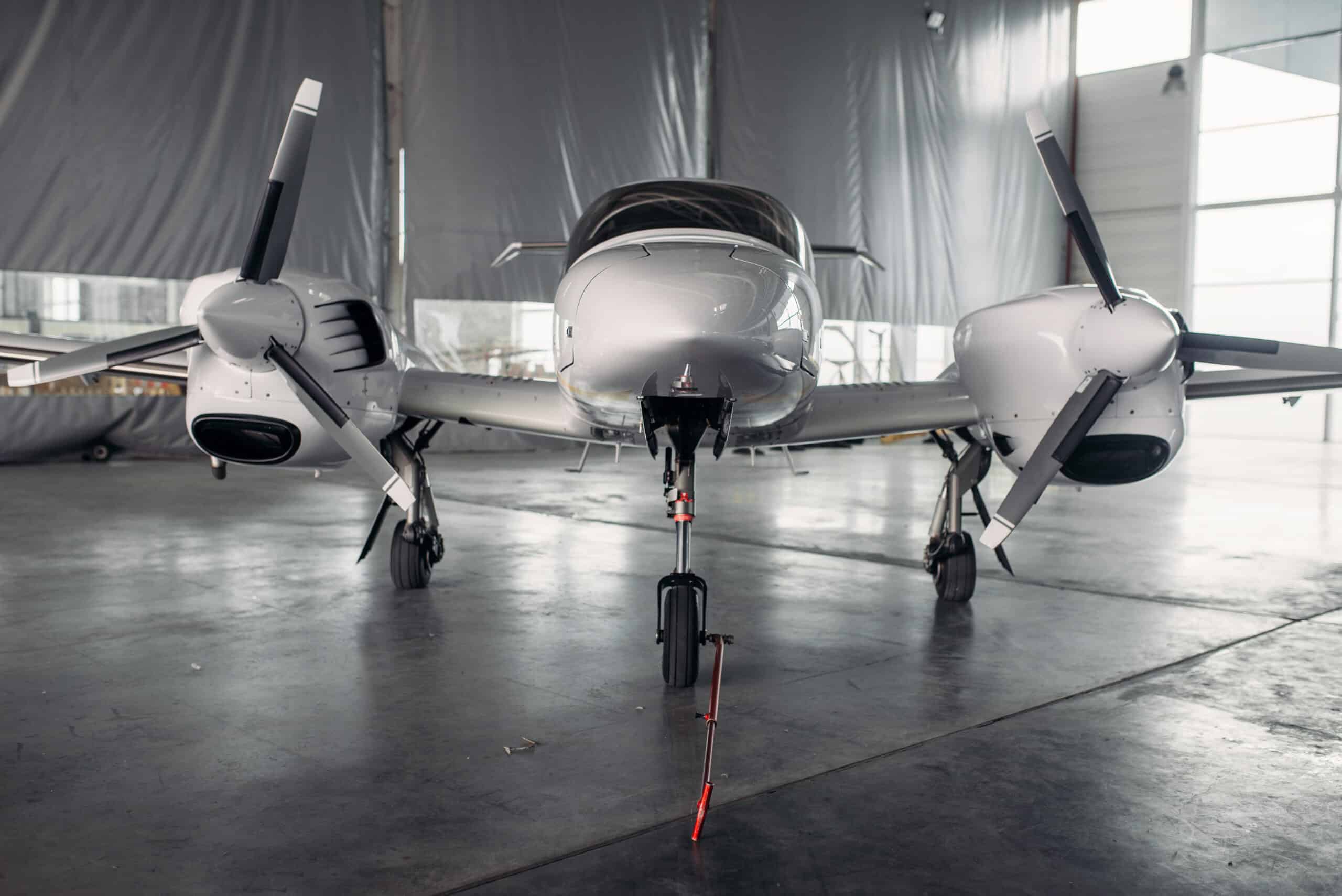
First, the actual work breakdown matters. Most owner-assisted annual inspections follow a predictable pattern. Initially, you’ll spend a day or two pulling cowls, removing inspection panels, and cleaning everything down to bare metal. Subsequently, your A&P walks the airframe with you, checking each item on the FAR Part 43 Appendix D inspection list. Then you handle the parts your certificate allows — oil change, filter change, lubrication points, tire pressure verification, plug rotation. Finally, the A&P signs the logbook entry once the inspection is complete and any squawks are resolved.
The Pre-Inspection Setup Day
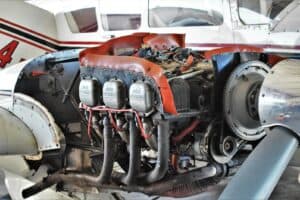
Generally, the most efficient owner-assisted annuals start with a full prep day before the A&P arrives. Specifically, you remove the spinner, cowling, all inspection panels, the wheel pants if installed, and any access covers that the inspection will require. Additionally, drain the oil ahead of time so a fresh sample can be sent for spectrographic analysis early in the process. As a result, when your mechanic shows up, they walk into a ready-to-inspect aircraft instead of spending two billable hours on disassembly you could have done yourself.
Notably, this prep work is exactly what FAR 43.3(g) was written to permit. Furthermore, having all panels off and surfaces clean lets the A&P focus on actual inspection rather than mechanical access. In fact, many owner-pilots report saving 30–40% of the typical annual cost just from competent prep work alone.
The Lubrication and Service Phase
Subsequently, the routine service items are where owner involvement pays off again. For example, lubricating control surface hinges, greasing landing gear pivot points, packing wheel bearings, and inspecting brake pucks for thickness — these are all tasks a properly briefed owner can perform under A&P supervision. Moreover, you learn the airplane while doing them, which pays dividends every time something goes wrong in flight or on the ramp later.
However, never skip the documentation step. Specifically, every preventive maintenance task you perform under FAR 43.3(g) must be logged with your name, certificate number, the date, and a description of the work. As a result, the A&P can verify and sign off the inspection knowing exactly what you handled.
Common Owner-Assisted Annual Inspection Mistakes to Avoid

Generally, the owners who get the most from owner-assisted annuals are the ones who treat it as a learning process rather than a cost-cutting exercise. Conversely, the owners who run into problems are the ones who try to take shortcuts or who get in the A&P’s way without realizing it. Below are the mistakes that cost owners both money and credibility with their mechanics.
Mistake #1: Doing Work You’re Not Authorized to Perform
Initially, this is the most expensive mistake an owner-pilot can make. Specifically, FAR Part 43 Appendix A defines exactly what preventive maintenance a certificated pilot may perform on aircraft they own. Beyond that list, you need an A&P. Furthermore, performing unauthorized maintenance can void warranty, complicate insurance claims, and result in FAA enforcement action. Therefore, when in doubt, ask before you wrench.
Mistake #2: Treating Your A&P Like Free Labor
Conversely, the other extreme is just as bad. Some owners show up at an owner-assisted annual expecting the A&P to do everything while they watch and chat. However, that defeats the purpose — and your mechanic notices immediately. Notably, the A&P is offering you reduced rates because you’re actually doing useful work. Therefore, be prepared, be present, and bring real value to the inspection.
Mistake #3: Skipping the Logbook Discipline
Furthermore, an owner-assisted annual that ends with sloppy logbook entries is a problem you’ll inherit for the life of the aircraft. Specifically, every entry must include the work performed, the date, your certificate number, and a clear description of what was inspected or repaired. As a result, future A&Ps and any pre-purchase inspector can verify the maintenance history. In contrast, missing or incomplete logbook entries reduce the resale value of your airplane and can cause real headaches at sale time.
Mistake #4: Underestimating Time Commitment
Finally, owner-assisted annuals take longer than standard annuals. Typically, expect 3–5 days of focused work depending on aircraft complexity. As a result, plan time off, clear your hangar schedule, and don’t commit to flying the airplane until the annual is signed off. Notably, rushing the process is when mistakes happen — and a botched annual is exactly what FAR 43.3(g) was meant to prevent.
FAQ: Owner-Assisted Annual Inspection
Does FAR 43.3(g) apply to certificated pilots without a mechanic certificate?
Yes. FAR 43.3(g) applies to aircraft owners and operators, not just certificated mechanics. You don’t need any mechanic certificate or A&P license to participate in your own annual under this regulation. You do need a supervising IA, and the work must be on an aircraft you own or operate.
Can an owner-assisted annual inspection be performed at any maintenance facility?
It depends on the facility’s policy. Some shops support owner-assisted annuals as standard practice. Others prohibit owner involvement for liability or insurance reasons. Confirm this before scheduling — call ahead and ask specifically whether they allow FAR 43.3(g) owner assistance during the annual.
Does participating in an owner-assisted annual log toward any pilot certificate or rating?
No. Owner-assisted annual time doesn’t count toward any FAA certificate or rating. The benefit is practical knowledge and cost savings, not flight or ground training credit. However, the mechanical understanding you develop translates directly into better preflight inspections and more informed pilot decision-making.
Sources: FAA FAR Part 43 | NTSB Aviation Accident Data
E3 Aviation Editorial Team
The E3 Aviation Association editorial team is made up of licensed pilots, aviation educators, and industry professionals dedicated to advancing general aviation safety, community, and education. Learn more about E3 Aviation.
For more aviation insights and pilot training content, visit our E3 Aviation YouTube channel and the full E3 Aviation Articles library.