For GA pilots planning a winter cross-country to the Florida panhandle, the National Naval Aviation Museum in Pensacola is the destination that justifies the trip on its own. It’s the largest naval aviation museum in the world, it’s free, and it sits a short hop from three GA-friendly fields. This guide walks pilots through what to see, how to fly in, when to catch the Blue Angels practicing, and the logistical details most generic museum guides skip. Whether you’re a private pilot building cross-country hours or an owner-operator planning a long weekend, the National Naval Aviation Museum belongs on your list.
Last Updated: May 25, 2026 | By: The E3 Aviation Editorial Team
Why GA Pilots Should Visit the National Naval Aviation Museum
First, the practical case. The museum hosts 150+ historic aircraft, 4,000+ artifacts, and exhibits across 400,000 square feet of climate-controlled hangars on Naval Air Station Pensacola. Furthermore, admission is free, parking is free, and the on-site Cubi Bar Cafe handles lunch. Notably, the museum draws 750,000 visitors a year and remains a top-rated aviation destination on every visitor poll we’ve seen.
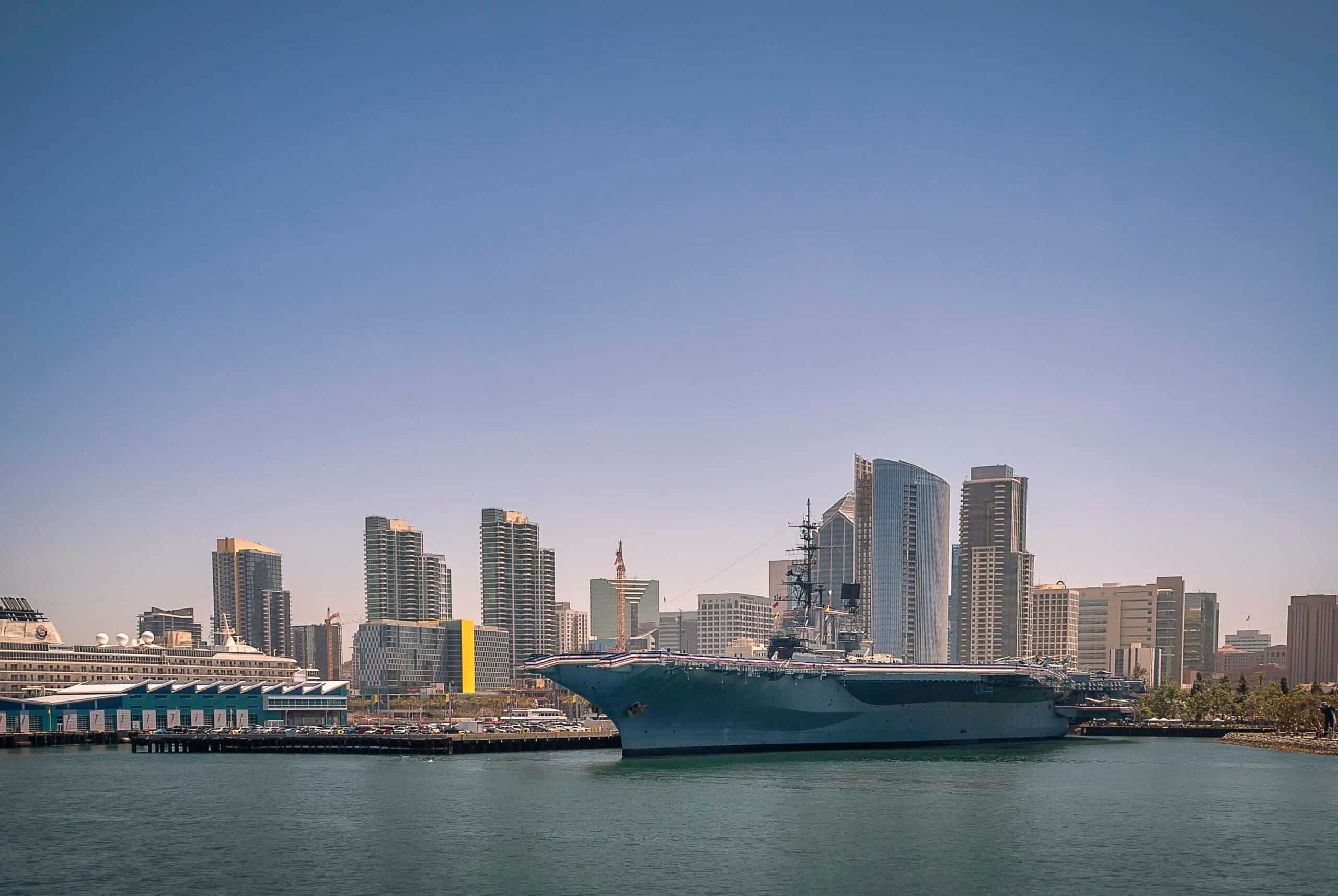
For GA pilots, the appeal goes deeper than ticking off a tourist box. Specifically, walking the floor next to an SBD Dauntless that flew at Midway, a TBM Avenger from the same era, and the F4U Corsair that won the Pacific gives you context for everything from energy management to short-field carrier-approved landing technique. The National Naval Aviation Museum is a museum, yes — and also one of the densest aviation history classrooms in North America.
Planning Your Flight In: Pensacola Airports for GA Pilots
Practically, three Pensacola-area airports handle GA traffic well. Each one carries trade-offs. Specifically, here’s how to choose based on your aircraft, fuel needs, and ground-transport plan.
Pensacola International Airport (KPNS) — The Big Field
For instance, KPNS sits roughly 7 miles north of downtown Pensacola. It has two ILS-equipped runways at 7,000 and 7,004 feet, two FBOs (Aviation Specialty Services and Pensacola Aviation Center), and the longest GA pump hours in the area. Notably, KPNS does charge ramp fees if you don’t take fuel — $25 to $45 depending on your aircraft size. Furthermore, the museum is roughly 25 minutes by car from KPNS, which makes this the obvious choice if you want full-service handling and easy Uber access.
Pensacola Regional / Ferguson Field (KPNS South) and Coastal Options
Conversely, smaller piston pilots often prefer the regional general aviation fields. Specifically, Bob Sikes Airport (KCEW) in Crestview is 35 minutes east and offers cheaper avgas and zero ramp fees. Initially budget-minded pilots also use Bayou Chico Airport (NPA’s overflow, when accessible), but military restrictions limit civilian access. Realistically, KCEW + rental car is the cleanest play for a long weekend.
Airspace Watch-Outs Near NAS Pensacola
Critically, NAS Pensacola itself is a high-activity military training field. Specifically, watch for the Restricted Areas R-2914 and R-2915 to the southwest. Furthermore, Whiting Field NOLF complex generates heavy primary flight training traffic — listen carefully on advisory frequencies. The Blue Angels often practice in Warning Area W-151 to the south during their training season, which you should check before filing.
Museum Layout: What to See at the National Naval Aviation Museum
Generally, the museum’s main exhibits split into two hangar bays plus the Hangar Bay One restoration center. Plan for 4 to 6 hours on a first visit. Critically, the most popular exhibits cluster near the entrance and back up by mid-morning. Beat the crowds by arriving at 9:00 am sharp.
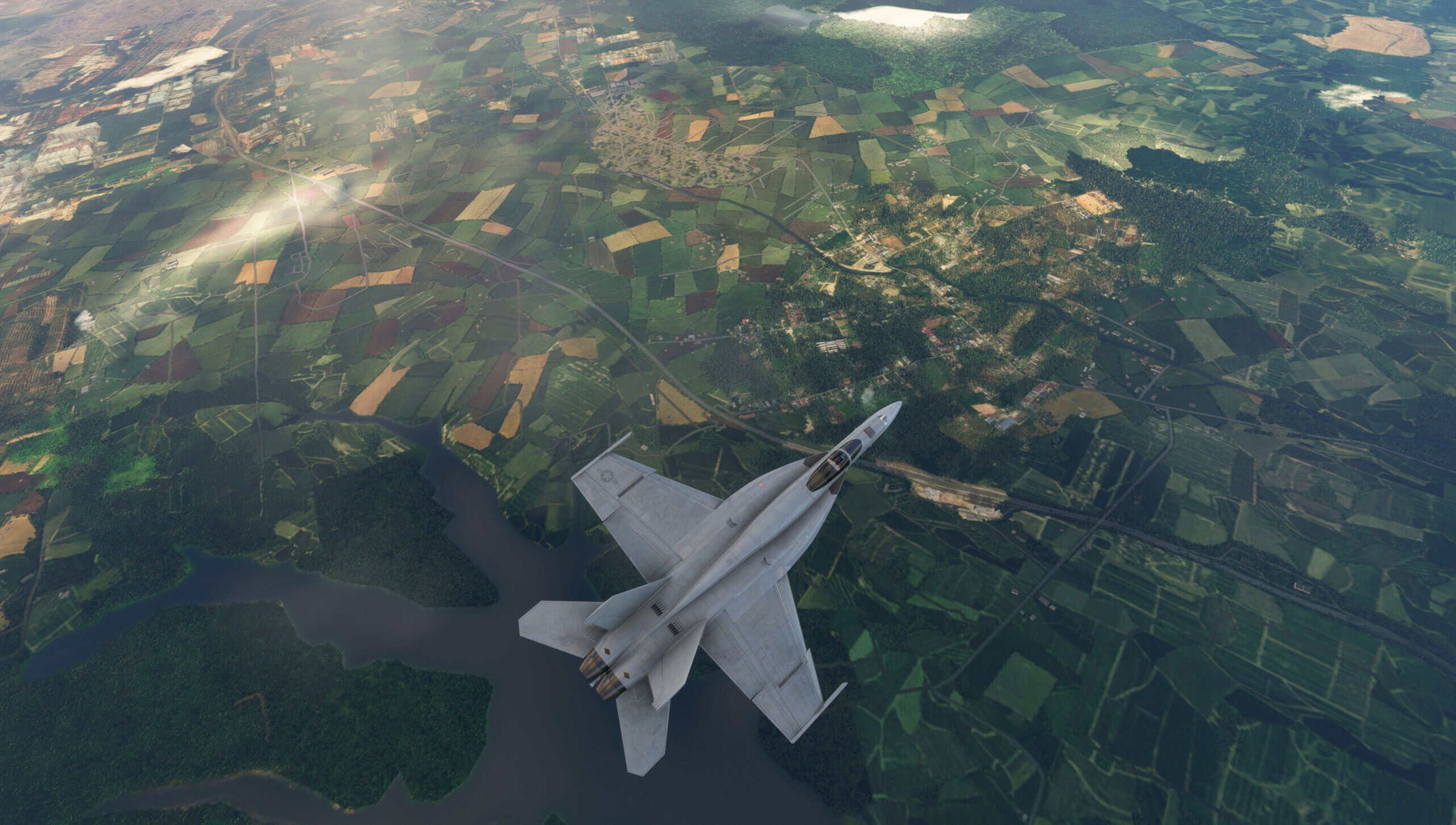
The Main Hangar: Iconic Carrier Aircraft
Specifically, the main hangar holds the bulk of WWII carrier aircraft — the Wildcat, Hellcat, Avenger, Corsair, Dauntless, Devastator, and Helldiver. Furthermore, the SBD Dauntless on display flew at the Battle of Midway in 1942, was lost in Lake Michigan during carrier qualification training, recovered decades later, and meticulously restored. Notably, the placard alongside details the actual flight crew, mission, and ditching narrative. That’s the kind of historical density you don’t get at most aviation museums.
The Modern Hangar: Cold War and Beyond
Conversely, the modern hangar covers the post-WWII era. For instance, you’ll find the F-4 Phantom, F-14 Tomcat, F/A-18 Hornet, A-6 Intruder, and AV-8B Harrier on display. The F-14 Tomcat coverage on this site provides additional context on the aircraft if you want to read up before visiting. Specifically, the Tomcat displayed at the museum is one of the most photographed in the collection, second only to the Blue Angels formation overhead.
The Restoration Hangar: Behind-the-Scenes Access
Notably, the restoration hangar offers limited guided access on select days. Furthermore, watching A&P-IA-rated volunteers strip corrosion off a 1944 fuselage is, for any pilot, fascinating. The crew here often welcomes questions from visiting pilots. They’ll show you original logbooks, structural repair sequences, and the kind of pre-buy-grade inspection work most owners would pay $5,000 for.
The Aircraft Collection: From SBD Dauntless to F/A-18
Indeed, the museum’s collection spans 100+ years of naval aviation. Specifically, that includes the Curtiss A-1 Triad (the Navy’s first aircraft from 1911), the NC-4 (first to cross the Atlantic, 1919), every carrier-launched fighter from WWII through Vietnam, plus modern aircraft including the F/A-18 Super Hornet. Furthermore, the MiG-29 Fulcrum analysis elsewhere on this site contextualizes how naval fighters compared with Soviet equivalents.
For comparison, the National Naval Aviation Museum’s holdings dwarf even Smithsonian’s Udvar-Hazy on naval-specific airframes. Critically, pilots interested in flight test history should find the X-15 and Mercury-related artifacts in the space exhibit. Bear in mind, John Glenn, Alan Shepard, and most of the Mercury Seven were naval aviators. The museum honors that pipeline with dedicated exhibits.
The WWII Kissing Photo and Pensacola’s Place in History
For instance, the famous V-J Day kissing photo background ties directly into Pensacola history. The sailor in that photo trained at NAS Pensacola, like nearly every naval aviator since 1914. Notably, walking the campus and seeing the active training operations underway gives current pilots a real sense of the continuity from then to now.
The Blue Angels Atrium and Practice Schedule
Above all, the Blue Angels Atrium is the museum’s signature exhibit. Specifically, four A-4 Skyhawks hang overhead in diamond formation, with the F/A-18 successors mounted at the entry. Furthermore, the Atrium also displays Blue Angels flight suits, pilot helmets, and unit history dating to 1946.
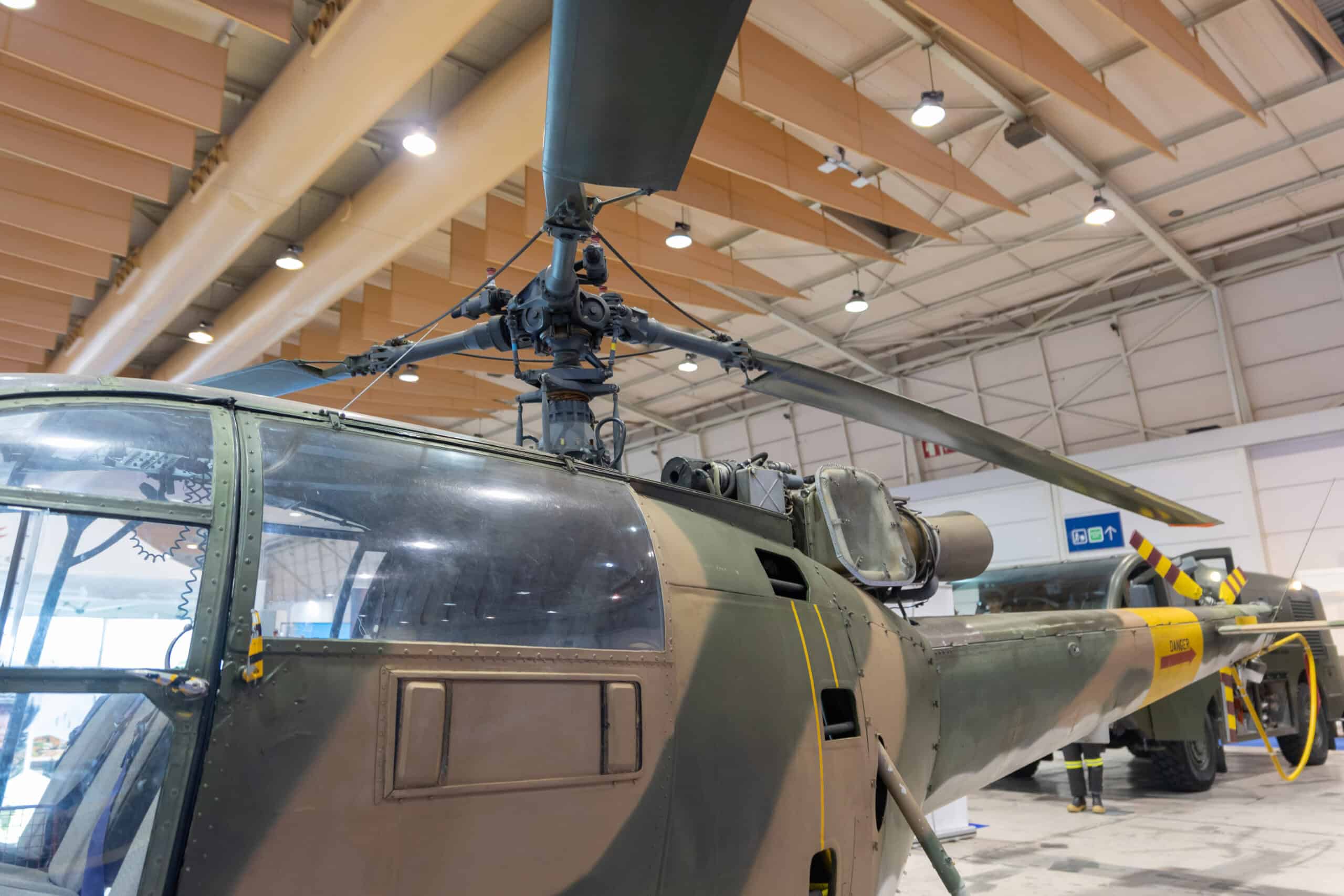
Catching a Live Blue Angels Practice
Critically, the Blue Angels practice over NAS Pensacola Tuesday and Wednesday mornings from March through November. Specifically, practices begin around 11:30 am and last 45 to 60 minutes. The team flies directly over the museum, and the on-property viewing area is exceptional. Notably, Wednesday practices typically end with an autograph session with the pilots inside the museum. Plan your visit around a Wednesday practice if at all possible — it’s the single best free aviation experience in the country.
Practice Cancellations and Weather
Realistically, practices cancel for low ceilings, high winds, or operational priorities. Furthermore, the team posts their daily schedule on @BlueAngels social channels by 8:30 am most practice days. Call the museum information line at (850) 452-3604 the morning of your visit for confirmation.
Educational Programs and the National Flight Academy
Generally, the museum operates the National Flight Academy on the same campus. It’s a STEM-focused immersion program for students ages 12-17 that simulates carrier operations. Furthermore, attendees fly desktop simulators, work as crew on a virtual flight deck, and engage in problem-solving under aviation-themed conditions. Notably, the National Flight Academy has won multiple national education awards and is one of the most innovative STEM-aviation programs in the country.
For Visiting Pilots: Volunteer Docents Are a Hidden Resource
Specifically, many of the museum’s docents are retired naval aviators or carrier flight deck crew. Critically, ask them about specific aircraft — you’ll get firsthand stories the placards don’t include. For instance, an SBD docent recently shared the engine management technique that saved the Midway aircraft when its primary feed line ruptured. That’s the kind of detail you won’t find in a guidebook.
Best Times to Visit and Pensacola GA Logistics
Conversely, peak season runs March through May and again October through November. Mild weather, Blue Angels practice schedule, and dry Florida days. Furthermore, summer (June-August) is hot and humid; winter (December-February) is mild but Blue Angels are stood down for training. Realistically, the best fly-in window for GA pilots is March-April or October-early November.
Lodging and Ground Transport for Visiting Pilots
Practically, Pensacola Beach and Gulf Breeze offer the closest waterfront lodging (15-minute drive). Specifically, downtown Pensacola has the historic district with walkable restaurants and the National Naval Aviation Museum’s overflow merch shop. Notably, Uber and Lyft work reliably across the Pensacola metro. Plan for $25 to $40 round-trip from KPNS to the museum.
Pensacola Weather Considerations for VFR Pilots
Realistically, Pensacola weather rewards careful flight planning. Furthermore, the panhandle sits in a thunderstorm corridor during May through September, with afternoon convection routinely shutting down VFR operations. Specifically, plan arrivals before 11:00 am and departures before noon during summer months. October through April offers the most reliable VFR windows. Notably, fog can develop overnight in the cooler months when the Gulf is warmer than land — check terminal forecasts the morning of departure. The National Naval Aviation Museum is worth waiting a weather day for; don’t pressure yourself into a bad-weather arrival.
Avoiding the Spring Break Crowd Window
Realistically, mid-March through mid-April brings Florida spring break families to Pensacola Beach. Furthermore, the museum sees noticeably higher foot traffic on weekends during that window. Specifically, plan a weekday visit (Tuesday or Wednesday) if you want any shot at the popular exhibits without crowds. Critically, Blue Angels practice days coincide with this — Tuesday and Wednesday before noon. Plan accordingly: arrive at 9:00 am, work the main hangar before crowds arrive, break for lunch, then head to the Atrium for the 11:30 practice.
Combining the Museum With Other Florida Panhandle Fly-Ins
For comparison, the National Naval Aviation Museum pairs well with other Florida panhandle GA destinations. Furthermore, our fly-in restaurants coverage includes Apalachicola, Destin, and 30A area options that work for a 2-3 day fly-in loop. The route Pensacola → Destin → Apalachicola → Tallahassee makes a strong long-weekend triangle from anywhere in the Southeast.
Specific Aircraft GA Pilots Should Not Miss
Realistically, with 150+ aircraft on the floor, you can’t see them all closely. Plan around the highlights most pilots single out. Specifically, here are the airframes that consistently rank as the most rewarding stops for visiting aviators.
The SBD Dauntless That Flew at Midway
Notably, this is the centerpiece of the WWII collection. Specifically, Bureau Number 2106 served with VB-6 aboard USS Enterprise. The pilot lost the engine on a training flight over Lake Michigan in 1944 and ditched. Crucially, the aircraft sat under 200 feet of cold fresh water for 50+ years before recovery. The museum’s restoration preserves the original combat-veteran airframe — paint chips, prop strikes, and all. Furthermore, stand directly in front of it and look at the wing leading edges. You’ll see where the carrier hook caught the arrestor cable hundreds of times.
The Marine One VH-3 Sea King Helicopter
Indeed, the Marine One VH-3 on display flew President Nixon. Specifically, look for the original interior — the desk, the carpet, the headrest in the back-right seat. Furthermore, the docents will tell you which Presidents flew in this exact airframe. It’s one of the few presidential aircraft visitors can examine up close.
The Bureau of Aeronautics’ First Aircraft
For instance, the Curtiss A-1 Triad reproduction in the early-aviation exhibit was the U.S. Navy’s first aircraft from 1911. It was the first U.S. military aircraft to take off from water, land on water, and land on land — hence “Triad.” Specifically, looking at it next to a modern F/A-18 demonstrates 115 years of naval aviation evolution in a single room.
Visitor Tips From Pilots Who’ve Made the Trip
Critically, the small details separate a good visit from a great one. Furthermore, these tips come from pilots who’ve done the Pensacola trip multiple times and learned what works.
Bring a Camera With a Real Lens, Not Just a Phone
Specifically, the suspended aircraft displays — especially the Blue Angels Atrium and the WWII fighters — sit high overhead. Furthermore, phone cameras struggle with the wide-angle perspective and indoor lighting. Realistically, a mid-range mirrorless body with a 24-70mm equivalent zoom gets dramatically better results. Bring extra battery if you’ll spend a full day photographing.
Eat at Cubi Bar Cafe — and Try the Slider Special
Practically, the on-site Cubi Bar Cafe is named for the famous officer’s club at NAS Cubi Point in the Philippines. Specifically, the bar plaques on the walls are originals salvaged from Cubi Point when the base closed in 1992. Furthermore, the slider plate (three sliders, fries) runs around $14 and is the most consistent pilot recommendation. Sit at the bar if you want to read the squadron plaques.
Plan Around the Blue Angels Training Schedule
Generally, the Blue Angels season runs March through November. Furthermore, the team practices Tuesday and Wednesday mornings during that window. Critically, missing a Wednesday practice during March-November is the single biggest mistake first-time visitors make. Specifically, check the schedule before booking your flight in. The drive from the museum gates to the parking area takes 8 to 12 minutes — arrive by 11:00 am for the 11:30 am practice start.
Frequently Asked Questions About Visiting the National Naval Aviation Museum
Is the National Naval Aviation Museum really free to enter?
Yes, admission and parking are 100% free. Specifically, the museum is operated by the Naval Aviation Museum Foundation in cooperation with the Navy. The only items with a fee are the on-site IMAX theater, special guided tours, and merchandise. Furthermore, you can spend a full day on the grounds without paying anything. Donations support the foundation and are entirely optional.
How long should pilots plan to spend at the museum?
Plan for 4 to 6 hours on a first visit, longer if a Blue Angels practice falls during your visit. Specifically, the main hangar alone takes 2 hours to walk through carefully. Furthermore, the modern hangar adds another 1.5 hours, the restoration hangar 45 minutes. The Blue Angels Atrium plus space exhibit 1 hour. Plan a full day if combining with a Blue Angels practice viewing.
Can GA pilots fly directly into NAS Pensacola for the museum?
No. NAS Pensacola is an active military installation and does not accept civilian GA traffic. Specifically, you must fly into KPNS (Pensacola International) or one of the surrounding civilian fields and rent a car or use rideshare to reach the museum on base. Furthermore, the museum entry process requires entering NAS Pensacola through the West Gate; bring government-issued photo ID and expect a vehicle inspection.
Final Word From the E3 Editorial Team
Honestly, the National Naval Aviation Museum is the rare aviation destination that delivers on both the casual-tourist promise and the serious-pilot expectation. Furthermore, a well-planned visit combines free admission, Blue Angels practice viewing, walkable hangars filled with combat-veteran airframes, and easy GA access through KPNS or surrounding fields. Realistically, every active GA pilot should make this trip at least once in their flying life. Plan the route, file the cross-country, and put it on the calendar. Few aviation experiences leave a stronger impression on a working pilot than walking next to the SBD that flew at Midway.
Related Articles

More like thisRelated
Wind Shear Recognition and Recovery for GA Pilots

Sun Valley Fly-In 2026: A GA Pilot’s KSUN + U87 Guide
Flying to AirVenture 2026: The GA Pilot’s Complete Preparation Guide