

On August 14, 1945, a single photograph captured something the whole world felt. Alfred Eisenstaedt’s image of a sailor kissing a nurse in Times Square — now known as “V-J Day in Times Square” — became one of the most recognized photographs in history. It did not just capture a moment. It captured the end of the deadliest conflict humanity had ever seen. At E3 Aviation Association, we connect that historic moment to a deeper story — the critical role aviation played in winning World War II and shaping the world that followed.
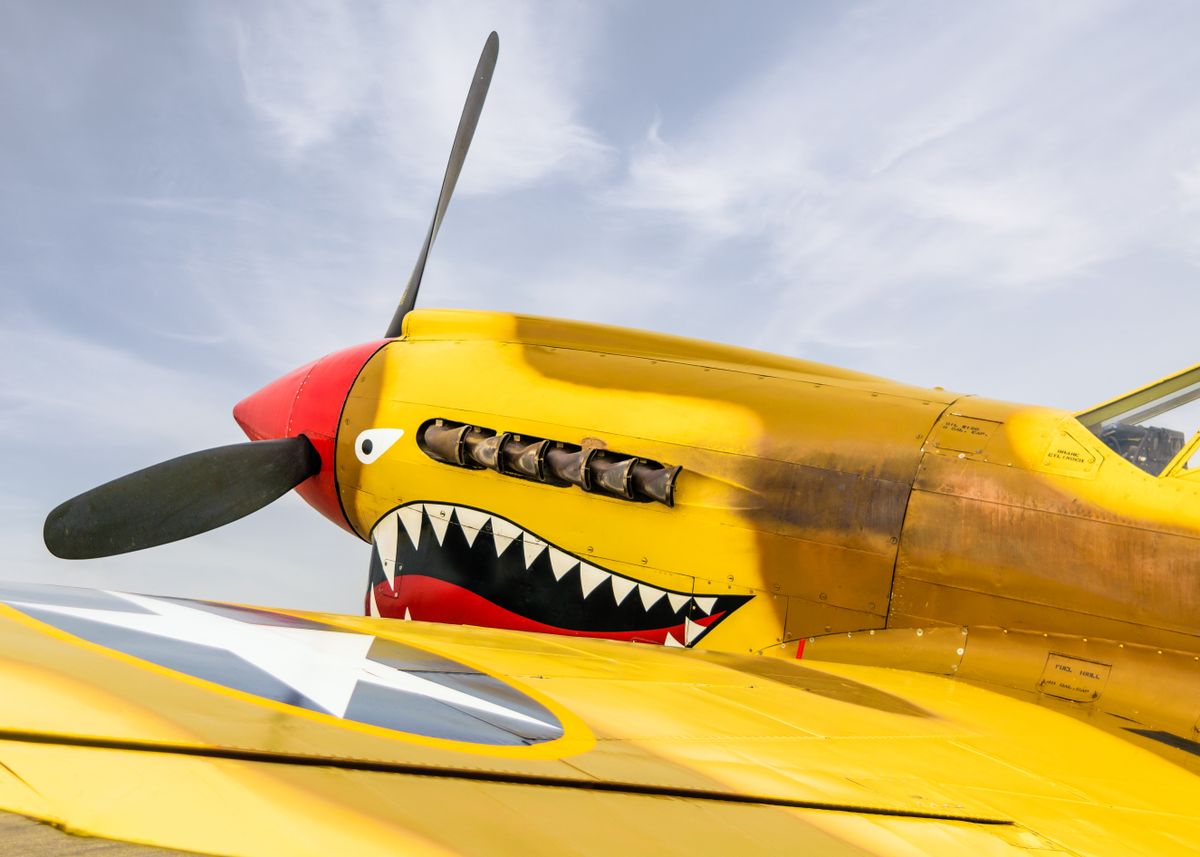
The Photograph That Defined V-J Day in Times Square
First, it is worth understanding exactly what Alfred Eisenstaedt captured on that August afternoon. Eisenstaedt was a photographer for Life magazine. He was walking through a jubilant Times Square when he spotted the spontaneous kiss. He raised his camera and captured the moment in four frames. The image was published in Life magazine’s August 27, 1945 issue. As a result, it reached millions of readers within weeks and became synonymous with the end of World War II.
The identity of the subjects was debated for decades. Multiple men and women claimed to be the sailor and nurse. Researchers eventually identified the sailor as George Mendonsa and the nurse as Greta Zimmer Friedman. Greta later recalled that the kiss was unexpected and spontaneous — a stranger’s overwhelming expression of joy. That said, the photograph’s power transcends the individuals. It represents the relief, gratitude, and raw emotion of an entire nation on V-J Day.
How One Photograph Captured the End of the War
Second, to understand why V-J Day in Times Square meant so much, you have to understand what led to it. By 1945 the Allied forces had fought for nearly six years across two major theaters. Germany had surrendered in May 1945 — ending the European war. However, Japan continued fighting despite heavy losses across the Pacific. Allied planners were preparing for a land invasion of the Japanese home islands — Operation Downfall — which military analysts estimated could cost over a million lives.
On August 6 and 9, 1945, the United States dropped atomic bombs on Hiroshima and Nagasaki. The B-29 Superfortress Enola Gay delivered the first bomb over Hiroshima. Similarly, a second B-29 named Bockscar dropped the second bomb on Nagasaki. Japan’s Emperor Hirohito announced surrender on August 15, 1945. Due to time zone differences, Americans received the news on August 14 — the night the Times Square celebrations erupted into history.
We’ll be straight with you: WWII aviation history is more than nostalgia. The engineering leaps made between 1939 and 1945 — supercharged radials, pressurized cabins, long-range navigation — form the direct foundation of general aviation as we fly it today. Understanding where it came from makes you a better pilot.
Aviation’s Critical Role in the Pacific Victory
Third, it is impossible to fully understand V-J Day in Times Square without appreciating aviation’s role in bringing it about. The Pacific War was won primarily through air and naval power. The ability of American forces to achieve air superiority across thousands of miles of ocean was one of the defining achievements of the entire war. American airpower destroyed Japanese shipping, crippled oil supplies, and systematically dismantled Japan’s ability to wage war.
Midway: The Air Battle That Changed the Pacific War
For instance, the Battle of Midway in June 1942 is widely considered the turning point of the Pacific War. American dive-bombers sank four Japanese fleet carriers in a single engagement. Those carriers represented an irreplaceable part of Japan’s naval air power. Japan never fully recovered its offensive capability in the Pacific. The aviators who flew those missions did so against overwhelming odds and at enormous personal cost. Above all, Midway proved that aviation — not battleships — would decide the war in the Pacific.
The B-29: America’s Most Powerful Bomber and Why It Mattered
The Boeing B-29 Superfortress stands as the most technologically advanced bomber of World War II. The B-29 could fly higher, faster, and farther than any previous bomber. It was designed specifically for long-range missions over vast ocean distances. B-29s conducted the strategic bombing campaign against Japan from bases in the Mariana Islands — over 1,500 miles from their targets. Crews flew missions of 14 to 16 hours in aircraft that were pressurized at altitude but still brutally demanding to fly. Above all, it was a B-29 crew that delivered the bombs that directly ended the war.
The Pilots and Crews Behind V-J Day
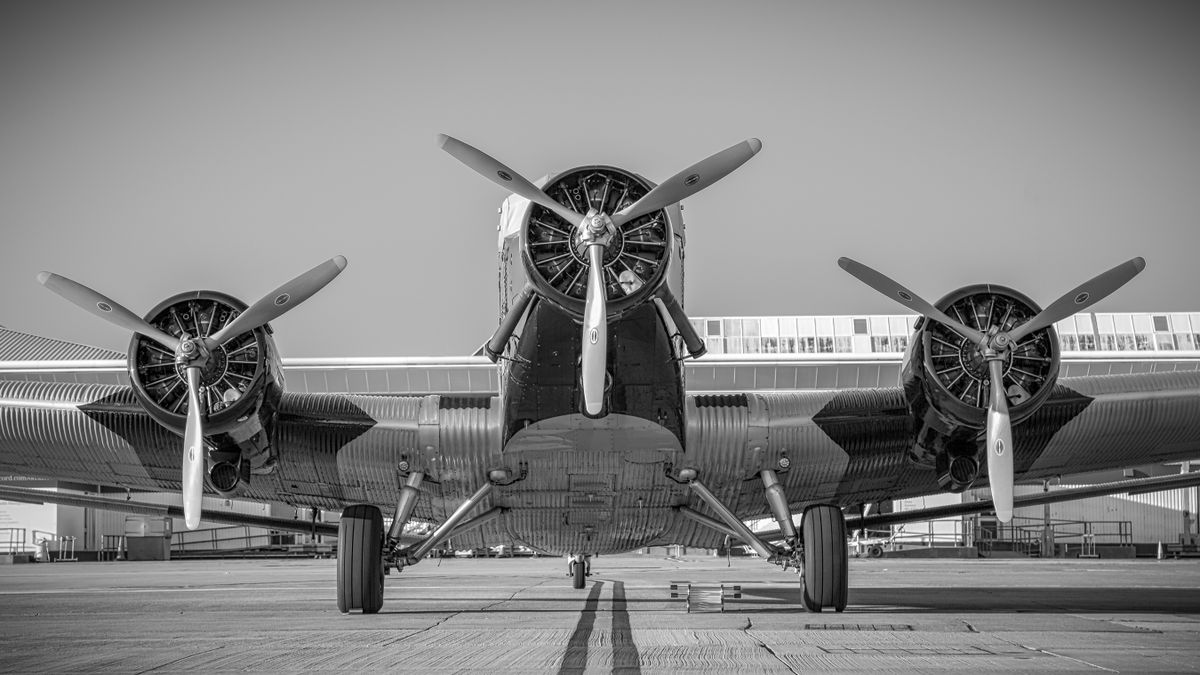
Fourth, the celebration in Times Square was also a celebration for hundreds of thousands of aviators. Over 300,000 aircraft were produced by the United States during World War II. More than 400,000 Americans were trained as military pilots, navigators, bombardiers, and gunners during the war. Aviation was not a niche specialty — it was the backbone of the American war machine. The sacrifice of WWII aviators is still felt today in the culture of the military and civilian aviation communities alike.
V-J Day gave those veterans a reason to come home and keep flying. Many WWII pilots transitioned directly into civilian and commercial aviation after the war. Their skills, discipline, and love of flight helped build the modern aviation system that GA pilots enjoy today. Pilots like Robert Rosenthal flew missions over the most heavily defended airspace in history — and survived to tell those stories. For more on WWII aviation heroism, read our article on the legacy of Robert Rosenthal.
The Post-War Aviation Boom — How WWII Changed Flying Forever
Fifth, V-J Day did not just end a war — it launched a new era in aviation. The years following 1945 saw the most rapid transformation in aviation history. Surplus military aircraft flooded the civilian market at prices ordinary Americans could afford. Thousands of WWII veterans bought Piper Cubs, Aeroncas, and Cessnas — and a generation of GA pilots was born. The GI Bill funded flight training for veterans, creating the largest influx of new pilots the country had ever seen.
Wartime engineering advances transferred directly into civilian aviation. For instance, pressurized cabins, advanced navigation systems, and more powerful piston engines all came from wartime research. Similarly, jet engine technology — pioneered during the war — entered commercial aviation in the 1950s. The world that emerged from V-J Day was one where aviation was no longer exotic or experimental. Above all, WWII proved that human beings could design, build, and fly aircraft at a scale and sophistication that changed everything. To learn more about becoming part of that legacy, read our guide on how to become a pilot.
The Photo’s Legacy and Ongoing Conversations
Sixth, the V-J Day in Times Square photograph carries both celebration and complexity. Greta Zimmer Friedman described the kiss as unexpected and uninvited. This reality has prompted important conversations about the ethics of the moment versus its historical symbolism. The image invites a nuanced view — one that honors both the joy of that day and the need for respect and consent. The fact that this conversation exists at all is itself a sign of cultural progress.
The photograph’s value as a symbol of V-J Day in Times Square remains intact for most historians. It captures genuine mass euphoria at the end of a war that killed tens of millions. No single image better represents that specific moment in American history. The photograph is now displayed in museums worldwide, including the National WWII Museum in New Orleans. As a result, it continues to educate new generations about the human experience of World War II — and the aviators who made that day possible.
What V-J Day Means for Aviation Today
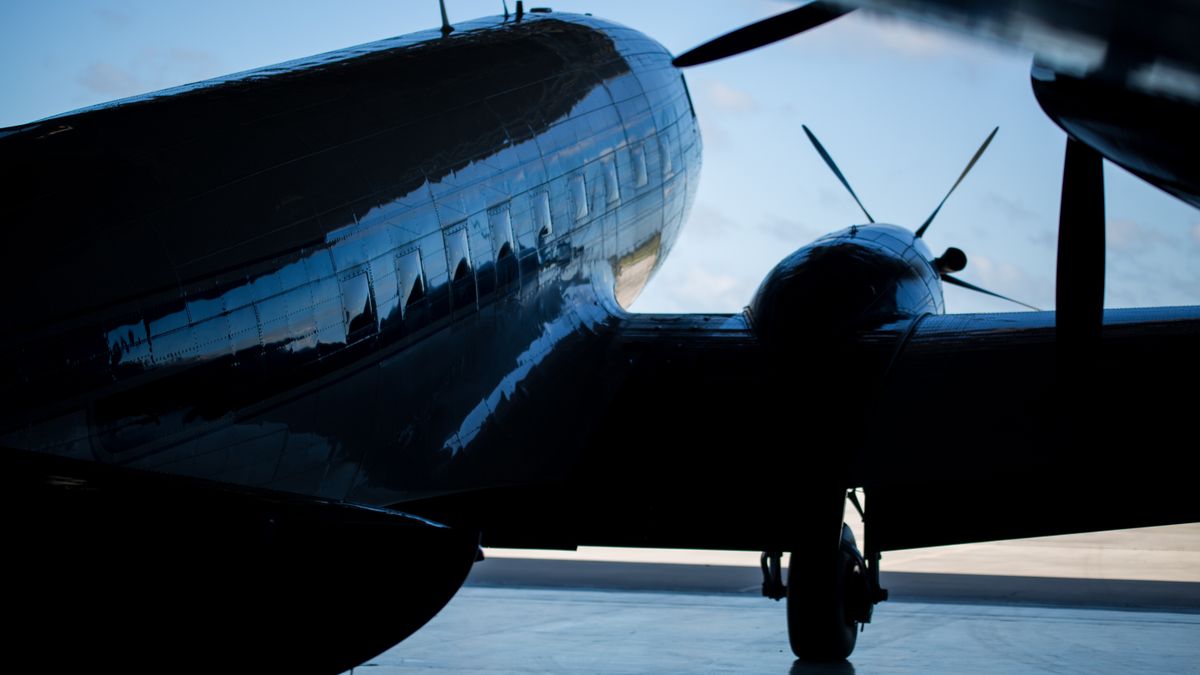
Seventh, the connection between V-J Day in Times Square and modern aviation is direct and profound. The men who kissed strangers in Times Square and the women who had built aircraft in factories came home and built modern America — including its aviation infrastructure. The airports, the airways, the FAA, and the culture of general aviation all carry the imprint of the WWII generation. The Cessna 172 — still the most popular training aircraft in the world — descended from the same engineering tradition that built the B-29.
WWII’s female aviators contributed enormously to that legacy. The Women Airforce Service Pilots (WASPs) flew military aircraft across the country during the war — freeing male pilots for combat duty. Their skill and dedication opened doors for women in aviation that are still being pushed wider today. For more on trailblazing women in aviation, read our article on pioneering female aviators. Every GA pilot flying today inherits something from the world that V-J Day made possible.
Our take: The V-J Day photo endures because it captures something that statistics can’t — the collective exhale of a nation that had been holding its breath for four years. Aviation put that exhale in motion. The B-29 missions over Japan brought the war to a close in a way that ground campaigns alone could not have done.
Frequently Asked Questions About V-J Day in Times Square
Who took the V-J Day in Times Square photograph?
Alfred Eisenstaedt took the photograph on August 14, 1945. He was a photographer for Life magazine covering the celebrations in Times Square. He captured the moment in four rapid frames. Only one of those frames — showing the full embrace — became the iconic image published worldwide.
What role did aviation play in ending World War II?
Aviation was central to the Allied victory. American air power achieved dominance over Japanese forces in the Pacific — beginning with the Battle of Midway in 1942. The strategic bombing campaign carried out by B-29 Superfortresses crippled Japanese industry, infrastructure, and supply lines. It was a B-29 crew that delivered the atomic bombs, forcing Japan’s surrender and making V-J Day in Times Square possible.
Where can I learn more about WWII aviation history?
The National WWII Museum in New Orleans has extensive aviation exhibits. The Air Force Museum in Dayton, Ohio and the National Naval Aviation Museum in Pensacola both feature major WWII aircraft collections. E3 Aviation Association publishes in-depth articles on WWII aviation history, pilot stories, and the legacy of wartime aviation on the modern GA community.
Sources:
| Time Magazine — The Story Behind the Photo | U.S. Air Force — B-29 Superfortress
Written by the E3 Aviation Editorial Team | E3 Aviation Association — Empowering pilots with knowledge, community, and resources.



