High school aviation STEM programs have grown significantly as schools recognize aviation as a powerful vehicle for teaching physics, mathematics, engineering, and career-relevant skills. The challenge for educators is structuring a curriculum that genuinely teaches aviation while satisfying broader STEM educational standards. This guide covers what works in high school aviation programs, what curriculum resources are available, and how teachers can build courses that engage students and prepare them for aviation careers or college aviation programs.
Why Aviation Works as a STEM Vehicle
Aviation integrates almost every STEM discipline naturally. Aerodynamics is applied physics. Navigation is applied trigonometry. Engine theory is mechanical engineering. Weather is atmospheric science. Aircraft systems are electrical and hydraulic engineering. Students who would tune out in a generic physics class often engage deeply when the same concepts apply to flight.
The motivation factor is significant. Many students come to aviation programs with existing interest from games, family connections, or media. Others discover aviation through the program. Either way, the engagement levels in well-run aviation STEM programs typically exceed those of standard science and math classes.
Career relevance adds further weight. Pilot shortages, aircraft mechanic shortages, and broader aerospace industry demand mean students completing aviation STEM programs face real, well-paying career opportunities. The educational investment connects directly to professional outcomes.
Honestly, well-designed aviation programs may be the most successful STEM intervention in many schools. Engagement, retention, and career outcomes all measure better than for traditional STEM courses in comparable demographics.
Core Curriculum Components
A solid high school aviation STEM curriculum includes five major content areas. Aerodynamics and aircraft systems cover how airplanes fly, what makes them work, and the physics behind both. This is the most engaging content for many students.
Navigation and flight planning teach practical applications of mathematics. Students learn dead reckoning, GPS principles, weather routing, and fuel planning. The math is no longer abstract — it answers real questions.
Aviation weather covers atmospheric science with immediate aviation application. Students learn pressure systems, fronts, cloud formation, and weather forecasting through the lens of how it affects flight planning.
Air traffic control and airspace teach communication, regulations, and complex systems thinking. The radio communication discipline alone is valuable preparation for many careers.
Aviation careers and pathways orient students to the industry options available — pilot, mechanic, dispatcher, controller, engineer, manager. Many students discover careers they didn’t know existed.
Hands-On Learning Components
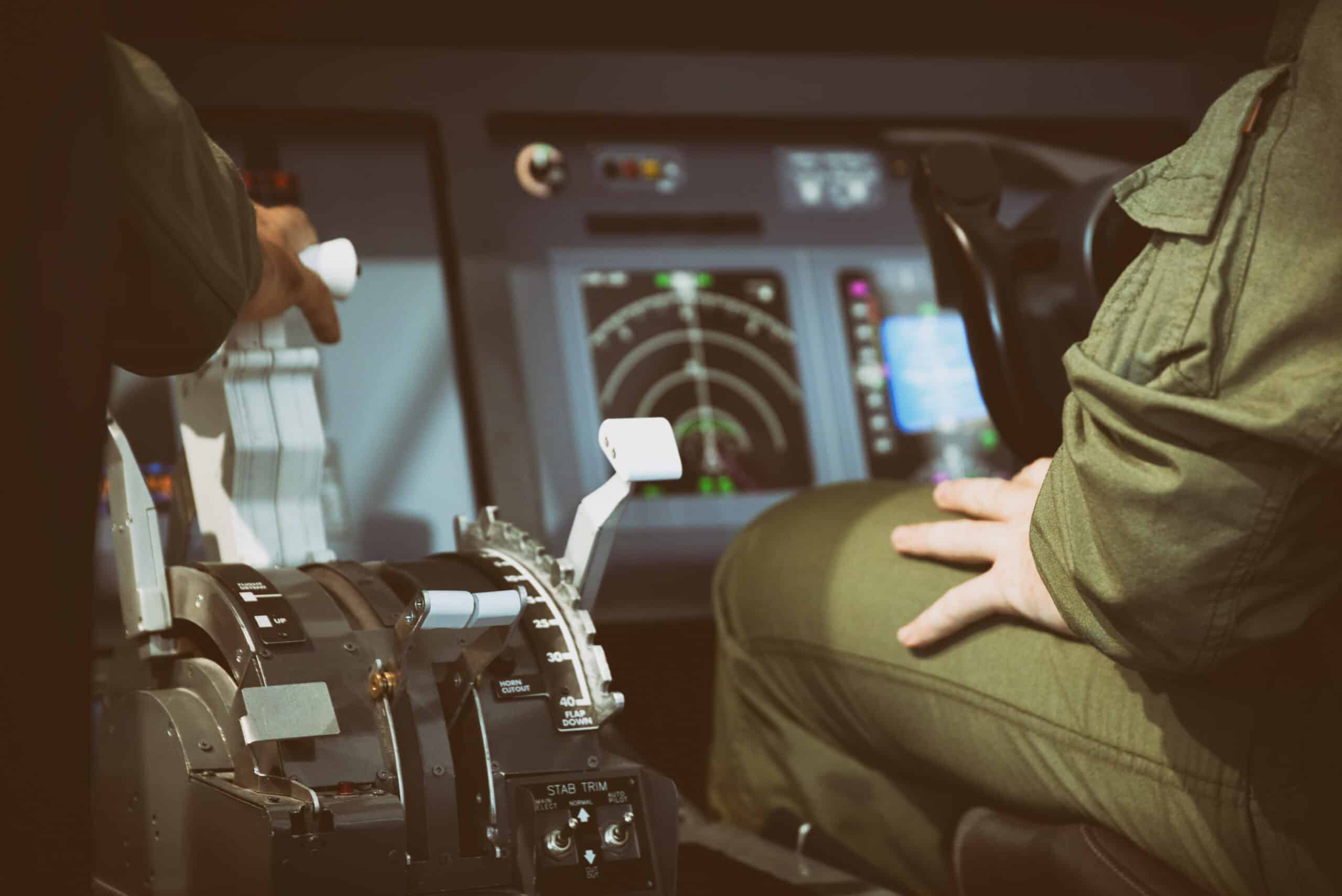
The best aviation programs go beyond classroom instruction. Flight simulator labs let students practice flight skills in low-cost, low-risk environments. Even consumer-grade simulators with proper yokes and rudder pedals teach meaningful skills.
Field trips to local airports connect classroom material to real operations. Most general aviation airports welcome school groups when arranged in advance. Students see real aircraft, talk to real pilots, and observe real operations.
Discovery flights through partnerships with local flight schools give students actual time at the controls of an aircraft. Many students who have never considered aviation careers transform their thinking after a single discovery flight.
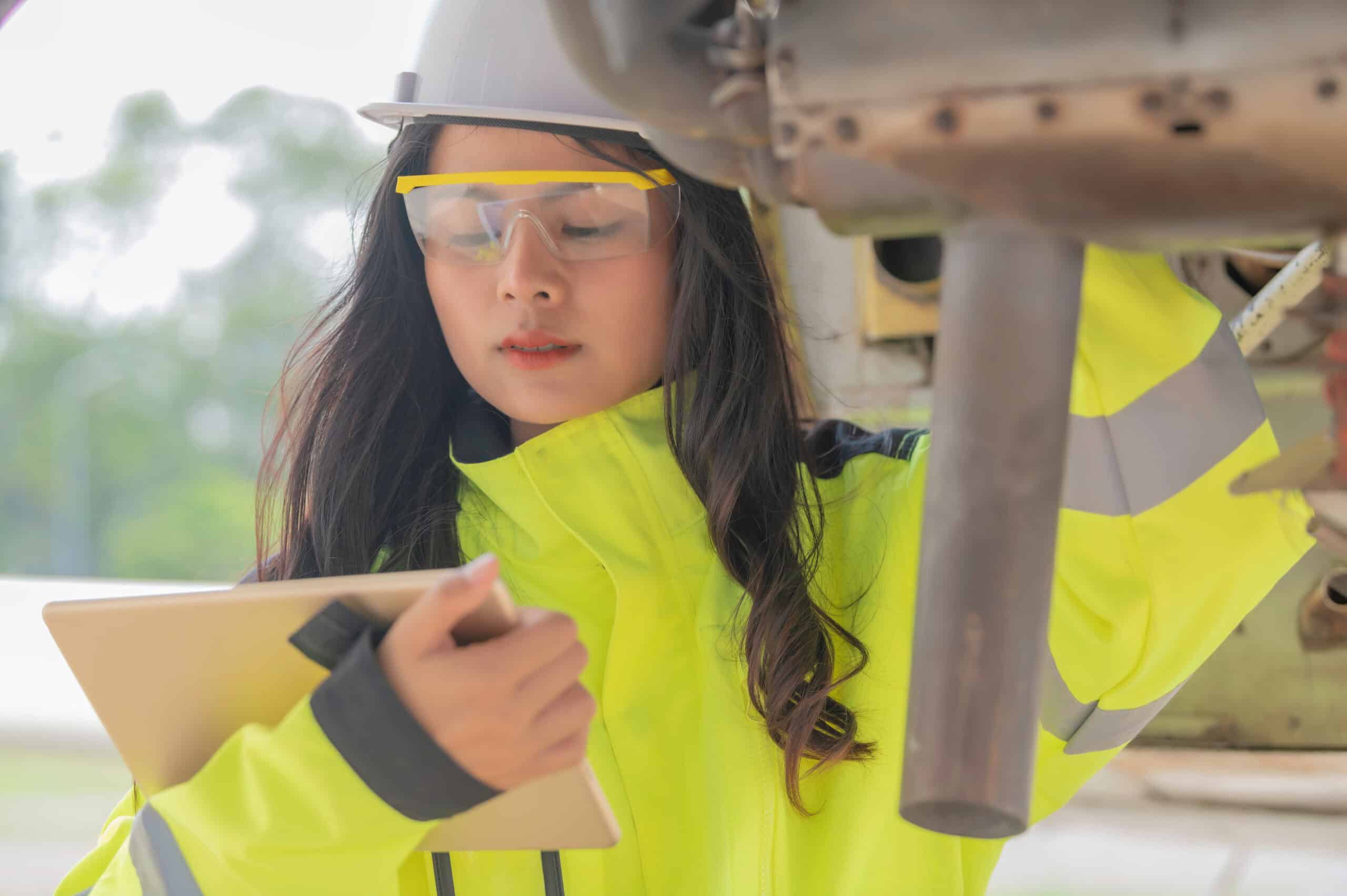
Aircraft maintenance shop visits expand student awareness of the broader industry. Mechanic careers often appeal to students who don’t see themselves as pilots but want to work in aviation.
Aviation career fairs bring industry professionals into schools. Students hear directly from pilots, mechanics, dispatchers, and others about what their careers actually look like day to day.
Curriculum Resources Teachers Can Use
The FAA provides extensive aviation education resources at no cost. The Aviation Education Resources page includes lesson plans, classroom activities, and reference materials aligned to common educational standards.
The homebuilt community offers comprehensive curriculum materials specifically designed for high school programs. Their materials include teacher guides, student workbooks, and assessment tools that have been refined over decades.
X-Plane and Microsoft Flight Simulator both offer educational licensing. The simulators support physics-accurate flight modeling that lets students experiment with aerodynamic concepts in real-time.
Drone-based curricula have grown rapidly. Drones provide a lower-cost, more accessible way to teach many flight principles. The career pathway from school drone programs to commercial drone operations is increasingly real.
Online courses from accredited providers can supplement classroom instruction. Materials from places like aviation safety education organizations, Embry-Riddle, and others provide depth that local teachers may not have time to develop themselves.
Building Industry Partnerships
Local flight schools are natural partners for high school aviation programs. They provide subject matter experts, discovery flights at reduced cost, and pathways for students who choose to pursue pilot training.
FBOs (fixed-base operators) at local airports often welcome school programs and can host field trips, donate time for student visits, and provide internship opportunities for older students.
Regional airlines facing pilot shortages have started pipeline programs that connect with high schools. Student awareness of these programs early in high school enables better preparation for them.
Aircraft manufacturers and aerospace companies in many regions offer education partnerships, including STEM grants, equipment donations, and engineer volunteer time. Programs in regions with aerospace industry presence have natural advantages.
Aviation associations and chapters often welcome teacher membership and provide networking opportunities, curriculum support, and access to industry events that benefit programs.
Funding Aviation Programs in Schools
Aviation programs cost more than typical academic courses because of equipment requirements. Flight simulators, drones, lab equipment, and field trip costs add up. Funding strategies that combine multiple sources work better than relying on any single channel.
STEM grants from federal, state, and private sources support aviation programs that meet broader STEM educational goals. Successful grant applications emphasize the broad transferability of aviation learning to other STEM contexts.
Industry sponsorships from local aerospace companies, flight schools, and aviation associations supplement public funding. Companies recognize the value of cultivating future workforce and often support programs in their geographic regions.
Parent and community fundraising can supplement institutional funding for specific equipment purchases or trip costs. Aviation programs often inspire community support that more typical academic programs do not.
Career and Technical Education funding categories in many state systems support aviation programs that connect to certified career pathways. Aligning curriculum to recognized industry credentials opens funding doors.
Connecting Programs to College and Career Pathways
Strong high school aviation programs prepare students for multiple post-secondary paths. College aviation programs at universities like Embry-Riddle, Purdue, the University of North Dakota, and many others recruit actively from high school programs.
Community college aviation programs offer cost-effective paths to industry credentials. Many students find these programs the right balance of cost and credential value.
Direct-to-industry pathways for mechanic certification, dispatcher certification, and other technical roles allow students to enter the workforce quickly with solid earnings potential.
Military aviation paths through ROTC, service academies, and direct enlistment offer another route. High school programs that cover military aviation pathways serve students for whom that’s the right fit.
Apprenticeship programs in maintenance, manufacturing, and other technical aviation fields are expanding. The earn-while-you-learn model appeals to students who want to start their careers immediately.
Common Challenges and How to Address Them
Teacher recruitment is the biggest challenge most programs face. Aviation-credentialed teachers are rare. Solutions include hiring industry professionals as adjunct instructors, partnering with retired airline or military pilots, and providing professional development for existing science and math teachers.
Equipment costs strain budgets. Phased equipment acquisition, partnership-based shared simulator access, and creative use of grant funding all help. Programs that start small and grow with demonstrated success attract more funding over time.
Student gender and diversity gaps remain significant in aviation programs. Active recruitment of underrepresented students, role models from diverse backgrounds, and inclusive program culture all matter for changing this pattern.
Parental concerns about safety can limit program enrollment. Clear communication about safety records, supervision protocols, and the comparative safety of aviation versus other activities students engage in addresses most concerns.
Articulation with college and career programs sometimes requires advocacy. Working with post-secondary partners to ensure high school program credits transfer to relevant college programs adds significant value for students.
Sample Year-One Curriculum Outline
A solid year-one program covers fundamentals before moving to advanced topics. Quarter one introduces the airport environment, aircraft components, and basic aerodynamic theory. Students learn the four forces, basic aircraft types, and airport operational concepts.
Quarter two builds into navigation basics, weather fundamentals, and intro to air traffic control. Students start using flight simulators for procedural exercises and basic flight maneuvers.
Quarter three covers aircraft systems in depth — propulsion, electrical, hydraulic, and pneumatic systems. Students see real engines (cutaway models or operational examples) and learn the principles that keep them running.
Quarter four integrates everything through cross-country flight planning, scenario-based decision exercises, and culminating projects. Students who complete year one have foundation knowledge that supports either continued aviation study or transfer to broader STEM tracks.
Year-Two and Beyond
Year two typically deepens the technical content. Aerodynamics moves from basic to intermediate. Navigation includes IFR concepts and instrument procedures. Weather covers more advanced atmospheric science.
Year three programs at schools that offer them often include actual flight training partnerships. Students who pursue private pilot certification through partner flight schools can earn certificates while still in high school.
Capstone projects in mature programs cover topics like aircraft design, flight test data analysis, or aviation business plans. The depth available at year three or four matches early college aviation coursework.
Industry mentorship in the later years helps students translate classroom learning into career planning. Mentors from local aviation businesses provide perspective that classroom instruction cannot replicate.
Measuring Program Success
Successful aviation STEM programs measure outcomes across several dimensions. Student engagement and retention compared to other STEM courses. Graduation rates and post-secondary enrollment in aviation or related STEM fields. Specific certification achievements like FAA written test passes or industry credentials. Long-term career outcomes for program graduates.
Programs that document outcomes well attract more funding, better partnerships, and stronger student enrollment. The measurement effort pays back many times over the years.
Aviation Career Day Best Practices
Aviation career days are powerful recruitment events for school programs. Done well, they convert undecided students into program enrollees and confirm interest for already-engaged students. Done poorly, they confirm aviation as boring, intimidating, or inaccessible.
The right format puts students in the cockpit, in the maintenance shop, and at the controls of a simulator. Demonstrations beat lectures every time. Plan for at least 60 percent of the day to be hands-on activity.
Recruit speakers who reflect the diversity you want in your program. Female pilots, mechanics, and engineers in front of a mixed-gender audience send messages that descriptive language alone cannot match.
Provide concrete next steps. Students leaving with a registration form, a flight school discovery flight voucher, or contact information for follow-up activities are far more likely to convert than students leaving with general inspiration only.
Include parents in the day or in a separate evening session. Parental support significantly affects student program enrollment, and informed parents become program advocates within the broader school community.
Aligning to Industry Credentials
Programs that align to recognized industry credentials provide concrete value to students. Pre-private pilot ground school content can prepare students for the FAA written test. Aircraft mechanic foundational content can articulate to A&P school programs. Even drone-related content can prepare students for FAA Part 107 commercial drone certification.
The credentials matter because they translate to opportunities. A high school graduate with the FAA private pilot written test passed has a head start on flight training. A graduate with FAA Part 107 can immediately work as a commercial drone operator. The credentials open doors that abstract aviation knowledge alone cannot.
Document credential alignment in program marketing materials. Parents and students considering enrollment respond to specific outcomes more than to general claims about STEM benefits.
Connecting With the Broader Aviation Education Community
Aviation educators benefit enormously from networking with colleagues nationally. The challenges and solutions are similar across regions, and shared resources reduce the work each program has to do alone.
The Aviation Accreditation Board International maintains standards that influence higher education programs and create natural alignment opportunities for high school programs feeding into accredited college programs.
State-level aviation education associations exist in many states and provide regional networking, curriculum sharing, and advocacy for aviation programs in policy and funding discussions.
National aviation education conferences happen annually and bring together teachers, administrators, industry partners, and college program directors. The networking value typically exceeds the formal program content.
Online communities of aviation educators share lesson plans, equipment recommendations, grant opportunities, and problem-solving in real time. These communities have democratized program quality across schools regardless of geographic location.
Drone Programs as a Lower-Cost Entry Point
Schools without budget for full flight simulator labs often start with drone programs. The cost barrier is lower, the learning curve is faster, and the career relevance is increasing as commercial drone operations expand.
Drone programs cover many of the same fundamentals as manned aircraft programs — aerodynamics, navigation, weather, regulations, and operations. The transfer to manned flight concepts is meaningful when students later pursue traditional aviation paths.
FAA Part 107 commercial drone certification is achievable for high school students. Programs that prepare students for this credential give them an immediately marketable skill upon graduation.
Drone competitions like SkillsUSA drone events provide motivation and visibility for school programs. Teams that compete develop skills faster and gain industry recognition that benefits the broader program.
The drone industry employment outlook remains strong. Pilots, operators, data analysts, and program managers all face shortage conditions in the commercial drone space. Students entering this field have abundant opportunity.
For schools weighing whether to invest in aviation STEM, the case is clearer every year. Industry need is real, student engagement is high, career outcomes are measurable, and the cost-benefit analysis works at multiple program scales.
Frequently Asked Questions
What’s the typical cost to start a high school aviation STEM program?
Initial costs range from $15,000 for a basic program with shared simulator access to $200,000+ for a full lab with multiple flight simulators and drone equipment. Most programs scale up over multiple years as funding becomes available.
Do aviation STEM programs really lead to careers?
Yes, when programs include strong industry partnerships and clear pathway information. Tracking studies of established programs show significant percentages of graduates entering aviation careers or related STEM fields.
What credentials do teachers need to teach aviation STEM?
Standard secondary teaching credentials in math, science, or career and technical education plus aviation knowledge. Teachers don’t need pilot certificates, though programs benefit from access to credentialed industry professionals as guest speakers and partners.
The E3 Aviation Editorial Team writes for owner-pilots, student pilots, and the small aircraft community. We focus on practical, real-world content that respects your time and your training. Learn more about E3 Aviation.
Last Updated: 2026-05-09