At E3 Aviation, we grasp the thrilling rush of soaring through the skies. Aviation goes beyond a mere hobby. It forms a deep passion that connects us all. Our community supports and motivates fellow aviators. Today, we dive into aircraft age safety, a key issue for every pilot. Many beloved planes in general aviation have endured for decades. For example, the classic Beechcraft V-tailed Bonanzas still fly strong. However, worries emerge from past incidents with older aircraft. Additionally, grasping aircraft age safety promotes secure journeys.
Exploring Aircraft Materials and Their Role in Aircraft Age Safety
When assessing aircraft age safety, materials matter greatly. Aluminum leads as the top airframe choice. It provides excellent strength and low weight. However, aluminum may form fatigue cracks after prolonged use. These cracks result from ongoing stress in flights. Moreover, design and flight style affect fatigue lifespan. With sound engineering, aluminum endures many hours. But surface scratches act as stress points. They encourage crack growth. Corrosion poses another threat to aluminum. It thrives in salty or chemical settings. For instance, coastal areas speed up this damage.
Steel shows up in key parts like fuselages and bolts. It offers near-endless fatigue life under proper loads. However, rust remains a big enemy. Protective coatings such as cadmium help somewhat. Yet, they fail to fully prevent issues. Even in damp places without salt, rust can appear. Therefore, upkeep proves vital for steel elements. Wood appears in vintage planes and certain models like Bellanca designs. It lasts long with good care. Yet, water and heat changes harm wood badly. Neglect causes decay, splits, mold, or bugs. Consequently, right storage safeguards wooden frames.
Composites represent newer options in aviation. They resist rust better than metals. However, layering issues or hits can happen. Sunlight breaks them down slowly. Thus, checking composites ensures aircraft age safety. Additionally, planes often mix materials. This blend demands diverse care methods. For example, hybrid builds need specific checks. Moreover, understanding each material aids in spotting risks early. External resources offer more insights. Visit Boldmethod for corrosion tips.
Furthermore, aluminum’s traits stem from its makeup. It bends under repeated force. Over time, tiny flaws grow. Engineers design for safe limits. But real flights vary. Turbulence adds extra strain. Meanwhile, steel handles cycles well below thresholds. It avoids fatigue if stresses stay low. Yet, environmental factors matter. Humidity speeds rust formation. Protective paints help. However, chips expose metal. Wood draws from natural sources. It flexes but absorbs moisture. Dry climates suit it best. Composites use fibers in resin. They offer high strength-to-weight ratios. But repairs differ from metals. Technicians need special training.
In addition, safety standards evolve with materials. FAA sets guidelines for each type. Regular inspections catch problems. For aluminum, dye tests reveal cracks. Steel gets magnetic checks. Wood needs probing for soft spots. Composites use ultrasound scans. Therefore, knowing materials boosts aircraft age safety. Pilots should learn basics. This knowledge prevents surprises. Moreover, communities share experiences. At E3 Aviation, we discuss these topics. For related reading, check our article on Angle of Attack indicators for safety.
Essential Condition Factors for Aircraft Age Safety
Besides materials, overall state decides aircraft age safety. Surface flaws like worn paint seldom harm safety. Instead, unseen elements count most. First, review monthly flight hours. Steady use wards off engine rust. Idleness lets moisture gather inside. Engines thrive on routine runs. Storage influences durability too. Indoor spots lengthen frame life. However, outdoor in arid zones works if flown often. Meanwhile, wet areas hasten decay. Local humidity averages play a part. High dampness aggravates motor and frame troubles.
Total airtime factors in as well. Most small planes falter from lack of use, not excess. Busy commercial ones log hours but get prime care. Maintenance records show owner dedication. Frequent fixes nip issues fast. Skipping lets problems build. Additionally, weather exposure affects health. Seaside planes battle more rust. Desert hangars may dry seals out. Therefore, full assessments cover all angles. Moreover, current data shows fleets aging. The average general aviation plane exceeds 50 years now. This stat comes from FAA reports. It highlights need for vigilance.
Furthermore, pilot habits impact condition. Gentle handling reduces wear. Rough maneuvers stress parts. Training emphasizes smooth control. For safety tips, explore industry safety resources. However, age alone doesn’t doom a plane. Well-kept oldies outperform neglected new ones. Inspections reveal truths. Annual checks are mandatory. But owners can do more. Pre-flight walks spot obvious flaws. Listening for odd noises helps too. Consequently, proactive steps enhance aircraft age safety.
In addition, consider operational environment. High-altitude flights differ from sea-level. Cold temps affect lubricants. Heat expands metals. Adapting maintenance plans accordingly matters. For instance, frequent oil changes in hot climates. Meanwhile, de-icing in winter zones. These adjustments prolong life. Moreover, technology aids monitoring. Modern sensors track vibrations. They warn of impending failures. Integrating such tools boosts safety. At E3 Aviation, we promote these practices. Read our piece on inadvertent IMC aviation safety tips for more.
FAA Guidelines and Programs for Aging Aircraft
The FAA addresses aircraft age safety through specific programs. They focus on older fleets. For transport planes, aging initiatives exist. However, general aviation follows similar principles. Regular airworthiness directives guide owners. These ADs target known issues. For example, past T-34 wing problems led to ADs. In 2003 and 2004, separations occurred. FAA grounded fleets temporarily. Inspections became mandatory. This prevented further accidents. Additionally, fatigue management is key. FAA recommends crack monitoring.
Corrosion prevention programs help too. They outline inspection schedules. Owners must log findings. Moreover, supplemental inspections apply to high-time planes. These go beyond basics. They probe hidden areas. Therefore, compliance ensures safety. Pilots can access FAA resources online. Visit FAA pilot safety page for details. However, enforcement varies. Certified mechanics handle checks. Owners bear responsibility. Neglect invites risks. Meanwhile, education spreads awareness. Seminars cover aging topics.
Furthermore, the FAA tracks fleet ages. Data shows over 50 years average now. This prompts more scrutiny. Programs evolve with tech. Digital logs simplify records. Apps remind of due dates. Consequently, adherence improves. In addition, partnerships with groups like aviation industry organizations aid. They offer free tools. Webinars discuss maintenance. This collective effort uplifts aircraft age safety. Moreover, future rules may tighten. As fleets age, standards rise. Staying informed matters. E3 Aviation keeps members updated.
Besides guidelines, voluntary programs exist. The FAA Safety Team promotes best practices. They host events nationwide. Topics include aging concerns. Participants earn credits. These enhance skills. Additionally, reporting systems gather data. MedXPress tracks issues anonymously. This helps identify trends. Therefore, community input shapes policies. However, challenges remain. Cost burdens small owners. Inspections add expenses. Yet, safety justifies investment. Skipping leads to disasters. For training insights, see our article on upset prevention and recovery training.
Common Signs of Aging and How to Spot Them
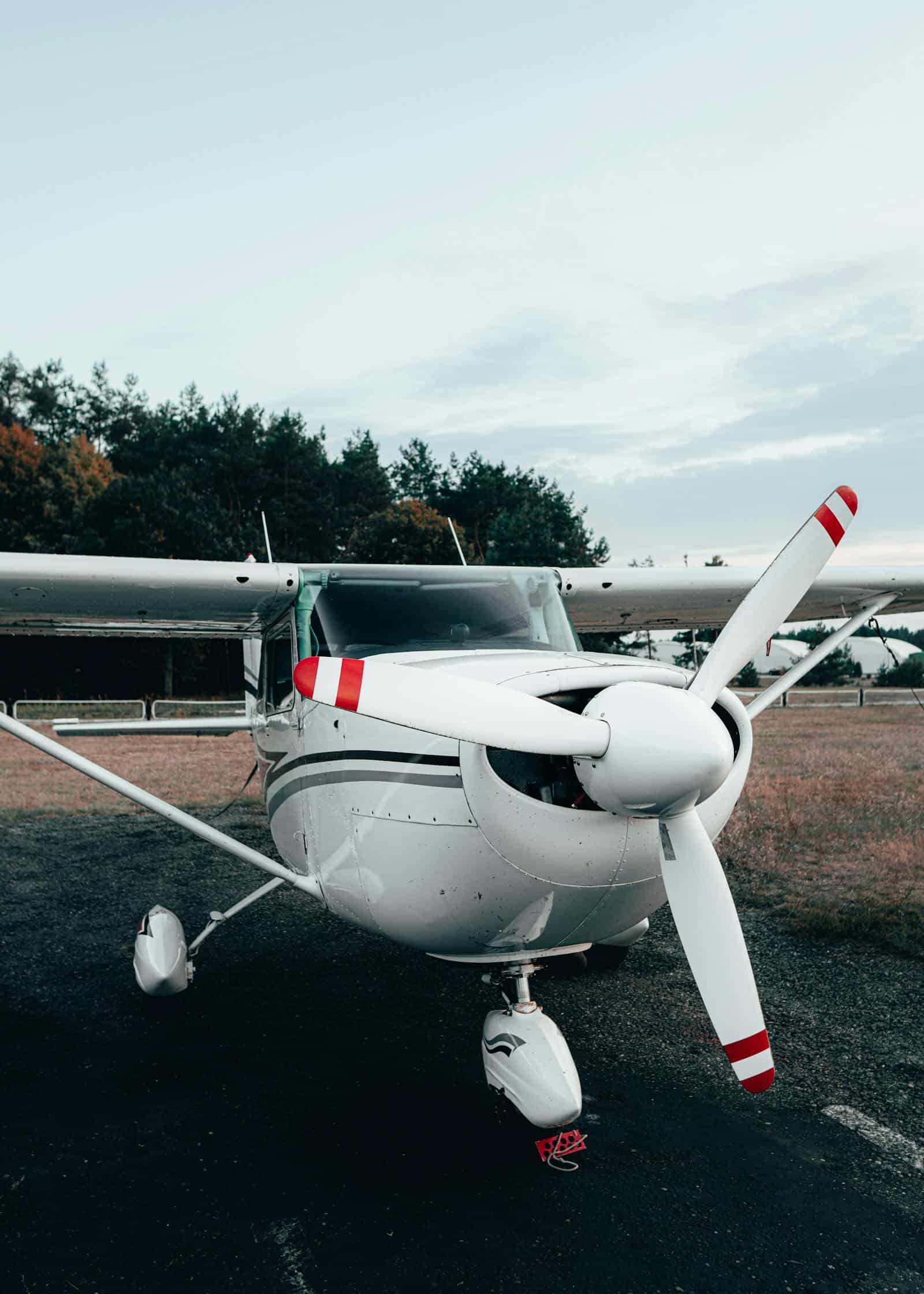
Spotting aging signs boosts aircraft age safety. Fatigue shows as tiny cracks. They hide in joints. Dye penetrant reveals them. Corrosion appears as pits or flakes. It eats metal away. Check under paint. For wood, soft spots indicate rot. Probe with tools. Composites delaminate. Taps sound hollow. UV fades surfaces. Additionally, engines cough from wear. Low compression signals issues. Oil leaks point to seals failing.
Avionics glitch in old planes. Wiring frays over time. Instruments dim. Upgrades fix this. However, structures demand attention. Wings flex more. Rivets loosen. Bolts corrode. Regular torque checks help. Moreover, landing gear wears. Tires bald fast. Shocks sag. Replace as needed. Meanwhile, interiors fade but safety trumps looks. Seats crack. Belts fray. Update for compliance. Therefore, thorough pre-buys matter. Hire experts. They use borescopes inside.
Furthermore, logs tell stories. Gaps suggest neglect. High times need scrutiny. Accident history raises flags. Yet, rebuilds restore youth. Many planes fly post-overhaul. For weather prep, consult Aviation Weather. It aids safe planning. In addition, noise changes warn. Rattles mean loose parts. Vibrations signal imbalance. Address promptly. Consequently, vigilance saves lives. E3 Aviation encourages checks. Join discussions on maintenance.
Maintenance Best Practices for Older Aircraft
Strong maintenance upholds aircraft age safety. Schedule annuals without fail. Certified pros inspect deeply. Additionally, follow manufacturer manuals. They detail intervals. Change oil regularly. It lubes vital parts. Check filters too. Clogs harm engines. Moreover, clean airframes often. Dirt hides damage. Use mild soaps. Avoid harsh chemicals. They strip protections. However, store indoors when possible. Covers shield from elements. Tie-downs secure against winds.
Update components proactively. Avionics age fast. New radios improve comms. GPS adds precision. Furthermore, train on systems. Know quirks of old models. Courses cover specifics. For example, homebuilt community offers workshops. Visit homebuilt community maintenance resources. Meanwhile, log everything. Digital apps help. They track trends. Spot patterns early. Therefore, prevention beats cure. Cost savings follow. Additionally, join owner groups. They share tips. Parts sources emerge.
Besides routine, address ADs promptly. FAA issues them for safety. Non-compliance grounds planes. In addition, consider mods. Strengtheners extend life. For T-34s, spar kits helped. However, weigh costs. Some upgrades pay off. Fuel efficiency rises. Emissions drop. Consequently, older planes modernize. Pilots enjoy benefits. Moreover, insurance favors well-maintained. Rates drop with records. This motivates care. At E3 Aviation, we value upkeep. Explore our community for advice.
Case Studies: Lessons from Past Incidents
Past events teach aircraft age safety lessons. In 2003, a T-34 lost its wing mid-flight. Fatigue caused separation. Two fatalities resulted. Another followed in 2004. Similar issues appeared. FAA issued emergency AD. It mandated inspections. Grounding affected fleets. However, fixes restored airworthiness. Spar reinforcements helped. Today, modified T-34s fly safely. Additionally, other models faced troubles. Aging Cessnas showed corrosion. Wings weakened over time. Owners learned to check often.
Meanwhile, warbirds like T-6 trainers endure. WWII vets still perform. But maintenance is key. Neglect leads to failures. For instance, gear collapses happened. Bolts rusted unseen. Probes prevented repeats. Moreover, composites in new planes delaminate. Impacts from birds cause it. Repairs bond layers. Therefore, post-event checks matter. NTSB reports detail causes. They guide improvements. Furthermore, positive cases exist. Planes over 70 years thrive. Regular overhauls keep them. Owners invest wisely. Consequently, age doesn’t limit if cared for.
Benefits of Choosing Older Aircraft
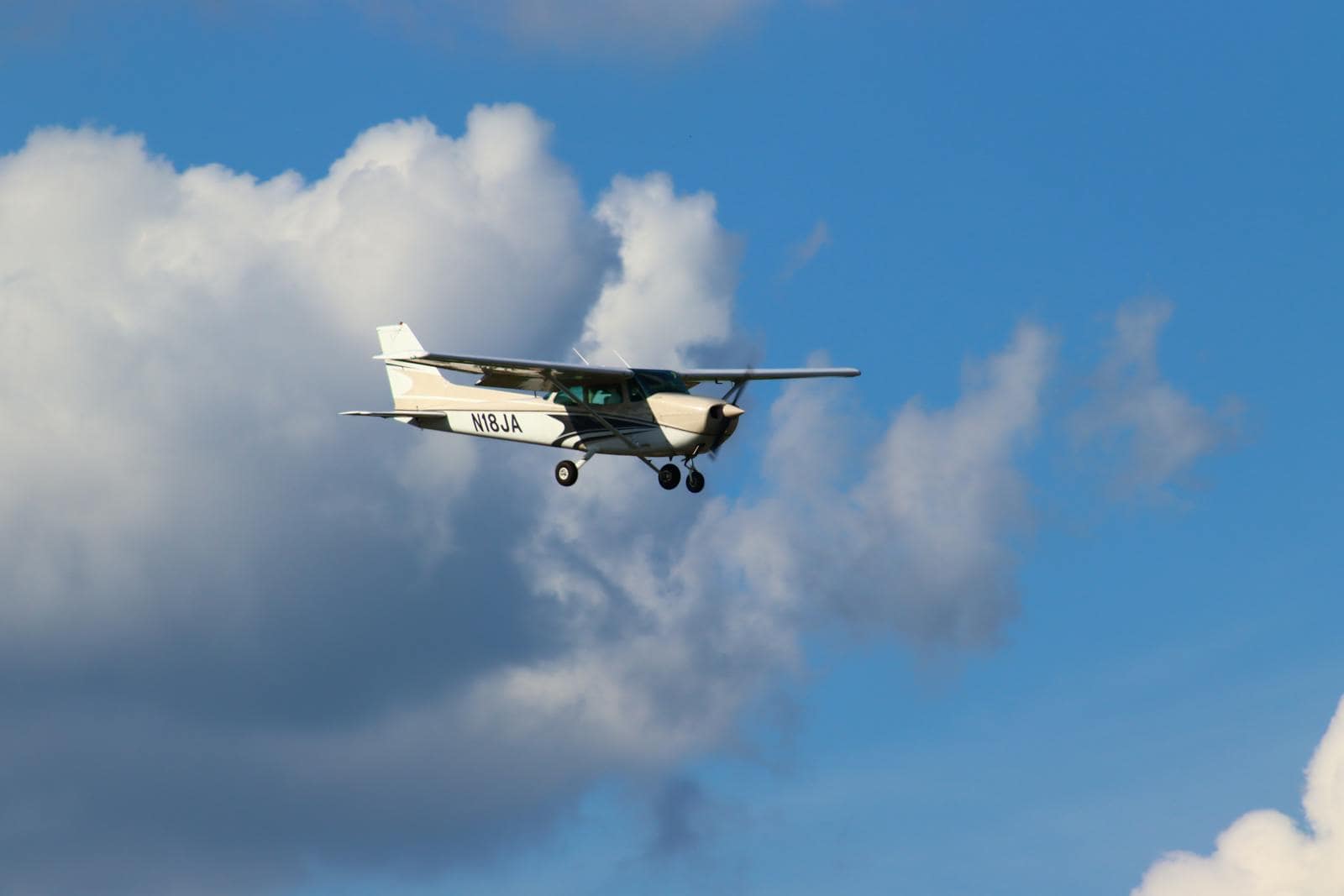
Older planes offer perks despite age concerns. Costs stay lower upfront. New models price high. However, classics depreciate less. Values hold steady. Additionally, parts abound for popular types. Bonanzas have vast supplies. Mechanics know them well. Training eases in. Moreover, character shines through. Vintage cockpits charm. Flying feels authentic. Meanwhile, reliability matches if maintained. Many outlast designs. FAA data supports this. Therefore, smart buys reward.
Furthermore, communities rally around oldies. Fly-ins celebrate heritage. Stories swap freely. In addition, mods enhance. Engines upgrade power. Props boost efficiency. Avionics modernize nav. Consequently, hybrids emerge. Best of both worlds. However, select carefully. Pre-buys uncover hidden woes. Logs reveal history. Test flights confirm feel. For living near planes, read our residential airparks article. It ties into passion. Moreover, insurance covers well-kept ones. Rates reflect care. This encourages upkeep.
Future Trends in Aircraft Age Safety
Looking ahead, aircraft age safety advances. New materials promise longevity. Advanced composites resist wear. They lighten loads too. Additionally, AI monitors health. Sensors predict failures. Apps alert owners. Moreover, regulations tighten. FAA eyes older fleets. More ADs may come. However, tech eases compliance. Digital twins simulate stress. Designs improve fast. Meanwhile, sustainability drives changes. Eco-fuels extend engine life. Recyclables enter builds.
Furthermore, training evolves online. Sims teach maintenance. VR immerses users. Knowledge spreads wide. In addition, global data shares insights. Clouds store reports. Analytics spot trends. Therefore, safety rises collective. Yet, challenges persist. Costs for updates. Small ops struggle. Grants may help. Additionally, electric planes emerge. Batteries replace old motors. Noise drops. Range grows. Consequently, fleets refresh. E3 Aviation tracks trends. For cyber safety, see our cybersecurity in aviation article.
Remember, age measures care, not years. With diligence, planes soar long. Join E3 Aviation’s lively group. We cherish shared zeal. Learn more about aviation safety today!
For more E3 Aviation resources, be sure to visit: https://e3aviationassociation.com
How Aircraft Age Affects Operations
Aircraft age affects operations differently than automobile age. Properly maintained 50-year-old aircraft can be safer than poorly maintained 5-year-old aircraft. The maintenance history matters more than the calendar age.
What to Look For in Older Aircraft
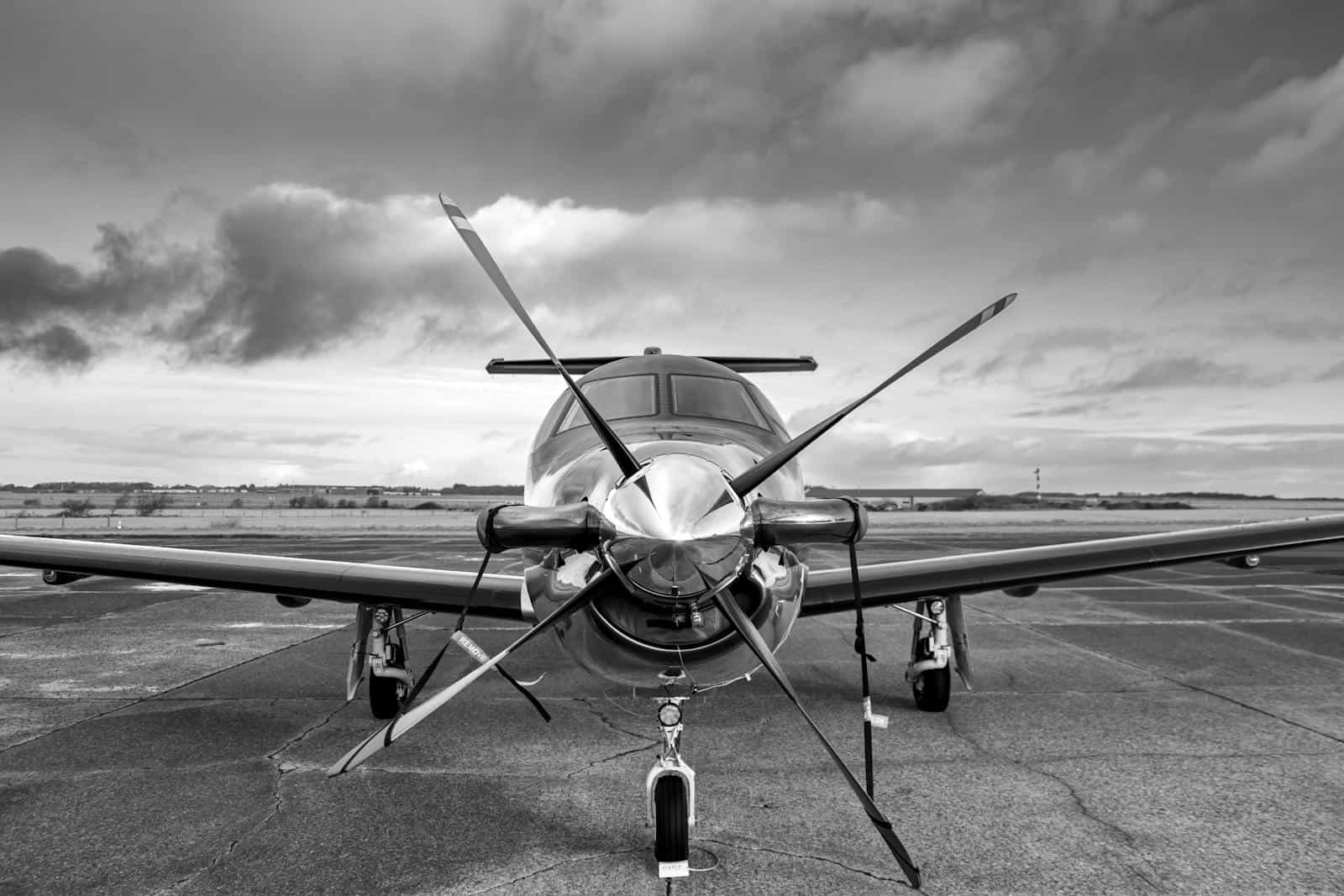
Older aircraft can be excellent values when chosen carefully. Look for thorough maintenance records, recent engine overhauls, modern avionics installations, and corrosion-free airframes. Aircraft meeting these criteria can deliver decades of additional service.
The E3 Aviation Editorial Team writes for owner-pilots, student pilots, and the small aircraft community. We focus on practical, real-world content that respects your time and your training. Learn more about E3 Aviation.
Last Updated: 2026-05-14
Related Articles
Practical Application of These Concepts
The aviation discipline rewards pilots who apply concepts deliberately rather than reading passively. The pilots who progress fastest in any aviation specialty are those who treat each piece of new knowledge as raw material for actual practice. Build the habit of converting reading into action.
Most pilots underestimate how much their skill development depends on deliberate practice versus accumulated hours. Hours alone produce competence in routine operations. Deliberate practice produces excellence and the resilience that handles non-routine situations safely.
Building Long-Term Aviation Competence
Long-term competence develops through patterns sustained over years and decades. The pilots who maintain currency through varied practice rather than monotonous repetition develop more transferable skills. The pilots who engage with multiple aviation disciplines develop broader competence than specialists. The pilots who maintain mentor relationships through their careers benefit from external perspective.
Each of these patterns requires conscious choice. None happens accidentally. The pilots who flourish over long careers made the choices early and sustained them through the inevitable periods when other priorities competed for attention.
The Cumulative Effect of Daily Disciplines
The aviation safety record reflects the cumulative effect of millions of daily disciplines by individual pilots. Each pre-flight inspection. Each weather briefing. Each procedural execution. Each post-flight reflection. The individual acts seem small but their cumulative effect determines whether aviation works as a safe transportation system.
Pilots who recognize their daily choices as contributions to that broader system tend to behave differently than pilots who treat aviation as personal entertainment. The recognition matters for outcomes both at the individual and system level.
Resources for Continued Development
Several resource categories support continued pilot development. FAA online learning materials provide structured education at no cost. Aviation publications maintain ongoing coverage of industry developments. Type clubs and pilot communities share specialized knowledge. Professional training programs offer structured advancement.
The pilots who engage with multiple resource categories tend to develop more comprehensive understanding than pilots who rely on a single source. The variety helps fill gaps and provides multiple perspectives on common topics.
Final Thoughts on Long-Term Pilot Development
Every pilot reading this article exists somewhere on a learning trajectory that continues throughout their flying life. The choices made consistently over years determine where the trajectory leads. The pilots who choose engagement, learning, and humility tend to find aviation continuously rewarding. The pilots who choose minimum compliance, surface engagement, and complacency tend to find aviation eventually frustrating.
The choice belongs to each pilot. Make it consciously. The cumulative effect over decades is what shapes whether your aviation career delivers what you hoped it would when you started.