The Daher TBM 960 represents the pinnacle of owner-flown turboprop aviation — a single-engine pressurized aircraft that combines 330-knot cruise speed, full Garmin Autoland capability, and a factory support network that serious pilots trust with their lives. If you’re evaluating turboprops in the $4–5 million range, the Daher TBM 960 is the benchmark everything else gets measured against.
Last Updated: May 3, 2026 | By: The E3 Aviation Editorial Team
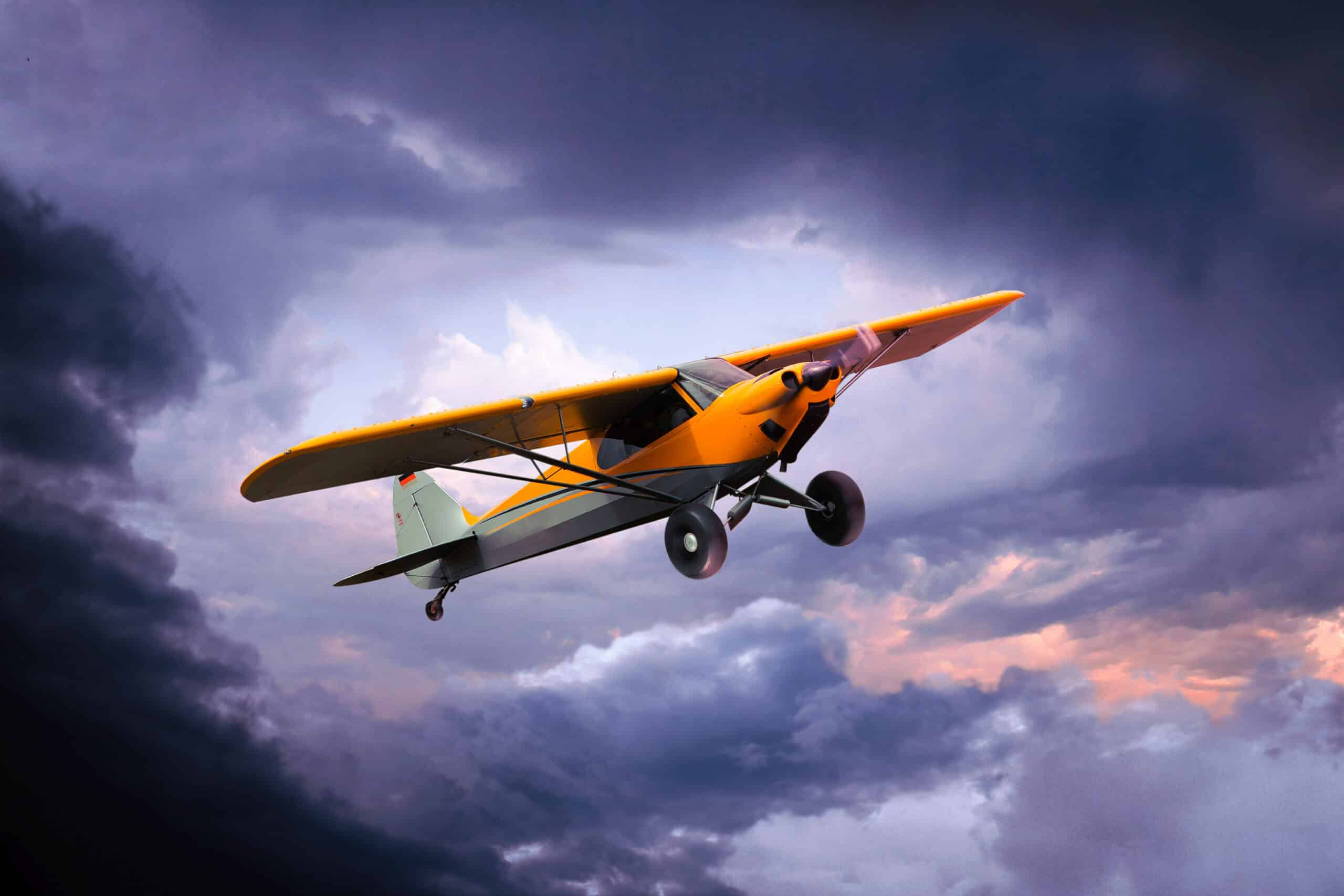
Daher has built one of the most respected turboprop lineups in general aviation. From the TBM series — which evolved from the original TBM 700 into the current TBM 960 flagship — to the Kodiak 900 utility turboprop, Daher’s aircraft represent milestones in owner-flown performance, reliability, and capability. However, understanding why pilots consistently choose these airplanes requires more than reading a spec sheet. It requires understanding the engineering decisions behind three decades of turboprop development.
The TBM Family: A Turboprop Legacy
Daher’s TBM program started in 1990 with a partnership between Socata and Mooney. The TBM 700 entered service with a Pratt & Whitney Canada PT6A-64 engine producing 700 shaft horsepower — hence the model designation. That original airplane cruised at roughly 270 knots and carried four passengers in a pressurized cabin. For its era, it was extraordinary.
TBM 700 Through TBM 910: The Evolution
Daher refined the design incrementally over the following two decades. The TBM 850 raised the engine to 850 SHP and pushed cruise speed to 320 knots. The TBM 900 introduced a five-blade composite propeller and aerodynamic refinements that reduced drag and improved climb rates. The TBM 910 brought Garmin G3000 avionics — the same touchscreen platform found in much larger aircraft — to the single-engine turboprop segment. Each generation kept the core airframe geometry while layering on meaningful capability improvements.
Notably, Daher absorbed Socata fully in 2009, consolidating the TBM program under a single French aerospace company with deep roots in both general aviation and commercial airframe manufacturing. That industrial backing matters for parts availability and long-term support commitments.
TBM 940: Autoland Arrives
The TBM 940, introduced in 2019, brought Garmin Autolanding to single-engine owner-flown aircraft for the first time. This system — branded ESP (Electronic Stability and Protection) combined with Garmin’s Autoland — can autonomously fly the aircraft to a runway, communicate with ATC, brief passengers via the intercom, and execute a full approach and landing without pilot input. For single-pilot IFR operations, this changed the safety calculus fundamentally. Visit our dedicated coverage of Garmin Autoland activation for a full breakdown of how the system works.
The TBM 960: Current Flagship of the Daher TBM Line
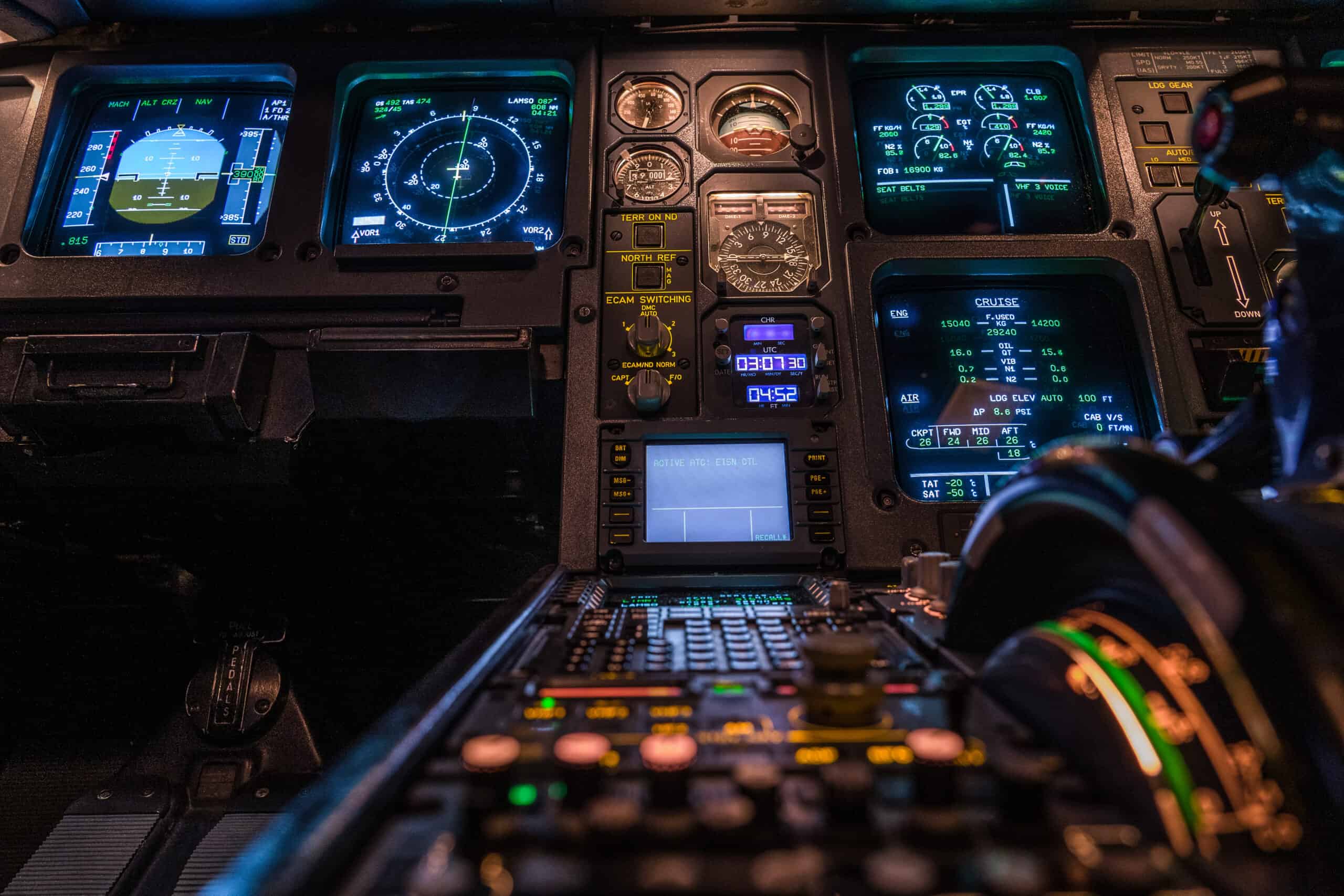
The Daher TBM 960 debuted at EAA AirVenture Oshkosh in July 2022. Its defining feature is the Pratt & Whitney Canada PT6E-66XT engine — a full authority digital engine control (FADEC) powerplant that eliminates the traditional power lever management pilots previously needed to master. The engine manages torque limits, temperature limits, and propeller speed automatically. Pilots set a power target and the engine does the rest.
TBM 960 Performance Specifications
The numbers speak for themselves. Maximum cruise speed reaches 330 knots true airspeed at FL280. Climb rate exceeds 1,800 feet per minute from sea level. Service ceiling is 31,000 feet — above most weather and well into smooth air on long legs. Range with reserves stretches to 1,730 nautical miles, enabling single-stop transcontinental flights at altitudes where weather is rarely an issue.
The PT6E-66XT produces 1,825 shaft horsepower at takeoff, making the TBM 960 the most powerful single-engine turboprop in the owner-flown category. However, power alone doesn’t explain why the Daher TBM 960 commands a premium. The FADEC integration changes the pilot workload profile significantly — startup requires fewer steps, power management is more precise, and the engine protection logic prevents exceedances that would require expensive inspection events.
TBM 960 Avionics and Cabin
The Garmin G3000 NXi avionics suite comes standard with three 14-inch touchscreen displays, SVT synthetic vision, ADS-B In and Out, and full Autoland capability carried over from the TBM 940. Garmin’s Autonomi flight deck integrates weather, terrain, and traffic data into a single coherent picture. The Emergency Autoland system activates via a dedicated button in the cabin that any passenger can press — it then handles all ATC communication, approach selection, and landing execution autonomously.
Inside, the TBM 960 seats up to six occupants in a pressurized cabin that maintains a 6,000-foot cabin altitude at FL300. Daher redesigned the interior for 2022 with improved soundproofing, updated seat materials, and USB-A and USB-C charging at every seat position. The baggage compartment holds 100 pounds — modest by charter aircraft standards, but adequate for owner-flown missions with two to four passengers.
TBM Milestone Deliveries
Daher delivered its 1,000th TBM in 2017 — a milestone that validated the commercial viability of the single-engine pressurized turboprop market. By 2023, total TBM deliveries had crossed 1,100 units, with TBM 960s accounting for a growing share of new orders. That fleet size matters for owner-pilots: a large installed base means active owner forums, established maintenance networks, and competitive used market pricing when the time comes to upgrade.
The resale market for TBM aircraft reflects their outstanding reputation for reliability and performance. Well-maintained TBM 900 and TBM 940 aircraft hold value significantly better than competing piston aircraft. Our take: the TBM’s residual value story is one of its most underrated selling points. Too many pilots fixate on purchase price and completely ignore the five-year ownership cost picture. When you factor resale into the full equation, the long-term TBM ownership picture improves considerably.
The Kodiak 900: Utility Turboprop Evolved
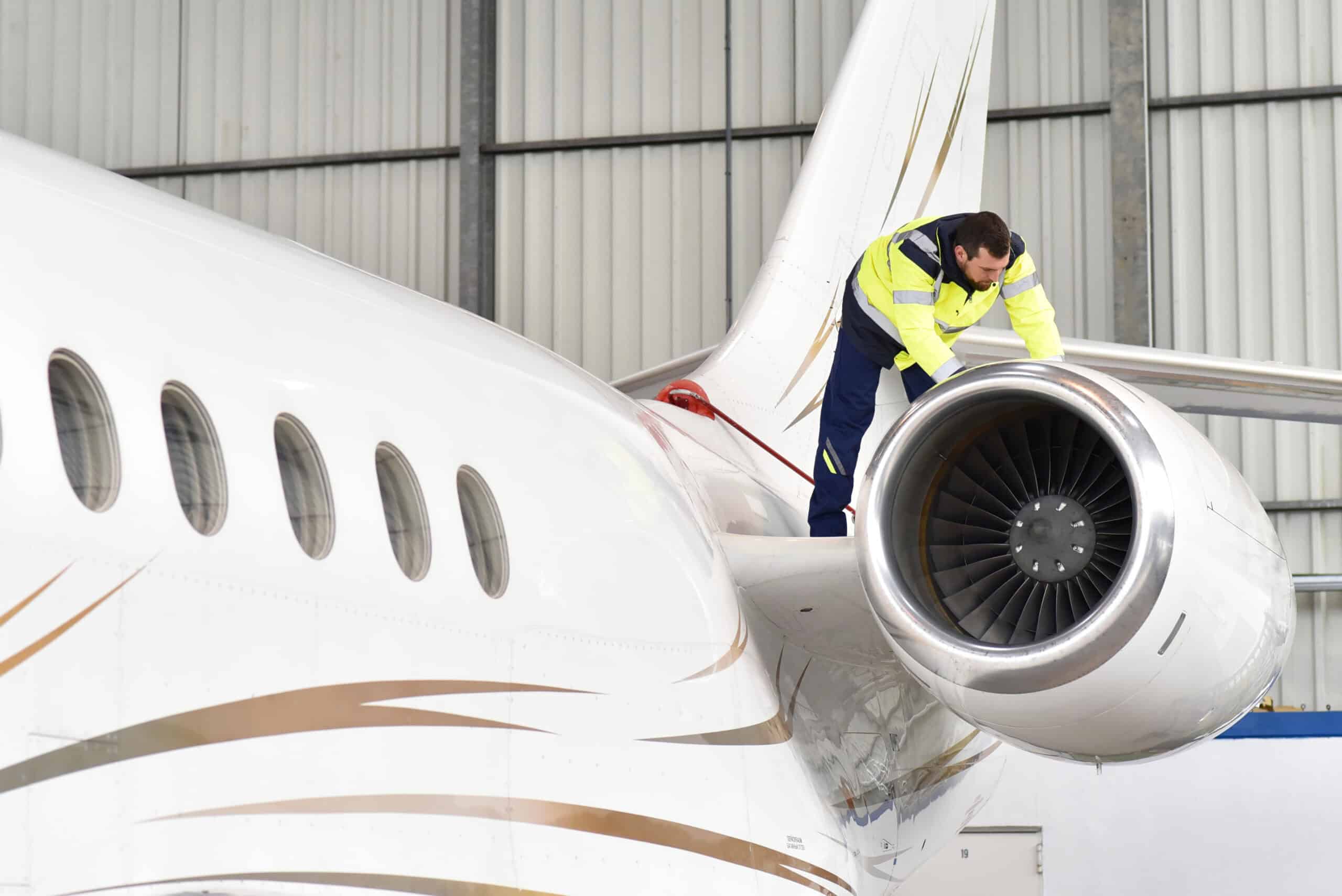
Daher acquired the Kodiak program from Daher Aerospace in 2020, integrating it alongside the TBM line. The Kodiak 900 serves an entirely different mission profile than the TBM — it’s a high-wing STOL utility aircraft designed for backcountry access, cargo operations, and missions where the destination runway is a gravel strip rather than a towered airport.
What Makes the Kodiak Different
The Kodiak 900 uses a Pratt & Whitney Canada PT6A-140A engine producing 900 SHP — more torque than the TBM platforms but optimized for short-field performance rather than cruise speed. The aircraft features leading-edge slats, a large cargo door, and a cabin configurable for up to 10 seats or pure cargo use. Useful load exceeds 3,200 pounds, enabling meaningful payload-range flexibility that no TBM variant can match.
Short-field performance is exceptional. The Kodiak 900 clears a 50-foot obstacle in under 1,300 feet of ground roll. Landing over a 50-foot obstacle requires fewer than 900 feet. For operators serving remote communities or wilderness destinations, these numbers are the entire value proposition.
Kodiak 900 Performance Highlights
Cruise speed reaches 210 knots at FL180 — considerably slower than the TBM family, but entirely appropriate for the Kodiak’s mission. Service ceiling is 25,000 feet. Range with maximum payload and reserves extends to approximately 800 nautical miles. The G1000 NXi avionics suite provides a capable IFR glass cockpit that mission operators can rely on for approaches into weather-affected backcountry airports.
Operating Costs: What TBM and Kodiak Ownership Actually Costs

Budget approximately $700–$850 per flight hour for a TBM 960 in typical owner operation. This includes fuel at typical consumption (53–58 gallons per hour at cruise), engine reserve contributions, maintenance reserves, and insurance. Annual fixed costs — hangar, insurance, training, scheduled maintenance — typically run $80,000–$120,000 depending on usage and location.
The engine overhaul reserve deserves specific attention. Daher and Pratt & Whitney Canada offer a Power Advantage Plus (PAP) engine program that covers the PT6 to TBO and provides cost predictability. Enrolling in PAP at purchase eliminates the uncertainty of an unplanned $400,000+ engine event. Most lenders and insurers view PAP enrollment favorably, and it meaningfully improves aircraft resale value.
For the Kodiak 900, operating costs run lower per hour given the aircraft’s slower cruise speed and lower fuel burn, but mission profiles often involve more cycles — and short-field operations accelerate some component wear. Budget $500–$650 per flight hour for typical Kodiak 900 operation.
Daher TBM vs. the Competition
In the owner-flown single-engine turboprop segment, the Daher TBM 960 competes primarily with the Pilatus PC-12 NGX and the Beechcraft Denali. The PC-12 offers a larger cabin and greater payload but slower cruise speed. The Denali — currently in early customer deliveries — counters with a comparable cabin and competitive performance, but lacks the TBM’s 30-year track record and established resale market.
For pilots who prioritize outright speed and proven residual values, the Daher TBM 960 remains the segment leader. For pilots whose missions demand maximum payload or STOL capability, the Kodiak 900 is the logical choice. The two aircraft address entirely different markets — which is precisely why Daher’s acquisition of the Kodiak program made strategic sense. Learn more about how turboprop platforms compare in our guide to single-engine turboprop aviation.
We’ll be straight with you: the TBM 960 is not the right aircraft for every mission or every pilot. If you fly primarily day VFR, under 300 nm, with two passengers, a well-equipped piston single costs a fraction of the operating budget. The TBM earns its premium on long IFR legs, in demanding weather, with passengers who value arriving rested. Match the aircraft to your actual mission before writing the check. For more on fractional access and ownership structures, see our overview of fractional aircraft ownership.
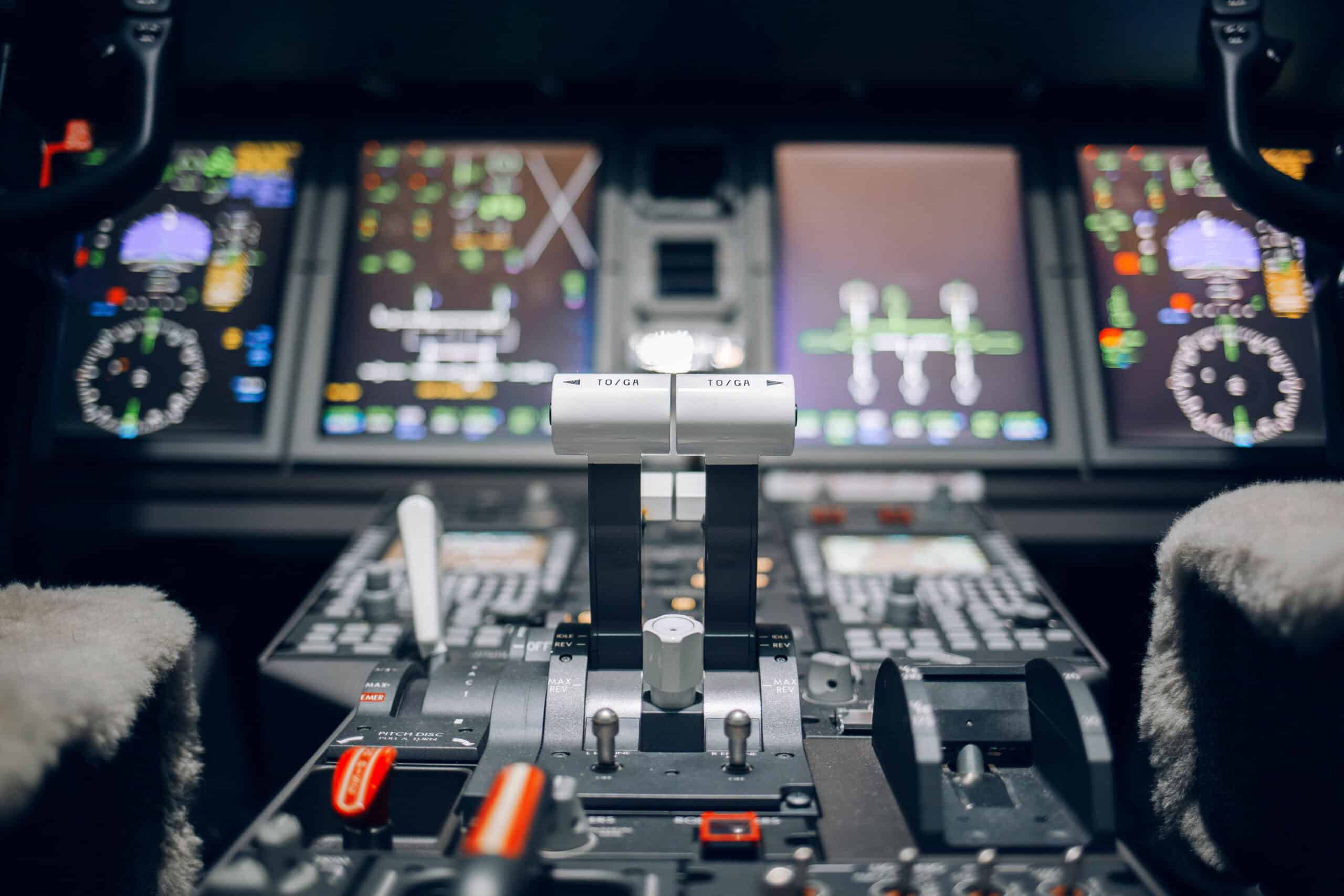
Training and Transition for Daher TBM 960 Pilots
The Daher TBM 960 requires a complex, high-performance endorsement for pilots below 12,500 lbs MTOW — but since the TBM sits just under that threshold, it does not require a type rating. That makes the TBM uniquely accessible among turboprops. Pilots transitioning from a Cirrus SR22T or Piper Meridian can complete initial TBM training in five to seven days through SimCom or FlightSafety International without a formal type rating checkride.
However, accessible does not mean easy. Daher and most insurance underwriters require factory-approved initial training before first flight. SimCom’s TBM course covers FADEC engine management, pressurization system operation, emergency procedures, and instrument approaches in the G3000 avionics environment. Recurrent training runs annually and costs approximately $5,000–$8,000 depending on simulator time.
The FADEC engine system simplifies many traditional turbine pilot tasks. Torque limiting, temperature protection, and propeller overspeed protection are all automatic. That said, pilots still need to understand what the FADEC is doing and how to respond if it fails. The training curriculum covers FADEC degraded modes — a scenario that rarely occurs in practice but requires solid understanding when it does.
Honestly, the TBM community deserves more credit than it typically gets. Owner-flown turboprop pilots — particularly TBM owners — tend to be among the most disciplined about recurrent training in all of GA. The active TBM Owner-Pilot Association (TBMOPA) runs safety seminars, maintains standardized training resources, and provides a peer network that new TBM pilots can leverage immediately after purchase. For any pilot entering the TBM fleet, TBMOPA membership is essentially mandatory — not because anyone requires it, but because it’s genuinely valuable.
Additionally, simulator access has improved significantly for TBM pilots in recent years. Full-motion Level D simulators for the TBM 960 are now available at multiple SimCom locations across the United States, making recurrent training logistically straightforward even for pilots based far from major aviation hubs. That availability reinforces the TBM’s position as the most pilot-friendly high-performance turboprop on the market today. For more on professional pilot resources, certification pathways, and aircraft systems training, visit E3 Aviation Association — built by pilots, for pilots advancing their skills and safety culture in general aviation.
Frequently Asked Questions
What is the cruise speed of the Daher TBM 960?
The Daher TBM 960 achieves a maximum cruise speed of 330 knots true airspeed at FL280 with the PT6E-66XT FADEC engine. Most owners report 315–325 knots in typical cruise profiles at FL240–FL260, balancing fuel efficiency with speed.
How does the TBM 960 FADEC engine work?
The PT6E-66XT’s full authority digital engine control (FADEC) automatically manages torque, temperature, and propeller speed within certified limits. Pilots set a power lever position and the FADEC handles all limit protection. This eliminates the risk of engine exceedances during high-demand phases like takeoff and significantly reduces single-pilot workload in IMC.
Is the Kodiak 900 the same aircraft as the Quest Kodiak?
Yes — Daher acquired the Kodiak program from Quest Aircraft in 2020. The Kodiak 900 is a refined evolution of the original Quest Kodiak 100, featuring the more powerful PT6A-140A engine and updated Garmin G1000 NXi avionics. Daher integrated the Kodiak into its support network alongside the TBM line.
E3 Aviation Editorial Team
The E3 Aviation Association editorial team is made up of licensed pilots, aviation educators, and industry professionals dedicated to advancing general aviation safety, community, and education. Learn more about E3 Aviation.
For more in-depth coverage of turboprop aircraft, owner-flown operations, and GA pilot education, explore the full library at E3 Aviation Association — and subscribe to the E3 Aviation YouTube channel at @E3AviationAssociation for video content on turboprop operations and pilot training.