The single-engine turboprop aircraft category sits at the intersection of capability and economics. These airplanes carry six to nine passengers, cruise at jet-adjacent speeds, climb to flight levels, and operate from runways that exclude every light jet. For owner-operators with serious mission profiles, they’re the most flexible airframes in general aviation.
This guide covers the modern single-engine turboprop market — what these aircraft do, who flies them, what they cost to own, and how the main players compare. If you’re considering moving up from a piston single or down from a light jet, this is the category that probably deserves a closer look.
What Defines a Modern Single-Engine Turboprop
A single-engine turboprop is exactly what it sounds like — one turbine engine driving a propeller. The category has been around since the 1960s, but the modern interpretation centers on three airframes that dominate the market: the Pilatus PC-12, the Daher TBM, and the Cessna Caravan family. Each is designed around a slightly different mission profile.
The defining characteristics are turbine reliability, pressurization, and high-altitude cruise capability. Turbine engines have dramatically lower in-flight failure rates than piston engines — the Pratt & Whitney PT6 family that powers most of these aircraft has logged hundreds of millions of operating hours with a well-documented safety record.
Compared to piston twins, single-engine turboprops offer simpler operation, fewer systems to manage, and lower fuel costs. Compared to light jets, they offer shorter takeoff and landing distances, lower acquisition cost, and turboprop maintenance economics. The owner who wants jet-class capability without jet-class costs lands in this category.
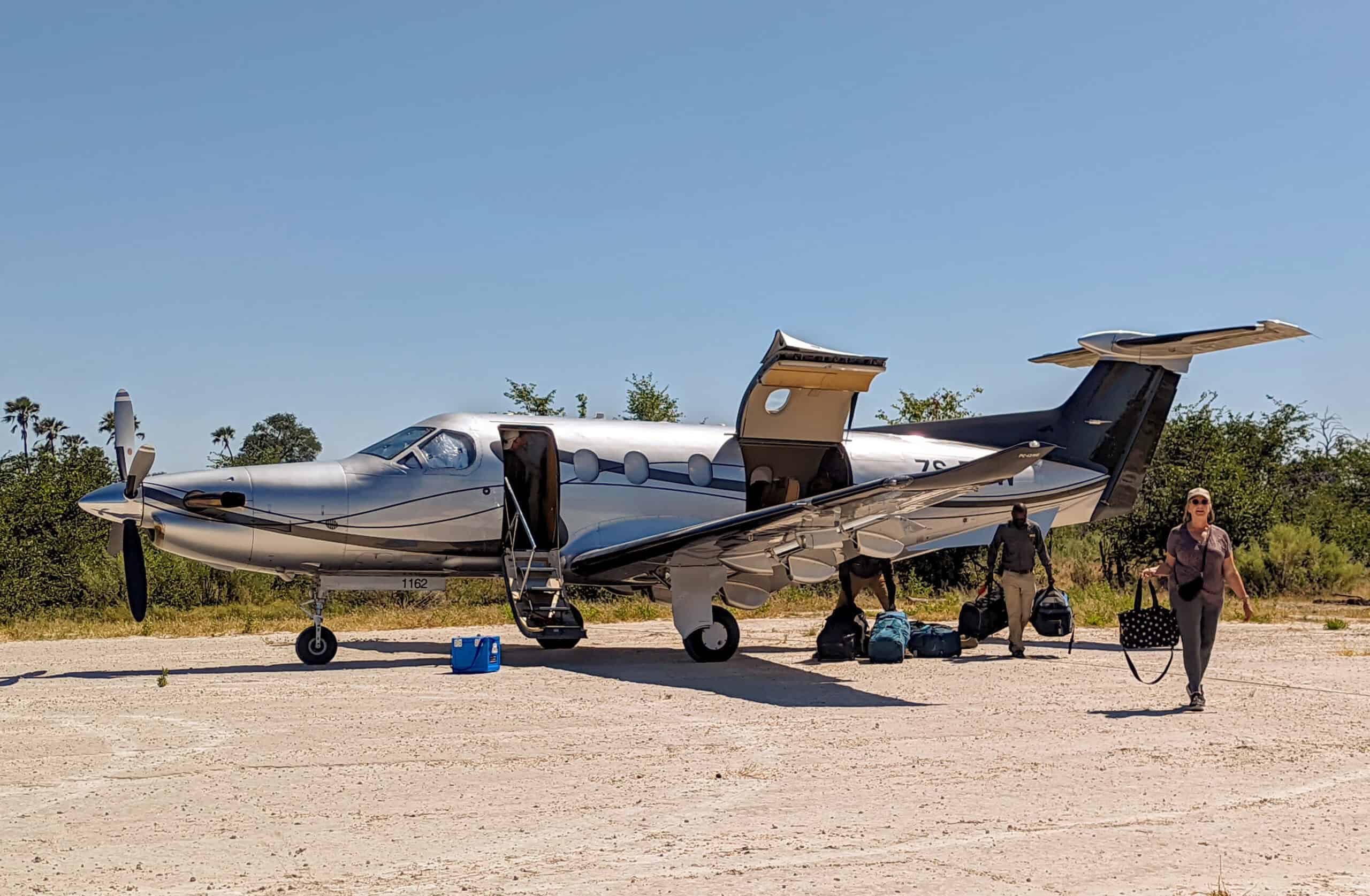
The Pilatus PC-12: The Cargo and Mission Specialist
The Pilatus PC-12 is the dominant aircraft in the category by sales volume and is built around mission flexibility. The flat-floor cabin, large rear cargo door, and reconfigurable interior make it usable for mixed passenger and freight missions. Cruise speed runs around 290 knots true, with range near 1,800 nautical miles.
PC-12 owners include ranch operators, regional medical operators, family travelers, and small charter operations. The airframe handles unimproved strips, high-density-altitude operations, and short-field departures better than competitors. Owners typically fly 200–400 hours per year, and the airframe holds resale value well.
Acquisition cost for a new PC-12 NGX runs $5.7–$6.5 million depending on equipment. Pre-owned PC-12s start around $1.5 million for early-1990s airframes and run to $4–5 million for late-model NGX variants. Direct operating cost is roughly $700–$900 per hour.
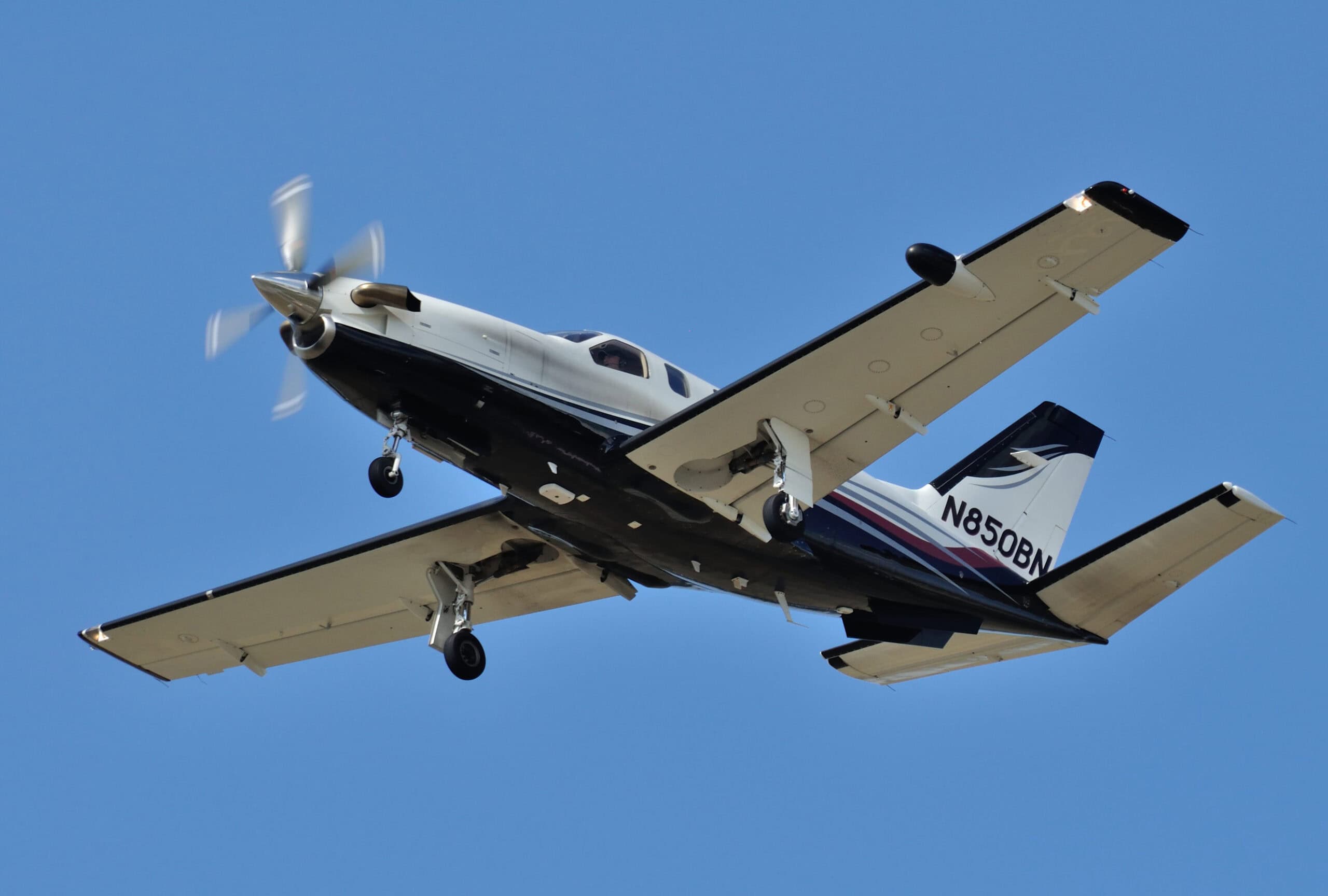
The Daher TBM: The Speed Champion
The Daher TBM family (most recently the TBM 960) is the speed leader in the category. Cruise speed of 330 knots true airspeed is the fastest in single-engine turboprops, with range up to 1,730 nautical miles. The cabin is smaller than a PC-12 — designed for 4–6 passengers — but the cockpit-forward design and high cruise make it the choice for owner-operators who prioritize point-to-point speed.
The TBM’s strength is the mission profile of a successful executive owner-pilot — flying themselves and family or business associates between mid-sized airports at speeds approaching light jets. Owners tend to be experienced pilots, often transitioning down from light jets or up from high-performance pistons. The aircraft is single-pilot certified and uses the same PT6 engine family as the PC-12 in a more powerful variant.
Acquisition cost for a new TBM 960 runs $4.5–$5 million. Pre-owned TBMs are available across a wide range — late-1990s TBM 700s start around $700,000, while late-model TBM 940s and 960s command $3–$4.5 million. Direct operating cost is in the same $700–$900 per hour range as the PC-12.
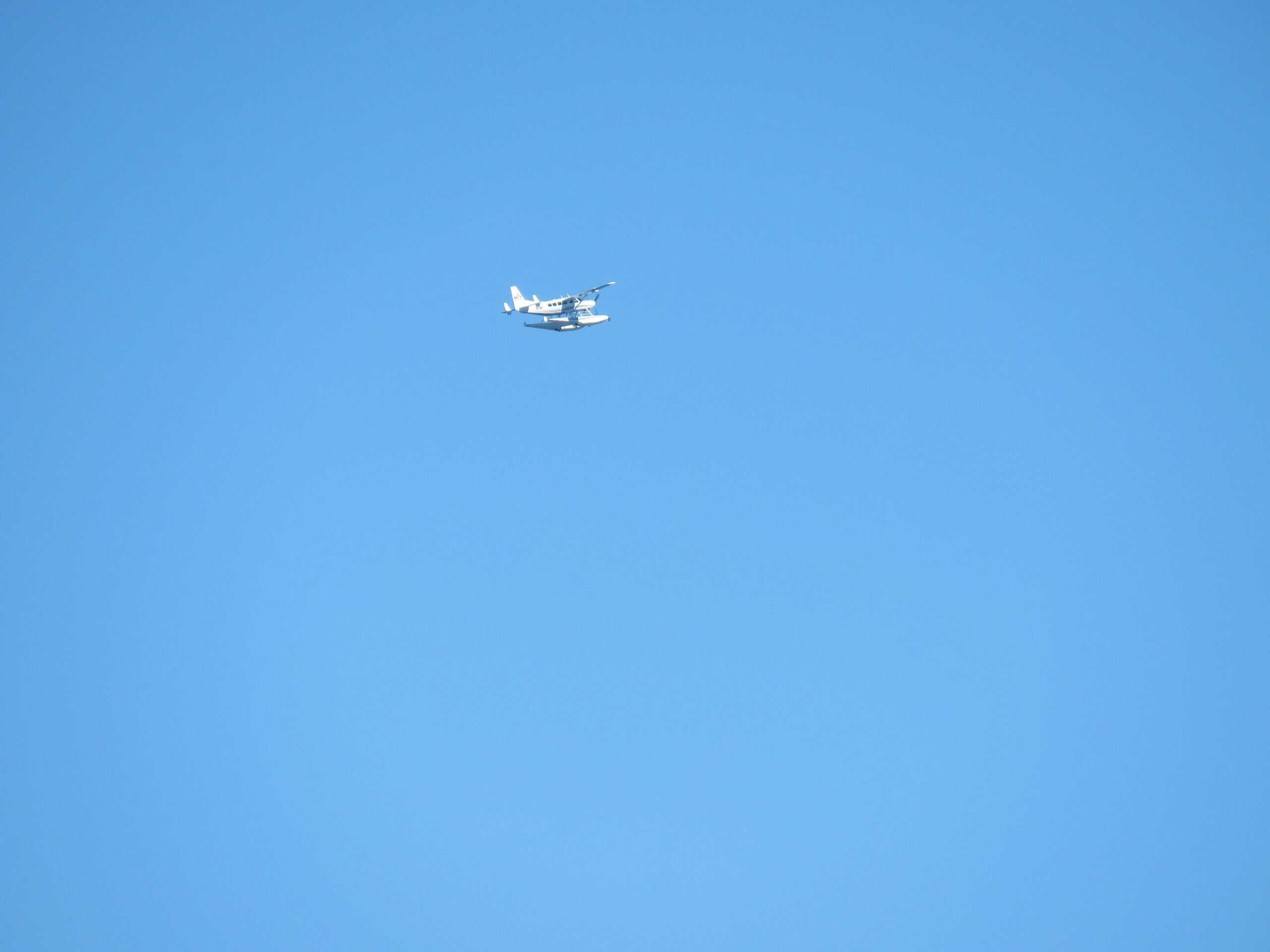
The Cessna Caravan: The Utility Workhorse
The Cessna Caravan (208 series) is the utility specialist. Unpressurized, slower (180–185 knots true cruise), but capable of carrying massive payloads into small airports. Caravans dominate cargo operations (think FedEx Feeder), float and amphibian configurations, parachute jump operations, and bush flying. They’re also flown as personal aircraft, particularly in operations that prioritize cargo or unimproved-strip capability over cruise speed.
The Caravan’s PT6A-114A engine is the workhorse variant of the family, with a long operating history and well-known maintenance economics. Caravans operate from gravel strips, grass, snow, and water (on floats). The cargo pod under the fuselage adds significant capacity for gear-heavy missions.
Acquisition cost for a new Caravan EX is around $2.7–$3 million. Pre-owned Caravans are common in the $1–$2 million range, depending on configuration and total time. Direct operating cost runs $500–$700 per hour, making it the least expensive of the three categories to operate.
Who Actually Flies Single-Engine Turboprops
The owner-pilot population in this category breaks into a few archetypes. Successful business owners who travel frequently between mid-sized airports tend to land in TBMs or PC-12s. Ranchers, lodge operators, and outdoor enthusiasts who need to reach remote properties tend to land in PC-12s or Caravans. Medical operators and small charters typically operate PC-12s. Cargo and parachute operations run Caravans.
The common thread is mission frequency. Single-engine turboprops make economic sense at 200+ hours per year of utilization. Below that, the cost per hour becomes hard to justify. Many turboprop owners are former piston-single owners who hit a utilization wall and moved up rather than buy a second piston twin.
The pilot population is typically experienced — most turboprop owners have 1,000+ hours when they enter the category. Insurance underwriters require specific transition training (usually 25–50 hours of mentor-pilot time), recurrent simulator training annually, and a type rating where applicable.
The Type Rating and Training Requirements
Aircraft with maximum gross weight above 12,500 pounds require a type rating under FAR 61.31. The PC-12 falls above that threshold; the TBM is just below; the Caravan varies by variant. Where a type rating is required, the training is well-established — typically 7–10 days of classroom and simulator training at FlightSafety or SimCom, followed by aircraft transition with a mentor pilot.
Even where no type rating is required, insurance carriers effectively mandate equivalent training. Most underwriters require recurrent simulator training annually, plus a mentor-pilot period for low-time-in-type operators. Skipping the training pathway isn’t a financial option.
The good news: the training pathway is predictable, the simulator quality is excellent, and the pilot population that emerges is well-prepared. Single-engine turboprops have an excellent owner-flown safety record, and the training infrastructure is a major reason why.
Operating Cost: What’s Real
Direct operating cost includes fuel, scheduled maintenance reserves, and engine reserves. For a PC-12 or TBM, that’s typically $700–$900 per hour at current jet-A prices. Caravans run $500–$700 per hour. Fixed costs — hangar, insurance, annual inspection, recurrent training — add $150,000–$300,000 per year depending on aircraft and utilization.
Total annual ownership cost for a moderate utilization profile (200 hours per year) lands in the $400,000–$700,000 range. That’s expensive relative to a piston single, but cheap relative to a light jet flying the same mission. For owners whose mission justifies the capability, the economics work.
Fuel is the largest variable. PT6-family engines burn 50–80 gallons per hour at typical cruise altitudes, much less than turbojet equivalents but more than turbocharged piston twins. As Jet-A prices fluctuate, the operating cost equation shifts.
The Insurance Picture for Single-Engine Turboprop Owners
Insurance for single-engine turboprop owners follows a predictable pattern. Underwriters evaluate total time, type-specific time, currency, and recurrent training. New owners with limited type time pay substantially higher premiums than experienced owners — typically 30–50% more in the first year, dropping as the owner builds type-specific hours.
A typical insurance scenario for a new PC-12 owner with 1,500 hours total time and 50 hours in type: $25,000–$40,000 annual premium for hull and liability, depending on hull value and limits. The same owner two years later, with 250 type-specific hours, would typically see the premium drop to $15,000–$25,000. The underwriter’s risk model reflects the actual safety record of the type, which improves with type-specific experience.
Recurrent training requirements are non-negotiable. Most underwriters require annual simulator-based recurrent training, mentor-pilot requirements for low-time owners, and minimum currency standards (typically 10 hours per quarter in type). Owners who let their type currency lapse face premium increases or coverage limitations.
Operating Profile: How Owners Actually Fly
The owner-flown single-engine turboprop typically logs 200–400 hours per year. Below 150 hours, the cost-per-hour math is hard to justify versus chartering. Above 400 hours, the airframe is approaching commercial-utilization profiles that may justify a co-pilot or transition to a larger aircraft.
The mission mix varies dramatically by owner. Some fly almost exclusively short-leg trips (300–500 nautical miles) between mid-sized airports. Others log multi-leg cross-countries that exercise the airframe’s full range. Family travel, business travel, and recreational missions all show up in the data.
Owner-pilots typically fly more weekends than weekdays, which means insurance models for non-commercial single-engine turboprops are calibrated to a different risk profile than fleet operators. The owner-pilot accident rate has improved meaningfully over the last decade as recurrent training infrastructure has matured.
The Transition Path: Piston to Turboprop
The transition from a high-performance piston single (think Cirrus SR22, Bonanza A36, Cessna 210) to a single-engine turboprop is a real step up. The training pathway addresses the differences systematically: pressurization systems, high-altitude operations, turbine engine handling, FADEC operation, and the operational discipline that comes with high-speed cruise.
Pilots commonly underestimate the cognitive workload differences. A piston cross-country at 7,500 feet at 170 knots gives the pilot time to think. A turboprop cross-country at FL250 at 290 knots compresses every decision point — you cover ground faster, weather changes faster, and approaches set up faster. The training compensates, but the operational mindset shift is the harder transition.
The cost transition is the other adjustment. Owners moving from a $1.5M Cirrus to a $3M TBM are doubling the operating cost as well as the capital. The math has to support the mission. Owners who move up before the mission justifies it typically end up flying less than they did in the piston, because the cost-per-trip pushes them to consolidate flights they previously took spontaneously.
Compared to Light Jets: The Crossover Analysis
Buyers comparing single-engine turboprops to entry-level jets (Citation Mustang, Phenom 100, HondaJet) face an interesting decision. The jets win on cruise speed (350–400 knots vs 290 knots for the PC-12, 330 knots for the TBM), and on ceiling (FL410 vs FL310). The turboprops win on operating cost, short-field performance, cabin flexibility, and single-pilot operation.
For owner-operators flying their own aircraft, the single-pilot economics often dominate. A two-pilot jet operation has fundamentally different cost structure than a single-pilot turboprop. The annual difference in pilot cost alone can be $150,000–$250,000.
For passenger comfort on longer legs, the speed difference matters. A 1,500 nautical mile flight at 290 knots takes 5.2 hours; at 380 knots it takes 4 hours. For 200 hours per year of flying, the speed advantage translates to roughly 100 hours of cabin time saved. For owners whose mission emphasizes long legs and passenger comfort, the jet may make more sense even with higher operating costs.
The Resale Market: Holding Value Across Cycles
Single-engine turboprops have historically held value across economic cycles better than most segments of business aviation. The buyer pool is global, demand outside the U.S. is structurally strong in regions with limited airport infrastructure, and the relatively low new-aircraft production volume keeps the used market constrained.
Pre-owned PC-12s, TBMs, and Caravans typically retain 60–75% of original value at five years and 40–55% at ten years. The Pilatus name and Daher’s Socata heritage both support resale; the Cessna brand is universally recognized. Compared to light jets, which can lose value much more aggressively in downturns, single-engine turboprops have been historically more resilient.
The Single-Engine Safety Conversation
Single-engine turboprops generate ongoing debate about safety relative to twins. The PT6 family’s reliability record is exceptional, but pilots considering the category do need to think about engine-failure scenarios. The mitigation is altitude — climbing quickly to flight levels gives time and glide distance for off-airport landings if an engine fails.
The certification standard for single-engine turbine aircraft (Part 23) requires demonstrated safety margins, and the operational track record bears that out. Single-engine turboprops have a lower accident rate per flight hour than piston twins, primarily because turbine reliability outweighs the redundancy benefit of a second piston engine.
That said, single-engine operation requires planning. Cross-country routing should account for off-airport landing options, glide ratios should be understood, and pilots should be current on engine-out procedures. The training infrastructure addresses this thoroughly, but the responsibility stays with the pilot.
Frequently Asked Questions
What is the fastest single-engine turboprop?
The Daher TBM 960 is the fastest in the category, with a maximum cruise speed of around 330 knots true airspeed. The Pilatus PC-12 NGX cruises at approximately 290 knots, and the Cessna Caravan cruises at 180–185 knots.
How much does a single-engine turboprop cost?
New aircraft range from $2.7 million for a Cessna Caravan EX to $5.7 million for a Pilatus PC-12 NGX. Pre-owned single-engine turboprops are available from $700,000 for early TBM 700s to $4–5 million for late-model NGX or 960 variants.
Can one pilot fly a single-engine turboprop?
Yes. All three major single-engine turboprops — PC-12, TBM, Caravan — are certified for single-pilot operation. A type rating is required for aircraft above 12,500 pounds maximum gross weight, and insurance carriers require specific transition training regardless of regulatory minimums.
Is a single-engine turboprop safer than a piston twin?
Statistically, yes. Single-engine turboprops have a lower accident rate per flight hour than piston twins, primarily because turbine engine reliability significantly outweighs the redundancy benefit of a second piston engine. The training pathway and pilot population also contribute to the safety record.
Related Reading
Pilatus PC-12 Deep Dive
Inside the airframe Swiss craftsmanship made famous.
Upgrading Your Aircraft Guide
When to step up to turbine power.
Aircraft Maintenance Innovations
Modern maintenance tools changing turbine ownership economics.
Last Updated: May 14, 2026