The transition away from 100LL leaded avgas has been the longest-running uncertainty in piston general aviation. After more than a decade of regulatory progress, certification work, and operator pushback, 2026 finally has visible momentum. Unleaded avgas progress is happening at the airport level, the engine STC level, and the regulatory level simultaneously — and GA pilots need to understand where each piece stands.
This guide covers what’s actually changing in the unleaded avgas transition, which fuels are now available, how airports are handling the rollout, what engine STCs are required, and what GA pilots should be doing differently in 2026 to prepare for the next several years of evolution. The transition isn’t binary — it’s incremental, geographically uneven, and operationally manageable if you understand the landscape.
Where 100LL Stands Today
Tetraethyl lead has been the octane booster in aviation gasoline since the 1930s. Aviation is the last major transportation sector still using leaded fuel; automotive gasoline transitioned to unleaded between the 1970s and 1990s, and motorcycle, marine, and small-engine gasoline followed in subsequent decades. Aviation persisted because piston aircraft engines need the high octane that lead provides, and certified unleaded alternatives took decades to develop and approve.
The environmental and regulatory pressure has been mounting. The EPA finalized its endangerment finding on leaded aviation gas in 2023. Various state and local jurisdictions have proposed or implemented 100LL restrictions at specific airports. Industry organizations and engine manufacturers have aligned around the necessity of transitioning, even as the operational details have lagged.
The current status: 100LL remains universally available in the United States in 2026, but the distribution and pricing are changing. Airports in California and a few other jurisdictions face local pressure to transition. Producers continue to distribute 100LL, but the long-term commitment is increasingly uncertain.
G100UL: The Most-Advanced Unleaded Replacement
G100UL, developed by General Aviation Modifications Inc. (GAMI), is the most-advanced 100-octane unleaded replacement currently available. It received FAA Supplemental Type Certificate approval in 2022 covering the full GA piston fleet, and distribution has been expanding through 2026.
The technical proposition is compelling. G100UL has the same 100-octane rating as 100LL but achieves it through different chemistry — no lead required. Engines certified for 100LL can use G100UL directly under the STC framework, with no engine modifications needed. The operational difference is essentially invisible to the pilot.
The challenge is distribution. G100UL is a different fuel that requires separate storage tanks, separate fuel trucks, and separate distribution infrastructure at airports. The economics have favored airports with high fuel volume, where the additional infrastructure cost amortizes across many gallons sold. Lower-volume airports have been slower to invest in dual-fuel capability.
As of 2026, G100UL is available at roughly 50-100 airports across the United States, mostly in California (where regulatory pressure has been most intense) and at major business aviation hubs. The list is growing month-by-month, but full national distribution remains years away.
UL94: The Lower-Octane Alternative
UL94 is an unleaded 94-octane fuel approved for the subset of GA aircraft with lower-compression engines that don’t require 100-octane fuel. Roughly 70% of the active piston GA fleet can technically operate on UL94 — Cessna 152s, Piper Cherokees, Cessna 172s with the lower-compression O-320 engines, and many other trainers and basic recreational aircraft.
The remaining 30% — high-performance aircraft like the Cirrus SR22, Bonanza, Mooney, turbocharged engines, and various other applications — require 100-octane fuel. For those aircraft, only G100UL or 100LL meets the engine certification requirements.
UL94 distribution has been ahead of G100UL geographically because the lower-octane fuel is easier and cheaper to produce. Airports with two fuel storage tanks (the typical configuration) can offer 100LL and UL94 without adding a third fuel. Several airports have transitioned to UL94-only distribution, accepting that they’ll lose the high-performance aircraft traffic.
What’s Happening at Airports
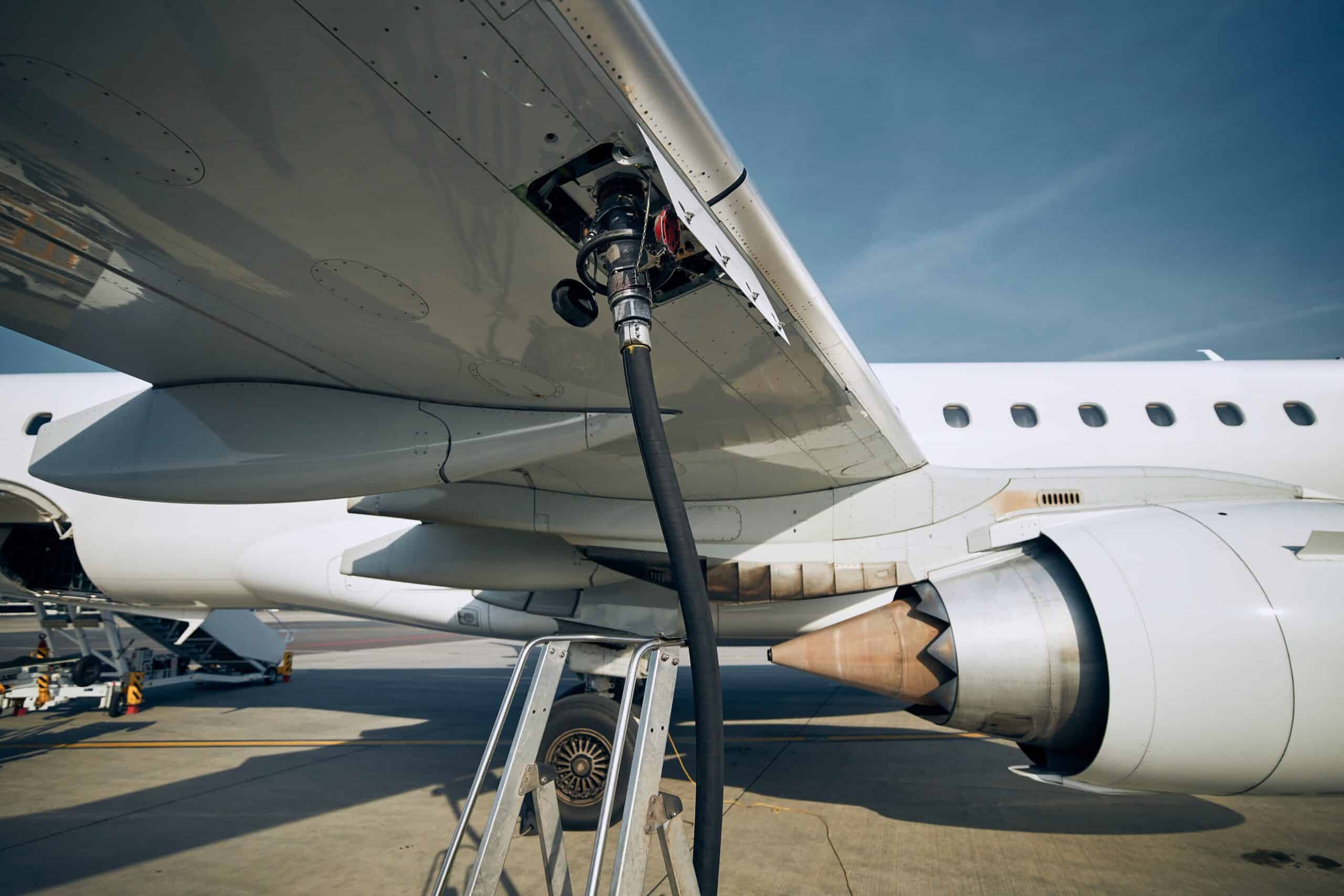
The airport-level transition is uneven and politically fraught. Airport operators face competing pressures: regulatory and environmental, financial (cost of installing new fuel infrastructure), operational (impact on based pilots and transient traffic), and community (residents wanting reduced lead exposure).
The most-aggressive transitions have happened in California. Several airports in the San Francisco Bay Area have committed to phasing out 100LL by specific dates, with replacement fuel infrastructure being installed in 2025–2026. Local pilots have organized around these transitions, with mixed reactions depending on aircraft type and operational needs.
Most airports outside California are taking a wait-and-see approach. The investment in new fuel infrastructure is substantial ($50,000–$200,000 per airport depending on configuration), and many airport managers are waiting for clearer regulatory deadlines and broader manufacturer support before committing.
The result is a patchwork landscape. GA pilots flying between airports may need to check fuel availability ahead of trips — particularly if their aircraft requires 100-octane and the destination has transitioned to UL94-only. ForeFlight and Garmin Pilot now include fuel-type filters that help with planning.
STC Requirements and Owner Decisions
To use G100UL legally, aircraft owners need the appropriate Supplemental Type Certificate authorization. The GAMI STC covers the major engine and airframe combinations in the GA fleet, but the specific paperwork requirements vary. Most owners can obtain the STC through GAMI’s process for a modest fee.
UL94 use generally doesn’t require an STC for aircraft already approved for autogas operation, though specific certifications vary. Owners with aircraft certified only for 100-octane should not use UL94 — engine damage from inadequate octane is a real risk, and the certifications exist for engineering reasons.
For owners weighing the transition decision, the practical guidance is: maintain 100LL access for as long as it’s available, obtain the G100UL STC if your aircraft uses 100-octane (it’s cheap and the future-proofing is valuable), and accept that flexibility is the key skill for the next 3–5 years. Pilots who commit to a single fuel may find their operating range limited as distribution shifts.
Operational Considerations During the Transition
Several operational realities are worth understanding. First, the unleaded fuels (both G100UL and UL94) are not always less expensive than 100LL. The reduced lead content doesn’t translate to dramatically lower production cost. Pricing depends on production volume, distribution economics, and specific airport contracts. In many cases, the unleaded fuels are priced similarly to 100LL.
Second, engines burning unleaded fuel exhibit measurably different characteristics over time. Spark plug fouling decreases (no lead deposits). Oil consumption may decrease slightly. Engine cleanliness generally improves. The long-term reliability picture for unleaded operations is favorable but not yet documented across the same number of operating hours as 100LL.
Third, the transition affects engine overhaul economics. Engines that have run primarily on unleaded fuel may need less attention to lead-related issues at overhaul. The shop economics may shift slightly favorably for unleaded-operated engines, though the data is still accumulating.
What GA Pilots Should Be Doing in 2026
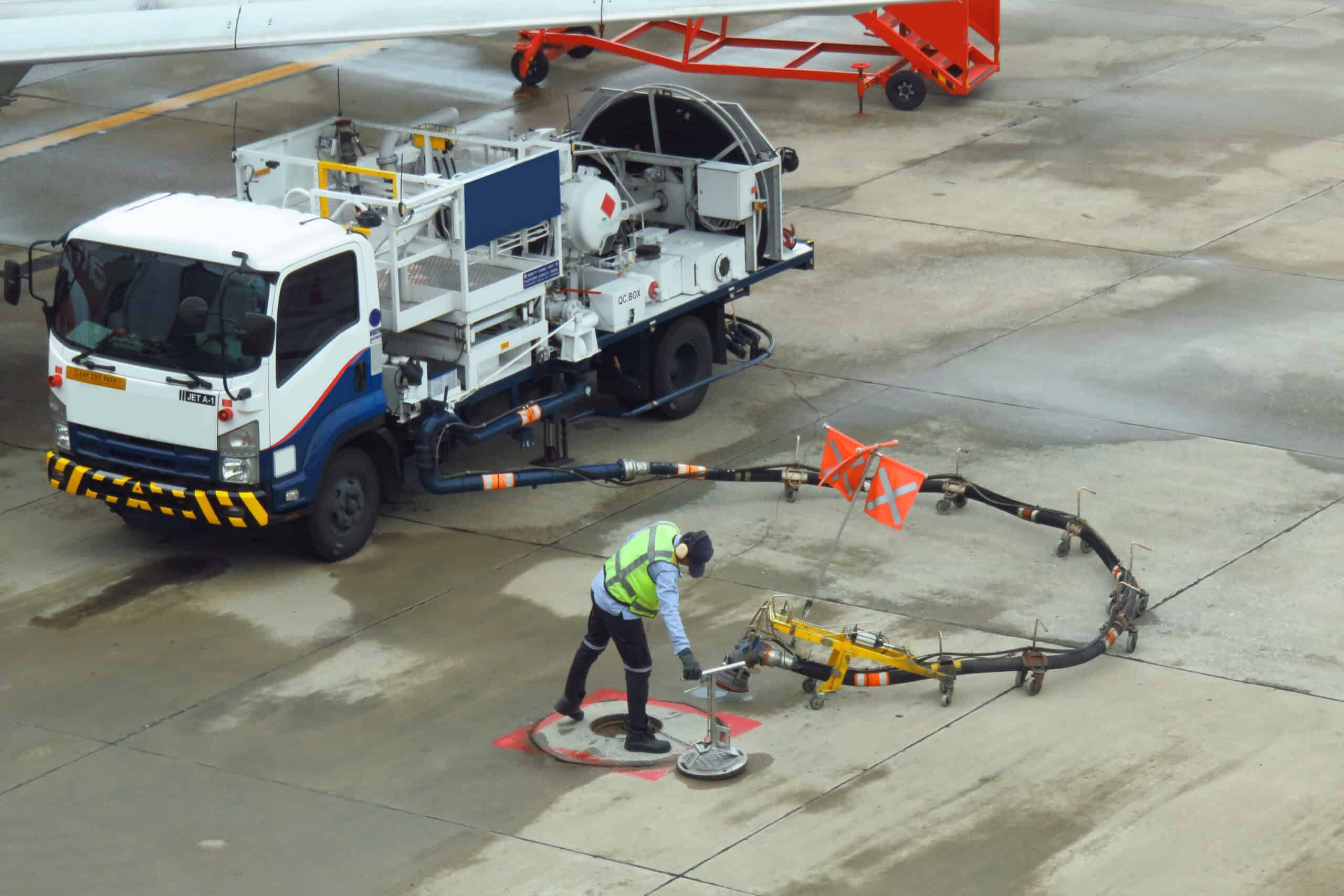
Several specific actions make sense for GA pilots during the current transition period. First, understand what fuel your specific aircraft and engine are certified for. The POH, engine logbook, and (if necessary) the engine manufacturer can confirm the certification.
Second, obtain the G100UL STC if your aircraft requires 100-octane. The cost is modest, the paperwork is straightforward, and having the STC in place positions you for whichever distribution scenario plays out over the next 3–5 years.
Third, build the habit of checking fuel availability ahead of trips. ForeFlight, Garmin Pilot, and AirNav all show fuel types available at airports. The trend will be more diversity, not less, and trip planning will increasingly require fuel-type awareness.
Fourth, stay informed about regulatory developments. The EPA’s actions, state legislation, and FAA rulemaking all interact in ways that affect timing. Industry publications (Flying Magazine, AVweb, General Aviation News) cover the regulatory landscape thoroughly.
The Engine Manufacturer Position on Unleaded Operation
Engine manufacturers have taken increasingly clear positions on unleaded operation as the certifications have matured. Continental Aerospace Technologies and Lycoming both publish guidance on G100UL and UL94 compatibility for their respective engine families. The guidance is generally favorable — both manufacturers indicate that unleaded operation is acceptable for properly-certified applications and may even produce engine-cleanliness benefits over time.
The longer-term data is still accumulating. Engines with thousands of hours on unleaded fuel show different wear patterns than engines with the same hours on 100LL. Lead deposits, exhaust valve guide wear, and combustion chamber buildup all behave differently with unleaded operation. Most of the data is favorable, though some specific applications may benefit from operational adjustments.
For owners considering long-term operation on unleaded fuel, the engine manufacturer’s specific guidance for the engine model is the best starting point. The general indications are positive, but specifics matter — particularly for high-compression turbocharged engines that operate near the limits of what 100-octane fuel can support.
How Avgas Pricing Will Likely Evolve
The economics of avgas distribution are likely to shift significantly over the next 3-5 years. Multiple unleaded options competing with 100LL will create pricing pressure. Airports with low fuel volume may consolidate to single-fuel distribution, simplifying their operations but reducing options for transient pilots. High-volume airports may differentiate by offering multiple fuels including premium unleaded options.
The retail pricing for pilots is harder to predict. Refinery economics, distribution costs, and competitive dynamics will all play out unevenly across regions. Some markets may see lower fuel prices as unleaded options drive competition. Other markets may see higher prices as 100LL distribution becomes less economical at lower volumes.
The owner-pilot prudent strategy is to plan for both scenarios. Build flexibility into operations. Avoid commitments that lock you into a single fuel type. Keep awareness of fuel options at the airports you frequent. Pilots who maintain operational flexibility through the transition will adjust smoothly; pilots who treat fuel as fixed and unchanging will face surprises.
What Pilots Should Watch For in Coming Years
Several specific developments will shape the unleaded transition over 2026-2028. Watch for additional G100UL distribution partnerships — major fuel companies signing on with GAMI brings broader airport availability. Watch for state-level legislation expanding beyond California; the precedent set in California is likely to spread. Watch for EPA rulemaking specifically targeting 100LL phase-out timelines.
Watch also for engine manufacturer adjustments to operational guidance, particularly for high-compression turbocharged applications. The most-stressed engines may need specific operational discipline when running on unleaded fuel. Manufacturers will continue refining their guidance as data accumulates.
The Big Picture on Aviation Fuel Evolution
Looking across the longer arc of aviation history, fuel transitions have always happened gradually. The shift from gasoline to turbine fuel for jets took 20 years to complete. The introduction of avgas grades and the eventual phase-out of older fuels followed similar patterns. The current unleaded transition fits the historical pattern: gradual, geographically uneven, and ultimately complete.
For pilots planning long-term ownership, the prudent strategy is to expect continued evolution. Today’s unleaded fuels may not be the final answer. New chemistries, new octane technologies, and new operational practices will continue to develop. The pilots who maintain flexibility will adjust smoothly as the landscape evolves; the pilots who lock into specific assumptions will face surprises.
Looking Ahead: The Realistic Timeline
The honest assessment for the unleaded transition is that it’s a 5–10 year process from current state to majority unleaded distribution. The first 3–5 years (2026–2030) will be characterized by patchy distribution, dual-fuel airports, and increasing regulatory pressure. The next 3–5 years (2030–2035) may see broader unleaded adoption and gradual 100LL phase-out, though significant 100LL availability is likely to persist for high-performance applications.
The piston GA fleet will not become unflyable. The fuels exist, the certifications are in place, the engines work fine on the new fuels. The transition is more about distribution economics and operator behavior than about technical capability. Pilots who stay informed and maintain flexibility will fly through the transition without significant disruption. Pilots who ignore the transition may find themselves stuck on fuel that’s increasingly hard to find.
For long-term aircraft ownership, the unleaded transition argues for the diesel piston option discussed in other recent guides — diesel engines use Jet-A and sidestep the entire avgas transition. The economics depend on individual mission profiles, but for some owner-operators, diesel is becoming an increasingly attractive option specifically because it removes the avgas uncertainty.
Frequently Asked Questions
Is unleaded avgas available at my airport?
As of 2026, G100UL is available at roughly 50-100 airports nationally, with broader distribution in California. UL94 is more widely available. Check ForeFlight, Garmin Pilot, or AirNav for fuel availability at specific airports. The distribution is growing month-by-month but full national availability is years away.
Does my aircraft need a special STC to use G100UL?
Yes. The GAMI G100UL STC must be obtained for the specific aircraft and engine combination. The cost is modest and the paperwork is straightforward. Most major GA aircraft and engine combinations are covered. Without the STC, using G100UL is not legal even if technically possible.
Is unleaded avgas cheaper than 100LL?
Not always. The reduced lead content doesn’t translate directly to lower production cost. Pricing depends on production volume, distribution economics, and specific airport contracts. In many cases unleaded fuels are priced similarly to 100LL.
When will 100LL be phased out completely?
There’s no firm regulatory deadline in 2026, but the long-term trend is clear. A realistic estimate is 5-10 years from current state to majority unleaded distribution, with significant 100LL availability likely persisting for high-performance applications even longer. The transition is incremental, not binary.
Related Articles
Unleaded Avgas Transition Guide
How G100UL changes the avgas landscape.
Diesel Engines for GA
Sidestepping the avgas transition entirely.
UNLEADED Act
The legislation reshaping the transition.
Last Updated: May 14, 2026