The Cessna 210 Centurion is one of the most underrated GA singles in production history — and one of the most polarizing. After five years of flying the airplane in the early 2000s and another two decades watching the used market, here’s what we’ll tell pilots considering ownership: the 210 rewards owners who understand it and punishes the ones who don’t. The Cessna 210 Centurion lifts more, flies farther, and holds value better than most pilots realize. It also demands a maintenance discipline that catches first-time owners off guard.
Last Updated: June 11, 2026 | By: The E3 Aviation Editorial Team
What Makes the Cessna 210 Centurion Different
Every airplane has a personality. The V-tail Bonanza inspires devotion or paranoia depending on the pilot. The Cirrus SR22 polarizes the GA community over its parachute system. The Cessna 210 Centurion sits in a quieter category: an airplane that doesn’t make headlines but moves real loads through real weather better than almost anything in its price range.
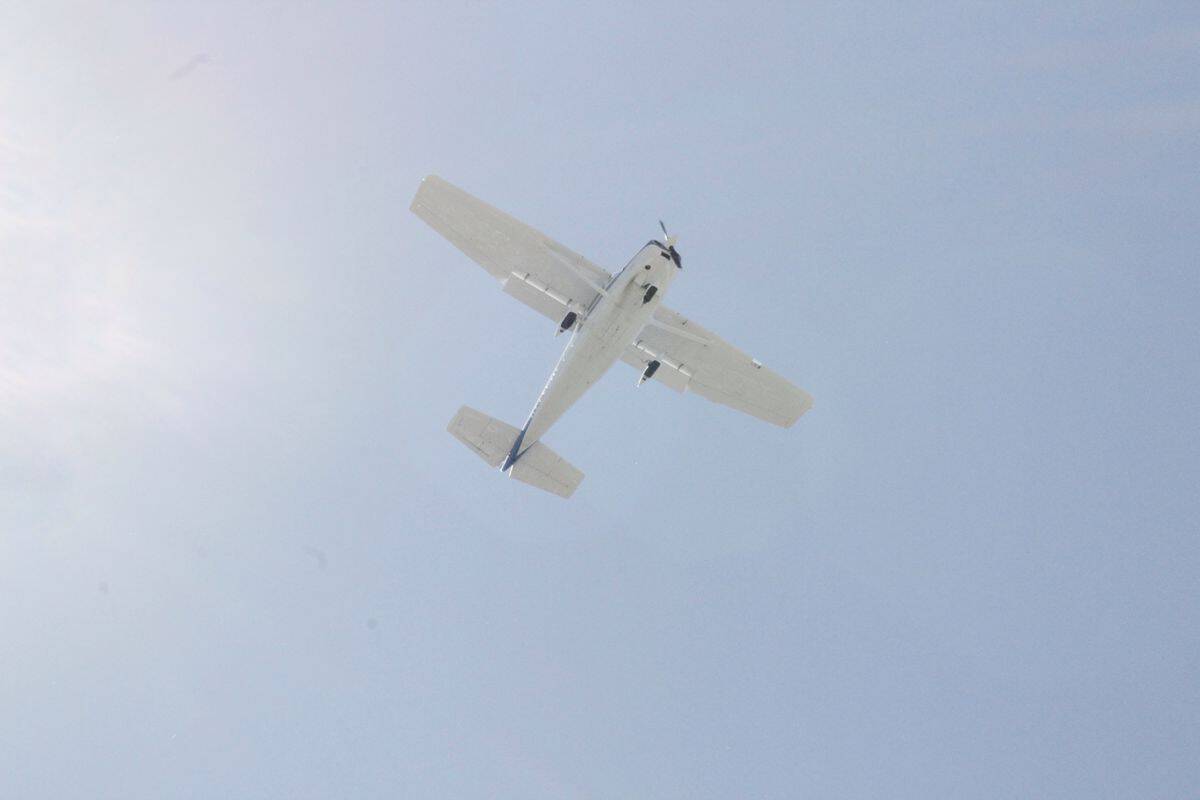
Cessna produced the 210 from 1957 to 1986, with the family running from the original straight-tail 210 through the turbocharged T210R. The airframe evolved across that span — strut-braced wings gave way to cantilever wings in 1967, the gear system got several major revisions, and the turbocharged variants became the dominant version in the used market.
This piece focuses on the normally-aspirated and turbocharged 210 — not the pressurized P210. The P210 is a different airplane with different ownership economics and a maintenance picture worth its own dedicated coverage.
What the Cessna 210 Centurion Does Well
The 210’s signature trait is its load-hauling capability. In a typical mission profile, you can fill the tanks with 84 gallons of fuel, board four adults, load 100 pounds of baggage, and still be inside the certified gross weight. That’s a useful load most retractable singles can’t match without sacrificing fuel for cabin payload.
For cross-country flying, the 210 delivers honest 160-knot true airspeeds in the normally-aspirated version and 180+ knots in the turbocharged T210. Fuel burn runs 14-16 gallons per hour in cruise — not the most efficient retractable single, but the speed and useful-load combination puts the airplane in a class with much more expensive options.
The cabin is large for a single. Four adults sit comfortably for two-hour legs. The aft cargo area swallows golf bags, camping gear, or business equipment that simply won’t fit in a Bonanza or a Mooney. For owner-pilots flying families, the cabin advantage matters more than the speed difference.
The Mission Profile Where It Shines
The 210 hits its sweet spot in the 400-600 nautical mile mission range with four people aboard. Shorter trips don’t take advantage of the cruise speed. Longer trips bump into fuel-capacity limits unless you’re flying the higher-fuel variants. In the 500-mile range, you’ll see the 210 outperform most singles in its price tier.
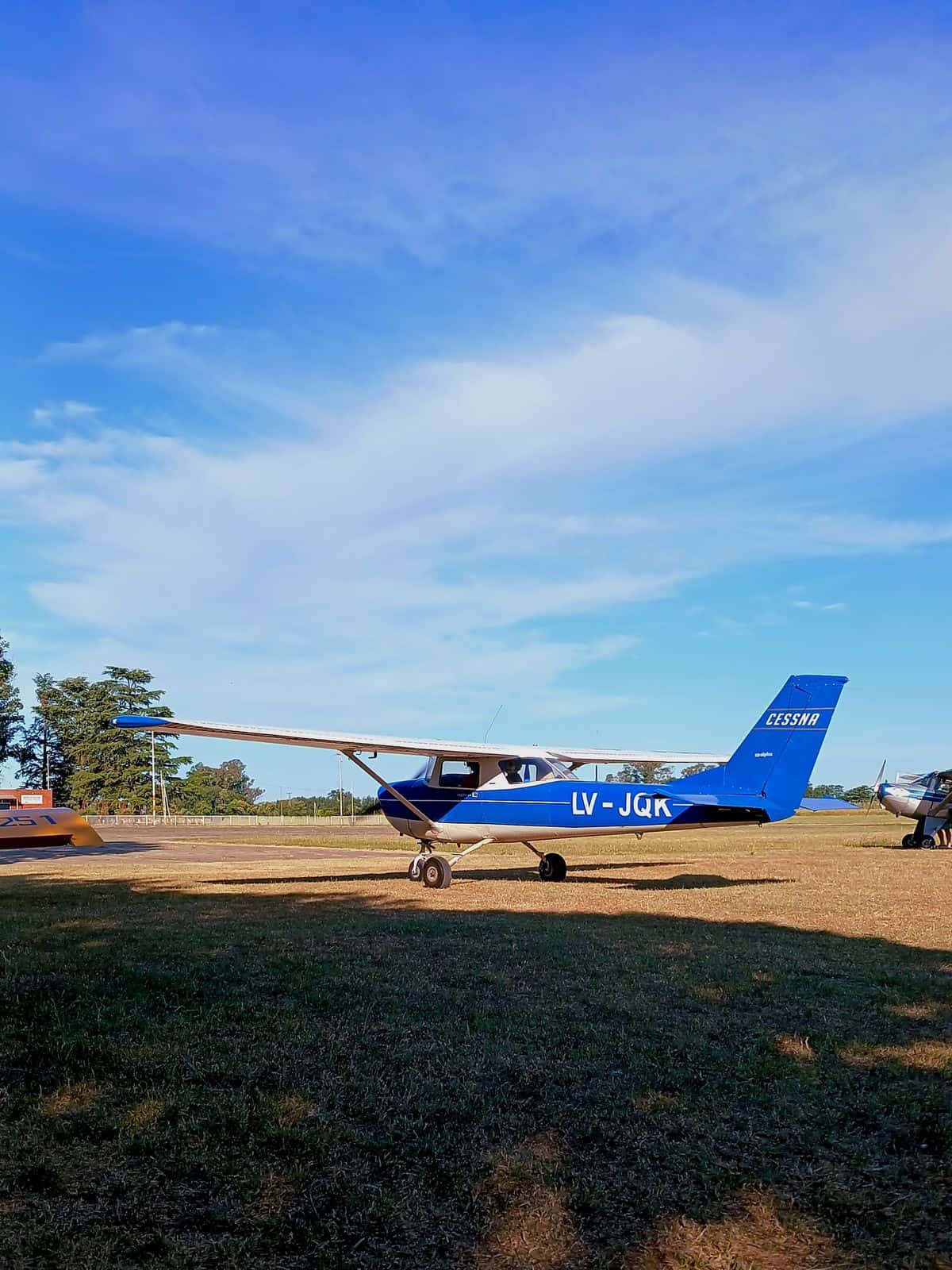
For pilots flying out of grass strips or short paved runways, the 210 has more performance than its size suggests. Takeoff rolls of 800 feet at light weights make it viable from rural airfields most retractable singles wouldn’t touch. The trailing-link landing gear absorbs rough surfaces well.
What the Cessna 210 Centurion Doesn’t Do Well
The 210’s biggest weakness is its landing gear system. The hydraulic retractable gear has a deserved reputation for maintenance complexity. Pumps fail. O-rings leak. The gear can refuse to extend in flight, leaving the pilot to work through emergency extension procedures while running through a checklist that wasn’t written for confidence-building.
Owners who don’t budget $8,000-12,000 per year for gear-system maintenance usually regret the assumption. The gear isn’t a casual ownership commitment. It’s the part of the airplane that defines whether you’ll be happy at year three or sell at year two.
Corrosion is the 210’s other quiet enemy. The airframes are aging — the youngest 210 came off the production line in 1986. Corrosion in the wing spars, the fuselage stringers, and the gear wells can hide for years before it becomes a check-writing event. A thorough pre-buy inspection by a 210-specific shop isn’t optional. It’s the price of entry.
The Honest Cost of Ownership
Here’s where we’ll be straight with you: a 1980s normally-aspirated 210 with fresh paint and interior is selling for $250,000-300,000 in 2026. A turbocharged T210 in similar condition runs $350,000-450,000. Add hangar rent at $400-800 per month, insurance at $2,000-4,000 per year, and recurring maintenance at $15,000-25,000 annually, and the realistic total cost of ownership is north of $40,000 per year.
For owners flying 150-200 hours per year, that pencils out to roughly $200-300 per hour all-in. That’s not cheap. It’s also competitive with light twins and modern singles for the same useful load and speed combination.
Performance and Specifications
Across the production run, the Cessna 210 Centurion specifications evolved significantly. The most common late-model variants share these baseline numbers:
Cruise speed for the normally-aspirated 210: 158-165 knots true at 7,500 feet. The turbocharged T210 cruises 175-185 knots at 18,000 feet. Useful load runs 1,300-1,500 pounds depending on year and equipment. Maximum range with reserves is 800-900 nautical miles in the normally-aspirated, longer in the T210 with extended-range fuel.
The engine is the Continental IO-520 or IO-550 in normally-aspirated form, the TSIO-520 in turbocharged form. Both are six-cylinder engines with a 2,000-hour TBO. Overhaul cost in 2026 runs $40,000-55,000 depending on shop and condition.
For owners considering a 210 against modern singles, our Cirrus SR22 Complete Pilot Guide covers the SR22 side of that comparison in depth. The two airplanes appeal to different missions and different ownership priorities.
Year-by-Year Cessna 210 Variants and What to Buy
Across the 1957-1986 production run, the Cessna 210 evolved through enough major changes that buyers need to understand which variant they’re considering. Different years have different airframe characteristics, gear systems, and ownership economics.
1957-1966: Strut-Braced Wing Era
The original 210 and 210A through 210F carried strut-braced wings inherited from the 182. These early airplanes are now 60+ years old. Most surviving examples have been heavily modified. Pre-buy inspection should focus on corrosion, structural fatigue, and engine condition. Acquisition prices are lower, but restoration costs can quickly exceed the cost of buying a younger 210.
1967-1976: Cantilever Wing Introduction
Starting in 1967, Cessna introduced the cantilever wing on the 210G — eliminating the wing strut and improving cruise performance. These airplanes are typically the value sweet spot in the used market. Prices for clean examples run $180,000-240,000 in 2026. The 1972-1976 turbocharged T210 variants are particularly desirable for buyers who fly long cross-countries.
1977-1986: Modern Variant Era
The 210M, 210N, 210R, and T210R are the most-bought variants today. The avionics suites are easier to upgrade. The interiors hold up better. The maintenance documentation is more accessible. Expect to pay $250,000-450,000 for these airplanes depending on engine time, condition, and avionics.
The Pre-Buy Inspection That Matters
A 210 pre-buy inspection done by a generalist shop is worth the paper it’s printed on. The 210 has type-specific failure modes that only 210-experienced mechanics will catch. The pre-buy needs to cover at minimum the following items, each addressed by a shop that’s seen the failure mode before.
First, the gear hydraulic system. Pump condition, actuator seal integrity, gear-warning system function, emergency extension capability — all of these can hide problems that surface within the first 50 hours of new ownership. Demand documentation.
Second, corrosion inspection. Wing spar areas, fuselage stringers, gear well structure, fuel tank interiors. Any 210 over 30 years old has corrosion somewhere. The question is whether it’s been addressed or whether the next owner inherits it.
Third, the engine. Run a borescope inspection on every cylinder. Pull the oil filter and inspect the contents. Run a compression check at operating temperature, not cold. Get an oil analysis trend if the seller has records. The Continental IO-520 and IO-550 engines have known failure modes that show up in oil analysis before they show up in compression.
Fourth, the avionics. Inspect what’s actually installed. Check the documentation. Confirm the autopilot works. Test the transponder, ADS-B compliance, and audio panel. Aviation avionics retrofits are expensive — knowing what’s missing affects the price you should pay.
Safety Record — What the NTSB Data Shows
The 210’s safety record is mid-pack for retractable singles. The most common accident categories are gear-related (failure to extend, gear collapse on landing) and fuel-management incidents. Neither pattern is unique to the 210, but both are worth specific training attention for new 210 owners.
Gear-up landings on the 210 don’t typically produce injuries. The airframe takes the damage, the propeller takes the impact, and the insurance writes a large check. The lesson from the NTSB data: build a hard habit of cycling the gear handle and visually confirming three-green before every landing. Don’t skip the GUMPS check.
Fuel mismanagement accidents typically involve pilots who didn’t fully understand the 210’s fuel system. The newer airplanes have left/right/both selectors. The older ones have selector positions that can trap pilots into running a tank dry. Familiarity matters. Don’t fly the airplane until you can describe the fuel system without looking at the POH.
How the Cessna 210 Compares to Modern Alternatives
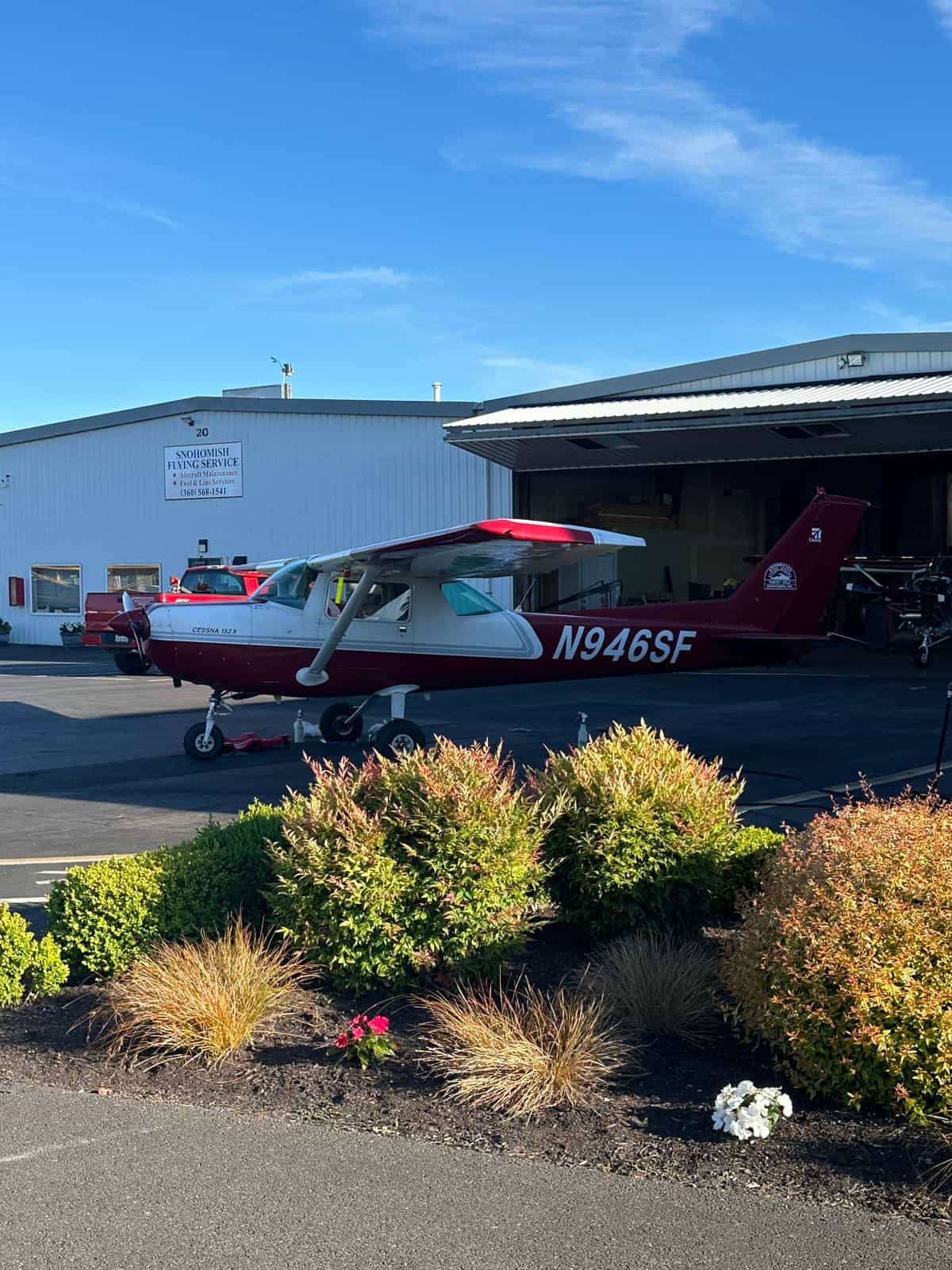
For pilots weighing the 210 against newer singles, the comparison usually comes down to load capacity, speed, and modern systems. A Cirrus SR22 cruises faster, has CAPS, and runs newer avionics out of the box — but won’t haul the same payload as a 210, especially with full fuel. A Bonanza A36 carries similar loads but at higher acquisition cost. A Cessna T206 Stationair carries more cabin volume but with worse cruise speed.
Honestly, this is where we’d push back on the conventional wisdom that newer is always better. A well-maintained 210 with modern avionics retrofitted (a Garmin G500 TXi panel costs around $30,000 installed) gives you 90% of the modern airplane experience for half the acquisition cost. For pilots willing to do the maintenance homework, the 210 remains a genuine value play in the used market.
For broader GA safety and ownership context, the FAA’s Small Airplane Directorate publishes the relevant ADs and service bulletins. Read them before buying. The 210 has a non-trivial AD history that affects pre-buy decisions.
Community and Support for Cessna 210 Owners
The Cessna 210 community is small but engaged. The Cessna Pilots Association is the primary owner-support organization, with type-specific tech support and an active forum. CPA membership is worth the annual fee for the maintenance guidance alone.
For parts and maintenance support, several shops specialize specifically in 210 work. Knowing which shops have 210 expertise can save thousands in misdiagnosed issues. The community will tell you who they trust if you ask.
For more on choosing an aircraft and ownership economics, see our aviation articles archive. We cover ownership, maintenance, and mission-fit topics across the GA fleet.
What 210 Owners Wish They Knew Before Buying
Talk to long-time 210 owners and a consistent pattern of regret-and-relief emerges. The owners who wish they’d done more homework before buying typically point at three things: the gear system, the corrosion picture, and the actual fuel system architecture.
One Iowa-based 210 owner with twelve years in the airplane put it bluntly: “I didn’t understand the gear system. I budgeted for a Bonanza-level maintenance cost. The first time the gear didn’t extend properly in flight, I learned that this airplane is in a different category. It’s worth it — but you need to know what you’re getting into.”
That sentiment runs through most experienced 210 owners. The airplane rewards the disciplined owner and punishes the assumptions-based one. Pilots who do their homework, budget honestly, and select a 210-specialist shop for maintenance get a remarkable airplane. Pilots who skip those steps end up selling at year two.
For first-time owners, the right path forward is to fly with a current 210 owner before signing any paperwork. Look at the airplane in person. Walk the panel. Watch the gear cycle on the ground with the test rig. Spend an afternoon talking to the seller’s mechanic. The 210 community is small enough that finding these resources isn’t difficult — it just takes deliberate effort.
Is the Cessna 210 Centurion Right for You?
The 210 fits owner-pilots who fly 100-200 hours per year, need to move four people with bags, and can budget $30,000-50,000 per year in total ownership cost. It doesn’t fit pilots who want a hands-off ownership experience, can’t or won’t hangar the airplane, or expect modern-aircraft reliability without modern-aircraft maintenance investment.
For pilots whose mission profile matches the 210’s strengths, the airplane represents one of the best used-market values in GA. For pilots whose mission doesn’t match, the maintenance complexity will overwhelm the speed and load advantages within a year or two of ownership.
The Cessna 210 Centurion isn’t a casual buy. Done right, it’s one of the most rewarding GA airplanes you can own. Done wrong, it’s a financial trap. The difference is research, pre-buy discipline, and budget honesty.
Frequently Asked Questions
How much does it cost to own a Cessna 210 Centurion in 2026?
Realistic total annual cost runs $30,000-50,000 for an owner flying 150 hours per year. That includes hangar, insurance, fixed maintenance, variable maintenance, and reserves for engine and gear overhauls. Pilots who skip the reserves accounting usually find themselves writing large checks at year three. Budget honestly and you’ll enjoy the airplane longer.
Is the Cessna 210 Centurion’s retractable gear reliable?
The hydraulic retractable gear is mechanically complex and requires disciplined maintenance to stay reliable. With proper inspection schedules, pump replacements at the recommended intervals, and a knowledgeable shop, the gear is dependable. Without that discipline, gear problems are the most common 210 ownership headache. Pre-buy inspection should focus heavily on the gear system.
Should I buy a normally-aspirated or turbocharged Cessna 210?
The turbocharged T210 gives you 30 knots more cruise speed and altitude flexibility for weather routing. The normally-aspirated 210 has simpler engine management and lower overhaul cost. For pilots flying mostly below 10,000 feet, the normally-aspirated is the better economic choice. For pilots regularly flying long cross-countries above 12,000 feet, the T210 pays for itself in time saved.
Sources
- FAA Small Airplane Directorate — type certificates and ADs
- NTSB General Aviation Accident Dashboard
- Flying Magazine — Cessna 210 reviews and pilot reports
- AVweb — GA news and ownership coverage
Related Articles


E3 Aviation Editorial Team
The E3 Aviation Association editorial team is made up of licensed pilots, aviation educators, and industry professionals dedicated to advancing general aviation safety, community, and education. Learn more about E3 Aviation.