Five classic aircraft stand out as the most rewarding flying experiences a GA pilot can seek. Classic GA aircraft each teach distinct skills, open different flying horizons, and deliver the raw, unfiltered flying experience that modern avionics can obscure. E3 Aviation Association walks you through five accessible classics that every serious pilot should fly at least once—including where to find them, what makes each unique, and why the experience matters. These aren’t museum pieces; they’re actively flown by owners, flying clubs, and flight schools. This guide shows you how to access these aircraft, what to expect when you fly them, and why the skills they demand make you a better pilot regardless of what you fly next.
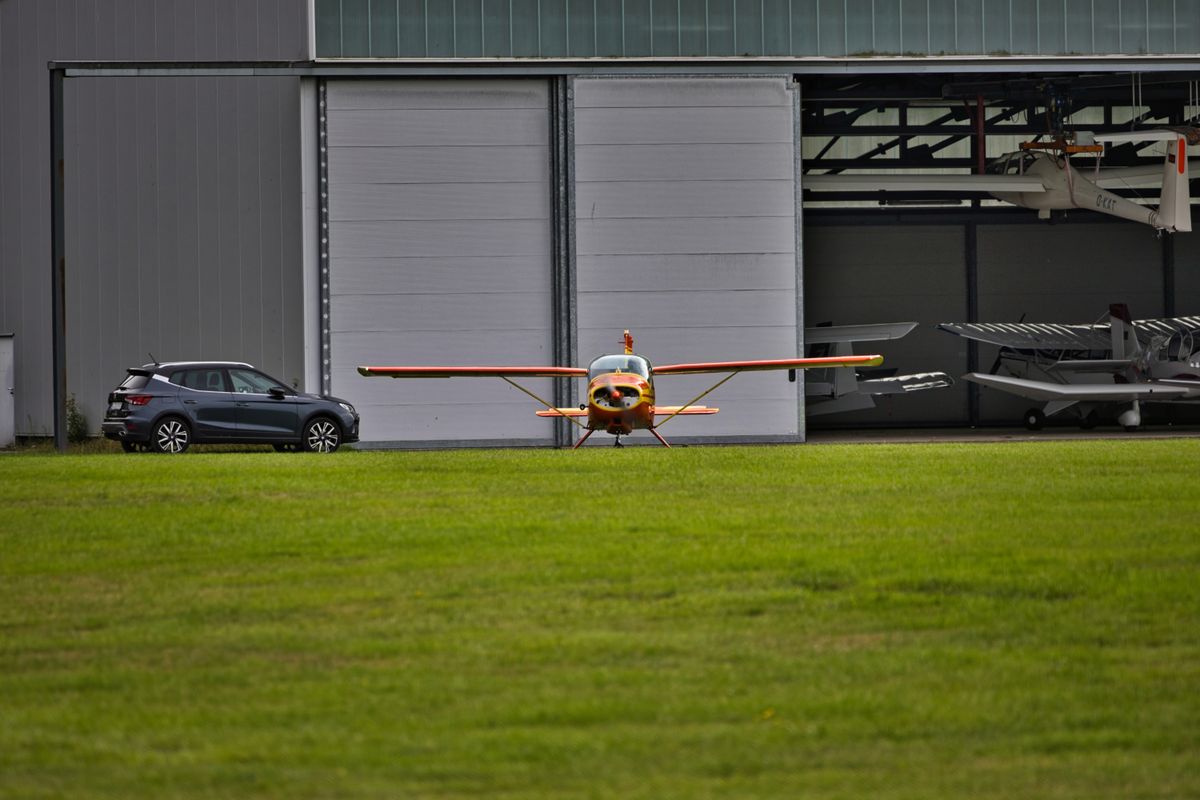
Piper Super Cub: The Backcountry Legend
The Piper Super Cub (introduced 1949, still manufactured today) is the undisputed king of backcountry flying. Seventy-five horsepower, tandem seating, rugged tailwheel gear, and the ability to land in 300 feet on grass, gravel, or rough terrain make the Super Cub the practical definition of freedom. Additionally, flying a Super Cub teaches you energy management, short-field technique, and the uncompromised stick-and-rudder flying that modern nose-wheel aircraft abstract away.
What makes it special: Simplicity. The Super Cub has no electrical system in early models (hand-cranked start), minimal avionics, and direct cable connections from stick to control surfaces—no servo amplification, no autopilot, no assists. You feel every wind gust, every updraft, and every control input directly transmitted. Furthermore, the large wing area and draggy fuselage make the Super Cub a spectacular slow flyer—you can theoretically fly at 25 knots (the stall speed), making terrain spotting and photography incredibly detailed.
What it teaches: Tailwheel operation (asymmetrical thrust during takeoff and landing demands constant rudder control), short-field technique (forward slip descent for steep approaches, ground effect understanding), and situational awareness (no autopilot means you’re flying continuously). Additionally, the high wing and excellent visibility make it superior for observation and backcountry spotting.
Who it’s right for: Pilots with tailwheel endorsement (or willing to get one), who want to explore rough-field flying and bush operations. Super Cubs are common in Alaska, backcountry communities, and flight schools specializing in tailwheel training. Expect to pay $150–$300/hour for rental or discovery flights.
Where to find one: Flight schools offering tailwheel training (often include Super Cubs in the curriculum). Backcountry aviation organizations and flying clubs in rural areas typically maintain them. Additionally, some warbird and classic aircraft fly-in events feature Super Cub rides and experiences.
Cessna 170/180: The Classic Tailwheel Family Hauler
The Cessna 170 (introduced 1948, produced through 1951) and its successor Cessna 180 (1953–1981) are tailwheel aircraft with real performance and utility. Unlike the Super Cub’s minimalism, the 170/180 carries four occupants in reasonable comfort, cruise at 100+ knots, and handle distance and cargo. Consequently, the 170/180 represents the sweet spot between capability and classic experience.
What makes it special: The 180 specifically is a genuinely fun aircraft to fly. Compared to nose-wheel Cessnas (172, 182), the tailwheel configuration demands more pilot engagement. The constant-speed prop (on later 180s) provides realistic power management, and the speed and climb capability make it feel genuinely responsive. Furthermore, the large wing area and conventional landing gear geometry make it stable in crosswinds and capable on rough fields.
What it teaches: Tailwheel operation at a higher level than the Super Cub—management of an aircraft with real speed and inertia, prop management (if equipped), and weight-and-balance awareness (four-occupant loading changes handling significantly). Additionally, the 180’s ability to operate from rough fields teaches forward planning—where can this aircraft safely operate?
Who it’s right for: Tailwheel-rated pilots who want cross-country capability with classic flying. Perfect for outdoor types who fly to camping trips and fly-in fishing lodges. The 180 specifically is aspirational—many vintage pilots consider it one of the most satisfying aircraft to own.
Where to find one: Aviation heritage organizations, flying clubs, and private owners. Rental is less common than the Super Cub (fewer production aircraft and higher insurance), but discovery flights and tailwheel instruction aircraft sometimes include 170s or 180s. Expect $200–$350/hour if available.
Beechcraft Bonanza V35: GA’s Iconic Flying Sports Car
The Beechcraft Bonanza V35 (1968–1995) is the aircraft every serious GA pilot dreams of. Two hundred continental horsepower, retractable gear, constant-speed prop, continental fuel injection, and the speed to make 600-nautical-mile trips genuinely practical. The “V-tail” design (distinctive V-shaped tail surfaces instead of traditional vertical stabilizer and horizontal stabilizer) is immediately recognizable and delivers remarkable handling characteristics. Consequently, the Bonanza represents the pinnacle of single-engine GA performance and is the aircraft many pilots work toward.
What makes it special: Speed, handling, and status. The Bonanza is simply faster and more refined than trainers. Cruise speed 140+ knots, smooth handling, and responsive control authority make cross-country flying efficient and engaging. Additionally, the Bonanza’s prestige attracts skilled pilots and well-maintained examples—flying one connects you to generations of GA aviators who’ve chosen this aircraft as their ultimate single.
What it teaches: Complex aircraft operation (managing prop, gear, cowl flaps, fuel management across multiple tanks, higher speeds and altitudes), genuine navigation planning (distance on a single fuel load is 600+ nm, requiring real route planning), and the reality of complex single capability versus training aircraft simplicity. Furthermore, the higher performance demands better situational awareness and decision-making.
Who it’s right for: Certificated pilots with complex endorsement willing to invest in proper training. The Bonanza demands respect—it’s fully capable and unforgiving of poor technique or inadequate planning. Not a trainer; it’s an accomplished pilot’s aircraft.
Where to find one: Flying clubs, specialty rental operators, and high-end flight schools. Additionally, many Bonanza owners enjoy sharing discovery flights with aspiring pilots. Expect $400–$600/hour rental, or negotiate for a buddy flight with a friend who owns one.
Grumman American AA-5 Tiger: The Sporty Glass-Canopy Experience
The Grumman American AA-5 Tiger (1975–1995) is the underappreciated alternative to the Cessna and Piper trainers. Powered by a Lycoming 180-horsepower engine, the Tiger offers something rarely found in low-cost GA aircraft: forward visibility through a massive overhead canopy that extends from windscreen back to rear fuselage. Consequently, the Tiger offers a different flying perspective than conventional high-wing or low-wing designs, and the open-air sensation (despite being fully enclosed) is distinctive.
What makes it special: The glass canopy. You fly surrounded by sky, with 360-degree awareness including the sky directly overhead. This changes how you see clouds, weather, and terrain. Additionally, the Tiger’s laminar-flow wing design makes it significantly faster and more efficient than contemporary Cessna 172s. Furthermore, the streamlined fuselage and retractable landing gear (on the AA-5A) deliver surprising performance for a four-seat aircraft.
What it teaches: Awareness and perspective—the canopy forces you to look beyond the traditional panel and engage with your environment visually. Additionally, the laminar-flow wing teaches aerodynamic efficiency; the Tiger “feels” faster and more responsive than trainers with conventional wings.
Who it’s right for: Pilots seeking a different experience from the Cessna/Piper monoculture. Great for photographers (the canopy is unobstructed glass), VFR cross-country flights, and pilots who want something distinctive without major complexity. The Tiger is fully capable and easy to fly, but different enough to be genuinely memorable.
Where to find one: Flying clubs and specialty rental operators. Tigers are less common than Cessnas but actively maintained and loved by their owners. Many flying clubs have one in the fleet. Expect $200–$300/hour rental.
Mooney M20: Speed and Efficiency in a Classic Package
The Mooney M20 (introduced 1961, continuously manufactured) is the aircraft for pilots who value efficiency, speed, and elegance. The low-wing, sleek fuselage, and retractable gear deliver surprising performance—cruise speeds 140+ knots with fuel consumption rivaling trainers. Consequently, the Mooney is the workhorse of owner-flown GA aircraft and represents thousands of successful cross-country missions.
What makes it special: The engineering is elegant. The Mooney is slightly slower than a Bonanza but uses less fuel, costs less to operate, and is mechanically simpler (slightly fewer systems). Additionally, the low-wing design and tight fuselage create a “sports car” feeling—responsive and immediate compared to high-wing trainers. The cruising efficiency is remarkable—a typical M20 consumes 7–8 GPH while cruising at 140 knots, making long-distance flying economical and practical.
What it teaches: Efficiency, navigation planning, and the reality that performance is as much about engineering as it is about horsepower. Additionally, the Mooney demands respect for weight and balance—a fully loaded M20 is precisely loaded, and CG management is constant.
Who it’s right for: Serious GA pilots and cross-country flyers. The M20 requires complex endorsement (retractable gear, constant-speed prop, fuel management). Ideal for pilots flying 500+ nautical mile trips regularly and wanting to minimize fuel cost while maintaining speed and comfort.
Where to find one: Flying clubs, rental operators, and private owners. Many Mooney owners are deeply passionate about their aircraft and frequently mentor new pilots. Additionally, Mooney enthusiast groups organize fly-ins and make discovery flights available. Expect $350–$500/hour rental depending on model and avionics.
The Broader Lesson: Why Classic Aircraft Matter
Flying these five aircraft teaches lessons beyond their specific characteristics. Each demands different skills, offers different perspectives, and reveals aspects of flying that modern glass-cockpit trainers obscure. Additionally, these aircraft connect you to aviation history—thousands of pilots learned on these designs, used them to explore remote regions, and created the recreational aviation culture we inherit today.
Specifically, the experience of flying a simple aircraft with minimal automation—where you fly continuously, read every gauge manually, and make every control input consciously—produces better pilots. You become more aware, more engaged, and more adaptable when you eventually return to modern equipment. Furthermore, the variety exposes you to different philosophies: the Super Cub’s simplicity, the Bonanza’s sophistication, the Tiger’s innovation, and the Mooney’s efficiency. Each philosophy has merit, and experiencing all of them makes you a richer aviator.
Additionally, these aircraft are accessible. You don’t need to be a wealthy owner or professional pilot—flying clubs, rental operators, and enthusiastic owners make discovery flights available. Your local flying club probably maintains at least one aircraft from this list. Making the effort to fly each one is worth the time and cost.
FAQs
Do I need a tailwheel endorsement to fly a Super Cub or Cessna 170?
Yes. Tailwheel aircraft require a tailwheel endorsement—additional training beyond your private or commercial certificate. Additionally, many insurance companies and flight schools require you to demonstrate tailwheel proficiency before flying these aircraft unsupervised. Tailwheel endorsement typically takes 5–10 hours of dual instruction and is one of the most rewarding training investments you can make. It qualifies you for all tailwheel aircraft and opens the entire backcountry flying community.
Can I rent a Bonanza with my private certificate and no complex endorsement?
No. The Bonanza’s retractable gear requires a complex endorsement. This is both an FAA requirement (the aircraft type certificate mandates it) and a rental operator insurance requirement. Additionally, many operators require current complex experience—if you haven’t flown a complex aircraft in the past 6–12 months, you may need a dual flight to demonstrate proficiency. Get the complex endorsement; it’s essential for accessing high-end GA aircraft.
Is the Mooney really more efficient than the Cessna 172?
Yes, significantly. A Cessna 172 cruises at roughly 100–110 knots on 5–6 GPH. A Mooney M20 cruises at 140–150 knots on 7–8 GPH—faster but comparable fuel burn. Consequently, the Mooney covers 600+ nautical miles on a single fuel load while a 172 covers 400 nm, making the Mooney vastly more practical for cross-country flying. Fuel-efficient design and aerodynamic elegance make the difference.
What’s the difference between a Cessna 170 and a Cessna 180?
The 180 is the improved successor. It has a stronger engine (230 hp vs 170 hp on the 170A), constant-speed prop (on later models), better climb, and higher useful load. The 180 also has minor aerodynamic improvements and higher useful load. Both are tailwheel aircraft; the 180 is more powerful and capable. If you can find either, the 180 is the superior choice, though 170s are wonderful aircraft too and often less expensive.
Can I find any of these aircraft to fly near me?
Probably. Your best resources: local flying clubs (many maintain variety aircraft), AOPA airport directory (lists rental operators by airport), and specialized flying services advertising tailwheel training or high-performance aircraft. Additionally, reach out to vintage and classic aviation groups—many are enthusiasts willing to share flights. Furthermore, connect with the GA community at your home airport and ask. Pilots and clubs love sharing their passion with serious aviators.
Sources and Further Reading
Written by the E3 Aviation Association team. For more pilot resources, visit E3 Aviation Articles or our homepage.