The world is currently having a panicked conversation about artificial intelligence. Will AI take jobs? Will it make decisions that humans can’t override? Can machines be trusted with things that matter? Can human skill survive in a world where automation does the difficult work?
Pilots have been living this conversation for decades. Not theoretically — in the actual cockpit, with actual stakes, every time they fly. And the aviation industry has learned things about human-machine teaming that the rest of the world is only starting to figure out.
Here’s what pilots can teach everyone else about living and working with intelligent automation.
Aviation Automated Itself Before Anyone Had a Name for It
The autopilot was invented in 1914. By the jet age, commercial aircraft were already using automated systems to manage altitude, heading, and speed. By the 1980s, Flight Management Systems could fly entire routes without pilot hands on the controls. TCAS warned of traffic conflicts automatically. Ground proximity warning systems alerted crews to terrain. Autoland systems touched aircraft down in zero-visibility fog.
Each of these technologies faced the same objections that AI faces today. Will automation make pilots complacent? Will crews trust the system too much and lose the ability to fly without it? What happens when the automation is wrong and the pilot doesn’t recognize it in time?
These weren’t hypothetical concerns. Aviation had accidents caused by automation-related complacency. It had crashes where crews failed to recognize that the autopilot had disconnected or was pursuing an incorrect flight path. The industry studied these failures, changed training, changed procedures, and changed how cockpits were designed. It learned. The result is that commercial aviation is the safest form of transportation in human history — not despite automation, but because of a mature, well-understood partnership between automation and human judgment.
The First Lesson: Automation Changes What You Need to Know, Not Whether You Need to Know
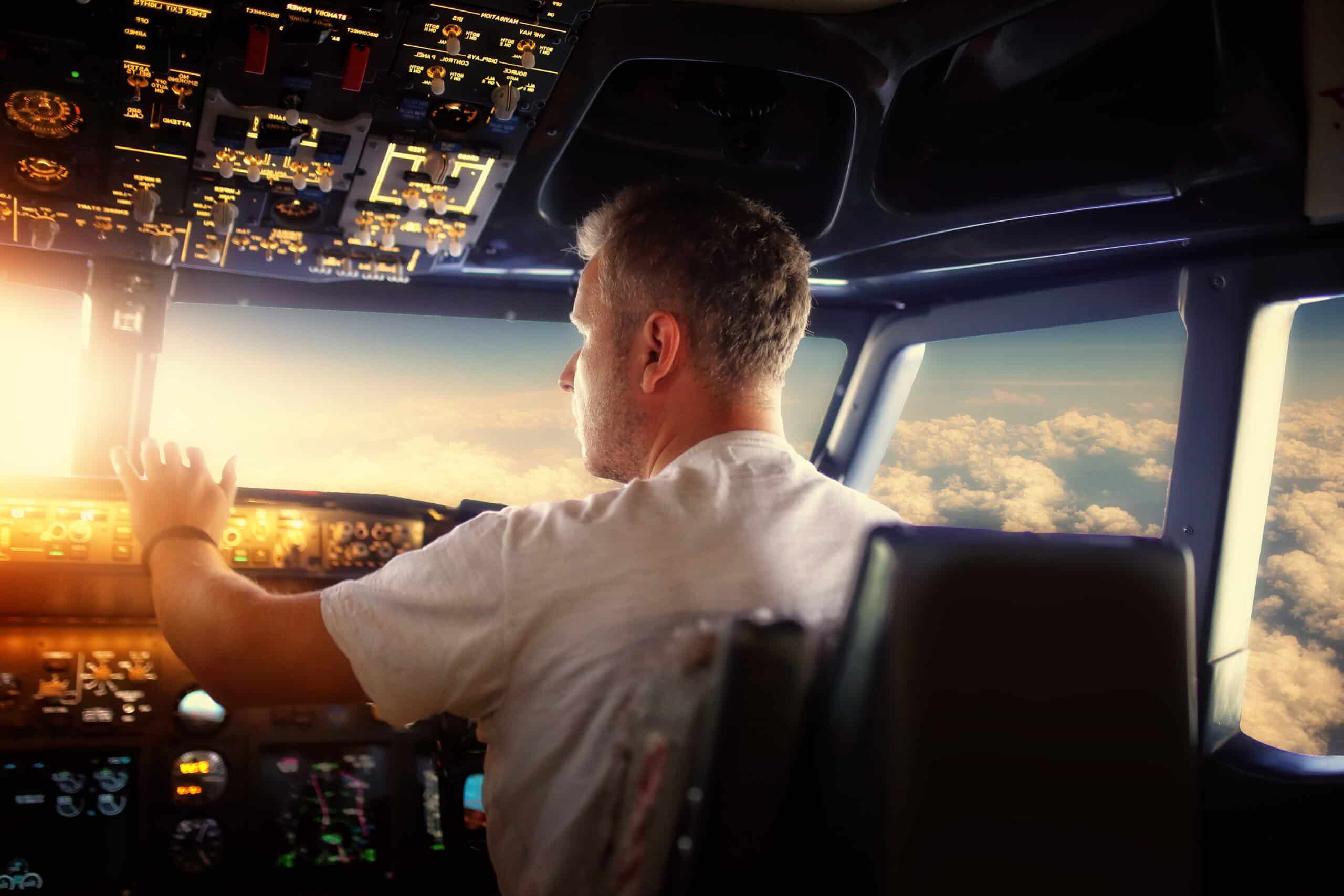
When autopilots became common in commercial aviation, some predicted that pilots would become button-pushers who lost the ability to hand-fly an aircraft. That concern was legitimate — and the industry addressed it directly. Airline training programs require pilots to demonstrate manual flying skills regularly. Sim scenarios include automation failures that force crews to hand-fly approaches and navigate without FMS assistance.
Why “Trust the Automation” Was Never the Right Lesson
The right lesson wasn’t “trust the automation and relax.” It was “understand the automation deeply enough to know when it’s right and when it isn’t.” Pilots who know exactly what mode their autopilot is in, what it’s targeting, and under what conditions it will disengage are pilots who can catch automation errors before they become emergencies.
The Air France 447 accident is the counterexample that proves the rule. When the autopilot disconnected in cruise over the Atlantic Ocean, the crew didn’t understand what the aircraft was doing. They made control inputs that worsened the situation. The automation hadn’t failed — but the crew’s understanding of the automation had failed, and the result was catastrophic.
The lesson for AI is identical. The risk isn’t that AI will be wrong — any system will produce errors. The risk is that users will trust AI output without understanding its limitations, miss the errors that matter, and make decisions based on incorrect automation without realizing it. The answer isn’t less AI. It’s better human understanding of AI.
The Second Lesson: Define What the Automation Does and What It Doesn’t
Cockpit automation operates within clearly defined boundaries. The autopilot does not choose the destination. It does not decide whether to fly into weather. It does not communicate with ATC. It does not make judgment calls about fuel state or alternate airports. The pilot owns all of those decisions. The automation executes the physical flying within the parameters the pilot sets.
Furthermore, that boundary is not ambiguous. Pilots know exactly what the autopilot will and won’t do. When an automation system approaches its limits — when the flight is near a boundary that will cause the autopilot to disconnect — there are warnings, annunciations, and training that prepare the crew for it.
This is exactly where the broader AI conversation is getting stuck. Businesses are deploying AI systems without clearly defining what the AI owns and what the human owns. Users are unsure which outputs to trust and which to verify. When the AI is wrong, there’s no clear protocol for what happens next. Aviation solved this problem by being explicit. Everyone in the cockpit knows where the automation stops and the human starts.
The Third Lesson: Automation Should Add Capability, Not Replace Judgment
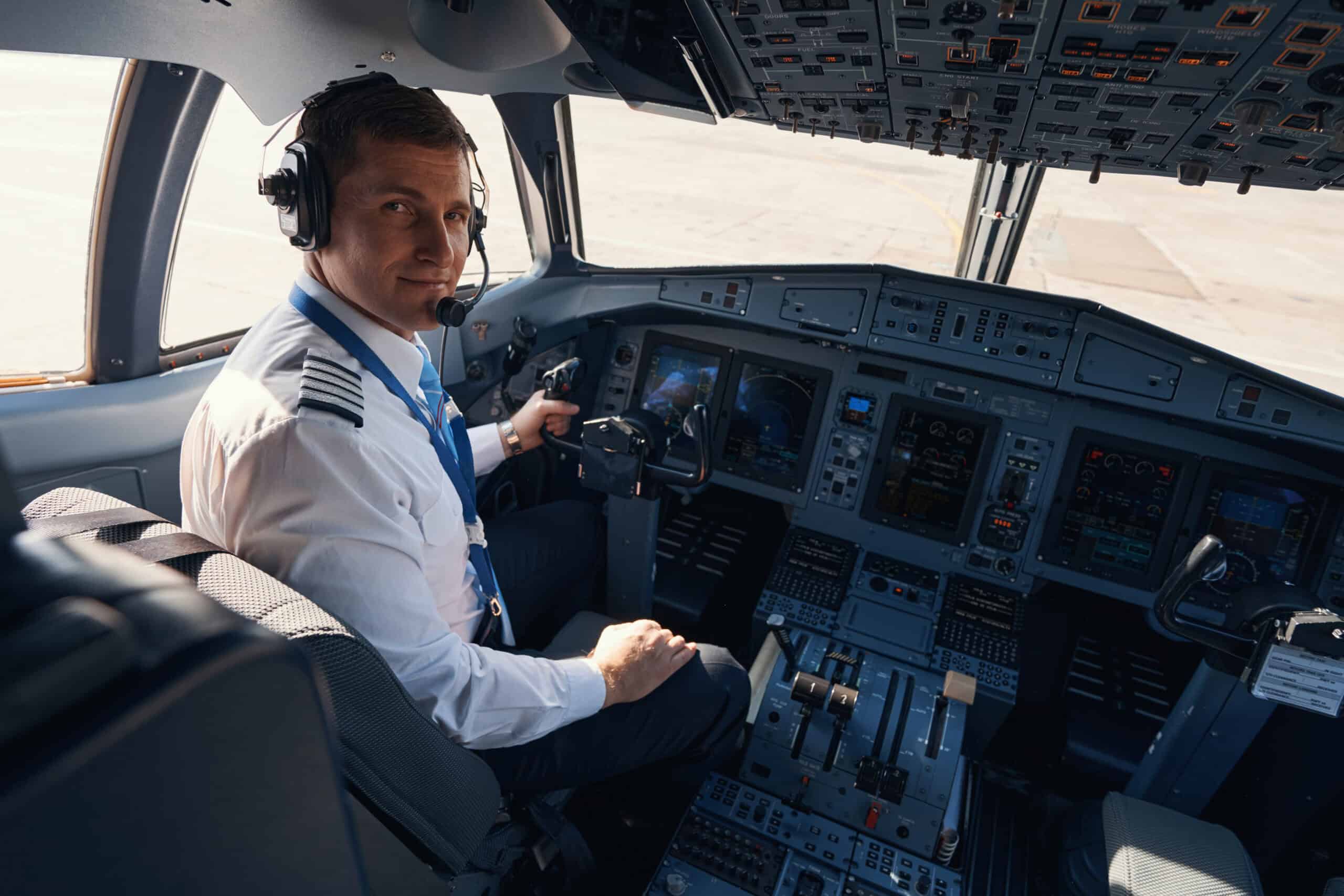
The best aviation automation doesn’t try to replace pilot judgment. It adds capability that extends what pilots can do. TCAS doesn’t decide where to fly — it adds traffic awareness that the pilot couldn’t maintain manually while managing everything else in the cockpit. The weather radar doesn’t decide whether to divert — it shows the pilot where the weather is so the pilot can decide.
We’ll be straight with you: the most dangerous path with AI is the same as the most dangerous path with aviation automation — designing systems that take over judgment rather than informing it. When automation makes decisions without human understanding of the reasoning, oversight becomes impossible. You can’t catch errors in a process you can’t see.
Garmin Autoland — the automated landing system now certified on several GA aircraft — is a good example of automation done right. It’s designed specifically for one scenario: the pilot is incapacitated. In that scenario, human judgment is unavailable, and the automation steps in. For every other scenario, the pilot flies. The boundary is clear, the automation is limited to its defined role, and the result is a genuine safety benefit without the risks of unconstrained automation.
The Fourth Lesson: Trust Is Earned Through Transparency
Pilots trust avionics because avionics manufacturers have earned that trust over decades of transparent performance data. When a new navigation system or autopilot enters service, it goes through extensive certification testing. When it fails, the failure is investigated, documented, and addressed. The track record is public and builds over time.
AI trust is currently built on a different model — assertion. AI companies assert that their systems are accurate, reliable, and safe. Some provide accuracy benchmarks. Few provide transparent failure analysis. The aviation model is better: show the work, investigate the failures, publish the findings, and let the track record build trust through demonstrated performance rather than marketing claims.
Additionally, aviation teaches that trust is not binary. You don’t trust or distrust an autopilot — you trust it within specific conditions. You know that the autopilot performs well in cruise but may struggle in certain turbulent conditions. You know when to use it and when to hand-fly. Calibrated trust, based on known performance characteristics, is what makes human-machine teaming work. Blanket trust — or blanket distrust — both lead to worse outcomes.
What AI Developers Could Learn from Cockpit Design
Modern glass cockpit design reflects decades of human factors research. Designers know which information needs to be prominent, which should be available but secondary, and which should only appear when specifically needed. Alert systems are designed to capture attention without causing information overload. Mode annunciations tell crews exactly what the automation is doing at all times.
AI interfaces often ignore these lessons entirely. Output confidence levels are buried or absent. Reasoning is opaque. Users have no way to assess when the system is operating within its reliable range versus when it’s extrapolating. The cockpit analogy would be an autopilot that doesn’t tell you which mode it’s in or what it’s targeting — a situation that experienced aviators would immediately recognize as dangerous.
Our take: the people building AI systems would benefit from spending time with the human factors literature in aviation. Not because the problems are identical — they’re not. But because aviation has 80 years of hard-won knowledge about what happens when you give people powerful automation without adequate transparency, and the lessons are directly relevant to what’s happening in AI deployment right now.
The Broader Point: Automation Is a Tool, Not a Replacement
Pilots who understand automation well are better pilots, not worse ones. They can use the autopilot to reduce workload on long flights and be more rested and alert when judgment calls are needed. They can use weather technology to make better go/no-go decisions. They can use FMS to plan more efficiently and catch errors before they commit to a routing.
The automation makes them more capable. Their judgment makes the automation useful. Neither one is sufficient alone.
That’s the lesson aviation has for AI. The goal isn’t human or machine. It’s human and machine, with clear roles, transparent limits, and the ongoing discipline of maintaining the human skills and understanding that keep the partnership safe when the automation fails.
Because automation always fails eventually. What matters is whether the human in the loop is ready when it does.
Frequently Asked Questions
What can aviation teach us about working with AI?
Aviation has decades of experience with cockpit automation — autopilots, FMS, TCAS, and now Autoland. The key lessons: automation should extend human capability, not replace judgment; users must deeply understand what automation does and doesn’t do; trust should be calibrated and earned through transparent performance data; and clear boundaries between what automation owns and what humans own are essential for safe operation.
Has aviation automation ever caused accidents?
Yes. Several major accidents have involved automation-related factors — crews who didn’t understand what the autopilot was doing, or who trusted automation output without verifying it. The Air France 447 accident is the most widely studied example. Aviation investigated these failures systematically, changed training and cockpit design, and built a much better human-machine teaming model as a result.
What is the right way to think about AI assistance in professional work?
The aviation model offers a useful framework: define clear boundaries for what the automation handles and what the human owns. Maintain the skills needed to perform critical tasks without automation — because automation will fail. Understand the system well enough to recognize errors, not just outputs. And build trust through demonstrated, transparent performance data rather than assertion. Calibrated, conditional trust performs better than blanket trust or blanket distrust.